rifanmuazin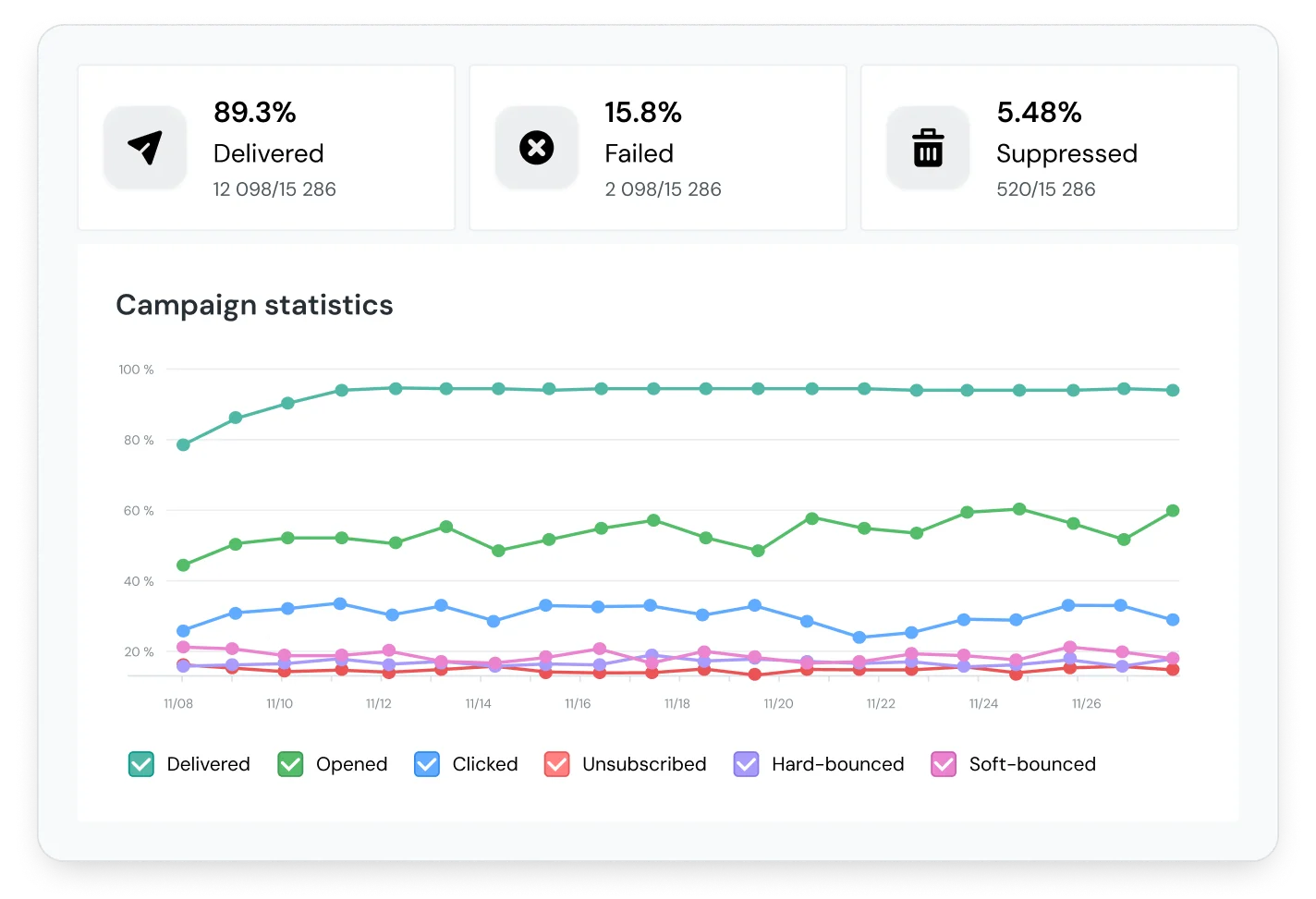
Email marketing remains a cornerstone of digital communication, yet its effectiveness hinges significantly on a deceptively simple question: "What is the best time to send my newsletter?" This query, frequently posed by marketers, underscores a complex interplay of factors that dictate the success of an email campaign, measured primarily by open rates and click-through rates (CTR). Far from a straightforward answer, determining the optimal send time requires a nuanced, data-driven approach, factoring in audience behavior, geographical location, and the nature of the communication itself.
The pursuit of the perfect send time is not merely about convenience; it is a strategic imperative in an increasingly crowded digital landscape. As inboxes swell with promotional content, transactional notifications, and personal correspondence, the window of opportunity for a marketing email to capture attention shrinks. A well-timed email is more likely to appear at the top of a subscriber’s inbox when they are most receptive, dramatically increasing the chances of engagement. This strategic timing directly influences key performance indicators, impacting not just immediate campaign success but also long-term subscriber loyalty and overall marketing return on investment (ROI).
The Evolving Landscape of Email Timing Strategies
The understanding of optimal email send times has evolved considerably over the past decade. Early email marketing advice often provided broad, generic recommendations, such as "send mid-morning on a Tuesday." While these initial guidelines offered a starting point, they lacked the precision needed for truly impactful campaigns. The advent of sophisticated email service providers (ESPs) and advanced analytics has ushered in an era where marketers can delve deep into subscriber behavior, transforming generic advice into highly tailored strategies. This shift reflects a broader trend in digital marketing towards hyper-personalization and data-driven decision-making, acknowledging that a one-size-fits-all approach is increasingly ineffective in a diverse global audience.

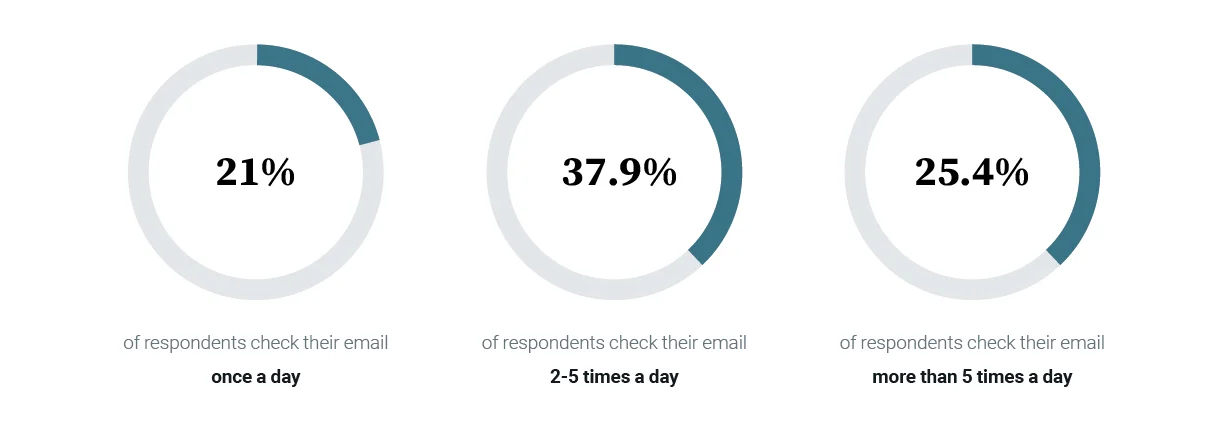
Today, the consensus among industry experts is that while general trends exist, the definitive "best time" is unique to each sender and their audience. This necessitates continuous testing and analysis, moving beyond anecdotal evidence to verifiable performance metrics. The proliferation of mobile devices has also fundamentally altered email consumption patterns. Users now check their emails multiple times throughout the day, often in short bursts, blurring the traditional lines between "work hours" and "leisure time" for email engagement. According to a recent Email Engagement Report, a significant 63.3% of users interact with their personal mailboxes at various points throughout the day, highlighting the omnipresent nature of email in modern life. However, merely checking an email differs from having the capacity and inclination to act on its content, making precise timing even more critical for driving meaningful engagement.
Deconstructing the Optimal Time of Day for Engagement
While simplistic advice often points to the 9 AM to 12 PM window, a deeper analysis reveals a more intricate pattern. This mid-morning slot is frequently cited because it typically aligns with a period when individuals have settled into their work routines, processed initial urgent communications, and might be taking a short break before lunch. This offers a perceived window of opportunity for less urgent, marketing-oriented emails.
However, comprehensive studies, such as one conducted by Sinch Mailgun analyzing billions of emails, provide more precise global insights. This research indicates that 15 UTC (Coordinated Universal Time) consistently registers the highest engagement in terms of click-to-open ratios. This means that a substantial proportion of opens and subsequent clicks occur around this global timestamp. It is crucial for marketers to convert this UTC time to their specific target audience’s local time zone. For instance, during summer months, 15:00 UTC translates to 11 AM Eastern Standard Time (EST) in the United States, aligning somewhat with the general mid-morning recommendation but offering a more precise, data-backed foundation. The implication here is clear: successful timing is inherently localized. Sending an email at 15 UTC might be perfect for an audience in New York, but potentially suboptimal for recipients in Sydney or London, depending on their respective time zones.
- Morning Peak (6 AM – 10 AM local time): Many users check emails shortly after waking up or upon starting their workday. This window can be effective for urgent announcements or news, but inboxes are often crowded with priority communications.
- Mid-Morning Sweet Spot (10 AM – 12 PM local time): Often considered ideal as initial work tasks are addressed, and users might be looking for a short break or catching up before lunch. This period typically sees strong open rates and reasonable click-throughs.
- Afternoon Dip (1 PM – 4 PM local time): Engagement can sometimes wane as individuals return from lunch and dive into deeper work tasks. However, for certain content types or audiences, a post-lunch lull could present an opportunity.
- Late Afternoon/Early Evening (4 PM – 7 PM local time): As the workday winds down, some users check emails for the last time or transition to personal browsing. This can be effective for B2C content, particularly for those commuting or relaxing after work.
- Evening/Night (7 PM onwards local time): Generally lower engagement, but specific niches (e.g., entertainment, late-night shopping deals) might find success, especially in cultures where evening leisure time involves more digital interaction.
Global Variations: A Cultural Lens on Email Habits
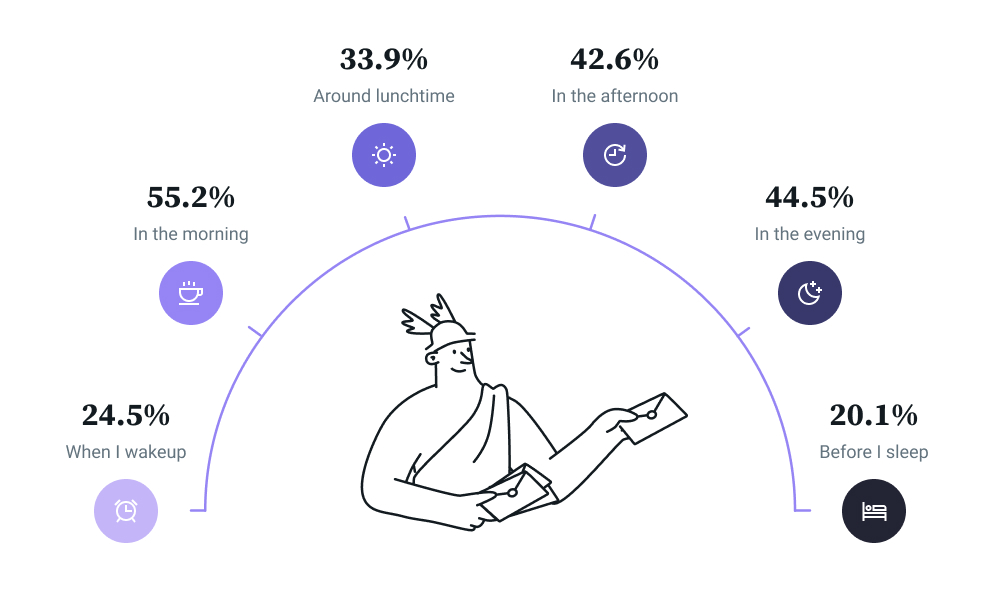
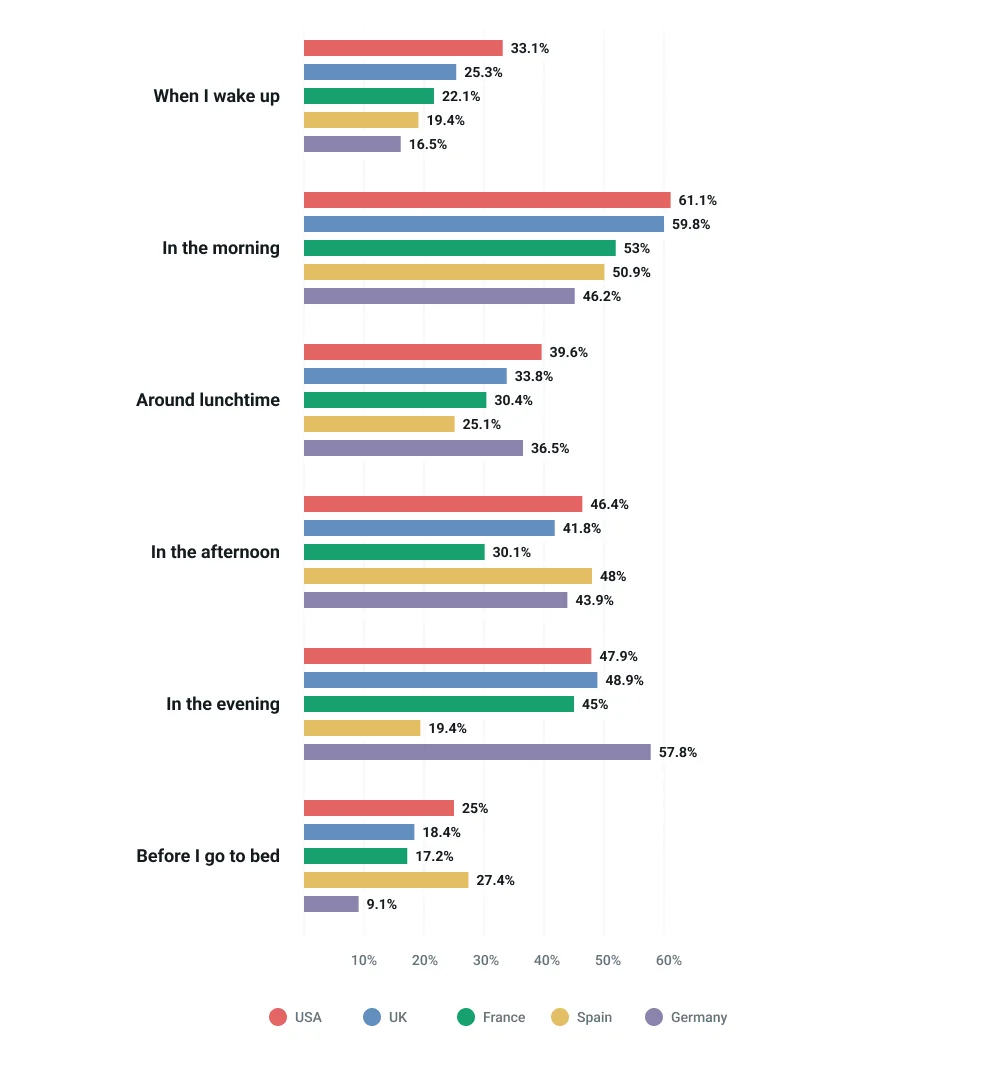
The notion of a universally optimal send time becomes even more complex when considering international audiences. Email habits are deeply intertwined with cultural norms, daily routines, and work-life balances, leading to significant disparities across different countries. The Email Engagement Report highlighted these fundamental differences, revealing that what works in one region might fail dramatically in another.
For example, reaching German customers effectively might mean targeting the early evening, with a reported 57.8% opening emails during this time. This contrasts sharply with Spain, where only 19.4% engage during the same period. Conversely, a substantial 27.4% of Spanish participants indicate they check emails in the late evening, just before bed, a habit far less prevalent among Germans, with only 9.1% engaging at that hour. These statistics underscore the critical need for marketers to segment their audience not just by demographics or interests, but also by geographical location and corresponding time zones. A global blast at a single UTC time, while seemingly efficient, is likely to alienate or miss significant portions of an international audience. A marketing strategist specializing in global campaigns might advise, "Understanding the daily rhythm and cultural context of your target market is as important as the content of your email. What constitutes ‘leisure time’ or ‘work time’ varies wildly, and your email strategy must adapt accordingly."
The implications for international brands are profound. Rather than relying on a single campaign schedule, successful global email marketing mandates localized timing. This involves utilizing advanced segmentation capabilities within ESPs to deliver messages when they are most relevant to recipients in Tokyo, London, or São Paulo, ensuring that the message lands when the subscriber is most likely to open and act, rather than when it is convenient for the sender.
Navigating the Week: Best Days for Your Campaigns
Beyond the time of day, the day of the week plays an equally crucial role in determining email engagement. The Sinch Mailgun study previously mentioned offers clear insights: Tuesdays through Thursdays generally exhibit the highest open and click-through rates. This mid-week sweet spot is attributed to several factors. By Tuesday, the deluge of Monday morning emails has often been addressed, and recipients are typically settled into their work week, yet not yet distracted by impending weekend plans.
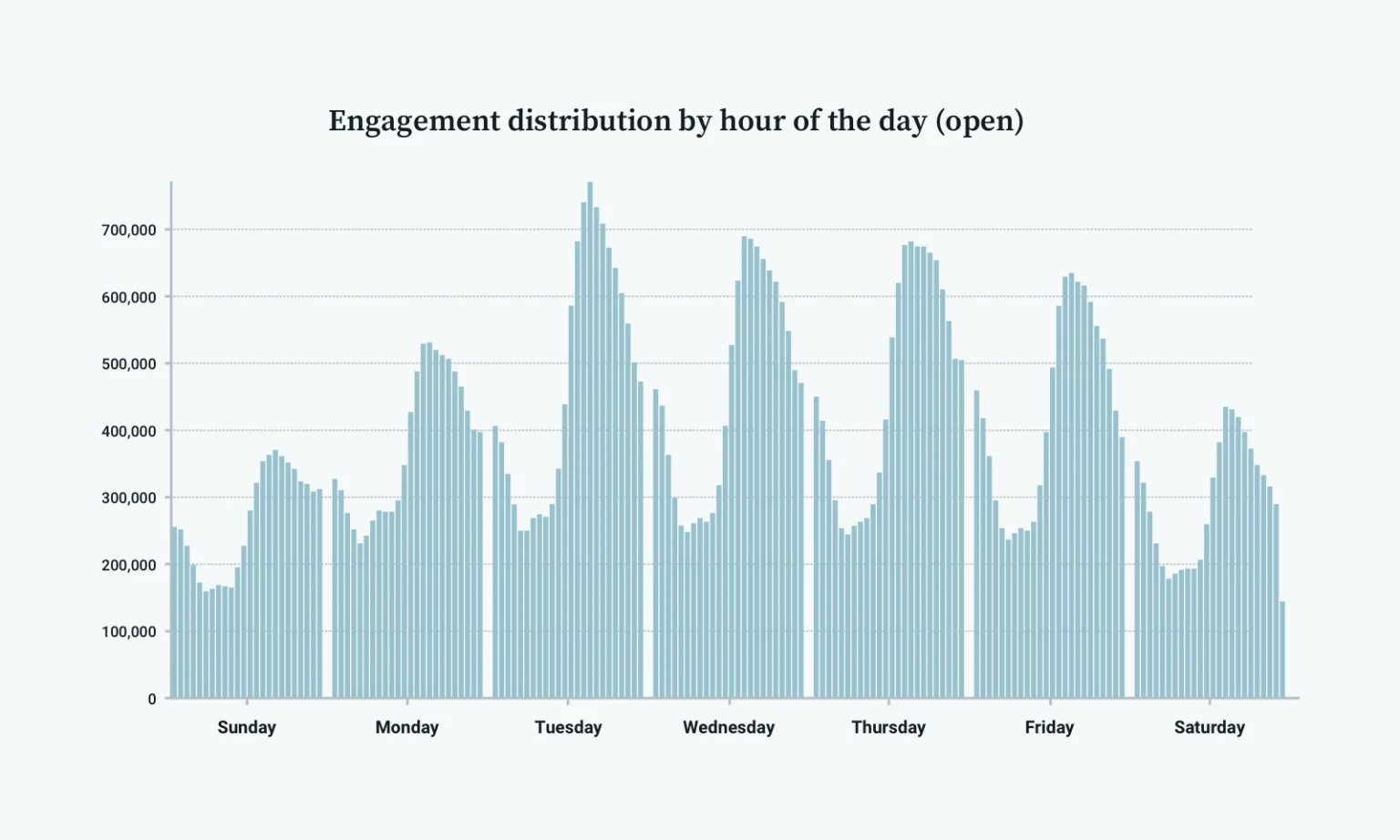
- Tuesday: Often considered the prime day for email marketing. Engagement rates are typically high as recipients have cleared their Monday backlog and are focused.
- Wednesday: A strong second contender. While slightly lower than Tuesday or Thursday, it remains a highly effective day for engagement, benefiting from the sustained focus of the mid-week.
- Thursday: Continues the trend of strong engagement. Marketers often leverage Thursday for calls-to-action that require action before the weekend, or for content that can be consumed over the weekend.
Marketers planning multiple sends within a week are often advised to space them out, perhaps on a Tuesday and a Thursday, to avoid overwhelming subscribers and ensure maximum impact for each message. Sending on consecutive days like Tuesday and Wednesday might lead to "inbox fatigue," reducing engagement for the second email.
Conversely, some days prove less fruitful for email engagement. Weekends, particularly Saturdays and Sundays, consistently rank as the worst days for marketing emails. During these periods, individuals are typically engaged in personal activities, social outings, family time, or errands, rendering marketing emails a low priority. An email opened during leisure time might receive a glance, but the likelihood of deep engagement or conversion is significantly diminished. The only exception tends to be for highly specific, lighthearted content or promotional offers directly relevant to weekend activities (e.g., weekend event reminders, travel deals), where the context aligns with weekend consumption.
The debate between Friday and Monday as the "lesser of two evils" for non-optimal days has also been a perennial discussion. Traditional wisdom often painted both as poor choices. Mondays suffer from the "Monday morning blues" and an overwhelming influx of emails accumulated over the weekend. Fridays, on the other hand, often see a drop in productivity and attention as people mentally transition into the weekend. However, recent data suggests that Fridays often outperform Mondays in terms of open and click-through rates. This could be attributed to a less crowded inbox environment on Fridays, or perhaps a different type of engagement from recipients who are winding down and more open to browsing leisure-related content. A data scientist specializing in email metrics might conclude, "While mid-week is generally safest, testing Fridays for specific campaign types – perhaps those designed for weekend consumption – could reveal untapped opportunities due to lower inbox competition."
B2B vs. B2C: Tailoring Your Approach
The fundamental distinction between Business-to-Business (B2B) and Business-to-Consumer (B2C) email marketing dictates entirely different optimal sending strategies. The user’s mindset, context, and expectations vary significantly between their professional and personal inboxes.
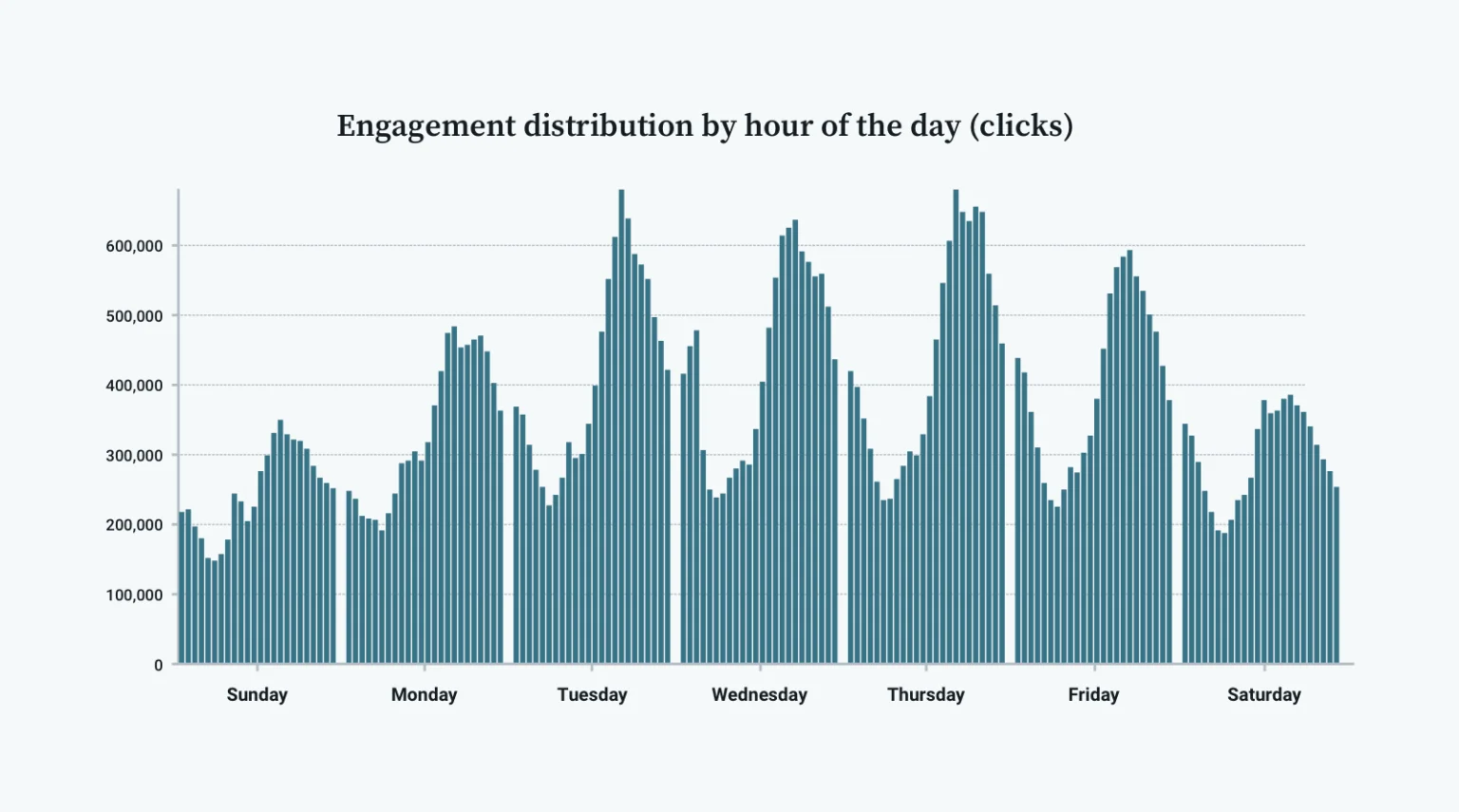
- B2B Email Campaigns: These emails are typically read during working hours, Monday to Friday. The content is usually professional, informative, and solution-oriented. Optimal times often fall within the standard workweek, particularly mid-morning (9 AM – 11 AM) and mid-afternoon (2 PM – 4 PM) on Tuesdays, Wednesdays, and Thursdays. Mondays can be challenging due to week-start planning and backlog, while Fridays may see reduced engagement as professionals wind down. The goal is to catch recipients when they are actively engaged in professional tasks and have the mental capacity to process business-related information. Industry-specific nuances are also crucial; for instance, emails to IT professionals might perform better earlier in the morning, while those targeting sales teams could thrive mid-afternoon.
- B2C Email Campaigns: Consumer behavior is far more varied. While mid-week, mid-morning can still be effective, B2C campaigns often see success outside traditional business hours. Evenings (7 PM – 9 PM) and sometimes even weekends can be viable, especially for leisure, entertainment, or retail content. The context of consumption is key: a consumer might be browsing emails on their phone during a commute, relaxing on the couch in the evening, or looking for weekend deals. The Email Engagement Report highlights that a large percentage of consumers check personal emails multiple times a day, often outside of work hours, indicating a broader window for engagement compared to B2B. Marketers must ask themselves: When is my target consumer most likely to be receptive to this specific message? Are they commuting, relaxing, or actively shopping?
Developing detailed marketing personas, which define the characteristics, habits, and motivations of target customers, becomes indispensable here. These personas inform not just the content and tone of emails but also the precise timing, ensuring that messages align with the recipient’s daily rhythm and context. As a leading email marketing expert once stated, "The best send time isn’t just about avoiding spam filters; it’s about respecting your subscriber’s time and attention. Deliver value when they’re ready to receive it."
Why Email Sending Time Matters: The ROI of Precision
The meticulous effort invested in crafting compelling email content—from powerful copy and catchy subject lines to clear calls-to-action (CTAs)—can be entirely undermined by poor timing. In a digital inbox where messages vie for attention, an email sent at the wrong time is an email easily overlooked, relegated to the bottom of the pile, or worse, deleted unread. This emphasizes why timing is not a mere operational detail but a strategic determinant of campaign efficacy.
The competitive nature of the email inbox means that emails positioned at the top generally achieve significantly better engagement than those buried lower down. Therefore, sending at a time when your audience is actively checking their inbox increases visibility and the likelihood of immediate interaction. The benefits of optimized email sending times are multifaceted and directly contribute to enhanced marketing performance:
- Increased Open Rates: More visible emails mean more eyes on your subject line.
- Higher Click-Through Rates (CTR): When an email is opened at an opportune moment, recipients are more likely to have the time and inclination to engage with the content and click on CTAs.
- Improved Conversion Rates: Higher engagement naturally leads to better conversion, whether it’s a purchase, a download, or a signup.
- Better Deliverability and Sender Reputation: High engagement signals to email providers that your content is valuable, which can positively impact your sender reputation and ensure future emails land in the primary inbox rather than spam.
- Reduced Unsubscribe Rates: Relevant and well-timed emails are less likely to annoy subscribers, fostering a positive relationship.
- Enhanced Customer Experience: Delivering information when it’s most convenient and useful demonstrates consideration for your audience, building trust and loyalty.
A compelling statistic from "The Path to Email Engagement" report highlights this perfectly: "86.4% of respondents say having time to read an email is an important factor in determining whether to open it." This data point underscores that even the most compelling subject line won’t suffice if the recipient lacks the bandwidth to process the message. Understanding customer behavior, habits, and geographical time zones is paramount to ensuring that your message is seen first and engaged with meaningfully when subscribers are most receptive.
How to Determine the Best Time to Send Your Emails: A Data-Driven Methodology
Given that a universal "best time" remains elusive, the most effective approach for marketers is to implement a robust, data-driven methodology tailored to their specific audience and objectives. Fortunately, most modern email service providers (ESPs) offer a treasure trove of historical data that can be leveraged for this purpose.
The first step involves diving into your ESP’s analytics dashboard. Here, marketers can analyze past campaign performance, focusing on metrics like open rates, click-through rates, and even conversion rates, broken down by day of the week and hour of the day. This historical data provides invaluable insights into when your specific audience has been most receptive in the past. Identifying days with peak activity and then drilling down into hourly breakdowns can reveal precise windows of optimal engagement. For instance, Mailjet users can access comprehensive engagement statistics directly within their platform’s Statistics dashboard, offering granular views of campaign performance over time.
Beyond historical analysis, continuous experimentation through A/B testing is crucial. This scientific approach allows marketers to validate hypotheses and fine-tune their sending schedule. A common A/B testing strategy for optimal send times involves:
- Defining a Hypothesis: Based on existing data or industry benchmarks, hypothesize a potentially better send time (e.g., "sending at 1 PM will yield higher open rates than 10 AM").
- Segmenting Your List: Divide your subscriber list into two or more statistically significant groups.
- Varying Send Times: Send the same email campaign to different segments at different times (e.g., Segment A at 10 AM, Segment B at 1 PM).
- Analyzing Results: Compare the open rates, CTRs, and conversion rates across the segments.
- Iterating: Implement the winning time for future campaigns, and then formulate a new hypothesis for further testing (e.g., "Now that 1 PM is optimal, what about 9 PM?").
This iterative process of testing, analyzing, and adapting is key to continuous improvement. Marketers can also experiment with different days of the week, or even segment their audience by time zone to ensure localized delivery. For regular newsletters or recurring campaigns, establishing consistency is paramount. Sending emails on the same day and at roughly the same time each week builds anticipation and trust with your audience, making your content a predictable and welcome part of their routine. However, flexibility is also vital, particularly during holidays or special events. Deviating from the regular schedule to align with consumer behavior during these unique periods, even if it means sacrificing strict consistency, can often lead to significantly higher engagement. The ultimate goal is to deliver the right message to the right person at the right time, maximizing relevance and impact.
Send at the Perfect Time with Mailjet
In the dynamic world of email marketing, finding the optimal time to dispatch campaigns remains a pivotal challenge with no universal solution. The ideal schedule is a mosaic, pieced together from various elements: the unique nature of your business, the characteristics of your customer base, the specific goals of your campaigns, and the volume and type of emails you regularly send. Factors such as subscriber age, their daily habits, and crucial geographical time zones all exert a significant influence on engagement metrics like open and click-through rates.
Modern email marketing platforms are engineered to empower marketers in navigating this complexity. Mailjet, for instance, provides a comprehensive suite of features designed to streamline the creation, delivery, and robust tracking of email campaigns. With an intuitive Email Editor and a diverse library of responsive email templates, marketers can efficiently craft visually appealing and engaging newsletters in minutes. Crucially, Mailjet’s advanced functionalities directly address the strategic imperatives of timing and audience understanding:
- Segmentation: Allows marketers to divide their subscriber list into highly specific groups based on demographics, behavior, geography, and more. This enables the precise targeting necessary to send emails at times most relevant to each distinct segment, acknowledging global and cultural variations in email habits.
- A/B Testing: Facilitates systematic experimentation with different send times, subject lines, content variations, and other elements. This empowers marketers to scientifically determine what resonates best with their audience, moving beyond guesswork to data-backed decisions.
- Campaign Comparison: Offers tools to analyze the performance of various campaigns side-by-side. This feature is invaluable for identifying trends over time, understanding the impact of different send schedules, and continually refining strategies.
- Email Statistics: Provides granular insights into campaign performance, including detailed breakdowns of open rates, click-through rates, bounce rates, and more, often visualized by hour and day. These statistics are the bedrock for identifying historical peaks in engagement and informing future timing decisions.
By leveraging these integrated features, Mailjet users can meticulously track and enhance their digital marketing outcomes, progressively uncovering and implementing the perfect time to send their emails. The platform transforms the complex task of timing optimization into an achievable, data-driven process, ensuring that every campaign has the best possible chance of cutting through the noise and achieving its objectives.
This article is an updated version of the post "When’s the best time to send an email newsletter?" originally published on the Mailjet blog in 2021.