

In an era where digital advertising costs continue to climb across major platforms, the efficiency of the post-click experience has become the primary determinant of marketing profitability. For modern enterprises, the traditional approach of directing paid traffic to generic product detail pages (PDPs) is increasingly viewed as a structural inefficiency, leading to what industry analysts describe as "leaky buckets" in marketing budgets. As the gap between high-intent advertising and distraction-heavy website architecture widens, the strategic deployment of dedicated product landing pages has emerged as a critical solution for maintaining competitive customer acquisition costs (CAC).
The Economic Necessity of Targeted Conversion Paths
The fundamental challenge facing digital marketers today is the rising cost of attention. Data from recent industry reports indicates that average cost-per-click (CPC) rates on platforms like Meta and Google have seen double-digit year-over-year increases in several sectors. When a brand pays for a click, the destination page must work with surgical precision to convert that interest into revenue. However, most standard e-commerce product pages are designed for browsing, not for specific campaign conversion. They are often cluttered with global navigation menus, "related products" carousels, and social media icons—all of which serve as potential exit points for a visitor who was originally interested in a single, specific offer.
A product landing page (PLP) differs from a standard website page by adhering to a strict 1:1 conversion ratio: one page, one goal, and one clear call to action (CTA). By removing the noise of site-wide navigation and secondary offers, these pages guide the visitor through a linear persuasive narrative. This methodology is not merely a design preference but a response to the psychological reality of "choice paralysis," where too many options lead to a total failure to act.
Comparative Analysis: Product Pages vs. Product Landing Pages
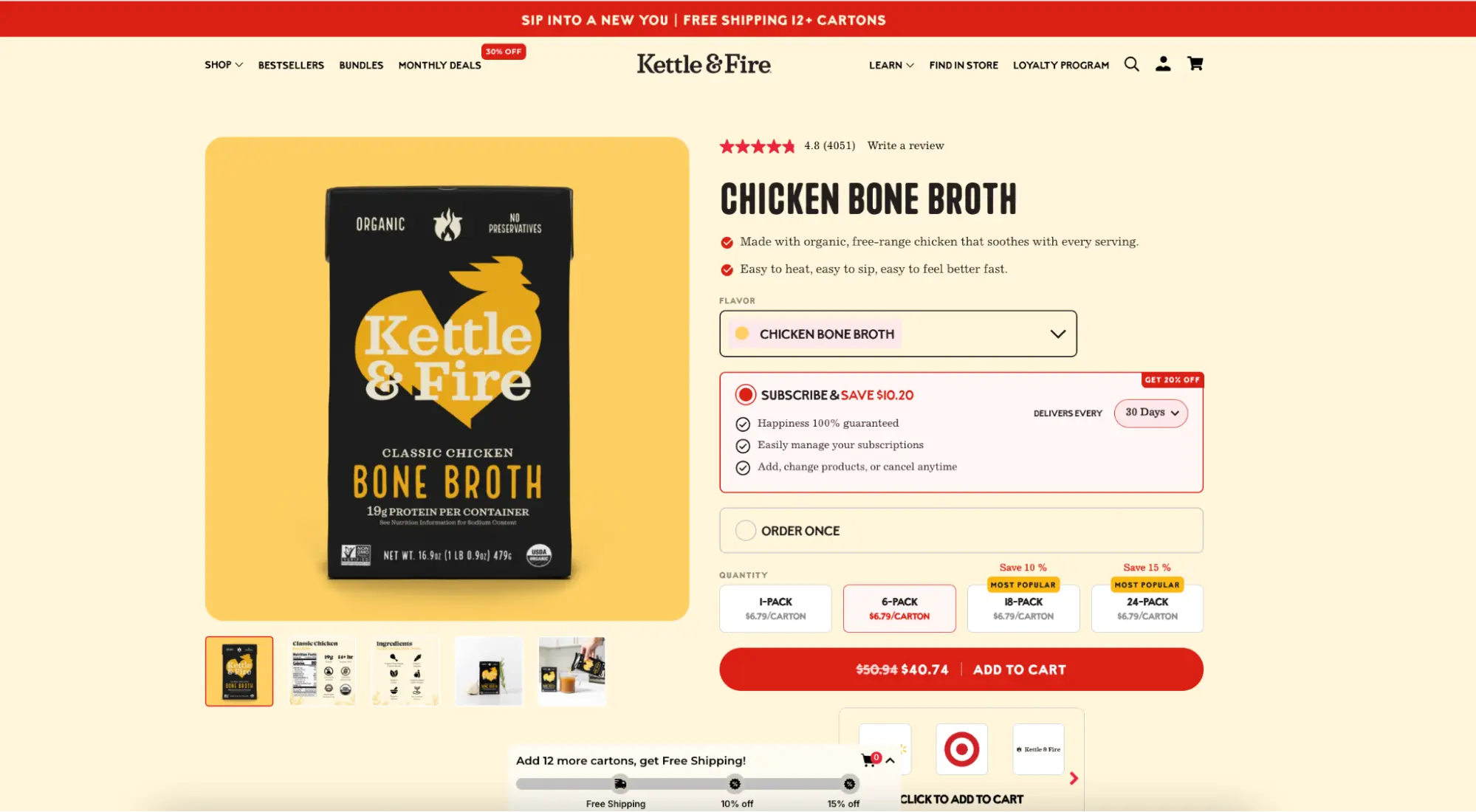
To understand the operational impact of these strategies, one must look at the diverging architectures of brands like Kettle & Fire. The company’s standard product detail page is built as a permanent site asset, designed to inform and assist organic visitors who are browsing the brand’s wider catalog. It features a full navigation bar, links to a dozen product variants, a footer with multiple columns of links, and social media prompts. While effective for SEO and general discovery, this page provides over 30 different ways for a paid visitor to leave without completing a purchase.

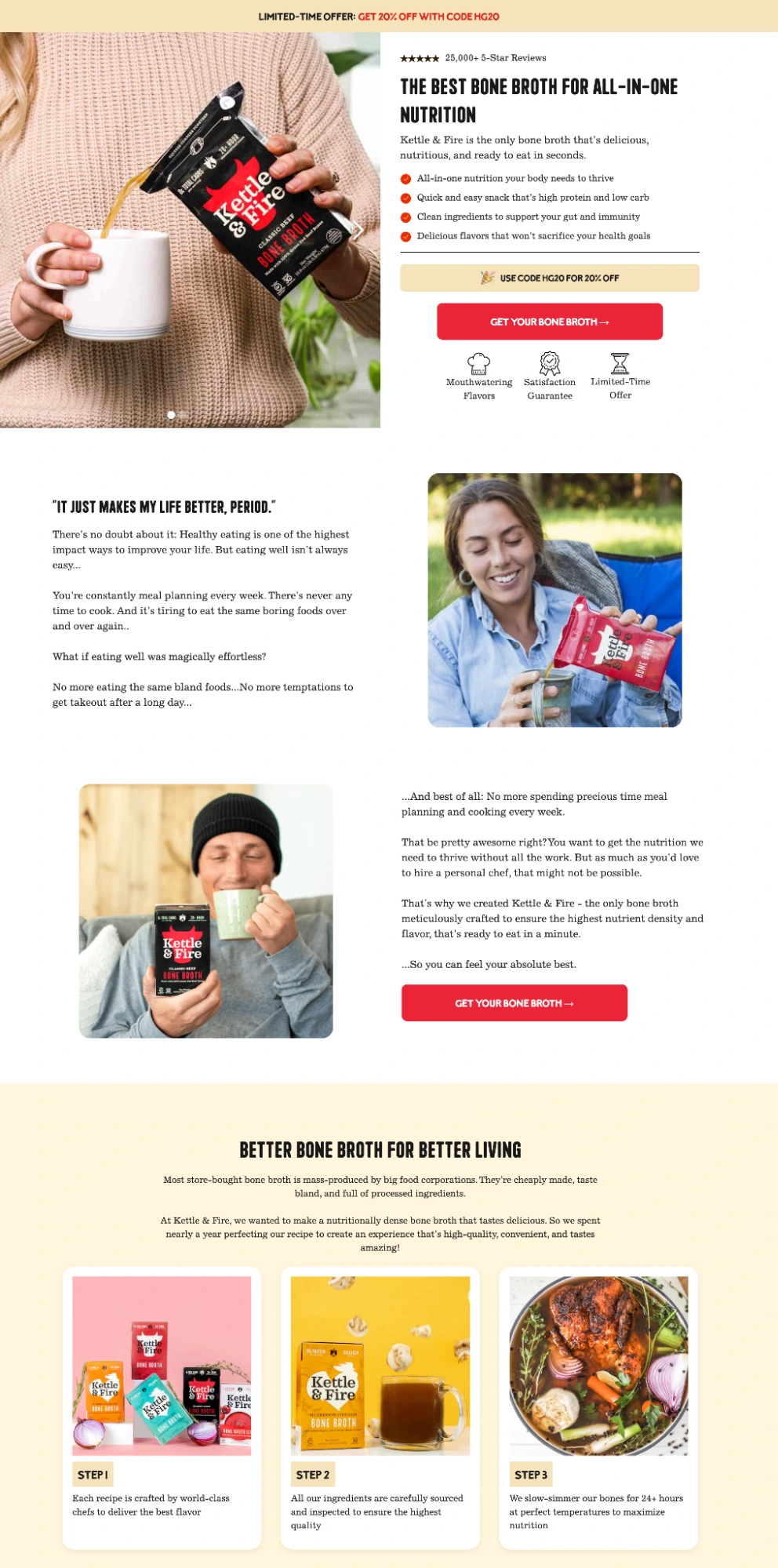
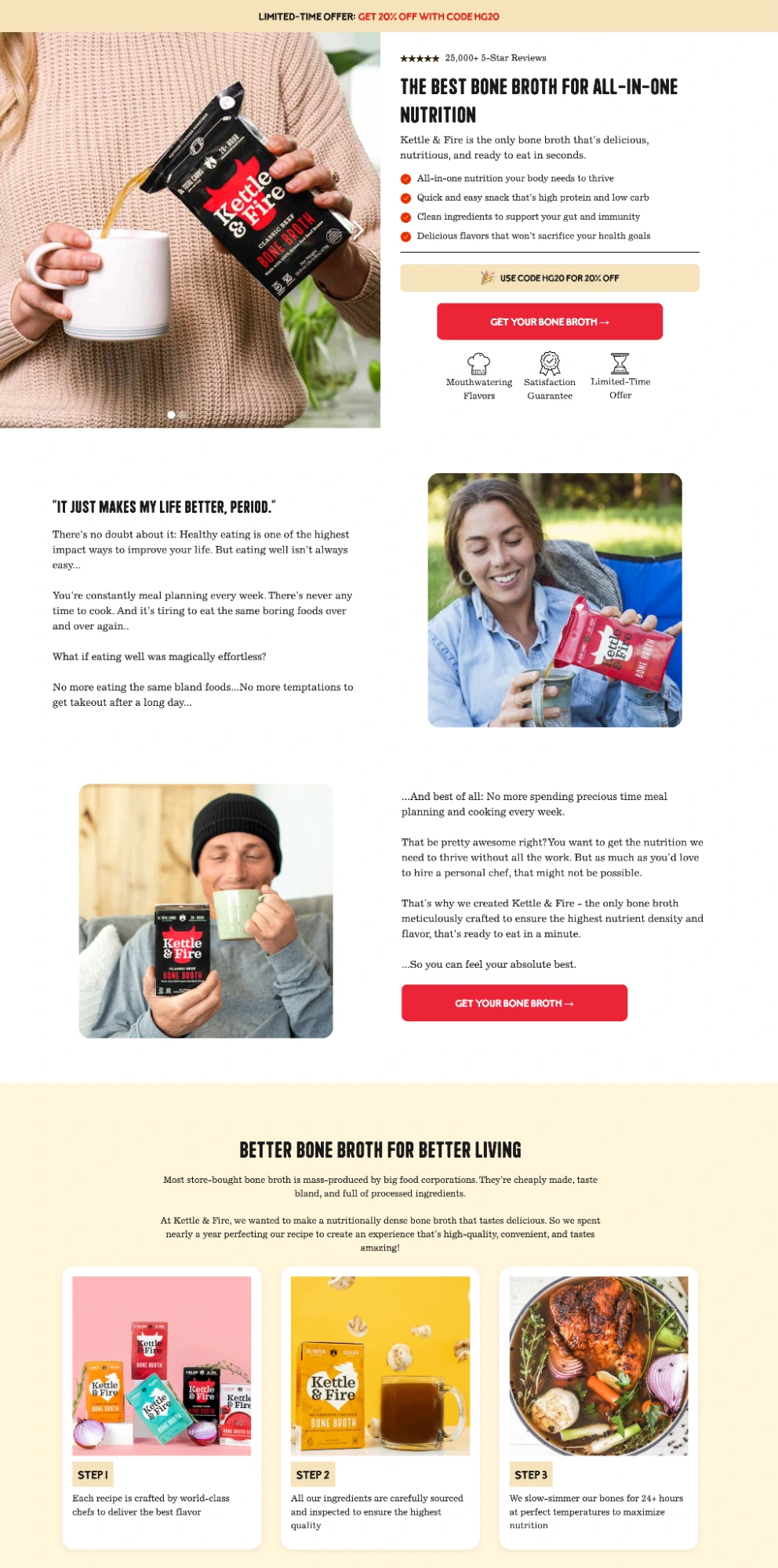
In contrast, Kettle & Fire’s dedicated landing page for the same product exists on a separate subdomain and functions as a closed conversion loop. There are no external links to other products or social profiles. Every interactive element either moves the visitor further down the page or directly to the checkout. This environment allows the brand to utilize urgency tactics—such as limited-time discount codes—and high-authority social proof that might feel out of place on a general brand site but are highly effective for converting ad traffic.
The Pillars of High-Performance Design
Conversion rate optimization (CRO) specialists identify several non-negotiable elements that differentiate high-performing product landing pages from those that fail to see a return on investment.
Above-the-Fold Value Proposition
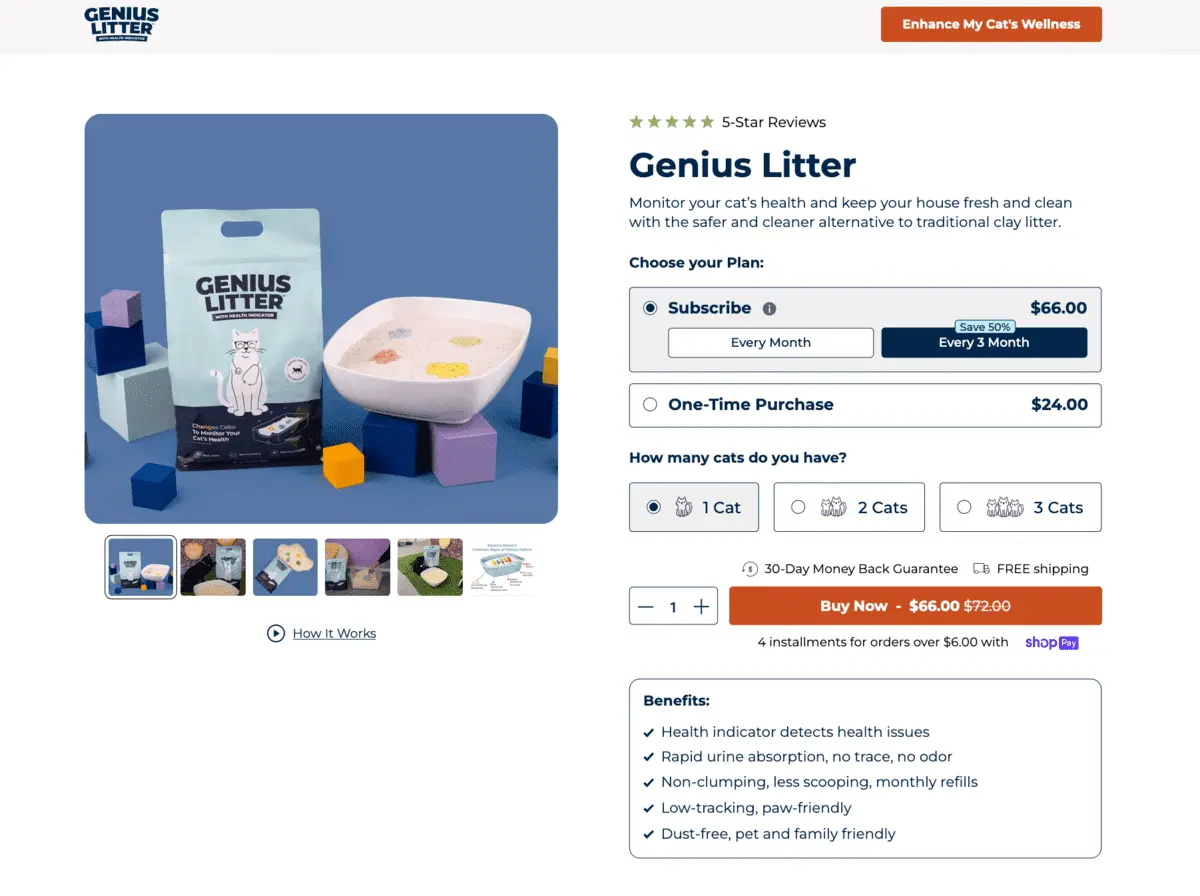
Research from the Nielsen Norman Group consistently demonstrates that content placed "above the fold"—the area visible without scrolling—receives the vast majority of user attention. A successful landing page must deliver a complete value proposition in this space. This includes a headline that addresses a specific pain point, a sub-headline explaining the solution, and a primary CTA. If a visitor cannot understand what is being sold and why it matters within the first three seconds, the likelihood of bounce increases exponentially.
The Psychology of Message Match
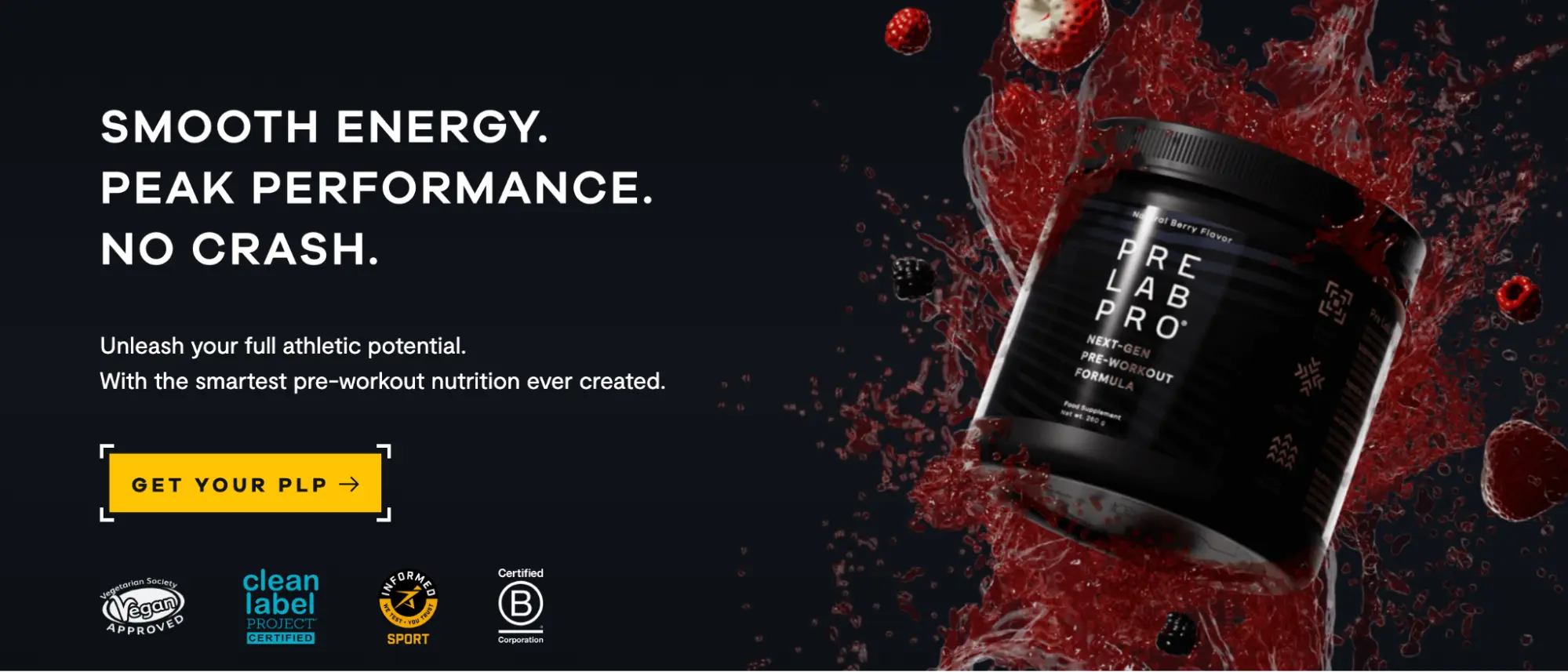
One of the most frequent causes of conversion drops is a lack of "message match." This occurs when the creative and copy of an advertisement do not align perfectly with the landing page. For instance, if an ad promises "the world’s most durable wallet," but the landing page headline reads "Explore Our Full Collection," the cognitive dissonance causes the visitor to hesitate. Beyond user experience, Google’s ad algorithms measure this alignment as a Quality Score signal, meaning better message match directly leads to lower ad costs and better placement.
Technical Performance and Core Web Vitals
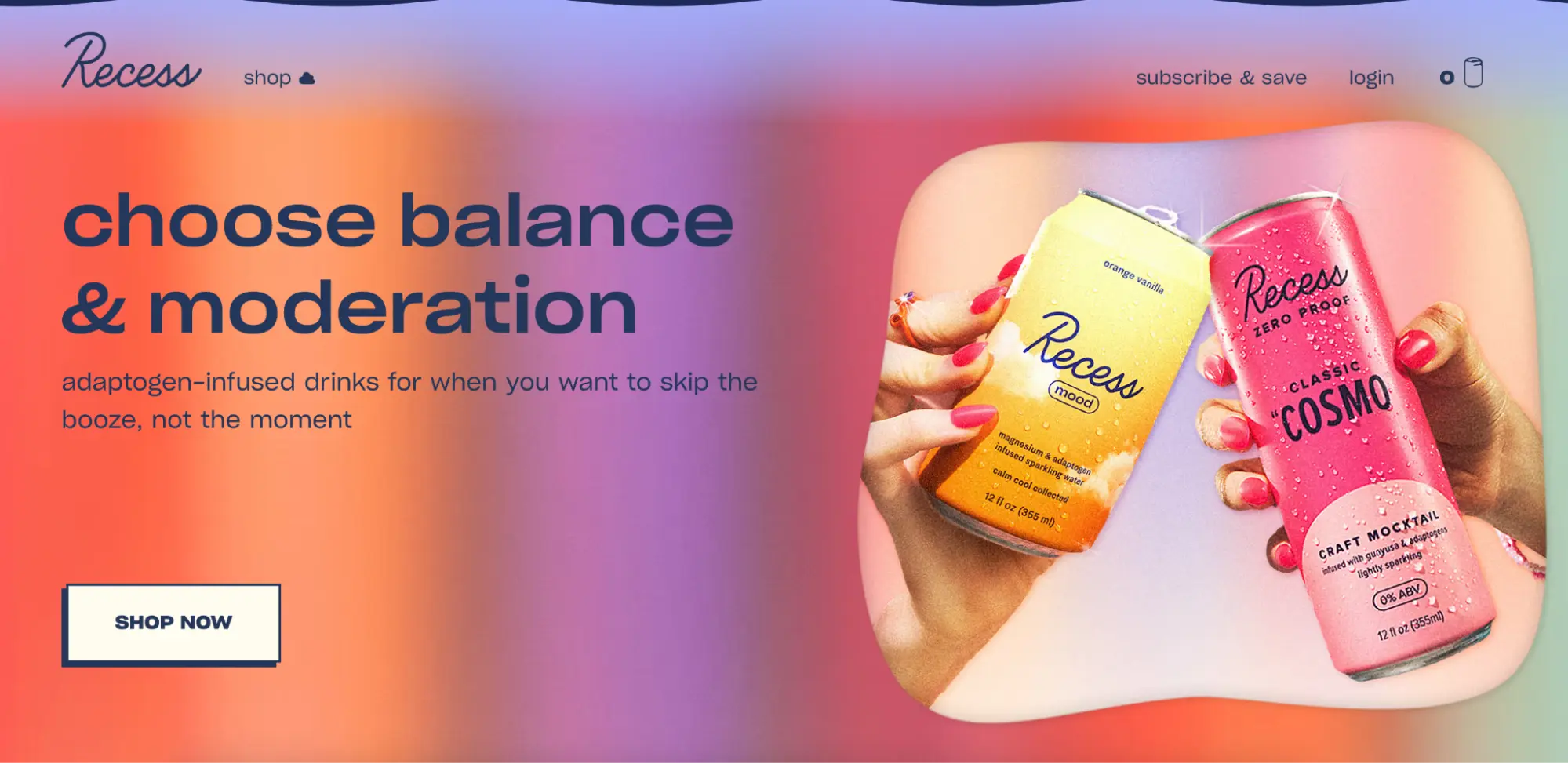
In the mobile-first era, page speed is a financial metric. Data from Google indicates that for every second of delay in mobile load times, conversion rates can drop by up to 20%. Modern landing page platforms now prioritize "Core Web Vitals"—specifically Largest Contentful Paint (LCP) and Cumulative Layout Shift (CLS)—to ensure that pages load nearly instantaneously and remain stable as they render. For enterprise teams, managing this at the infrastructure level, rather than through manual code optimization, has become a standard requirement for scaling operations.
Strategic Categorization of Landing Pages
Not all product landing pages are built for the same objective. Marketing teams typically deploy three distinct types based on the campaign’s position in the funnel:

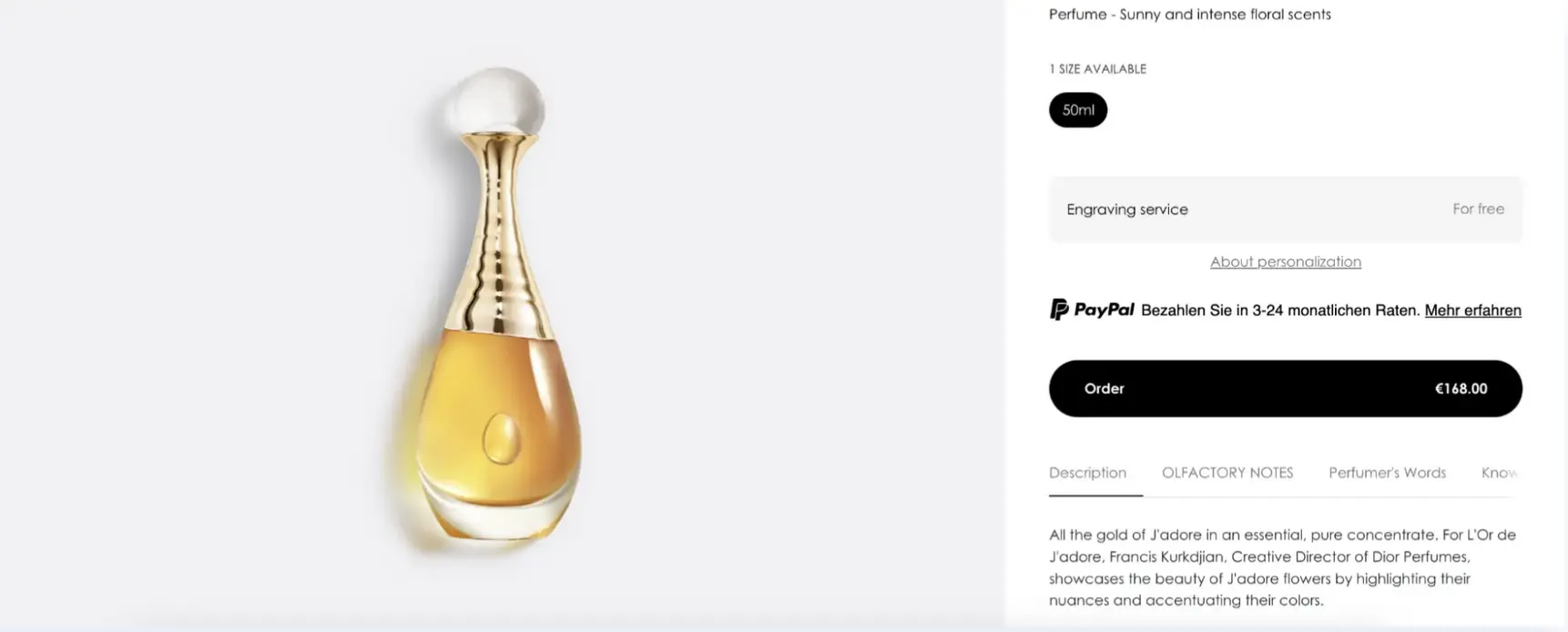
- Single-Product Landing Pages: These are laser-focused on one specific SKU or variant. They are ideal for "bottom-of-funnel" ads where the consumer has already expressed interest in a specific item. Examples include luxury fragrance pages like Dior’s J’adore, where visual storytelling and brand heritage are used to justify a premium price point.
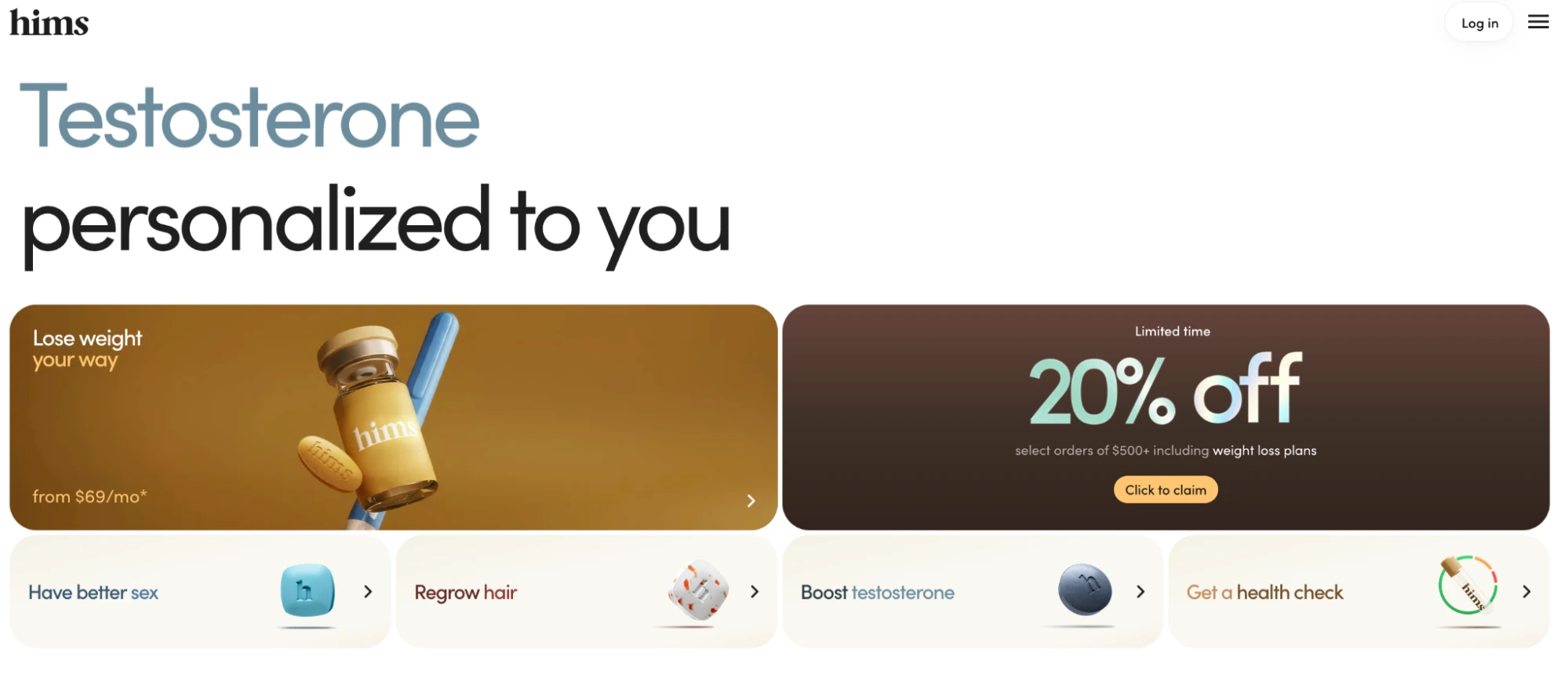
- Multi-Product Landing Pages: These serve as "hubs" for broader category searches. For example, a brand like Hims may use a multi-product page to allow visitors to self-select their specific health concern (e.g., hair loss vs. skincare) while still maintaining a distraction-free environment compared to a full e-commerce site.
- Product Launch Pages: Designed for new releases or pre-orders, these pages focus heavily on scarcity, waitlists, and founder stories to build momentum before a product is widely available.
Industry Case Studies and Behavioral Insights
The effectiveness of these principles is evident in the strategies of category-defining brands. Athletic Greens (AG1), for instance, utilizes influencer-specific landing pages. When a visitor arrives from a specific podcast, the page is personalized with the host’s imagery and endorsement. This "borrowed credibility" anchors the page before the product claims are even read.
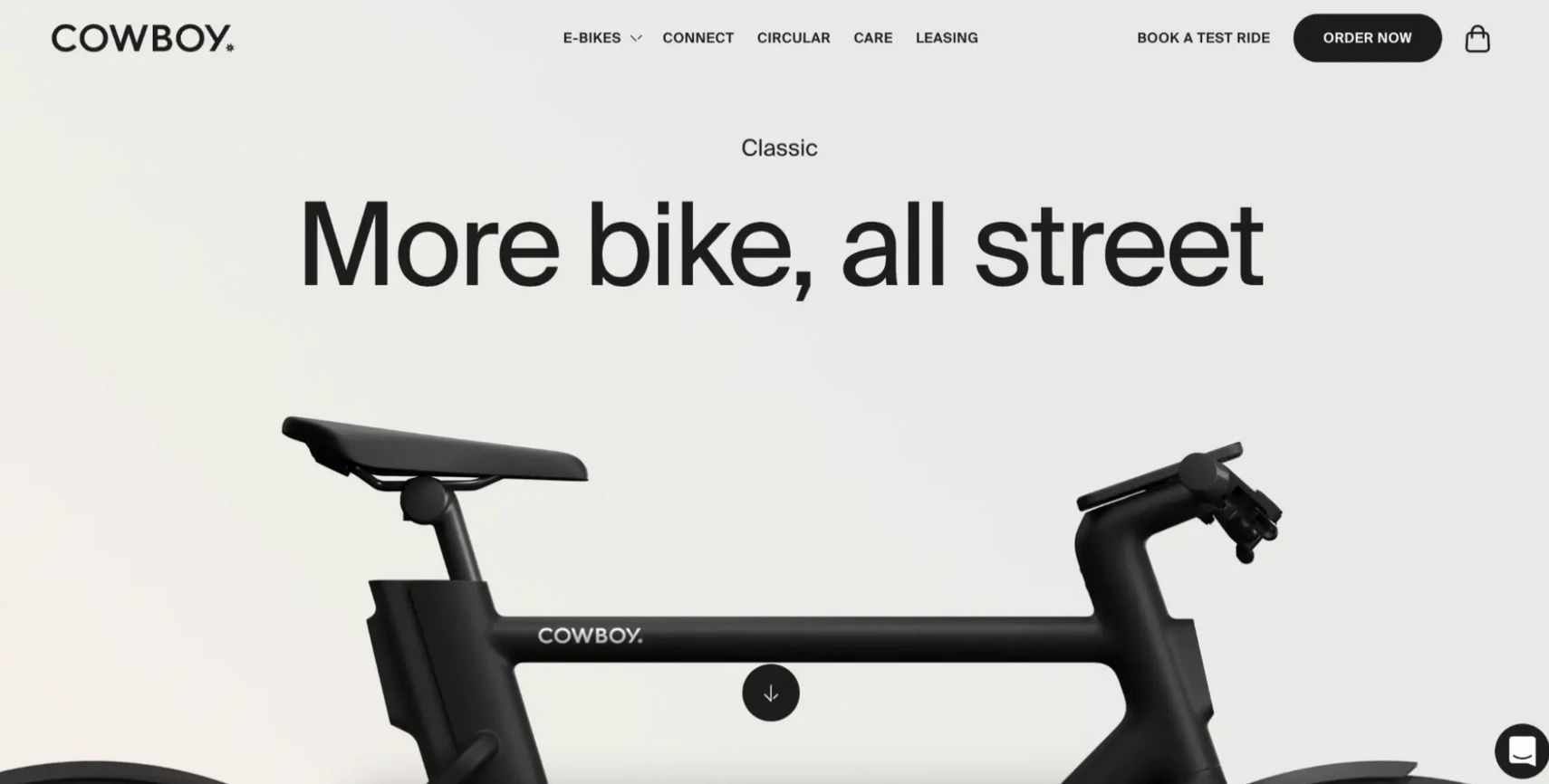
In the hardware space, Cowboy uses 360-degree interactive product views on its e-bike landing pages to overcome the "tactile gap"—the inability of the consumer to touch the product before buying. By providing a high-fidelity digital representation, the brand reduces the perceived risk of a high-ticket online purchase.

Similarly, Airbnb utilizes highly segmented host-acquisition pages. By showing diverse portraits and addressing specific concerns like safety and insurance above the fold, the platform converts "curious" visitors into "committed" hosts. Each element on the page is a calculated response to a known objection in the user’s mind.
Implementation and Measurement Framework
Building these assets has historically required significant developer resources, creating a bottleneck for marketing teams. However, the rise of no-code platforms has shifted this responsibility to the growth and marketing departments. The workflow for a modern landing page deployment typically follows a structured lifecycle:

- Goal Definition: Identifying whether the primary KPI is a direct sale, a lead generation form, or a waitlist sign-up.
- Structure Assembly: Utilizing conversion-tested templates that place social proof, benefit lists, and FAQs in a scientifically backed visual hierarchy.
- AI-Driven Personalization: Using artificial intelligence to generate copy variations for different audience segments, ensuring that a "sustainability-focused" buyer sees different headlines than a "price-conscious" buyer.
- Rigorous Testing: Employing A/B testing or multivariate testing to iterate on headlines, button colors, and imagery.
Success is measured through a multi-layered KPI framework. While Conversion Rate remains the primary metric, teams also monitor Cost Per Conversion (to justify ad spend), Scroll Depth (to see if the persuasive narrative is being read), and Heatmap Data (to identify where users are clicking vs. where they are stalling).

The Broader Impact on Digital Strategy
The shift toward dedicated product landing pages represents a broader movement in digital commerce toward hyper-personalization and friction reduction. As privacy regulations make third-party tracking more difficult, the "first-party" experience on a landing page becomes the most valuable data source a brand possesses.

By treating the landing page as a dynamic extension of the advertisement rather than a static part of the website, companies can achieve a level of agility that was previously impossible. This allow brands to react to market trends, seasonal shifts, and competitor moves in real-time, ensuring that every dollar spent on paid media is directed toward a destination designed to maximize its value. In the competitive landscape of the 2020s, the brands that master this "science of the click" are the ones that will sustain long-term growth and market dominance.







