


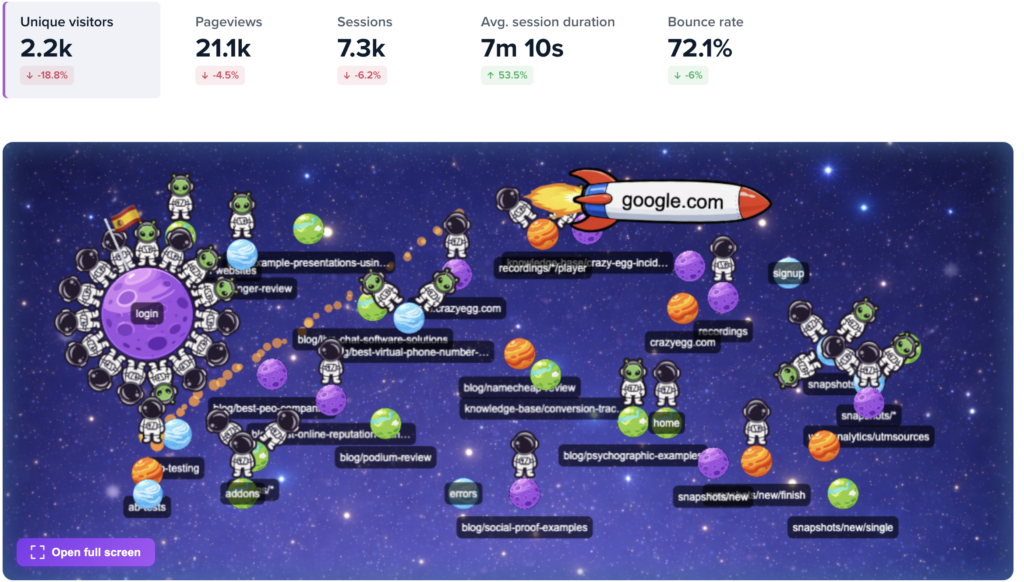
The global conversion rate optimization (CRO) software market has seen an unprecedented surge in adoption as digital storefronts and SaaS platforms seek to maximize the value of their existing traffic. In this competitive landscape, two platforms—Crazy Egg and Lucky Orange—have emerged as industry leaders, offering a suite of tools designed to decode user behavior. While both platforms provide essential features such as heatmaps, session recordings, and on-page surveys, their strategic focus and technical architectures cater to distinct business needs. For modern marketers and product managers, the choice between these two often hinges on whether they prioritize integrated experimentation and deep segmentation or real-time engagement and granular form analysis.
The Evolution of User Behavior Analytics
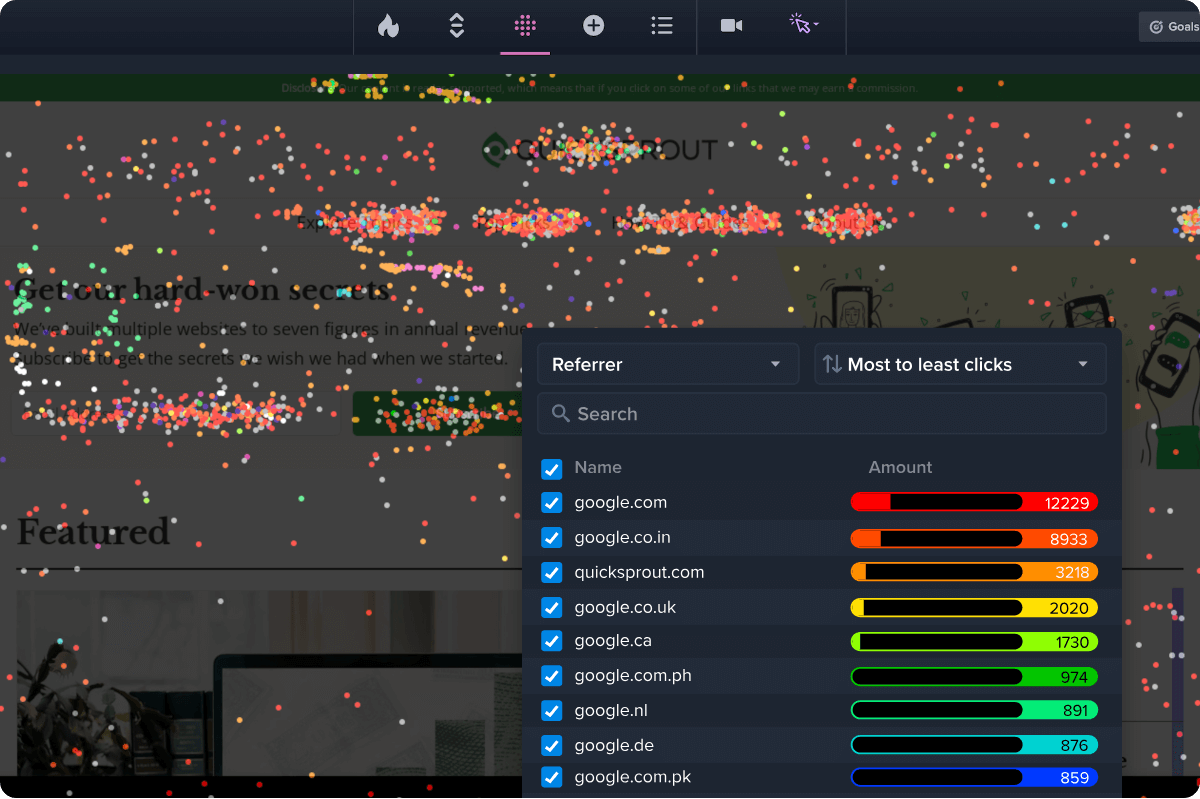
The history of behavioral analytics traces back to the mid-2000s when companies began moving beyond the "what" of web traffic—captured by tools like Google Analytics—to the "why." Crazy Egg, co-founded by Hiten Shah and Neil Patel in 2005, was a pioneer in this space, introducing the "Confetti" heatmap which allowed for the first time a way to see exactly where different segments of visitors were clicking.
Lucky Orange entered the market later, positioning itself as an all-in-one suite that bridged the gap between passive observation and active engagement. Over the last decade, both tools have evolved from simple visualization scripts into complex data engines capable of processing millions of events per second. The current market environment, characterized by rising customer acquisition costs (CAC) and a heightened focus on data privacy, has made these tools indispensable for businesses looking to optimize their digital funnels without increasing their advertising spend.
Technical Comparison: Heatmapping and Visualization
At the core of both platforms is the heatmap, a visual representation of where users click, scroll, and move their cursors. However, the technical execution of these maps differs significantly between the two providers.
Crazy Egg’s Multidimensional Mapping
Crazy Egg offers a more diverse array of visualization types, including Click, Scroll, Confetti, Overlay, and List reports. The "Confetti" map remains a standout feature in the industry, allowing users to segment clicks by over 17 different attributes, such as referral source, search terms, and even the day of the week. This level of granularity is critical for high-traffic sites where a general click map might be too cluttered to provide actionable insights. Furthermore, Crazy Egg allows for side-by-side comparisons, enabling analysts to view heatmaps from two different periods or two different segments simultaneously to identify shifts in user behavior.
Lucky Orange’s Dynamic Interaction
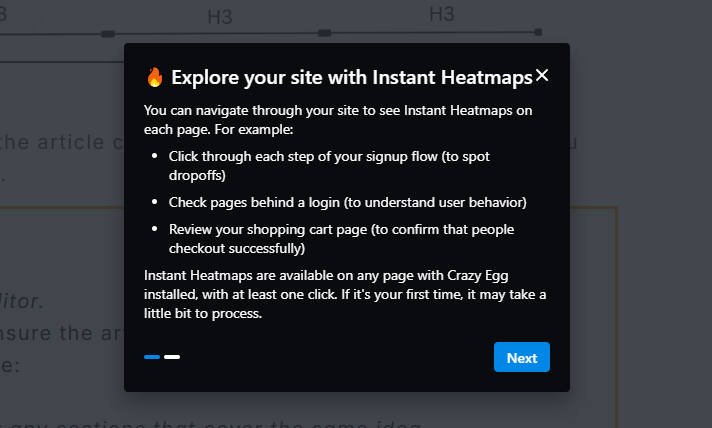
Lucky Orange focuses on the "Live" experience. While it offers fewer map types (Click, Scroll, and Move), its strength lies in its ability to handle dynamic elements. Modern websites built on Single Page Application (SPA) frameworks like React or Vue often use popups, sliders, and dropdown menus that traditional heatmaps struggle to capture. Lucky Orange renders these interactive elements live, showing clicks on elements that are hidden behind menus or within carousels. This makes it a preferred choice for e-commerce sites with complex, interactive product pages.
Session Recordings and the Science of User Friction
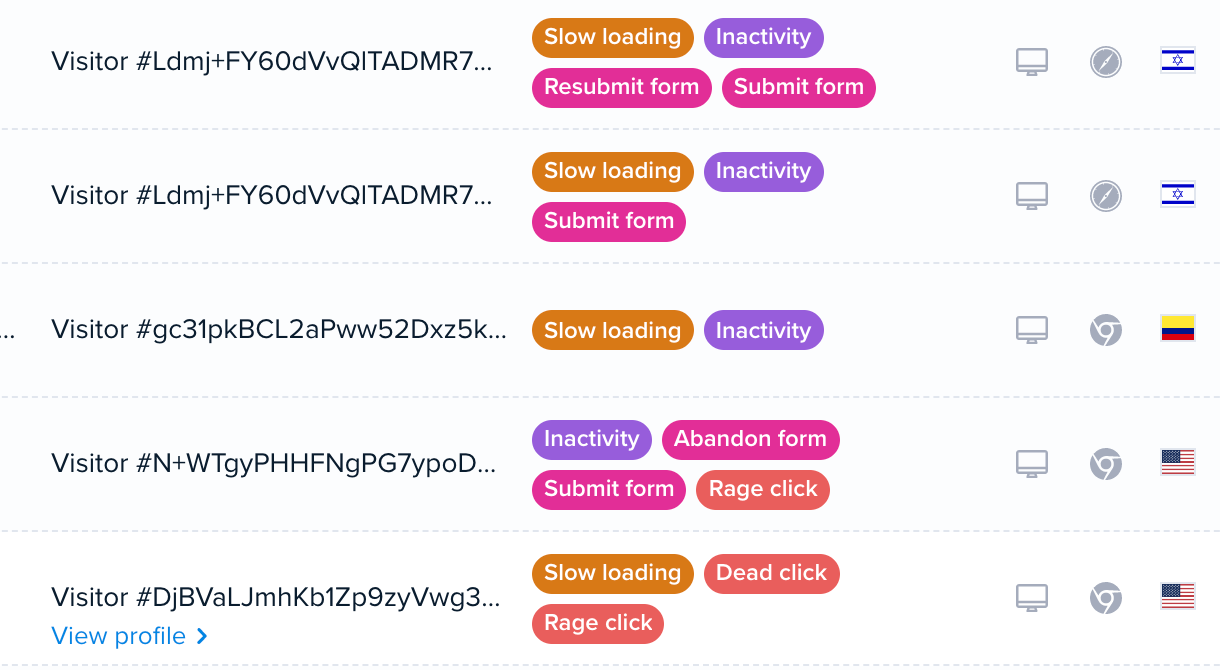
Session recordings—replays of a visitor’s journey through a site—are the primary tool for identifying "user friction," such as rage clicking (repeatedly clicking a non-responsive element) or "u-turning" (immediately leaving a page after arriving).

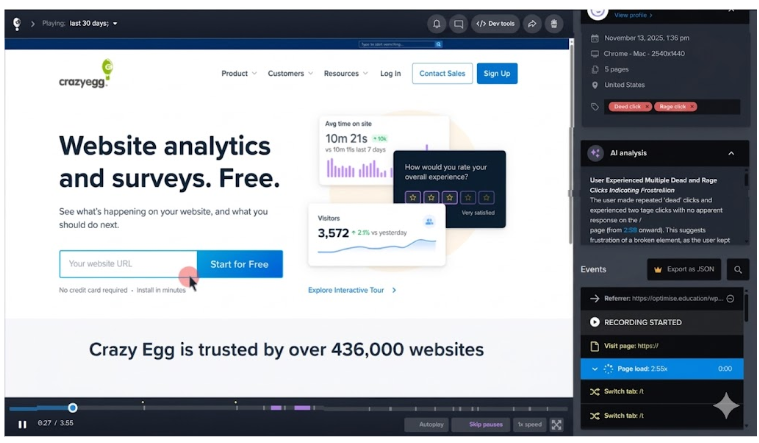
Crazy Egg provides a robust recording suite with extensive data retention, ranging from 6 to 24 months depending on the plan. This is a significant advantage for businesses with long sales cycles or those conducting year-over-year seasonal analysis. The platform also includes a wider set of automatic behavioral tags, such as checkout starts and completions, which allows marketers to quickly filter for high-intent users who failed to convert.
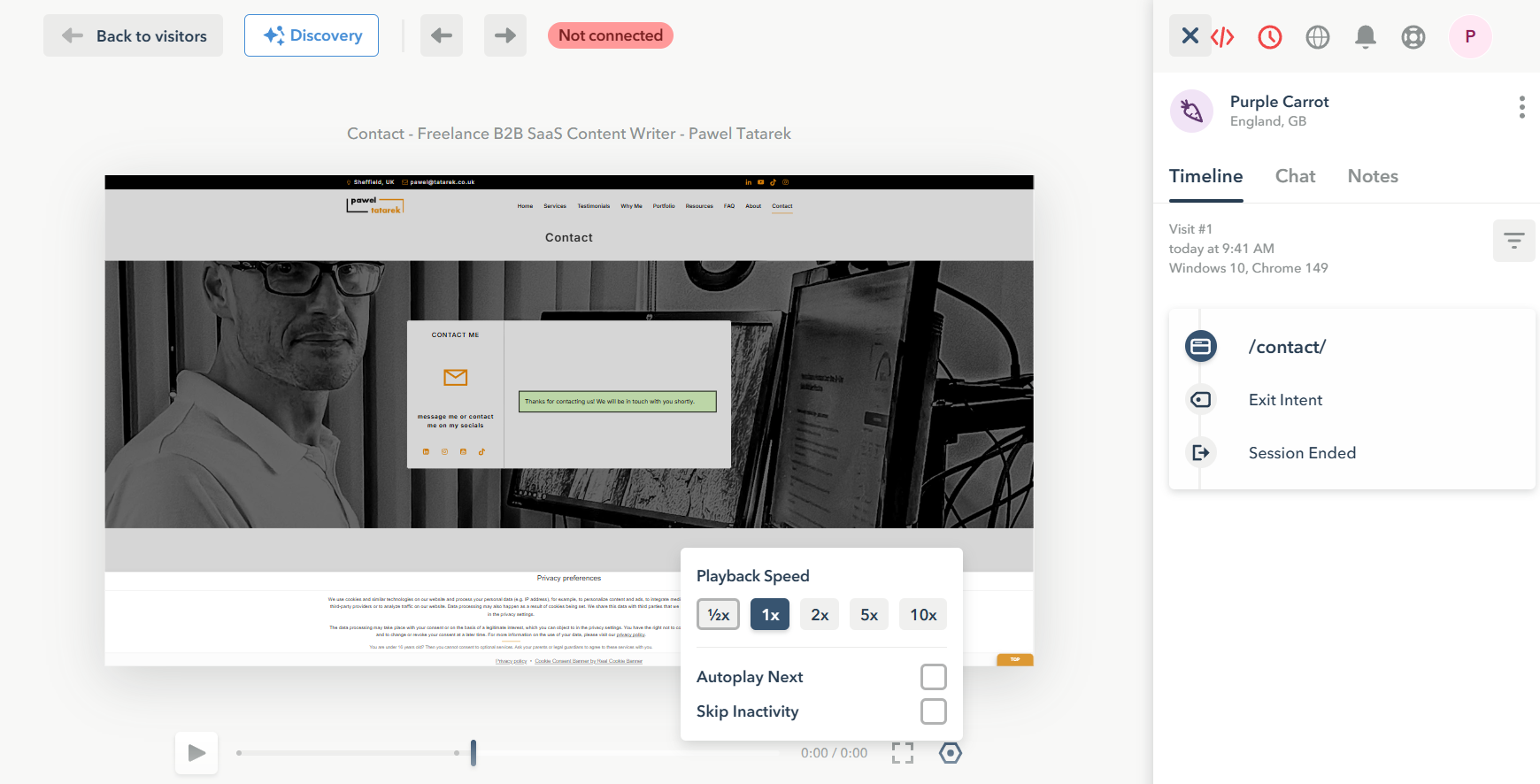
Lucky Orange offers comparable playback controls but operates on a shorter data retention window, typically 60 days on base plans, with an option to extend to 12 months. Where Lucky Orange excels is in its integration of recordings with its live chat feature. A customer support representative can watch a live session recording as a user is struggling on the site and immediately initiate a chat to assist them, a capability that Crazy Egg does not currently offer.

Conversion Funnels and Retroactive Data Analysis
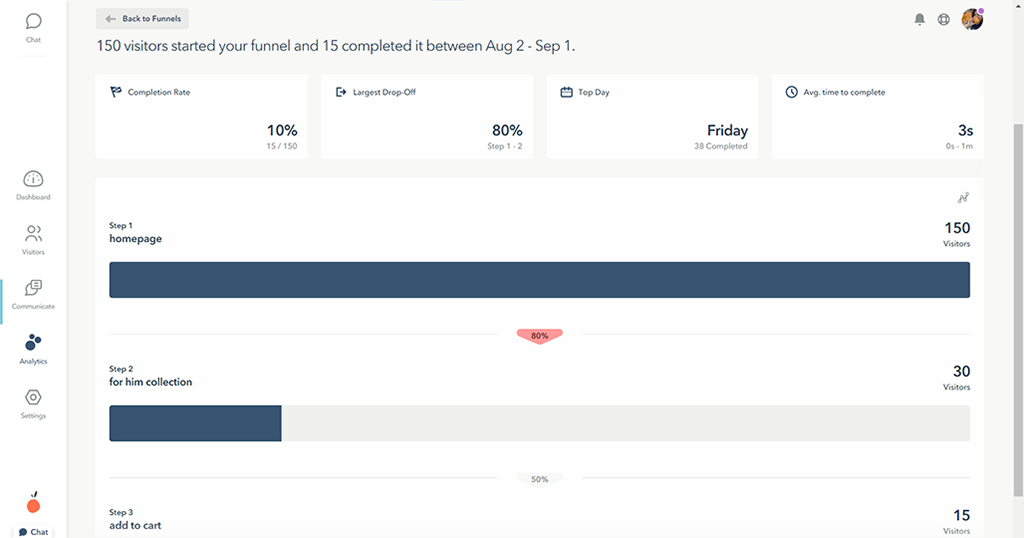
Understanding where a user drops off in the journey from "landing" to "purchasing" is the cornerstone of CRO. Both tools provide funnel visualization, but their approach to data history varies.
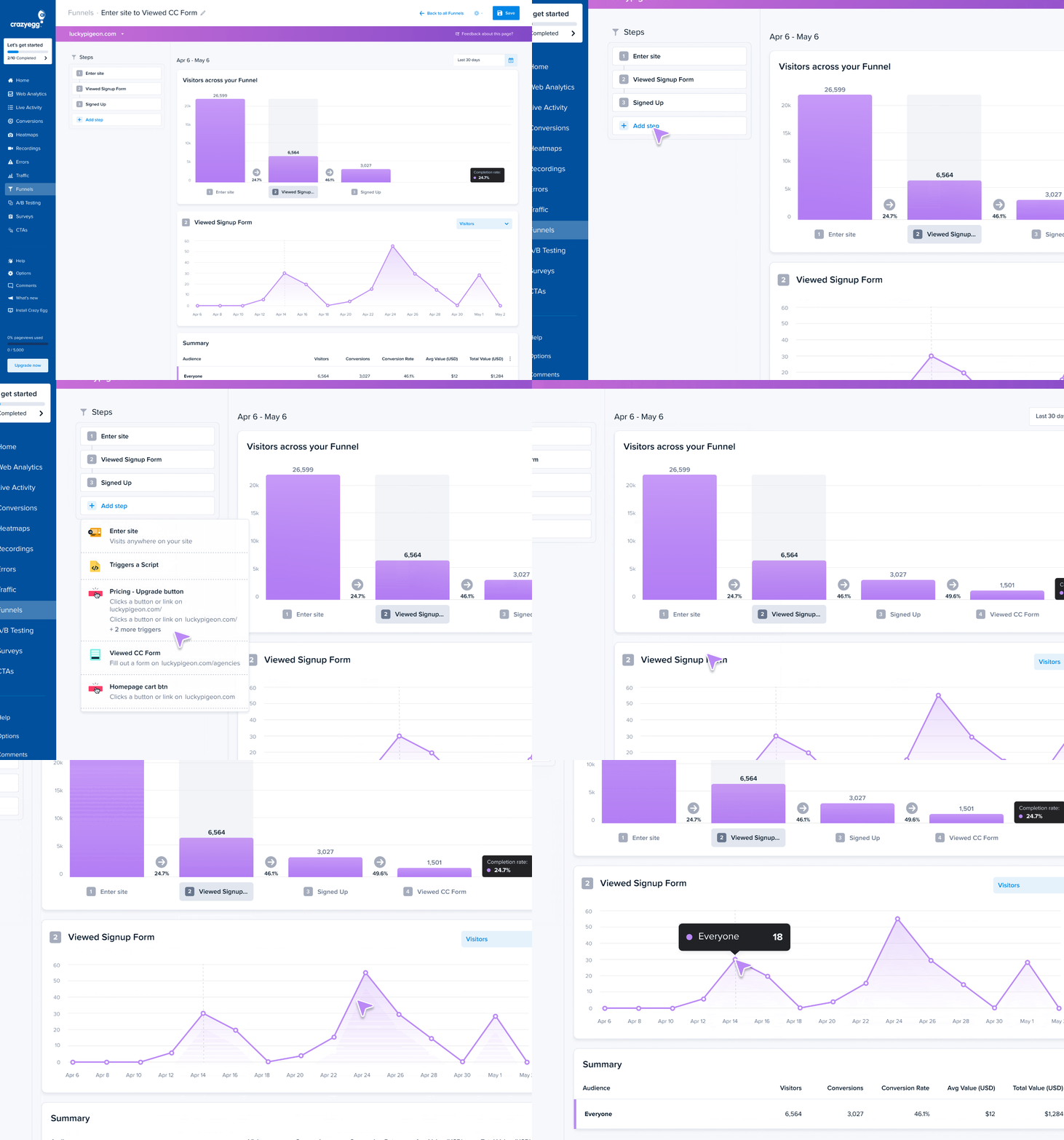
Crazy Egg’s Conversion Funnels are notable for being retroactive. If a marketer decides to add a new step to a funnel today, Crazy Egg can look back through its stored data to populate that funnel with historical information, provided the events were already being tracked. This allows for rapid hypothesis testing without waiting weeks for new data to accumulate.
Lucky Orange’s funnels are also retroactive, but they are limited by the platform’s data storage window. For Shopify users, Lucky Orange provides an automated advantage by building a standard e-commerce funnel (Product > Cart > Order) out of the box, reducing the initial setup time for small business owners.
Strategic Differentiators: A/B Testing vs. Form Analytics
The most significant divergence between the two platforms lies in their unique secondary features.
The Case for Crazy Egg: Integrated Experimentation
Crazy Egg is an experimentation-first platform. It includes a native A/B testing tool with a visual editor, allowing users to make changes to their website (such as changing a headline or button color) and test those changes against the original version without writing code. Because the A/B testing is built-in, the results are automatically synced with heatmaps and recordings. This means a marketer can watch recordings specifically for the "losing" variant of a test to understand why it performed poorly.
The Case for Lucky Orange: Operational Efficiency
Lucky Orange is designed for operational efficiency and direct customer interaction. It provides field-level form analytics, which shows exactly which field in a signup or checkout form causes users to abandon the process. This is a vital tool for lead-generation businesses. Additionally, the inclusion of a native Live Chat and a "Live Visitor View" transforms the platform from an analytics tool into a customer service and sales tool.
The Impact of Artificial Intelligence in Analytics
Both companies have recently integrated Artificial Intelligence to help users navigate the vast amounts of data they collect.
Crazy Egg has implemented AI-generated insights across all report types. Instead of requiring a human analyst to pour over a heatmap to find anomalies, Crazy Egg’s AI automatically flags issues, such as a high volume of clicks on a non-linked image. Furthermore, it allows for JSON exports of data, which can be fed into custom LLMs (like ChatGPT or Claude) for deeper, proprietary analysis.
Lucky Orange has introduced "Discovery AI," a conversational assistant. Users can ask questions like, "Why are my mobile users dropping off at the checkout?" and the AI will crawl the site’s code and behavioral data to provide a grounded answer, complete with links to the relevant session recordings or heatmaps.
Pricing Structures and ROI Considerations
The cost of these tools is calculated differently, which can have a major impact on the return on investment (ROI) for different types of businesses.
Crazy Egg bills based on "tracked pageviews." This allows businesses to be selective, only paying to monitor their most important landing pages or checkout flows. This model is often more cost-effective for large sites that have high-traffic blogs or information pages that don’t necessarily require behavioral tracking. Crazy Egg also offers a "free-forever" plan that includes basic web analytics and surveys.
Lucky Orange bills based on "total monthly sessions." This means every visitor to every page is tracked. While this provides a more holistic view of the entire site, it can lead to higher costs for sites with large amounts of non-converting traffic. However, because Lucky Orange bundles almost all features into its entry-level plans, it often provides better value for small businesses that need a wide range of tools (chat, forms, recordings) on a limited budget.
Industry Implications and Final Analysis
The competition between Crazy Egg and Lucky Orange reflects a broader trend in the software-as-a-service (SaaS) industry: the move toward "all-in-one" platforms versus "best-of-breed" integration.
Crazy Egg is positioning itself as the essential "Optimizer’s Toolkit." By combining deep historical data, advanced segmentation, and native A/B testing, it serves the needs of data-driven growth teams and agencies who need to prove the statistical significance of their website changes. The broader implication of Crazy Egg’s strategy is that analytics is useless unless it leads directly to an experiment.
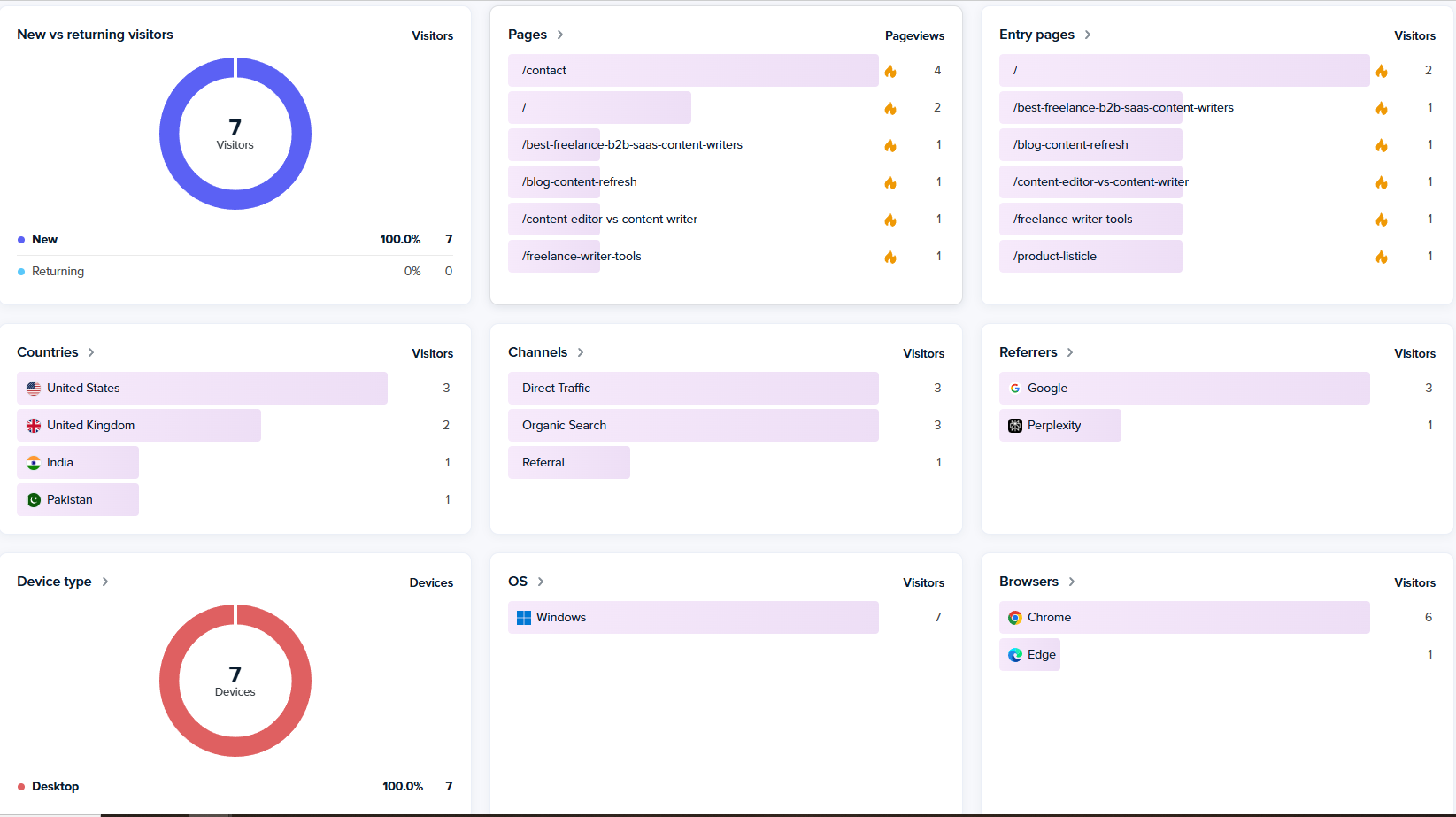
Lucky Orange is positioning itself as the "Merchant’s Command Center." By focusing on real-time visibility, form completion, and direct communication, it serves the needs of e-commerce operators who need to save a sale in the moment. Its strategy suggests that for many businesses, the immediate ability to help a customer is more valuable than long-term statistical modeling.
For stakeholders deciding between the two, the decision should be guided by the primary business objective. If the goal is to build a long-term experimentation culture and optimize the user interface through rigorous testing, Crazy Egg is the superior choice. If the goal is to improve immediate customer service and identify specific technical friction in forms or Shopify stores, Lucky Orange offers a more tailored feature set. As the digital economy continues to mature, the ability to understand and respond to user behavior will remain the primary differentiator between brands that thrive and those that struggle to convert.







