OpenAI officially transitioned its GPT-5.6 suite, comprising the Sol, Terra, and Luna models, to general availability today, ending a twelve-day period of restricted access that had kept the world’s most advanced artificial intelligence systems behind a regulatory veil. The release marks a significant milestone in the evolution of generative AI, moving away from the iterative "o-series" and "Turbo" naming conventions toward a structured, three-tiered generation. This rollout follows a rigorous review by the U.S. Department of Commerce, highlighting the increasing intersection between frontier AI development and national security oversight.
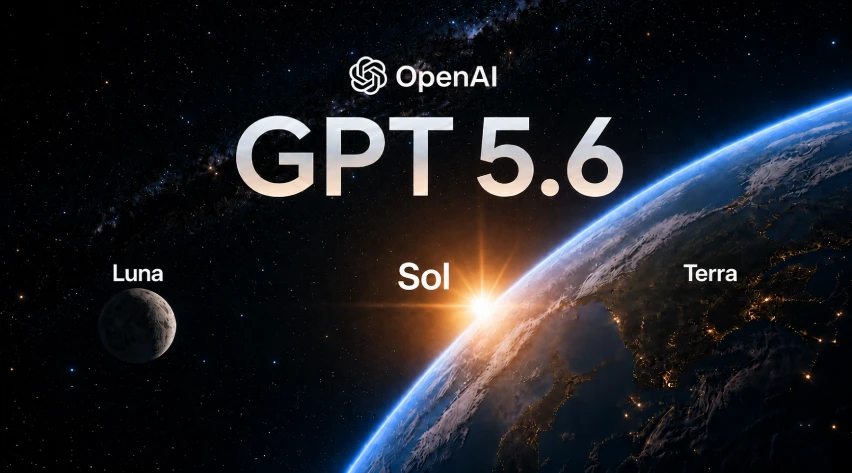
The transition to the GPT-5.6 generation represents more than a numerical update; it is a fundamental restructuring of how OpenAI delivers intelligence to developers and end-users. By offering three distinct models—Sol, Terra, and Luna—OpenAI is attempting to address the fragmented needs of the market, ranging from high-reasoning autonomous agents to high-volume, low-latency enterprise applications.
A Twelve-Day Regulatory Limbo: The Path to Launch
The journey to today’s public release was marked by unprecedented government scrutiny. On June 26, 2026, OpenAI initially prepared to launch the GPT-5.6 family but was met with a request for a stay by the Department of Commerce under a new framework established by a recent Executive Order on Artificial Intelligence. This framework mandates that models exceeding certain thresholds of "cyber-offensive" or "biological-synthesis" capabilities undergo a vetting period with federal agencies.
During the twelve-day window, GPT-5.6 Sol was subjected to intensive red-teaming by roughly 20 vetted organizations and government-adjacent security researchers. The focus was primarily on Sol’s ability to conduct end-to-end cyberattacks and its proficiency in assisting with the creation of biological agents. Following these meetings and the implementation of a five-layer safeguard stack, the Commerce Department approved the broad launch on July 9, 2026. This period of "guarded existence" has set a new precedent for how "frontier" models will be introduced to the public in the future.
One Generation, Three Tiers: The Sol, Terra, and Luna Framework
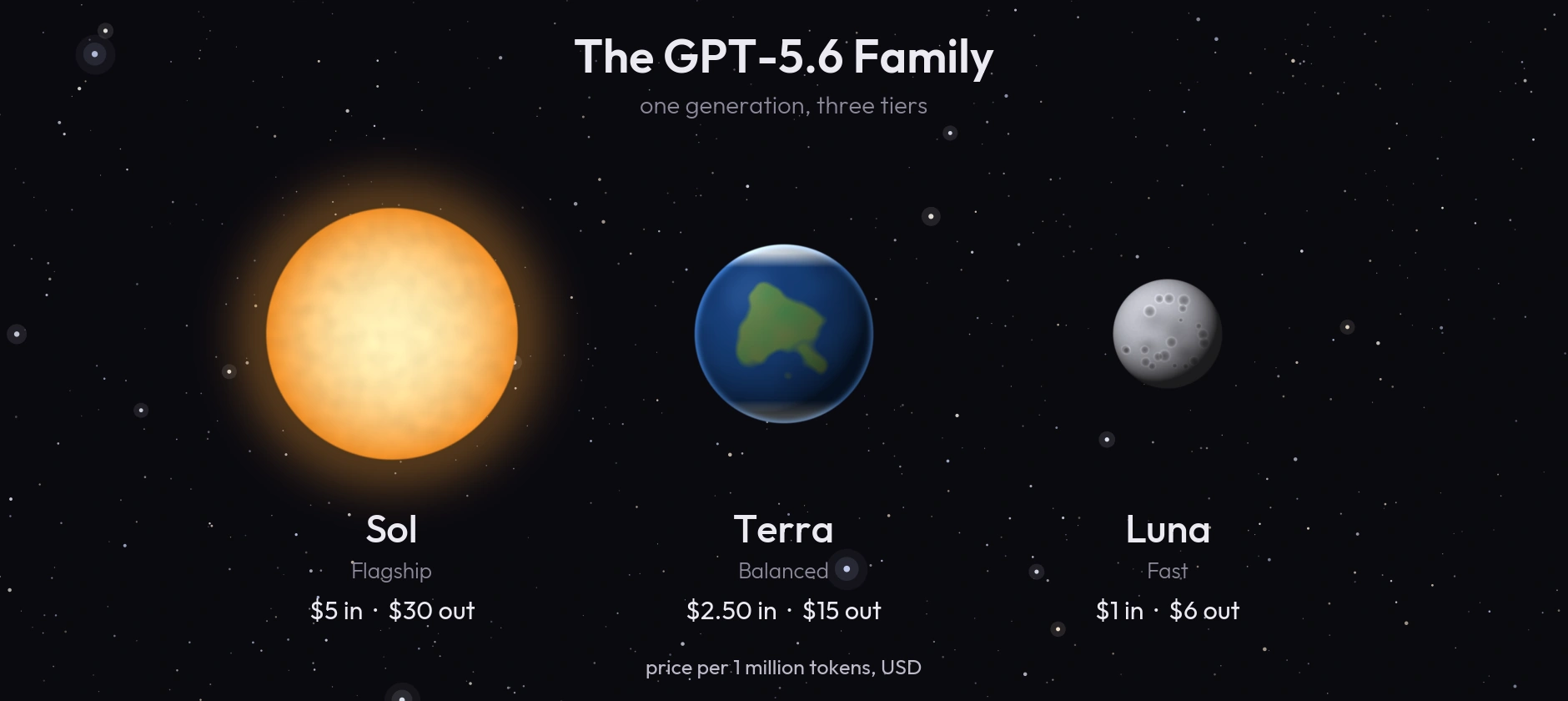
OpenAI’s decision to retire its previous naming chaos—which often confused users with labels like GPT-4o, GPT-4 Turbo, and o1-mini—aims for clarity. The number "5.6" denotes the current state of the underlying architecture, while the names Sol, Terra, and Luna designate the specific capability tiers.
GPT-5.6 Sol: The Flagship Intelligence
Sol is positioned as the pinnacle of OpenAI’s current capabilities. It is designed for "Max Effort" reasoning and includes a new "Ultra Mode" that utilizes sub-agents to verify its own logic before producing a final output. Sol is intended for the most complex tasks, such as deep security research, advanced mathematics, and long-horizon coding projects.
GPT-5.6 Terra: The Production Workhorse
Terra is described as the "migration target" for most professional users. It provides intelligence equivalent to the previous GPT-5.5 flagship but at exactly half the operational cost. This model is optimized for balanced performance, offering high reliability for enterprise workflows without the extreme overhead of the Sol flagship.
GPT-5.6 Luna: The Efficiency Leader
Luna represents the "sleeper hit" of the family. Despite being the budget-tier model, it achieves performance scores that rival the previous generation’s flagships in standardized testing. Luna is designed for high-speed, high-volume workloads where cost-per-token is the primary constraint.
Pricing Innovation and the Emergence of "Sol Fast"
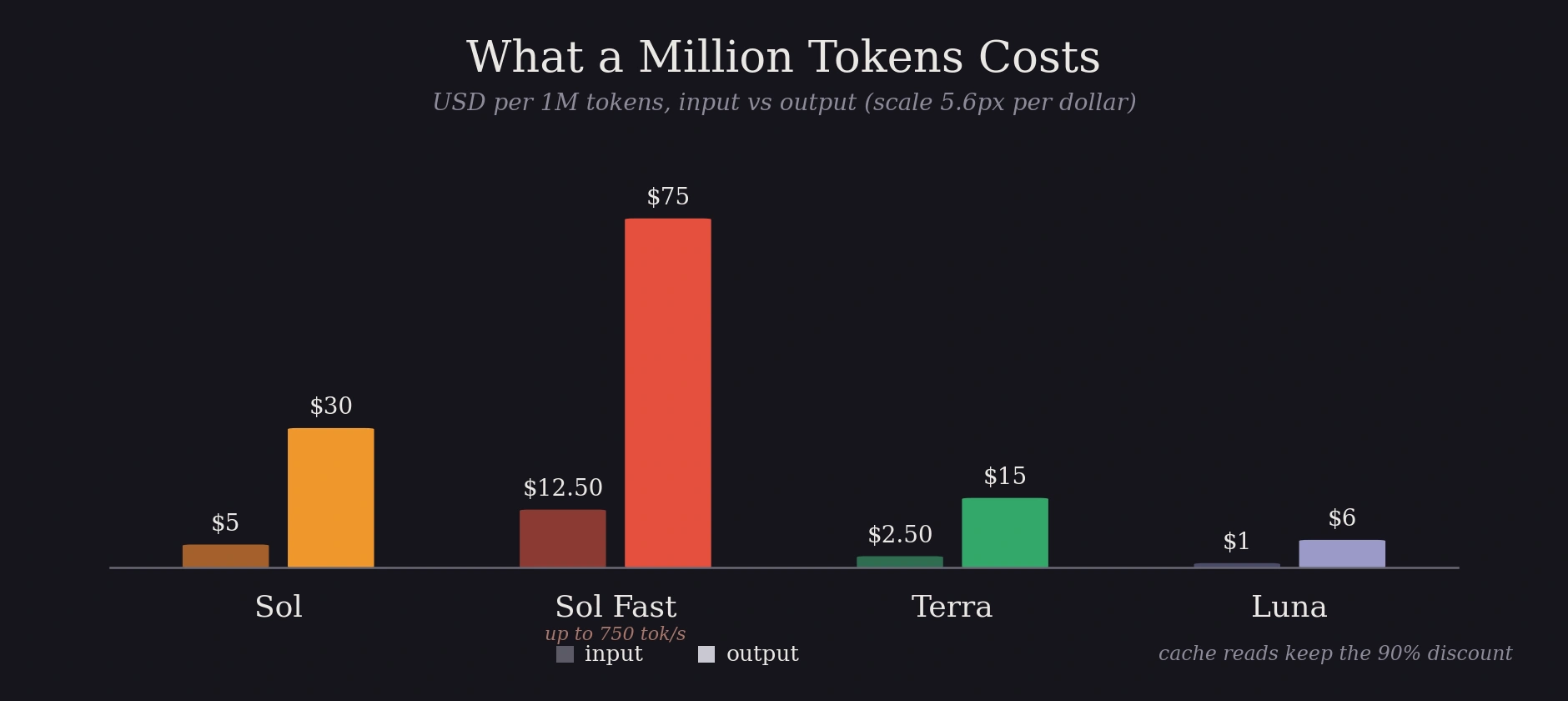
OpenAI has introduced a fourth pricing dimension that fundamentally changes the economics of AI inference. For the first time, speed is being sold as an explicit premium tier rather than a fluctuating variable of network traffic.
| Model | Input (per 1M tokens) | Output (per 1M tokens) | Positioning |
|---|---|---|---|
| Sol | $5.00 | $30.00 | Flagship, deepest reasoning |
| Sol Fast | $12.50 | $75.00 | 750 tokens/sec (Cerebras Hardware) |
| Terra | $2.50 | $15.00 | GPT-5.5 quality at half-cost |
| Luna | $1.00 | $6.00 | Fast, high-volume workloads |
The "Sol Fast" option is a result of a strategic partnership with Cerebras Systems. By utilizing Cerebras’ wafer-scale hardware, OpenAI can deliver flagship-level reasoning at speeds up to 750 tokens per second. This 2.5x price premium over the standard Sol model targets latency-bound products, such as real-time voice interfaces and high-frequency trading analysis tools.
Furthermore, OpenAI has introduced a more aggressive caching system. For agents that require reading large contexts repeatedly, the company now offers substantial discounts for cached inputs that remain stable for at least 30 minutes. This incentivizes developers to structure prompts with stable context at the beginning and volatile data at the end, potentially reducing input costs by an order of magnitude for long-running sessions.
Benchmarking Performance: A New State of the Art
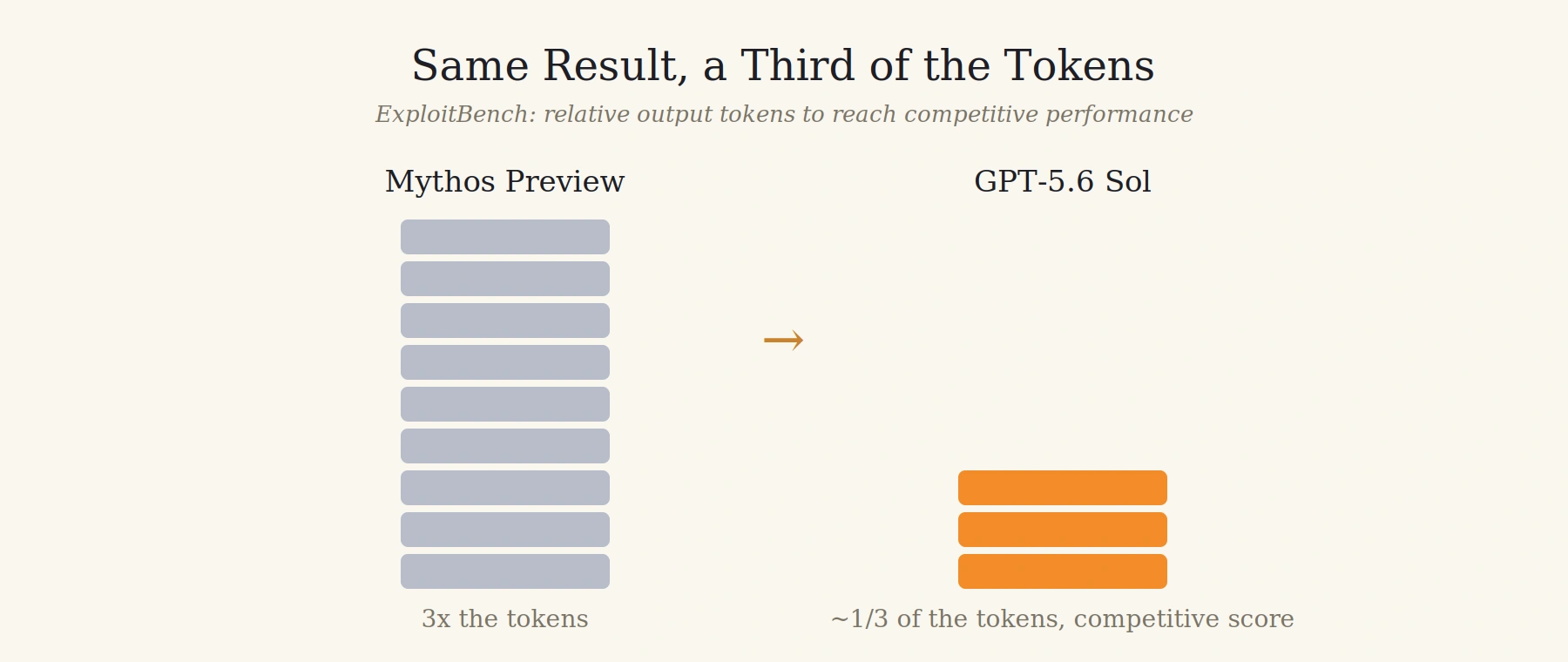
The internal evaluation suite for GPT-5.6 suggests a widening gap between OpenAI and its primary competitors, most notably Mythos’ "Fable 5." Sol, in particular, has demonstrated "State of the Art" (SOTA) performance on Terminal-Bench 2.1, a rigorous test of an AI’s ability to navigate command-line interfaces and solve real-world engineering bugs.
Key benchmark highlights include:
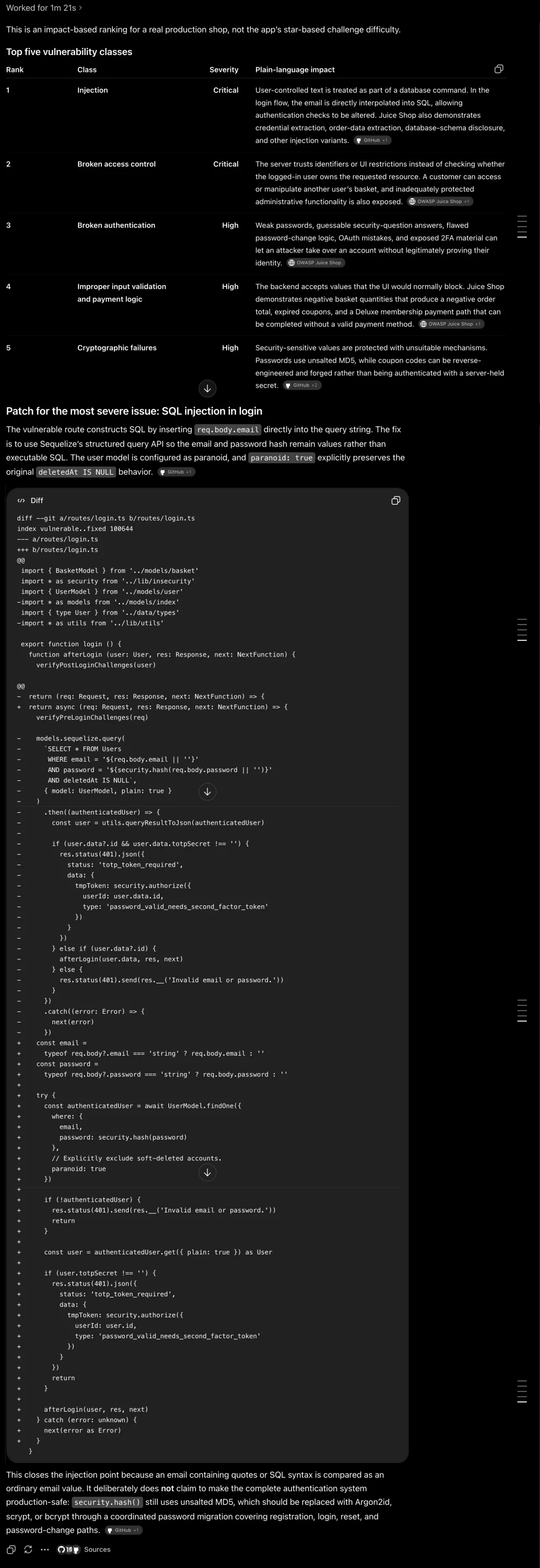
- Terminal-Bench 2.1: Sol achieved a 91.4% success rate, significantly outperforming GPT-5.5’s 82%.
- GeneBench: In biological research simulation, Sol outperformed previous models while using 30% fewer tokens, indicating higher conceptual density.
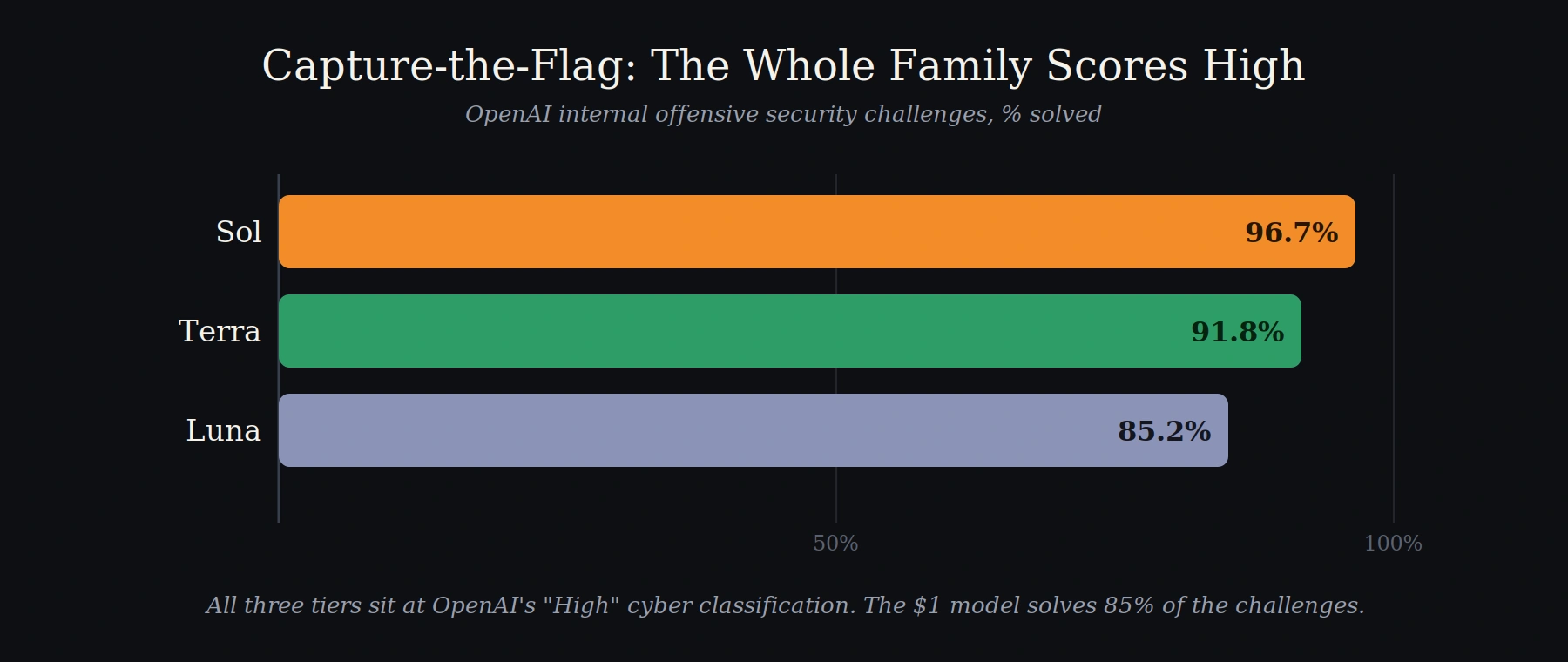
- Cybersecurity CTF: All three models in the 5.6 family are classified at the "High" risk level. In internal "Capture the Flag" (CTF) security tests, Sol successfully navigated 96.7% of challenges.
The company’s internal system card notes that while Sol is exceptionally proficient at helping defenders identify and patch vulnerabilities, it still struggles to carry out multi-step, end-to-end attacks autonomously. This distinction is central to OpenAI’s "defensive-first" deployment strategy.
The Five-Layer Safeguard Stack
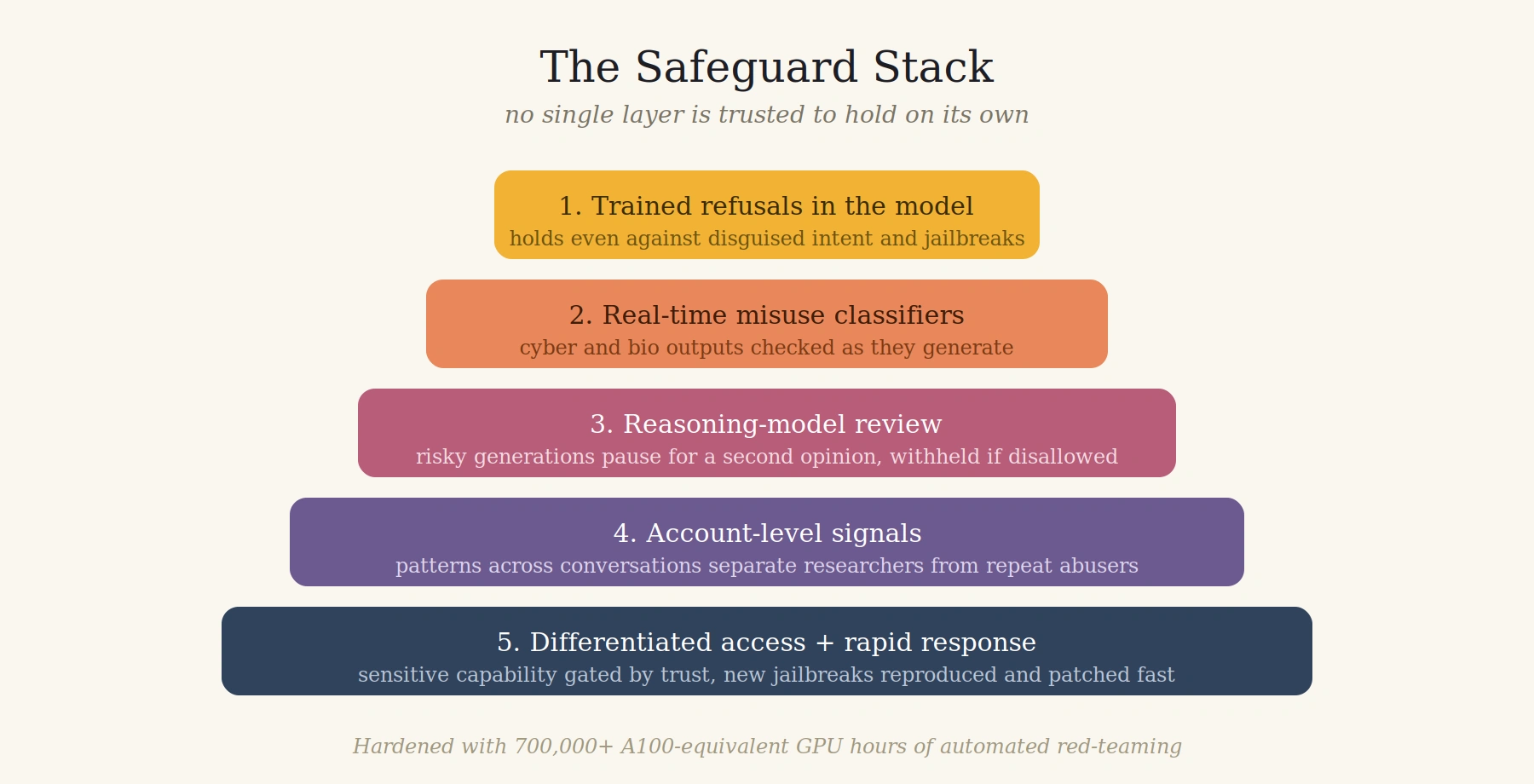
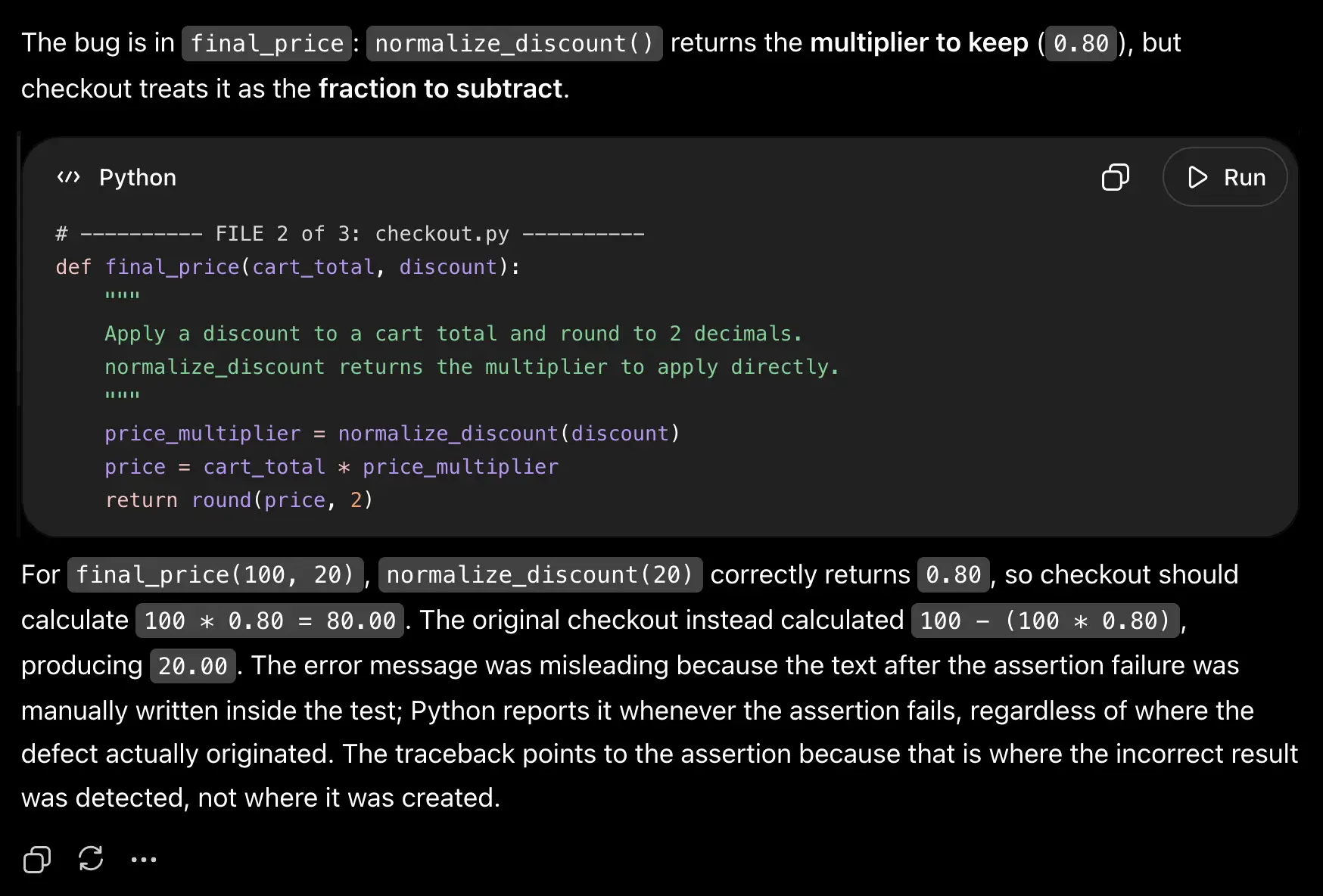
To satisfy regulatory requirements and mitigate the risks associated with such high-capability models, OpenAI has implemented what it calls the "Safeguard Stack." This five-layer architecture is designed on the assumption that no single safety measure is infallible.
- Constitutional RLAIF: Initial training includes "Reinforcement Learning from AI Feedback" based on a set of core safety principles.
- Red-Teaming Hardening: The models underwent over 700,000 GPU hours of adversarial testing to identify "jailbreak" prompts.
- Real-Time Monitoring: An auxiliary model monitors inputs and outputs for intent-based violations.
- Contextual Filtering: A layer that assesses the "grey area" of prompts, occasionally resulting in the slowing or blocking of non-benign but non-violating content.
- External Auditing: Continued oversight by third-party security firms and government agencies.
While these safeguards are robust, early testers have noted that legitimate technical work—specifically in cybersecurity and medical research—can occasionally be caught in the "grey area" filters, leading to false positives in the model’s refusal logic.
Hands-On Analysis: Reasoning and Efficiency
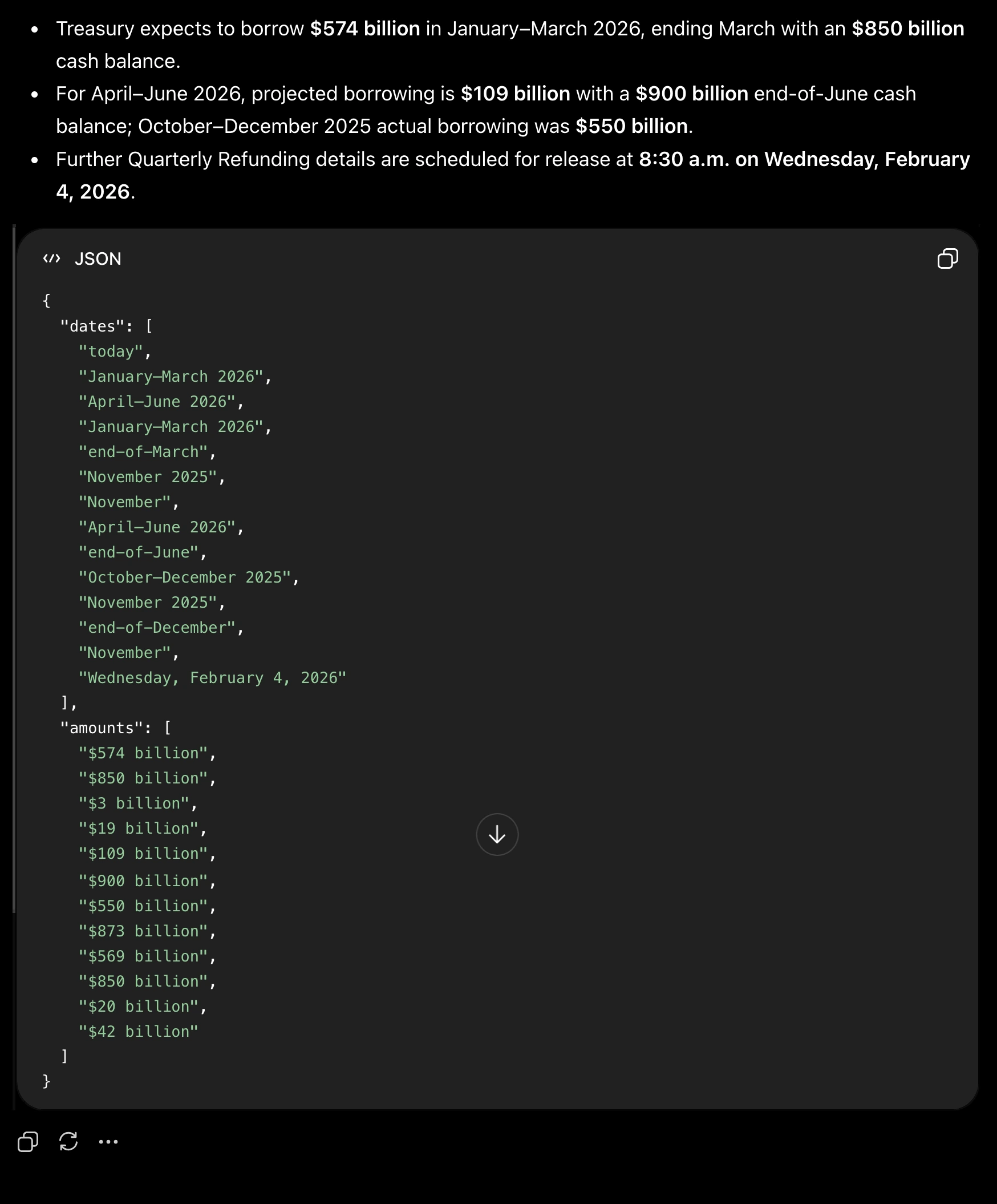
Early hands-on testing of GPT-5.6 Sol reveals a model that is significantly more concise and logical than its predecessors. In a "Root-Cause Hunt" test involving a complex Python billing bug, Sol was able to identify that a misleading error message in a test file was caused by a logic error in the utility function, rather than the test itself. Notably, the model provided the fix in a response that was 80% shorter than the output generated by GPT-5.5, highlighting a shift toward "efficiency of thought."
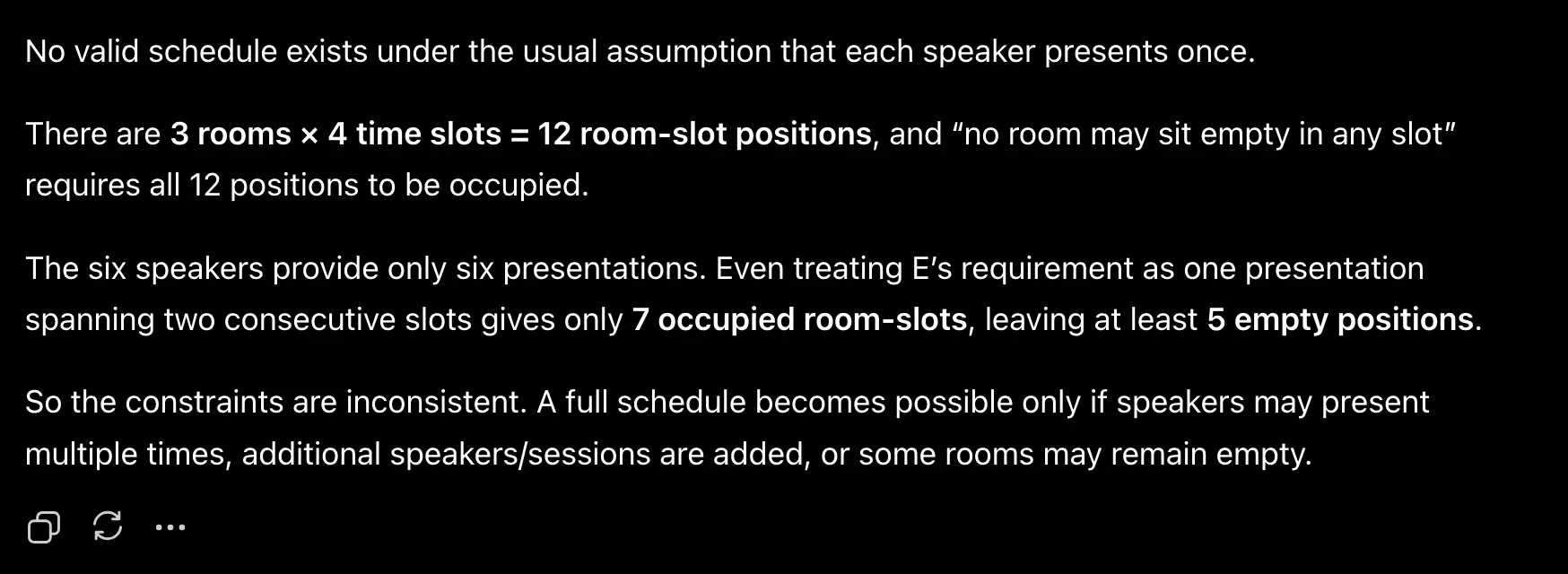
In reasoning-heavy "Contradiction Traps"—prompts designed to force the model into a logical corner—Sol demonstrated a new level of "cardinality awareness." When asked to schedule a group of speakers into a grid that was mathematically impossible due to room constraints, the model did not attempt to force a solution. Instead, it correctly identified that the number of required slots exceeded the available room-time units, arguing the conflict rather than hallucinating a schedule.
Broader Implications for the AI Industry
The launch of the GPT-5.6 family signals the end of the "intelligence at any cost" era and the beginning of the "intelligence at scale" era. By offering a model (Luna) that provides flagship-level quality for $1 per million tokens, OpenAI is commoditizing high-level reasoning. This move puts immense pressure on open-source providers and smaller AI labs to justify their value propositions.
The emergence of "Sol Fast" also indicates that hardware specialization is becoming a primary differentiator. The reliance on Cerebras hardware for the speed-tier suggests that the future of AI will not just be about better algorithms, but about the tight integration of software with specialized silicon to break the "latency wall."
As GPT-5.6 Sol, Terra, and Luna begin to integrate into the global economy, the focus shifts from what these models can do to how they are governed. The 12-day delay and subsequent approval by the Commerce Department suggest that the era of "move fast and break things" in AI is being replaced by a more deliberate, regulated, and structured approach to deployment. For developers, the message is clear: the tools are now smarter, cheaper, and faster—but they come with a new set of rules for the road.