

The global digital advertising market has reached a critical inflection point in 2026, where the sheer scale of a platform no longer serves as a reliable proxy for its profitability. According to a comprehensive industry survey of 1,440 marketing professionals conducted by Instapage, a significant disconnect has emerged between platform adoption and actual return on investment. While 87% of marketers continue to utilize Google and Meta Ads as their primary channels, the performance data tells a different story: only 44% cite Google as their top-performing platform, and a mere 25% report the same for Facebook. This discrepancy highlights a fundamental shift in the digital economy: the "post-click" experience has become the primary determinant of campaign success, overshadowing traditional top-of-funnel targeting.
The Rising Cost of Digital Acquisition
The economic landscape of online advertising has become increasingly challenging for brands of all sizes. Market data indicates that the average cost per lead (CPL) across major industries climbed from $66.69 in 2024 to an estimated $70.11 by the start of 2025, with further upward pressure expected throughout 2026. This inflation in ad spend is compounded by a persistent technical failure: the mobile speed gap.

Current industry benchmarks reveal that a significant portion of mobile landing pages still take approximately four seconds to load. In a market where a one-second delay can reduce conversion rates by up to 20%, many advertisers are effectively paying a "latency tax." They are bidding higher for clicks that bounce before the content even renders, leading to a massive erosion of Return on Ad Spend (ROAS). As competition for attention intensifies, the margin for error in the post-click phase has narrowed to nearly zero.
A Chronology of Platform Evolution: 2024 to 2026
To understand the 2026 advertising environment, one must look at the rapid shifts that occurred over the preceding 24 months.
In 2024, the industry was still grappling with the fallout of Apple’s App Tracking Transparency (ATT), which forced Meta to overhaul its targeting algorithms toward "Advantage+" automation. By 2025, the focus shifted toward "Retail Media" as Amazon Ads began to dominate the bottom-of-the-funnel landscape. Entering 2026, the primary narrative has become the "Privacy Paradox"—the challenge of delivering personalized ad experiences in an environment where third-party cookies have been largely phased out by major browsers, including Google Chrome.
This timeline has forced a migration toward first-party data and high-intent search platforms. While social media remains a powerful tool for discovery, search advertising on Google and Microsoft (Bing) has seen a resurgence because it captures users at the moment of declared intent, rather than during passive browsing.
Deep Dive: The Search Giants and the Rise of Microsoft Advertising
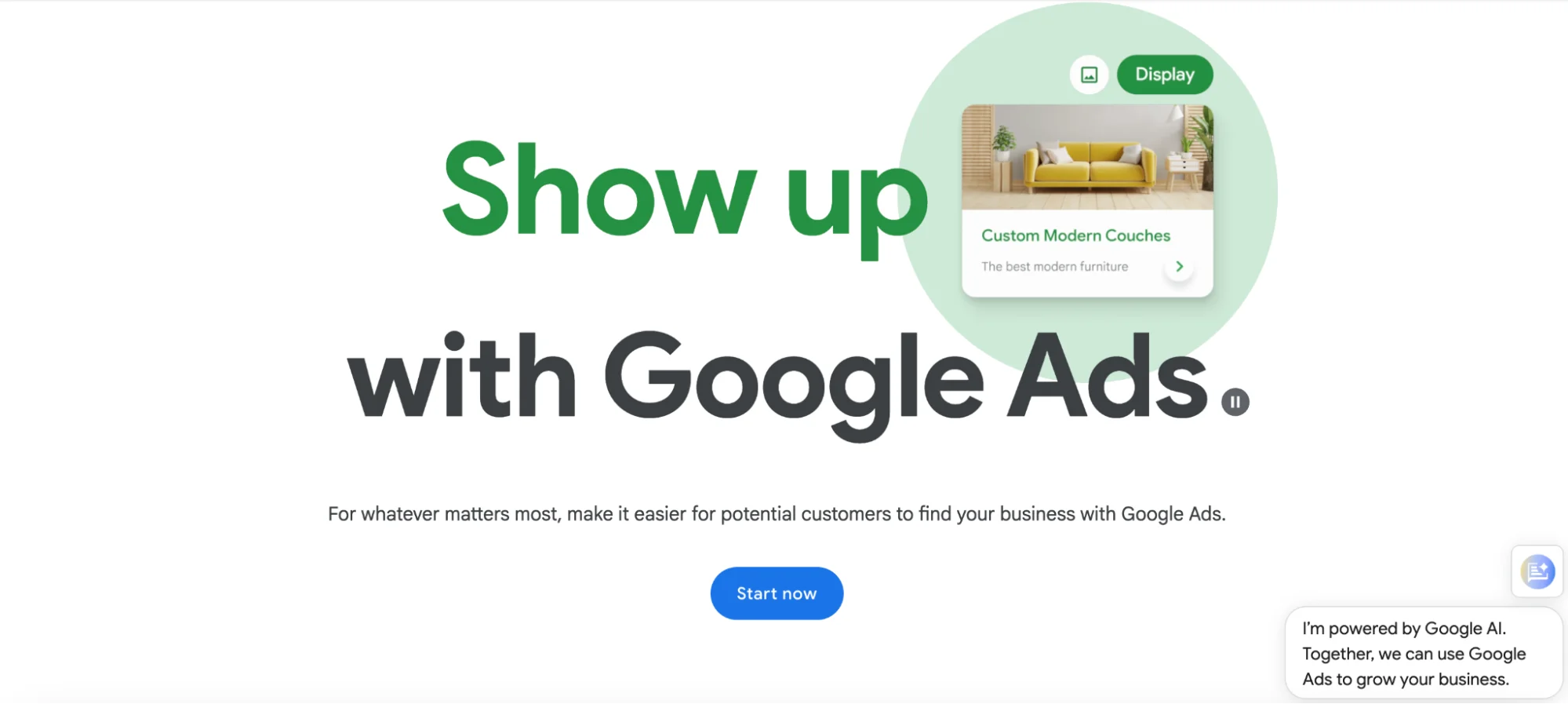
Google Ads remains the bedrock of the industry, commanding access to over 90% of global search traffic. Its ecosystem—comprising Search, Display, YouTube, and Performance Max—is designed to capture high-intent users. However, the platform’s "Quality Score" mechanism has become more punitive in 2026. Advertisers with poor landing page relevance or slow load times are being outbid not just by those with more money, but by those with better technical optimization.
Parallel to Google’s dominance, Microsoft Advertising (including Bing, Yahoo, and AOL) has emerged as a strategic alternative for B2B and high-income demographic targeting. Data suggests that Microsoft Advertising’s Cost Per Click (CPC) can be 30% to 50% lower than Google’s for identical keywords. With the integration of advanced AI search features, Bing has captured a stable niche of the desktop market, particularly among corporate users whose hardware is locked into the Windows ecosystem.
The Social Media Paradigm: Meta vs. TikTok
The social advertising sector is currently defined by the rivalry between the established Meta ecosystem and the meteoric rise of TikTok.
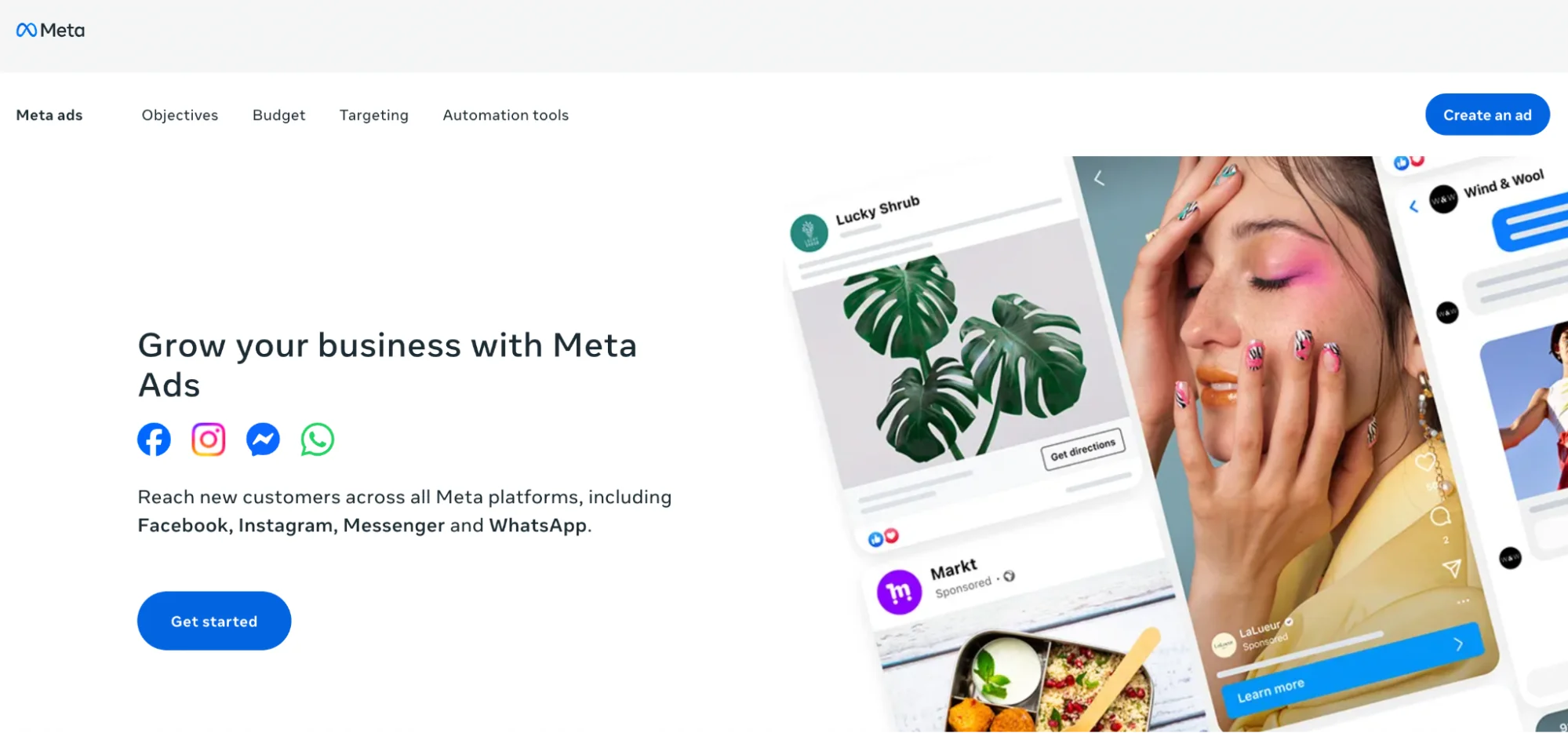
Meta Ads (Facebook and Instagram) continues to offer the most sophisticated demographic and interest-based targeting. However, the survey of 1,440 marketers revealed a startling statistic: while 80% of marketers use Instagram for advertising, only 9% reported it as their top-performing platform. This suggests that while Instagram is essential for brand "vibe" and awareness, it is struggling to close the loop on direct-response conversions compared to search-based intent.
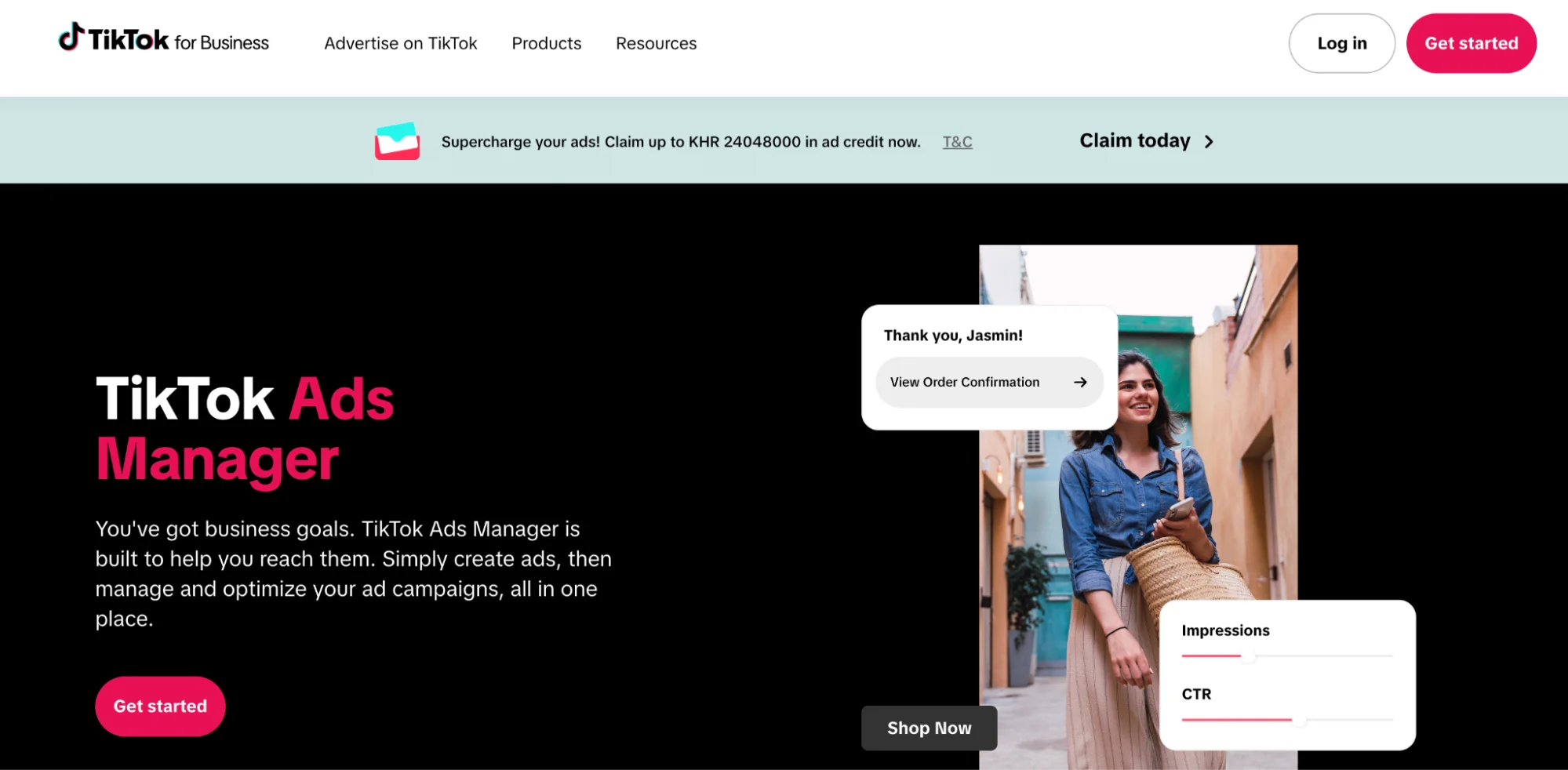
Conversely, TikTok has become the "growth frontier." Approximately 25% of marketers surveyed indicated plans to adopt or increase spending on TikTok in the immediate future. The platform’s algorithm, which prioritizes engagement over follower count, allows new brands to achieve viral reach. However, the creative requirements for TikTok are higher; traditional, polished "commercial" content often fails, whereas native-looking, creator-led content thrives.
Retail Media and the Amazon Effect
Amazon Ads has fundamentally altered the ecommerce advertising landscape by placing ads directly at the point of purchase. The platform reports that advertisers typically see a 34% growth in sales within just four weeks of launching "Sponsored Products" campaigns.
The success of Amazon has sparked a broader "Retail Media" trend, with other major retailers launching their own ad networks. For brands, the advantage is clear: the data used for targeting is based on actual purchase history rather than browsing "interests," making it the most accurate first-party data available in the 2026 market.
The Privacy Revolution: GDPR, CCPA, and the First-Party Mandate
Regulatory compliance is no longer a legal footnote; it is a core business strategy. In 2026, the enforcement of GDPR in Europe and CCPA in California—alongside similar laws in Canada (PIPEDA) and Brazil (LGPD)—has made consent management a prerequisite for advertising.
The phasing out of third-party cookies has forced a shift toward:
- Server-Side Tracking: Using tools like Google Tag Manager Server-side and Meta Conversions API (CAPI) to maintain data accuracy.
- Consent Management Platforms (CMPs): Implementing transparent "opt-in" mechanisms that document user choices for audit purposes.
- First-Party Data Loops: Using ads to drive newsletter sign-ups or account creations, allowing brands to own the relationship with the customer rather than renting it from a platform.
Expert Analysis: Why Campaigns Fail After the Click
Industry analysts point to three primary reasons why even well-funded campaigns on top-tier platforms fail to deliver a positive ROAS:
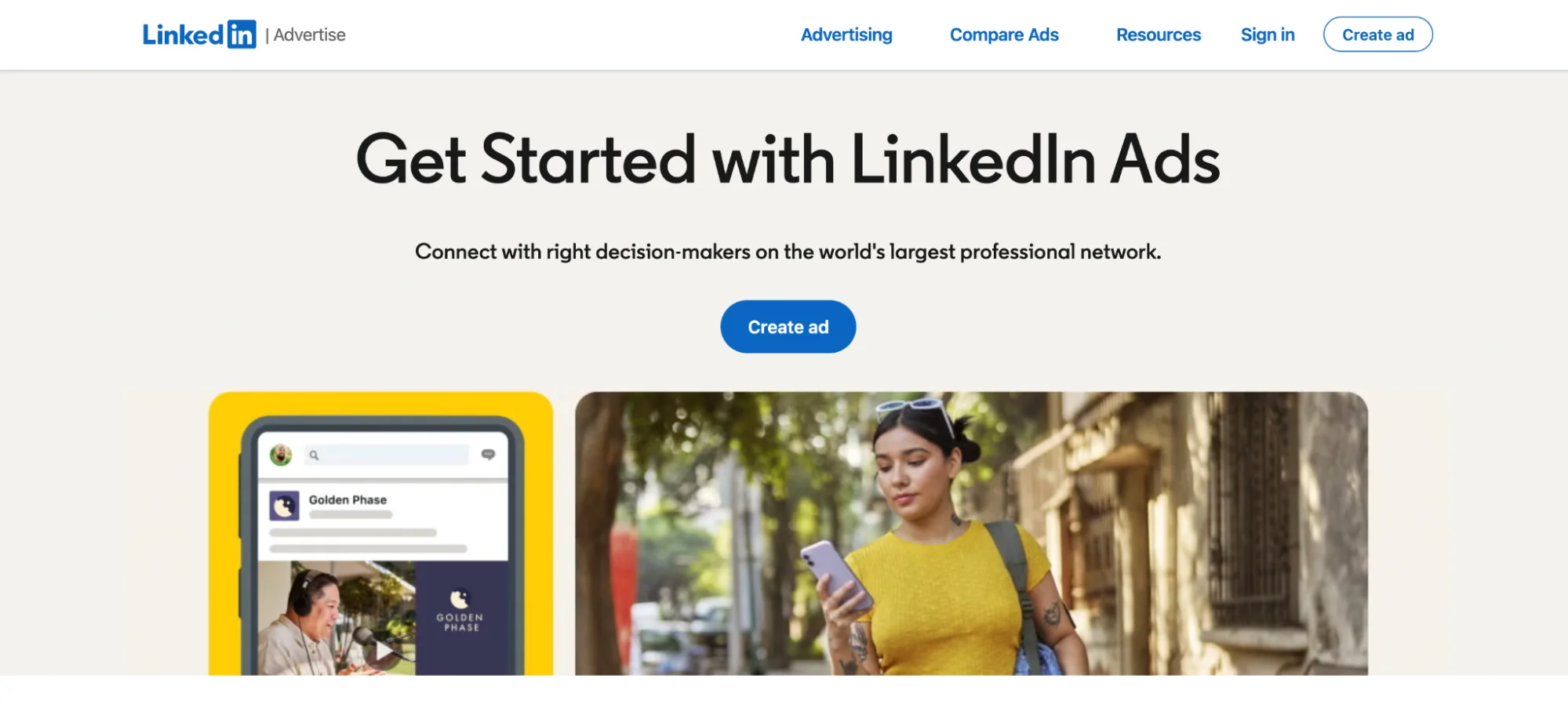
1. Message Mismatch: This occurs when the promise of the ad does not align with the reality of the landing page. If a LinkedIn ad targets "Enterprise CTOs" but the landing page uses generic "Small Business" language, the visitor experiences cognitive dissonance and exits.
2. The Homepage Trap: Many advertisers still commit the error of sending paid traffic to their corporate homepage. Homepages are designed for exploration, not conversion. They contain navigation menus, "About Us" links, and multiple calls-to-action (CTAs) that distract the high-intent visitor.
3. The Performance Gap: In 2026, "Performance" is a technical metric. A landing page that isn’t optimized for Core Web Vitals will be penalized by ad platform algorithms, leading to higher CPCs and lower ad rankings.
Strategic Framework for Platform Selection in 2026
To navigate these complexities, marketing teams are adopting a goal-oriented decision framework:
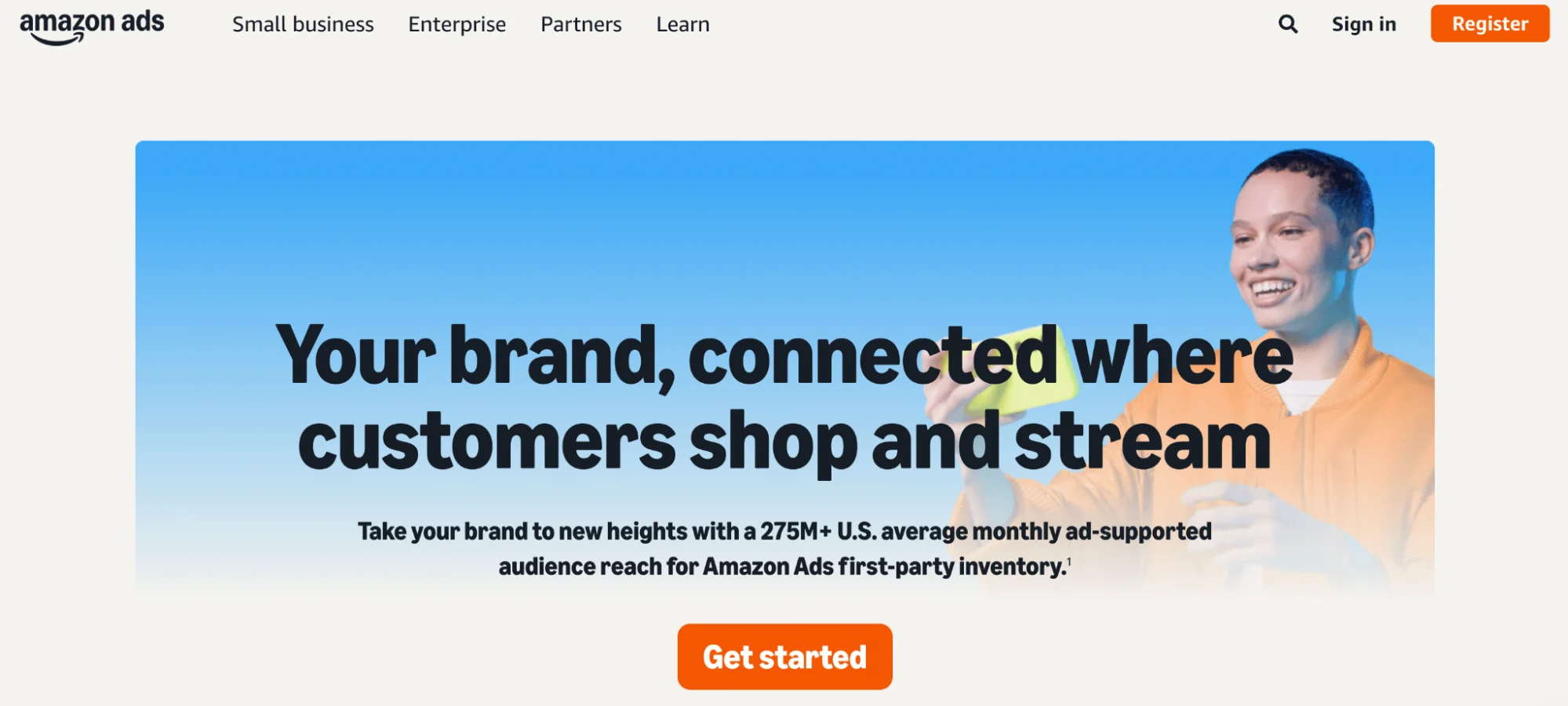
- For Immediate Sales/Leads: Prioritize Google Search and Amazon Ads to capture existing demand.
- For Brand Building: Utilize Meta and TikTok for visual storytelling and broad-reach awareness.
- For B2B Growth: Focus on LinkedIn Ads for job-title specific targeting, supplemented by Microsoft Advertising for lower-cost search intent.
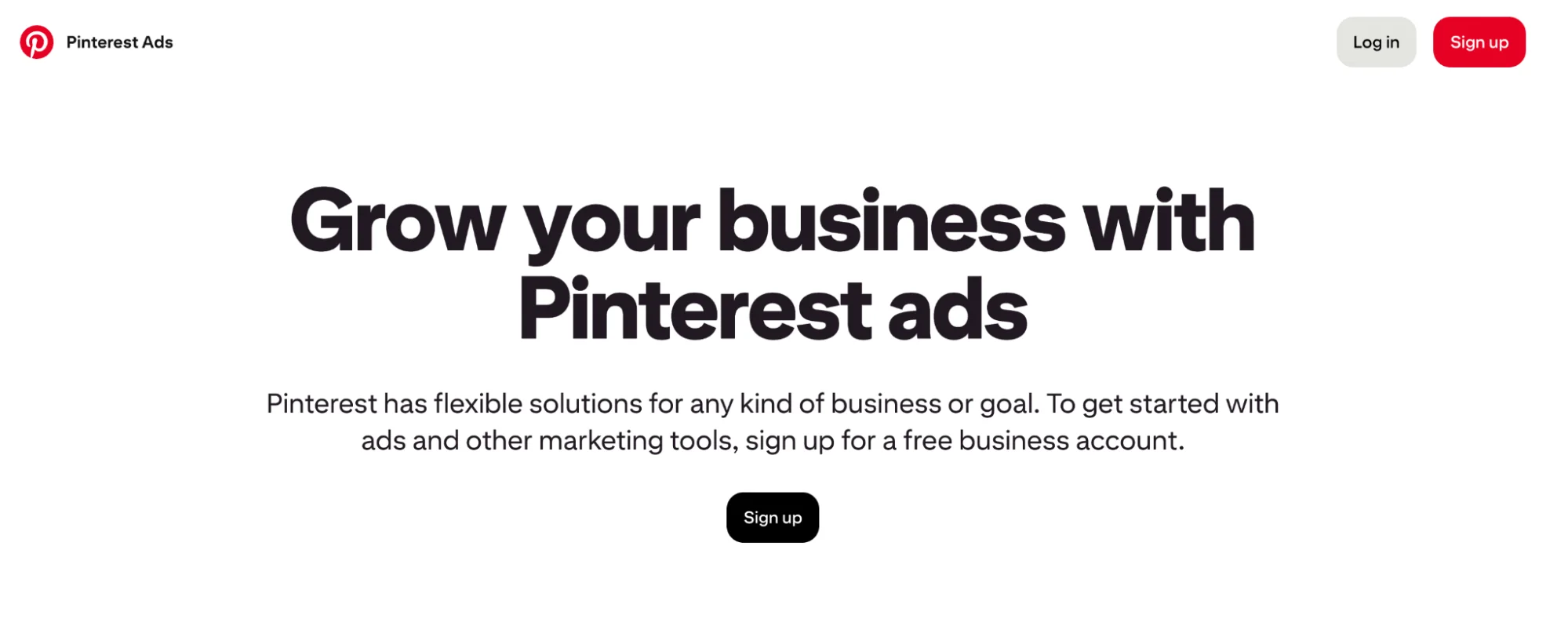
- For Visual Discovery: Leverage Pinterest Ads, which captures users in the "planning" phase of the buyer journey.
The Role of Automation and Personalization
As the manual work of bidding is increasingly handled by AI (such as Google’s Performance Max), the competitive advantage has shifted to "Creative Excellence" and "Landing Page Personalization."
Advanced tools now allow marketers to serve different headlines and social proof to different audience segments without building hundreds of separate pages. For instance, a B2B software company can show a "Financial Services" case study to a visitor coming from a banking-related keyword, while showing a "Healthcare" case study to another, all on the same base URL. This level of relevance is what defines the top-performing 44% of advertisers in the current market.
Conclusion: The Path Forward for Advertisers
The state of online advertising in 2026 is one of "focused maturity." The era of "spraying and praying" across every available platform is over. Success now requires a disciplined approach that balances platform reach with rigorous post-click optimization.
The Instapage survey serves as a vital reminder: while Google and Meta provide the audience, the advertiser provides the experience. Those who invest as much in their landing pages and data privacy infrastructure as they do in their ad creative will be the ones to survive the rising costs of the digital marketplace. As the industry moves further into 2026, the winners will be defined not by their budget size, but by their ability to convert clicks into customers through speed, relevance, and trust.







