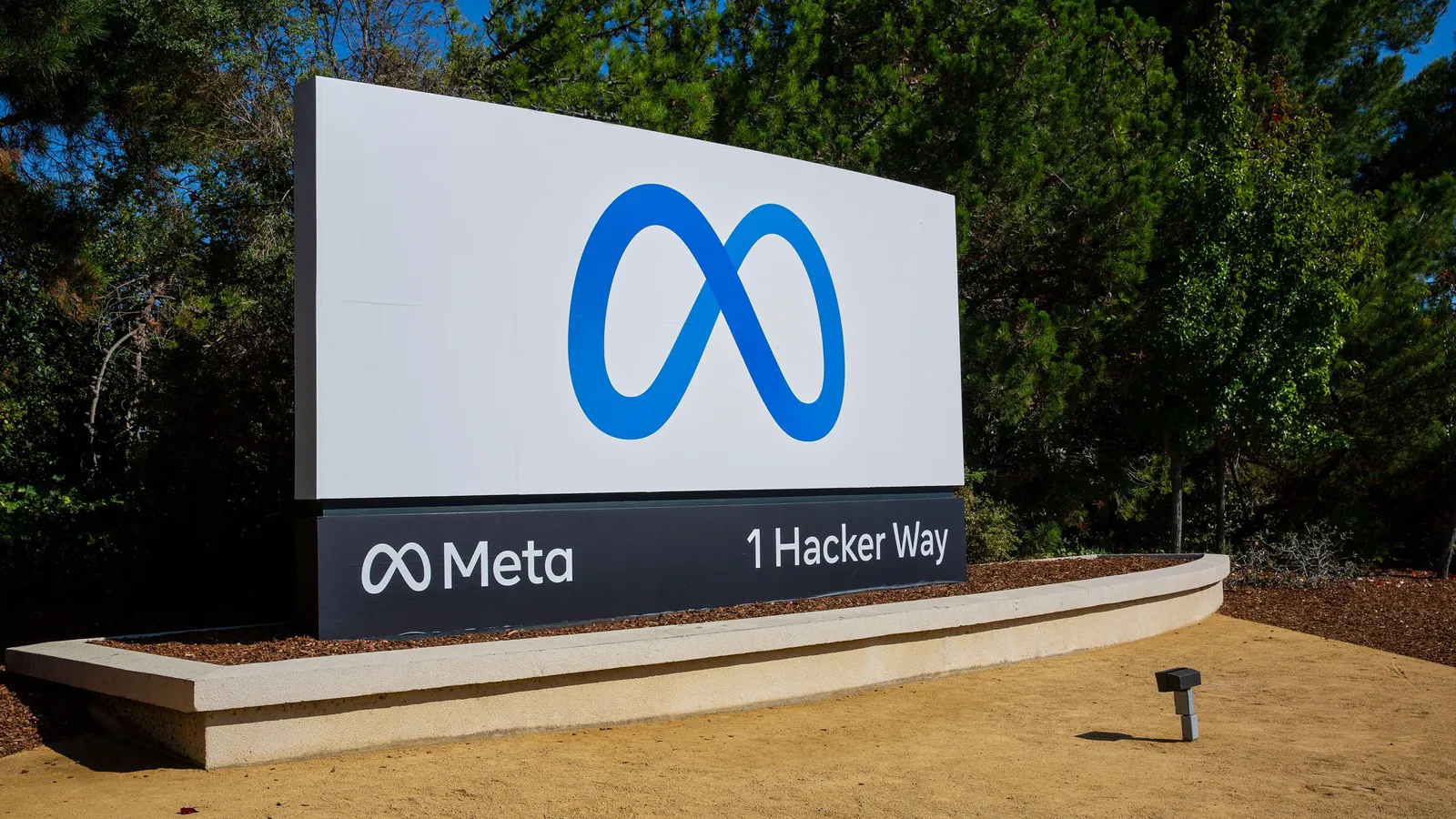
A landmark ruling by New Mexico Chief District Court Judge Bryan Biedscheid has found Meta, the parent company of Facebook and Instagram, liable for contributing significantly to the state’s youth mental health crisis, ordering the tech giant to pay $567 million in the second phase of a multi-part civil lawsuit. This decision not only brings the total financial impact on Meta to a staggering $942 million in New Mexico alone but also establishes a potentially groundbreaking framework for regulating social media use among teenagers, aiming to mitigate the documented harms of online platforms. The ruling underscores a growing judicial and public consensus regarding the profound and often detrimental impact of social media on young users, signaling a pivotal moment in the ongoing debate over digital safety and corporate accountability.
The Genesis of the Litigation: A State’s Fight for Youth Well-being
The legal battle against Meta was spearheaded by New Mexico Attorney General Raùl Torrez, who has been a vocal advocate for stronger protections for young people online. This litigation unfolded in two distinct phases, each addressing critical failures by Meta to safeguard its youngest users. The first phase, which concluded with a jury verdict in March, focused primarily on Meta’s alleged failure to protect minors from child predators within its applications. In that initial ruling, a jury found Meta liable, approving $375 million in civil damages against the social media behemoth. This initial judgment set a strong precedent, affirming the legal system’s capacity to hold tech companies accountable for the safety of their platforms.
The second phase of the litigation delved deeper into the broader public health implications of Meta’s platforms, specifically their role in exacerbating the youth mental health crisis. Judge Biedscheid’s recent ruling in this phase directly addresses the systemic design choices and operational shortcomings that, according to the court, have contributed to a significant decline in the mental well-being of New Mexico’s youth. The additional $567 million penalty from this second phase brings the total financial damages to $942 million, an amount earmarked for critical support, awareness, and prevention measures designed to combat the very crisis Meta has been deemed to have fueled. This substantial sum reflects the court’s recognition of the extensive and ongoing harm suffered by young people and the significant resources required to address it.
Judicial Findings: Meta’s Role in a Deepening Crisis
In his detailed findings, Judge Biedscheid articulated a clear and unequivocal stance on the state of youth mental health in New Mexico, declaring it a full-blown crisis. He directly implicated Meta’s platforms as "a significant contributing cause to the crisis," drawing a causal link between the design and operation of these platforms and the documented rise in mental health challenges among young people. This judicial pronouncement echoes a growing body of scientific research and public health warnings that have increasingly highlighted the adverse effects of excessive social media use on adolescent mental health, including increased rates of anxiety, depression, body image issues, cyberbullying, and addiction.
National statistics paint a grim picture, with data from organizations like the Centers for Disease Control and Prevention (CDC) indicating a consistent rise in mental health concerns among adolescents across the United States. For instance, recent surveys have shown that a significant percentage of high school students report persistent feelings of sadness or hopelessness, with a notable increase in emergency room visits for self-harm. While social media is not the sole factor, its pervasive presence in the lives of young people, often from early adolescence, makes it a critical area of concern. The judge’s ruling in New Mexico brings this abstract public health issue into the concrete realm of legal accountability, asserting that platforms like Instagram and Facebook bear a measurable responsibility for these societal harms.
A New Regulatory Blueprint: The Multi-Step Approach for Teen Safety
Beyond the significant financial penalty, Judge Biedscheid’s ruling is particularly notable for outlining a comprehensive, multi-step approach that Meta will be required to implement. This framework aims to fundamentally alter how Meta’s platforms interact with and protect underage users. While the specific details of all mandated changes are yet to be fully disclosed, the core principles revolve around more stringent age verification, enhanced content moderation for minors, and features designed to limit harmful usage patterns.
Key among these requirements is a directive for Meta to intensify its efforts in seeking proof of age for suspected underage users. The ruling stipulates that accounts for users under 13 who fail to verify their age within 30 days must be deleted. This move directly addresses one of the most persistent challenges in online child safety: the ease with which minors can circumvent age restrictions by falsifying their birthdates. The judge’s framework represents a proactive and prescriptive measure, moving beyond general calls for "safety" to concrete, actionable steps that Meta must undertake.
This innovative framework, if successfully implemented and upheld, could serve as a foundational model for a broader regulatory approach to limiting the harmful impacts of social media on teen users. It moves away from the blunt instrument of all-out social media bans, which have shown limited effectiveness in some jurisdictions, such as Australia, where initial research suggests teens often find ways to bypass such restrictions. Instead, the New Mexico approach focuses on embedding protective mechanisms directly into the platform’s operation, aiming for a more nuanced and potentially more effective intervention.
The Enduring Challenge of Age Verification
The effectiveness of any regulatory framework hinges critically on robust and reliable age verification systems. As highlighted in the New Mexico ruling, and underscored by experiences in other countries, the ability of social media companies to accurately determine and verify a user’s age remains the key challenge. In Australia, for instance, initial reports on the effectiveness of its teen social media ban have indicated that many teenagers have managed to side-step age detection systems. They often continue using social apps without a formal account, which still grants access to a significant amount of potentially harmful content, or they simply find ways to register with false age information.
Achieving effective age verification requires overcoming substantial technical, logistical, and privacy hurdles. Current methods often rely on self-declaration, which is easily falsified. More stringent methods, such as requiring government-issued IDs, raise privacy concerns and accessibility issues for young users who may not possess such documentation. The ideal solution, as many advocates propose, would involve a universally accepted, government-approved system applicable across all social media platforms, ensuring consistency and preventing minors from simply migrating to less regulated spaces. Until such a comprehensive system is in place, platforms like Meta will continue to grapple with the inherent difficulties of enforcing age restrictions in a digital environment designed for broad access. The New Mexico court’s directive places the onus squarely on Meta to innovate and implement more effective age-gating technologies.
Meta’s Stance and the Path to Appeal
In response to the New Mexico court’s ruling, Meta spokesman Andy Stone promptly announced the company’s intention to appeal the decision. In a statement shared on X (formerly Twitter), Stone reiterated Meta’s confidence "in its record of protecting teens online." This response is consistent with Meta’s historical position, which often emphasizes its ongoing investments in safety features, parental controls, and AI-driven content moderation.
Meta’s appeal will likely challenge both the factual basis of the court’s findings regarding its contribution to the mental health crisis and the scope and feasibility of the mandated corrective measures. The financial penalty, approaching a billion dollars, represents a significant sum even for a company of Meta’s size, with a market capitalization often exceeding a trillion dollars. However, the greater concern for Meta might be the precedent this ruling sets. If upheld, it could open the floodgates for similar lawsuits in other states, potentially leading to a patchwork of varying regulations and an exponential increase in legal and financial liabilities. The company will likely argue that many of the challenges associated with youth mental health are complex and multi-faceted, and that singling out social media platforms as "significant contributors" oversimplifies the issue and unfairly burdens tech companies.
Broader Implications and the Future of Digital Regulation
The New Mexico ruling carries profound implications that extend far beyond the state’s borders. It represents a significant escalation in the legal and regulatory pressure on social media companies to prioritize user safety, particularly for minors.
- Legal Precedent: This case could embolden other state attorneys general to pursue similar litigation. Several states have already initiated lawsuits against Meta and other platforms over youth mental health concerns, and the New Mexico decision provides a strong template and legal foundation for such efforts. It signals a shift in judicial willingness to attribute direct responsibility to platforms for the societal impacts of their products.
- Industry-Wide Impact: The detailed framework for restrictions could force a reevaluation of platform design across the entire social media industry. If Meta is compelled to implement more rigorous age verification and usage limitations, competitors might follow suit, either proactively to avoid similar legal challenges or reactively if such measures become a de facto industry standard.
- Technological Innovation: The demand for more effective age verification systems will likely spur significant investment and innovation in this area. This could lead to the development of new privacy-preserving technologies for age assurance, or intensify calls for government-backed digital identity solutions.
- Public Discourse: The ruling will undoubtedly intensify the public discourse around social media, youth mental health, and corporate responsibility. It adds significant weight to the arguments of child safety advocates, mental health professionals, and parent groups who have long called for greater accountability from tech companies.
- The Role of Government: This case highlights the increasing role of state governments in regulating technology, particularly in areas where federal action has been slower or more fragmented. It underscores a growing trend of states acting as laboratories for digital policy, potentially shaping national standards in the absence of comprehensive federal legislation.
Expert Perspectives and Calls for Action
Child safety advocates and mental health experts have largely welcomed the New Mexico ruling, viewing it as a crucial step towards holding powerful tech companies accountable. Organizations dedicated to protecting children online have long pointed to the addictive design features, algorithmic amplification of harmful content, and inadequate age verification systems as critical failures of social media platforms. They argue that self-regulation has proven insufficient and that judicial or legislative intervention is necessary to compel meaningful change.
Mental health professionals frequently report an increase in adolescent patients presenting with issues directly linked to social media use, including anxiety related to social comparison, cyberbullying, sleep deprivation due to late-night scrolling, and a distorted sense of self-worth based on online validation. They emphasize that while social media can offer benefits like connection and community, its current unregulated state poses significant risks to developing minds. The funds allocated from the Meta settlement are seen as vital resources to expand mental health services, educational programs, and support networks for young people struggling with these challenges.
Conversely, some tech policy experts express concerns about the potential for a fragmented regulatory landscape, where different states impose different rules, making compliance complex for global platforms. They also caution against overly broad interpretations of causation, suggesting that while social media can be a contributing factor to mental health issues, it is rarely the sole cause, and other societal factors must also be addressed. However, the consensus is building that a more robust regulatory framework for social media, especially concerning minors, is inevitable and increasingly necessary.
The Road Ahead: Balancing Innovation and Protection
The New Mexico court’s decision marks a significant juncture in the ongoing effort to reconcile the rapid pace of technological innovation with the imperative to protect vulnerable populations, particularly children and adolescents. While Meta prepares its appeal, the legal and public scrutiny on its practices, and those of its industry peers, will only intensify. The outcome of this appeal, and the potential for similar cases in other jurisdictions, will undoubtedly shape the future of social media regulation, influencing how platforms are designed, how they verify user age, and how they ultimately balance profit motives with the profound responsibility they hold for the well-being of their youngest users. The New Mexico ruling is not merely a financial penalty; it is a clear demand for systemic change, aiming to establish a safer, healthier digital environment for the next generation.