

The modern digital advertising landscape is defined by a paradox where brands spend record amounts on sophisticated targeting and high-production creative assets only to lose potential customers at the final stage of the journey. Industry data suggests that while marketing teams prioritize the "click," the destination of that click often dictates the ultimate success of the campaign. When paid traffic is directed toward a generic product page—often cluttered with navigation menus, social icons, and unrelated links—the conversion rate frequently plummets. This "conversion gap" represents a significant leak in marketing budgets, where the disconnect between a compelling advertisement and a distraction-filled product page leads to wasted expenditure. To combat this, enterprise marketing teams are increasingly pivoting toward dedicated product landing pages designed with a singular focus: converting specific segments of traffic into paying customers.
The Strategic Shift from Product Pages to Landing Pages
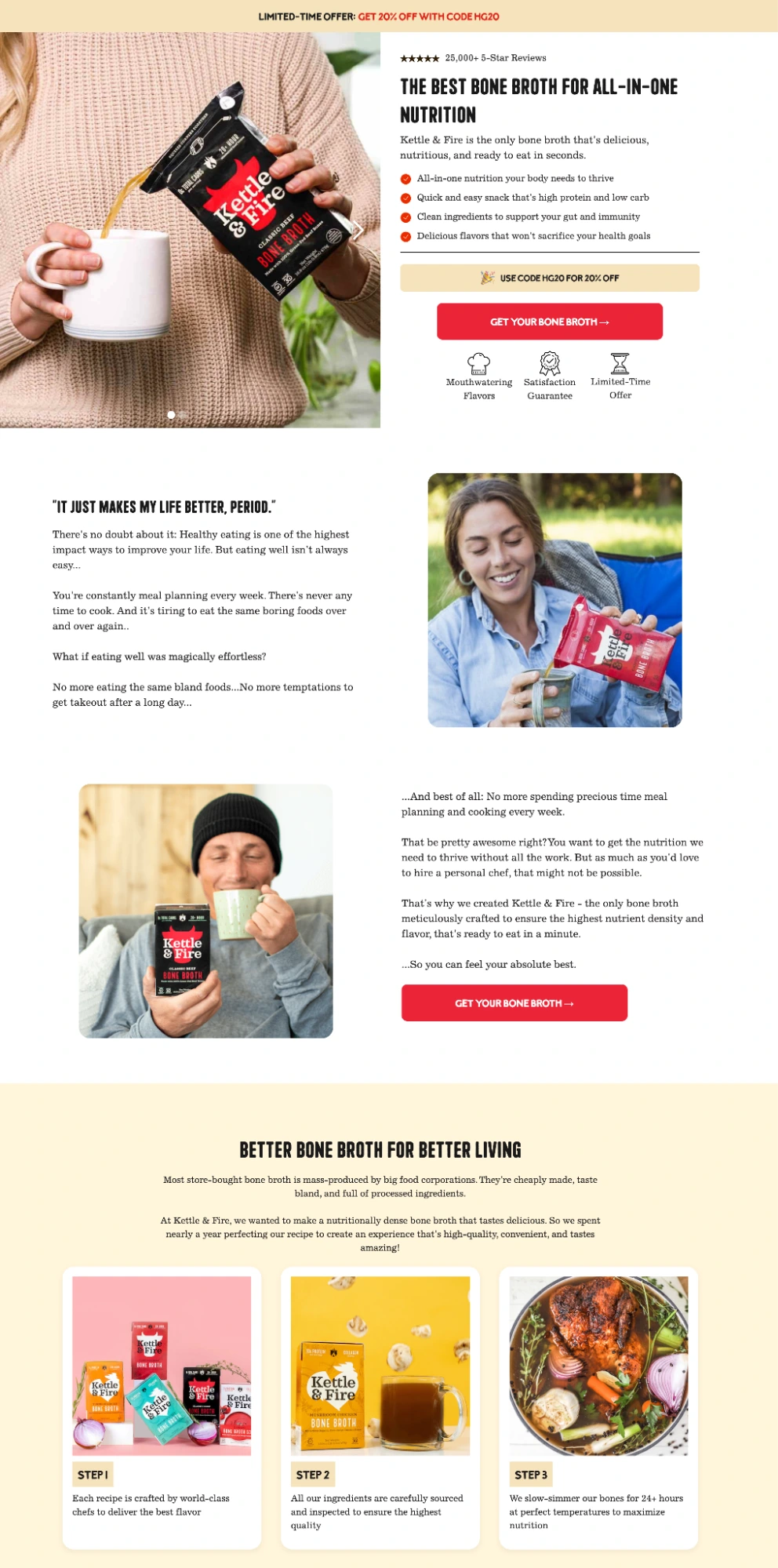
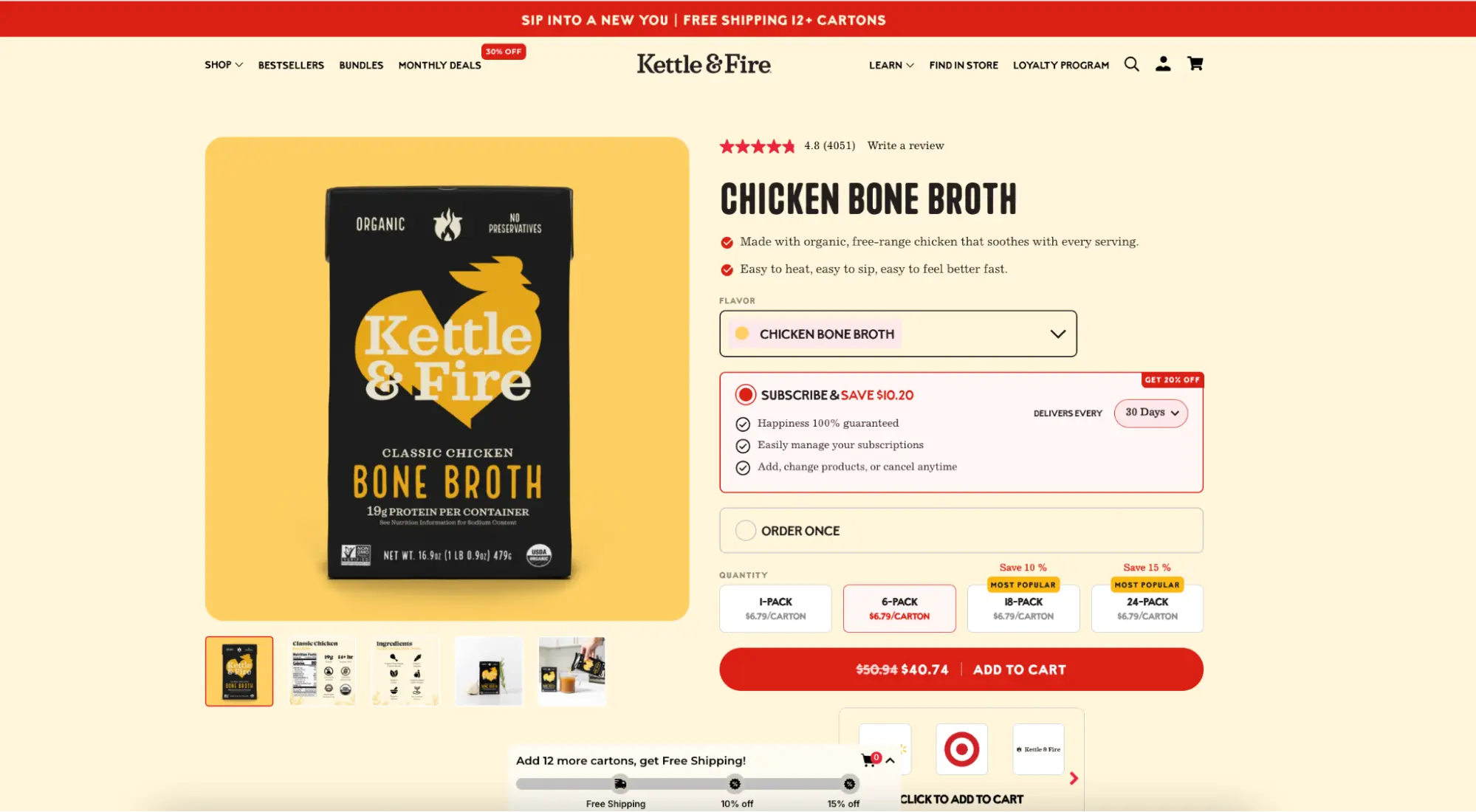
In the traditional e-commerce model, a Product Detail Page (PDP) serves as a permanent digital catalog entry. Its primary role is to inform and assist browsing visitors who may have arrived via organic search or site navigation. However, the architecture of a standard PDP is often antithetical to the needs of paid media campaigns. A standard page for a brand like Kettle & Fire, for instance, might include a global navigation bar, links to a dozen different product variants, a footer with multiple columns of links, and social media prompts. While useful for a casual browser, this layout provides over 30 distinct "exit points" for a visitor who clicked a specific ad.
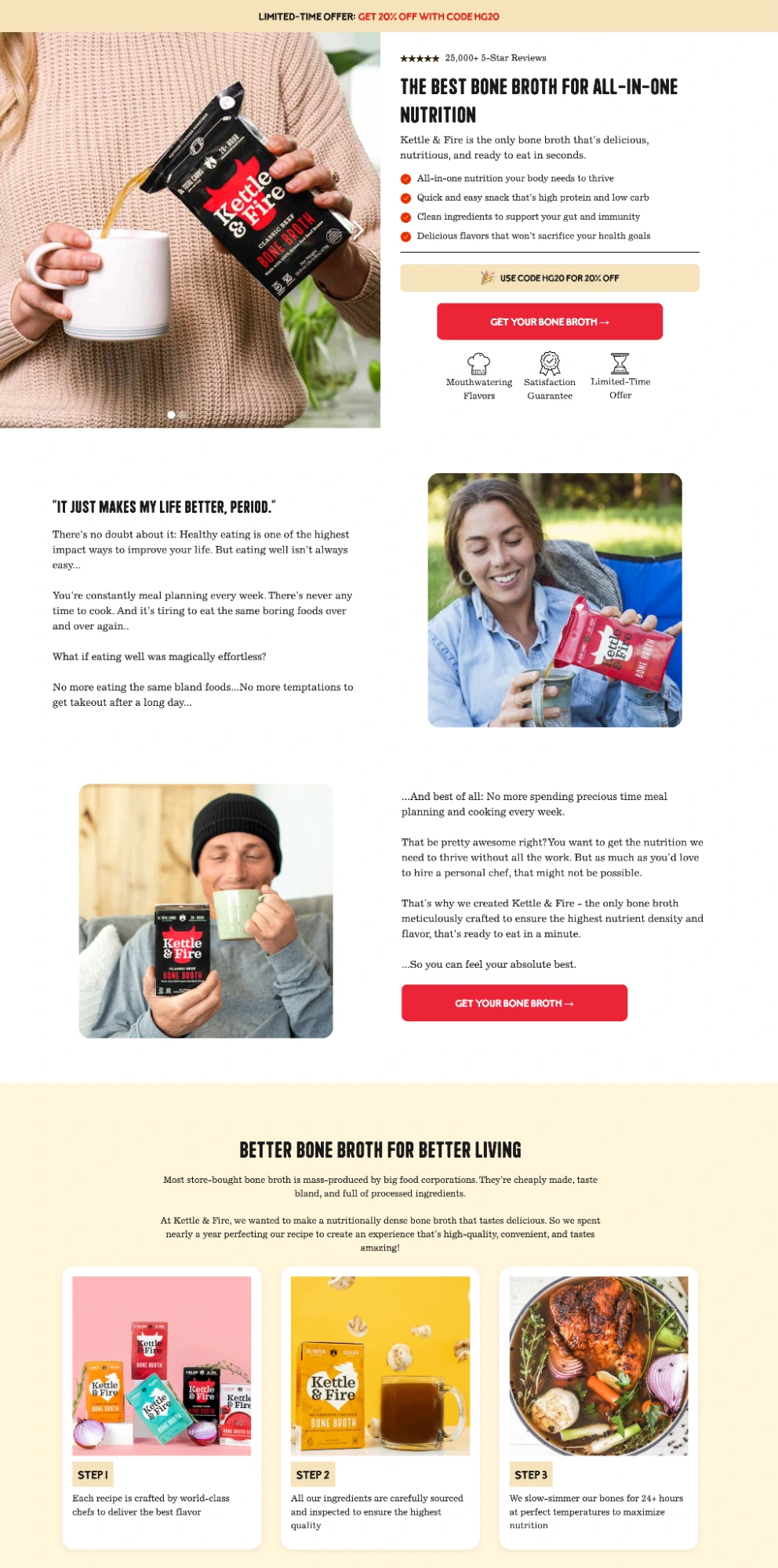
In contrast, a product landing page is a standalone asset built for a specific campaign. Its defining characteristic is a 1:1 conversion ratio: one page, one goal, and one call to action (CTA). By removing the global navigation and focusing exclusively on the offer mentioned in the advertisement, brands can eliminate the "Paradox of Choice," a psychological phenomenon where an abundance of options leads to consumer paralysis. The transition to this model is not merely a design preference but a response to the rising Cost Per Acquisition (CPA) across platforms like Meta and Google, where efficiency at the point of arrival is now the primary lever for maintaining a positive Return on Ad Spend (ROAS).

Chronology of the Landing Page Evolution
The evolution of the landing page reflects the broader maturation of the internet as a commercial medium. In the early 2000s, digital advertising was characterized by "squeeze pages"—crude, high-pressure layouts designed to capture email addresses. As Google introduced the Quality Score in the mid-2000s, the focus shifted toward "Message Match," requiring landing pages to mirror the keywords and intent of the ads that preceded them.

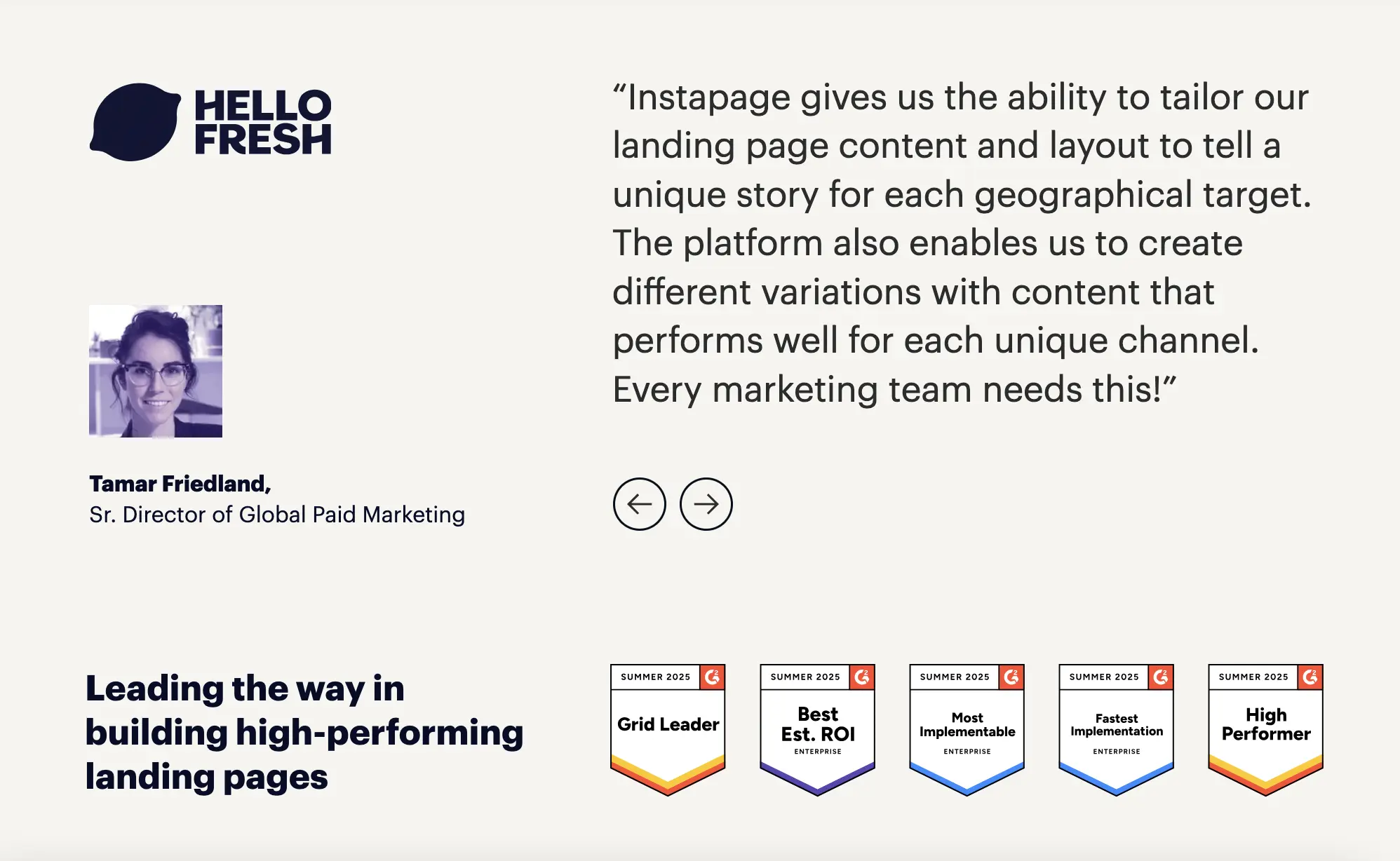
By 2015, the "Mobile First" era necessitated a radical redesign of these assets. With over 50% of web traffic moving to handheld devices, landing pages had to become lighter and faster. Today, we have entered the era of "Hyper-Personalization" and "No-Code Scaling." Platforms such as Instapage have democratized the ability to create, test, and scale these pages, allowing marketing teams to bypass traditional developer bottlenecks. This allows for the simultaneous deployment of dozens of page variations tailored to specific audience segments, such as different age demographics or geographic locations, all within a single campaign window.
The Core Mechanics of High-Converting Design
Design aesthetics in the context of a product landing page are secondary to conversion mechanics. Research from organizations like the Nielsen Norman Group confirms that the "above-the-fold" area—the content visible without scrolling—receives the vast majority of user attention. Consequently, a successful page must deliver its entire value proposition, a primary benefit, and a CTA within this initial view.
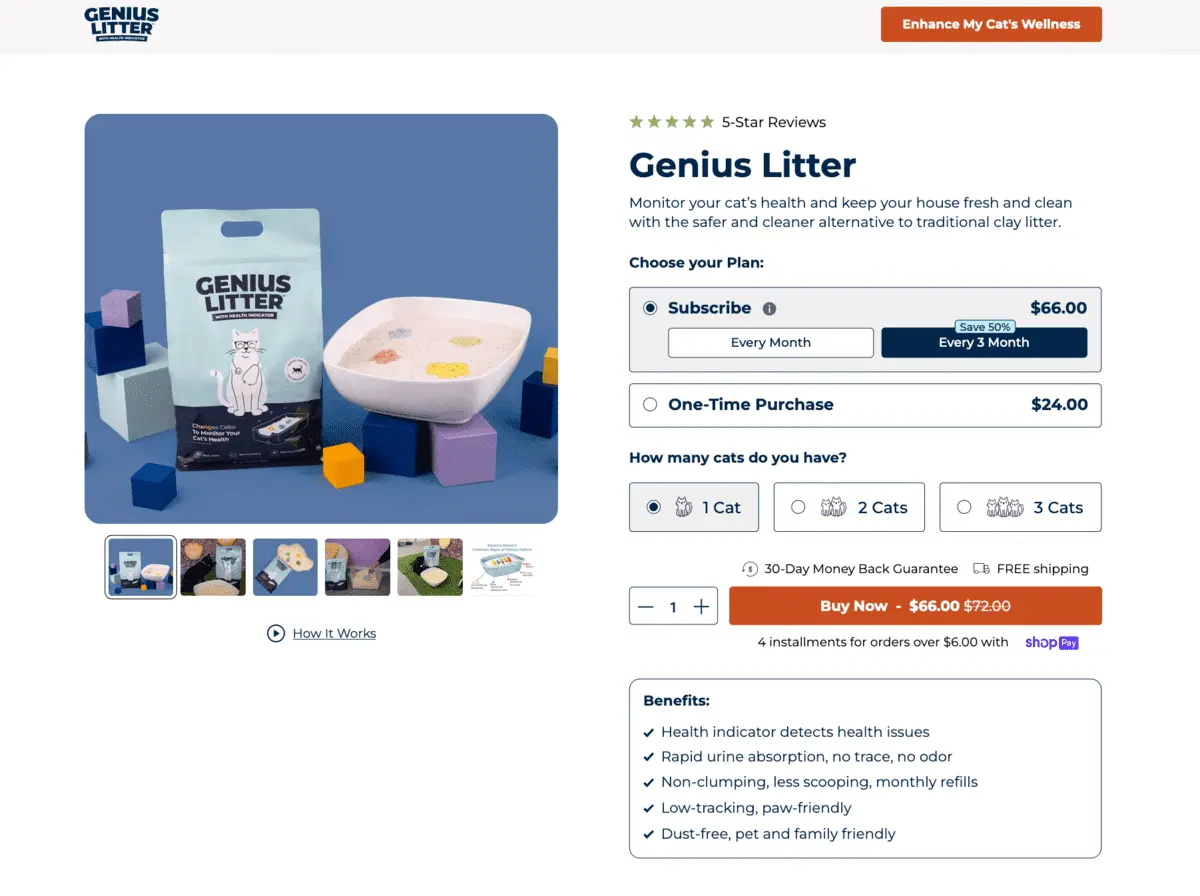
Key principles driving these conversions include:
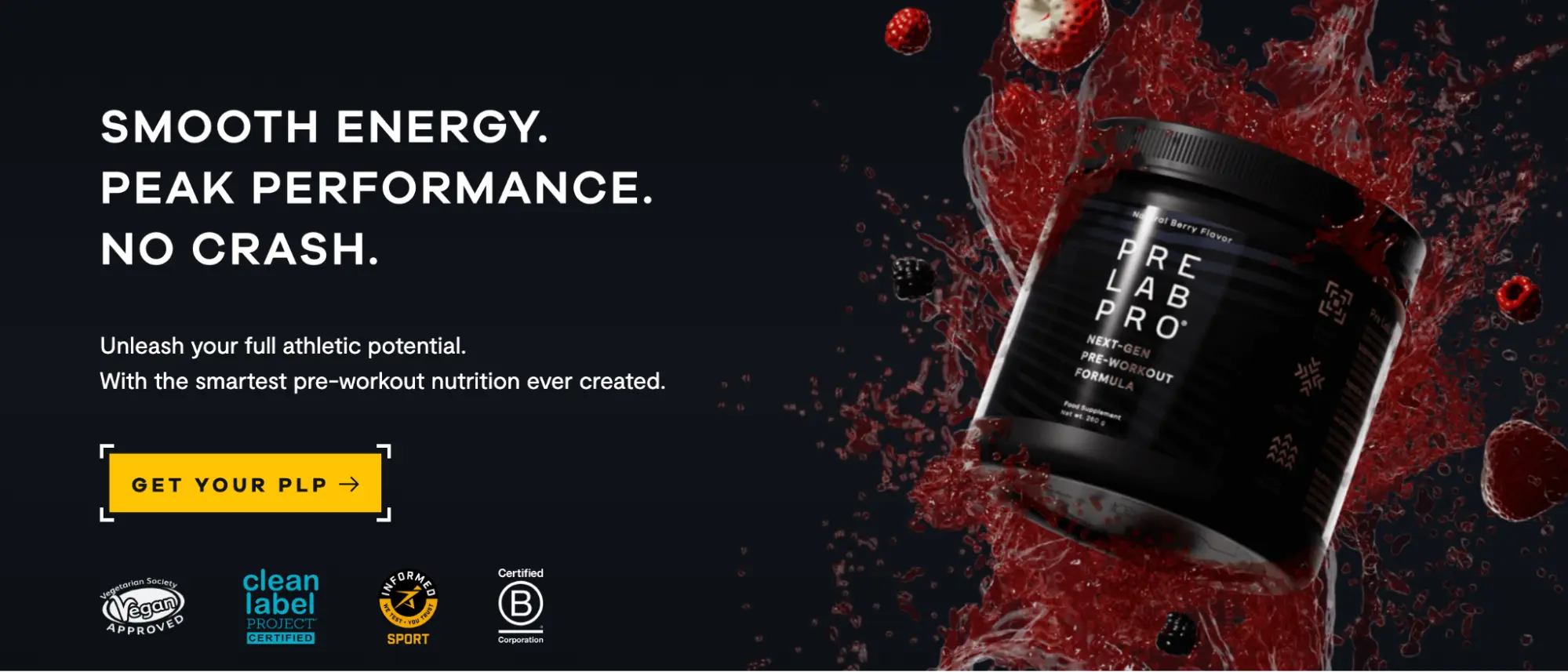
- Message Match: This is the psychological bridge between the ad and the page. If an ad promises "Durable, Eco-Friendly Wallets" but the landing page headline reads "Browse Our Full Collection," the cognitive dissonance causes a significant percentage of visitors to bounce.
- Page Speed and Technical Performance: Technical debt is a direct contributor to lost revenue. Google’s performance data consistently shows that for every second of mobile load delay, conversion rates can drop significantly. The introduction of Core Web Vitals (LCP, INP, and CLS) as ranking and performance signals has made page speed a non-negotiable priority for performance marketers.
- Visual Hierarchy and Scannability: Eye-tracking research indicates that visitors scan pages in predictable "F" or "Z" patterns. High-performing pages utilize large headlines, bulleted benefit lists, and high-contrast CTA buttons to guide the eye toward the desired action without requiring deep reading.
- Friction Reduction: According to the Baymard Institute, approximately 18% of users abandon checkout processes due to complexity. Product landing pages mitigate this by requesting only the minimum information necessary. Every additional form field or unnecessary click represents a potential point of abandonment.
Analyzing Industry Leaders: Case Studies in Conversion
Several brands have mastered the art of the product landing page, providing a blueprint for others to follow.
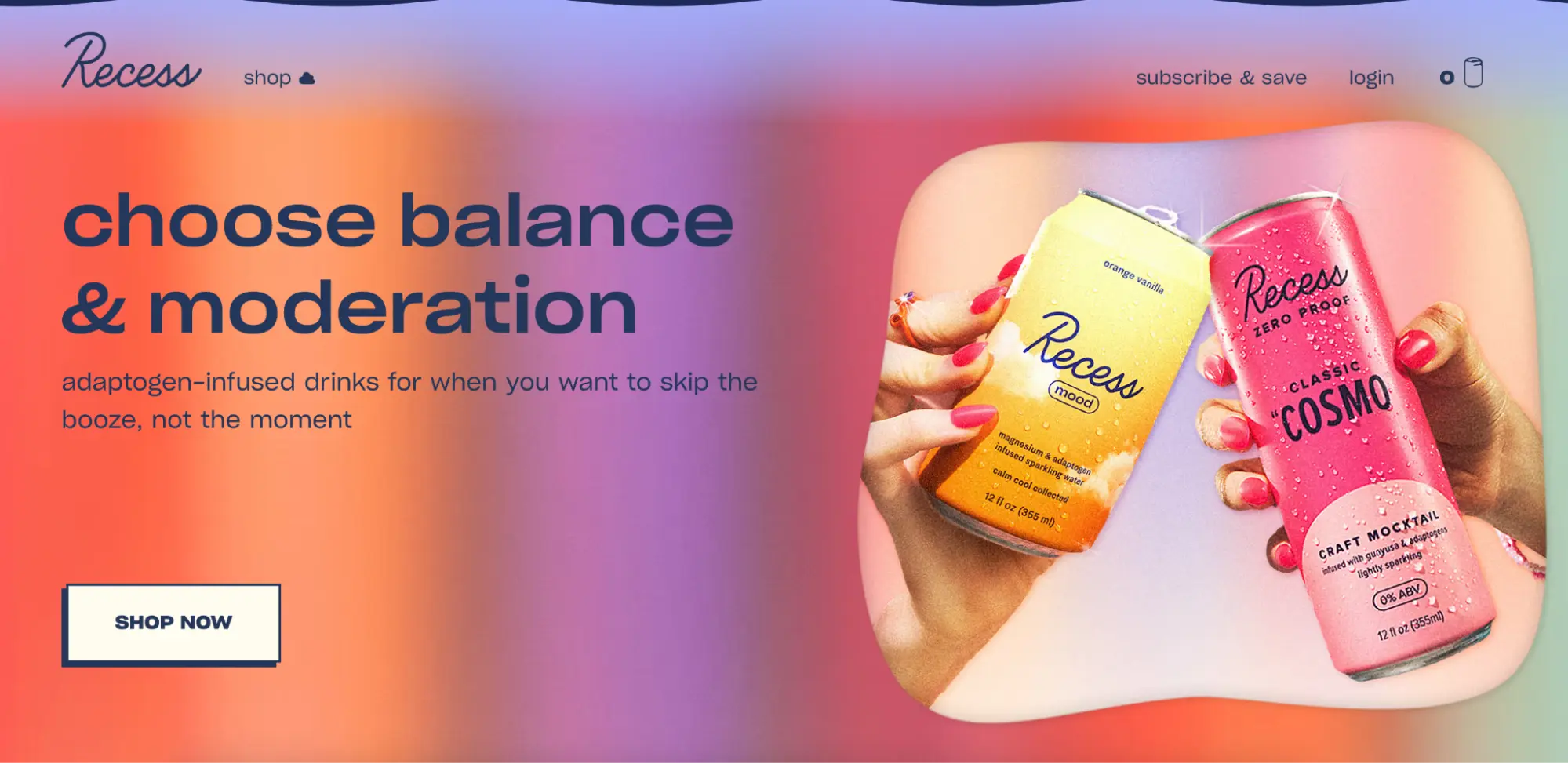
Kettle & Fire: By moving their paid traffic to a subdomain away from their main site, they created a distraction-free environment. Their landing page utilizes urgency (limited-time discounts), credibility (quotes from health experts), and risk reversal (100% satisfaction guarantees). The only way off the page is to purchase or close the tab, ensuring the 1:1 conversion ratio is maintained.

Oura Ring: For a high-consideration, premium-priced health tracker, Oura uses a minimalist layout that reduces cognitive load. The design signals confidence, allowing the product’s sleek aesthetic and a brief, scannable list of benefits (sleep, fitness, illness detection) to carry the argument.

AG1 (Athletic Greens): AG1 demonstrates the power of source-specific personalization. Visitors arriving from a specific influencer’s podcast land on a page featuring that influencer’s photo and endorsement. This "borrowed credibility" maintains the message match from the audio ad to the visual landing page, significantly increasing trust and conversion likelihood.
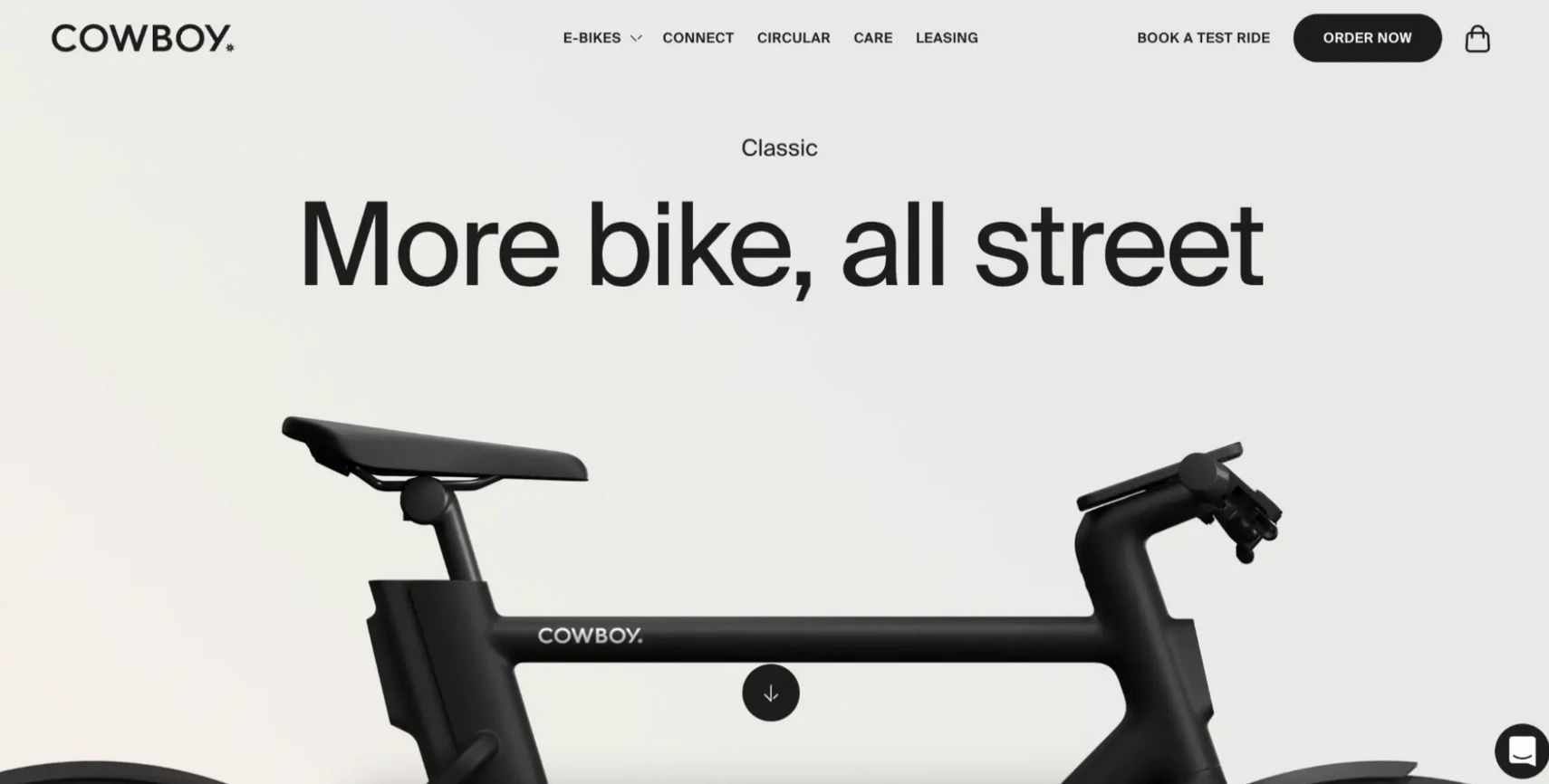
Tierra: A sustainable backpack brand, Tierra utilizes the "product launch" landing page model. During their pre-order phase, they removed all navigation and focused on a single waitlist CTA with a 30% discount incentive. This strategy allows brands to build a qualified lead list and generate revenue before a product even ships.

Technical Implementation and the Role of AI
The process of building these pages has shifted from a month-long development cycle to a matter of hours. The standard workflow now involves defining a conversion goal, selecting a conversion-tested template, and utilizing AI-driven content tools to generate copy variations.
Advanced platforms now integrate AI to generate headlines, paragraph text, and CTA variations directly within the builder environment. This allows teams to conduct server-side A/B testing—testing different elements on live pages without slowing down load times or negatively impacting SEO. Collaboration tools have also moved into the cloud, allowing stakeholders to review and approve designs in real-time, further accelerating the time-to-market for new campaigns.

Measuring Performance: A Data-Driven Framework
A product landing page is a living asset that requires constant measurement. Performance marketers generally utilize a specific set of Key Performance Indicators (KPIs) to judge success:

- Conversion Rate: The primary metric, indicating the percentage of visitors who completed the CTA.
- Cost Per Conversion: The total ad spend divided by the number of successful actions. This metric justifies the investment in dedicated landing pages.
- Heatmap Data: Visual representations of where users click and how far they scroll. This helps identify "dead zones" where users lose interest.
- Bounce Rate and Time on Page: These metrics assess whether the traffic quality matches the offer. A high bounce rate often indicates a "Message Match" failure.
Broader Implications for the E-commerce Sector
The shift toward dedicated product landing pages signifies a broader trend in the digital economy: the move away from the "generalist" web toward the "specialist" experience. As consumers become more discerning and their attention spans shorten, the ability of a brand to provide a clear, concise, and relevant path to purchase becomes a competitive necessity.

For enterprise teams, the implication is clear: those who continue to send paid traffic to standard product pages are likely overpaying for their customers. By adopting a disciplined approach to landing page creation—one that prioritizes psychological triggers, technical speed, and singular focus—brands can significantly lower their acquisition costs and improve their bottom line. The future of e-commerce lies not just in the products themselves, but in the precision of the environments where those products are sold.







