


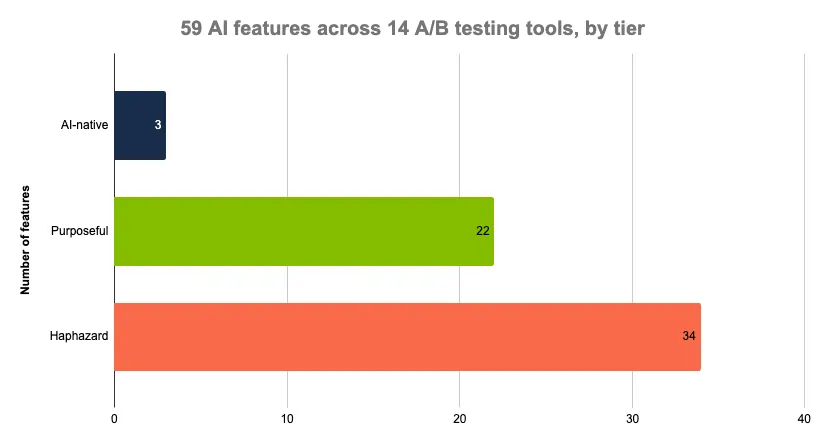
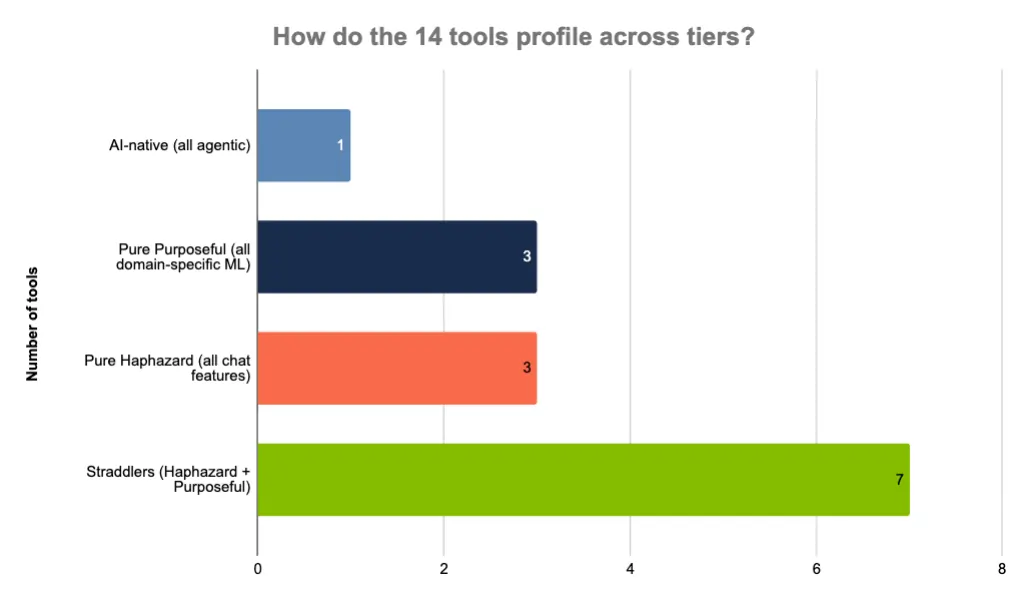
The digital experimentation landscape has reached a critical inflection point as of June 2026, characterized by a significant gap between marketing narratives and actual technical capabilities. A comprehensive audit of 14 leading A/B testing platforms and 59 distinct artificial intelligence (AI) features reveals that while 71% of vendors prominently feature AI in their primary marketing collateral, the majority of these implementations remain superficial. According to the data, 58% of current AI features in the sector are classified as "haphazard" chat wrappers—interfaces that facilitate existing software actions through natural language without introducing novel functionality. In contrast, only 5% of the market has achieved a "fully agentic" status, where AI autonomously manages the entire experimentation lifecycle.
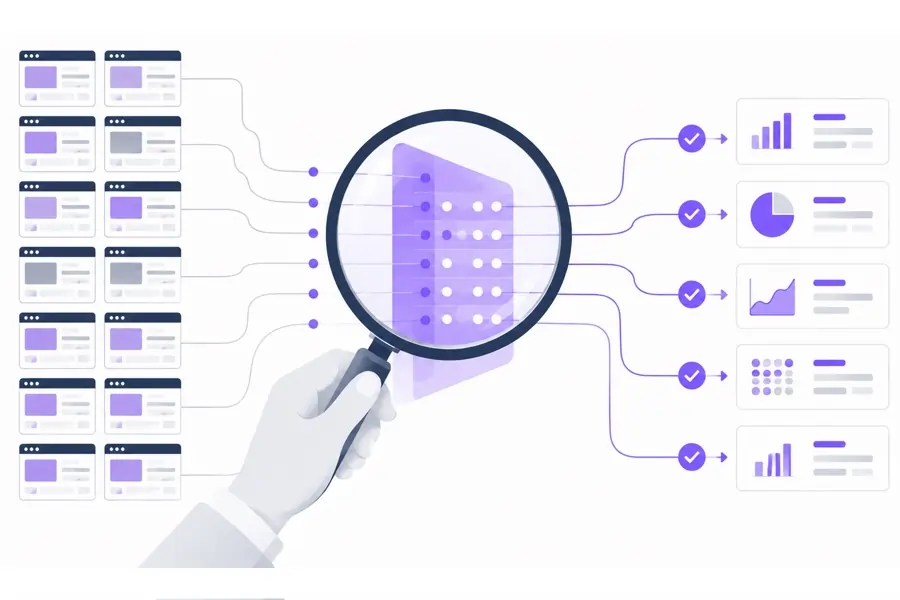
This audit, conducted through an exhaustive review of official vendor documentation and live product deployments, highlights a maturation process similar to the evolution of "smart" technology in consumer electronics during the mid-2010s. Just as the "smart" label on a 2014 television could indicate anything from a robust operating system to a basic internet-enabled port, the "AI-powered" designation in 2026 A/B testing serves as an umbrella term for a wide spectrum of utility. The findings suggest that the industry is currently bifurcated between tools that use Large Language Models (LLMs) to reduce manual labor and those that leverage proprietary machine learning (ML) models to generate previously impossible insights.
Methodology and the Three Tiers of AI Integration
To categorize the 59 features identified across the 14 audited tools, researchers utilized a "mechanism test" to determine the depth of AI integration. This resulted in a three-tier classification system that provides a framework for understanding the current state of the market.
Tier 1: Haphazard Implementations (58% of Features)
Haphazard AI refers to chat interfaces layered over existing product architectures. These features translate plain-language instructions—such as "create a variant for the checkout page" or "draft a hypothesis for mobile users"—into software commands the platform could already execute. While these features significantly reduce "time-to-task" and minimize the need for technical UI navigation, they do not add unique capabilities. The audit found that if the chat interface were removed, the core product functionality would remain unchanged.
Tier 2: Purposeful AI (37% of Features)
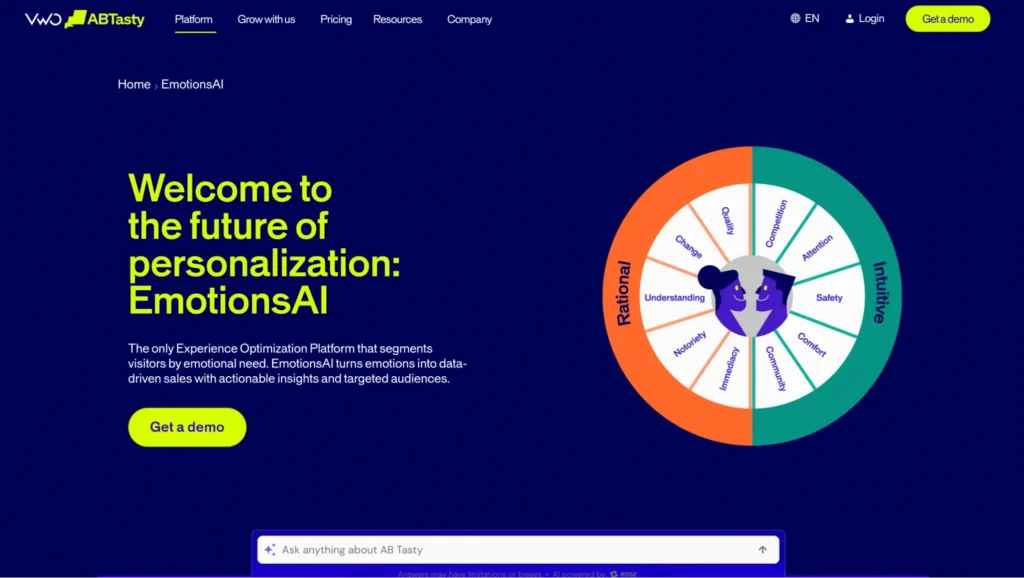
Purposeful AI represents implementations where the technology performs tasks that were previously unattainable or unscalable for humans. This tier is defined by domain-specific models trained on a platform’s proprietary behavioral data. Examples include predictive visitor scoring, emotion-based segmentation, and automated traffic allocation. In these instances, the value lies in the dataset rather than the LLM prompt. Removing the model would result in the total loss of the feature’s utility.
Tier 3: AI-Native (5% of Features)
The AI-native tier represents the frontier of the industry. In this category, the experimentation loop is entirely re-engineered around an autonomous agent. These agents observe live traffic, identify friction points, propose and deploy variants, and roll out winners without human intervention. At this level, the agent is not a feature of the product; the agent is the product.
A Chronology of AI Evolution in Experimentation
The trajectory of AI in A/B testing has moved through three distinct phases over the last decade. The pre-2023 era was dominated by "Classical ML," such as Adobe Sensei, which focused on model-based scoring and automated personalization. This was followed by the "Generative Explosion" of 2023–2025, where vendors rushed to integrate LLM wrappers to facilitate copy generation and basic experiment setup.
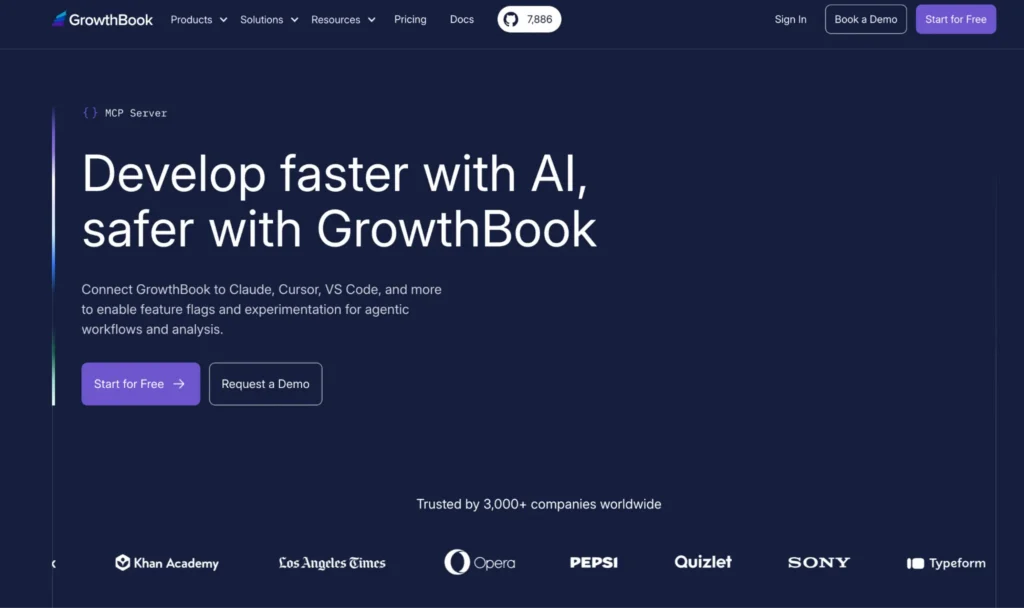
By early 2025, the market saw the introduction of the Model Context Protocol (MCP), a development that allowed developers to bypass vendor-specific chat boxes and interact with experimentation platforms directly through external AI clients like Claude Code or GitHub Copilot. GrowthBook was among the first to ship a production-grade MCP server in early 2025, followed closely by Statsig and Convert.
As of June 2026, the industry has entered the "Agentic Era." This phase is marked by the launch of Runner AI in January 2026, founded by former Google DeepMind engineers. Runner AI represents a shift from "tools for testers" to "autonomous optimization engines," signaling a future where the storefront itself acts as a self-optimizing agent.
Supporting Data: Feature Distribution and Performance Benchmarks
The audit provides specific insights into how industry leaders are positioning their AI capabilities. While 10 out of 14 tools feature AI prominently on their homepages, only 43% include "AI" in their primary headline, suggesting a cautious approach to branding among established enterprise players.
Optimizely has emerged as a leader in the Haphazard-to-Purposeful transition with its "Opal" AI suite. According to the 2025 Optimizely Opal AI Benchmark Report, which analyzed 47,000 interactions across 900 companies, users of the AI assistant ran 78.7% more experiments than non-users. This data suggests that while chat-based AI may not add "new" capabilities, its impact on experimentation velocity is profound.

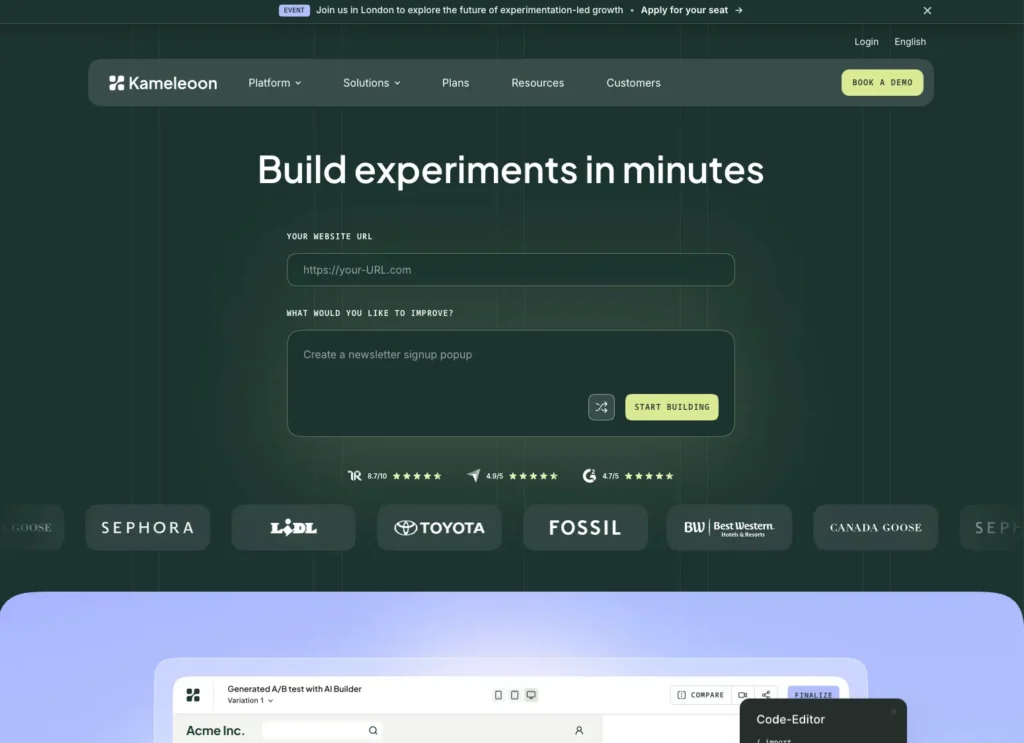
In the Purposeful tier, AB Tasty’s EmotionsAI has demonstrated the power of proprietary modeling. By segmenting anonymous visitors into ten emotional-needs cohorts based on behavioral signals within 30 seconds of landing, the tool has reportedly driven revenue lifts of 5% to 10%. Similarly, Kameleoon’s Conversion Score (KCS) utilizes an in-house ML model to provide a 0-100 conversion likelihood score for every visitor by the seventh day of data collection.
Market Consolidation and Institutional Shifts
The rapid advancement of AI has coincided with a massive wave of consolidation within the experimentation sector. In the 12 months leading up to June 2026, four major acquisitions and mergers reshaped the landscape:
- AB Tasty and VWO merged under the Wingify umbrella, backed by Everstone Capital, to create a unified experience platform.
- Datadog acquired Eppo, rebranding the service as Datadog Experiments to integrate testing directly into the observability stack.
- Monetate acquired SiteSpect, rebranding the technology as Monetate Maestro.
- Glassbox acquired Convertize, integrating A/B testing into its session replay and behavioral analytics suite.
These maneuvers indicate that AI roadmaps are increasingly being folded into broader "experience platforms." For practitioners, this consolidation means that standalone AI features are being absorbed into suite-wide intelligence layers, making the choice of an underlying data ecosystem more critical than the choice of a specific testing tool.
Technical Infrastructure and Data Sovereignty Concerns
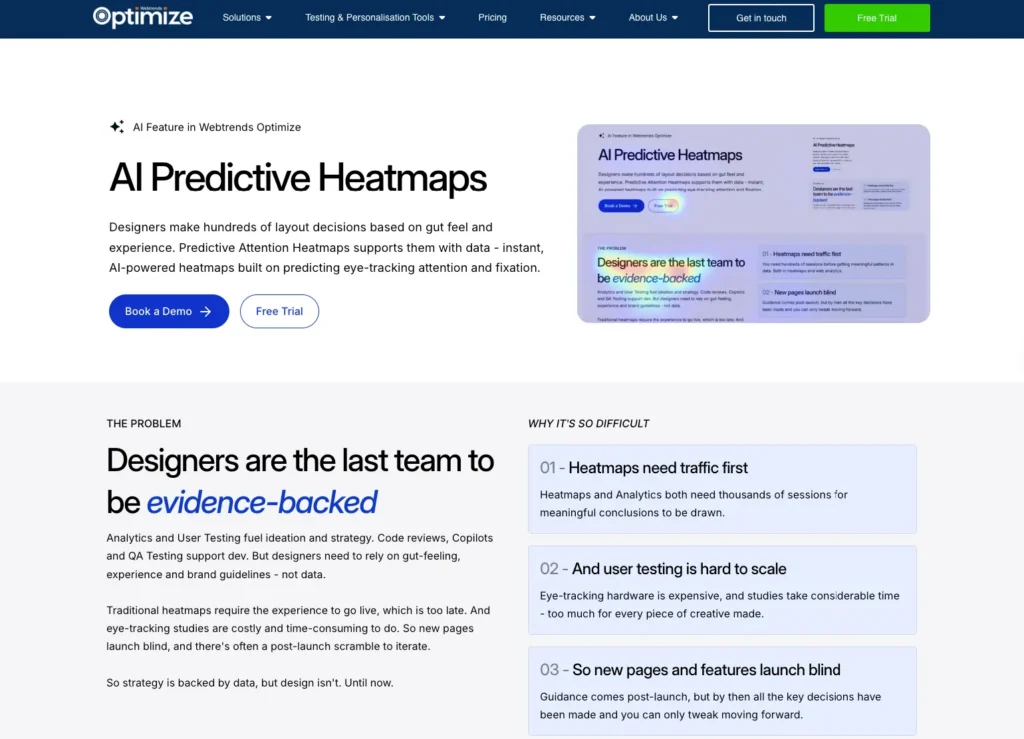
As AI becomes more deeply embedded in experimentation, technical infrastructure and data privacy have become central points of contention. Webtrends Optimize has taken a vocal stance on "Sovereign AI," utilizing local models on proprietary hardware rather than third-party API calls to OpenAI or Google. Their argument centers on the fact that many vendors do not sufficiently disclose the risks of sending sensitive customer experiment data to external LLMs.
Conversely, Convert Experiences has focused on building "foundations before features." The company’s 2026 roadmap prioritizes version control in visual editors, approval workflows, and audit trails. According to Convert founder Dennis van der Heijden, these "unglamorous" features are the essential plumbing required to make autonomous agents trustworthy. Without robust version control and approval gates, an autonomous agent modifying a live production environment poses a significant operational risk.
Broader Impact and Industry Implications
The stratification of the A/B testing market into three tiers of AI has significant implications for conversion rate optimization (CRO) professionals. The commoditization of the "Haphazard" layer suggests that simple chat-based experiment creation will soon be a standard feature of every digital tool, losing its value as a competitive differentiator.

The real competitive advantage is shifting toward the "Purposeful" layer, where vendors leverage years of accumulated, anonymized visitor behavior data to train models that no general-purpose LLM can replicate. For organizations, the "moat" is no longer the software’s interface, but the proprietary dataset the software sits upon.
Furthermore, the rise of "AI-native" tools like Runner AI suggests a future where the role of the human experimenter shifts from "builder" to "editor." In an agentic environment, the human professional is responsible for setting the strategic guardrails, defining the success metrics, and auditing the agent’s decisions, rather than manually designing every variant.

As the industry moves toward the end of 2026, the gap between AI marketing and AI reality is expected to close. Vendors that fail to move beyond the Haphazard tier may find themselves replaced by MCP-enabled workflows that allow developers to use their preferred AI assistants. Meanwhile, the successful integration of autonomous agents will likely redefine the "A/B testing tool" category entirely, transforming it into a broader field of autonomous commerce and experience management.







