The recent monthly SEO update hosted by Yoast, featuring industry experts Carolyn Shelby and Alex Moss, delved into the rapidly shifting landscape of search and artificial intelligence. This edition provided critical insights into Google’s evolving stance on AI-driven search, significant new regulatory developments concerning publisher controls in the UK, and practical advice for maintaining online visibility in an era where traditional SEO tactics are undergoing profound reevaluation. The discussion underscored the imperative for businesses and webmasters to adapt swiftly to technological advancements and regulatory changes impacting how content is discovered and consumed.
A Tribute to a Pioneer: Remembering Bruce Clay
This month’s update began with a heartfelt tribute to Bruce Clay, a true luminary and pioneer in the field of search engine optimization, who recently passed away. Often referred to as the "father of SEO," Clay’s foundational work, beginning in the mid-1990s, was instrumental in shaping the nascent industry. He was one of the first to articulate systematic approaches to optimizing websites for search engines, establishing ethical guidelines, and demystifying complex algorithms for a generation of marketers. Through his company, Bruce Clay, Inc., and his extensive writing, including the seminal "SEO Code of Ethics," he championed principles of integrity and long-term strategy over short-term manipulation. His relentless pursuit of understanding search engine mechanics, coupled with his generous mentorship, left an indelible mark on countless professionals worldwide, fostering a community built on knowledge sharing and continuous learning. His legacy continues to influence best practices and strategic thinking in SEO, serving as a guiding light for an industry he helped build from the ground up.
Google Intensifies Warning Against Manipulating Brand Mentions for AI Authority
In a significant move reflecting the increasing reliance of its AI systems on perceived authority, Google has issued a stern warning against attempts to artificially manipulate brand mentions. This directive explicitly targets deceptive tactics such as paying for or generating irrelevant brand citations solely to inflate a brand’s perceived authority in the eyes of AI algorithms. The examples cited, such as dog food brands being mentioned on sports betting sites, highlight the stark disconnect Google aims to penalize. This warning signals a heightened sophistication in Google’s AI capabilities, which are becoming increasingly adept at discerning genuine, contextually relevant mentions from forced or inorganic ones.
The underlying rationale for Google’s intensified scrutiny lies in the core principles of its E-E-A-T framework (Experience, Expertise, Authoritativeness, Trustworthiness). As generative AI models become integral to search results, Google’s objective is to ensure that the information presented is not only accurate but also grounded in reliable, authoritative sources. Manipulated brand mentions undermine this goal by creating a false sense of credibility, potentially leading AI systems to cite or prioritize content from sources that lack genuine authority in a particular domain.
For webmasters and SEO professionals, this warning is not merely a guideline but a critical directive. It reinforces the long-standing advice to focus on earning genuine, organic mentions from reputable and relevant sources. Strategies should prioritize creating high-quality, valuable content that naturally attracts citations and links from industry peers, news outlets, and authoritative platforms. The potential consequences of ignoring this warning could be severe, ranging from reduced visibility and indexing issues to explicit penalties as Google’s AI systems become more adept at identifying and discounting manipulative signals. This marks a clear push towards a more meritocratic search environment, where true authority and relevance are paramount for AI-driven discovery.
UK Regulators Mandate Publisher Control Over AI Content Usage
The UK’s Competition and Markets Authority (CMA) has achieved a landmark agreement with Google, compelling the tech giant to grant publishers greater control over how their content is utilized by AI features. Under the terms of this deal, UK publishers now have the option to prevent their content from being incorporated into Google’s AI training data or AI-generated search results, critically, without incurring any penalty to their traditional search rankings. This development stems from ongoing global discussions surrounding intellectual property rights, fair compensation, and the potential for AI models to exploit copyrighted material without explicit consent.
The CMA, a governmental non-ministerial department responsible for strengthening business competition and preventing anti-competitive activities, has been a leading voice in scrutinizing the market dominance of major tech companies. Its intervention in this area reflects a broader regulatory trend across Europe and other jurisdictions, where concerns have mounted over the opaque ways AI models scrape and repurpose online content. Publishers, many of whom are grappling with declining advertising revenues and the proliferation of AI-generated content, have long advocated for mechanisms to protect their investments in high-quality journalism and content creation.
However, this newfound control comes with a strategic dilemma for publishers. While they can opt out of AI content usage, doing so may mean forfeiting potential visibility within AI overviews and synthesized answers. If a publisher blocks Google’s AI from accessing their content, users searching via AI features might receive answers compiled from other sources, potentially reducing traffic and exposure for the original content creator, even if their site continues to rank highly in standard search results. This creates a challenging balancing act: publishers must weigh the desire for content control and potential future licensing opportunities against the immediate benefits of AI-driven visibility and user engagement. The CMA’s intervention sets a significant precedent, potentially influencing regulatory bodies in other countries to pursue similar agreements, thereby reshaping the future economic model for digital publishing in the age of generative AI.
Enhanced Transparency: New AI Performance Reports from Google and Bing
In a concerted effort to provide webmasters with greater transparency into how their content performs within the burgeoning landscape of AI-driven search, both Google and Bing have rolled out new reporting features. These tools are indispensable for SEO professionals looking to understand and adapt to the evolving mechanisms of content discovery.
Google Search Console Grounding Queries
Google has introduced "grounding queries" reports within Search Console, offering unprecedented insight into the specific search queries where a publisher’s content has been cited or "grounded" by AI systems. This feature is particularly crucial as it moves beyond traditional keyword rankings to show when AI models are directly leveraging content to formulate answers. Grounding queries signify that AI systems deem the content authoritative and relevant enough to serve as a foundational source for their generative responses. If content is not appearing in these reports, it may indicate that its structure, clarity, or visibility is insufficient for AI systems to effectively reference it. This new metric emphasizes the importance of creating highly structured, unambiguous content that directly addresses specific topics, making it easier for AI to extract and attribute information. Webmasters should analyze these queries to identify topics where their content is already resonating with AI and optimize further, or conversely, identify gaps where content needs to be re-engineered for better AI visibility.
Bing Webmaster Tools: AI Performance Reports
Not to be outdone, Bing has significantly enhanced its Webmaster Tools with comprehensive AI performance reports. These reports provide a granular view of how content performs in Bing’s AI experiences, notably through Copilot, integrated into Windows and other Microsoft products. The new metrics include:
- Intents: Understanding the underlying user intent behind AI-driven queries.
- Topics: Identifying the specific subjects where content is being cited.
- Citation Share: A crucial metric indicating the proportion of times a site’s content is cited relative to competitors in AI-generated answers.
- Performance Comparisons: Benchmarking content performance in AI search against traditional organic search.
Bing’s AI integrations, particularly Copilot’s presence across millions of business and consumer devices, represent a substantial and growing segment of AI-driven traffic. Ignoring Bing’s AI performance means overlooking a significant audience, especially considering its strong enterprise presence. These reports empower webmasters to optimize their content not just for keywords but for conversational AI queries, structured answers, and to actively monitor their "citation share" to ensure they are a preferred source for AI responses. Analyzing these insights allows for a more targeted content strategy, focusing on clarity, comprehensiveness, and the precise articulation of information that AI models can readily interpret and cite.
Google’s New Publisher Profiles and Business Data Integrations
Further solidifying its emphasis on entity-based search and authoritative content, Google has rolled out new publisher profiles and enhanced business data integrations. These tools are designed to give creators and businesses greater control over their digital identities and how their content is represented across Google’s vast ecosystem, including its generative AI platform, Gemini.
These profiles essentially allow publishers and businesses to provide structured information about themselves, their areas of expertise, and the scope of their work. This data feeds directly into Google’s Knowledge Graph, the vast network of facts and entities that Google uses to understand the world. By populating these profiles thoroughly and accurately, organizations can significantly improve their visibility and perceived authority. This initiative can be seen as an evolution of past efforts, perhaps reminiscent of Google+ for publishers, but with a sharpened focus on establishing robust entity authority rather than social networking. The primary goal is to help Google’s AI systems better understand who is creating the content, what their credentials are, and how they relate to specific topics.
For businesses and content creators, the actionable takeaway is clear: proactively complete and maintain these profiles. By providing rich, verifiable data about their organization, expertise, and authors, they can enhance trust signals, improve their chances of appearing in Knowledge Panels, and ensure their content is more readily understood and referenced by Google’s AI. This integration helps Google connect the dots, validating the E-E-A-T of sources and potentially leading to more prominent placement in AI-generated answers and rich results. It’s an investment in building a robust digital footprint that transcends traditional keyword optimization, focusing instead on establishing a credible, identifiable entity within Google’s knowledge architecture.
Google Cautions Against Blindly Following AI-Generated SEO Advice
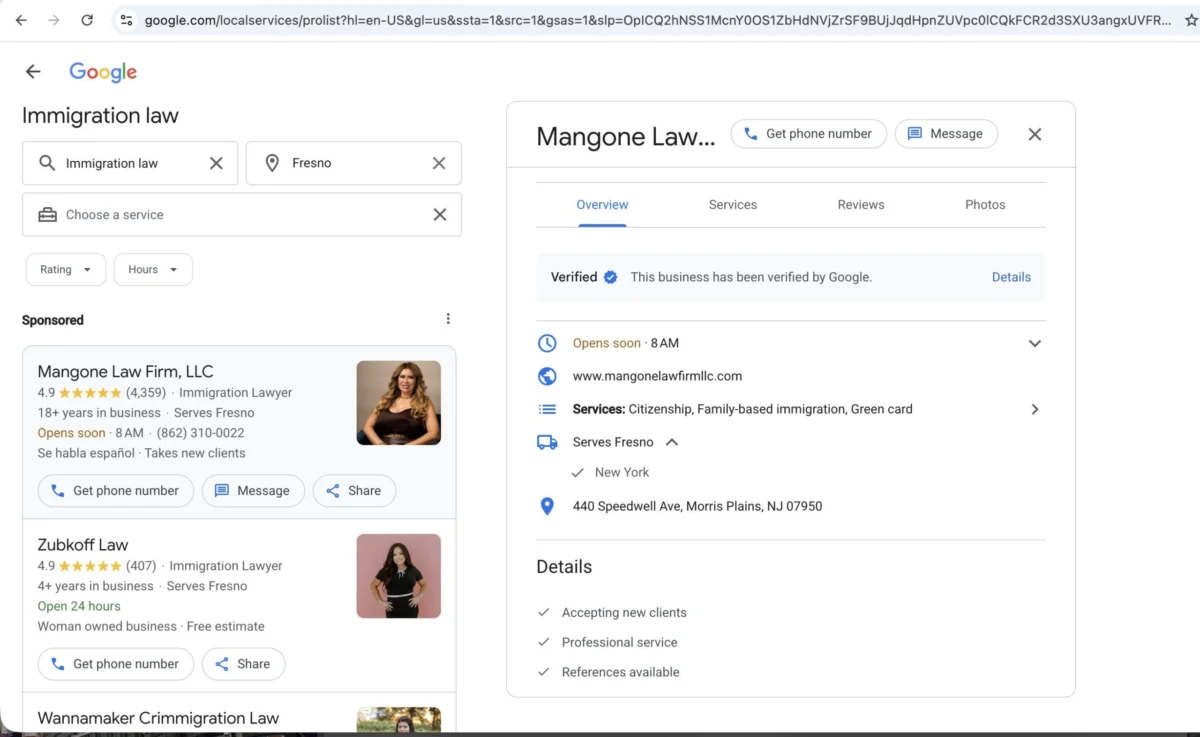
Amidst the rapid proliferation of AI tools designed to assist with SEO, Google has issued a crucial warning against blindly adopting AI-generated recommendations or suggestions from third-party tools without critical human oversight. The example provided illustrates this pitfall vividly: an AI tool suggested changing "consultant" to "advisor" on a website. While seemingly innocuous, this change inadvertently shifted the site’s semantic focus, causing it to compete with financial advisors rather than its intended audience.
This cautionary guidance underscores a fundamental limitation of current AI models: their inability to fully grasp nuanced context, subtle semantic distinctions, and the intricate web of user intent that defines effective SEO. AI tools, while powerful in processing data and identifying patterns, often lack the human intuition, strategic understanding, and industry-specific knowledge required to make truly informed SEO decisions. They operate based on statistical correlations and linguistic probabilities, which can sometimes lead to recommendations that are technically accurate but strategically flawed or even detrimental.
The implication for SEO professionals is profound: AI tools should be viewed as assistants, not replacements for human expertise. Critical thinking, verification, and a deep understanding of the target audience, business objectives, and competitive landscape remain paramount. Implementing AI suggestions without validation can lead to misdirected efforts, wasted resources, and potentially harmful impacts on search visibility and brand perception. Google’s warning is a call to maintain human control and judgment in SEO strategy, leveraging AI for analysis and efficiency while retaining the strategic decision-making process.
Schema.org Usage Statistics Reveal Vast Underutilized Opportunities
Recent data released by Schema.org, the collaborative effort to create, maintain, and promote schemas for structured data on the internet, has brought to light a significant disparity in its adoption. The statistics reveal that a staggering 95% of websites utilize only 12 out of the 958 available schema types. Conversely, fewer than 1,000 websites are leveraging 485 or more schema types. This vast gap highlights an immense, largely untapped potential for improving search engine understanding and, consequently, online visibility.
Schema.org markup provides search engines with explicit definitions of entities, relationships, and actions described on a webpage, moving beyond basic HTML to create a "semantic web." For example, schema can clarify that a number is a price, a string of text is a product name, or a series of dates are event times. In the age of AI-driven search, structured data becomes even more critical. AI models rely on well-organized, unambiguous information to generate accurate, concise, and contextually relevant answers in features like AI overviews or rich results. Websites that implement a broader range of relevant schema types are essentially speaking the language of AI more fluently, making their content easier for algorithms to understand, categorize, and present.
The underutilization of schema types can be attributed to several factors, including the perceived complexity of implementation, a lack of awareness regarding the full spectrum of available types, and resource constraints for webmasters. However, the opportunities presented by more comprehensive schema usage are substantial. Leveraging specific schema types for reviews, FAQs, how-to guides, products, local businesses, events, and medical content, among others, can lead to enhanced rich snippets, direct answers in AI, and improved contextual relevance. This data serves as a compelling call to action for webmasters and SEOs to explore and implement more granular schema markup, transforming their content into machine-readable assets that are primed for discovery in the evolving AI-centric search environment.
German Court Rules Google Liable for False AI Overview Claims
In a significant legal development with potentially far-reaching implications, a German court has ruled that Google can be held liable for false claims made within its AI overviews. This landmark decision sets a crucial precedent, establishing a legal pathway for individuals and businesses to seek recourse if Google’s generative AI features disseminate inaccurate or harmful information about them.
While specific details of the case were not fully disclosed, the ruling likely pertains to instances where Google’s AI overview presented factually incorrect, misleading, or even defamatory statements that directly impacted an individual’s or business’s reputation or operations. This judgment underscores a growing global concern regarding the accountability of AI systems, particularly when their outputs can have tangible real-world consequences. As AI models become more integrated into critical information dissemination channels like search, the question of who bears responsibility for errors or misinformation becomes paramount.
For Google, this ruling poses a significant challenge. It may necessitate a re-evaluation of its content moderation, fact-checking, and attribution processes for AI-generated summaries. While Google’s AI overviews often include disclaimers about their experimental nature, this court decision suggests that such disclaimers may not entirely absolve the company of legal responsibility, at least within German jurisdiction. The immediate implication for Google is likely an increased focus on refining the accuracy and grounding of its AI overviews, potentially leading to more conservative responses or clearer attribution to original sources.
For businesses and individuals, this ruling provides a new layer of protection. If Google’s AI makes false claims, there is now a legal precedent to pursue litigation in Germany. However, as the saying goes, prevention is better than litigation. It reinforces the importance of maintaining accurate, well-structured, and authoritative information across all online presences, as well as actively monitoring AI-generated content that references one’s brand or personal identity. This German court decision could serve as a bellwether, influencing similar legal challenges and regulatory frameworks in other countries as governments grapple with the ethical and legal implications of generative AI.
Google’s Open Knowledge Format: A Glimpse into Future Content Structuring
Google has introduced the Open Knowledge Format (OKF), a novel approach designed to catalog website content in markdown for optimal AI consumption. This initiative signals Google’s continued commitment to structured, machine-readable content as a cornerstone of its AI-driven search future. OKF aims to provide a standardized, simplified method for webmasters to present their content in a way that AI models can effortlessly parse and understand.
This development highlights an interesting tension within Google’s own directives. While the search team frequently advises against creating duplicate markdown versions of existing pages due to potential duplicate content issues, the engineering team is actively developing tools like OKF that encourage exactly this type of structured, AI-specific content representation. This suggests either an internal divergence in strategy or, more likely, an evolving vision where content duplication, if presented through specific, designated formats like OKF, will be understood by algorithms as distinct from traditional content scraping. The implication is that Google is working towards a future where canonical content exists alongside AI-optimized, structured versions, each serving a different purpose.
The "why it matters" here is crucial. The introduction of OKF strongly suggests that structured content will play an increasingly dominant role in how AI systems interact with and present information from the web. Markdown, with its inherent simplicity and readability, offers a cleaner, more efficient way for AI models to extract key information compared to complex HTML structures. This could lead to a future where content optimization involves not just traditional SEO elements but also the deliberate structuring of information in formats like OKF to ensure maximum AI digestibility. While still in its early stages, OKF points towards a future where webmasters might need to think beyond traditional web pages and consider how their information is presented in highly structured, almost database-like formats for the benefit of advanced AI search interfaces.
Yoast SEO Enhancements: Performance Upgrades and New Features
In keeping with its commitment to providing cutting-edge SEO solutions, Yoast has rolled out significant performance improvements and new features in recent updates, specifically versions 27.8 and 27.9 of Yoast SEO for WordPress. These enhancements are designed to optimize websites for both search engines and user experience, which are increasingly intertwined.
The performance upgrades focus on improving the speed and efficiency of the plugin itself, which in turn contributes to faster website loading times. In an era where Core Web Vitals are a critical ranking factor and user patience for slow sites is minimal, these improvements are vital. Faster load times enhance user experience, reduce bounce rates, and send positive signals to search engines. While specific new features were not detailed, Yoast’s consistent development cycle typically includes refinements to content analysis, schema markup integration, readability checks, and overall SEO recommendations, ensuring users stay ahead of algorithmic changes and best practices. These updates underscore Yoast’s dedication to empowering webmasters to maintain robust SEO hygiene and adapt to the dynamic requirements of modern search engines and AI platforms.
Stay Informed: The Next SEO Update by Yoast
The landscape of search and AI is in constant flux, demanding continuous learning and adaptation from webmasters and SEO professionals. To keep pace with these critical developments, the next SEO Update by Yoast is scheduled for August 25, 2026, at 4:00 PM CET (10:00 AM EST). Industry stakeholders are encouraged to sign up and join live to gain further insights into emerging trends, Google’s evolving strategies, and actionable advice for navigating the complexities of AI-driven search. Staying informed through such updates is not merely beneficial; it is essential for maintaining and enhancing online visibility in the current digital ecosystem.