The modern B2B software-as-a-service (SaaS) sector is currently grappling with a significant disconnect between marketing expenditures and sales outcomes. Despite increasing budgets for digital advertising, many organizations report a cooling of demo requests, leading to heightened friction between marketing and sales departments. While marketing teams often respond to declining lead volumes by doubling down on "request a demo" advertisements, industry data suggests the problem rarely lies in the ad spend itself, but rather in a fundamental misunderstanding of the buyer’s journey and the psychological weight of the demo request.
For years, digital marketers have treated the "request a demo" call-to-action (CTA) as a low-friction entry point, comparable to a newsletter sign-up or a whitepaper download. However, contemporary market analysis indicates that asking a prospect to book time with a sales representative is one of the highest-friction actions a buyer can take. This shift in buyer behavior is reflected in recent benchmarks: according to Dreamdata’s 2025 LinkedIn Ads report, the average B2B customer journey now spans 211 days and involves approximately 88 distinct touchpoints. In an era where buyers prefer to remain anonymous for as long as possible, the demo landing page must evolve from a simple lead-capture form into a comprehensive confidence-building tool.
The Psychological Friction of the Demo Request
The reluctance of modern buyers to engage in early-stage demos is rooted in a desire for autonomy. Entering a sales conversation is no longer seen as a way to learn about a product; it is seen as a commitment to a sales process. Buyers often harbor concerns about aggressive follow-up tactics, high-pressure sales environments, and the potential for a "discovery call" that provides little value while demanding significant time.
Research from Sopro indicates that at any given moment, only 3% to 5% of a total addressable market is in an active buying cycle. When SaaS companies direct cold traffic—individuals who have not yet identified a specific solution or built trust with a brand—to a demo page, they are essentially asking for a marriage proposal on a first date. This mismatch between intent and offer is the primary driver of low conversion rates, which industry experts now peg at a median of 3.1% to 3.8% for SaaS landing pages.
The "Core Four" Framework: Contextualizing the Demo Page
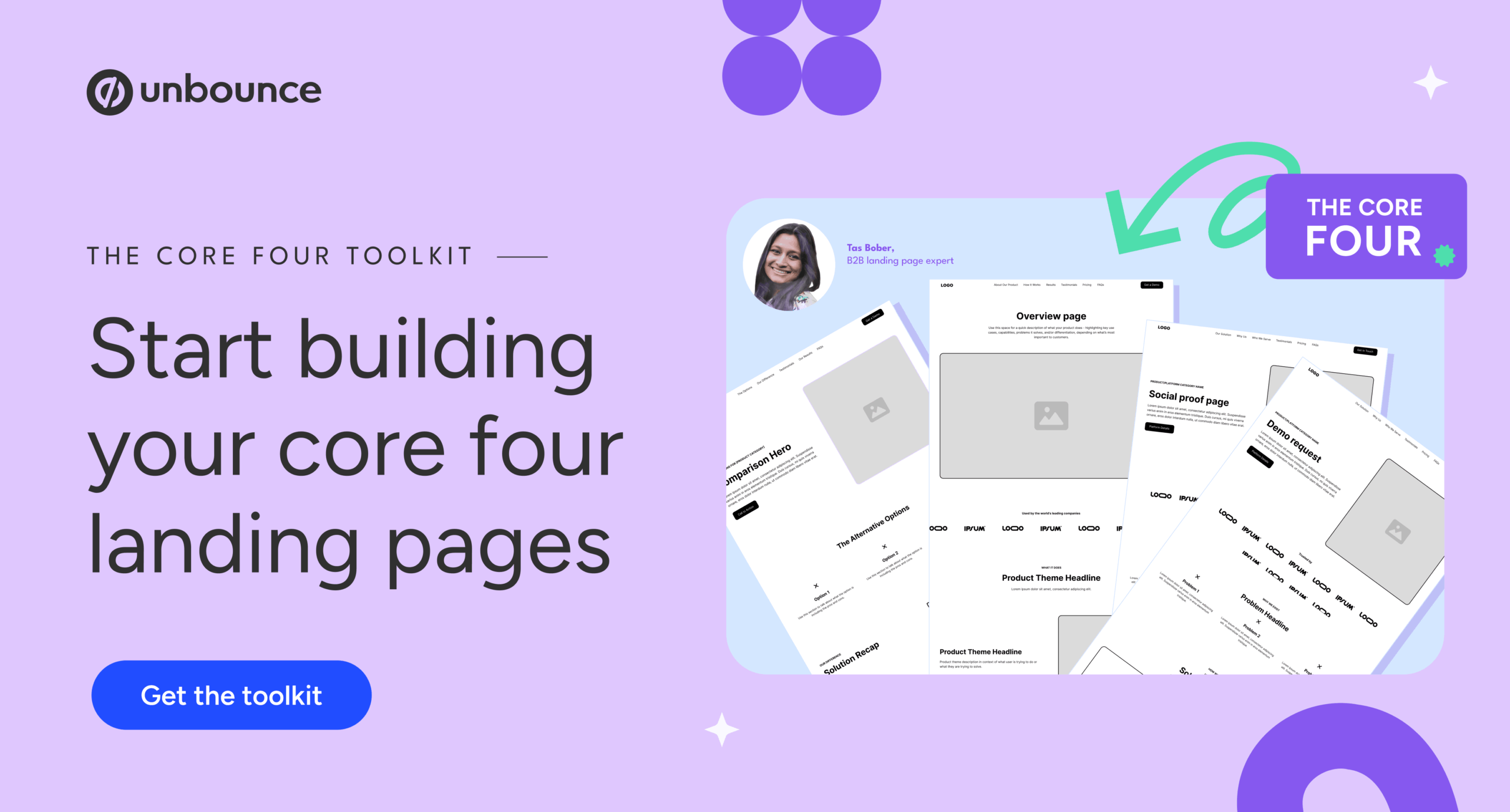
To address these challenges, B2B landing page expert Tas Bober has proposed a "Core Four" framework that categorizes landing pages based on the buyer’s stage in the research process. Under this model, the demo landing page is not an introductory tool but the final destination in a sequence of educational experiences.
- Top-of-Funnel (TOFU) / Awareness: These pages focus on the problem and the broader category, educating the buyer on why a change is necessary.
- Middle-of-Funnel (MOFU) / Solution: These pages detail how the specific product solves the problem, highlighting features and use cases.
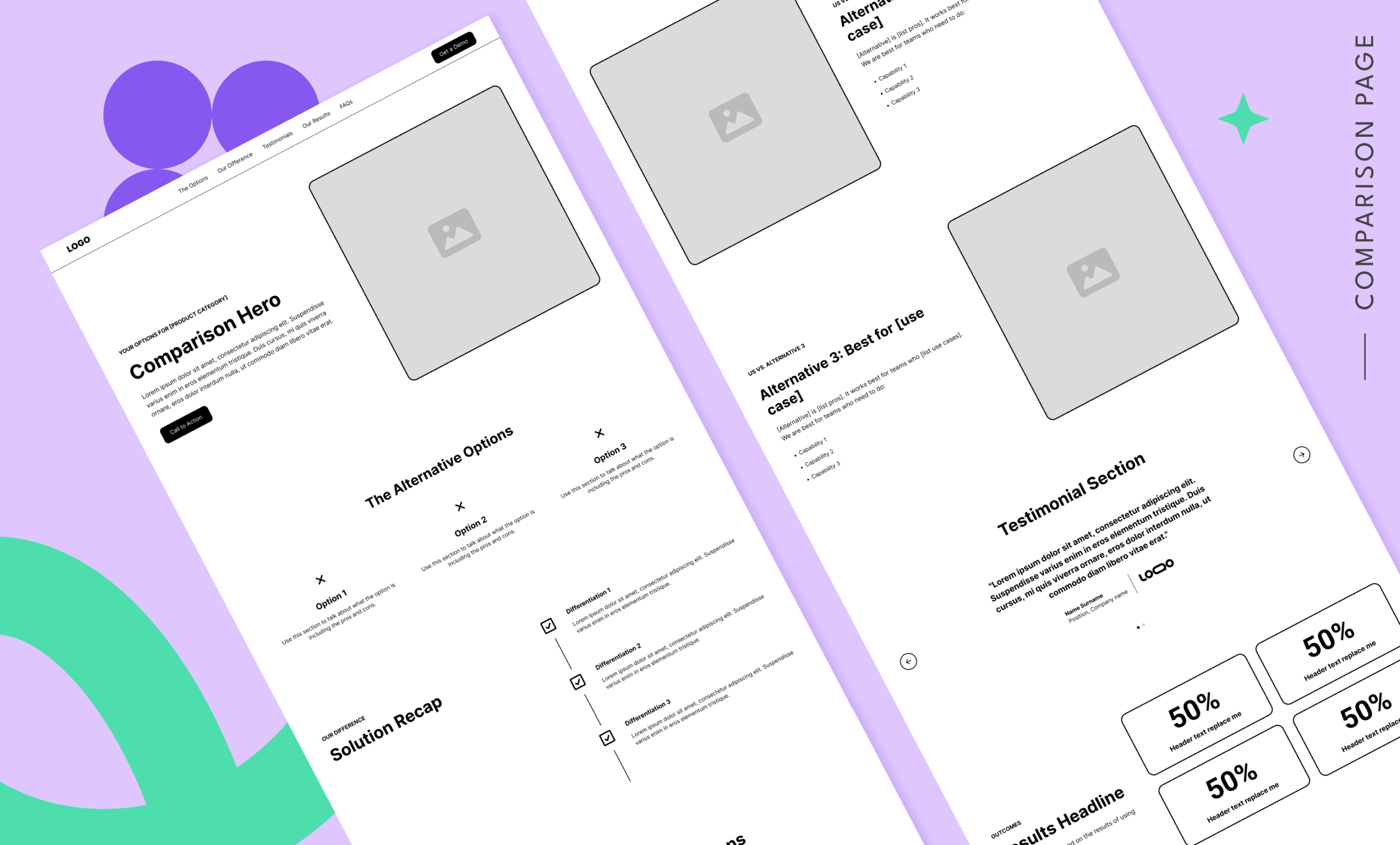
- Bottom-of-Funnel (BOFU) / Proof: These pages leverage case studies, deep-dive testimonials, and competitive comparisons to build trust.
- The Demo Page: This is the final step, designed for "warm" buyers who have already consumed content from the previous three stages.
By the time a visitor reaches the demo page, the goal of the copy is no longer to introduce the product from scratch. Instead, the page must serve to remove final points of friction, answer lingering logistical questions, and reassure the buyer that a conversation is the logical next step.
Data-Driven Performance: Benchmarks and Traffic Quality
The success of a demo landing page is inextricably linked to the quality of traffic it receives. Organizations that send cold traffic to these pages often see performance ceilings regardless of how much they optimize the on-page copy. Conversely, high-intent traffic—sourced from branded search, retargeting campaigns, or direct links from high-value content—can significantly outperform the 3.8% industry average.
Recent first-party research highlights several critical data points for 2026:
- Form Field Impact: Data from Digital Applied shows a steep decline in conversion as form length increases. Forms with five fields maintain an average conversion rate of 17%. This drops to 11% at seven fields and plummets to under 7% for forms with ten or more fields.
- CTA Messaging: Research by the firm FORM revealed that changing a CTA from "Request a Demo" to "Take a Tour" (incorporating an interactive demo element) increased pay-per-click (PPC) conversions by 33% and reduced the cost-per-lead (CPL) in account-based marketing (ABM) campaigns by nearly 50%.
Anatomy of a High-Converting Demo Landing Page
To optimize for the modern buyer, the structural elements of a demo page must be meticulously organized to provide clarity and social proof.

Strategic Navigation and the Google 2025 Update
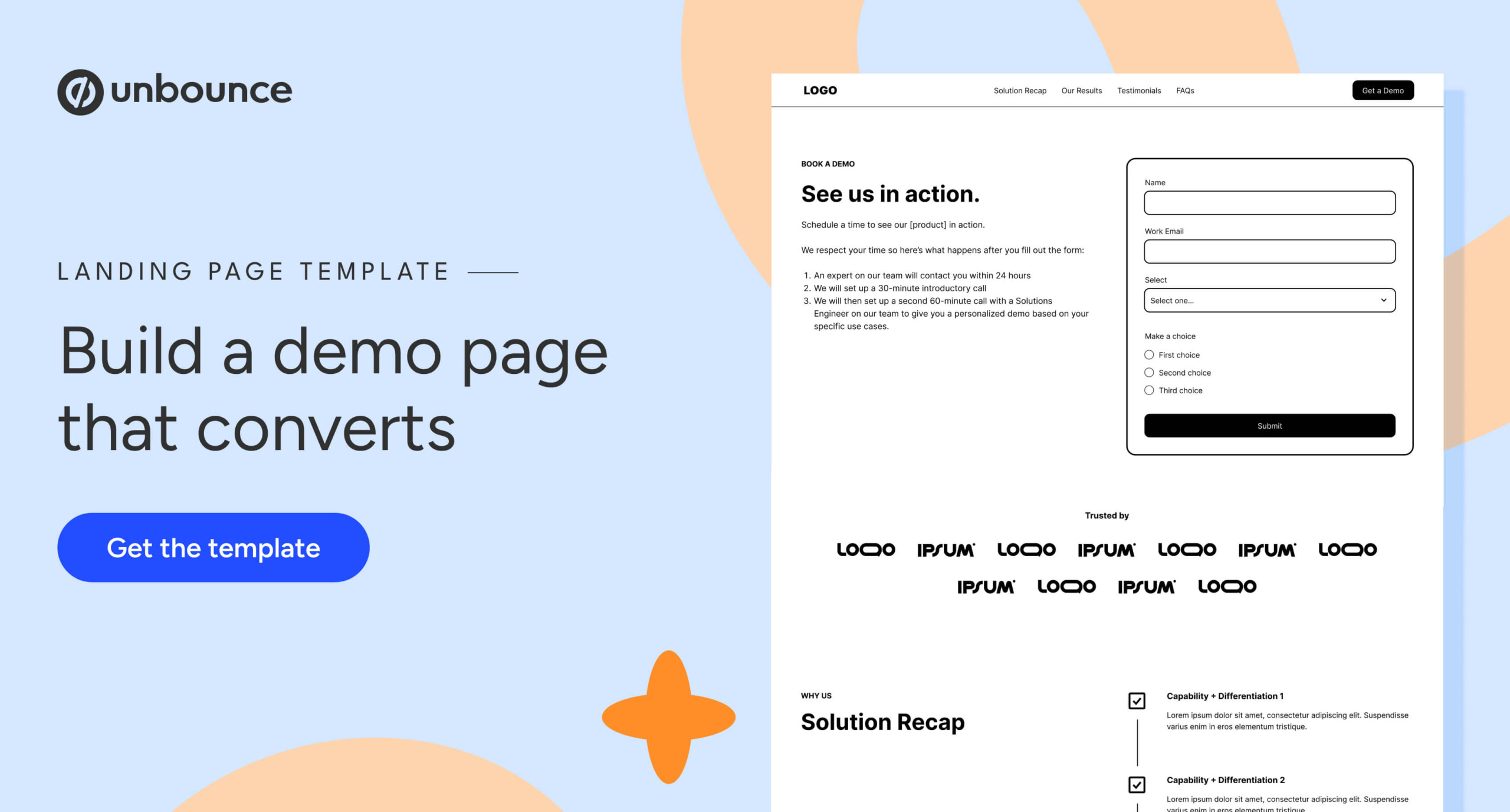
Historically, landing page "best practice" dictated the removal of all navigation to prevent exits. However, Google’s 2025 update to its ad quality prediction model has shifted this paradigm. Google now rewards landing pages that provide access to relevant next steps via navigation, penalizing "dead-end" pages that don’t align with broader search intent. Modern demo pages should utilize an anchor-link navigation for the page itself and a minimal footer that links to pricing or case studies, allowing hesitant buyers to continue their research rather than bouncing back to the search engine.
The Hero Section: Defining the "What" and "When"
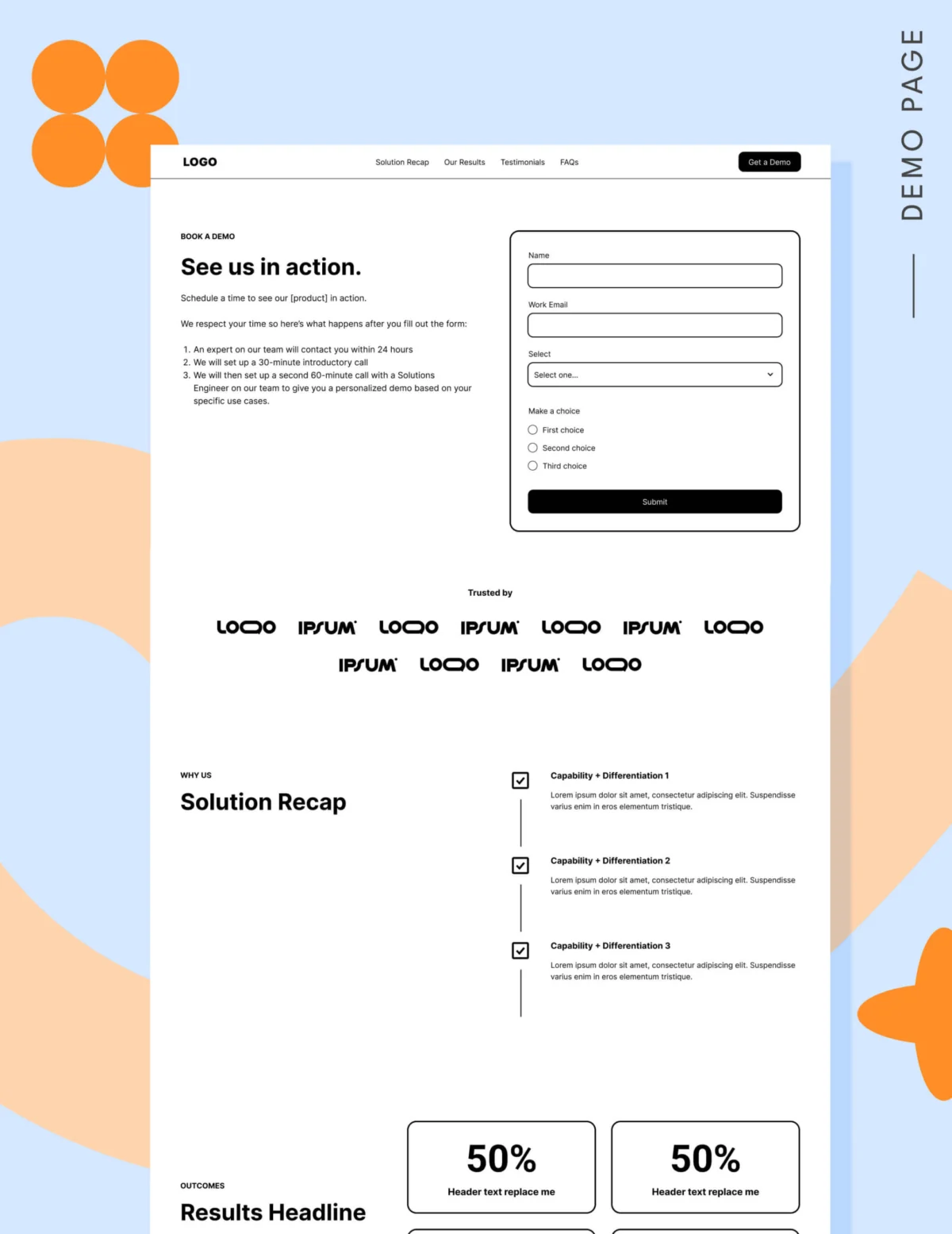
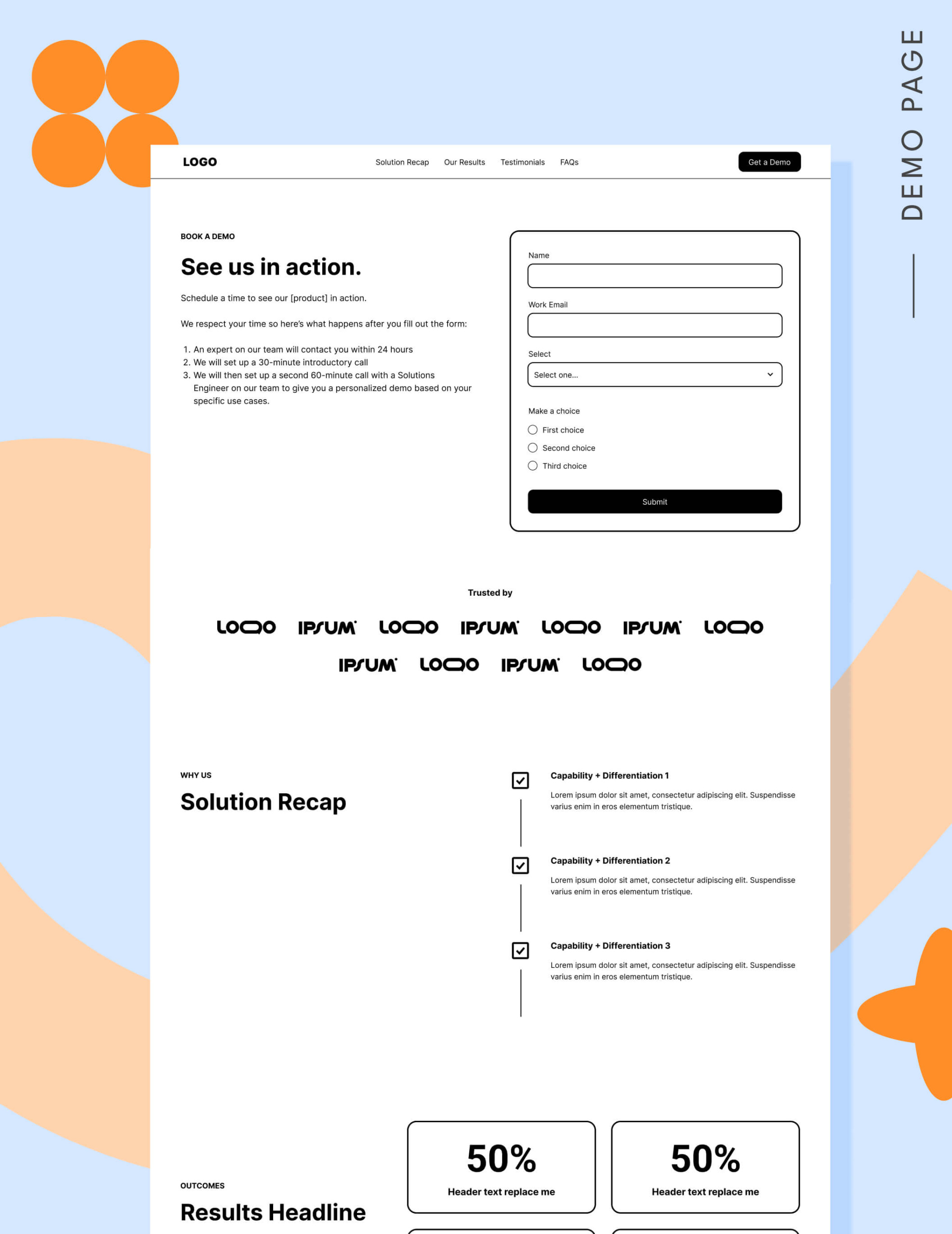
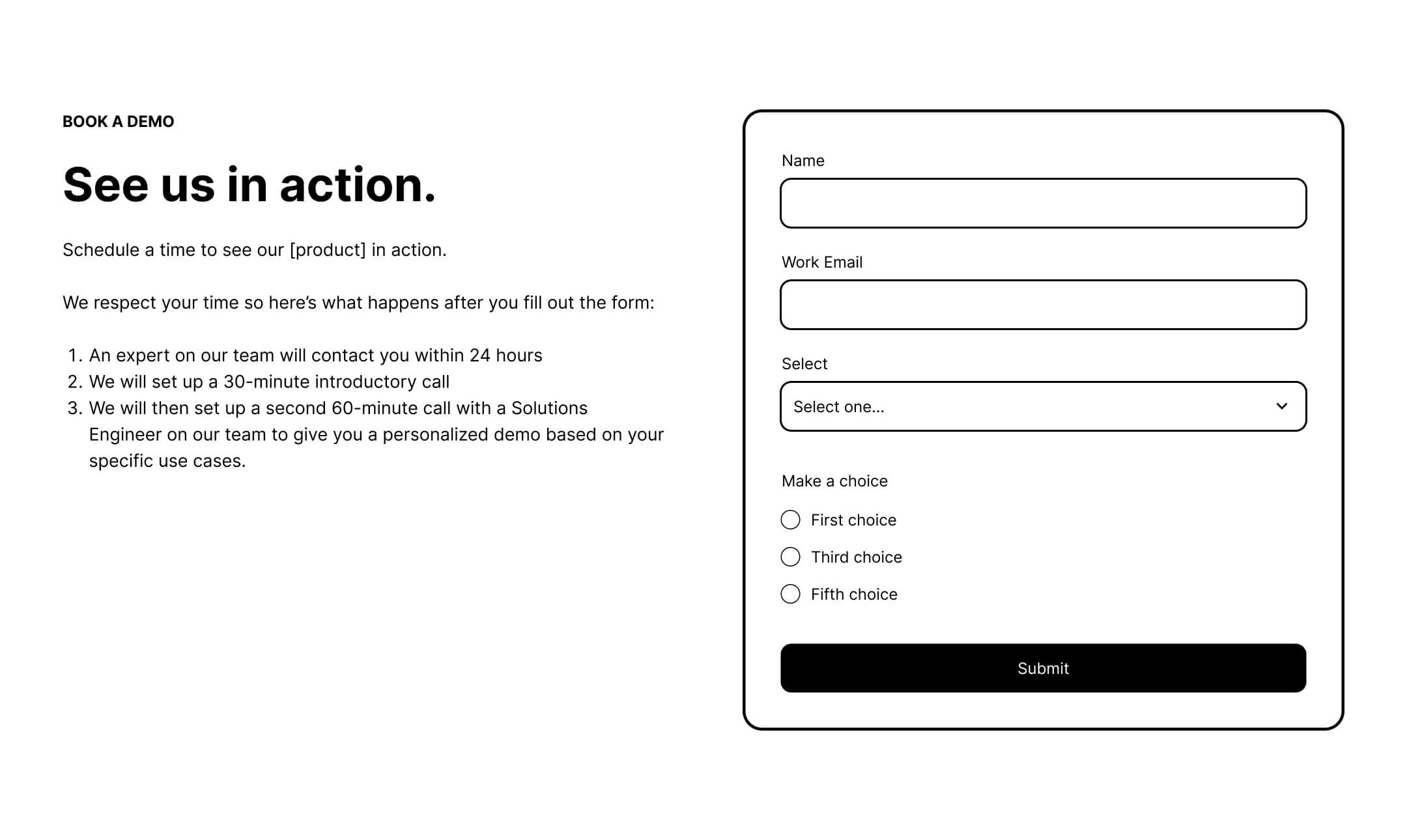
The hero section remains the most critical real estate. For a demo page, the form should be placed above the fold, but it must be accompanied by copy that explains the process. Buyers want to know:
- How long the demo will take (e.g., 15 or 30 minutes).
- Who they will be speaking with (a technical specialist or an account executive).
- What the agenda entails (discovery vs. a live product walkthrough).
The "Logo Garden" and the Power of Volume
Social proof is essential, but its presentation matters. If a company serves recognizable enterprise brands, a "logo garden" is effective. However, if the brands are less known, the page should prioritize "light testimonials"—short, impactful quotes that highlight specific outcomes. Furthermore, the volume of proof is a psychological signal of safety. Just as consumers look for products with thousands of reviews on retail sites, B2B buyers are more likely to convert when they see that a solution is trusted by a large, quantifiable number of their peers.
The Transparency Pivot: Pricing on the Demo Page
One of the most debated topics in B2B SaaS is the inclusion of pricing on a demo page. While many sales-led organizations prefer to hide pricing until a discovery call, there is a growing movement toward transparency. Including a "starting at" price or a condensed pricing grid serves as a powerful self-qualification tool. It builds immediate trust and ensures that the sales team’s time is not wasted on leads that do not have the budget for the solution. Transparency at this stage reduces the "price shock" that often occurs later in the sales cycle, leading to higher-quality conversations.
Technical Execution: Forms vs. Scheduling Tools
The choice between a standard lead form and an embedded scheduling tool (like Calendly) depends on the organization’s lead-routing maturity.
- Standard Forms are preferable when high traffic volumes require automated lead scoring and routing before a meeting is set.
- Direct Scheduling is superior for high-intent, account-based marketing (ABM) targets, providing a frictionless "instant booking" experience that eliminates the delay of a follow-up email.
A hybrid approach—using a short, two-field qualifying form that then redirects to a calendar—is increasingly becoming the standard for high-growth SaaS firms. This provides the necessary data for sales while maintaining the speed that modern buyers expect.
Broader Impact and Future Implications
The shift in demo page strategy reflects a broader trend in the B2B landscape: the consumerization of enterprise software. As buyers increasingly expect the same ease of use and transparency they find in B2C transactions, the traditional "gate-everything" model is failing.
Marketing and sales teams must align on the "what happens next" promise. If a landing page promises a "20-minute consultation to understand your needs," the sales representative must deliver exactly that, rather than a generic pitch. This alignment is critical for maintaining brand integrity and ensuring that the conversion on the demo page actually translates into a closed-won deal.
In conclusion, the "demo drought" reported by many SaaS firms is often a symptom of outdated funnel logic. By treating the demo landing page as a high-intent destination for well-researched buyers—rather than a net for cold traffic—and by providing the transparency and logistical clarity that modern buyers demand, organizations can improve both the quantity and the quality of their sales pipeline. The future of SaaS growth lies not in louder advertising, but in a more respectful, data-driven approach to the final steps of the buyer’s journey.