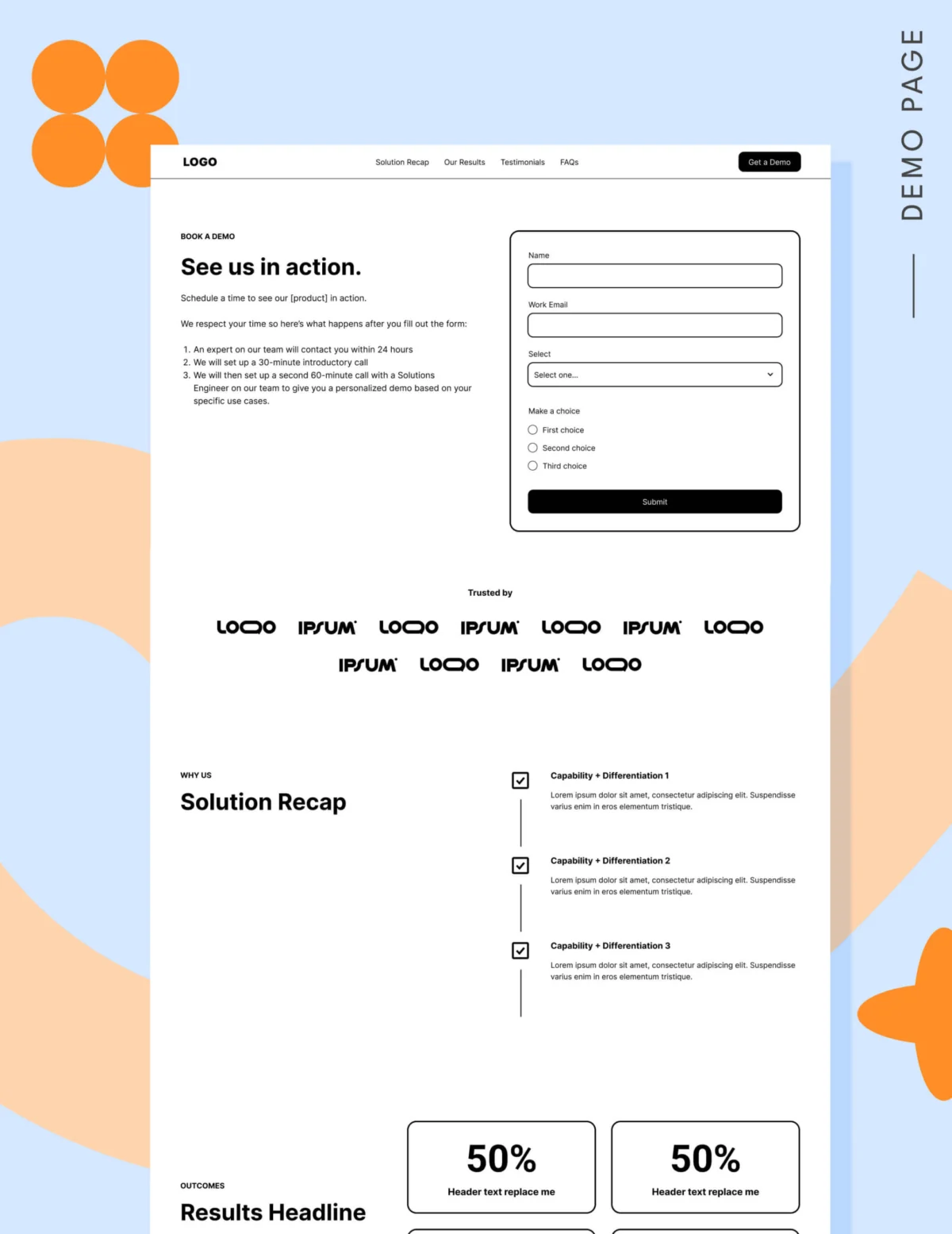
The landscape of B2B software sales has reached a critical inflection point where traditional lead generation tactics are yielding diminishing returns. As of mid-2026, marketing departments across the Software-as-a-Service (SaaS) sector are reporting a significant disconnect: while advertising budgets for demo requests remain high, actual conversion volume and lead quality have entered a period of stagnation. This phenomenon has triggered a shift in how RevOps (Revenue Operations) and growth marketing teams approach the "final mile" of the buyer journey—the demo landing page.
Industry analysts observe that the primary driver of this friction is a fundamental misunderstanding of the "Request a Demo" call-to-action (CTA). While marketers often treat this request as a low-friction entry point, buyers perceive it as a high-commitment engagement. Submitting a demo form is no longer viewed as a simple information exchange; it is seen as the formal commencement of a sales relationship, often carrying the perceived risk of aggressive follow-up cadences and high-pressure tactics.
The Evolution of the B2B Buyer Journey
The modern B2B purchasing cycle has expanded in both duration and complexity. According to the Dreamdata 2025 LinkedIn Ads Benchmark Report, the average B2B customer journey now spans 211 days and requires approximately 88 distinct touchpoints before a purchase decision is finalized. This longitudinal data suggests that high-investment software decisions are rarely the result of a single advertisement or a solitary visit to a landing page.
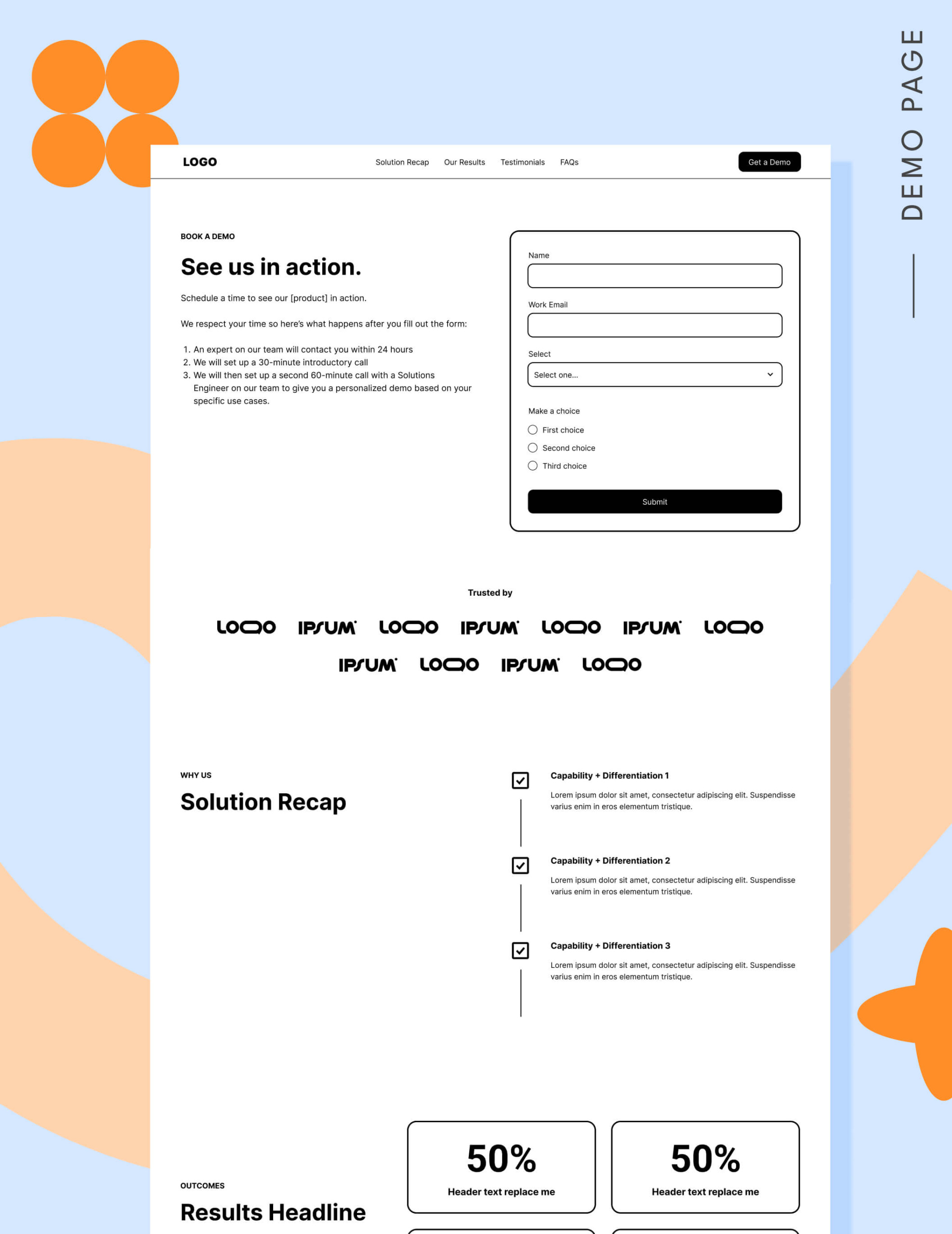
In this environment, the demo landing page serves a specific, narrow purpose. It is not an introductory tool but a validation mechanism. Chronologically, by the time a prospect reaches a demo page, they have likely transitioned through several stages of awareness:
- Problem Awareness: Identifying a specific operational bottleneck or inefficiency.
- Solution Research: Investigating categories of software that might address the issue.
- Vendor Comparison: Narrowing the field to a shortlist of three to five potential partners.
- Final Validation: Seeking a direct interaction to confirm technical fit and pricing alignment.
Data from Unbounce’s 2024 and 2025 Conversion Benchmark Reports indicate that SaaS landing pages convert at a median rate of 3.8%. However, for specialized demo pages, first-party research from B2B conversion experts suggests a lower average of approximately 3.1%. These figures highlight the "performance ceiling" that many teams hit when they drive cold, low-intent traffic to high-intent pages.
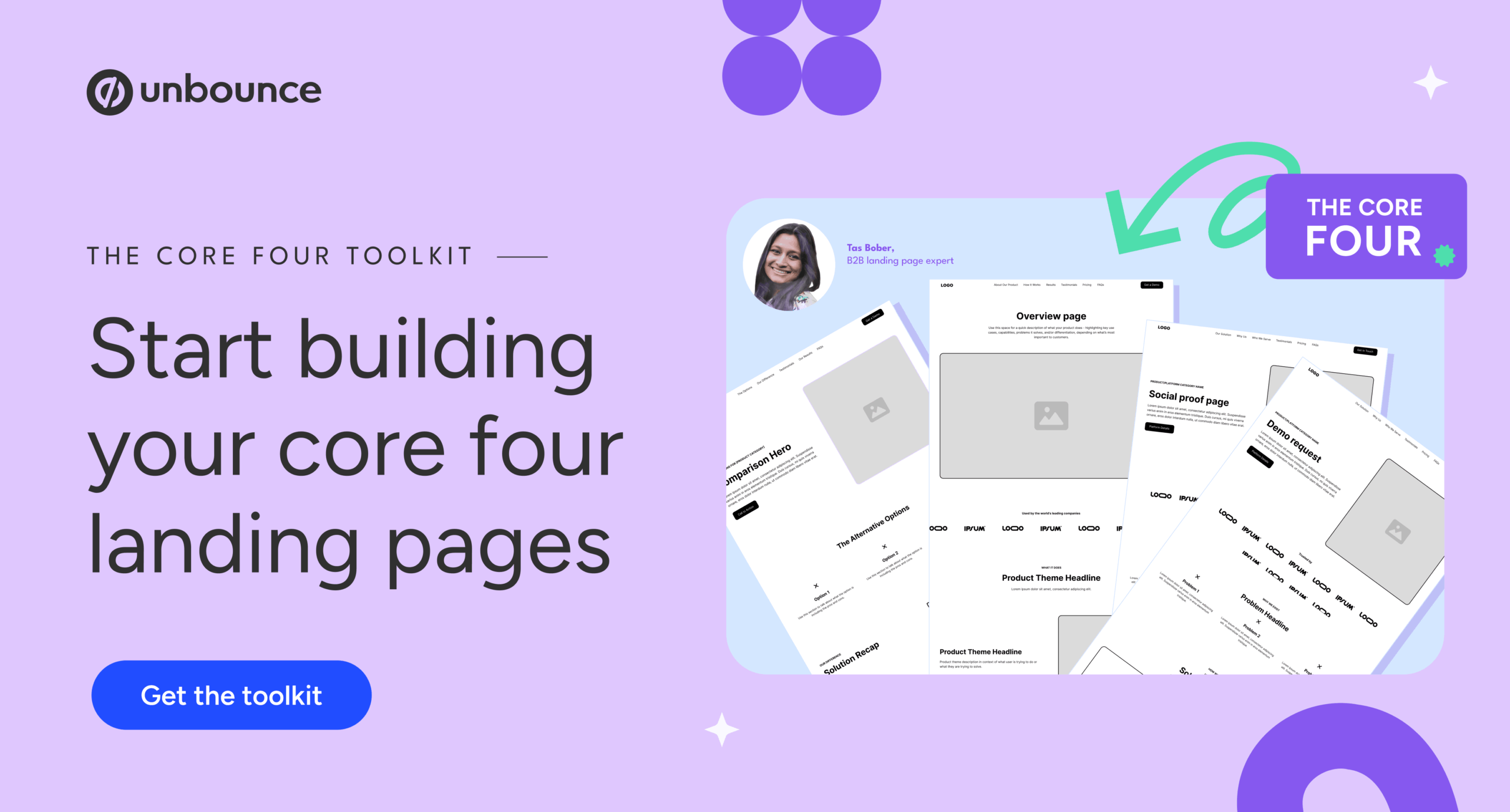
The Core Four Framework: A Strategic Realignment
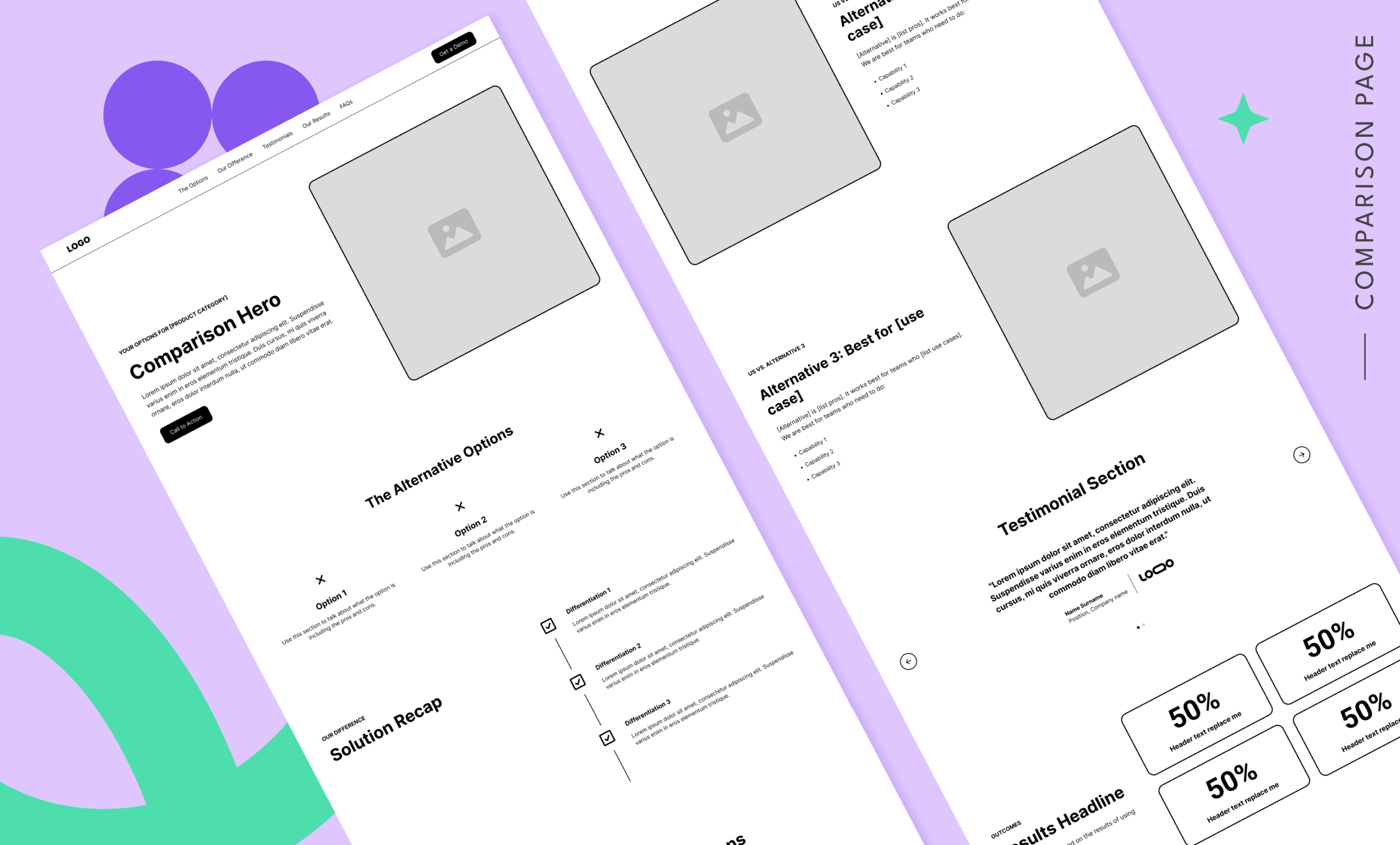
To address the decline in demo efficiency, B2B landing page experts have popularized the "Core Four" framework. This architectural approach dictates that a demo page should be the final installment of a four-part landing page ecosystem, rather than a standalone destination.
The strategy involves routing paid media traffic through a logical progression:
- Top-of-Funnel (TOFU): Educational content focusing on the problem space.
- Middle-of-Funnel (MOFU): Solution-oriented pages that detail the product’s unique value proposition.
- Bottom-of-Funnel (BOFU): Comparison pages (e.g., "Our Software vs. Competitor X") to address the specific needs of buyers in the evaluation phase.
- Conversion/Decision: The Demo Landing Page, reserved for "warm" traffic that has interacted with the previous three tiers.
Strategic shifts in 2026 emphasize that the demo page’s primary role is to remove final points of friction and answer lingering questions that prevent a prospect from "raising their hand."
Navigating the 2025 Google Algorithm Shift
A significant external factor influencing landing page design is the 2025 update to Google’s ad quality prediction model. Historically, digital marketers were taught to remove all navigation from landing pages to prevent "leaks" in the conversion funnel. However, Google’s updated model now rewards landing pages that align with search intent by providing access to relevant next steps through navigation.

Pages that lack a clear path to supporting information—such as pricing, case studies, or product documentation—are increasingly penalized with lower quality scores and higher costs-per-click (CPC). Consequently, high-performing demo pages in 2026 have moved toward a "hybrid navigation" model. This includes anchor links that allow users to jump to specific sections of the demo page (e.g., "What to Expect," "Pricing," "FAQs") and a minimal footer that links to other pages in the Core Four ecosystem. This approach respects the buyer’s need for self-directed research while keeping them within the brand’s controlled environment.
Data-Driven Structural Requirements for High Conversion
Through extensive A/B testing and heat-map analysis, several structural elements have emerged as non-negotiable for SaaS demo pages in the current market.
The Hero Section and Process Transparency
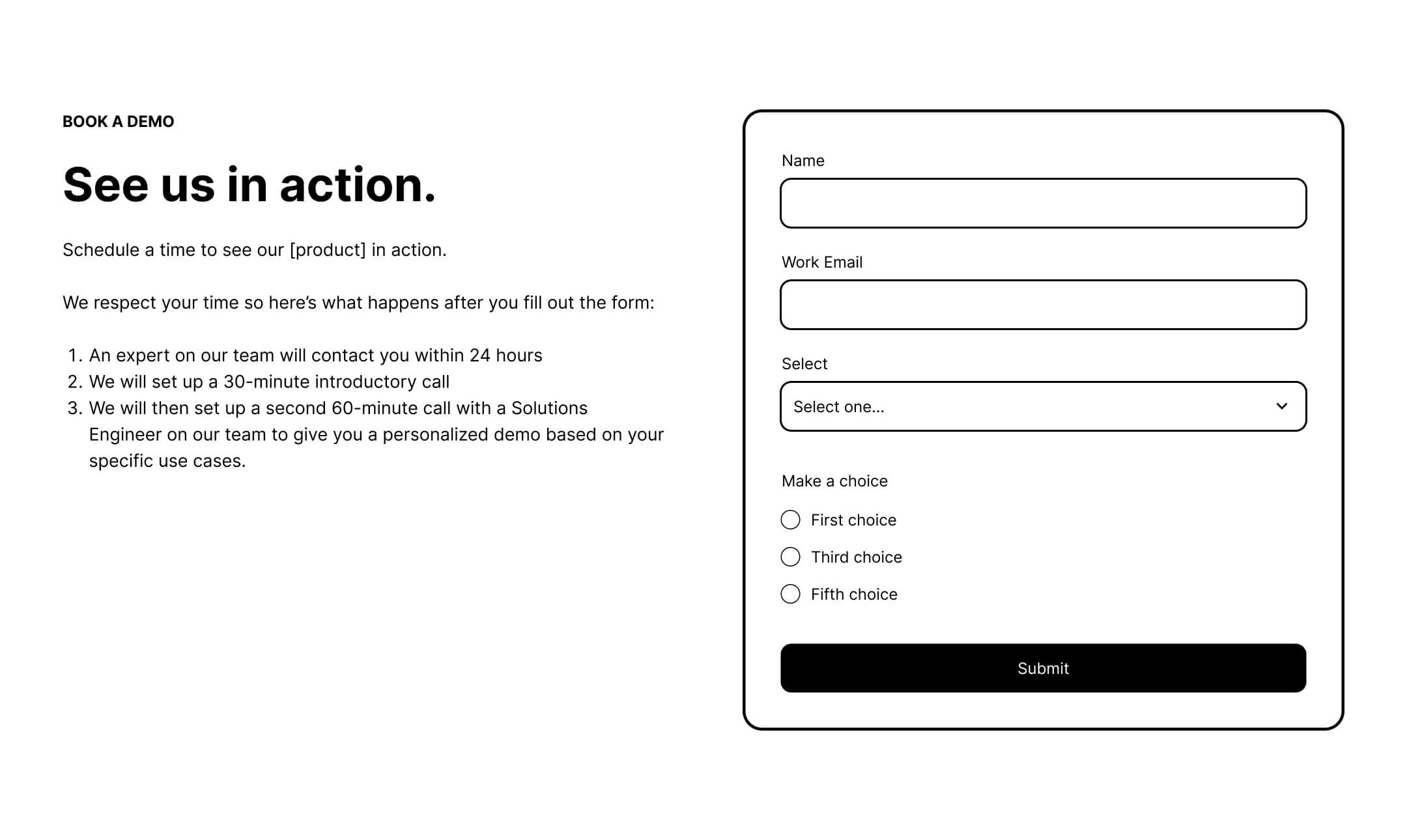
The hero section must do more than host a form; it must define the post-submission experience. High-converting pages explicitly answer the buyer’s internal questions: Who will I talk to? How long will it take? Will I see the product immediately?
Marketing teams that have transitioned from "Request a Demo" to more transparent language, such as "Book a 15-Minute Discovery Call" or "Schedule a Technical Walkthrough," report a notable decrease in form abandonment. Case studies from firms like FORM show that changing CTAs to "Take a Tour" and including interactive elements can increase PPC conversions by as much as 33%.
Proof Stacking and the "Logo Garden"
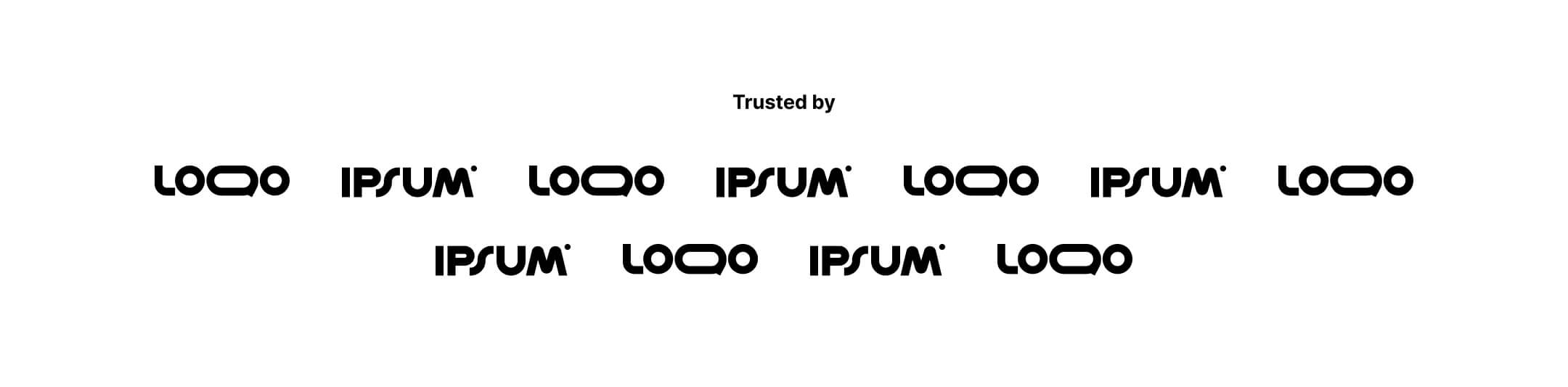
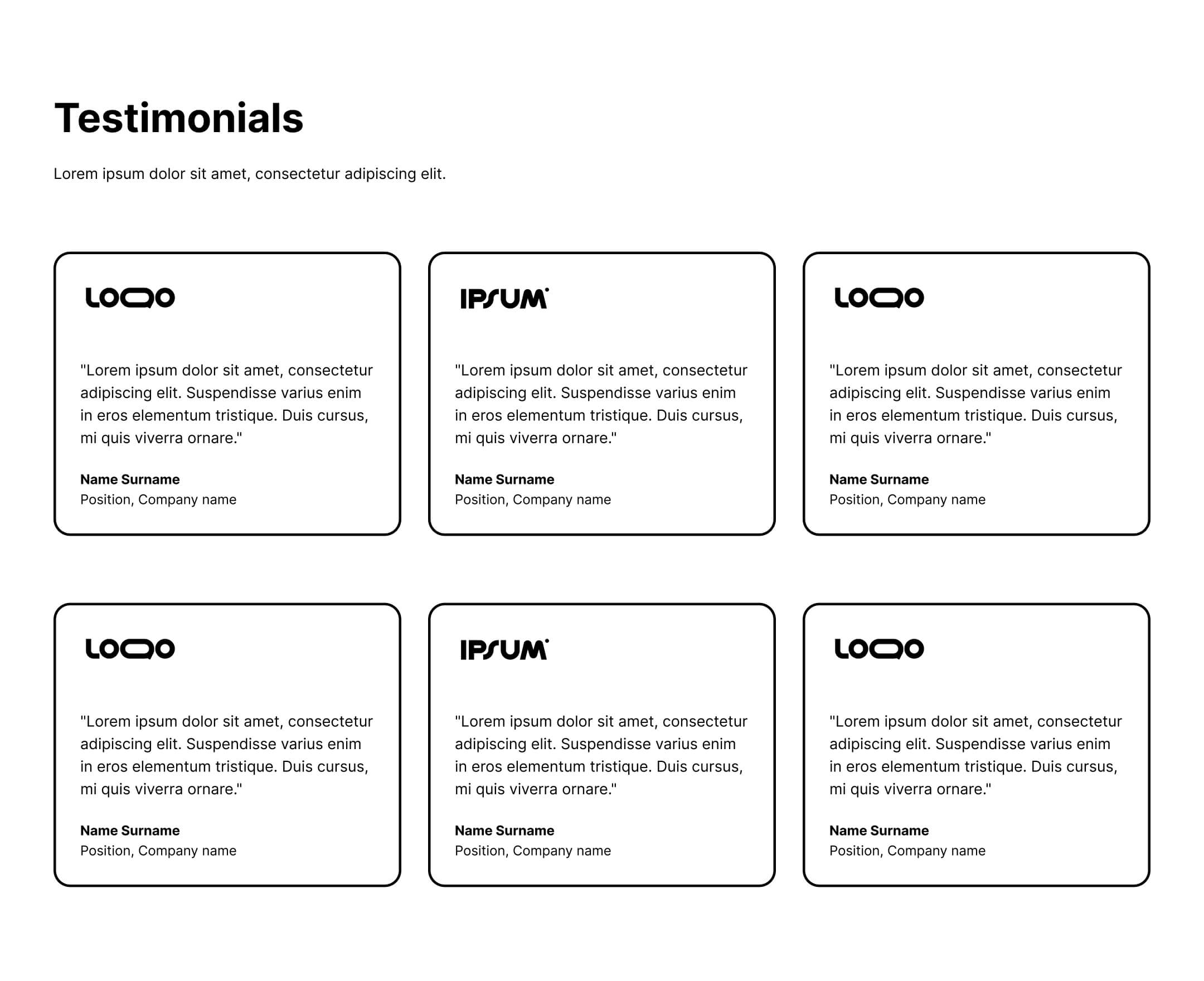
Social proof remains a cornerstone of credibility, but the methodology has shifted. If the target audience consists of recognizable enterprise brands, a "logo garden" featuring high-authority clients is effective. However, for niche or mid-market solutions where logos may be less recognizable, experts recommend "light testimonials"—short, two-line quotes that focus on specific outcomes rather than generic praise.
Furthermore, the volume of proof is becoming as important as the quality. Similar to consumer behavior on e-commerce platforms, B2B buyers are more likely to trust a solution that displays a high volume of reviews (6 to 12) rather than a select few curated testimonials.
The Quantifiable Results Block
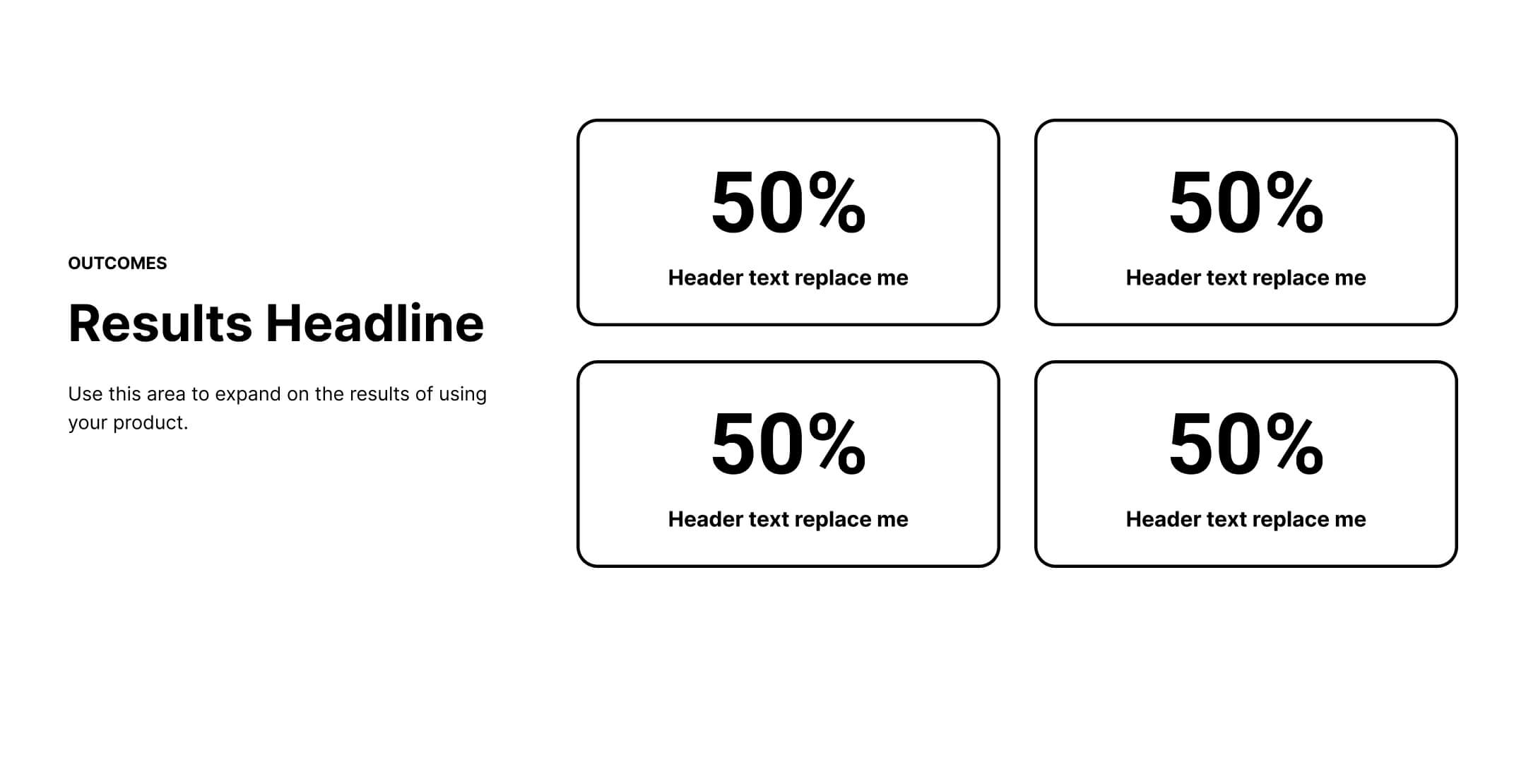
Abstract value propositions are increasingly ineffective. High-performing pages now include a dedicated "Results" section featuring measurable customer data. Examples include "30% reduction in churn" or "15 hours saved per week per user." This data provides the rational justification needed for the prospect to defend the purchase to internal stakeholders or procurement departments.
The Pricing Transparency Debate
One of the most contentious issues in 2026 remains whether to include pricing on a demo landing page. Traditionally, sales-led organizations hidden pricing to maximize lead volume. However, this often results in a high volume of "junk leads" that do not meet the minimum budget requirements.
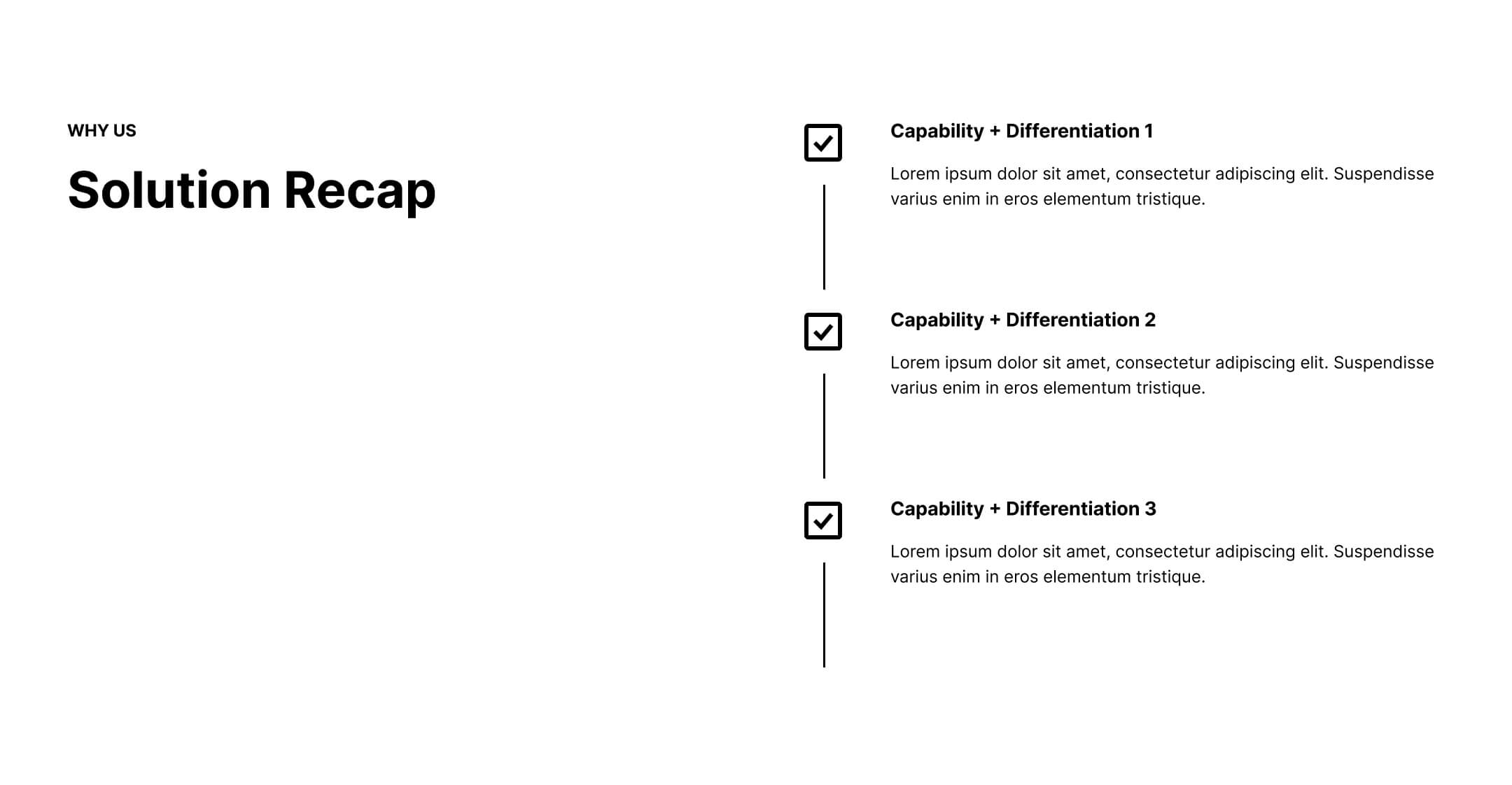
Current industry sentiment is shifting toward "qualified friction." By providing a starting price range or a condensed pricing grid, SaaS companies can:
- Self-Qualify Leads: Lower-budget prospects exit the funnel before wasting sales resources.
- Build Immediate Trust: Transparency reduces the buyer’s fear of "hidden costs."
- Accelerate the Sales Cycle: Buyers arrive at the demo already aware of the financial commitment, allowing the conversation to focus on technical fit rather than budget negotiations.
Form Optimization and Lead Quality
The correlation between form length and conversion rate remains strong. 2026 benchmarks indicate a significant performance drop-off once a form exceeds five fields. Conversion rates typically hover around 17% for five-field forms but plummet to under 7% for forms with ten or more fields.
The strategic response has been the implementation of "smart forms" or "positive friction." Instead of asking for redundant information, marketers are using a single qualifying question—such as company size or primary use case—that serves as a high-signal indicator of Ideal Customer Profile (ICP) fit. Additionally, the choice between a static form and a direct scheduling tool like Calendly has become a point of optimization. Scheduling tools are preferred for high-intent, bottom-of-funnel traffic, while traditional forms are better suited for broader lead-capture initiatives where manual routing is required.
Official Responses and Industry Outlook
Chief Marketing Officers (CMOs) at leading SaaS firms are increasingly being held accountable for "Pipeline Velocity" rather than mere "Lead Volume." In recent industry forums, RevOps leaders have emphasized that a demo request is a "trailing indicator" of a healthy marketing strategy, not a "leading indicator."
"The era of tricking a buyer into a sales call is over," noted one enterprise software analyst during the 2026 SaaS Growth Summit. "If your demo page is underperforming, the solution isn’t a bigger button or a brighter color. The solution is better targeting and more respect for the buyer’s time and intelligence."
As the industry moves toward the latter half of the decade, the focus is expected to shift further toward "interactive demos" and "product-led growth" (PLG) motions, where the "Request a Demo" button may eventually be replaced by "Start Free Trial" or "Interactive Tour" as the primary conversion event.
Broader Impact and Implications
The shift in demo landing page strategy reflects a broader move toward "Buyer-Centricity" in the B2B sector. By aligning landing page design with the actual psychological state of the buyer—who is likely tired, skeptical, and overwhelmed by options—SaaS companies can differentiate themselves through clarity and transparency.
The long-term implication for the industry is a move away from "quantity-first" marketing toward a "quality-first" model. While this may result in lower total lead counts, the increase in lead-to-opportunity conversion rates and the reduction in sales cycle length are expected to drive higher overall Net Revenue Retention (NRR) and more sustainable growth for SaaS organizations in the years to come. In conclusion, the successful SaaS demo page of 2026 is less of a sales pitch and more of a professional service—a clear, well-mapped gateway to a partnership.