The landscape of B2B software-as-a-service (SaaS) marketing has reached a critical inflection point in 2026, as traditional lead generation tactics face diminishing returns. For many organizations, the "Request a Demo" call-to-action (CTA), once considered the gold standard for bottom-of-the-funnel engagement, has become a source of significant friction between marketing and sales departments. While marketing teams frequently increase budgets for demo-centric advertisements to combat falling lead volumes, sales departments increasingly report a decline in both the quantity and quality of these prospects. This disconnect highlights a fundamental misunderstanding of the modern B2B buyer’s journey, which has become longer, more complex, and more research-intensive than at any point in the previous decade.
Industry analysts point to a pervasive tactical error: treating a demo request as a low-friction entry point similar to a newsletter signup or a whitepaper download. In reality, asking a prospective buyer to commit time to a sales presentation is a high-stakes request that requires a significant foundation of trust. As the cost of customer acquisition (CAC) continues to rise, the efficiency of the demo landing page has moved from a tactical concern to a strategic necessity for SaaS survival.
The Evolution of the B2B Buyer Journey
The modern B2B purchasing process is no longer a linear progression through a funnel but a protracted cycle of research and validation. According to the 2025 LinkedIn Ads Benchmark Report by Dreamdata, the average B2B customer journey now spans 211 days and involves approximately 88 distinct "touches" or interactions with a brand before a purchase is finalized. This data suggests that by the time a buyer reaches a demo landing page, they have likely spent months consuming content, comparing competitors, and seeking peer reviews.
Despite this lengthy lead-up, many SaaS teams continue to push for demo requests prematurely. Research indicates that only 3% to 5% of a given market is in an active buying cycle at any specific time. When marketers direct cold traffic—users who have had no prior interaction with the brand—to a demo request page, the result is typically a high bounce rate and a wasted advertising spend. The psychological barrier to "raising one’s hand" for a sales conversation is substantial; buyers must feel confident that a solution belongs on their final shortlist before they are willing to exchange their contact information for a live demonstration.
The ‘Core Four’ Framework for Landing Page Strategy
To address these complexities, B2B landing page expert Tas Bober has pioneered the "Core Four" framework, a strategic architecture designed to align landing pages with the buyer’s level of intent. This framework suggests that the demo landing page should rarely be the first point of contact. Instead, it serves as the final destination in a sequence of four essential page types:
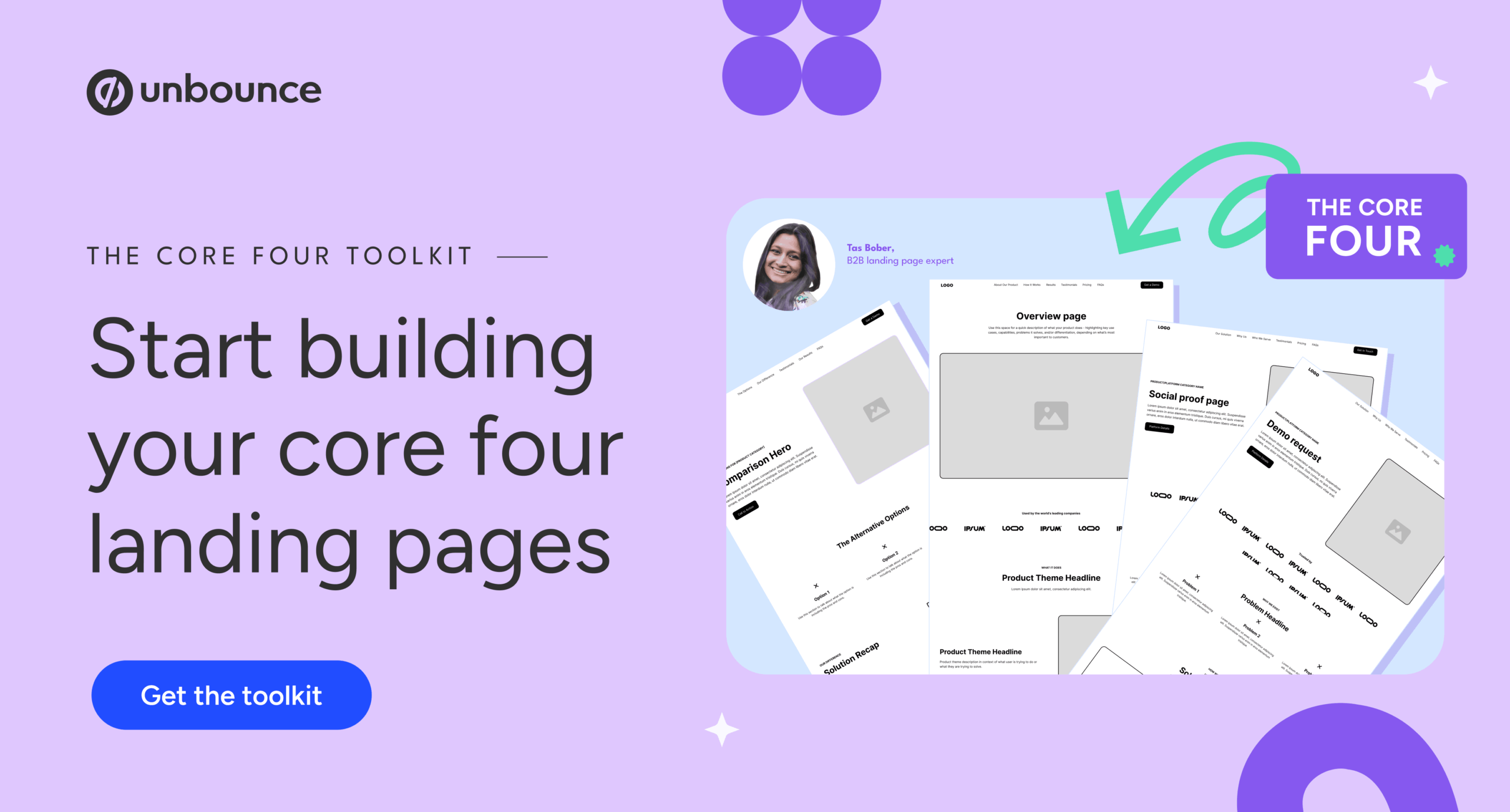
- The Educational Page: Focused on top-of-funnel (TOFU) awareness, addressing the buyer’s pain points without a hard sell.
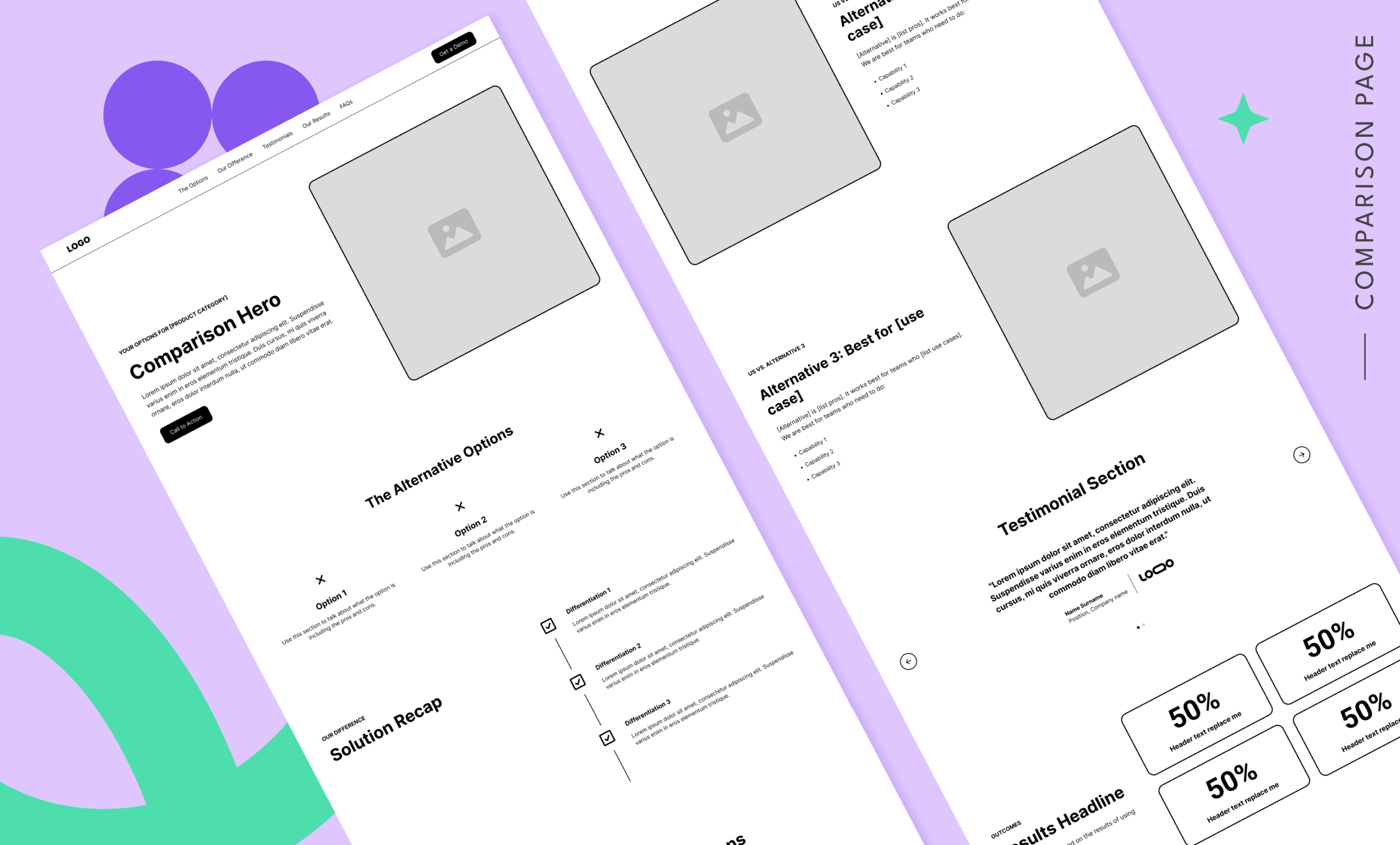
- The Comparison Page: Helping middle-of-funnel (MOFU) buyers understand how a solution stacks up against direct competitors.
- The Solution Page: Detailing specific features and use cases to build technical confidence.
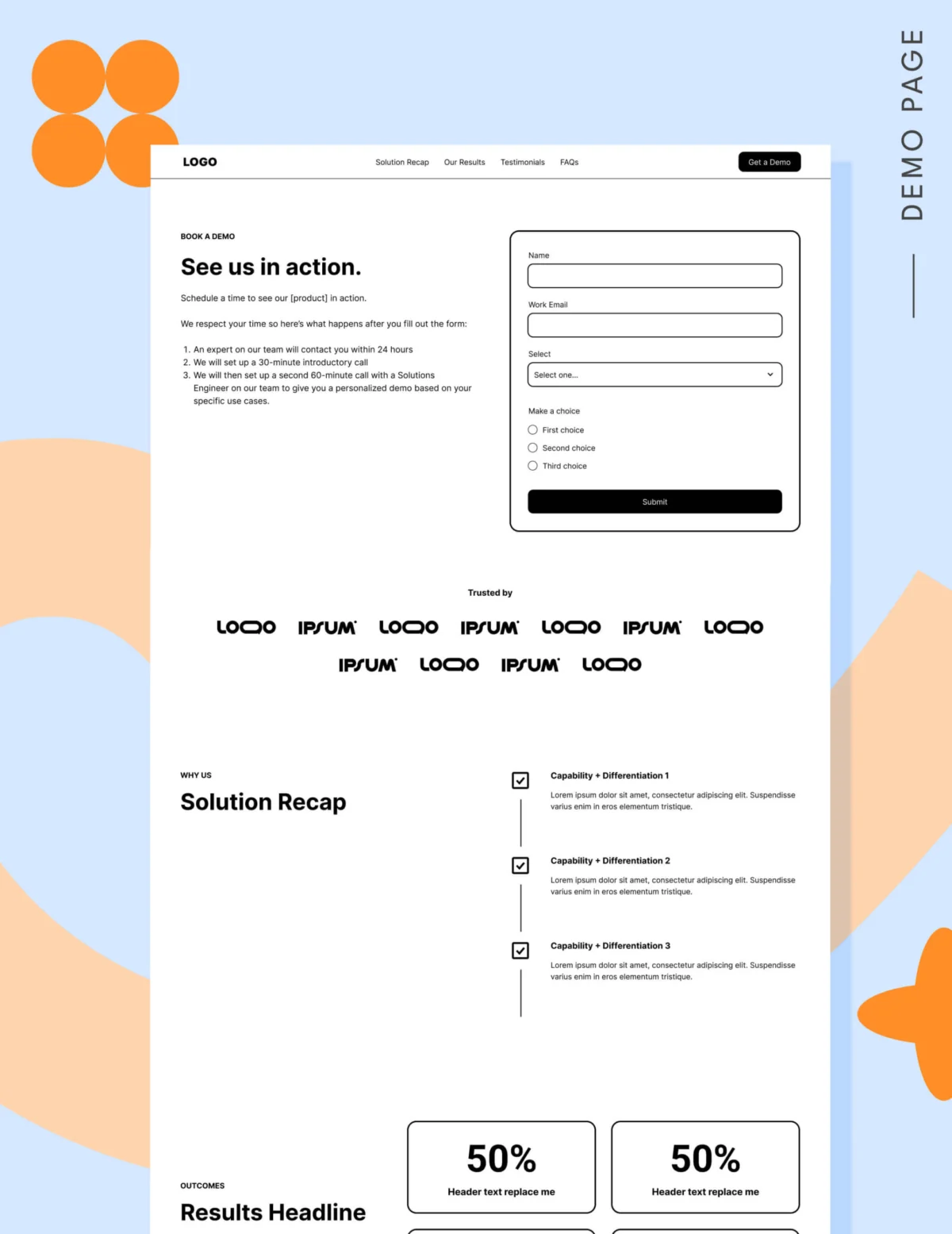
- The Demo Page: The final bottom-of-funnel (BOFU) destination intended for high-intent buyers ready for a direct conversation.
By the time a visitor arrives at the demo page, the objective is no longer to introduce the product but to confirm that booking a meeting is the logical next step. Experts argue that the demo page’s primary role is to remove the final vestiges of friction and answer lingering questions about the sales process itself.
Statistical Benchmarks and Common Pitfalls
Performance metrics for SaaS demo pages provide a sobering reality check for digital marketers. The Unbounce 2024 Conversion Benchmark Report established a median conversion rate of 3.8% for SaaS landing pages. More recent first-party data from 2025 and 2026, specifically focusing on high-performing B2B entities, shows average conversion rates hovering around 3.1%. While these figures serve as a proxy for success, they are heavily influenced by traffic quality.
Several common mistakes frequently depress these percentages. These include:
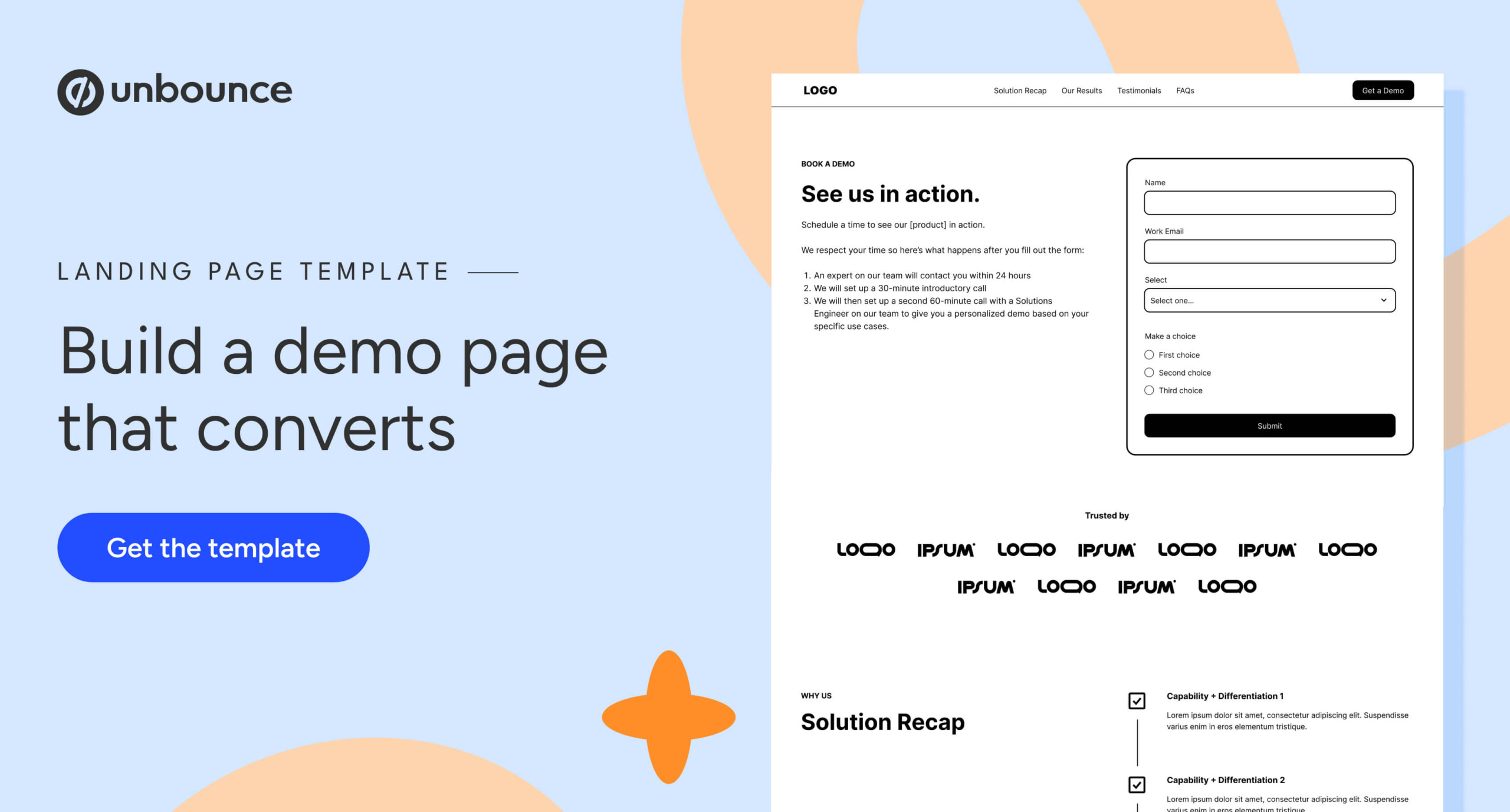
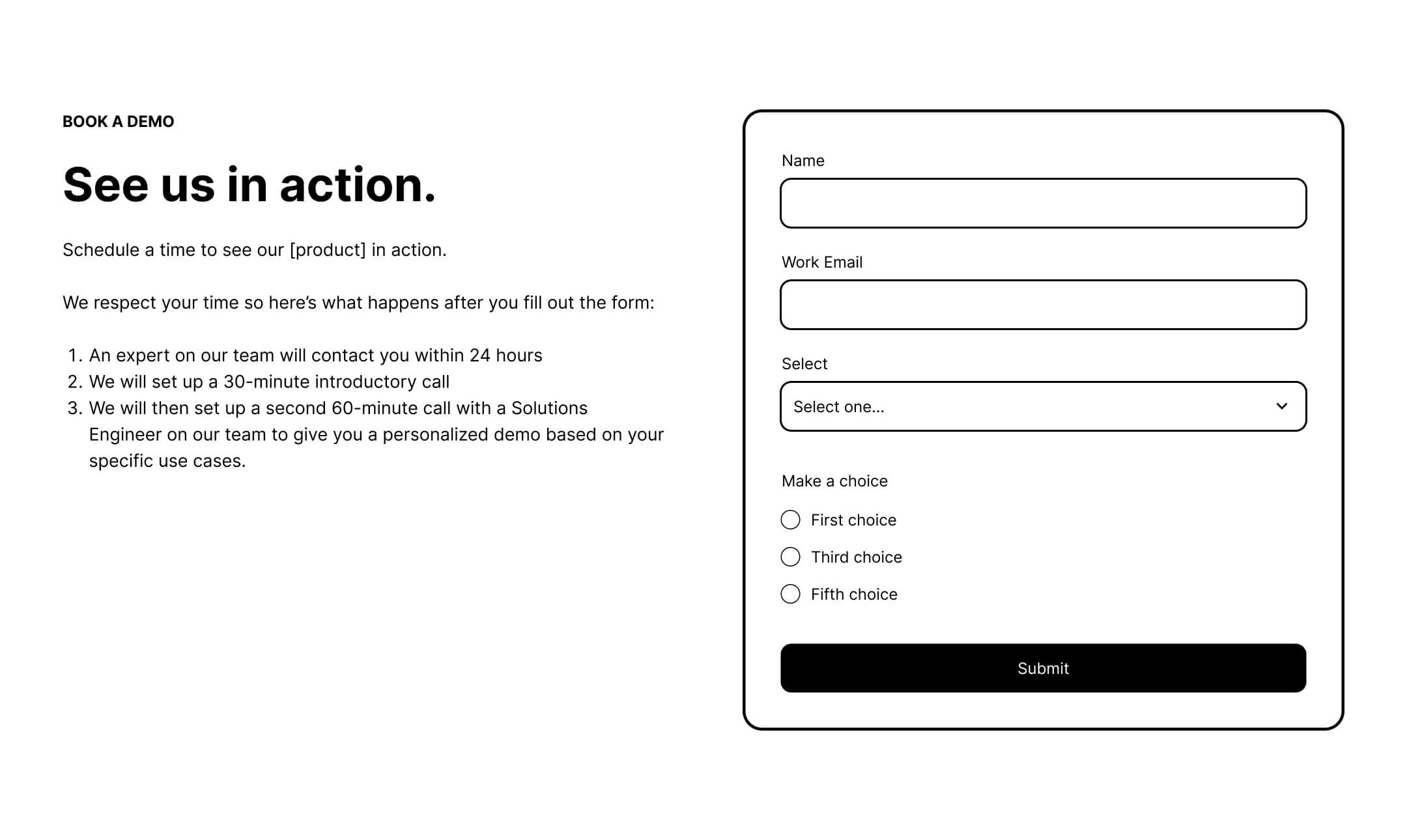
- Excessive Form Friction: Overloading the request form with too many mandatory fields.
- Vague CTAs: Failing to explain exactly what happens after the user clicks "submit."
- Lack of Social Proof: Neglecting to show that other reputable companies have successfully implemented the solution.
- Poor Navigation: A 2025 Google update to ad quality prediction models began rewarding landing pages that provide clear navigation and relevant next steps, penalizing "dead-end" pages that offer only a "convert or leave" choice.
Structural Requirements for High-Converting Demo Pages
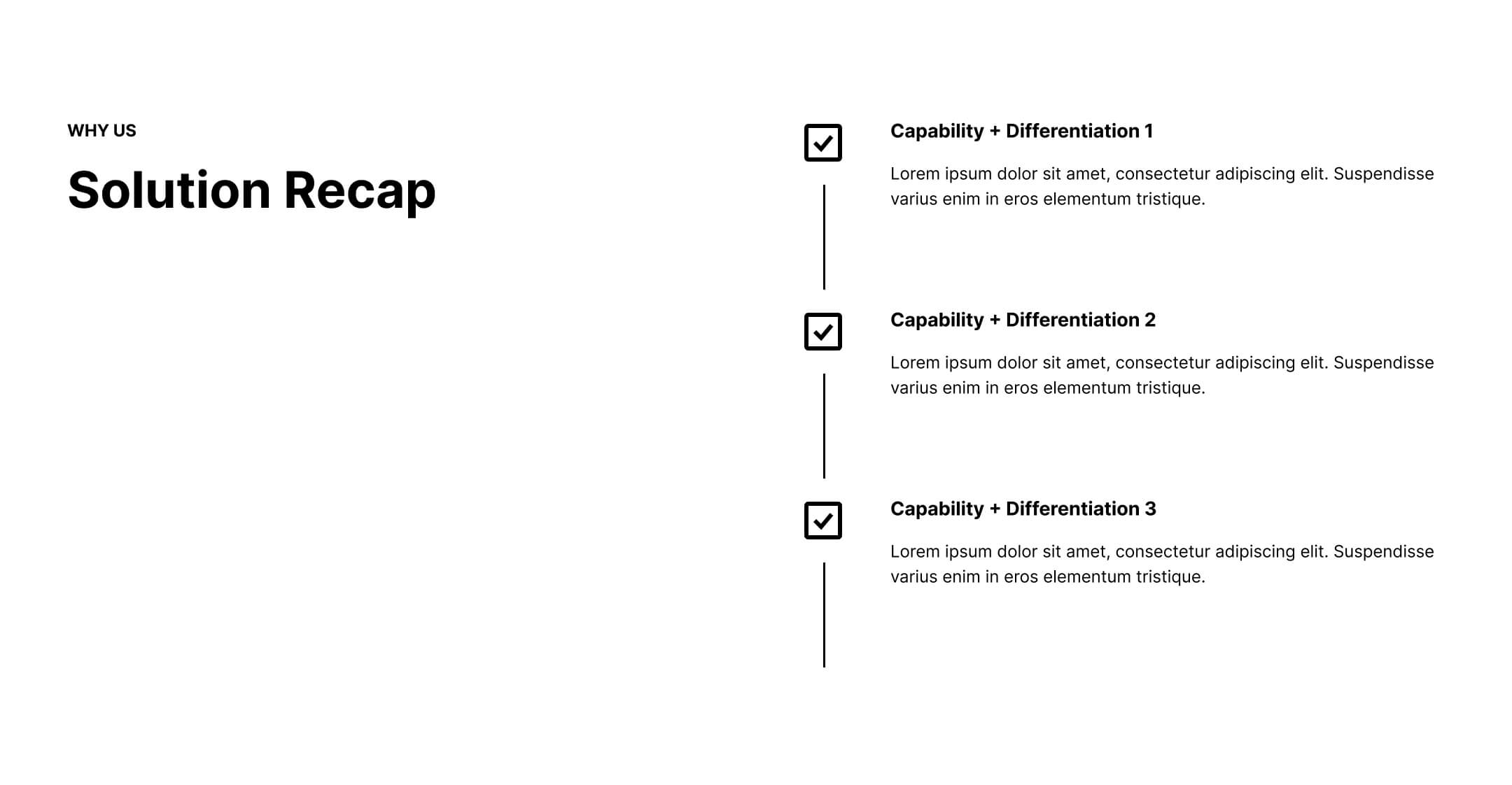
A professional-grade SaaS demo landing page in 2026 must be built on a foundation of transparency and proof. The structural breakdown recommended by industry leaders includes several key components.

Navigation and Exit Intent
Contrary to older "best practices" that suggested removing all navigation from landing pages to prevent exits, modern strategies favor a "minimalist" approach. Using anchor links allows users to jump to sections like pricing or FAQs without leaving the page. Furthermore, providing a footer with links to comparison or pricing pages can capture "not-quite-ready" buyers who would otherwise hit the back button and return to a search engine, thereby hurting the page’s quality score.
The Hero Section and ‘What to Expect’
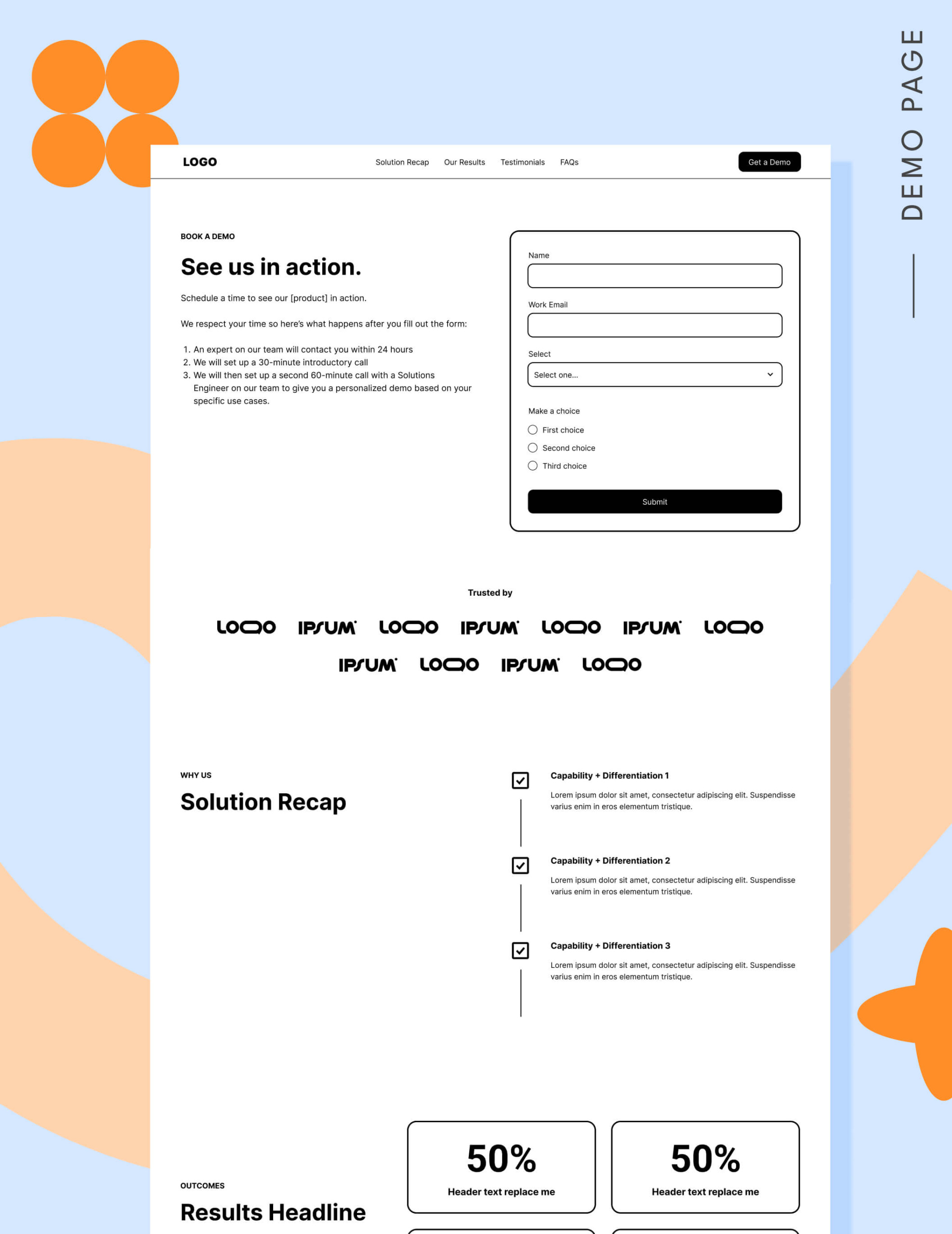
The hero section remains the most critical real estate. In 2026, the trend has shifted toward including the form directly in the hero area for demo pages, as the intent is already high. However, this must be accompanied by a clear "What to Expect" sidebar or sub-headline. Prospective buyers often fear a relentless barrage of sales calls; clarifying that the initial step is a "15-minute discovery call" or a "personalized walkthrough" helps mitigate this anxiety.
The ‘Logo Garden’ and Quantifiable Results
Social proof has evolved beyond simple logo displays. While a "logo garden" of recognizable brands provides initial credibility, high-converting pages now utilize "light testimonials"—short, one-to-two-line quotes that highlight specific outcomes. Furthermore, a dedicated "Results" section featuring quantifiable data (e.g., "Reduced churn by 22% within six months") provides the empirical evidence that B2B stakeholders require for internal buy-in.
The Pricing Transparency Debate
One of the most contentious issues in SaaS marketing is the inclusion of pricing on demo pages. While sales-led organizations traditionally hide pricing to maintain leverage, data suggests that 2026 buyers increasingly demand transparency. Including a "starting at" price or a condensed pricing grid serves as a powerful self-qualification tool. It prevents sales teams from wasting time on leads that do not have the budget and builds immediate trust with those who do.
Technical Optimization: Forms and Scheduling
The mechanics of the demo request form can make or break the conversion rate. Data from 2026 conversion benchmarks shows a significant drop-off in completions when a form exceeds five fields. Specifically, conversion rates typically fall from 17% at five fields to less than 7% when ten or more fields are required.
The choice between a standard static form and an integrated scheduling tool like Calendly depends on the organization’s lead-routing maturity. Direct scheduling is increasingly preferred for high-intent, qualified traffic, as it eliminates the "waiting for a callback" period that often sees lead interest cool. However, for broader marketing campaigns, a form allows for necessary lead scoring and routing to ensure that senior account executives are not burdened with low-value inquiries.
Marketing and Sales Alignment: A Strategic Imperative
The ultimate success of a SaaS demo strategy relies on the alignment between the teams generating the leads and the teams closing them. When a buyer submits a demo request, they are entering a "contract of expectation." If the landing page promises a "product tour" but the sales representative delivers a "discovery call" focused only on budget and authority, the trust built by the marketing content is immediately eroded.
Industry experts suggest that marketing teams should "secret shop" their own demo process to ensure the experience matches the landing page copy. If the process involves a multi-step qualification, the landing page should reflect that reality. For instance, shifting CTA copy from "Request a Demo" to "Book a 15-Minute Consultation" can increase lead quality by setting accurate expectations for the initial interaction.
Implications for the Future of SaaS Growth
As the SaaS market continues to saturate, the ability to convert high-intent traffic efficiently will distinguish market leaders from those who struggle to scale. The shift toward more informative, transparent, and low-friction demo landing pages is not merely a design trend but a response to a more sophisticated B2B buyer.
Organizations that prioritize fixing their traffic targeting—ensuring that only warm, well-researched buyers reach the demo page—while simultaneously optimizing the page for transparency and proof, will see a marked improvement in their sales velocity. In an era where buyers do 80% of their research before ever speaking to a human, the demo landing page is no longer just a form; it is the definitive handshake that starts a professional partnership. Following these data-driven frameworks ensures that the handshake is firm, credible, and leads to a meaningful business outcome.