
 rifanmuazin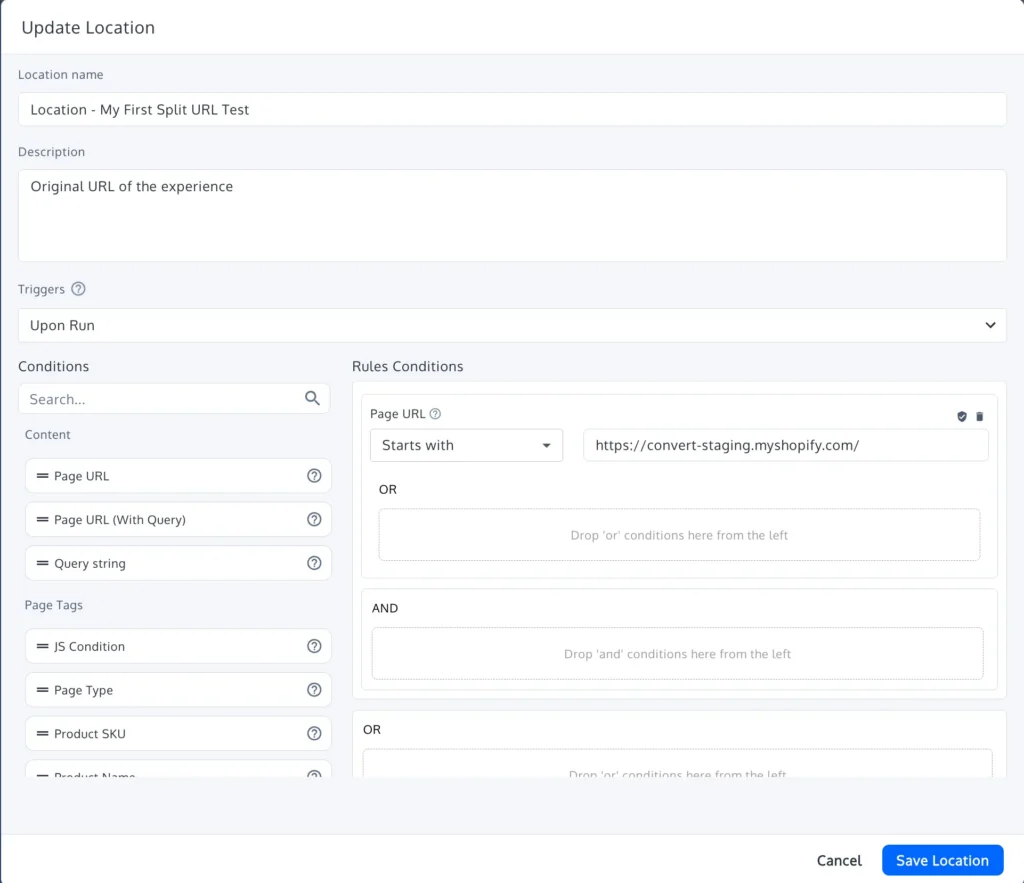
In the rapidly evolving landscape of conversion rate optimization (CRO), digital marketers and product teams frequently encounter a technical ceiling where traditional A/B testing methods prove insufficient. While standard A/B testing excels at evaluating granular, element-level changes—such as headline variations or button color adjustments—it often falters when faced with structural overhauls. For organizations looking to validate entire page redesigns, backend architectural shifts, or completely new user journeys, split URL testing has emerged as the definitive methodology for high-stakes experimentation.

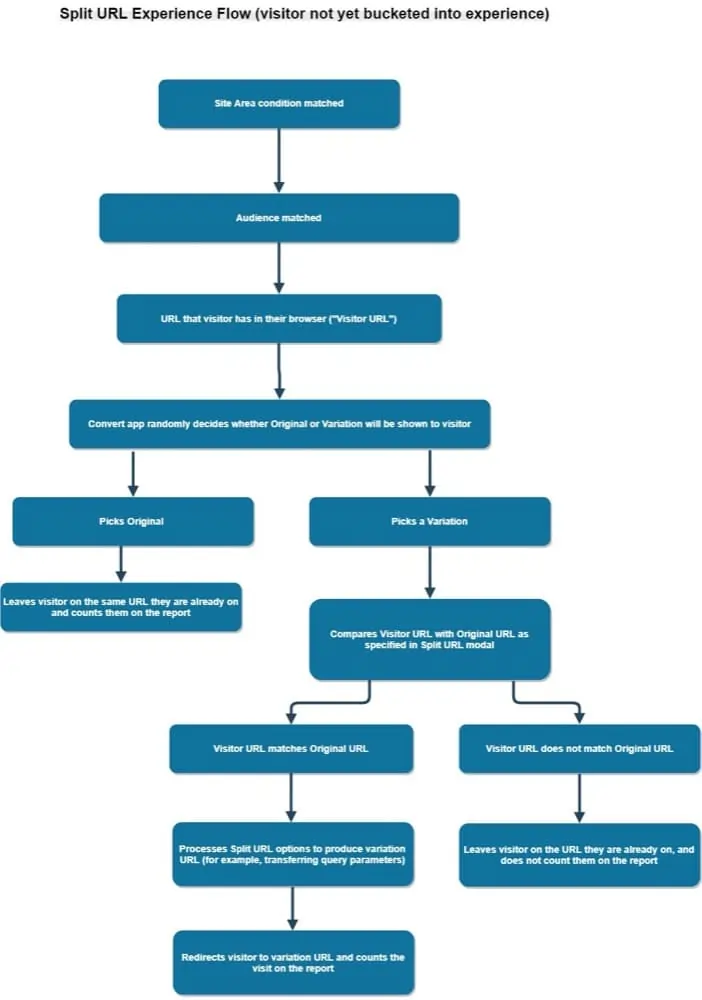
Split URL testing, often referred to as redirect testing, is a specialized experimentation technique that compares two or more distinct versions of a webpage hosted on separate URLs. Unlike standard A/B tests, where variations are injected into the same page via a visual editor or JavaScript, split URL testing distributes traffic between different web addresses. This approach allows developers to build variations directly within their Content Management Systems (CMS) or development environments, bypassing the limitations of browser-based visual editors.
The Strategic Shift in Experimentation Frameworks
The industry consensus among major experimentation platforms, including Convert Experiences, VWO, and Optimizely, highlights a fundamental divide in how testing is categorized. While all agree that split URL testing is the gold standard for large-scale structural changes, the framing often differs based on the team’s ultimate objective. CRO-native tools generally frame split URL testing through the lens of conversion: which page architecture generates more revenue? Conversely, behavioral analysis platforms, such as Amplitude or Kameleoon, view it through the lens of the user journey: how does a new page architecture alter the long-term path of the customer?
This distinction is critical for modern digital enterprises. As organizations move away from “surface-level” optimizations toward “deep-funnel” experimentation, the ability to test fundamentally different backend logic—such as a new checkout flow or a revamped search algorithm—becomes a competitive necessity.
The Lifecycle of a Split URL Experiment
The execution of a successful split URL test follows a rigorous chronological path, moving from data-backed speculation to technical implementation and finally to statistical validation.
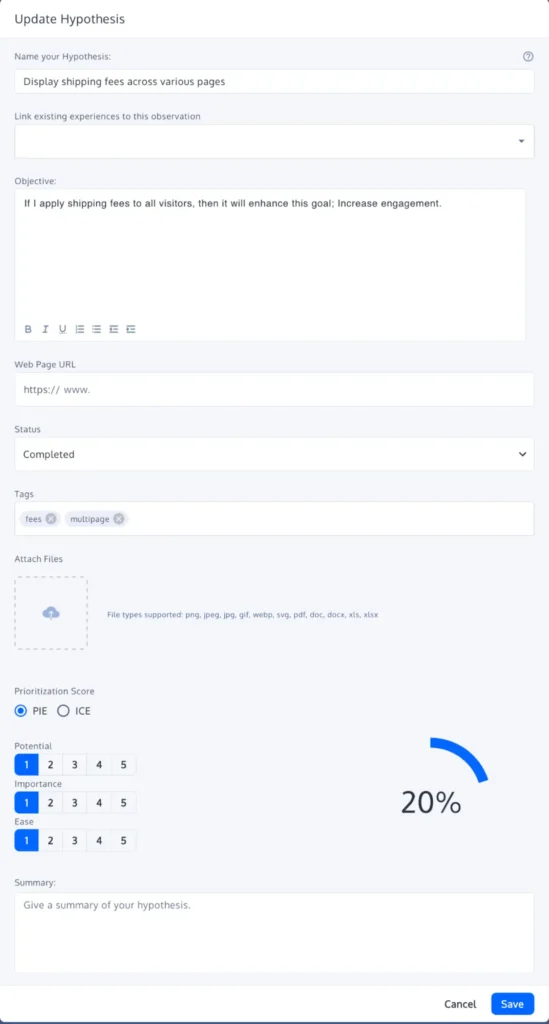
Phase 1: Hypothesis Formulation and AI Integration
The process begins with the identification of a friction point in the sales funnel. Modern practitioners are increasingly utilizing artificial intelligence to synthesize research. Tools like ChatGPT or Claude are now used to analyze session recordings and heatmaps to surface patterns that human observers might miss. However, industry leaders like Ben Labay, CEO of Speero, caution against over-reliance on automated insights. Labay emphasizes that while AI can surface patterns, humans must still filter opinion-based insights from behavior-based truths to ensure the experiment is built on a stable foundation.
Phase 2: Statistical Planning and Sample Size Determination
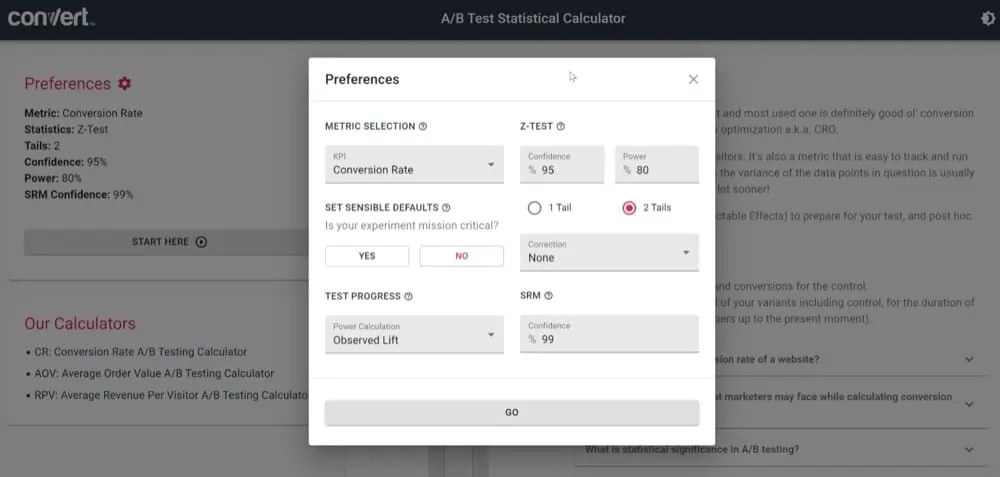
Before a single line of code is written, teams must determine the required sample size to reach statistical significance. This prevents the common pitfall of “peeking” at results too early or ending a test before it has the mathematical power to be conclusive. Using significance calculators, teams typically aim for a 90% to 95% confidence level. This stage is vital because split URL tests often involve more resources than A/B tests; running an underpowered test on a full page redesign represents a significant waste of development hours.
Phase 3: Development and Variation Hosting
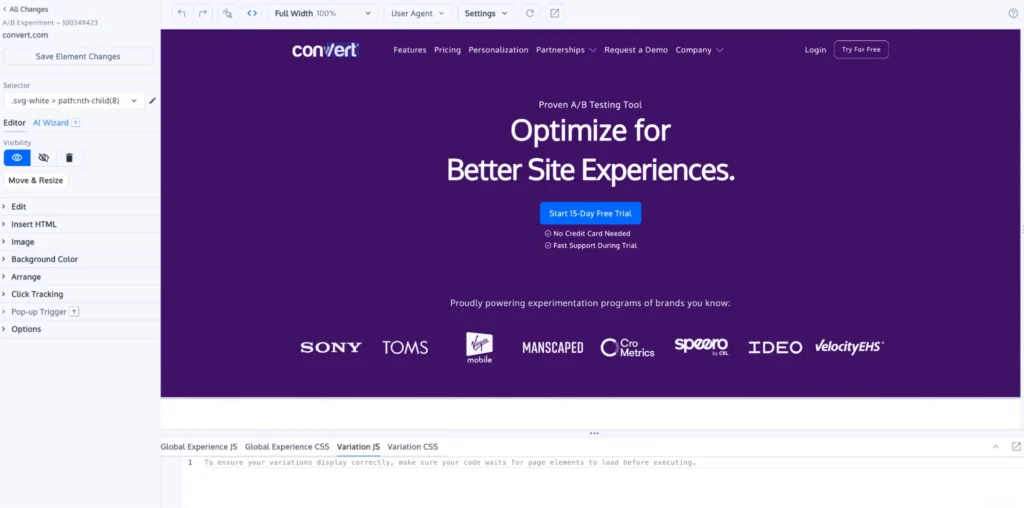
Because split URL tests do not utilize a visual editor, the variations are developed in a staging or production environment outside the testing platform. Johann Van Tonder, CEO of AWA Digital, notes that the rise of “vibe coding” and rapid development tools allows teams to iterate on these full-page variations faster than ever before. Once developed, these pages are hosted at unique URLs (e.g., website.com/landing-page-a and website.com/landing-page-b).
Technical Implementation within Convert Experiences
For teams utilizing Convert Experiences, the implementation of a split URL test involves several technical configurations to ensure data integrity and a seamless user experience.
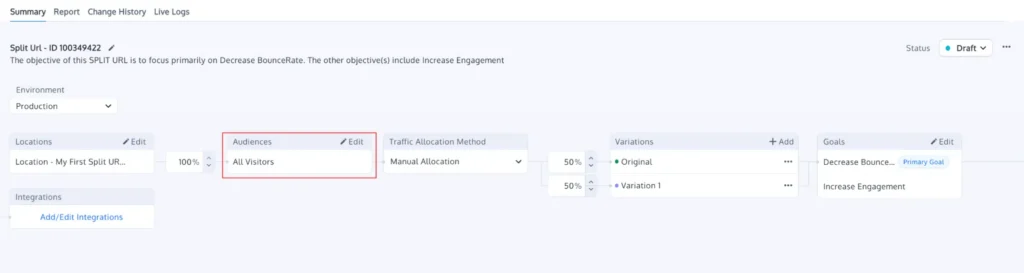
Configuration and URL Mapping
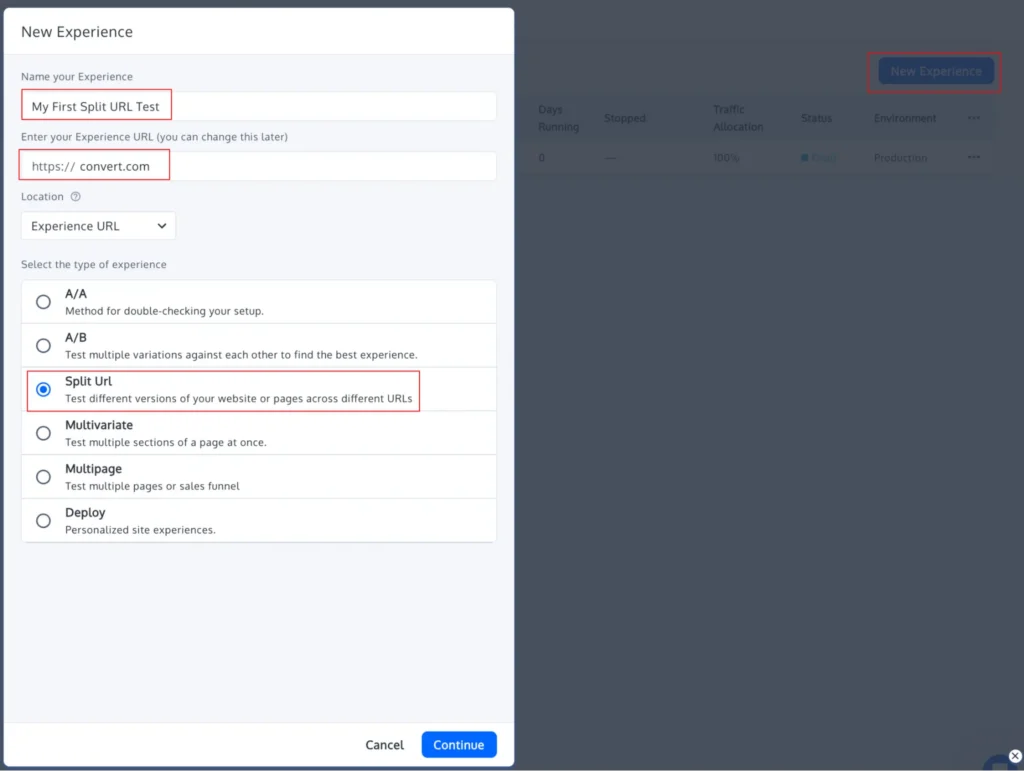
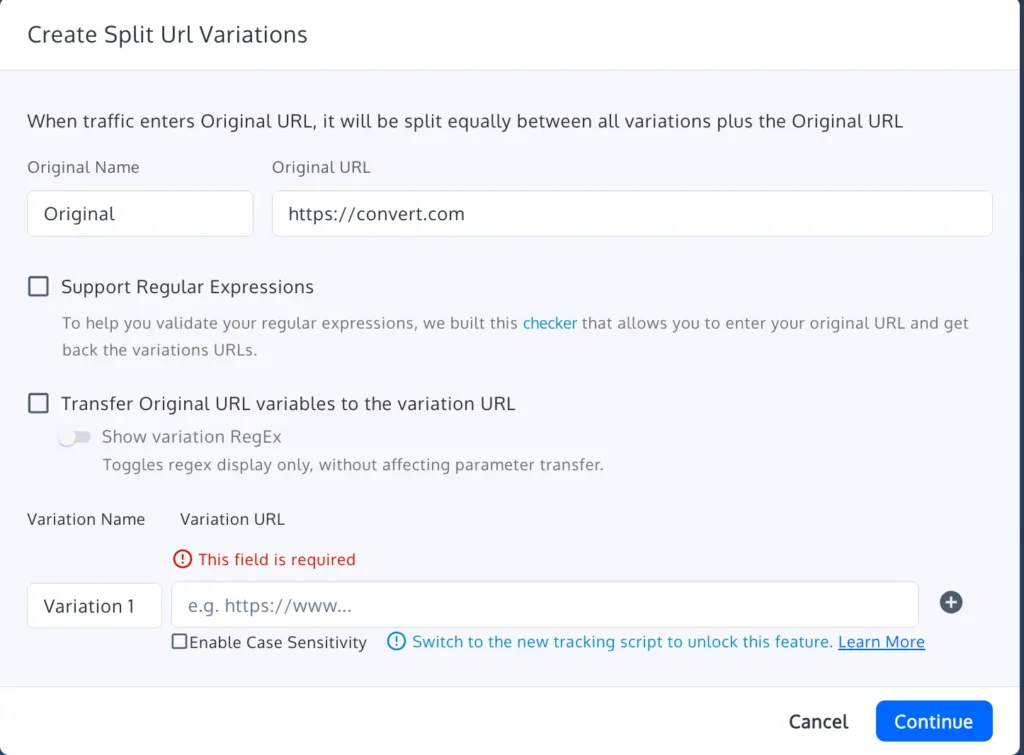
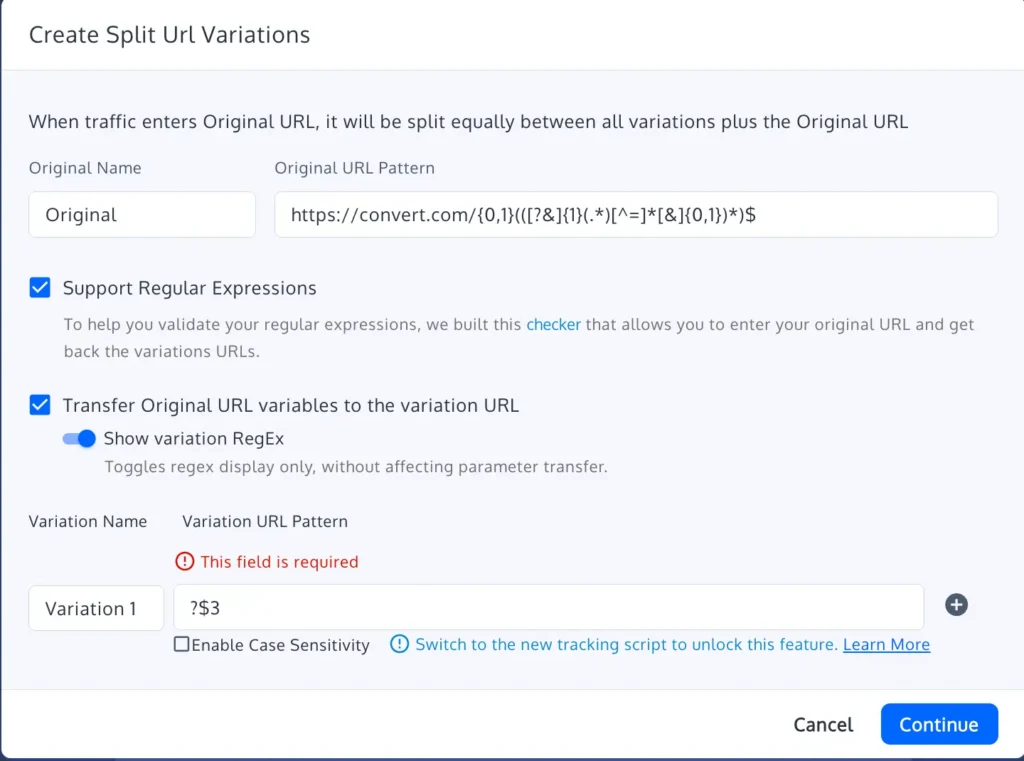
Within the dashboard, the “Split URL” experience type is selected. The “Original URL” serves as the control, while “Variation URLs” are added as the experimental branches. A critical feature in this stage is the ability to transfer query parameters. If a visitor arrives via a Google Ad with specific UTM parameters, the testing tool must be configured using regular expressions (Regex) to ensure those parameters follow the visitor from the original URL to the variation URL. Failure to do so can break attribution and skew marketing data.
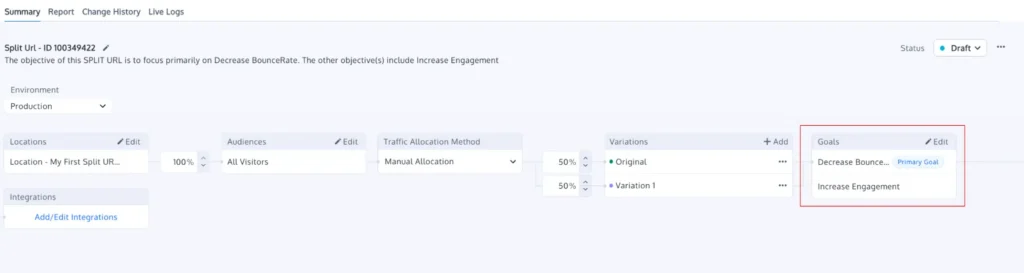
Audience Targeting and Goal Setting
Precision in audience targeting is what separates professional experimentation from random testing. Teams can limit tests to specific geolocations, device types, or visitor behaviors (e.g., “returning visitors who have spent more than $50”). Simultaneously, primary and secondary goals are established. While the primary goal might be “Purchase Completion,” secondary goals such as “Add to Cart” or “Scroll Depth” provide the context needed to understand why a version won or lost.
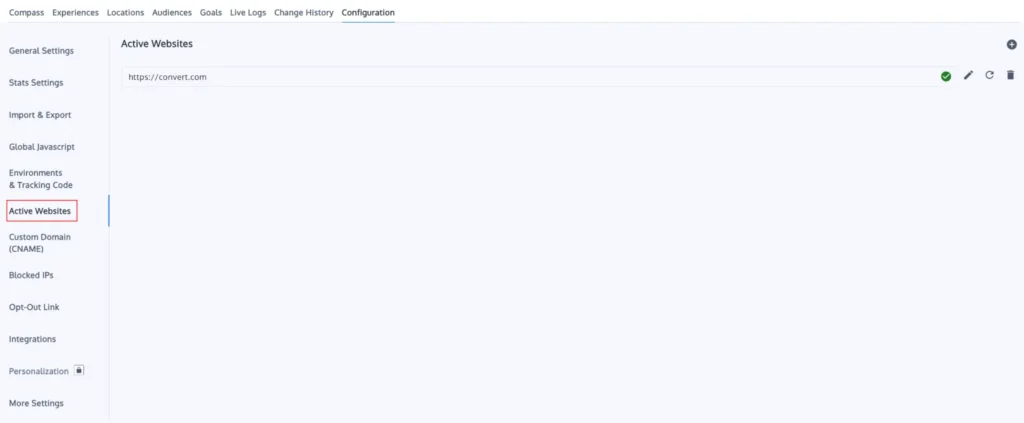
The Quality Assurance (QA) Mandate
Craig Sullivan, a renowned experimentation consultant, advocates for a “real-device” QA process. Sullivan warns that relying on browser emulators can lead to undetected bugs in the redirect logic. His recommended protocol includes:
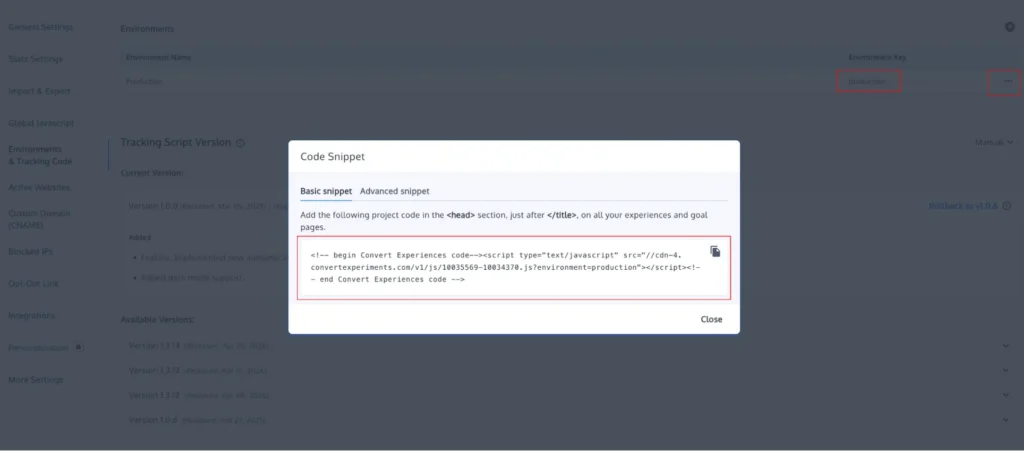
- Verifying that the redirect triggers instantly without “flicker.”
- Ensuring that analytics tags fire correctly on both the original and variation.
- Confirming that goals are recorded accurately across all device types, specifically focusing on mobile responsiveness.
Advanced Testing Scenarios: Hybrid and Multipage Tests
As testing programs mature, they often require more complex setups than a simple 50/50 split on a single page.

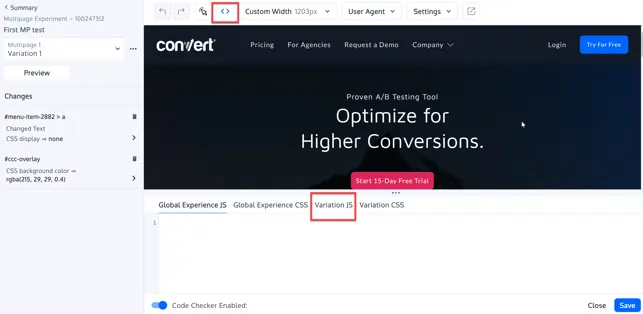
Hybrid Experiments: This involves combining a split URL test with a “Deploy” experience. For instance, a team might use a split URL test to send visitors to a new page architecture, and then use a deployment layer to inject specific styles or personalized content onto that new page based on the visitor’s profile.
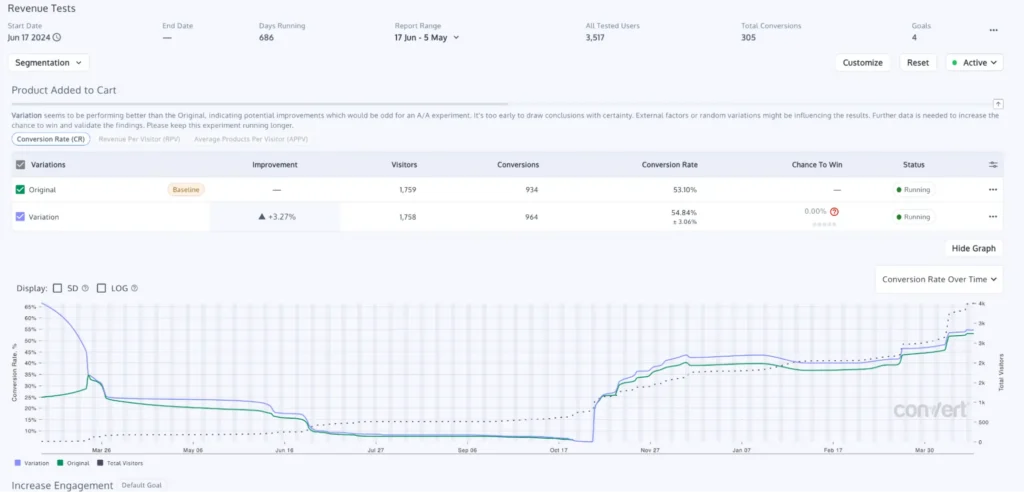
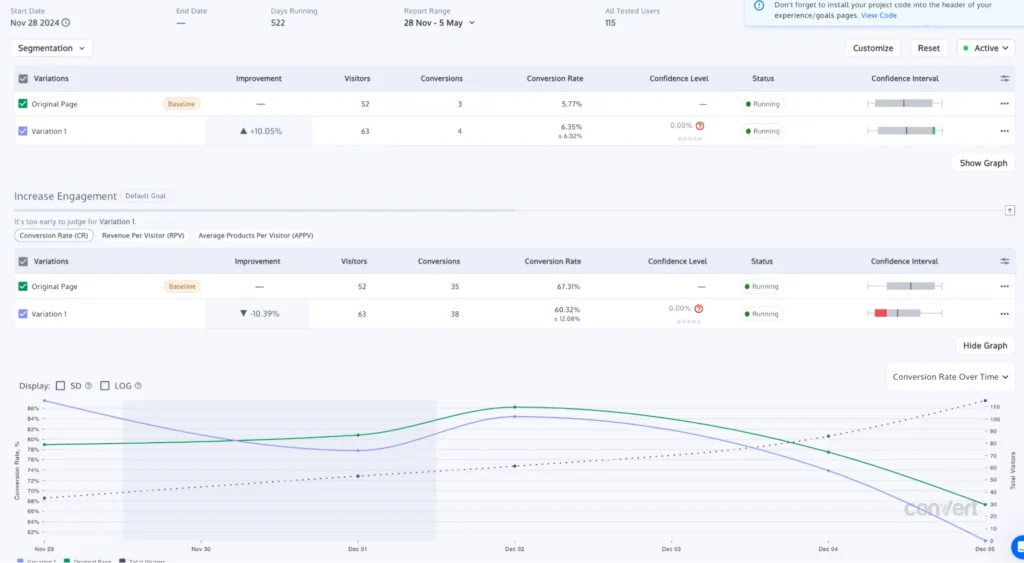
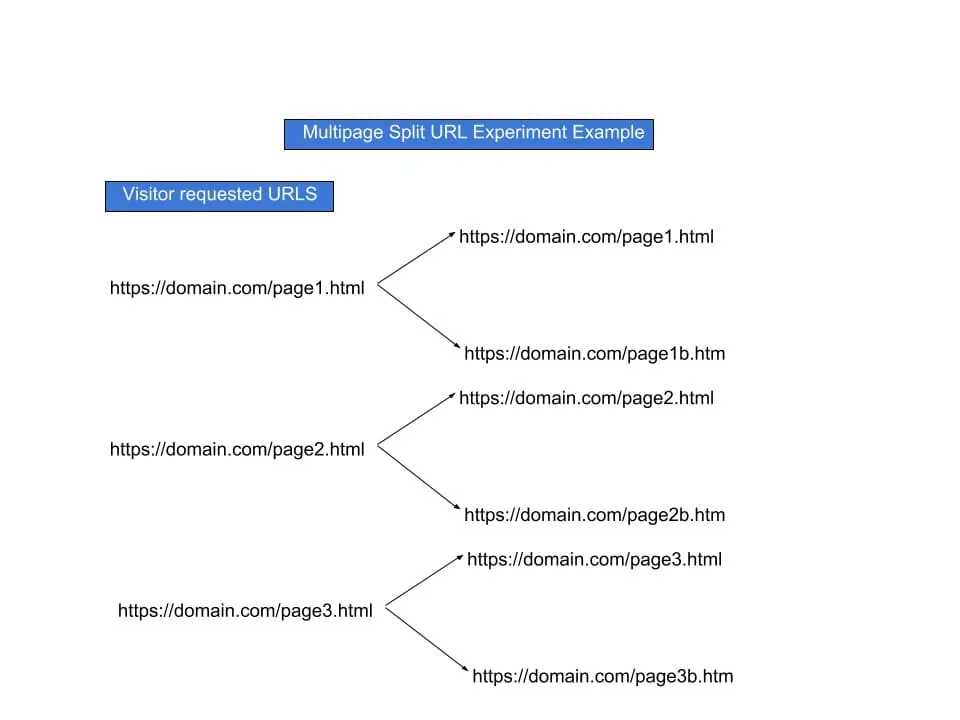
Multipage Funnel Tests: When a change affects an entire journey—such as a three-step sign-up process—a multipage split URL test is required. In this scenario, once a visitor is “bucketed” into a variation at the entry point, the testing tool ensures they remain in that variation across all subsequent pages in the funnel to maintain a consistent user experience.
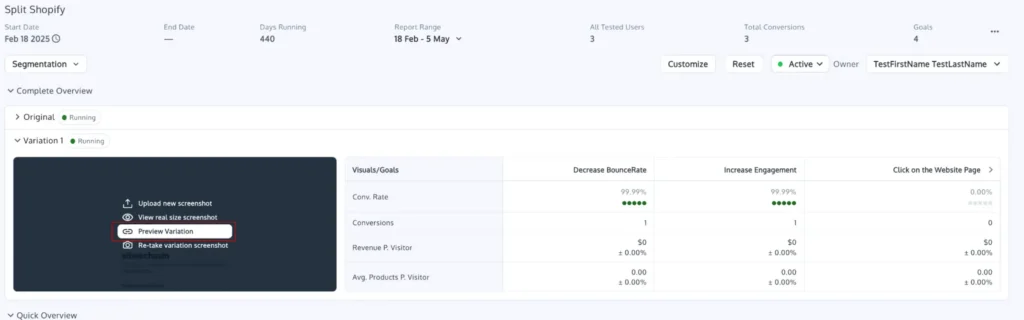
Shopify Theme Testing: For e-commerce entities on Shopify, split URL testing is the primary method for comparing two different store themes. This allows merchants to test a “High-Performance” theme against their current setup, measuring impact on Revenue Per Visitor (RPV) and Average Order Value (AOV).
Mitigating Risks: SEO, SRM, and Performance
The technical nature of redirects introduces specific risks that must be managed to protect a site’s search engine rankings and data reliability.
SEO Best Practices
Search engines like Google generally do not penalize sites for split URL testing, provided the intent is not deceptive. To maintain SEO health, organizations should:
- Use 302 Redirects: Unlike 301 (permanent) redirects, 302 redirects signal to search engines that the change is temporary, ensuring the original page retains its ranking authority.
- Implement Canonical Tags: Variation pages should include a
rel="canonical"tag pointing back to the original URL. This tells crawlers that the original page is the “master” version, preventing duplicate content issues. - Avoid Bot Targeting: Tests should be served to bots and humans alike. Attempting to show bots one version and humans another is considered “cloaking” and can result in severe search engine penalties.
Sample Ratio Mismatch (SRM)
SRM is a critical red flag in experimentation, occurring when the actual traffic split significantly deviates from the intended split (e.g., a 50/50 setup resulting in a 55/45 split). This often points to technical failures, such as the tracking script missing from a variation page or bots disproportionately hitting one URL. Convert Experiences includes built-in SRM detection, alerting teams when data becomes untrustworthy.
Preventing Redirect Loops
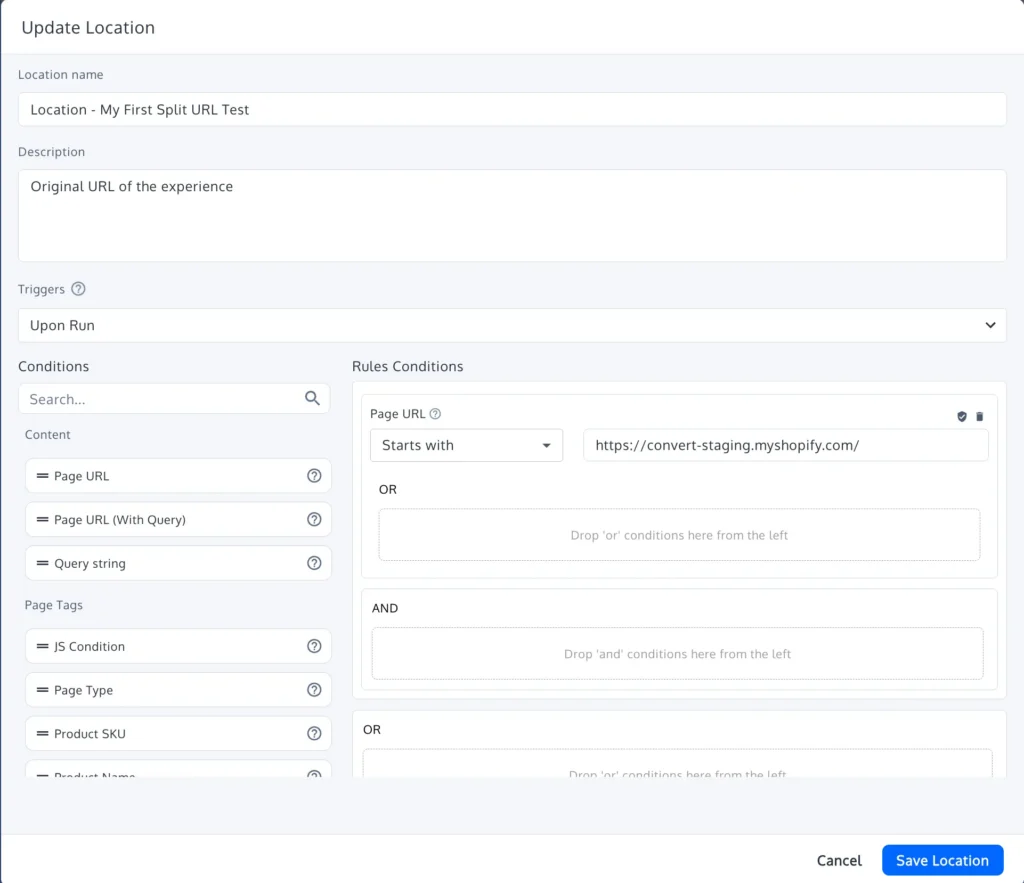
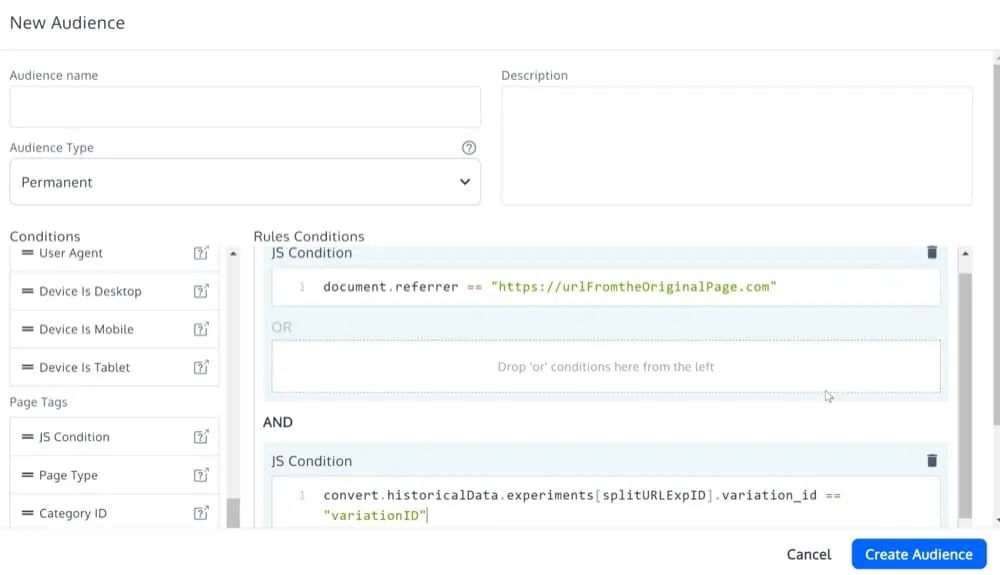
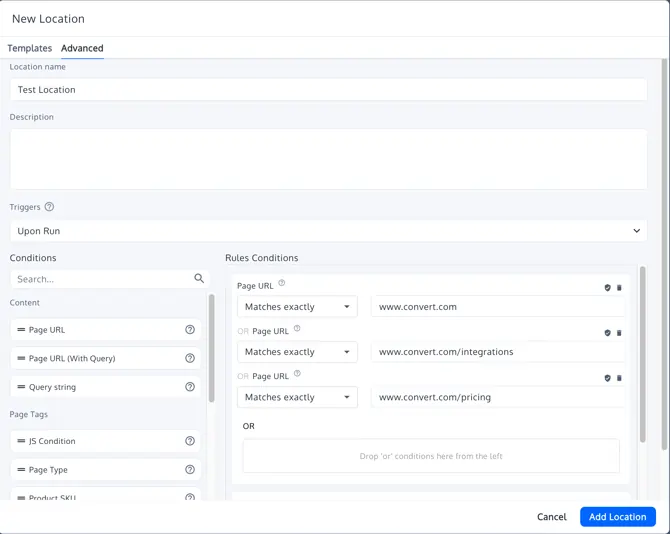
A common error in split URL testing is the infinite redirect loop. This happens when a variation page contains a link back to the original page, which then triggers the redirect back to the variation. This is resolved by setting strict “exclusion rules” in the project configuration, ensuring the testing script does not fire if the visitor is already on a variation URL.
Analysis and Broader Implications
The final stage of the split URL process is the post-test analysis. A “winning” variation provides a clear mandate for a permanent rollout, but “losing” or “inconclusive” tests are arguably more valuable. They prevent the costly mistake of implementing a full-site redesign that might have inadvertently harmed conversion rates.
Industry experts suggest that as “vibe coding” and AI-driven development accelerate, the volume of split URL tests will likely increase. Organizations are shifting from a “culture of intuition” to a “culture of experimentation,” where every major product decision is validated by data. By mastering the complexities of split URL testing—from Regex configurations to SEO safeguards—businesses can move beyond minor tweaks and begin making the bold, architectural changes necessary for transformative growth in the digital marketplace.








