rifanmuazin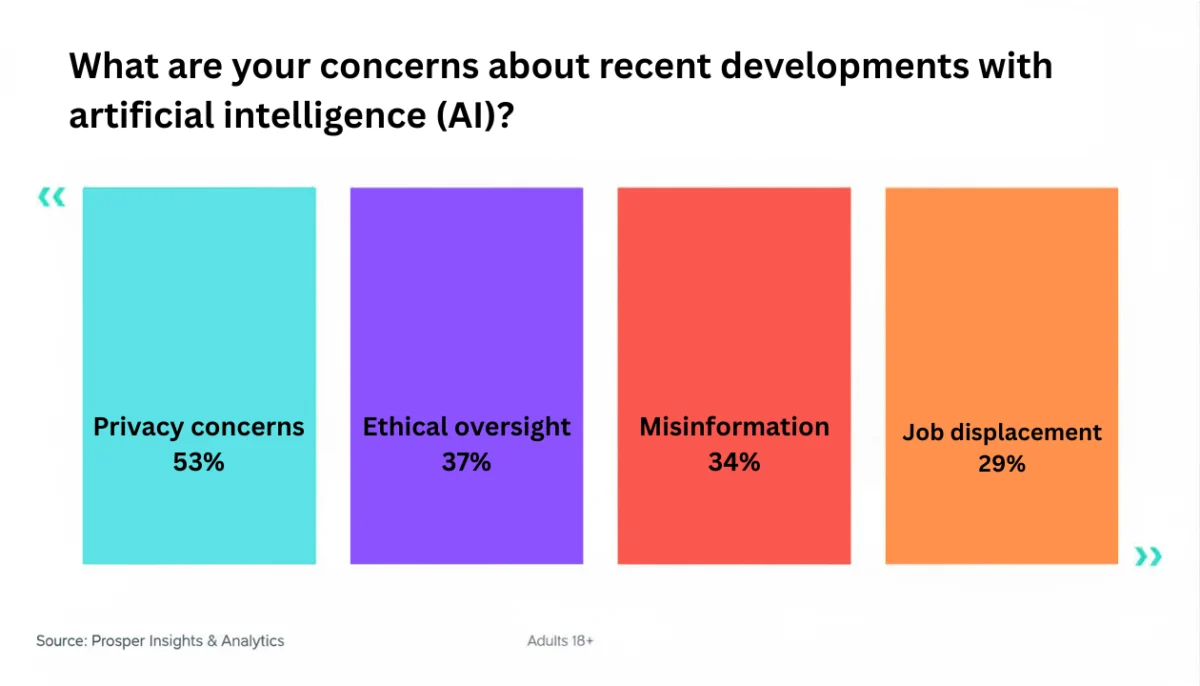
The Foundation of Strategic Digital Marketing
At its core, a social media SWOT analysis is a diagnostic tool that dissects a brand’s social media ecosystem into four distinct yet interconnected quadrants: Strengths, Weaknesses, Opportunities, and Threats. This framework moves beyond superficial metrics, encouraging a deep dive into both controllable internal factors and uncontrollable external variables that influence social media efficacy.

Strengths and Weaknesses represent internal aspects. Strengths are the inherent advantages or positive attributes within a brand’s social media operations, such as a highly engaged community, a distinctive brand voice, or consistently high-performing content formats. Conversely, weaknesses are the internal deficiencies or areas where the brand underperforms, including inconsistent posting schedules, poor audience targeting, or a lack of presence on relevant emerging platforms. These internal factors are largely within the organization’s control, allowing for direct intervention and improvement.
Opportunities and Threats, on the other hand, are external to the organization. Opportunities are favorable external conditions or trends that a brand can capitalize on to enhance its social media presence and achieve strategic objectives. This might involve adopting new platform features, tapping into trending cultural conversations, or forming strategic partnerships. Threats are unfavorable external conditions or obstacles that could potentially jeopardize a brand’s social media performance or reputation. Examples include algorithm changes, negative public sentiment, intensified competitor activity, or new regulatory compliance requirements. While external factors cannot be directly controlled, they can be monitored and responded to strategically.

Why a Structured Approach is Imperative
In the dynamic realm of social media, where platforms, algorithms, and consumer behaviors shift with remarkable speed, a formal SWOT analysis transcends mere operational review; it becomes a critical strategic necessity. Its benefits are multi-faceted, extending beyond the marketing department to influence broader business objectives.
Firstly, a social media SWOT analysis enables the setting of impactful yet realistic goals. By synthesizing internal performance data with external industry benchmarks, marketers can establish objectives that are both ambitious and attainable. This data-driven approach prevents the formulation of wishful targets, instead grounding goals in a clear understanding of what is genuinely achievable given current capabilities and market conditions. For instance, understanding industry-average engagement rates through tools like Hootsuite’s benchmarking features allows a brand to set a realistic target for improving its own engagement, rather than aiming for an arbitrary number.

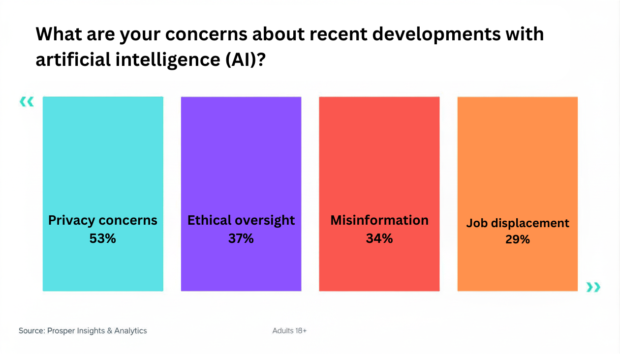
Secondly, it is crucial for identifying and mitigating risks. Weaknesses and threats, though potentially uncomfortable to confront, are invaluable indicators of vulnerability. Internal weaknesses might highlight process inefficiencies, technology gaps, or skill deficits within the social media team. External threats, such as impending algorithm changes or shifts in public sentiment regarding emerging technologies, demand proactive preparation. A pertinent example is the growing public concern around artificial intelligence: a Forbes study indicated that approximately 80% of individuals expect companies to be transparent about their use of AI, with 53% expressing privacy concerns. A SWOT analysis would flag this as a potential threat, prompting brands to establish clear guidelines for AI content labeling and privacy protocols, thereby managing reputational risks. Effective risk management, a cornerstone of any robust social media strategy, is significantly bolstered by this foresight.
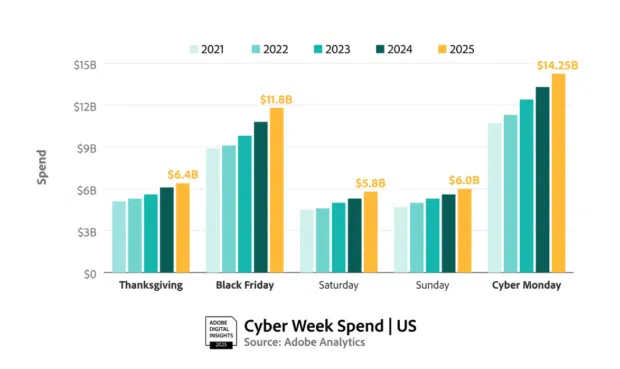
Thirdly, a SWOT analysis is vital for maintaining competitiveness. By compelling brands to look beyond their internal operations and analyze the broader digital landscape, it fosters a proactive stance. Observing competitor strategies, emerging market trends, and shifts in consumer purchasing behavior allows a brand to anticipate and adapt. For example, the increasing trend of early holiday shopping, with over half (51%) of adults starting in October or earlier according as per NRF research, presents an opportunity for brands to launch seasonal campaigns ahead of traditional schedules. Similarly, the surge in Buy Now, Pay Later (BNPL) transactions, which Adobe Analytics reported drove over $1.03 billion in online sales on Cyber Monday 2025, highlights a competitive advantage that rivals might be leveraging. Identifying such trends within a SWOT framework can prompt a brand to explore flexible payment options or tailor messaging to early shoppers.
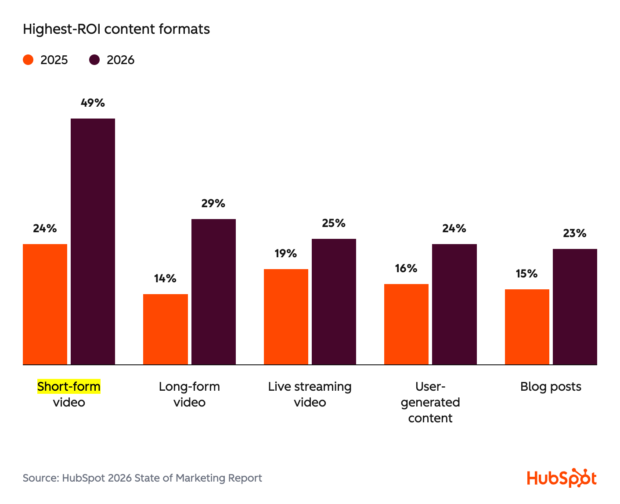
Fourthly, it facilitates effective resource allocation. While internal performance analysis reveals which existing strategies are yielding results, a comprehensive SWOT analysis integrates external data to uncover untested opportunities. HubSpot’s 2026 State of Marketing Report, for instance, identifies short-form video as having the highest ROI among content types. This external insight, when combined with internal performance data, can guide resource allocation towards exploring or expanding short-form video content, even if it hasn’t been a primary focus previously. Such data-informed decisions ensure that marketing budgets, team efforts, and technological investments are directed towards areas with the highest potential return.
Finally, a SWOT analysis provides a holistic picture of performance and fosters a cross-departmental understanding. By incorporating external benchmarks and competitor research, it offers a more accurate assessment of a brand’s true standing. Furthermore, the insights gleaned from social media—particularly regarding weaknesses and threats (e.g., recurring customer service issues or product complaints surfaced through social listening)—are invaluable to other departments such as product development, customer support, and public relations. Social media often serves as an early warning system for broader business issues, allowing for faster problem resolution and collaborative strategic adjustments across the organization.
Executing a Social Media SWOT Analysis: A Step-by-Step Guide
The process of conducting a thorough social media SWOT analysis is systematic and data-intensive, transforming raw information into actionable intelligence.
1. Comprehensive Social Media Performance Audit:
The initial step involves a rigorous collection of data on current social media performance. This entails examining a wide array of metrics across all active platforms, including engagement rates (likes, comments, shares), follower growth, reach and impressions, website traffic driven from social, and conversion rates. Advanced social media analytics tools, such as Hootsuite, are indispensable here, offering granular insights into content performance, audience demographics, and optimal posting times. Crucially, this audit extends beyond internal data to include competitive analysis and industry benchmarking. Platforms like Hootsuite allow marketers to compare their metrics against direct competitors and broader industry averages, providing essential context for identifying true strengths and weaknesses. Understanding social share of voice and social sentiment, often surfaced through social listening tools, is also paramount to gauge public perception and brand standing relative to the competition.
2. Identifying Strengths:
With audit data in hand, marketers can pinpoint their social media strengths. These are areas where the brand consistently excels or possesses a distinct advantage. Examples might include an exceptionally high engagement rate on Instagram Reels, a robust and loyal community on Facebook, a unique brand voice that resonates powerfully on X (formerly Twitter), or a highly effective customer service presence on specific channels. The identification of strengths is not merely about achieving good numbers; it’s about understanding why these numbers are good and how they contribute to overall brand objectives. Comparing current performance to past results and industry benchmarks provides the necessary context to confirm these as genuine strengths.
3. Discovering Areas for Improvement (Weaknesses):
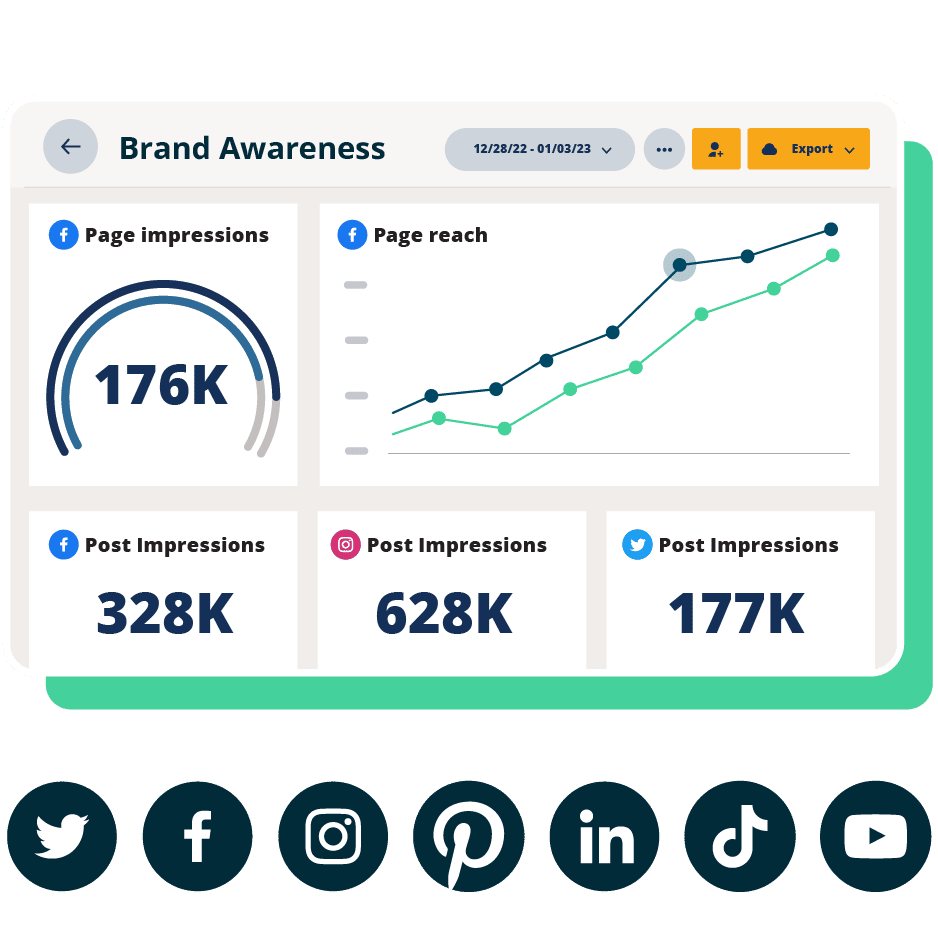
Weaknesses are the flip side of strengths—areas where social media performance falls short or where there are internal inefficiencies. This requires an honest assessment, often facilitated by comparing current performance against previous campaigns, internal targets, or competitor performance. Specificity is key: instead of a vague "poor TikTok performance," identify that "TikTok videos featuring product demonstrations have low completion rates" or "our TikTok content lacks a consistent visual style compared to competitors." Beyond metrics, internal factors such as budget limitations, insufficient team resources, outdated social media tools, or previous social media crises can also contribute to weaknesses and must be acknowledged. A comprehensive analytics dashboard, like that offered by Hootsuite, can quickly highlight channels or content types that consistently underperform.
4. Looking for Opportunities:
Opportunities are external trends or conditions that, if leveraged, could significantly benefit a brand’s social media strategy. This requires constant vigilance and sophisticated market intelligence. Social listening is an invaluable tool in this phase, helping to identify trending topics, keywords, emerging platforms, shifts in consumer preferences, and untapped demographics. For instance, if social listening reveals a spike in conversations around sustainable products within a brand’s niche, this presents an opportunity to create content aligned with eco-conscious values. Monitoring broader technological advancements, regulatory changes, or even cultural phenomena can also reveal new avenues for engagement. For example, the increasing popularity of interactive content formats or the emergence of new creator monetization models on platforms could be significant opportunities. Hootsuite Listening provides real-time insights into these external dynamics, allowing brands to quickly adapt their content strategy. The annual Hootsuite Social Media Marketing Trends Report is another critical resource for anticipating these shifts.
5. Evaluating Potential Threats:
Threats are external factors that could negatively impact social media performance or brand reputation. Like opportunities, they are outside a brand’s direct control but demand proactive monitoring and contingency planning. Common threats include frequent algorithm changes on major platforms (e.g., Facebook, Instagram, TikTok), which can drastically alter content reach; intensified competitive activity (e.g., a competitor launching a highly successful viral campaign); shifts in privacy regulations (e.g., GDPR, CCPA) that affect data collection and ad targeting; negative public sentiment or a viral crisis that damages brand image; or broader economic downturns that impact marketing budgets and consumer spending. Social listening plays a crucial role in early threat detection, such as identifying a sudden surge in negative mentions or a competitor’s aggressive expansion into a new market segment. Proactive measures, such as diversifying content formats, focusing on social SEO to reduce reliance on algorithmic reach, or developing robust crisis management protocols, are direct responses to identified threats.

6. Turning Insights into Action:
The final, and arguably most critical, step is to translate the findings of the SWOT analysis into a concrete action plan. This involves synthesizing the four quadrants to formulate strategic initiatives.
- SO (Strengths-Opportunities) Strategies: Leverage existing strengths to capitalize on identified opportunities. (e.g., "Our strong video production capabilities [strength] can be used to dominate emerging short-form video platforms [opportunity].")
- WO (Weaknesses-Opportunities) Strategies: Address weaknesses by taking advantage of external opportunities. (e.g., "Our inconsistent content calendar [weakness] can be optimized by adopting new social media scheduling tools [opportunity].")
- ST (Strengths-Threats) Strategies: Use strengths to mitigate or overcome potential threats. (e.g., "Our highly engaged community [strength] can be mobilized to counter negative narratives or misinformation [threat].")
- WT (Weaknesses-Threats) Strategies: Develop defensive strategies to minimize weaknesses and avoid threats. (e.g., "Lack of expertise in AI content creation [weakness] combined with public concern over AI transparency [threat] necessitates investment in ethical AI training and clear disclosure policies.")
This action plan might involve reallocating budgets, investing in new technologies or training, launching new content initiatives, refining targeting strategies, or even exploring new social media platforms. The value of a SWOT analysis is directly proportional to its ability to drive meaningful, data-backed strategic adjustments.

Strategic Timing: When to Conduct a Social Media SWOT Analysis
While beneficial at any juncture, a social media SWOT analysis is particularly impactful during key strategic moments:
- Making Budget Decisions: As part of annual or quarterly budget planning, a SWOT analysis helps justify investments, identify areas for cost reduction, and allocate funds to high-potential opportunities or critical risk mitigation efforts.
- Launching a New Campaign: Before embarking on a significant social media campaign, a SWOT review ensures that the campaign aligns with existing strengths, addresses past weaknesses, capitalizes on current opportunities, and is insulated against foreseeable threats. It also provides valuable insights into competitor campaign strategies.
- Performing an Annual Social Audit: An annual audit provides a detailed snapshot of social account health and performance. Integrating a SWOT analysis into this audit offers a strategic layer, contextualizing performance data within broader market dynamics and identifying strategic pivots for the year ahead. The cross-pollination of data between the audit and SWOT analysis makes both exercises more robust.
- Responding to Significant Market Shifts: Whether it’s a major algorithm update, the emergence of a disruptive new platform, or a sudden change in public sentiment, a quick SWOT analysis can help brands recalibrate their strategy and respond with agility.
Essential Tools for a Robust Social Media SWOT Analysis
Several platforms are indispensable for gathering the data and insights required for a comprehensive social media SWOT analysis:

1. Hootsuite: As a leading social media management platform, Hootsuite offers a powerful suite of features ideal for SWOT analysis. Its analytics dashboard provides a consolidated view of performance across multiple platforms, allowing for quick identification of strengths (e.g., best-performing content, highest engagement channels) and weaknesses (e.g., declining reach on a specific platform). Crucially, Hootsuite’s industry benchmarking and competitive analysis features enable direct comparison against peers and rivals, providing the external context necessary for evaluating true standing. Its robust social listening capabilities track brand mentions, trending topics, and sentiment across over 130 million sources and 30+ social channels, making it excellent for identifying opportunities (e.g., emerging trends) and threats (e.g., negative sentiment spikes).
2. Meta Business Suite: For brands heavily invested in Facebook and Instagram, Meta Business Suite offers native analytics that provide a solid overview of performance on these platforms. It allows marketers to track reach, engagement, profile visits, and content performance. While excellent for identifying platform-specific strengths and weaknesses within the Meta ecosystem, its scope is limited to these platforms, requiring additional tools for a holistic, cross-platform SWOT.

3. Sprinklr: Sprinklr is another enterprise-level platform that offers extensive social media analytics and customer intelligence. Its brand monitoring and competitive intelligence reports can be valuable for uncovering external opportunities and threats. Sprinklr also includes social listening, aiding in trend and conversation tracking. However, its data source coverage might be less extensive than Hootsuite’s, and its pricing model (starting at $299 per user per month) places it at a higher investment tier.
Conclusion
A social media SWOT analysis is far more than a checklist exercise; it is a strategic imperative for any organization navigating the complexities of the modern digital landscape. By systematically dissecting internal capabilities and external forces, brands can foster a deeper understanding of their social media performance, identify pathways for growth, and proactively safeguard against potential pitfalls. The insights gained enable data-driven decision-making, ensuring that social media efforts are not only aligned with marketing objectives but also contribute meaningfully to broader business success. In an environment where adaptability and foresight are paramount, the regular application of a robust social media SWOT analysis is the hallmark of a resilient and competitive digital strategy.