
 rifanmuazin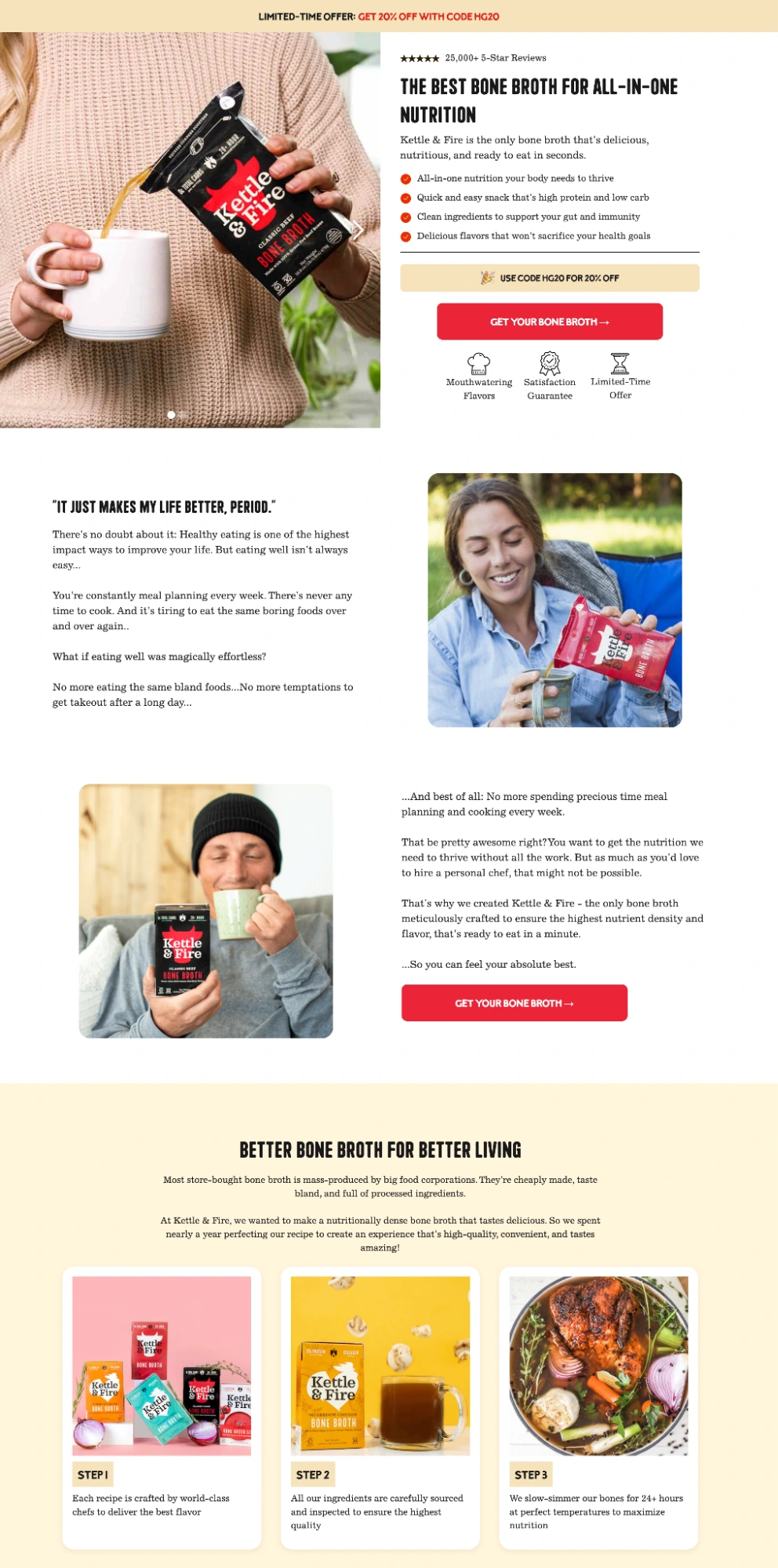
The modern digital marketing landscape is defined by an increasingly expensive paradox: while the cost of acquiring a click continues to rise across platforms like Google and Meta, the efficiency of the destination where those clicks land has largely stagnated. For many marketing teams, significant capital is invested in sophisticated targeting and high-quality creative assets, only for that traffic to be directed toward generic product pages that were never engineered for conversion. This disconnect creates a “leaky bucket” effect where paid budgets evaporate due to distraction-filled interfaces and a lack of message relevancy. Industry experts now point to the product landing page (PLP) as the critical bridge required to close this gap, transforming expensive traffic into measurable revenue through the discipline of the 1:1 conversion ratio.
The Fundamental Distinction: Product Landing Pages versus Product Detail Pages
To understand the current shift in performance marketing, one must distinguish between a standard Product Detail Page (PDP) and a dedicated Product Landing Page. A standard product page is a permanent asset within a website’s navigation, designed to inform and assist browsing visitors who may have arrived via organic search or site exploration. These pages are typically heavy with “exit opportunities,” including full navigation bars, links to related categories, social media icons, and footers.
In contrast, a product landing page is a standalone destination built for a specific campaign with a singular objective. Its defining characteristic is the 1:1 conversion ratio: one page, one goal, one call-to-action (CTA). By removing the navigation and external links found on a traditional e-commerce site, a product landing page focuses the visitor’s attention entirely on the offer at hand. This methodology is not merely a design preference but a strategic necessity for paid traffic. When a user clicks a specific ad, they expect a seamless transition to a page that mirrors the ad’s promise. A generic product page often fails this “message match” test, leading to higher bounce rates and wasted ad spend.

A Chronology of the Post-Click Experience
The evolution of the landing page tracks closely with the maturation of the digital advertising industry. In the early 2000s, “landing” usually meant the homepage—a strategy that is now considered obsolete for paid campaigns. By the 2010s, marketers began directing traffic to category or product pages, but these were still hindered by site-wide headers and footers that distracted users.

The current era, beginning around 2020, has seen the rise of “Post-Click Automation” and specialized platforms like Instapage. This shift allows enterprise teams to create, test, and scale thousands of individualized landing pages without the traditional “developer dependency.” The timeline of this evolution shows a clear trajectory toward hyper-personalization, where the landing page is no longer a static asset but a dynamic component of the ad creative itself.
Supporting Data: The Science of Conversion Mechanics
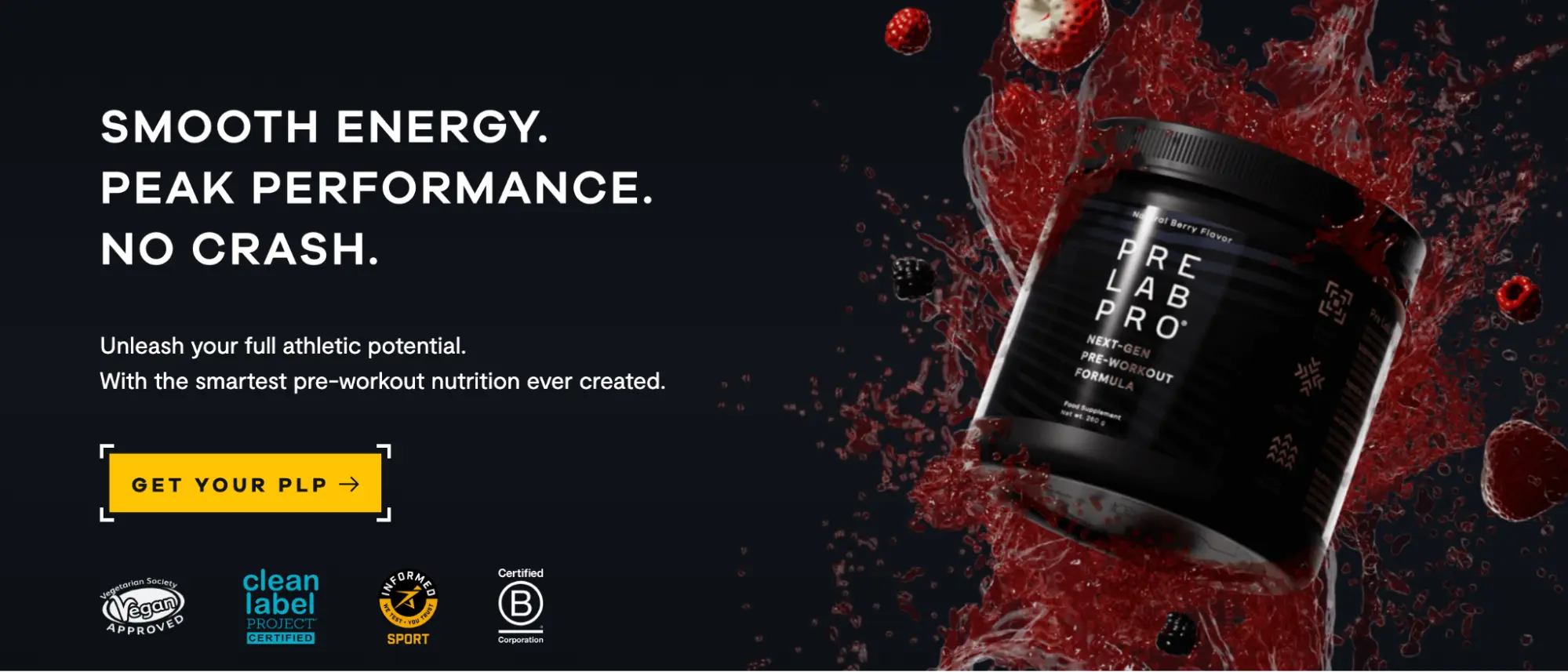
The transition toward specialized product landing pages is supported by extensive behavioral research and industry data. According to the Nielsen Norman Group, content “above the fold”—the area visible without scrolling—receives significantly more attention than anything below it. High-performing landing pages capitalize on this by placing the headline, primary benefit, and CTA within this immediate field of vision.
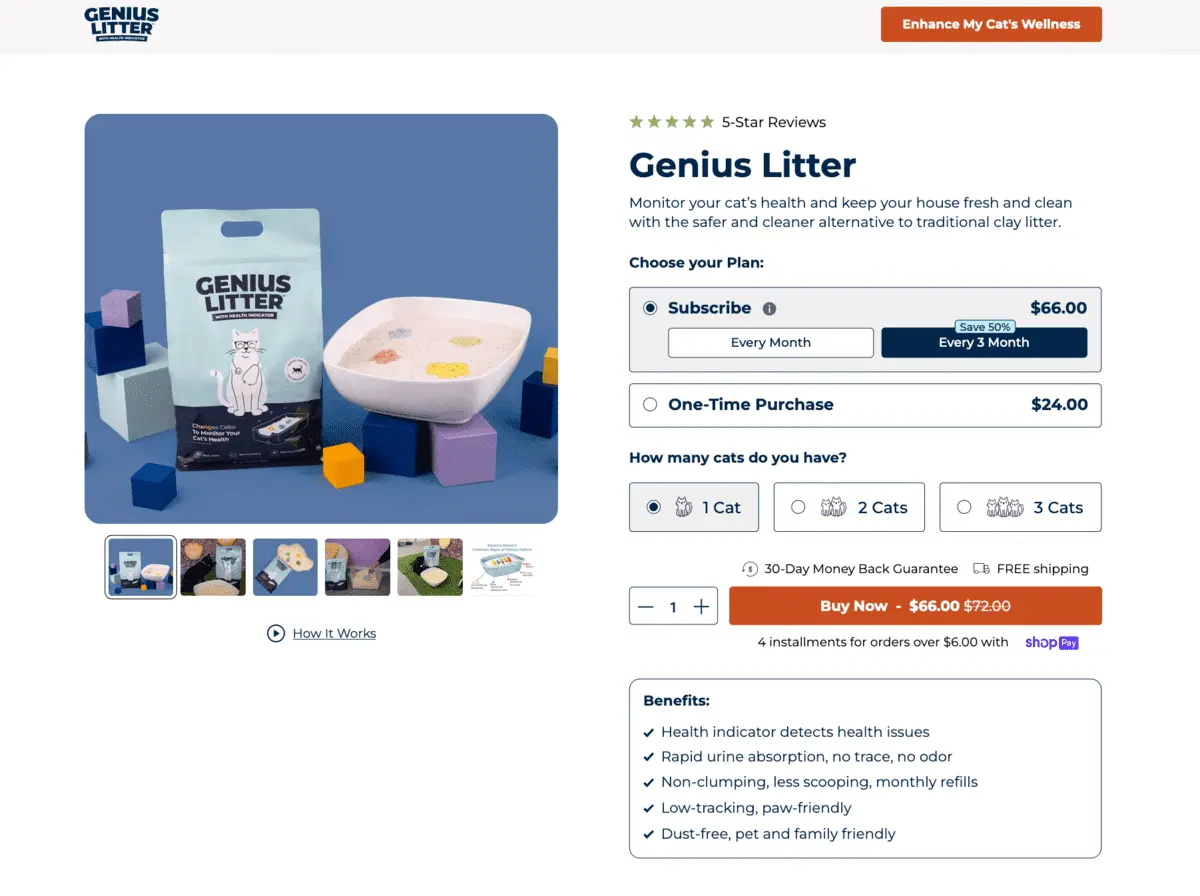
Further data from the Baymard Institute reveals that 18% of users abandon a purchase due to checkout complexity. This principle applies directly to landing page forms; every unnecessary field acts as a point of friction. Furthermore, page speed has become a non-negotiable factor. Google’s performance data consistently shows that for every second of mobile load delay, conversion rates can drop by double digits. This has led to the development of infrastructure-level solutions, such as the Thor Render Engine, designed to ensure pages load at speeds that meet modern “Core Web Vitals” standards.
Comparative Analysis: The Kettle & Fire Case Study
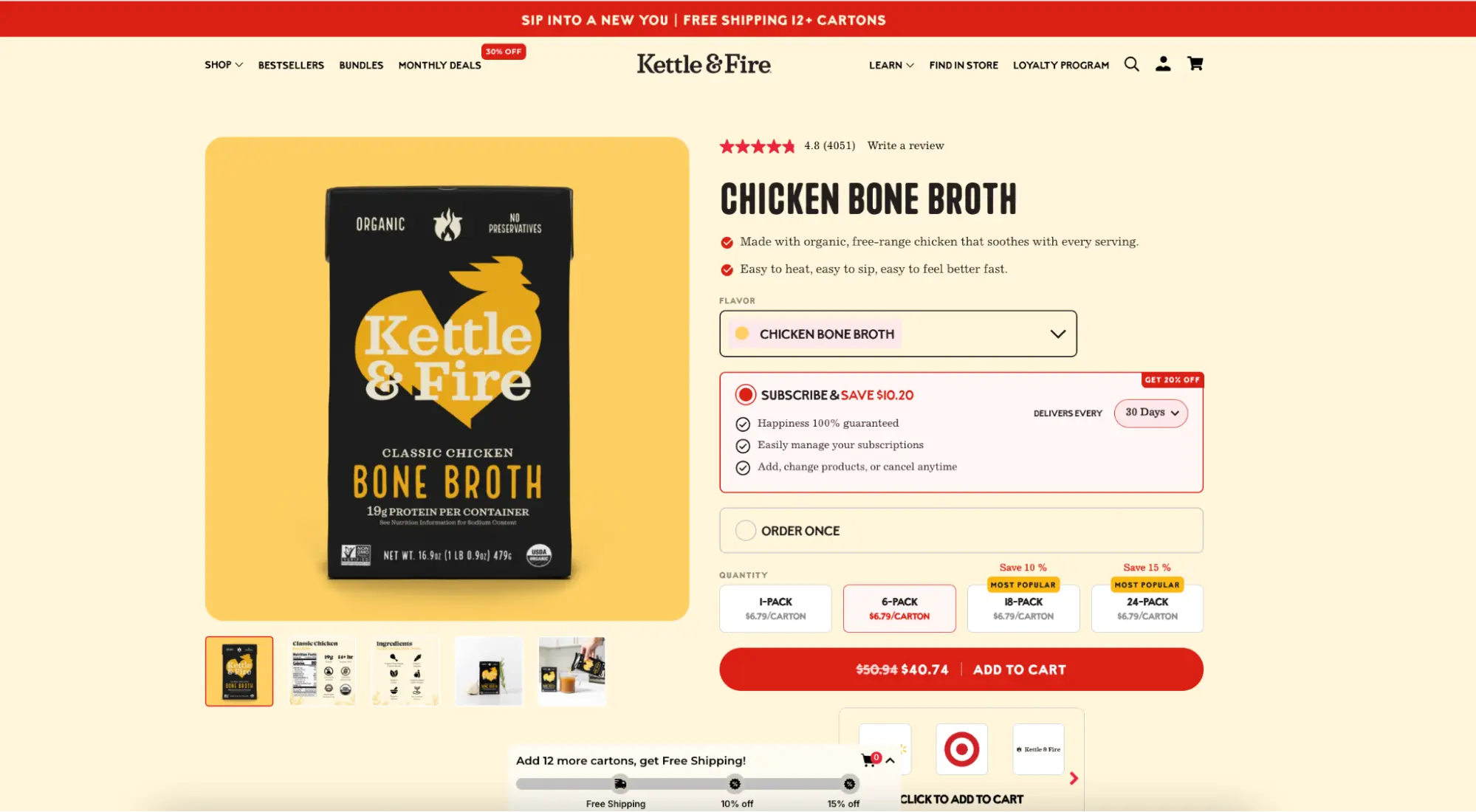
The functional difference between these page types is best illustrated by the bone broth brand Kettle & Fire, which utilizes both standard product pages and dedicated landing pages simultaneously. Their standard product page is a comprehensive resource featuring a full navigation bar, links to 12 different product variants, a “More Kettle & Fire” section, and an extensive footer. While excellent for SEO and general browsing, this page offers over 30 ways for a visitor to leave without making a purchase.
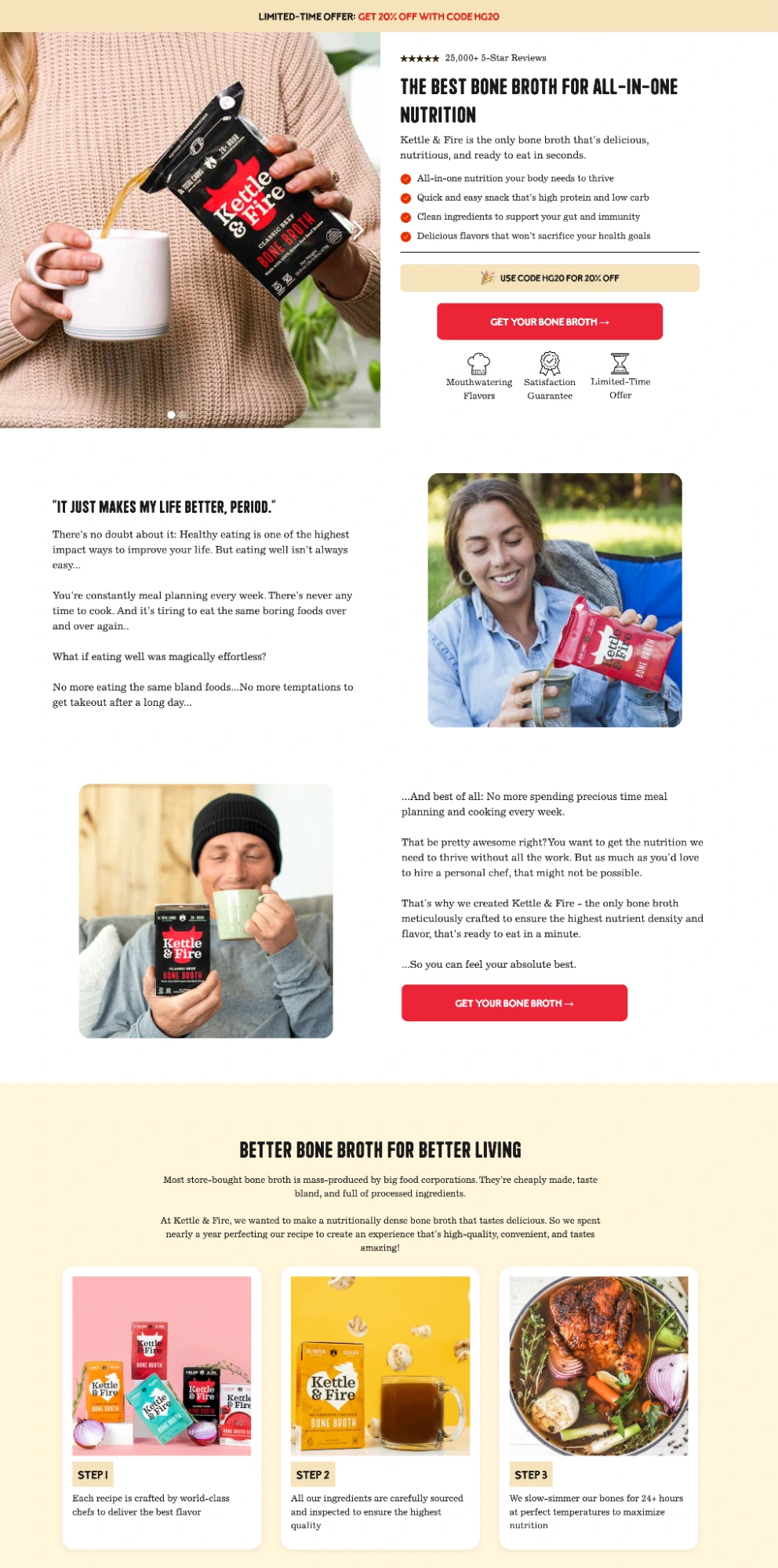
Conversely, their dedicated product landing page, hosted on a separate subdomain, strips away all navigation. Every link on the page either scrolls to a specific informational section or leads directly to the checkout. The page utilizes urgency through limited-time discount codes and builds credibility through expert quotes from recognized health figures. This “closed-loop” environment ensures that the only way off the page is to buy or close the tab, a practice that drastically improves the efficiency of their Facebook and Instagram ad spend.
The Taxonomy of Product Landing Pages
Modern marketing strategies generally categorize product landing pages into three distinct types, each serving a different stage of the buyer’s journey or campaign objective:

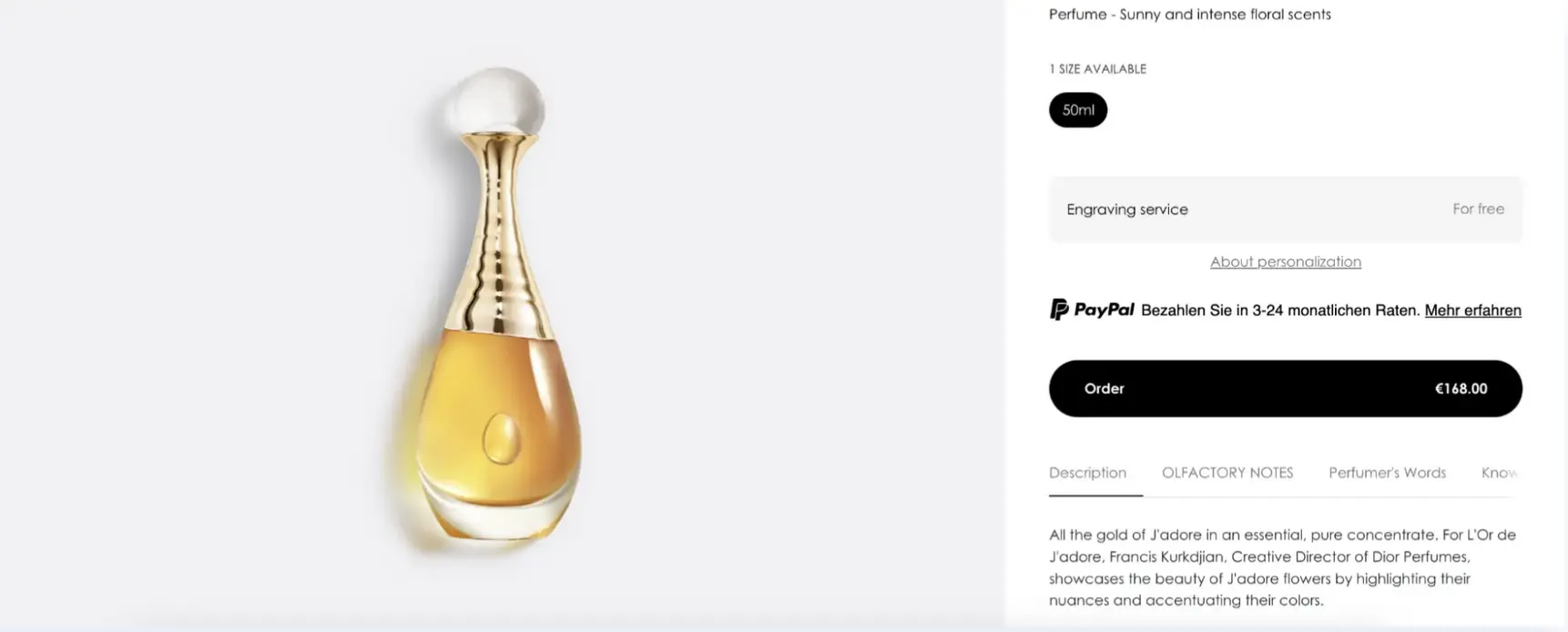
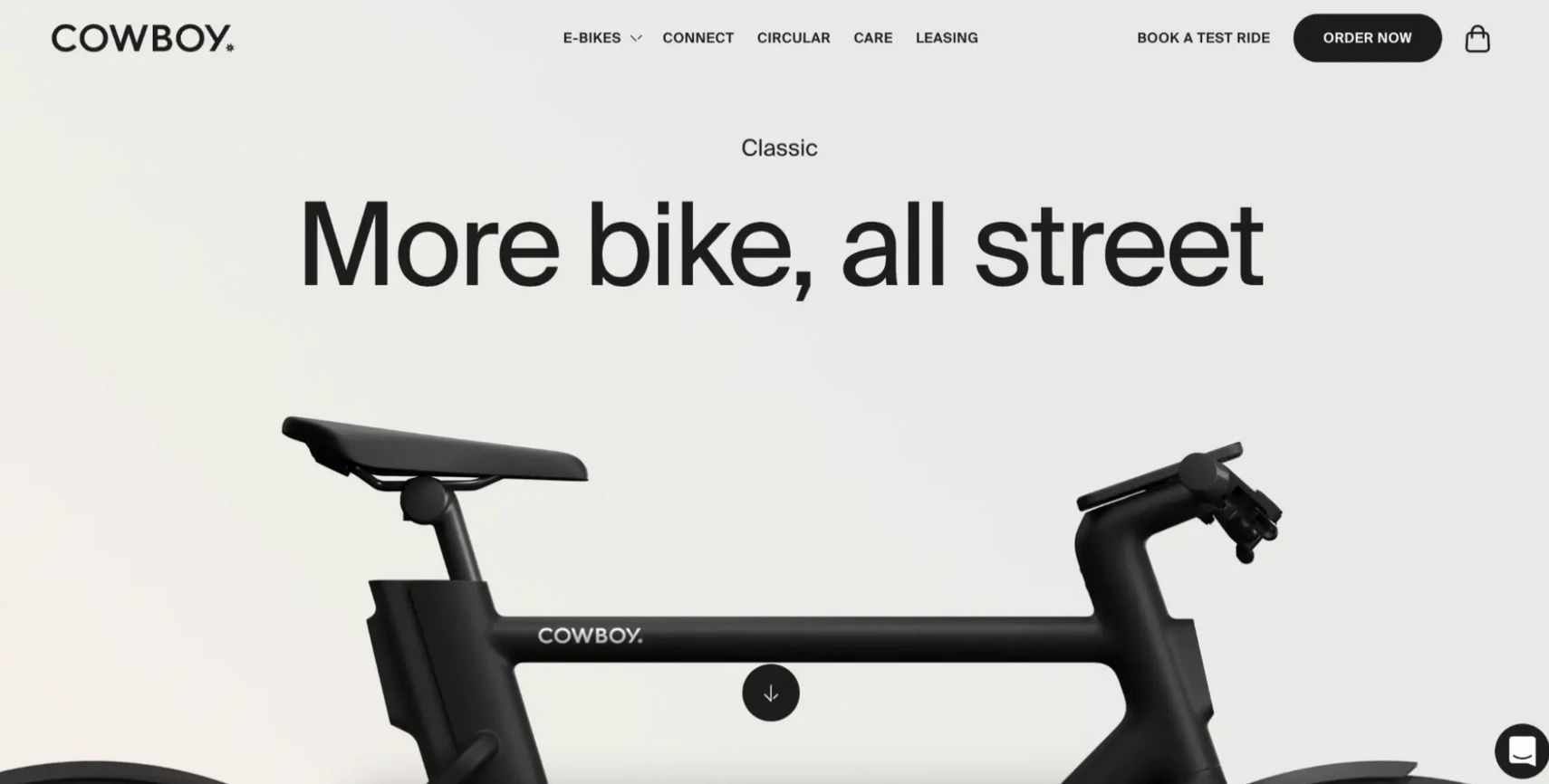
- Single-Product Landing Pages: These are built around a specific SKU or offer. They are most effective when an ad targets a specific product, ensuring a tight message match. Examples include high-consideration items like the Oura Ring or Cowboy 4 e-bikes, where the page must overcome specific objections through detailed feature explanations and 360-degree visuals.
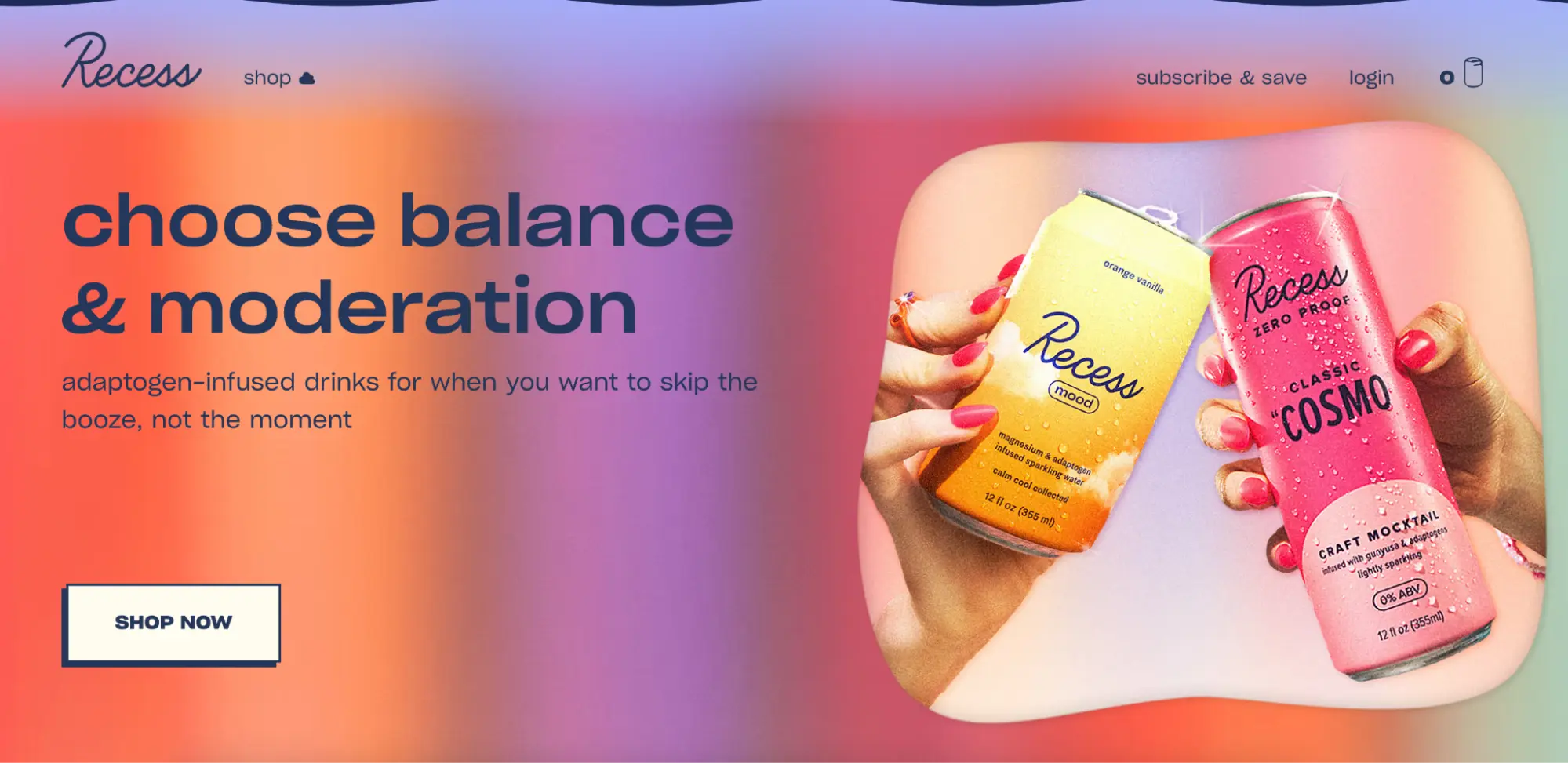
- Multi-Product Landing Pages: Used when an ad targets a broader category or brand keyword. These pages, used by brands like Ridge or Adidas, help visitors navigate to the right product within a family while maintaining a consistent campaign aesthetic. They often feature filtering mechanisms to help users self-select based on their specific needs.
- Product Launch Landing Pages: Specifically designed for new releases, pre-orders, or waitlists. Brands like Tierra and Teenage Engineering use these to capture intent and build email lists before a product is fully available, often utilizing “early access” incentives to drive high-volume sign-ups.
Industry Perspectives and Official Responses
Marketing technology leaders emphasize that the landing page is the “unsung hero” of the marketing stack. “Most marketing teams spend heavily on targeting and creative, then send traffic to a generic product page that wasn’t built to convert,” notes an analysis from Instapage. The industry-wide consensus among performance marketers is that the landing page should be viewed as a “paid traffic problem” rather than a technical one.
Furthermore, industry analysts suggest that the rise of AI in content generation is lowering the barrier to entry for high-scale landing page production. Tools that generate headlines and CTA variations based on audience data allow teams to run dozens of A/B tests simultaneously, a process that previously required weeks of manual labor.

Broader Impact and Implications for the Future of E-Commerce
The shift toward dedicated product landing pages has broader implications for the e-commerce industry. First, it signals the end of the “one-size-fits-all” website. As consumer expectations for personalization grow, the ability to serve a unique landing page tailored to a specific ad group or audience segment becomes a competitive advantage.
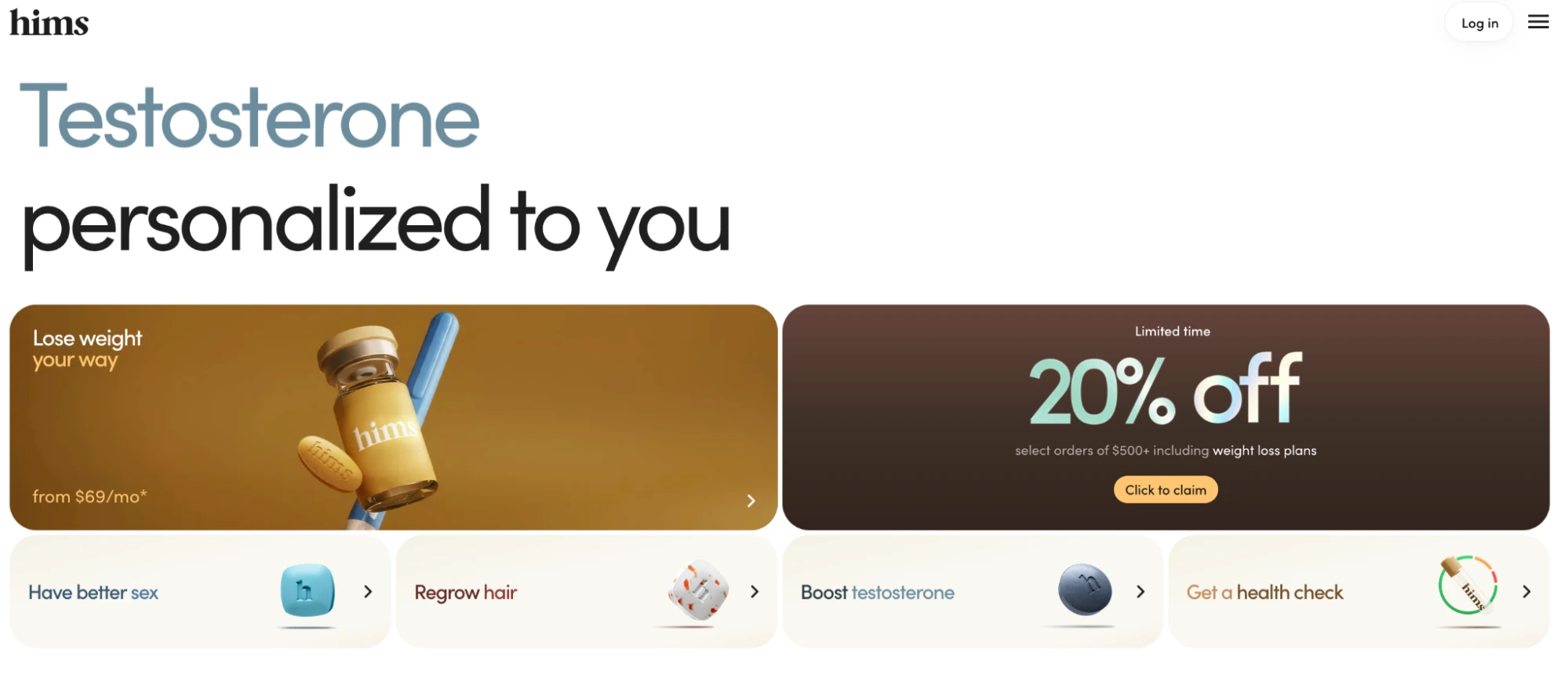
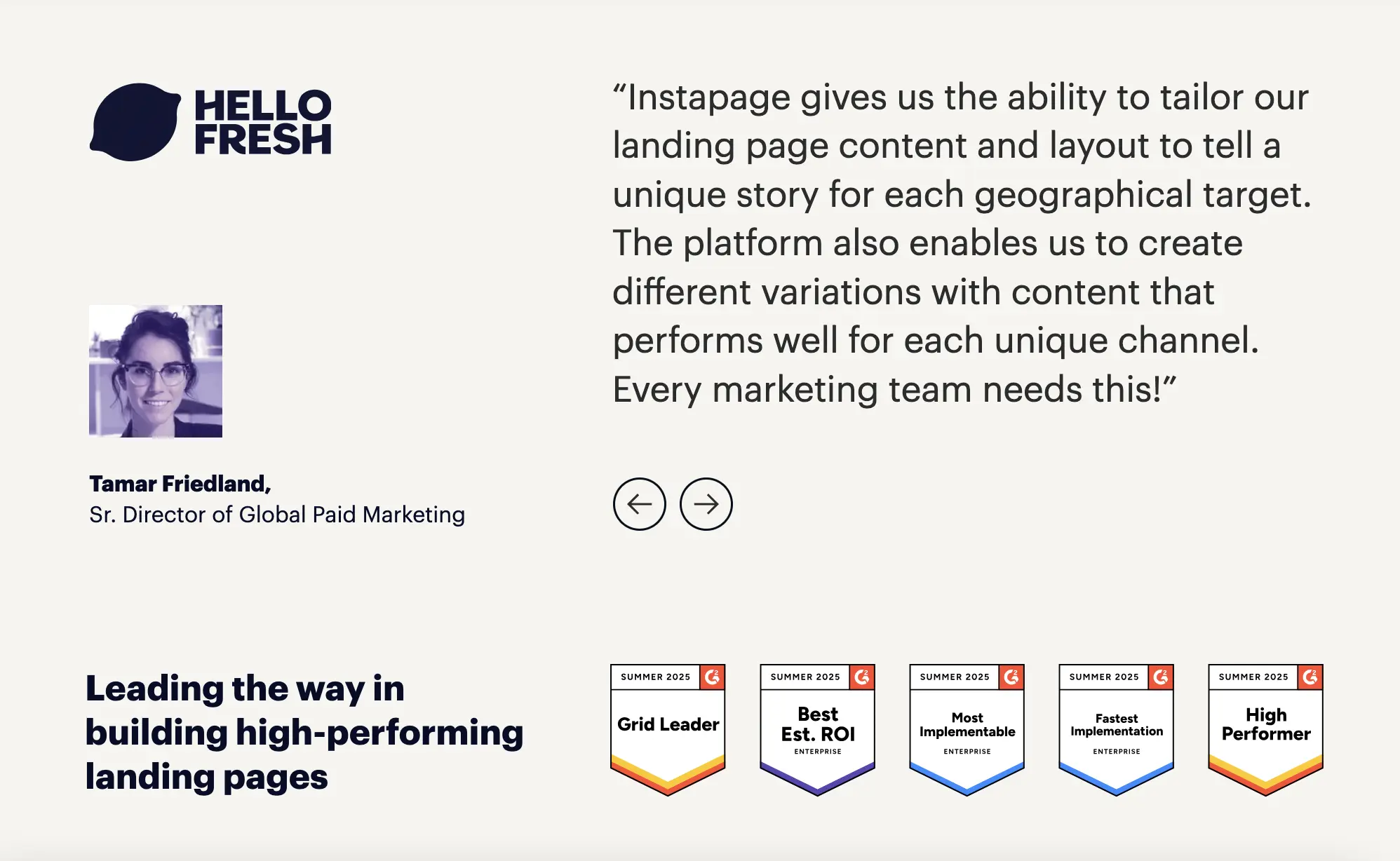
Second, the integration of social proof—such as user-generated content, review star ratings, and award logos—near the CTA is becoming standard practice. This “trust-building at the point of action” is essential for reducing purchase anxiety in an era where consumers are increasingly skeptical of traditional advertising.

Finally, the focus on “server-side” A/B testing and heatmapping is turning landing page design into a data-driven science. By monitoring metrics such as Cost Per Conversion and Return on Ad Spend (ROAS) alongside behavioral data from heatmaps, brands can engage in a cycle of continuous optimization. A page with a low conversion rate but high scroll depth suggests a problem with the offer or the CTA, whereas a low scroll depth indicates a failure in the above-the-fold value proposition.

Conclusion: Engineering for the Conversion
In conclusion, the efficacy of a digital advertising campaign is ultimately determined not by the click itself, but by what happens after the click. Product landing pages represent the most disciplined approach to conversion, eliminating distractions and aligning the post-click experience with the initial ad intent. As ad costs continue to climb, the brands that succeed will be those that view their landing pages as dynamic, high-performance tools rather than static digital brochures. By adhering to the principles of message match, visual hierarchy, and the 1:1 conversion ratio, businesses can ensure that their marketing budgets are an investment in growth rather than a cost of doing business.








