
 rifanmuazin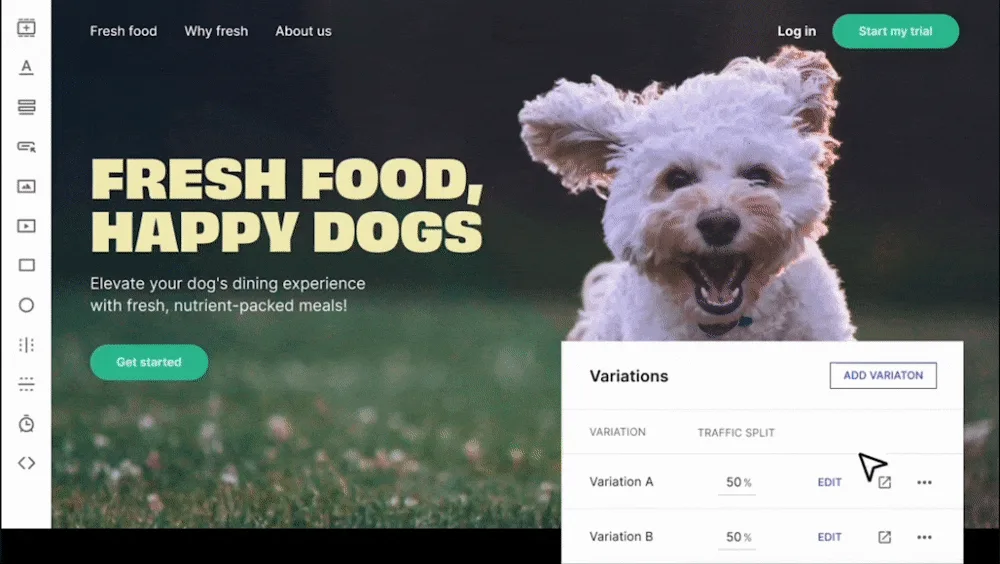
The digital marketing landscape has reached a point of saturation where the mere acquisition of traffic no longer guarantees commercial success. As customer acquisition costs (CAC) continue to climb across platforms like Google Ads and Meta, the strategic focus for enterprises has shifted from quantity to quality—specifically, the optimization of the post-click experience. Creating a landing page is a complex endeavor that requires the perfect alignment of ad-to-page relevance, compelling offers, and a user interface that guides visitors toward a conversion. However, even when marketers adhere to best practices, conversion rates frequently fall below established benchmarks, leading to wasted ad spend and diminished return on investment (ROI).
Industry experts argue that when a page underperforms, the solution is not to abandon the campaign but to engage in rigorous scientific inquiry. This is the fundamental premise of A/B testing, a method of controlled experimentation that identifies which specific page elements—ranging from headlines and imagery to call-to-action (CTA) buttons—are driving or hindering user engagement. By creating multiple variations of a page and splitting traffic between them, businesses can leverage data-driven insights to refine their digital presence.

The Evolution of Conversion Rate Optimization (CRO)
The history of web experimentation has moved through several distinct phases. In the early 2000s, optimization was largely a manual process, often restricted to large tech companies with the engineering resources to hard-code different versions of a site. Google famously tested 41 different shades of blue for its toolbar links in 2009, a move that reportedly increased ad revenue by $200 million annually. This milestone validated the “marginal gains” philosophy in web design.
By the mid-2010s, the “no-code” revolution began to democratize testing. Tools emerged that allowed marketers to drag and drop elements, making experimentation accessible to small and medium-sized enterprises (SMEs). Today, we are in the era of AI-driven experimentation. Modern platforms do more than just split traffic; they use machine learning to predict winner variations, automate copy generation, and personalize the user experience in real-time based on visitor demographics and behavior.
Critical Benchmarks and the Necessity of Testing
Data from across the marketing sector suggests that the average conversion rate for a landing page sits between 2% and 5%. However, top-tier performers in industries like finance or legal services often see rates exceeding 10%. The gap between an average performer and a market leader is usually bridged through consistent A/B testing.
A/B testing provides answers to several critical business questions:
- Which headline resonates most with a specific audience segment?
- Does a long-form landing page build more trust than a concise, visual-heavy layout?
- How do different CTA placements affect mobile versus desktop users?
- What role does social proof, such as testimonials or logos, play in reducing friction?
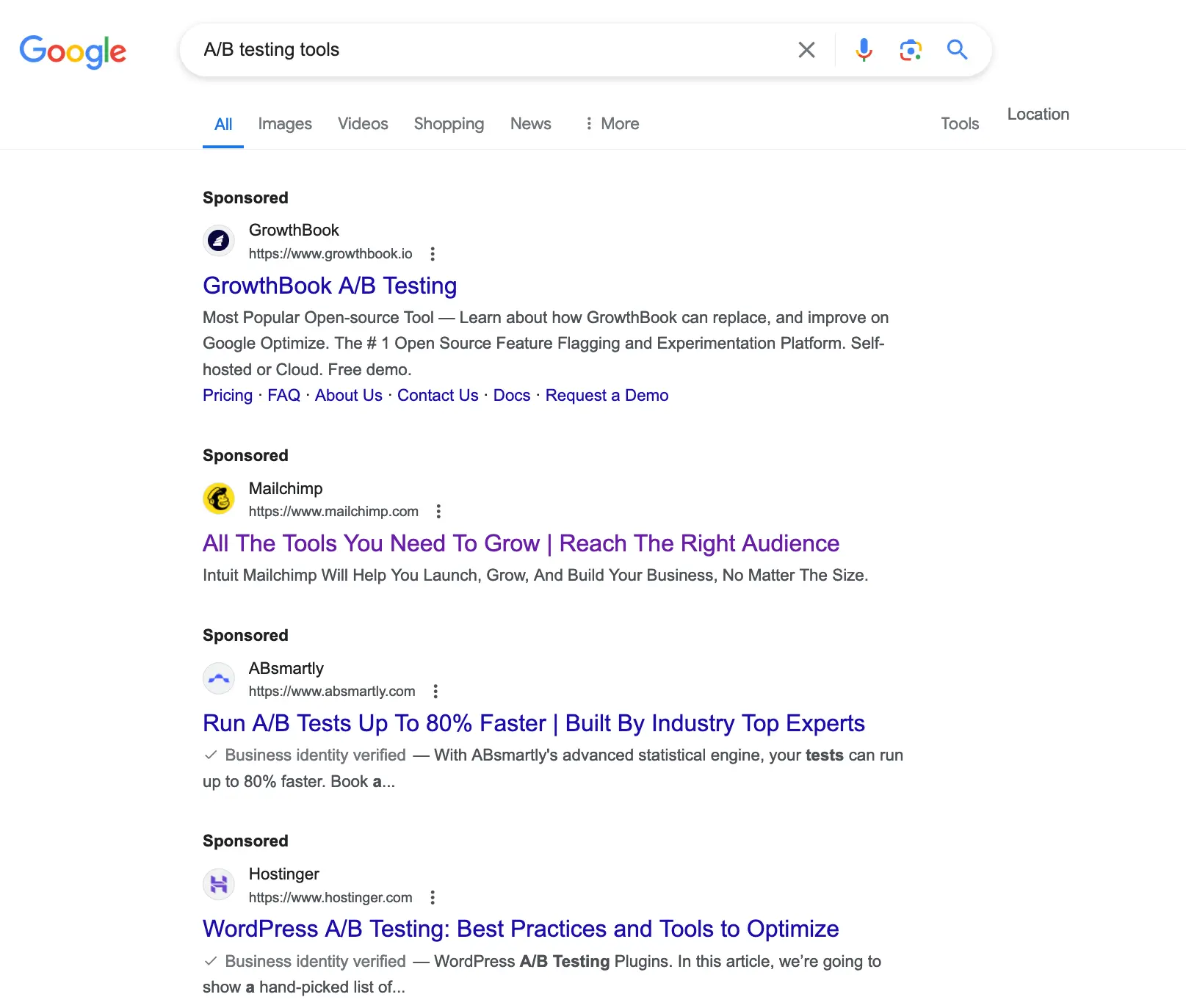
As the industry matures, the criteria for evaluating A/B testing platforms have become more stringent. Marketers now prioritize ease of integration, the sophistication of statistical models (Bayesian vs. Frequentist), the impact on page load speeds, and the ability to conduct server-side experiments that bypass ad-blockers and browser limitations.
Leading Solutions in the A/B Testing Market
1. Instapage: Leading with AI-Driven Personalization
Instapage has positioned itself as a comprehensive solution for marketers who require both speed and depth. Unlike traditional tools that function as an overlay on existing sites, Instapage is a no-code landing page builder with built-in server-side experimentation. This architecture is significant because it eliminates the “flicker effect”—a common issue where the original page briefly appears before the test variation loads, which can skew data and hurt user experience.
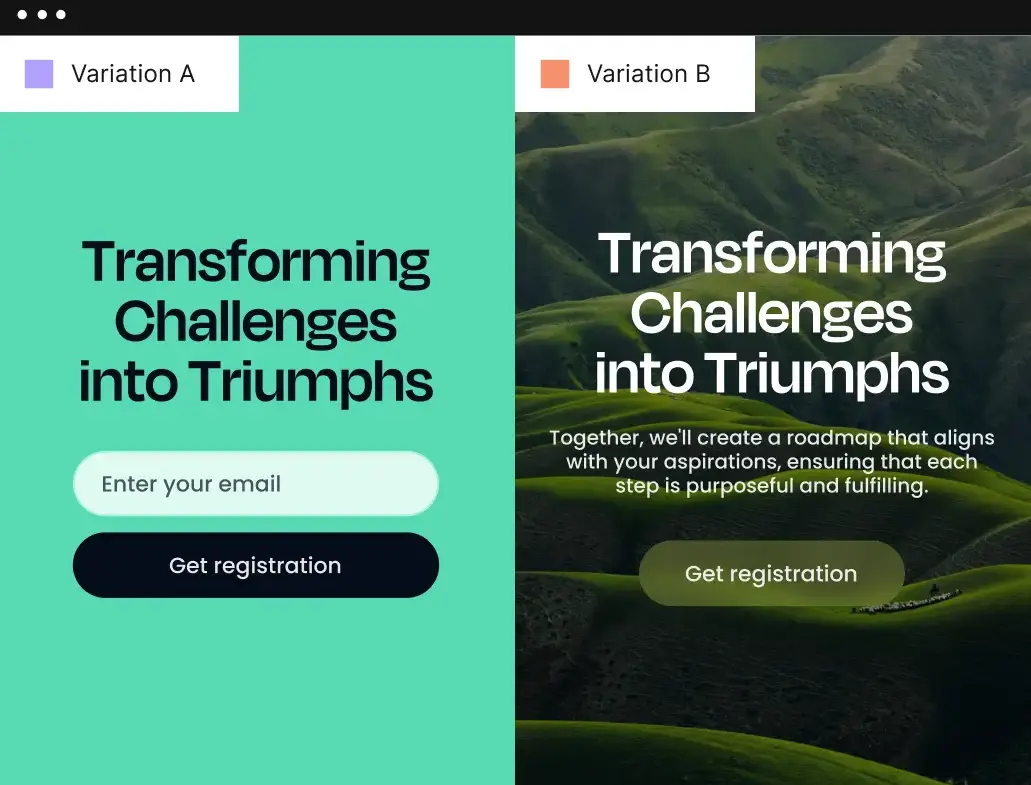
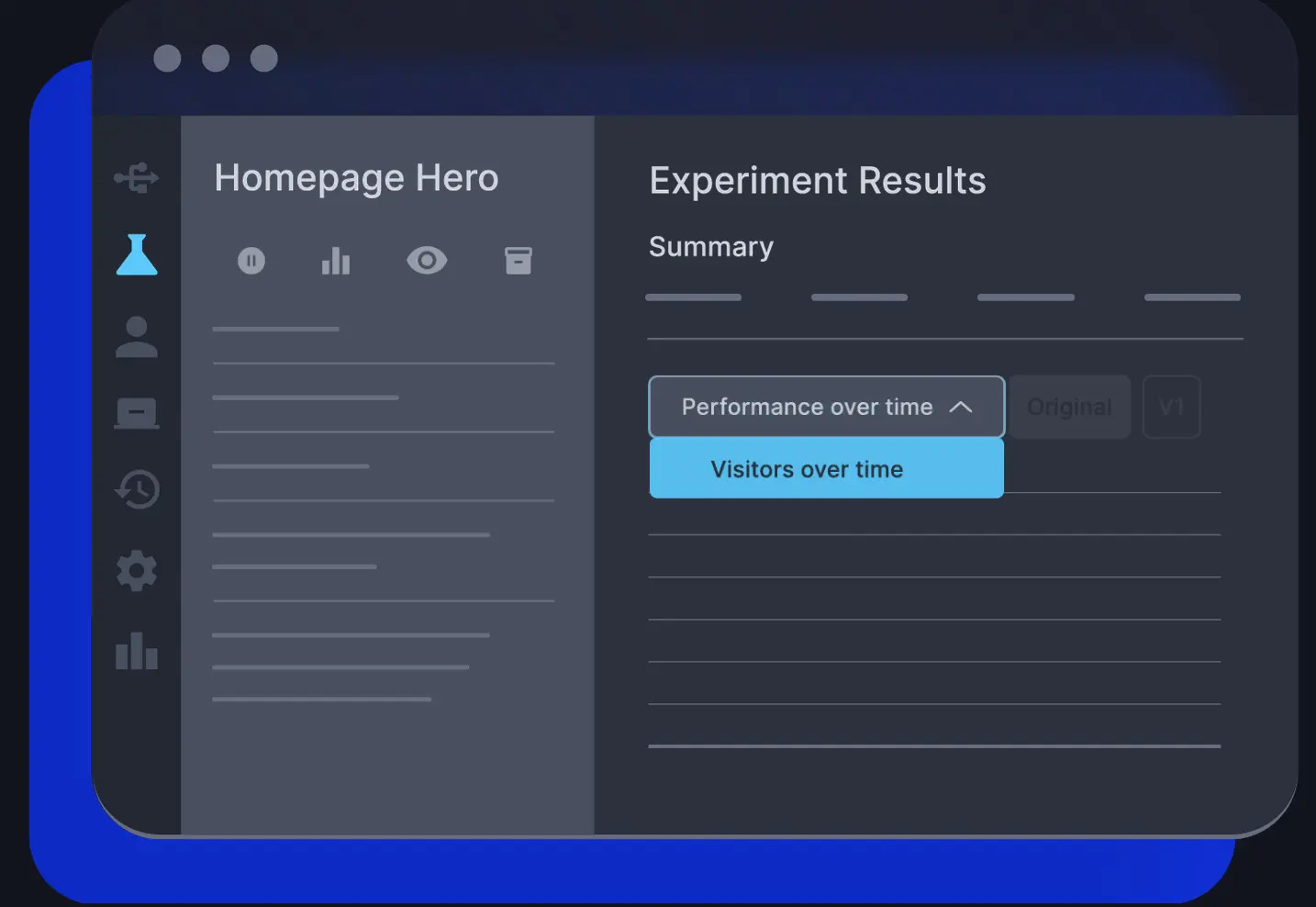
The platform’s “AI Experiments” feature represents the cutting edge of CRO. Traditional A/B testing splits traffic 50/50 until a winner is declared, which inevitably means half the traffic is sent to a lower-performing page during the test. Instapage’s AI uses dynamic traffic allocation to identify the winning variation earlier and automatically shift more traffic toward it, maximizing conversions even while the test is active.
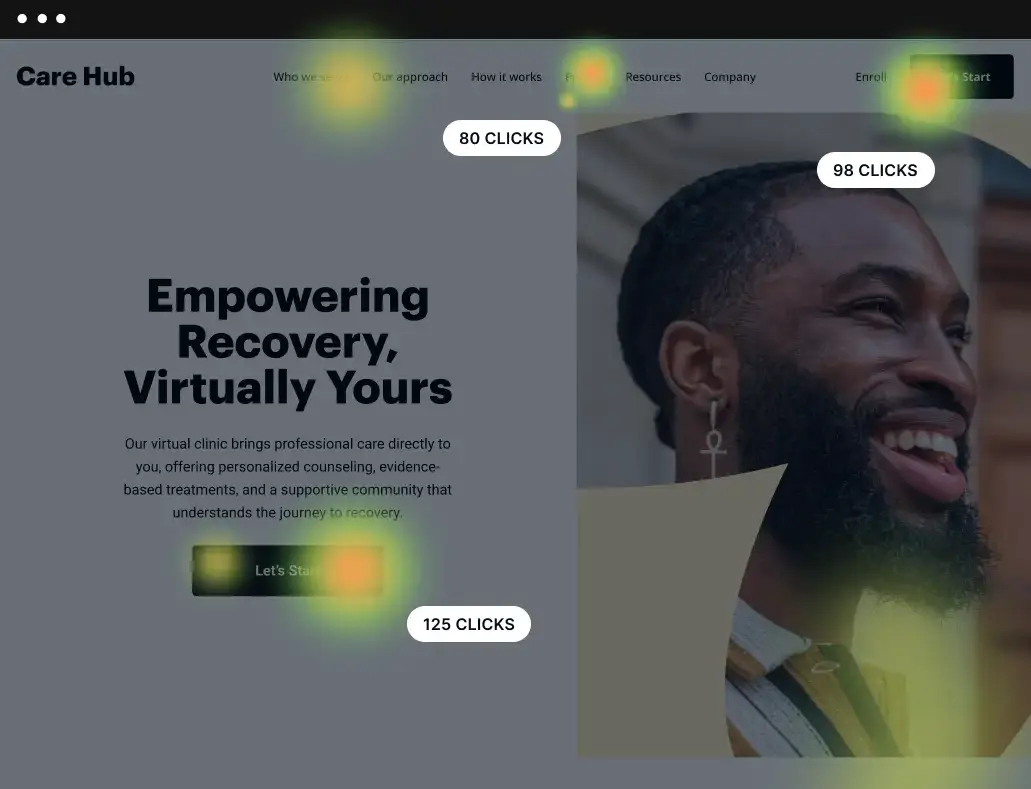
Case studies, such as those from Verizon’s Digital Media Services (VDMS), highlight the tangible impact of this technology. By utilizing Instapage’s heatmaps—which track mouse movement, clicks, and scroll depth—alongside A/B testing, VDMS was able to cut its cost-per-conversion by more than 50%. The ability to see visitor behavior firsthand allows teams to move beyond “what” is happening to “why” it is happening.
2. VWO (Visual Website Optimizer): The Power of Split URL Testing
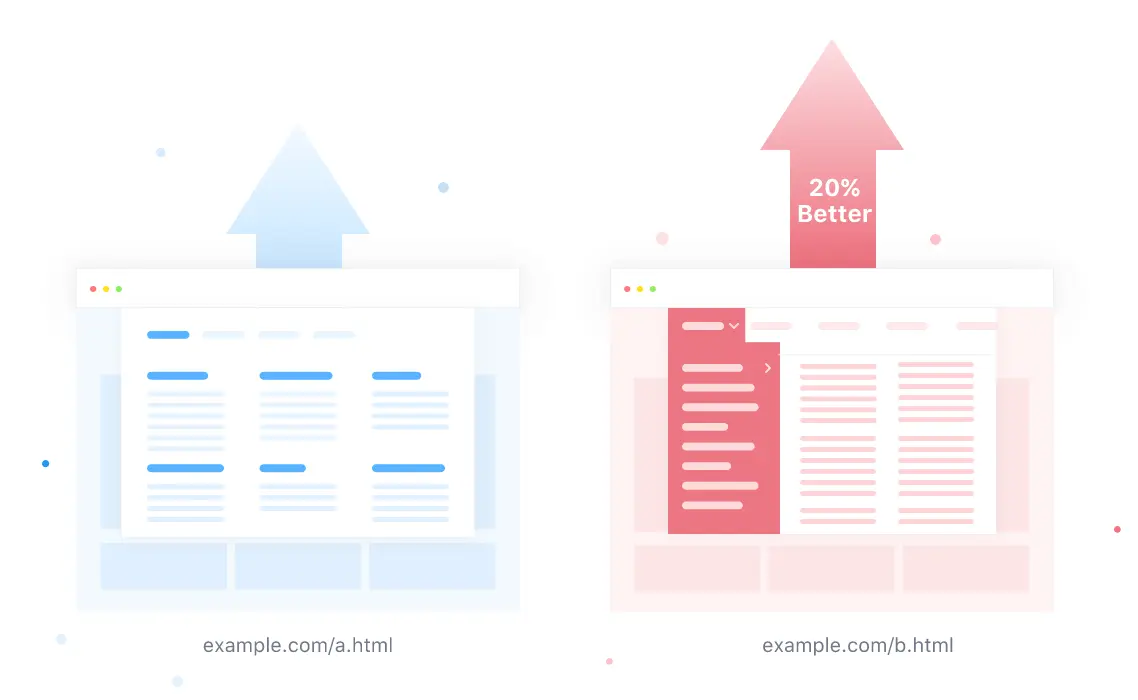
VWO is a veteran in the CRO space, known for its robust split URL testing capabilities. While standard A/B testing focuses on changing elements on a single page, split URL testing allows marketers to compare two entirely different designs hosted on different URLs. This is particularly useful for major brand overhauls or when testing radically different user journeys.
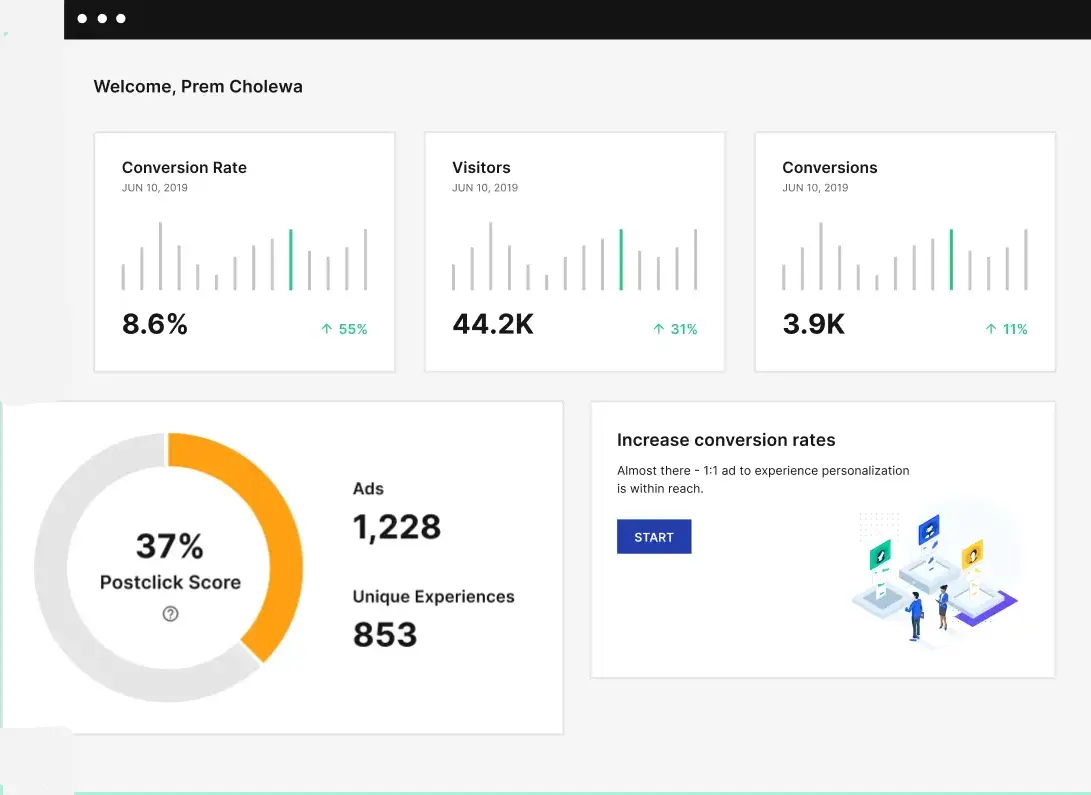
VWO’s platform is built on a Bayesian statistical engine, which provides a “probability of being best” metric. This makes it easier for non-statisticians to understand the likelihood that a specific variation will continue to perform well in the future. Furthermore, VWO offers a multi-channel approach, allowing businesses to track a user’s journey across different devices to ensure a cohesive testing environment.
3. Optimizely: Enterprise-Grade Experimentation
Optimizely is often the choice for large-scale enterprises with complex technical requirements. The platform has evolved into a full-scale digital experience platform (DXP), offering both web and feature experimentation. For technical teams, Optimizely provides “network edge” testing, which executes experiments at the CDN level, ensuring near-zero latency.
One of Optimizely’s standout features is its visual editor paired with low-code extension templates. This allows marketing teams to make sophisticated changes without constantly relying on a dedicated developer. Additionally, its embedded AI capabilities can suggest copy variations for CTAs, helping teams overcome creative blocks during the experimentation phase.
4. GrowthBook: The Open-Source Alternative
GrowthBook represents a growing trend toward data transparency and vendor independence. As an open-source platform, it allows companies to keep their data within their own infrastructure, which is a critical requirement for industries with high privacy standards, such as healthcare or fintech.
GrowthBook integrates directly with major SQL data sources, Google Analytics, and Mixpanel. This allows data scientists to use their existing data warehouses to power experiments. By decoupling the experimentation logic from the data storage, GrowthBook provides a level of flexibility that proprietary SaaS tools often cannot match, particularly for companies that want to avoid “vendor lock-in.”
The Strategic Impact of A/B Testing on Business Growth
The implications of adopting a robust testing culture extend far beyond individual campaign metrics. From a financial perspective, improving a conversion rate from 2% to 4% effectively doubles a company’s revenue without increasing its advertising budget. This efficiency is what allows businesses to scale aggressively in competitive markets.
Moreover, A/B testing fosters a culture of “intellectual humility” within marketing teams. It moves decision-making away from the “HIPPO” (Highest Paid Person’s Opinion) and toward empirical evidence. When every design choice must be validated by data, the risk of launching a failed product or marketing campaign is significantly mitigated.
Future Outlook: The Role of Artificial Intelligence
Looking toward 2025 and beyond, the integration of Large Language Models (LLMs) like GPT-4 into A/B testing workflows will likely be the next major disruption. We are moving toward a reality where AI doesn’t just test two versions of a headline; it generates 10,000 hyper-personalized variations for 10,000 different users in real-time.
As privacy regulations like GDPR and CCPA become more stringent, and as third-party cookies are phased out, the importance of first-party data gathered through on-site experimentation will only grow. The winners in the next decade of digital commerce will be the organizations that can most effectively turn visitor behavior into actionable insights.
Conclusion
The selection of an A/B testing tool is a foundational strategic decision. Whether a company chooses the all-in-one efficiency of Instapage, the statistical depth of VWO, the enterprise scale of Optimizely, or the open-source flexibility of GrowthBook, the objective remains the same: to stop guessing and start knowing. In an era where every click has a cost, the ability to optimize every conversion is not just a competitive advantage—it is a requirement for survival. Marketers are encouraged to utilize trial periods and conduct pilot tests to determine which platform aligns best with their technical capabilities and business goals, ensuring that their landing pages finally meet, and eventually exceed, their conversion benchmarks.








