
 rifanmuazin
The digital marketing landscape has undergone a significant transformation over the last two decades, evolving from simple hit counters to sophisticated experimentation ecosystems that dictate the multi-billion dollar e-commerce and SaaS industries. At the center of this evolution are Conversion Rate Optimization (CRO) tools, designed to help businesses understand visitor behavior and improve website performance. Two of the most prominent names in this sector, Crazy Egg and AB Tasty, represent diverging philosophies in the software-as-a-service (SaaS) market. While Crazy Egg has positioned itself as an all-in-one, accessible solution for small-to-mid-sized businesses (SMBs), AB Tasty—recently merged with industry peer VWO—has solidified its standing as a high-end enterprise platform tailored for complex, multi-layered experimentation programs.
The Evolution of Digital Experimentation
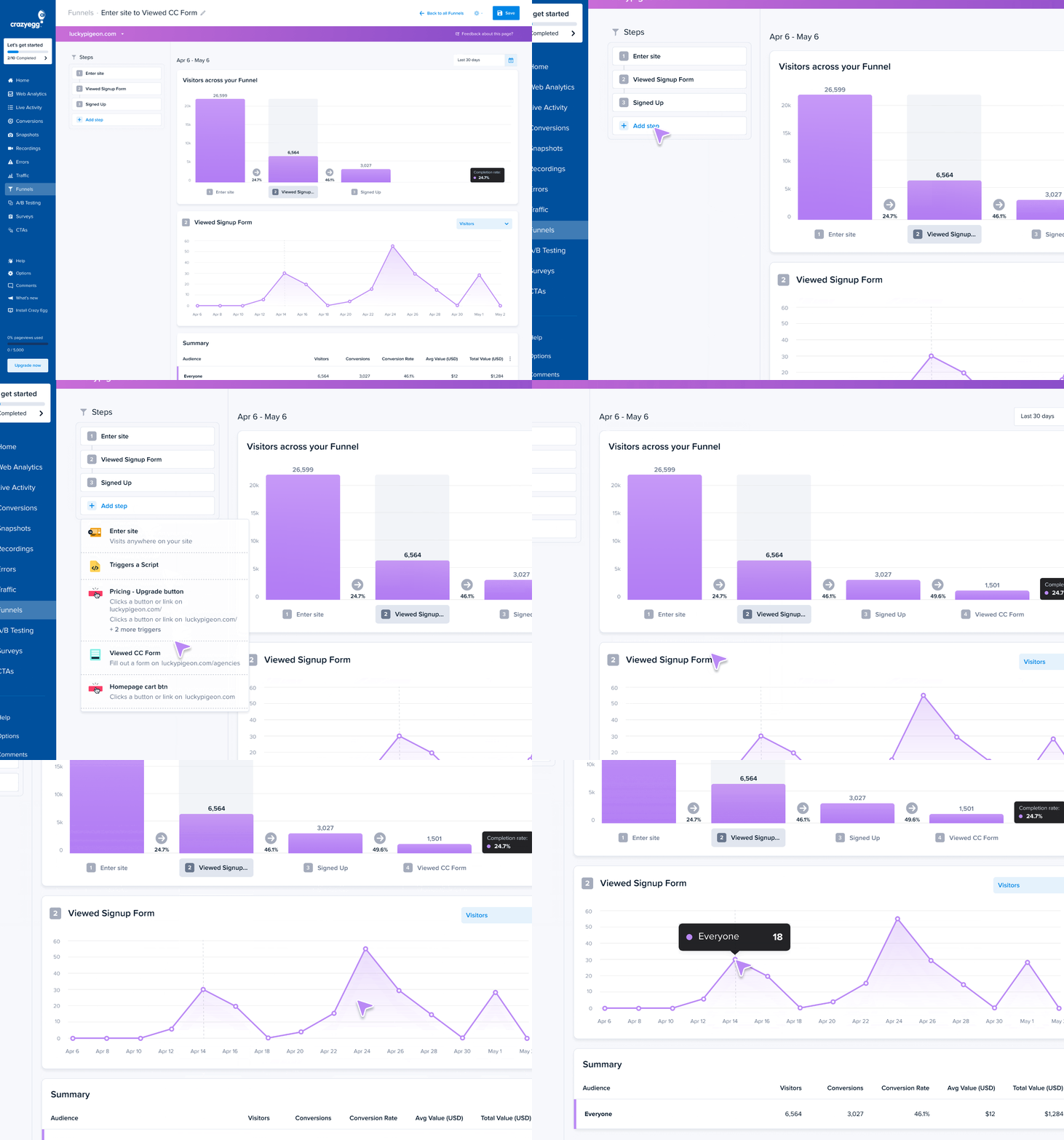
To understand the current competition between Crazy Egg and AB Tasty, one must look at the chronology of the CRO industry. Crazy Egg was co-founded in 2006 by Hiten Shah and Neil Patel, emerging as one of the first tools to popularize “heatmapping” technology. At a time when Google Analytics provided only raw numbers, Crazy Egg offered a visual representation of where users clicked. This revolutionized how webmasters approached design, moving the industry away from aesthetic guesswork toward data-driven UI/UX.
AB Tasty entered the market later, in 2013, during a period when the enterprise sector began demanding more than just visual data. Large-scale corporations required server-side testing, feature flags, and advanced personalization layers to manage thousands of daily transactions across global jurisdictions. The recent merger and strategic alignment between AB Tasty and VWO marks a pivotal moment in the industry, creating a dominant enterprise block designed to compete with legacy players like Adobe Target and Optimizely.
Core Feature Analysis: A/B Testing and Experimentation
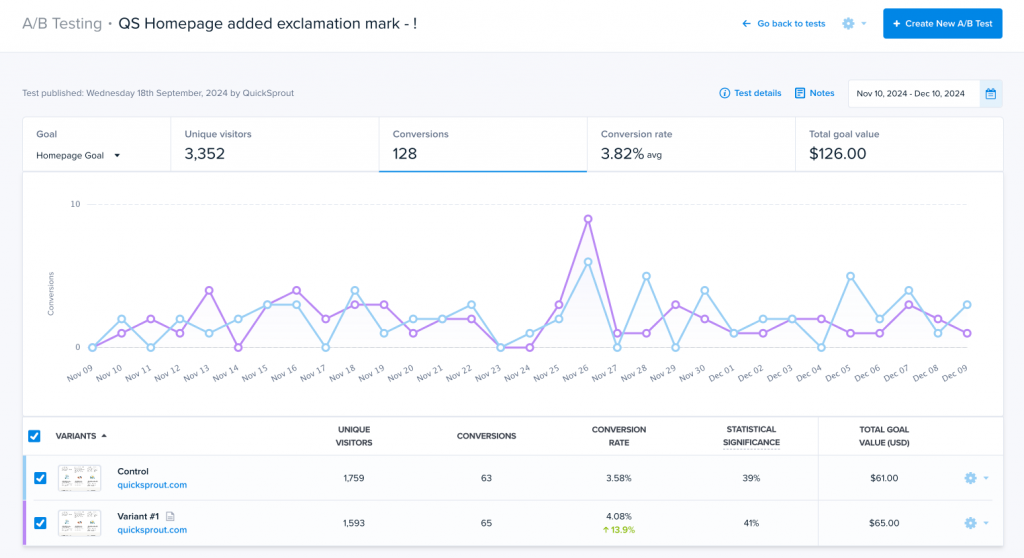
The fundamental purpose of both platforms is A/B testing—the process of comparing two versions of a webpage to see which performs better. However, the technical depth of these offerings varies significantly based on the target user.
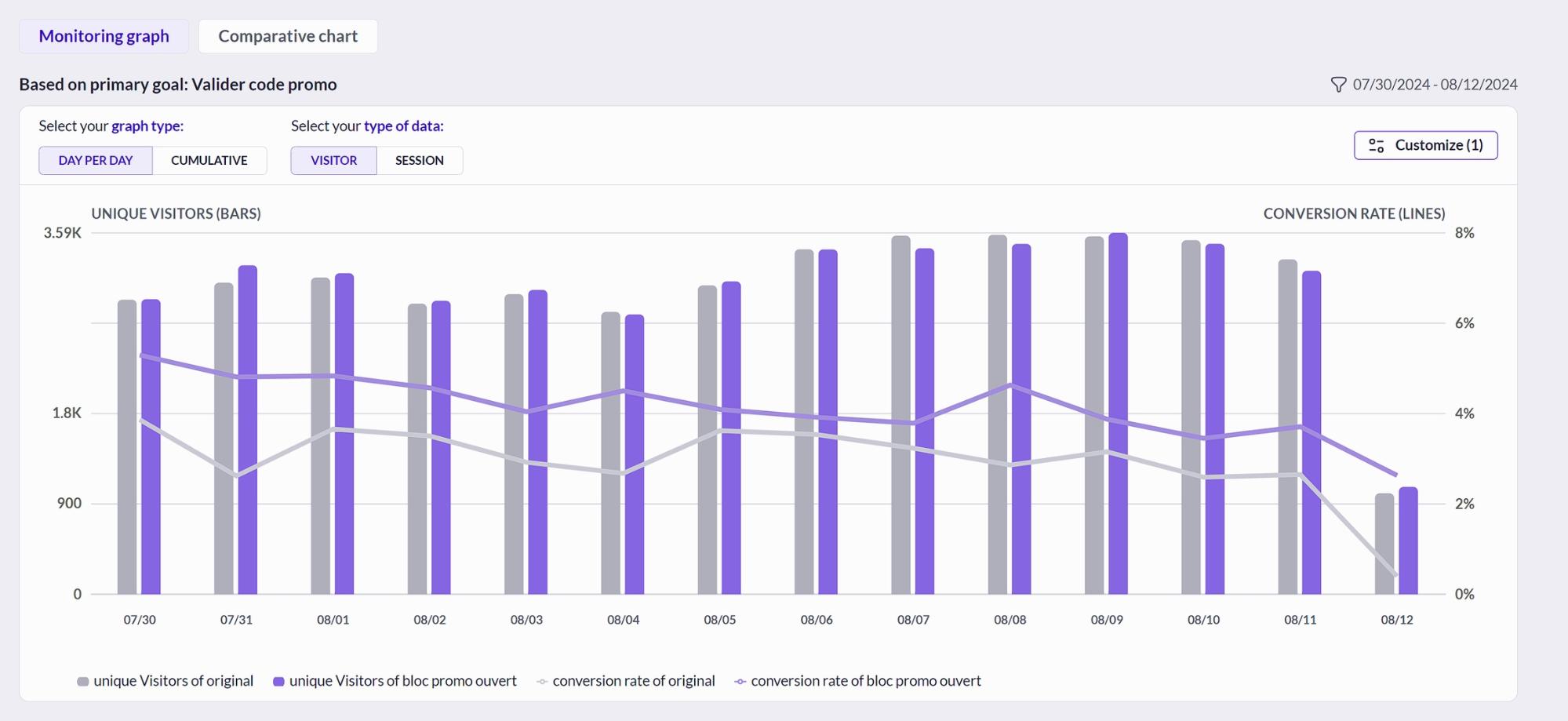
AB Tasty is widely regarded as the more robust testing engine for large-scale operations. Its Web Experimentation module supports not only standard A/B and split URL tests but also multivariate testing (MVT) and multi-page experiments. Multivariate testing is a critical requirement for enterprise teams, allowing them to test several variables—such as headlines, images, and button colors—simultaneously to determine the optimal combination. Furthermore, AB Tasty provides “Mutually Exclusive Experiments,” a feature that ensures a single visitor is not exposed to multiple conflicting tests at once, which could otherwise contaminate the data integrity of a high-traffic site.
Crazy Egg approaches testing through the lens of the “full optimization workflow.” While it lacks multivariate testing, it excels in integrating behavioral data directly into the testing cycle. A standout feature of Crazy Egg is the automatic generation of heatmaps and session recordings for every test variant. This allows marketers to not only see which version won but to watch recordings of users interacting with the losing variant to understand exactly where the friction occurred. Crazy Egg also utilizes a Multi-Armed Bandit (MAB) algorithm, which automatically shifts traffic toward the winning version in real-time, minimizing the “regret” of lost conversions during the testing period.
Behavioral Analytics and User Insight Tools
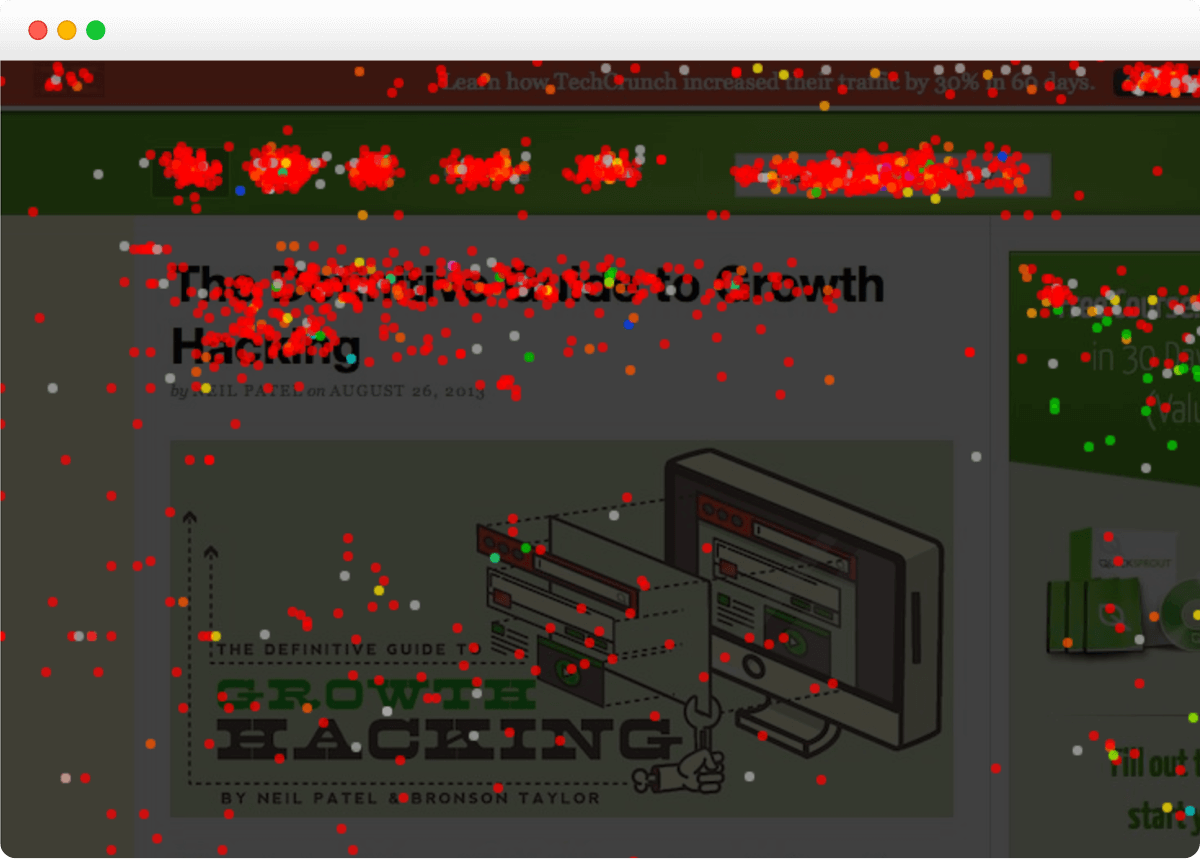
A major point of differentiation lies in the “native” versus “integrated” capabilities of the two platforms. Crazy Egg operates as a self-contained suite, offering five distinct types of heatmaps: click, scroll, confetti, overlay, and list maps. Its “Confetti” map is particularly valued by analysts as it allows users to segment clicks by referral source, such as distinguishing how visitors from a Facebook ad interact with a page compared to those from organic search.
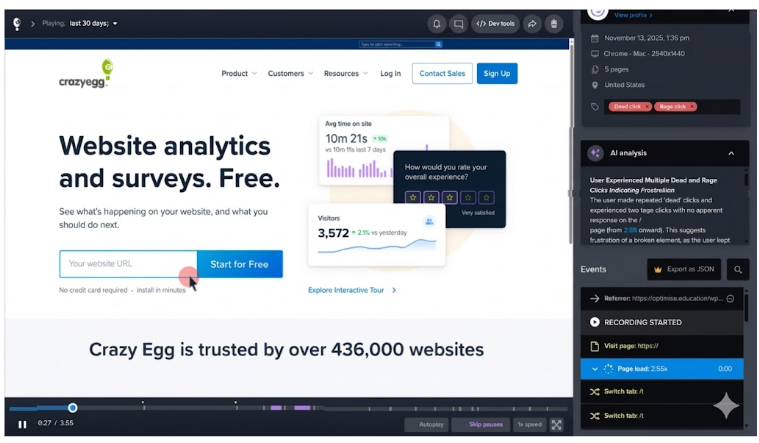
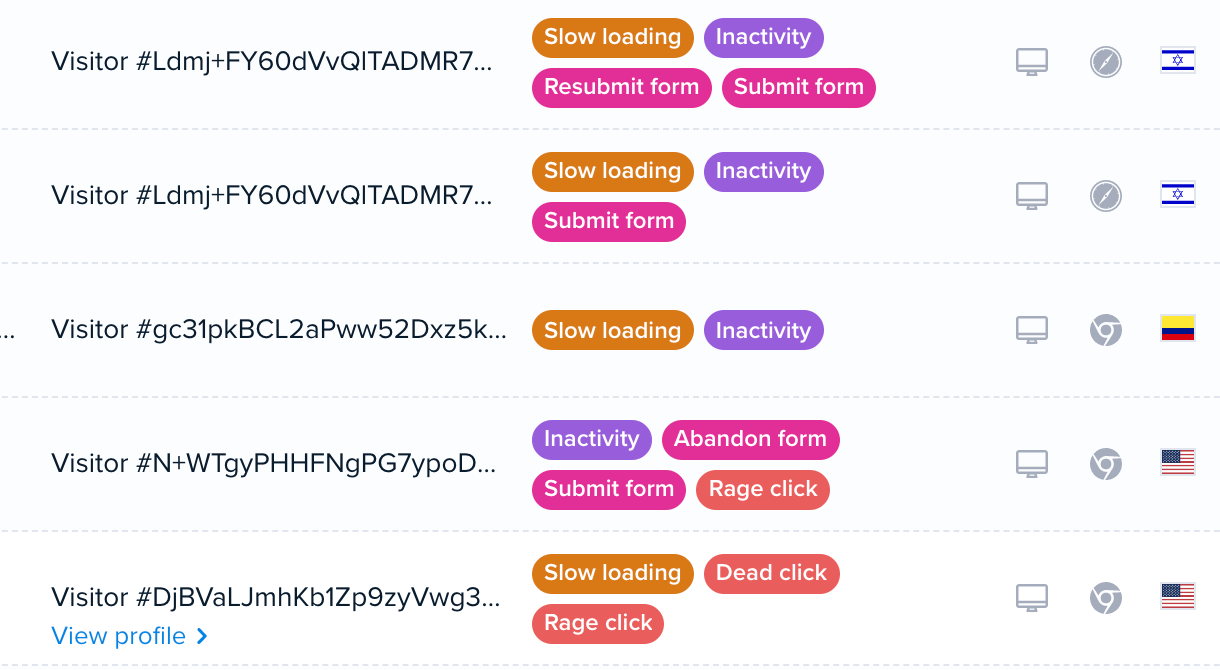
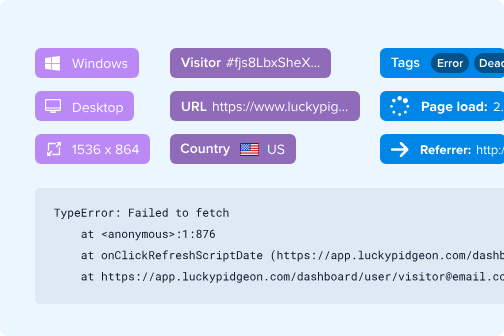
Furthermore, Crazy Egg includes native session recordings and JavaScript (JS) error tracking. The inclusion of JS error tracking is a significant technical advantage for growth teams; it captures errors with full stack traces and links them to the specific session recording where the crash occurred. This allows developers to see the user’s journey leading up to a bug, drastically reducing the time required for troubleshooting.
In contrast, AB Tasty has moved away from maintaining a native suite of behavioral tools, choosing instead to focus on its “EmotionsAI” and deep integrations with “best-of-breed” analytics providers. AB Tasty does not offer standalone heatmaps or session replays within its own interface. Instead, it integrates with third-party tools such as FullStory, Contentsquare, and Microsoft Clarity. For enterprise teams that already pay for these premium analytics services, AB Tasty’s lack of native tools is a non-issue. However, for organizations looking for a single-vendor solution, the additional cost and complexity of managing multiple subscriptions can be a deterrent.
The Integration of Artificial Intelligence
As generative AI and machine learning become standard in software development, both companies have integrated AI to assist in data interpretation. Crazy Egg offers “AI Analysis” across its features, providing automated summaries of heatmaps and recordings. It also allows users to export raw behavioral data to external Large Language Models (LLMs) like ChatGPT, Gemini, or Claude, enabling custom analysis based on the user’s specific business prompts.
AB Tasty has invested more heavily in proprietary, in-session AI. Its “EmotionsAI” uses machine learning to process mouse speed, scroll patterns, and pauses to classify visitors into one of ten emotional profiles. This allows brands to serve different content to a “hesitant” shopper versus a “transactional” one. Additionally, AB Tasty recently introduced “Evi,” an agentic AI assistant designed to help teams build hypotheses, project revenue uplifts, and even generate variant copy automatically.
Pricing Models and Market Positioning
The economic divide between the two platforms is stark, reflecting their different market segments. Crazy Egg maintains a transparent, self-serve pricing model that is publicly available. Its entry-tier “Starter” plan begins at $29 per month, while its most popular “Pro” plan is priced at $249 per month. This accessibility allows founders and small marketing teams to begin experimenting without the need for a formal sales cycle or a long-term contract.
AB Tasty, conversely, operates on a “quote-based” enterprise model. Industry data from February 2026 indicates that the median annual contract for AB Tasty is approximately $66,500. Mid-market deals typically range from $15,000 to $45,000 per year, while large-scale enterprise contracts can exceed $150,000 annually. These costs are often justified by the level of support provided, including dedicated account managers and strategic consulting, which are not available at the lower price points of Crazy Egg.
Chronological Comparison of Features
| Feature | Crazy Egg | AB Tasty |
|---|---|---|
| A/B Testing | Native; includes MAB and split URL | Native; includes MVT and Multi-page |
| Heatmaps | 5 Native types; auto-generated | Via third-party integrations only |
| Session Replay | Native; auto-tagged events | Via third-party integrations only |
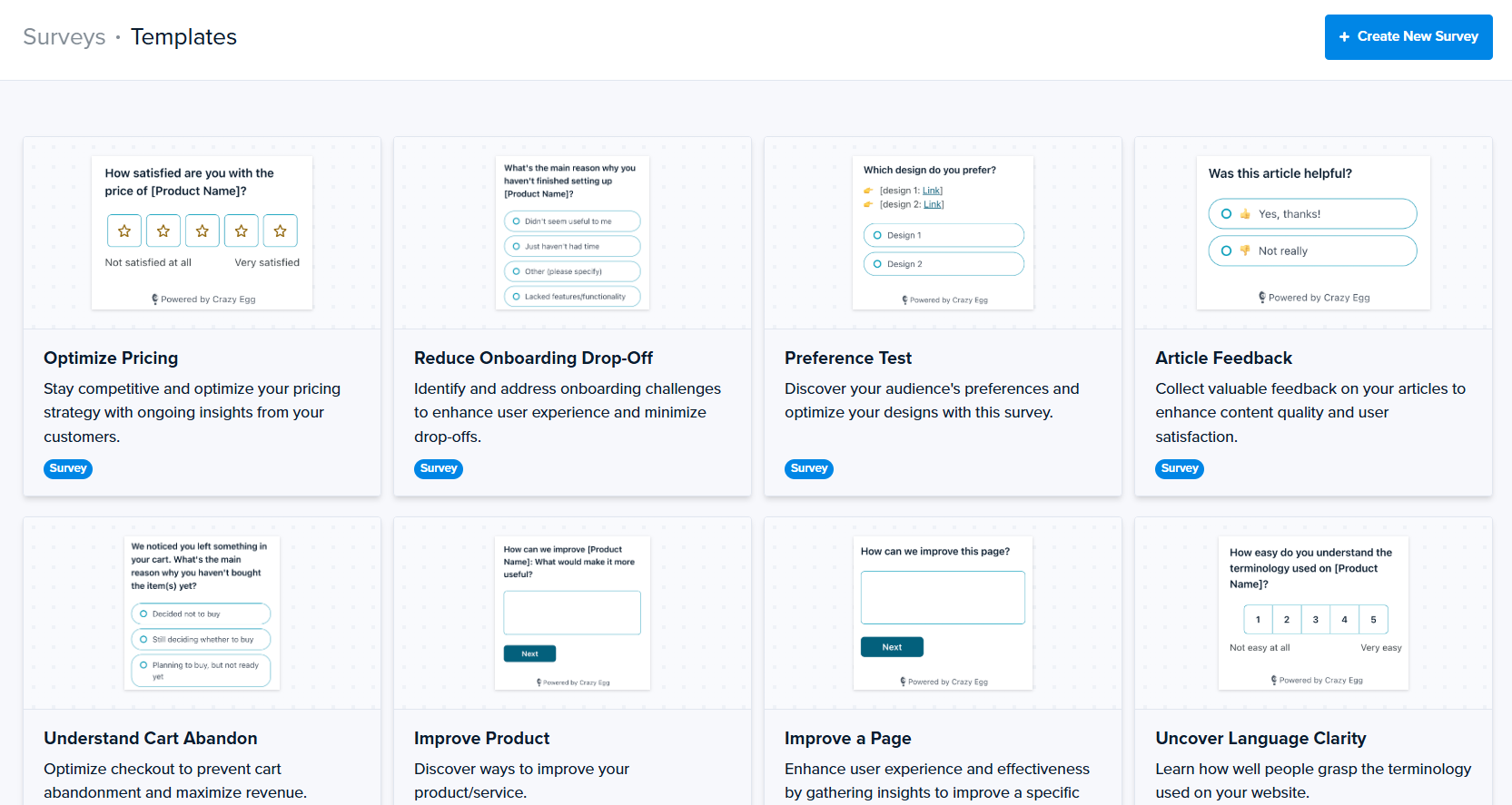
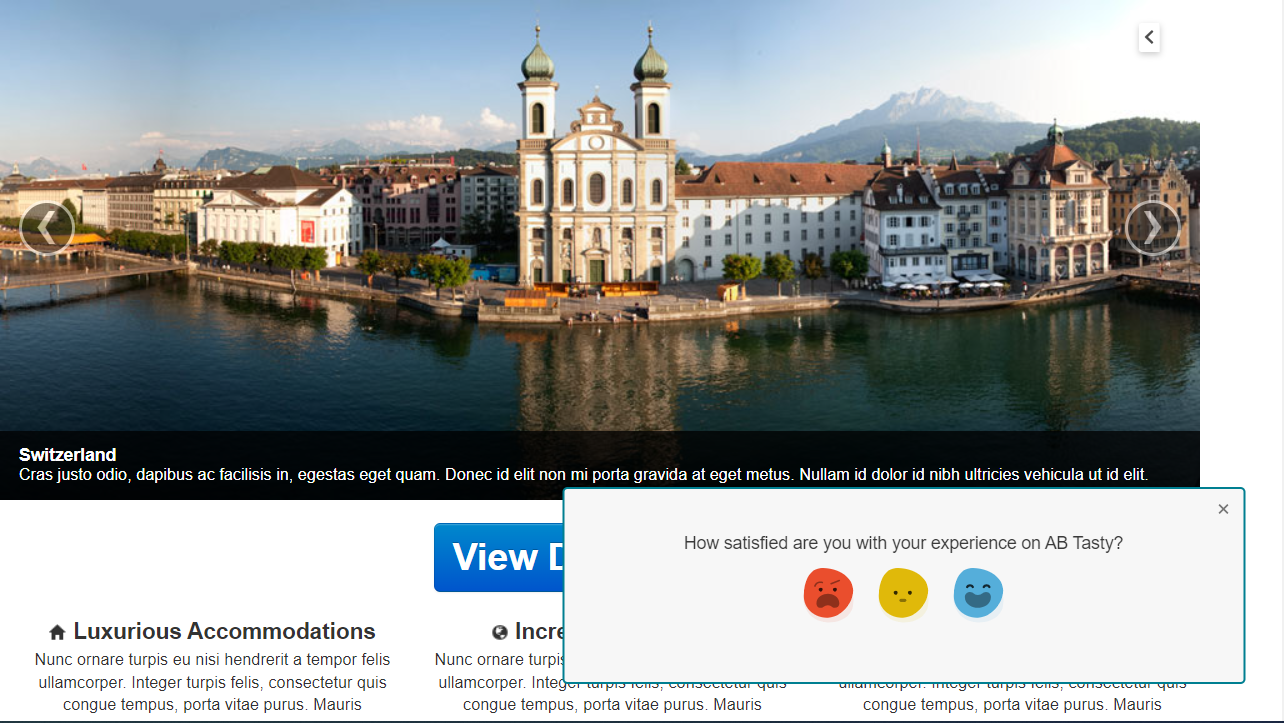
| Surveys | Unlimited; 50+ templates | NPS/CSAT widgets only |
| Error Tracking | Native JS capture with triage | Via third-party integrations only |
| AI Focus | Insight generation and LLM export | Real-time intent and emotional profiling |
| Pricing | $29 – $599/mo (Transparent) | $15k – $150k+/year (Quote-based) |
Broader Impact and Implications for the Industry
The competition between Crazy Egg and AB Tasty highlights a broader trend in the SaaS industry: the tension between “all-in-one” simplicity and “enterprise-grade” specialization.
For the SMB and mid-market sector, Crazy Egg’s model represents a democratization of data. By bundling heatmaps, recordings, and testing for under $100 a month, the platform allows smaller players to compete with larger corporations in terms of user experience quality. The implication for the broader economy is a more level playing field where niche e-commerce brands can optimize their conversion funnels as effectively as global retailers.
For the enterprise sector, AB Tasty’s strategy reflects the necessity of deep stack integration. As privacy regulations like GDPR and CCPA become more stringent, enterprise companies require platforms that can ingest data from Central Data Platforms (CDPs) and provide server-side experimentation that doesn’t rely on client-side cookies. AB Tasty’s focus on “AdaptiveCX”—predicting intent without relying on historical profiles—is a direct response to the “cookieless future” that many digital advertisers fear.
Conclusion: Determining the Right Path
The final choice between Crazy Egg and AB Tasty depends entirely on the organizational structure and the maturity of the experimentation program.
Crazy Egg is the logical choice for growth-focused teams, founders, and marketers who need to move quickly. Its 30-day free trial and lack of a required credit card lower the barrier to entry, making it an ideal “first step” for companies looking to move beyond basic analytics. Its strength lies in its ability to show the “why” behind the “what” through its integrated recordings and heatmaps.
AB Tasty remains the superior option for established enterprise organizations that have already invested in a complex data stack. For teams that require multivariate testing, feature management for product engineers, and AI-driven emotional segmentation, the higher price tag of AB Tasty is viewed as a strategic investment rather than a cost.
As the digital economy continues to shift toward personalized experiences, the role of these tools will only grow. Whether through the accessible, visual insights of Crazy Egg or the deep, predictive experimentation of AB Tasty, the goal remains the same: transforming anonymous website traffic into a loyal, converting customer base.








