
 rifanmuazin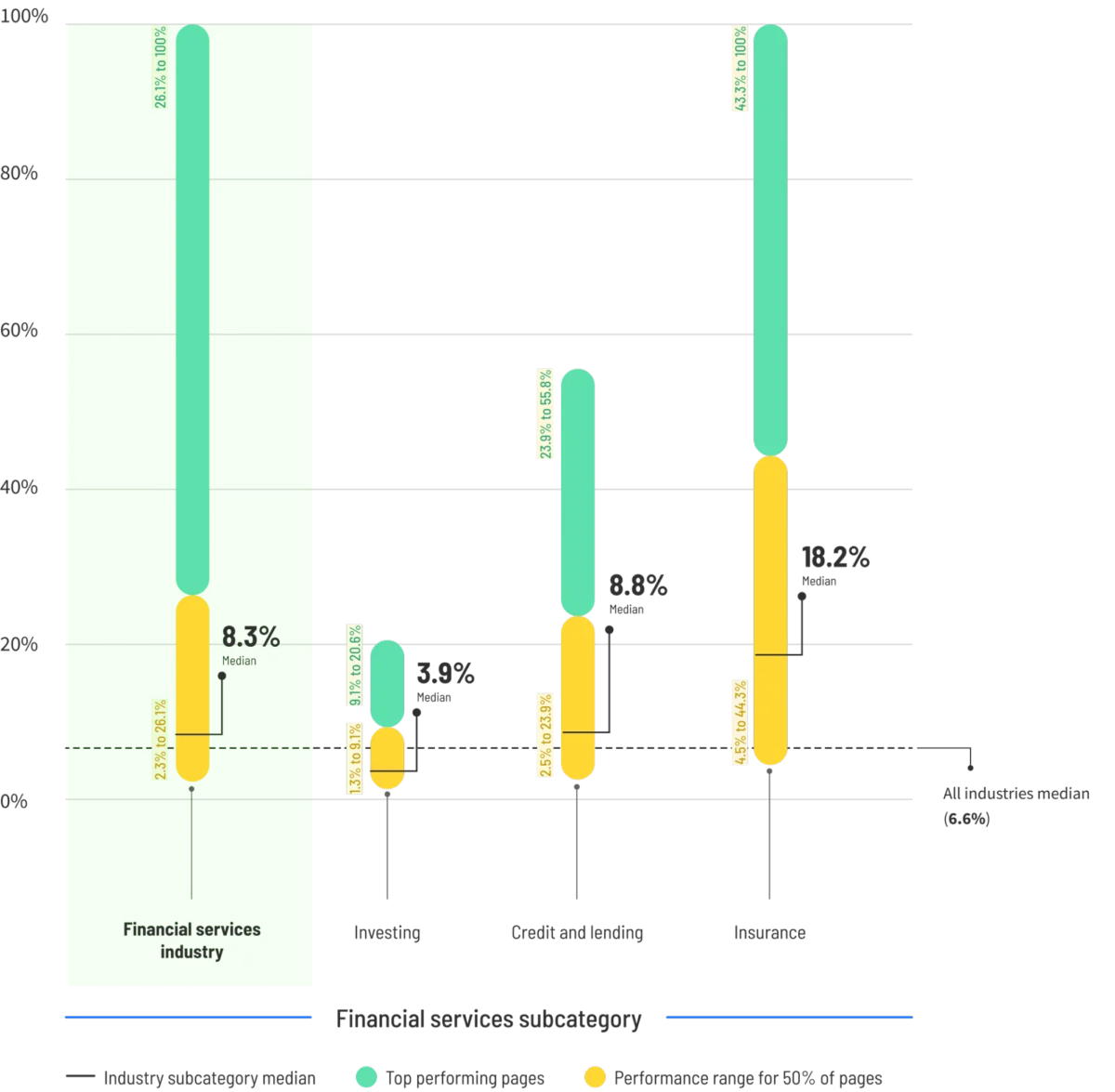
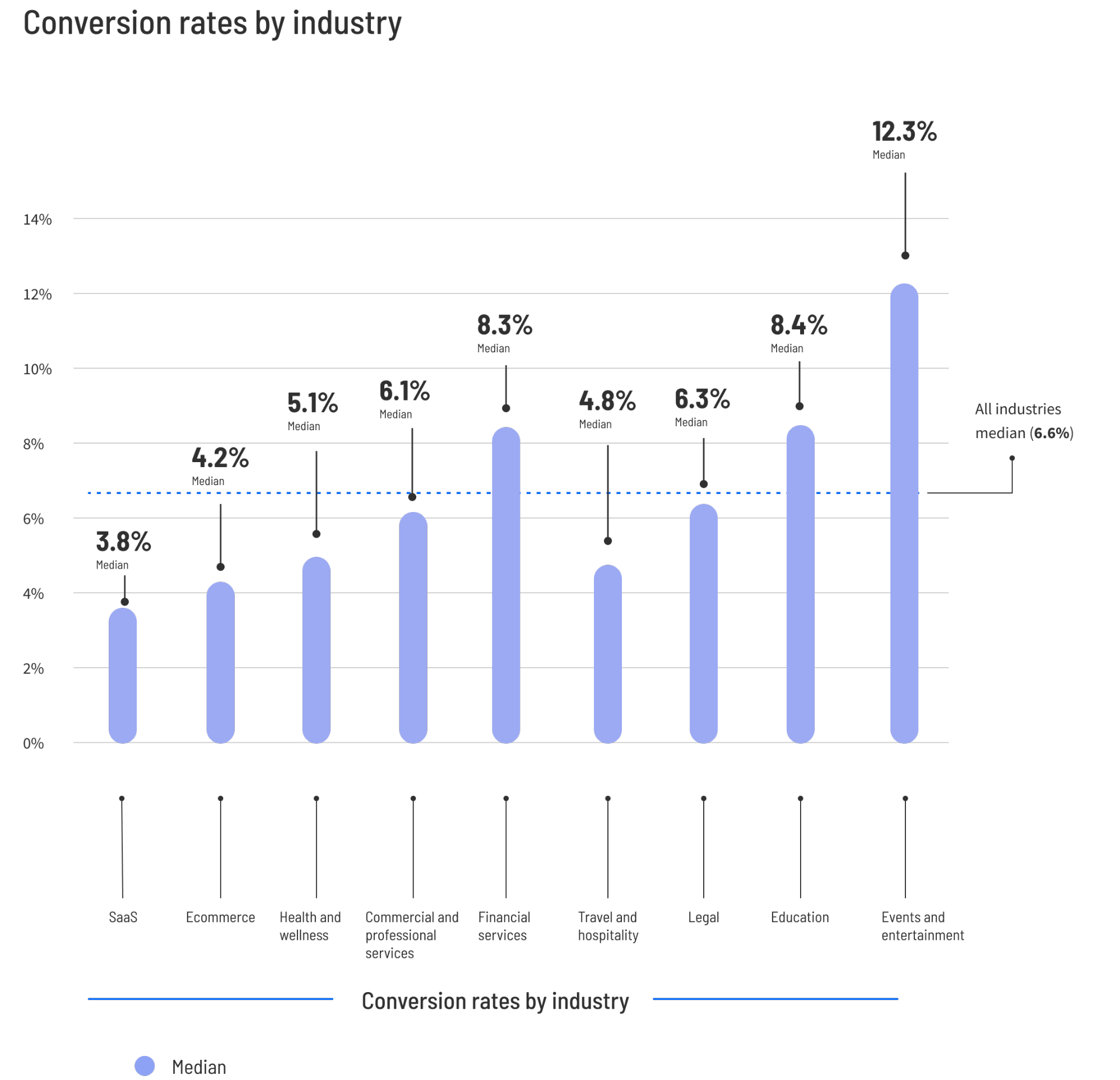
The digital marketing landscape has reached a critical inflection point as the cost of customer acquisition continues to rise, forcing brands to shift their focus from raw traffic generation to the precision of conversion rate optimization. According to the 2024 Conversion Benchmark Report, which analyzed data from over 57 million conversions across 41,000 landing pages, the median conversion rate across all industries currently stands at 6.6%. This figure serves as the primary baseline for marketers navigating an increasingly fragmented attention economy. However, performance remains highly stratified, with top-tier performers in the 75th percentile achieving rates between 11.4% and 40.8%, depending heavily on the specific sector and the complexity of the offer.

The Shift from Averages to Median Benchmarking
For years, digital marketers relied on “average” conversion rates as a barometer for success. However, industry analysts now argue that the median is a far more accurate representation of typical performance. Averages are frequently skewed by “unicorn” pages—outliers that convert at 80% or 90% due to highly specific, high-intent audiences—or by failing pages that convert at nearly 0%. By utilizing the median, which represents the exact middle of the data set, the industry has established a more realistic “middle-of-the-pack” reference point.
This methodological shift comes at a time when the “one-size-fits-all” approach to marketing is being dismantled. Experts suggest that a “good” conversion rate is no longer a fixed number but a moving target influenced by user intent, campaign type, and device-specific behavior. The distinction between a baseline (6.6%) and a top-tier performance (11.4%+) represents the difference between basic market participation and dominant market share.

Chronology of Conversion Evolution: 2022–2025
The trajectory of landing page performance has been shaped by several macro-economic and technological shifts over the last three years. In 2022, the industry grappled with the immediate aftermath of privacy changes, such as Apple’s iOS 14.5 update, which disrupted tracking and increased the importance of first-party data collection on landing pages.
By 2023, the focus shifted toward “Search Generative Experience” (SGE) and AI-driven traffic, which began to change how users arrived at landing pages. In 2024, the emphasis has moved toward “Reading Ease” and psychological friction reduction. As we look toward 2025, the data indicates a tightening of the gap between mobile and desktop performance in some sectors, while others see a widening divide based on the “urgency” of the service provided.
Industry-Specific Performance Data and Analysis
The 2024 data reveals significant disparities between sectors, reflecting the varying levels of commitment required from the consumer.
Ecommerce and Retail
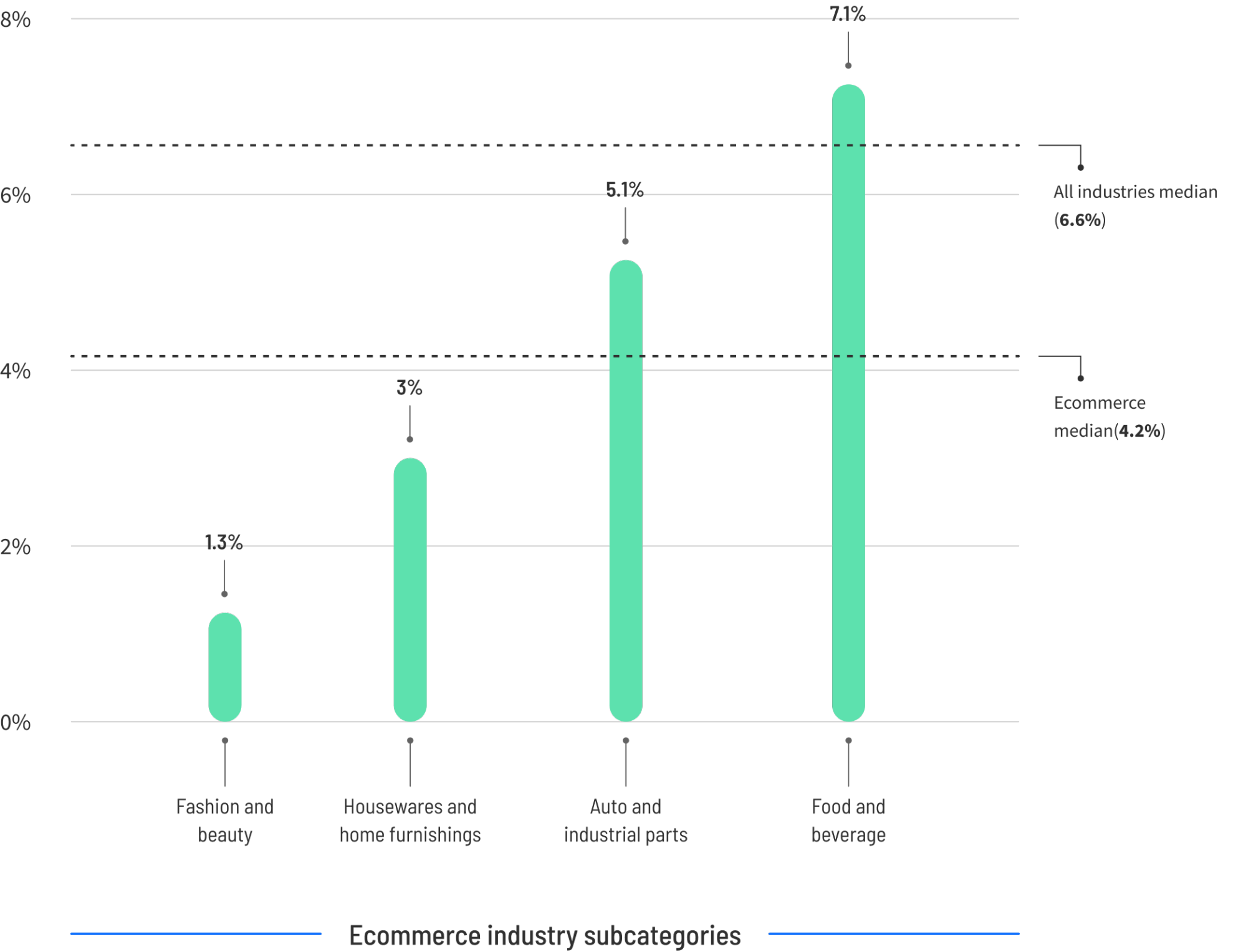
The median conversion rate for ecommerce landing pages is 4.2%. While this is lower than the all-industry median, it reflects the high-volume, high-competition nature of online shopping. Top-performing ecommerce pages—those in the top 25%—are reaching 11.4% or higher. Analysis suggests that sub-sectors like Food and Beverage lead the category with a 7.1% median, likely due to the lower price points and higher purchase frequency. Conversely, Fashion and Beauty struggle with a 1.3% median, as these purchases often require more visual comparison and social validation.
Software as a Service (SaaS)
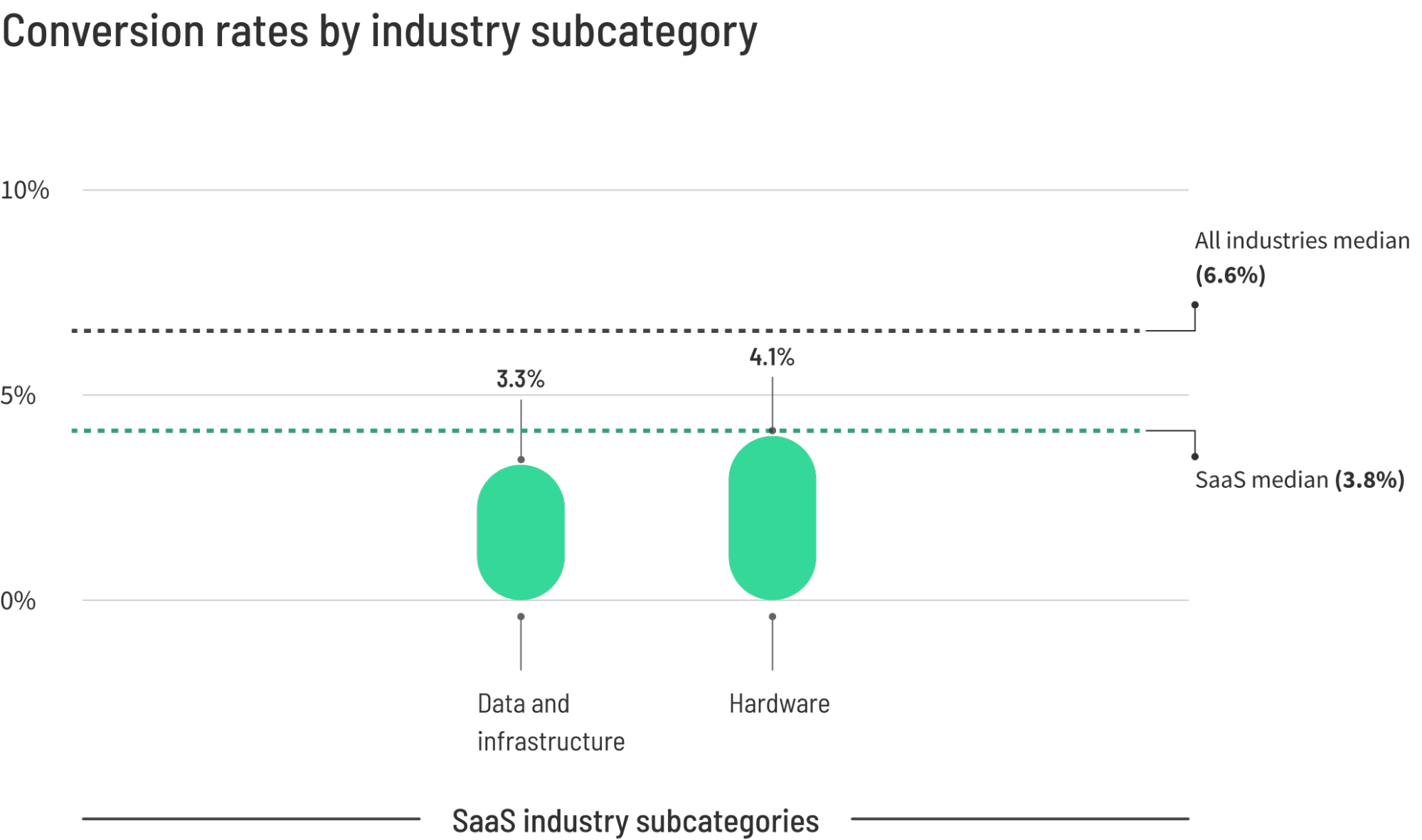
SaaS companies face a unique challenge with a median conversion rate of 3.8%. This lower-than-average figure is attributed to longer sales cycles and the complexity of the products being sold. However, the top 25% of SaaS pages are converting at 11.6%. The delta between the median and the top performers suggests that SaaS companies that successfully simplify their value propositions and offer “low-friction” entry points, such as free trials without credit card requirements, significantly outperform their peers.
Financial and Professional Services
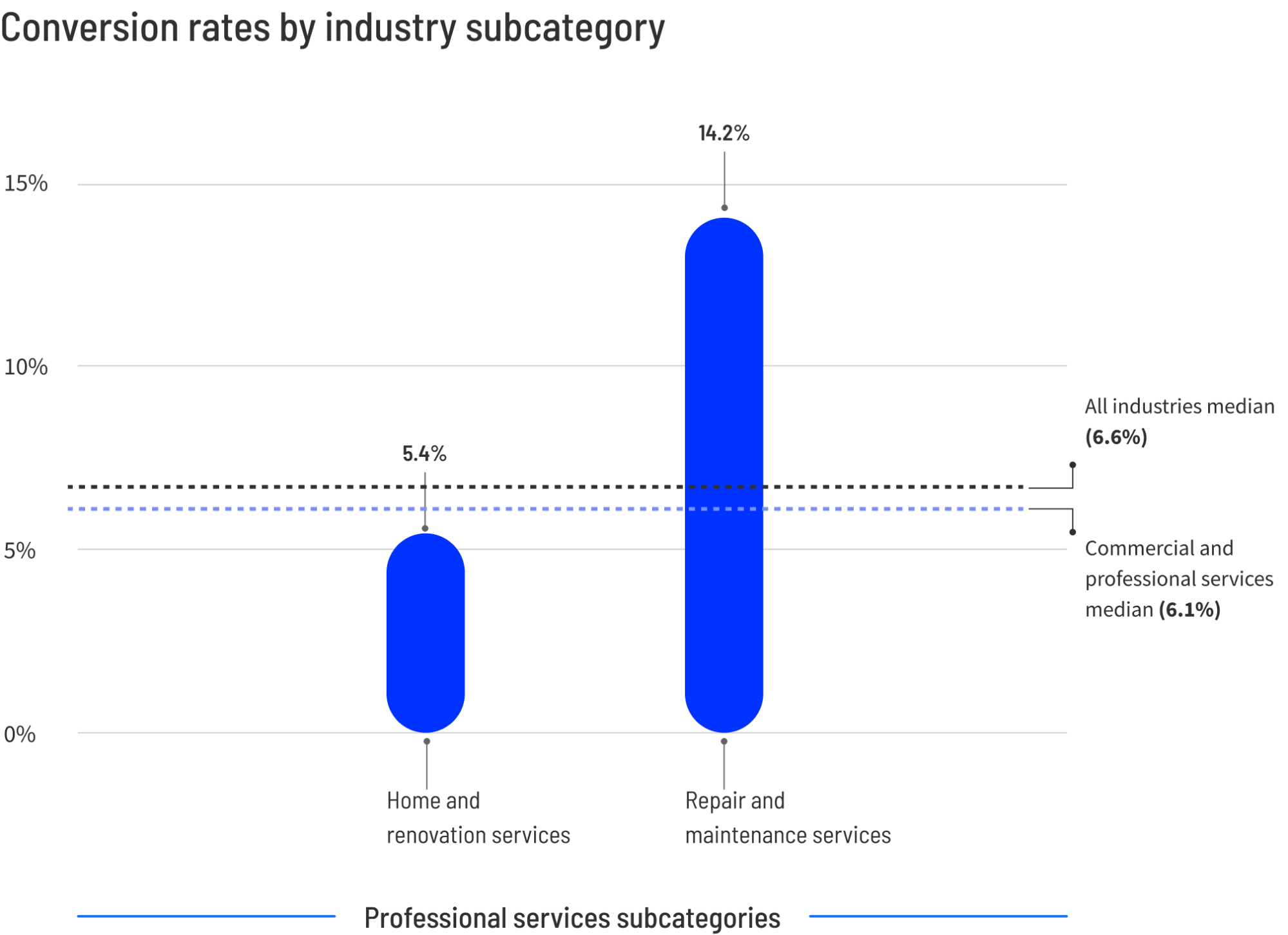
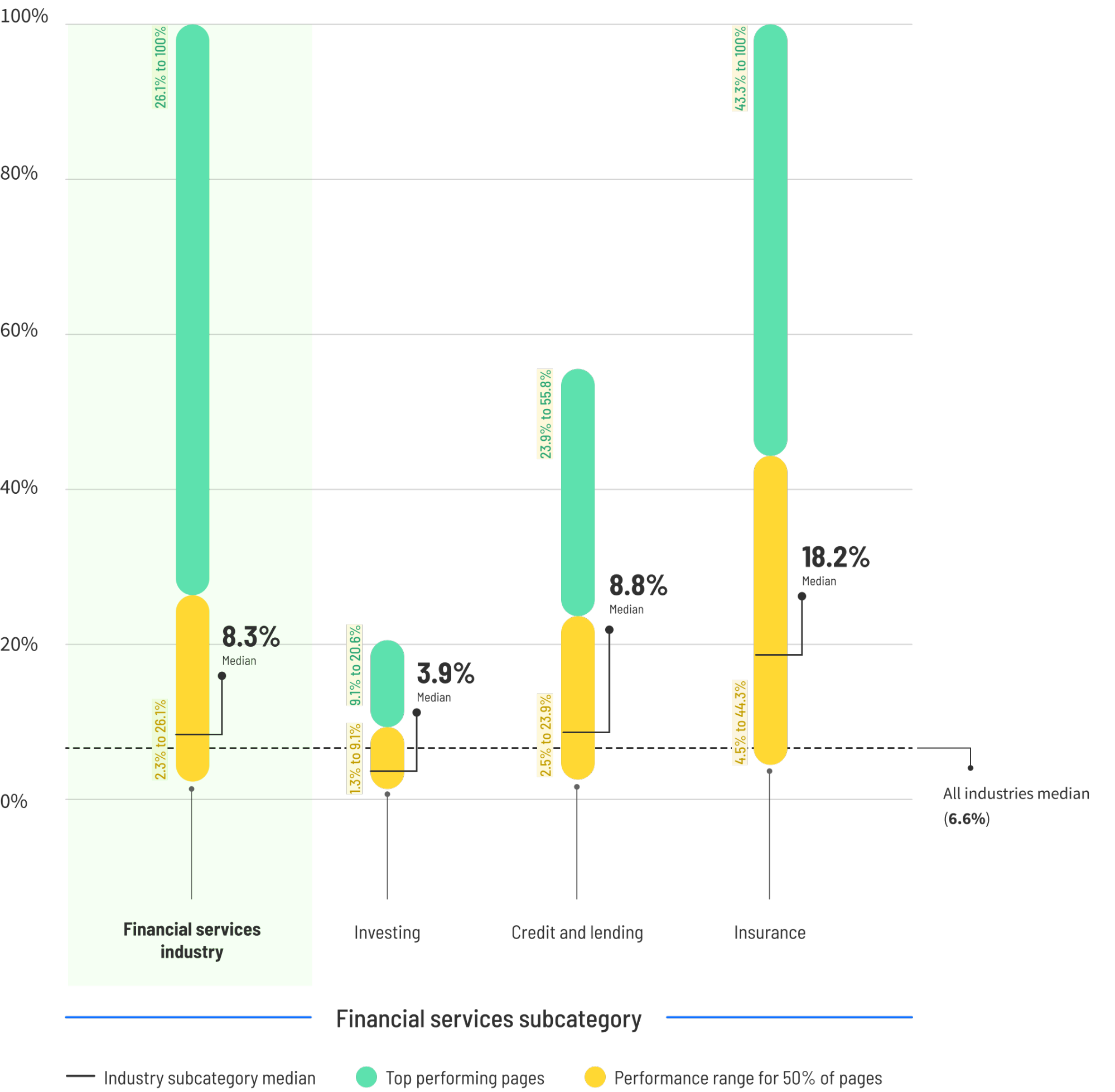
The financial services sector shows a robust median conversion rate of 8.3%. This is driven by high-intent user behavior; consumers searching for insurance or investment advice are typically further down the purchase funnel. Insurance pages, in particular, are outliers within this group, boasting a median rate of 18.2%. Professional services, including legal and consulting firms, maintain a median of 6.1%, with top performers hitting 14.1%.
Education and Entertainment
Education has emerged as a high-performing sector with a median rate of 11.6%. Online courses are the primary driver here, with an 18.3% median conversion rate as consumers increasingly seek immediate, skill-based certifications. Entertainment leads the pack with a median of 16.5%, though this is heavily influenced by sweepstakes and contest pages, which often convert at nearly 50% due to the low barrier to entry (typically just an email address).
The Impact of Traffic Channels and Device Types
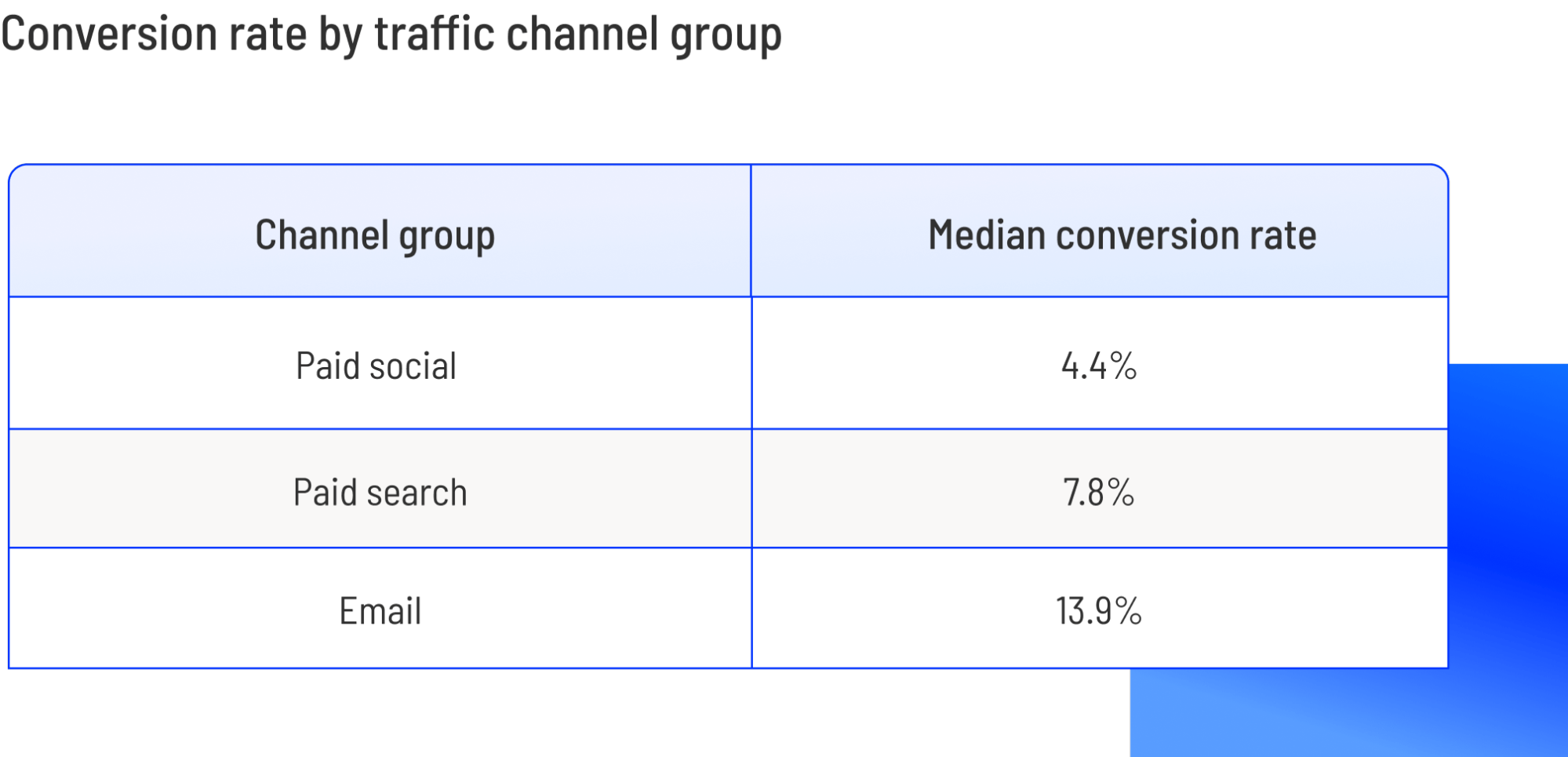
A critical finding in the 2024-2025 data is the continued dominance of email as a high-conversion channel. In professional services, for instance, email traffic converts at nearly 14%, while paid social traffic lags at 4.4%. This underscores the value of nurturing existing leads rather than relying solely on cold traffic from social platforms.
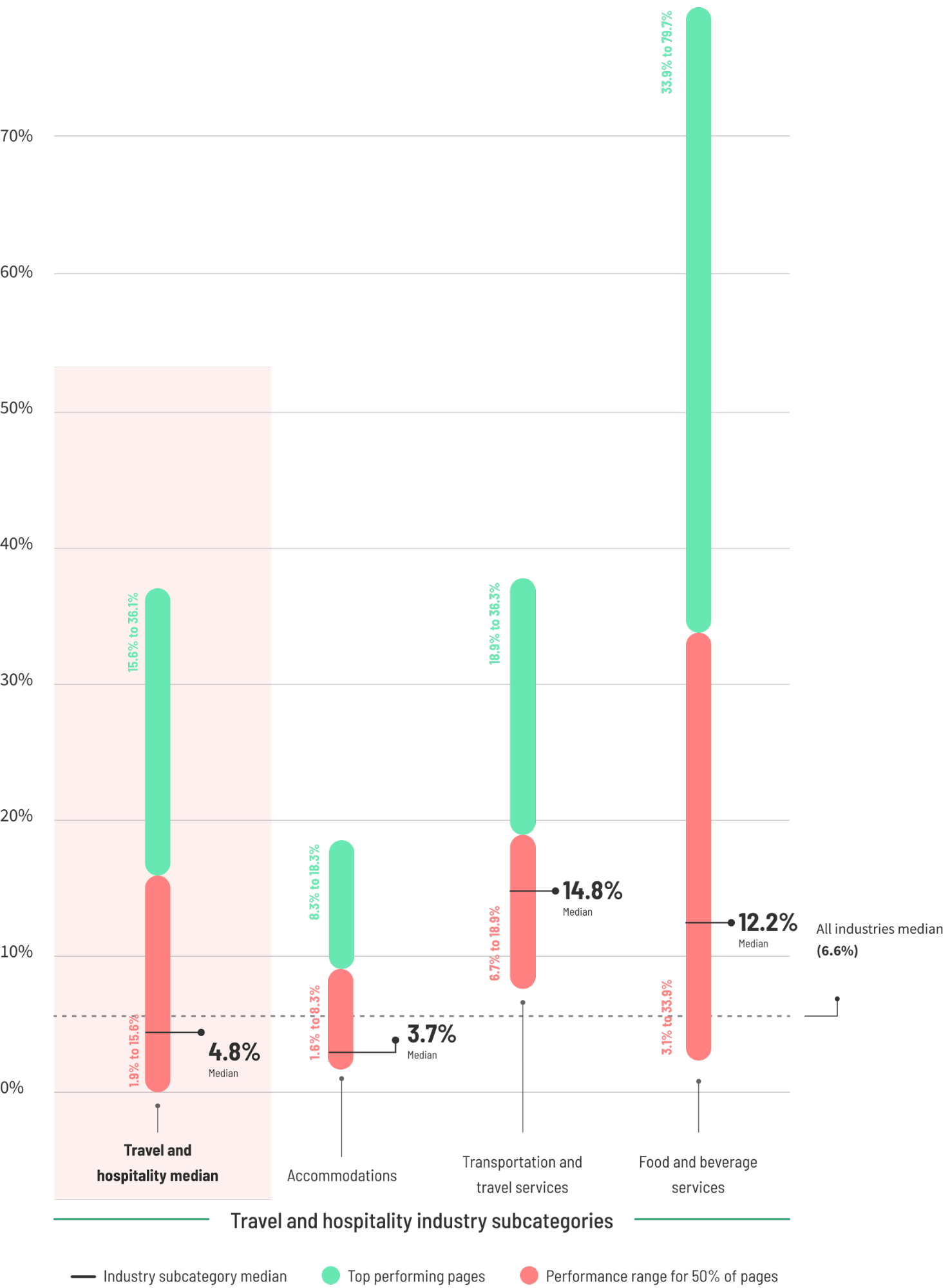
Furthermore, the “Mobile vs. Desktop” debate has taken a nuanced turn. While mobile accounts for approximately 83% of all landing page visits, it does not always yield the highest conversion rates. In the Travel and Hospitality industry, desktop traffic converts 10.4% better than mobile, as users prefer the larger screen for final bookings and price comparisons. In contrast, the Legal industry sees mobile converting 21% better than desktop, a phenomenon attributed to “emergency” searches—users looking for immediate legal assistance via their smartphones following an incident.
Strategic Implications and Market Reactions
Industry leaders and Chief Marketing Officers (CMOs) are increasingly reacting to this data by reallocating budgets toward “Reading Ease” and technical optimization. A significant data point currently circulating in marketing circles is the correlation between reading levels and conversion. Pages written at a 5th-to-7th-grade reading level convert at a median of 11.1%, compared to just 5% for pages using more complex, “professional” language.
“The data is clear: clarity trumps persuasion,” says one industry analyst. “The market is reacting to a consumer base that is overwhelmed with information. The brands that can communicate their value proposition the fastest, in the simplest terms, are the ones moving from the 6% median to the 11% elite tier.”
Official Responses and Tactical Recommendations
In response to these benchmarks, several digital agencies have shifted their standard operating procedures for 2025. The consensus among official marketing bodies is that “static” landing pages are no longer sufficient. The integration of AI-driven “Smart Traffic” tools—which route visitors to different versions of a page based on their past behavior and demographics—is becoming a standard requirement for competitive performance.
To move the needle today, the following five tactics have been identified as the most effective across all industries:
- Language Simplification: Reducing copy complexity to a middle-school reading level.
- Aggressive A/B Testing: Moving beyond button colors to test entire value propositions.
- Strategic Social Proof: Placing testimonials and trust signals at the point of friction (near the form) rather than the footer.
- Mobile-First Speed: Prioritizing “Time to Interactive” (TTI) for the 83% of users on mobile devices.
- Distraction Removal: The “1:1 Ratio”—one landing page should have exactly one goal and one link.
Broader Economic Impact
The broader implication of these conversion benchmarks extends to the viability of small and medium-sized enterprises (SMEs). As the “baseline” for a good conversion rate hovers around 6.6%, businesses falling below this mark are essentially seeing a negative return on ad spend (ROAS) in high-cost environments like Google Ads or Meta.
Economists suggest that this “conversion gap” is contributing to a consolidation in certain industries, where only the most optimized players can afford to acquire new customers. Consequently, the ability to reach the 75th percentile of conversion performance is no longer just a marketing goal; it is a fundamental requirement for business solvency in the 2025 digital economy. The focus for the coming year will likely remain on the intersection of psychological triggers, technical speed, and the ruthless simplification of the user journey.








