rifanmuazin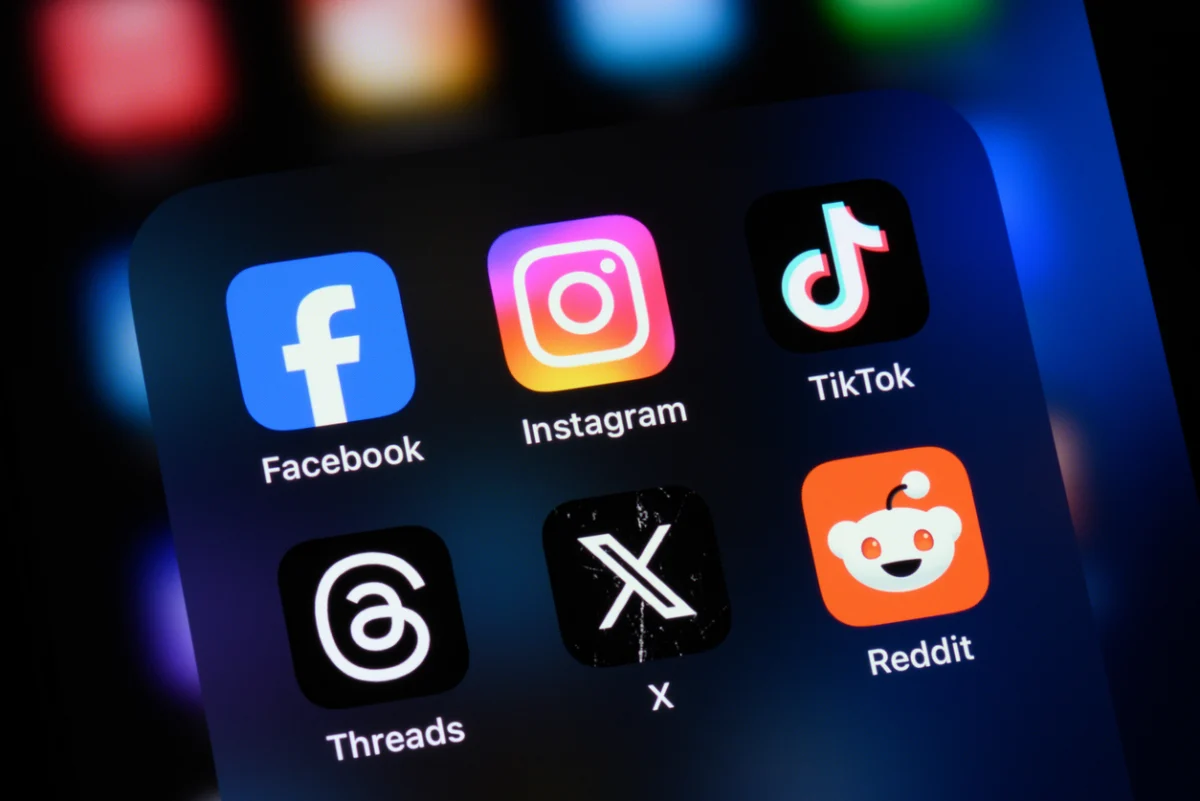
The traditional architecture of crisis communications is facing a fundamental collapse as the speed of information outpaces the ability of legacy monitoring systems to detect emerging threats. In the current media landscape, if an organization’s first indicator of a crisis is a report from a mainstream news outlet, the battle for public perception has likely already been lost. This shift is driven by a sophisticated and rapid "disinformation pipeline" that moves across specific social platforms, gaining momentum and credibility at each stop before it ever reaches a journalist’s desk.
For decades, the standard model of media literacy and crisis management operated on a "fringe-to-mainstream" trajectory. Misinformation typically originated on obscure forums or niche websites and slowly filtered upward. If communications teams monitored credible outlets and established bad actors, they could generally identify a burgeoning crisis before it reached a mass audience. However, the rise of algorithmically driven platforms like TikTok and the rapid-response environment of Threads has broken this model, replacing it with a decentralized, multi-platform flow that sheds its original context almost instantly.
The Mechanics of the Disinformation Pipeline
The modern pipeline for false or misleading information typically follows a three-stage progression. It often begins on TikTok, where the platform’s unique algorithmic structure prioritizes content engagement over account authority. Unlike social networks that rely on a user’s "social graph" (who they follow), TikTok utilizes an "interest graph." This means a claim made by an account with zero followers can reach millions of users if the video is formatted in a compelling, high-emotion way. Features such as "stitching" and "dueting" allow users to react to or remix content, often stripping away the original source’s caveats or context. By the time a video has been shared a few thousand times, the narrative is no longer tied to the original poster; it has become a communal "truth."
The second stop in the pipeline is often Threads, Meta’s text-based competitor to X (formerly Twitter). Threads has fostered a culture of rapid-fire, conversational takes where nuance is structurally discouraged by the platform’s interface. Short replies and fast-moving threads flatten complex corporate or scientific issues into digestible, often inflammatory, soundbites. Crucially, because Threads is integrated with Instagram’s massive social graph, conversations that appear niche can actually be reaching highly influential audiences—including advocates, opinion leaders, and journalists—without ever appearing on the radar of traditional PR monitoring tools.
The final stage of the pipeline is the "leap to credibility." This occurs when the narrative moves to professional platforms like LinkedIn or enters the direct messages (DMs) of mainstream journalists. Having survived the "vibe check" of TikTok and the discourse of Threads, the misinformation takes on a veneer of legitimacy. When a journalist receives a tip that has already been "vetted" by thousands of comments and shares across multiple platforms, the pressure to report on the "controversy" increases, even if the underlying facts are demonstrably false.
Chronology of a 48-Hour Digital Crisis
To understand the speed of this pipeline, one must examine the typical timeline of a modern reputation crisis. In the digital age, the window for effective intervention has shrunk from days to hours.
- Hour 0–6: The Spark. A misleading video is posted to TikTok regarding a company’s product safety or financial stability. The video uses high-energy editing and emotional language. It gains 100,000 views through the "For You" page.
- Hour 6–12: Cross-Platform Migration. Screen-recordings of the TikTok video are shared on Threads and X. A "discourse" begins, where users speculate on the company’s motives. The original context—perhaps a joke or a misunderstanding of a technical manual—is lost.
- Hour 12–24: The Echo Chamber. The narrative reaches LinkedIn. Industry "thought leaders" begin to comment on the "growing concern" regarding the company. At this stage, the misinformation is no longer a rumor; it is a "topic of conversation" in professional circles.
- Hour 24–36: Mainstream Inquiry. Journalists from trade publications and national outlets start reaching out to the company’s PR team for comment. They are not asking if the rumor is true, but rather how the company is responding to the "backlash."
- Hour 48: Institutional Impact. The story is published by mainstream media. Stock prices may fluctuate, and customer support lines are overwhelmed. The company is now in a defensive posture, reacting to a narrative that has been hardening for two full days.
Supporting Data on Information Consumption
Recent data underscores the urgency of this shift. According to the Pew Research Center, the percentage of U.S. adults who regularly get their news from TikTok has quadrupled since 2020, rising from 3% to 14% in 2023. Among adults under 30, nearly one-third now rely on TikTok as a primary news source.
Furthermore, research from the Massachusetts Institute of Technology (MIT) found that false news spreads approximately six times faster than the truth on social media platforms. The study noted that while truth rarely spreads to more than 1,000 people, the top 1% of false news stories routinely reach between 1,000 and 100,000 people. This "velocity gap" is what makes the TikTok-to-Threads pipeline so dangerous for corporate reputations.
The economic impact is also quantifiable. A study by CHEQ and the University of Baltimore estimated that global disinformation costs the economy approximately $78 billion annually, with public companies losing roughly $39 billion in stock market value each year due to disinformation-related volatility.
The Monitoring Gap and Official Responses
Industry experts suggest that the primary reason organizations are blindsided is a "monitoring gap." Traditional social listening tools are often optimized for keywords and mentions of the brand name itself. However, in the early stages of a disinformation cycle, the brand might not be the primary keyword. Instead, the conversation may center on a broader industry fear or a specific, unbranded claim.
Katie Michel, an insights manager at Fullintel and a member of IPR NEXT, notes that communications professionals who grew up as "digital natives" have an inherent advantage in closing this gap. "They know that a TikTok comment section can be where the real narrative is forming, while the video itself is a distraction," Michel says. "They recognize when a Threads thread is a genuine conversation versus a coordinated pile-on in its early stages."
The Institute for Public Relations (IPR) has emphasized that "pattern recognition" is becoming a critical skill for the next generation of communicators. Organizations are increasingly being advised to move away from reactive monitoring and toward proactive "narrative intelligence." This involves analyzing not just what is being said, but how the information is traveling and which platforms are acting as accelerators.
Broader Impact and Strategic Implications
The implications of the new disinformation pipeline extend far beyond corporate PR. In sectors where trust is a core commodity—such as healthcare, financial services, and public utilities—the undetected spread of misinformation can have life-or-death consequences. For instance, a misleading TikTok regarding a pharmaceutical product or a local utility’s safety protocols can lead to public panic or the rejection of essential services before a formal correction can be issued.
To combat this, PR professionals are being urged to adopt three specific strategies:
- Monitor the Discourse, Not Just the Mention: Teams must look beyond brand mentions and analyze the sentiment within comment sections. Often, the "vibe" of a comment section is a more accurate predictor of a crisis than the content of the post itself.
- Platform-Native Literacy: Organizations can no longer afford to study these platforms from a distance. Communicators must understand the structural incentives of each platform—such as how the Threads "reply" logic differs from the X "retweet" logic—to anticipate how a story will evolve.
- Human-Centric Analysis: While AI-driven monitoring tools are useful for scale, they often miss the sarcasm, cultural nuance, and emotional resonance that drive viral disinformation. Human analysts are required to interpret the "why" behind the data.
As the digital landscape continues to fragment, the "pipeline" will likely become even more complex. The integration of generative AI will allow bad actors to create high-quality, misleading content at scale, further straining the resources of communications departments. In this environment, the only effective defense is extreme vigilance at the source. The era of waiting for a news report to confirm a crisis is over; in the modern age, the crisis is born, bred, and finalized in the palm of the consumer’s hand.