rifanmuazin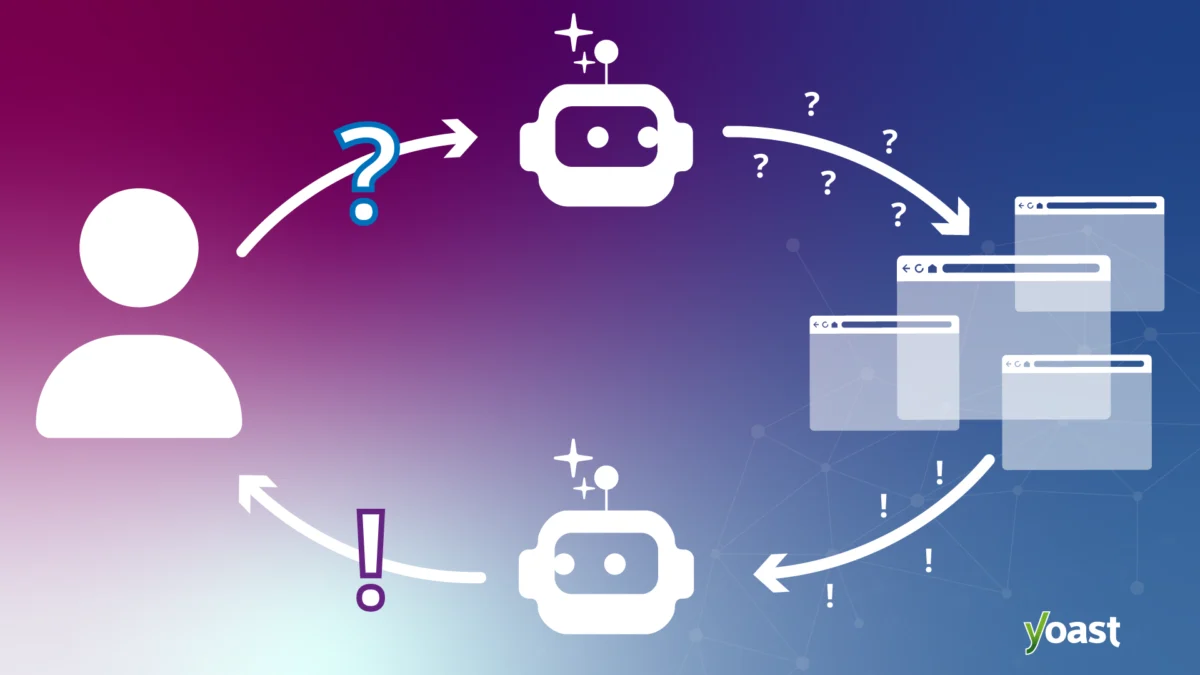
The digital landscape is undergoing a profound transformation, challenging the long-established tenets of Search Engine Optimization (SEO). For decades, the SEO playbook was clear: craft valuable content, optimize it for search engines, predominantly Google, and vie for top rankings. However, the advent of sophisticated Artificial Intelligence (AI) tools like ChatGPT, Perplexity, and Gemini is inserting a new, powerful intermediary layer between users and the traditional search experience. These AI models are designed to synthesize and generate answers, fundamentally altering how information is discovered online, moving beyond mere retrieval of links.
This pivotal shift was the central theme of a recent discussion on the "Get Discovered" podcast, featuring Joe Walsh, CEO of Prerender.io, and Alain Schlesser, Principal Architect at Yoast. Their conversation delved into the profound implications of AI answer engines for SEO and online discoverability, highlighting why many conventional SEO assumptions are rapidly becoming obsolete. The insights shared underscore a critical juncture for digital marketers, content creators, and businesses navigating this evolving ecosystem.
The Emergence of a New Discovery Layer: AI as the Digital Gatekeeper
Alain Schlesser articulated one of the most significant structural changes in online discovery: "There’s now a layer in front of search that acts as a gatekeeper before you even hit those search engines." This statement encapsulates the radical departure from the once-straightforward user-to-search engine-to-website flow. Historically, a user would input a search term, receive a list of ranked results, and then click on a relevant link. AI-powered systems have introduced a complex, multi-stage process that reshapes this interaction.
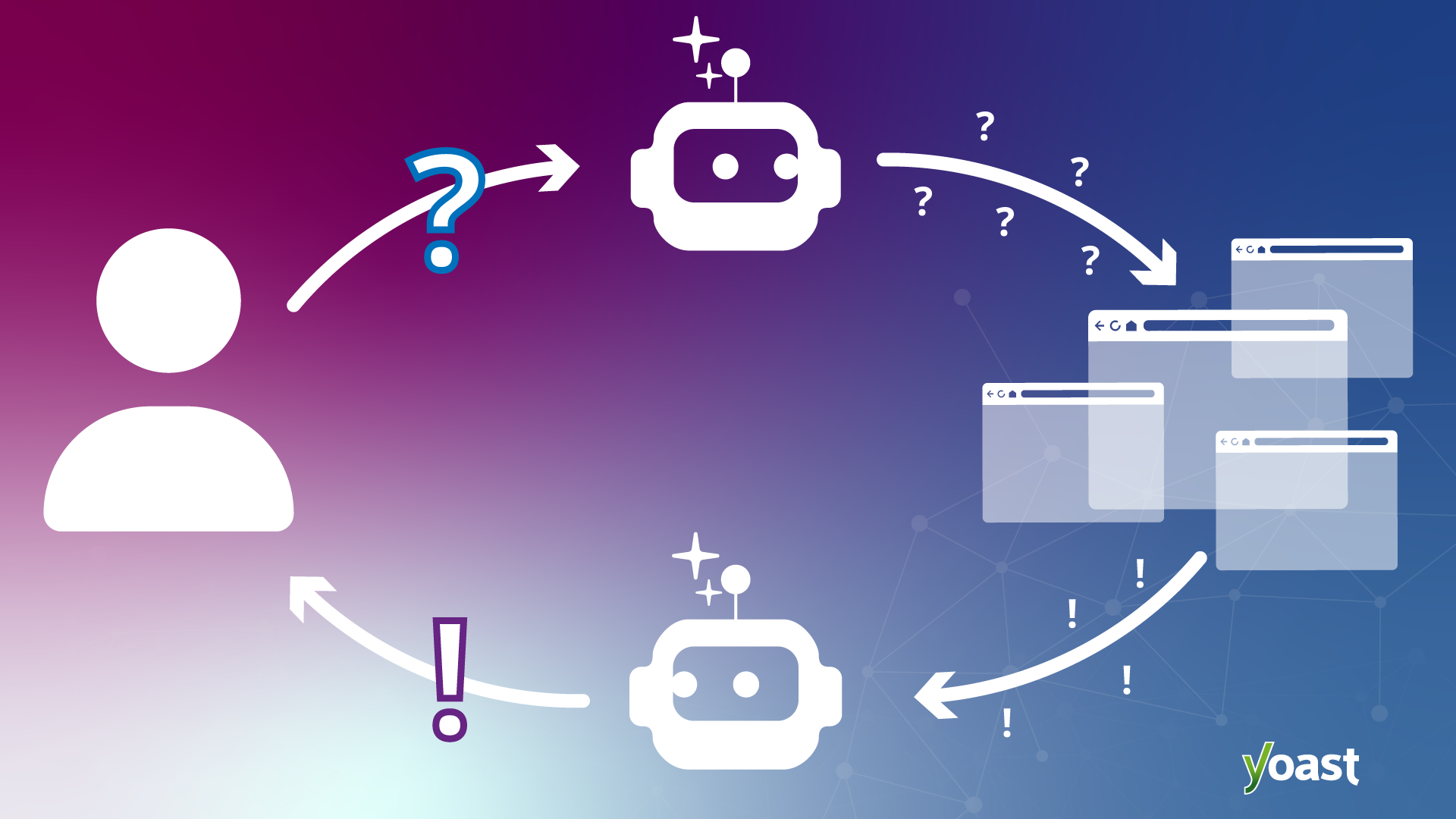
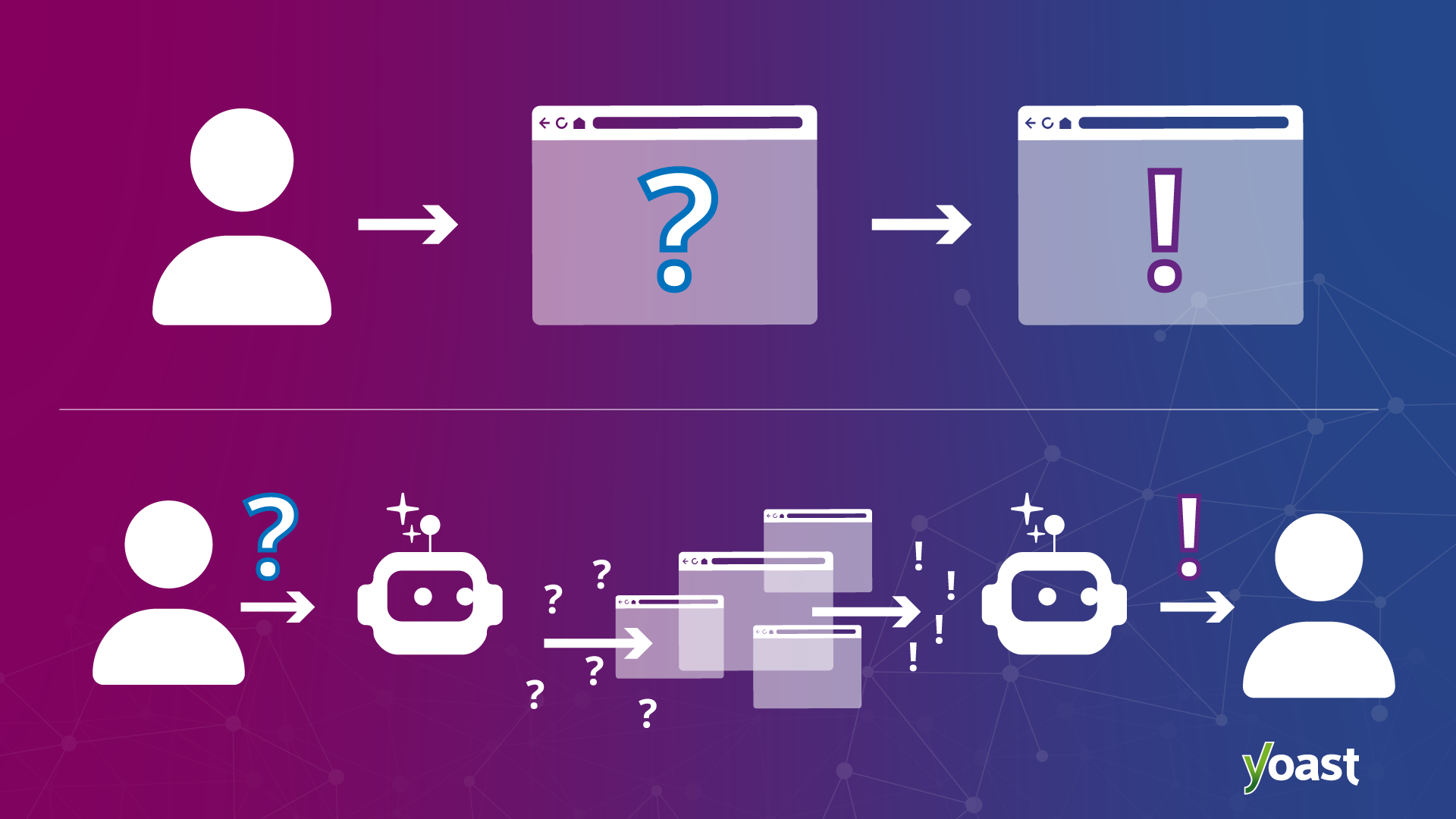
The rise of generative AI has ushered in an era of conversational discovery. Instead of precise keyword queries, many users now initiate their information quest by posing questions to AI platforms. These intelligent systems then take on an "agentic" role, internally determining if external information is required. If so, the AI may generate multiple sophisticated search queries behind the scenes, sifting through vast amounts of data to retrieve pertinent sources. The traditional user journey has thus evolved dramatically:
Previously: User → Search Engine → Website
Now: User → AI Model → Search Engine → Website → AI Synthesis → User
This new paradigm means the AI model interprets, cross-references, and combines information from various sources before presenting a synthesized answer to the user. Schlesser emphasized that AI systems now function as a significant filtering layer, shaping not just what information is presented, but how it is consumed. This shift reduces direct user interaction with search results pages, potentially diminishing traffic to websites that aren’t effectively surfaced by AI.
Search Fragmentation Beyond Google’s Hegemony
For nearly two decades, the SEO industry operated largely within Google’s orbit. Despite the existence of other search engines, Google maintained an overwhelming monopoly on how users discovered online information, accounting for over 90% of global search engine market share. This comfortable predictability, as Schlesser noted, is now being disrupted. "We were in a rather comfortable position where we were only dealing with a monopoly search," he observed, highlighting the end of a singular focus.
AI systems are introducing unprecedented fragmentation into the discovery process. Different AI platforms are built upon diverse combinations of underlying search engines, proprietary indexes, and extensive training data. This heterogeneity means that the information surfaced and synthesized can vary significantly across platforms like ChatGPT, Perplexity, and Gemini. A brand or piece of content might be prominently featured in an answer generated by one AI system, while remaining virtually invisible in another.
This fragmentation compels SEO teams to broaden their strategic outlook. The objective is no longer solely about optimizing for Google but about achieving robust visibility across a multitude of AI-driven environments. This demands a deeper understanding of how different LLMs (Large Language Models) process and attribute information, necessitating tools and insights that transcend single-engine analytics. The challenge is amplified by the proprietary nature of many AI models, making transparency into their source selection and synthesis processes a critical, yet often elusive, goal for marketers.
Enduring Fundamentals: The Unchanging Core of Quality SEO
Despite the technological whirlwind, Schlesser underscored a crucial point: the fundamental principles of good SEO remain immutable. "You shouldn’t try to game the search engine. You need to create valuable content that humans actually want to read, and structure it so search engines can understand it." This enduring wisdom reaffirms that at its heart, search—whether human or AI-driven—seeks to deliver the most accurate, useful, and reliable answers to user queries.
Therefore, the core tenets of SEO, anchored in delivering exceptional user experience and clear communication, are more vital than ever. Businesses and content creators must continue to prioritize:
- Creating High-Quality, User-Centric Content: Content that genuinely addresses user needs, offers unique value, and demonstrates expertise, experience, authority, and trustworthiness (E-E-A-T).
- Robust Technical SEO: Ensuring websites are crawlable, indexable, fast, and mobile-friendly, providing a solid foundation for discoverability.
- Strategic Keyword Research: Understanding the language users employ, both in traditional queries and conversational prompts.
- Structured Data Implementation: Using schema markup to provide explicit context to search engines (and by extension, AI models) about content, making it easier to understand and categorize.
- Building Authority and Trust: Cultivating a strong brand presence and earning reputable backlinks, signaling credibility to algorithms.
AI systems may alter the mechanisms of information surfacing, but they still rely on these underlying signals of quality and relevance to inform their synthesis. Content that is well-structured, authoritative, and truly valuable stands the best chance of being identified and utilized by AI models.
The "Top Results or Nothing" Reality and the Compression of "Safe" Content
A stark reality emerging in the AI-driven discovery landscape is the extreme selectivity of AI models in processing search results. Unlike human users who might scroll through several pages of results, AI systems typically engage with a highly restricted set of retrieved sources. "They don’t see the full search result page," Schlesser explained. "What the LLM typically sees is just the five topmost elements per search query."
This means that if a piece of content does not rank within these crucial top positions, it is unlikely to even enter the AI model’s consideration set. In an environment where AI answers are primarily generated through the summarization and synthesis of modern content, only the sources that achieve this elite visibility window can influence the final AI response. This elevates the importance of strong search visibility to an unprecedented degree; ranking well is no longer just about securing clicks, but about ensuring content is even considered as a potential source for AI-generated answers.
Furthermore, even if content makes it into this select retrieval window, it faces another layer of filtering within the AI model itself. Large Language Models compress vast amounts of information during their training. Schlesser elucidated this process: "What the model keeps are the dominant signal and the outliers. Everything in between is often compressed away as statistical noise."
This insight carries profound implications for content strategy. Brands that adopt overly "safe," generic, or broadly acceptable content approaches may find themselves struggling to differentiate and stand out in AI-driven discovery. Content that lacks a clear, distinctive perspective or offers only incremental value is likely to be compressed away as statistical noise. The takeaway is clear: in an era where AI systems summarize and distill information, having a unique voice, a strong point of view, and a truly distinctive offering becomes paramount for digital visibility. Brands must strive for memorability and originality to avoid algorithmic effacement.
Yoast’s Response: Pioneering AI Visibility Tracking
The opaque nature of AI systems in how they discover and synthesize information presents a significant challenge for businesses: understanding their brand’s representation in AI-generated answers. It was precisely this problem that Yoast, a leader in SEO software, sought to address with the launch of Yoast SEO AI+. This innovative feature is designed to empower businesses to monitor and analyze how their brand appears across major AI platforms.
As Schlesser highlighted, the current state of AI-based discovery is largely a "black box." "We need more visibility and observability into that AI-based layer to figure out what is going on there," he stated. Traditional search engines provide metrics like rankings, impressions, and click-through rates, offering insights into content performance. AI systems, however, operate differently, generating answers from a complex interplay of retrieved content, pre-trained data, and sophisticated model reasoning. This makes it exceedingly difficult for businesses to ascertain their brand’s visibility and reputation within AI-driven responses.
This is where AI visibility tracking becomes indispensable. The focus shifts beyond conventional search rankings to include how a brand is represented within the synthesized outputs of AI. Yoast SEO AI+ aims to pierce through this opacity, allowing teams to observe brand mentions, sentiment, and source attribution across platforms like ChatGPT, Perplexity, and Gemini.
The objective extends beyond mere metric tracking; it’s about gaining a granular understanding of how AI systems interpret and represent a brand’s identity and messaging. The significant variations in AI visibility across platforms – stemming from their differing combinations of search engines, indexes, and training data – necessitate a comprehensive monitoring solution. A brand’s frequent appearance in one AI system might contrast sharply with its near absence in another. Without tools that provide insight into these disparities, optimizing for the new discovery landscape remains largely a guessing game. In this context, Yoast SEO AI+ represents a crucial step for businesses in adapting to an ecosystem where discoverability extends far beyond the traditional search results page.
The Next Frontier: AI Agents Making Autonomous Decisions
While much of the current discourse around AI and search centers on answer generation, Schlesser posited that the next evolutionary phase will extend far beyond this. "What we will increasingly see is automated transactions where AI agents navigate websites and initiate actions on behalf of users." This projection suggests a future where AI systems transcend their role as mere information providers and begin to perform tasks autonomously.
Within the next 12-18 months, AI agents could evolve from guiding users towards a website for decision-making to actively comparing options, interacting directly with website interfaces, and completing complex actions automatically. Imagine an AI agent not just recommending a flight but independently searching, comparing prices across various airlines, and booking the preferred option based on user parameters, all without direct human intervention on the airline’s website.
This shift would fundamentally redefine the traditional customer journey, potentially bypassing direct website visits for a range of transactional activities. For businesses, this raises critical questions about how to optimize for AI agent interaction, whether through API integration, structured data that facilitates automated decision-making, or even new forms of digital presence designed for machine-to-machine communication. The implications for e-commerce, service industries, and lead generation are profound, demanding proactive adaptation from digital strategists.
SEO’s Enduring Relevance in a Transformed Landscape
The rise of AI is not signaling the demise of SEO; rather, it is underscoring and amplifying its fundamental importance. What is unequivocally changing is the pathway between users and content. The direct navigation of search results is increasingly being superseded by AI systems that retrieve, interpret, and synthesize information, delivering curated answers.
This transformative shift reinforces the criticality of strong SEO fundamentals. Businesses must continue to invest in:
- Crafting Authoritative and Distinctive Content: Content that stands out, provides unique value, and establishes clear expertise.
- Optimizing for Technical Excellence: Ensuring websites are robust, fast, and structured in a way that is easily consumable by both human and AI agents.
- Strategic Use of Structured Data: Providing explicit semantic context to facilitate AI understanding and accurate synthesis.
- Building Brand Trust and Authority: Cultivating a reputation that AI models recognize as reliable and credible.
The central question for SEO professionals is evolving beyond the simplistic: "Can Google find my website?" It is transforming into a more nuanced and critical inquiry: "Does the AI have a reason to remember my brand?" This new question encapsulates the challenge and opportunity of the AI era. It calls for a deeper engagement with content quality, brand distinctiveness, and technical precision, ensuring that a brand’s digital footprint is not just visible, but also memorable and authoritative within the complex, multi-layered world of AI-driven discovery. The future of online visibility hinges on mastering this new paradigm, making comprehensive understanding and adaptation more crucial than ever before.