

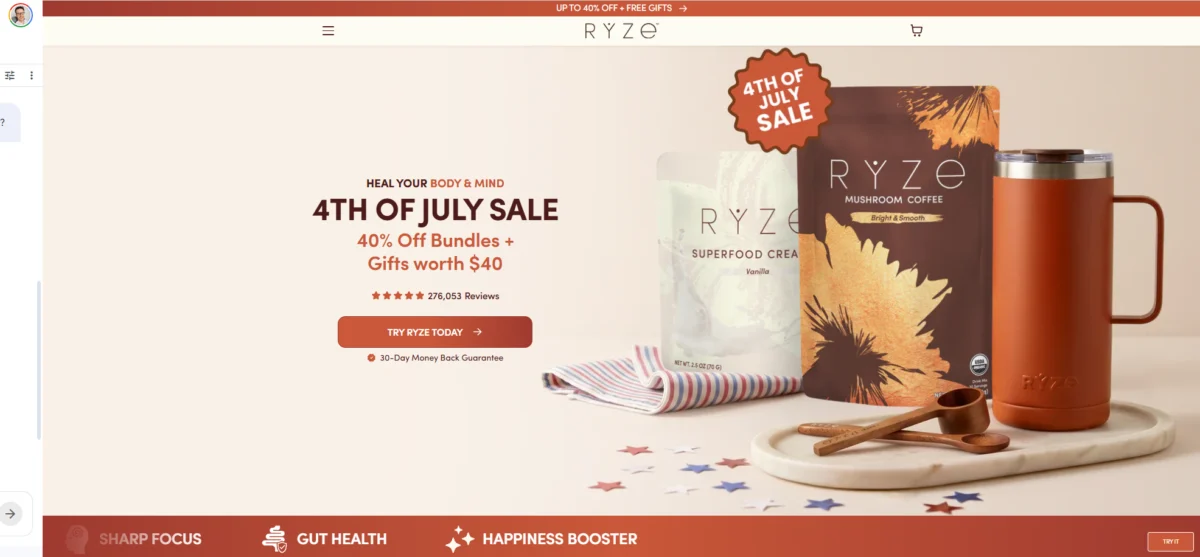
The digital retail landscape has undergone a seismic shift as brands move away from generalized storefronts toward highly specialized, conversion-focused environments known as e-commerce landing pages. Unlike traditional homepages or product detail pages (PDPs), which are designed for exploration and broad information sharing, an e-commerce landing page is a standalone destination engineered for a singular marketing objective. These pages serve as the primary destination for traffic originating from search engine results, paid social media advertisements, and targeted email marketing campaigns. As customer acquisition costs (CAC) continue to rise across platforms like Meta and Google, the ability to convert traffic efficiently has become the defining factor between profitable growth and unsustainable marketing spend.
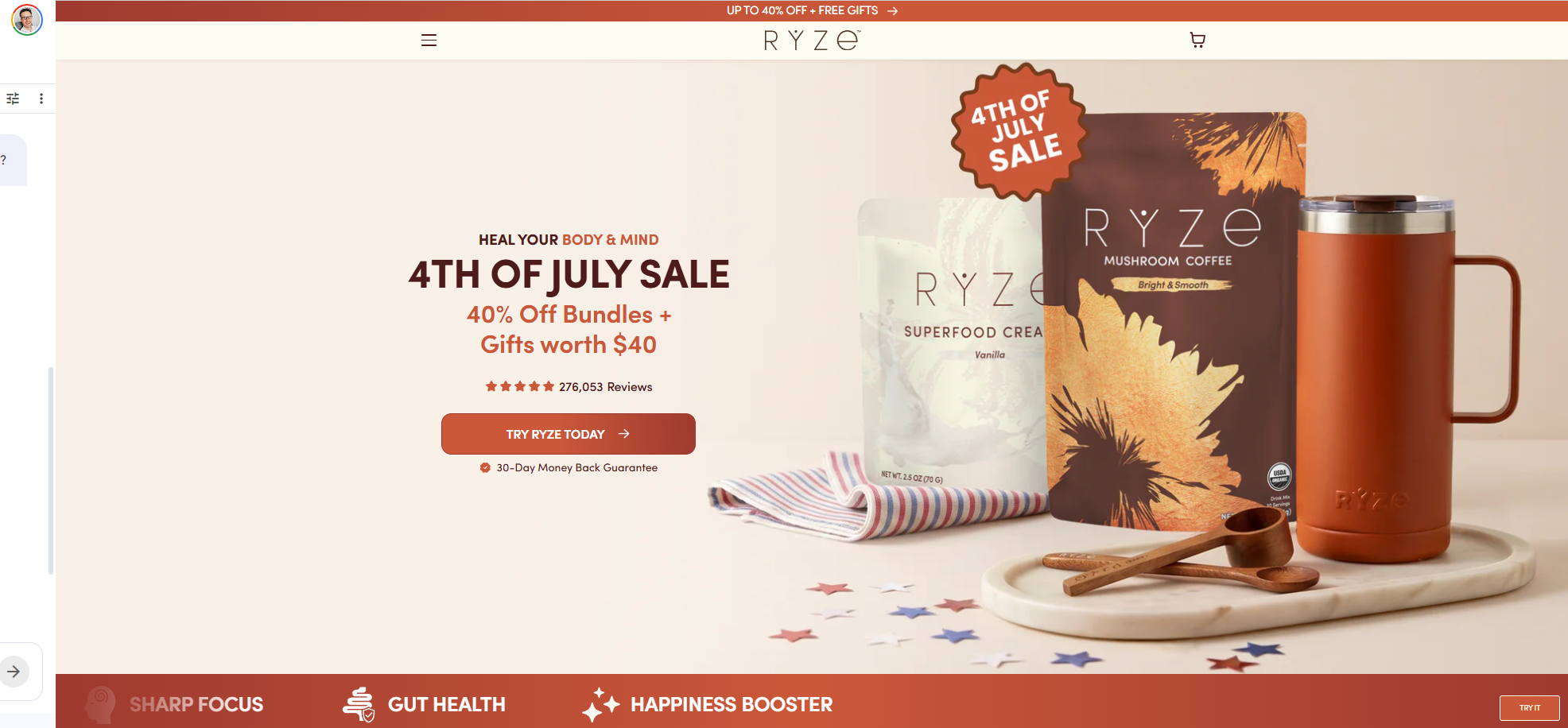
The Strategic Architecture of Modern Landing Pages
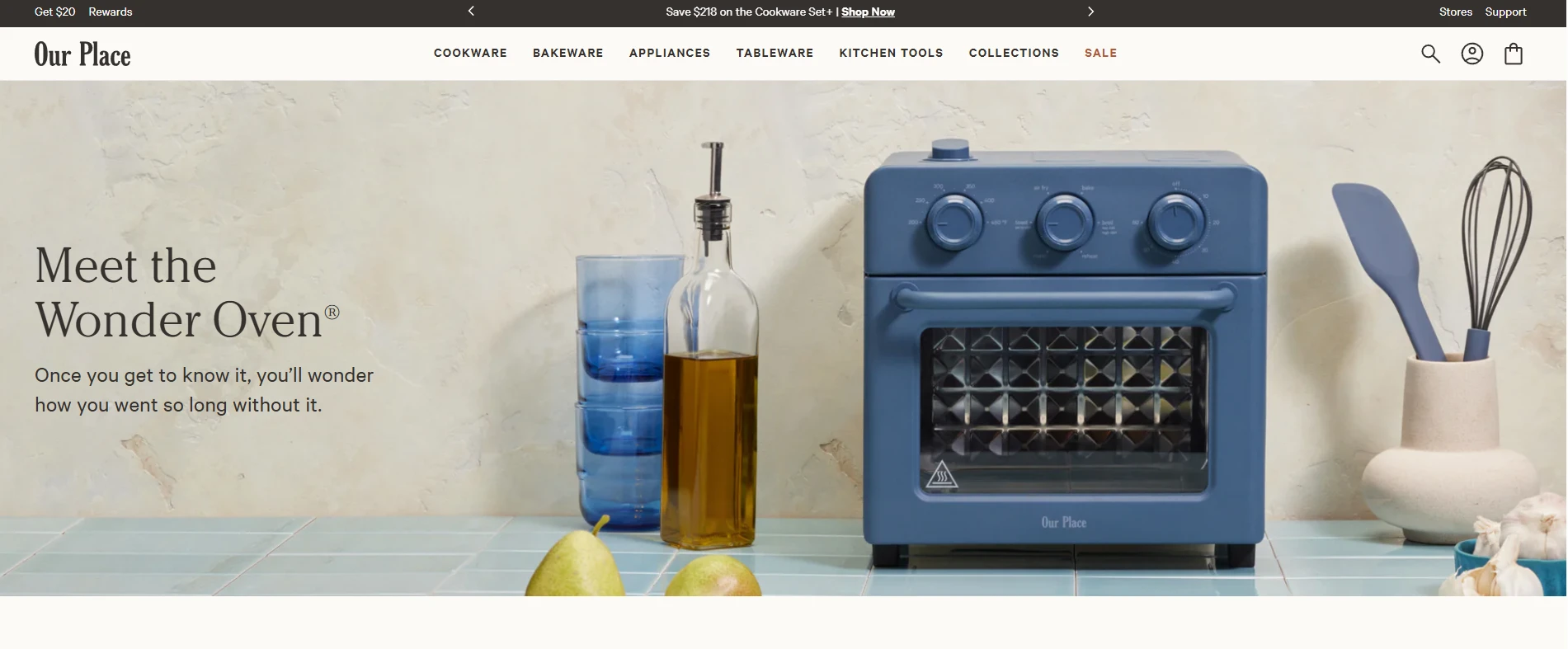
A professional e-commerce landing page is distinguished by its narrow focus. While a homepage might introduce a brand’s entire ethos and a product page details technical specifications, the landing page is designed to move a specific audience segment toward a specific action. Industry data indicates that the average conversion rate for e-commerce sites hovers around 2.5% to 3%; however, top-tier landing pages frequently see conversion rates exceeding 11% by eliminating distractions and aligning messaging with user intent.

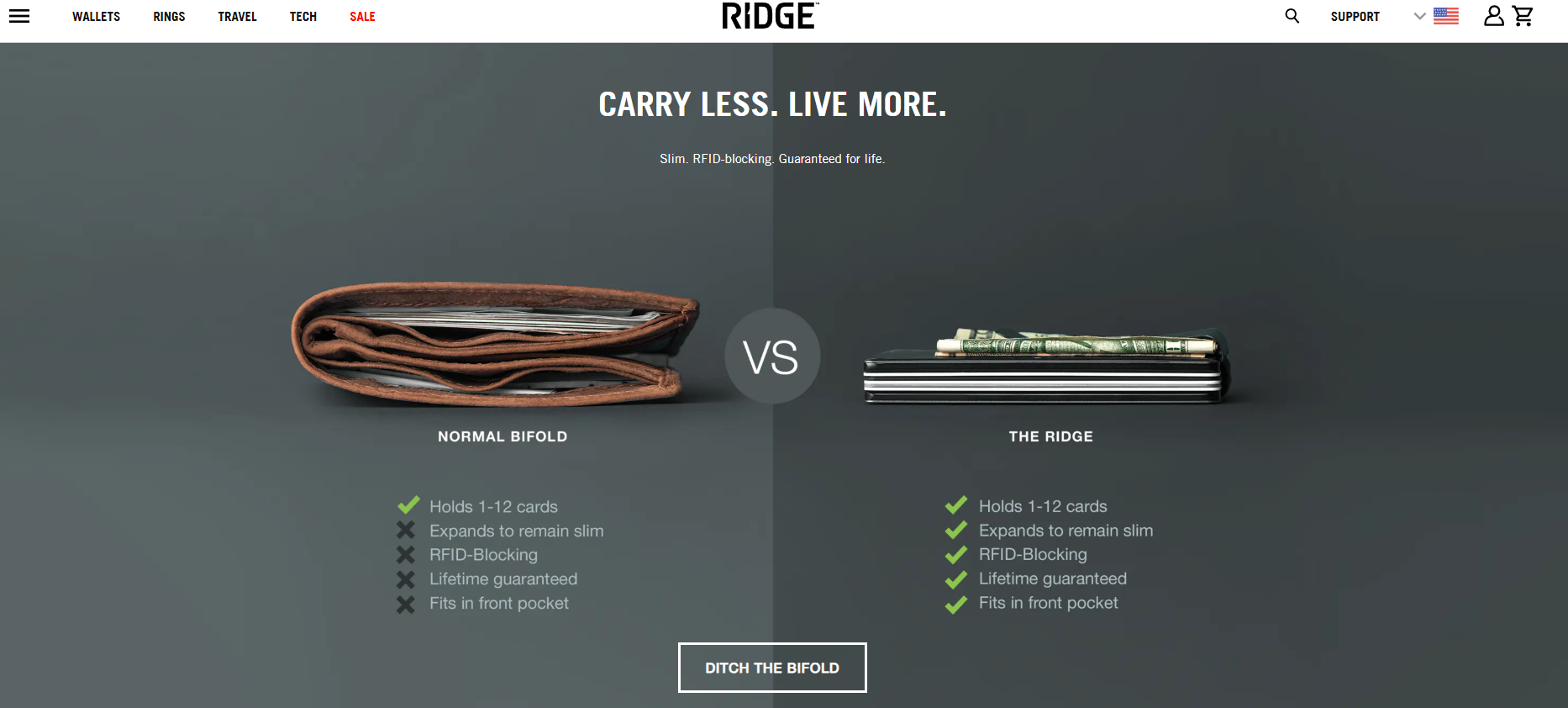
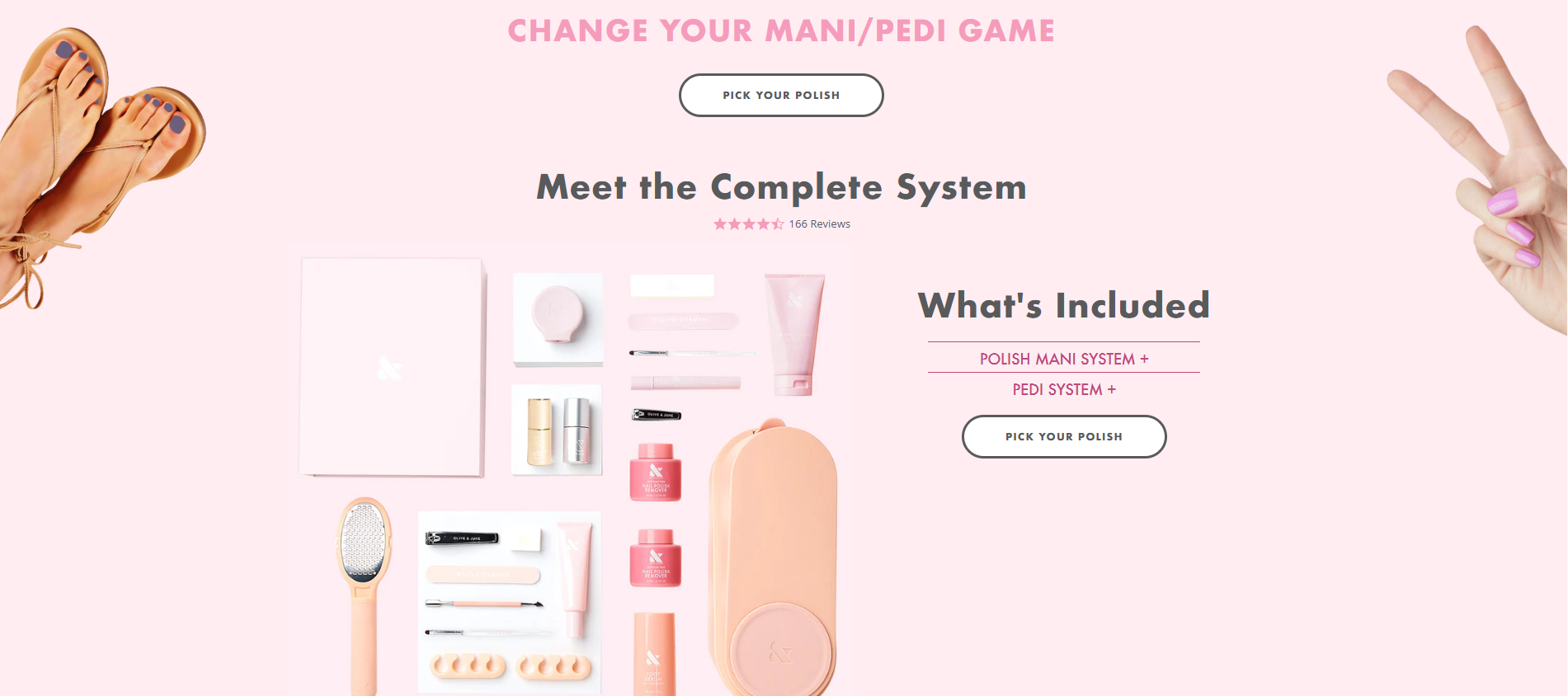
Marketing experts categorize these pages based on their position within the sales funnel. Top-of-funnel (ToFu) pages are educational, designed to introduce cold traffic to a brand’s value proposition. Mid-funnel (MoFu) pages often utilize comparison charts or "listicle" formats to assist shoppers in the consideration phase. Bottom-of-funnel (BoFu) pages focus on closing the sale through aggressive social proof and "buy-now" incentives. Finally, post-purchase landing pages are utilized for retention, offering cross-sells or loyalty rewards to maximize the lifetime value of the customer.
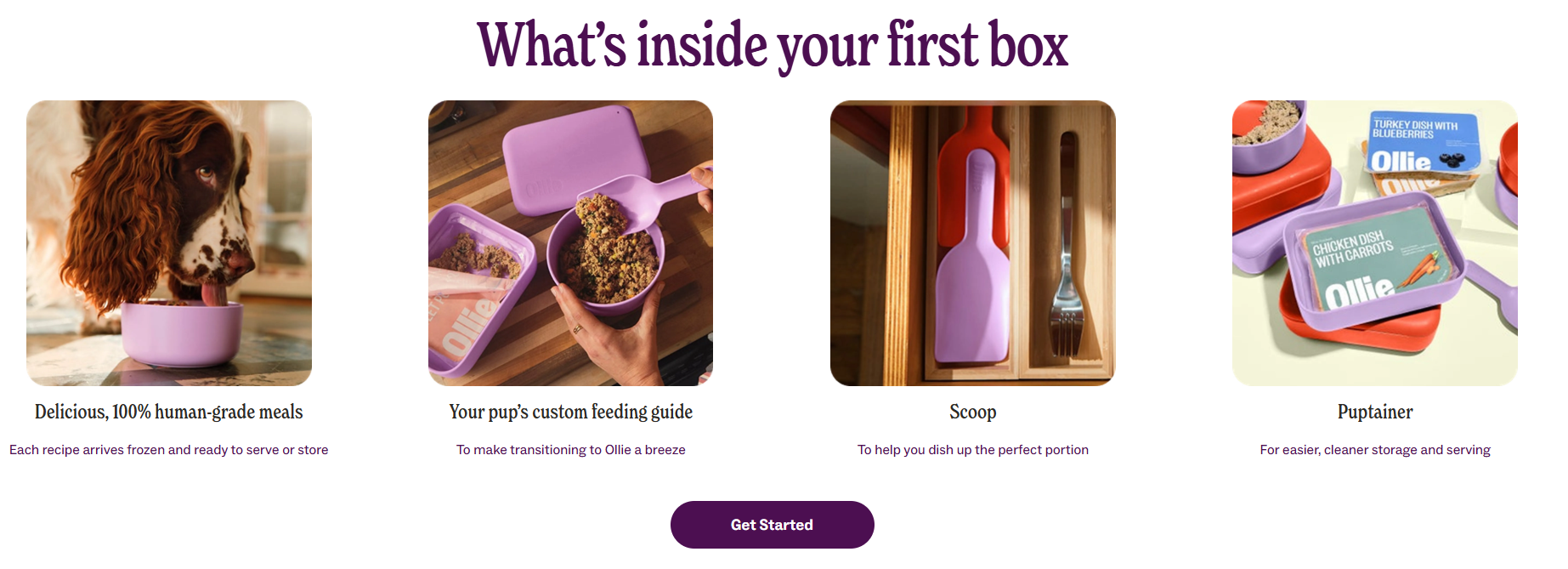
Chronology of Landing Page Evolution in Digital Trade
The evolution of the landing page reflects the broader history of the internet. In the early 2000s, "squeeze pages" were rudimentary, often consisting of long-form text and a simple order form. By 2010, the rise of visual social media necessitated a shift toward high-quality imagery and video integration.
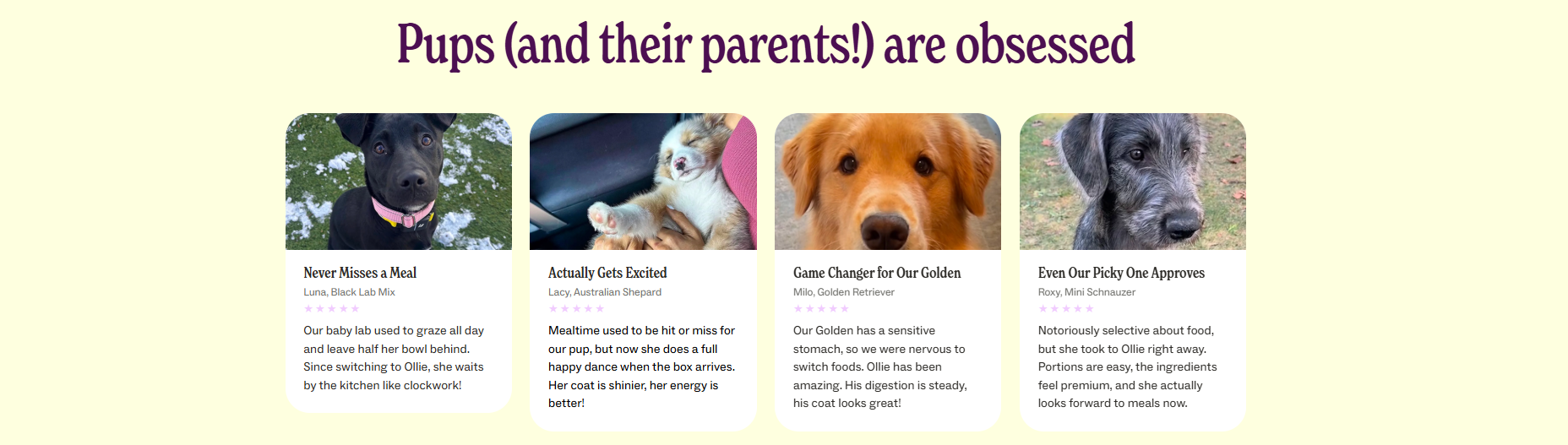
The mid-2010s saw the introduction of mobile-first design as global smartphone penetration surpassed desktop usage for online shopping. Today, the "modern era" of landing pages is defined by interactivity and data-driven personalization. Examples such as Maëlys’s five-step product-finder quiz or Eight Sleep’s interactive "hotspot" explorer represent the current pinnacle of the medium. These pages do not merely present information; they engage the user in a diagnostic process, creating a sense of personalized service that was previously only available in physical retail environments.

Case Studies in High-Performance Design
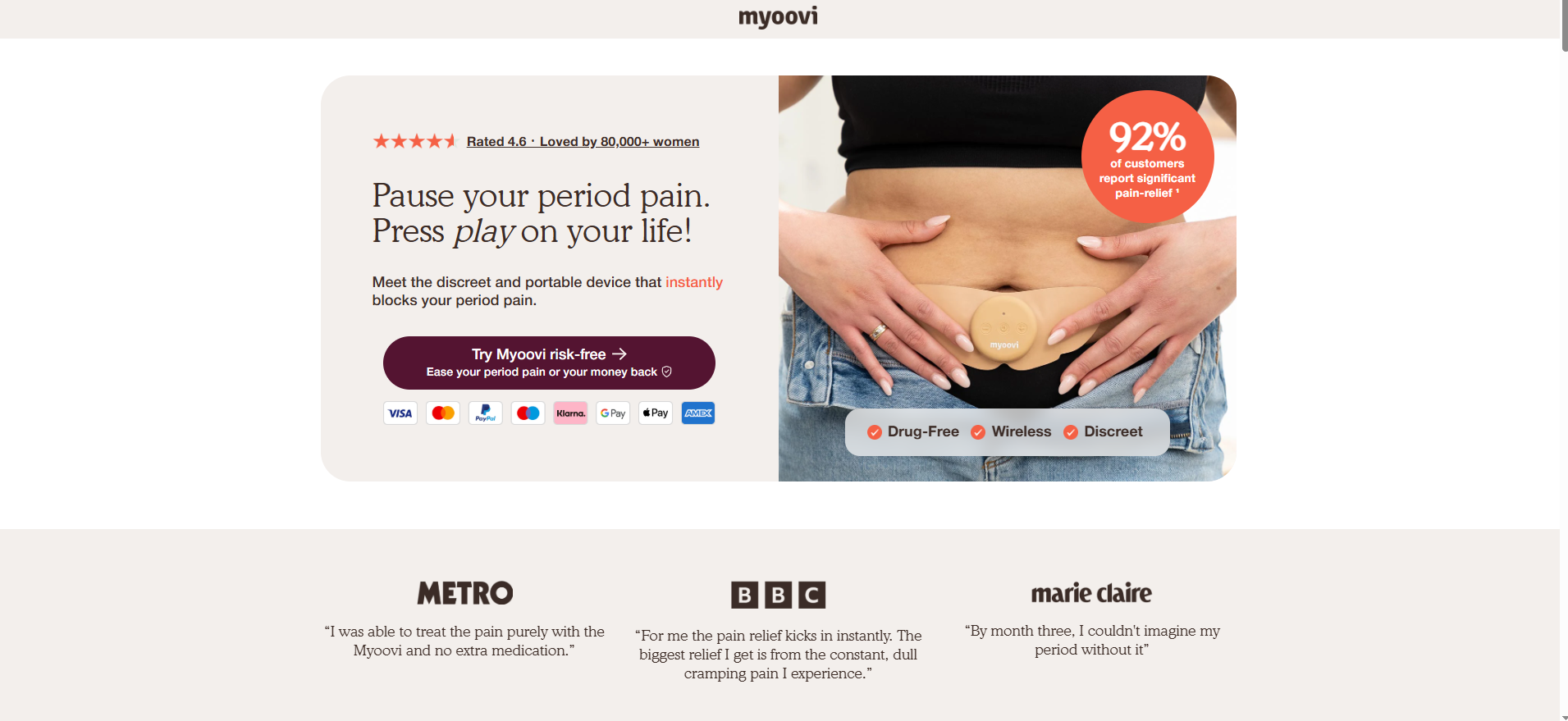
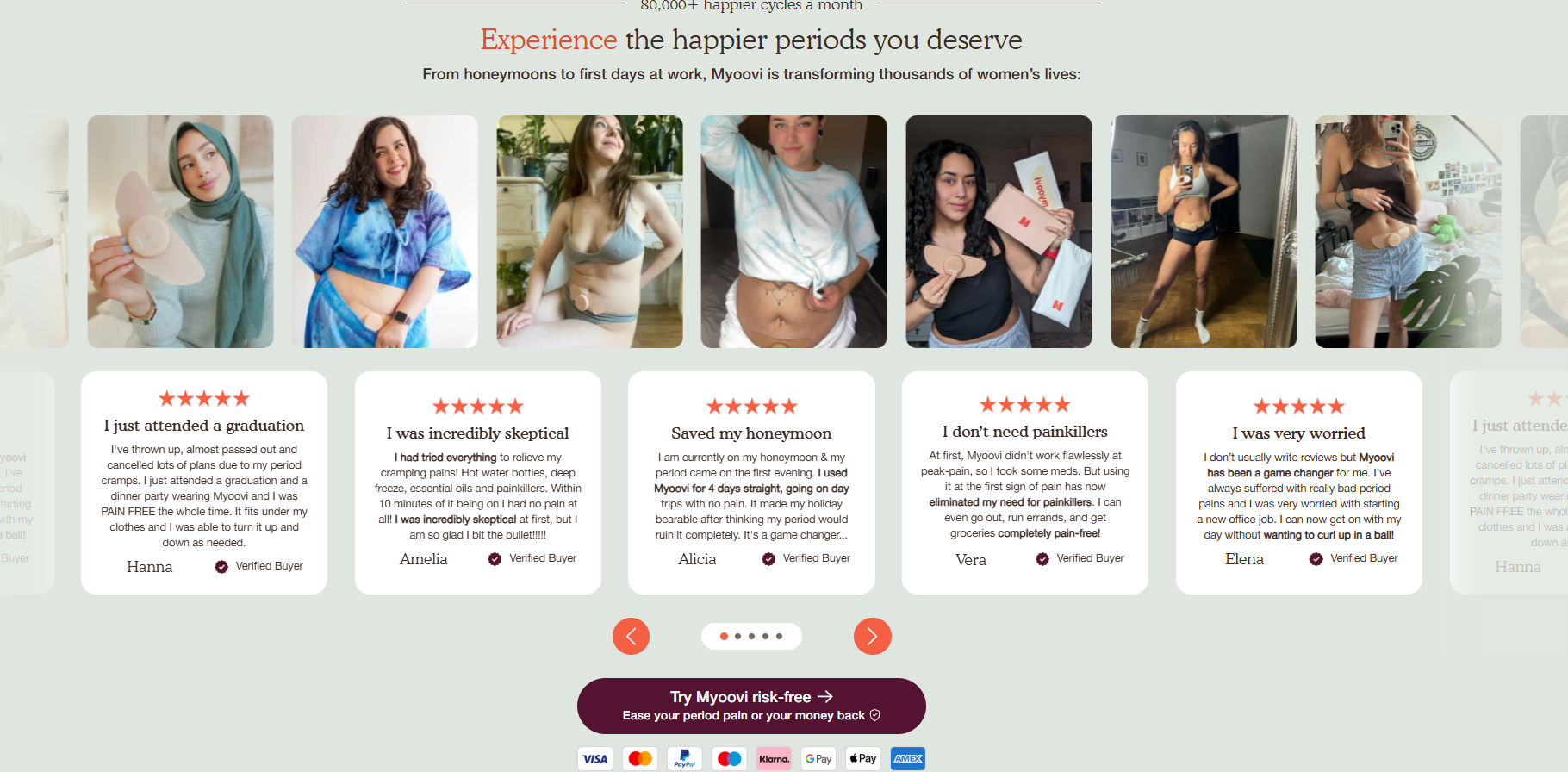
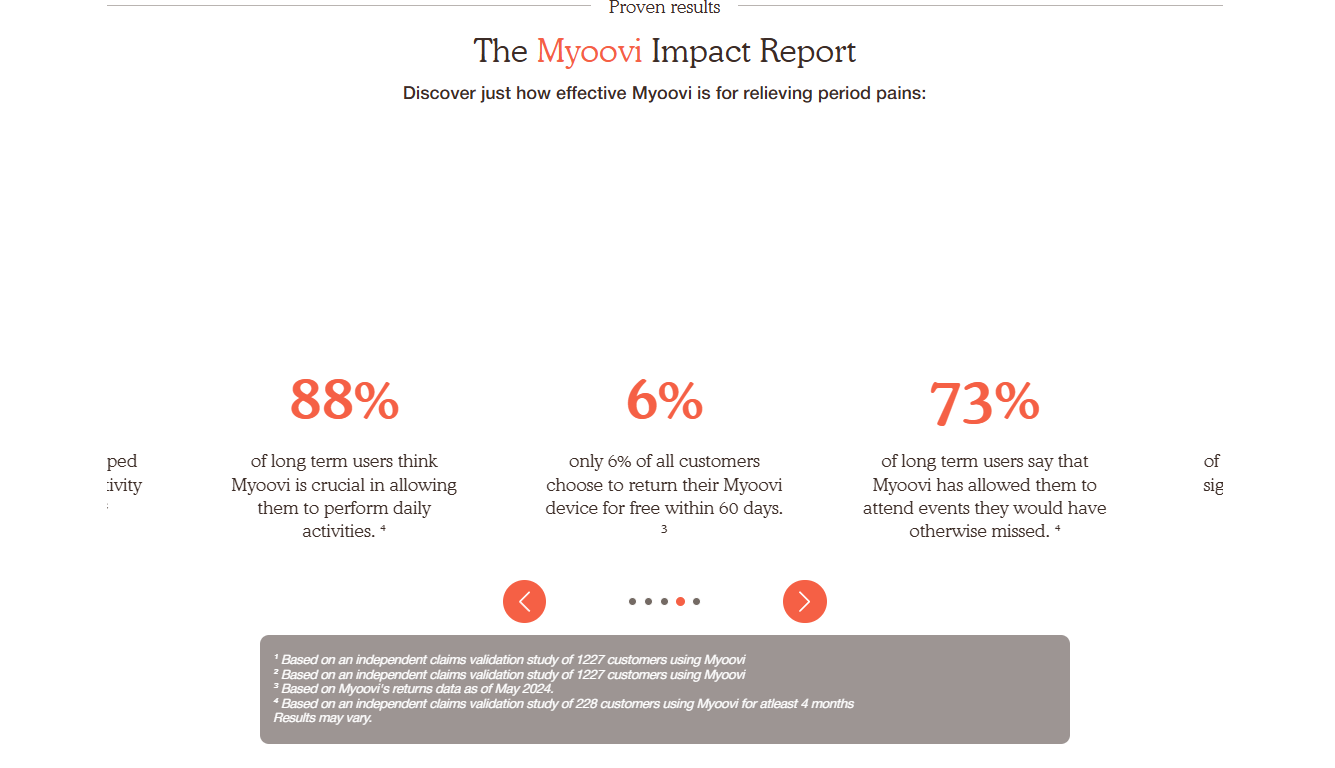
Analysis of market leaders reveals a consistent set of elements that drive high performance. For instance, the period-pain relief brand Myoovi utilizes a strategy known as "risk reversal." By layering a 60-day money-back guarantee with free returns directly into the call-to-action (CTA), the brand removes the psychological barrier to purchase. This is supported by an "Impact Report" featuring clinical statistics, which provides the objective evidence necessary for high-consideration health products.
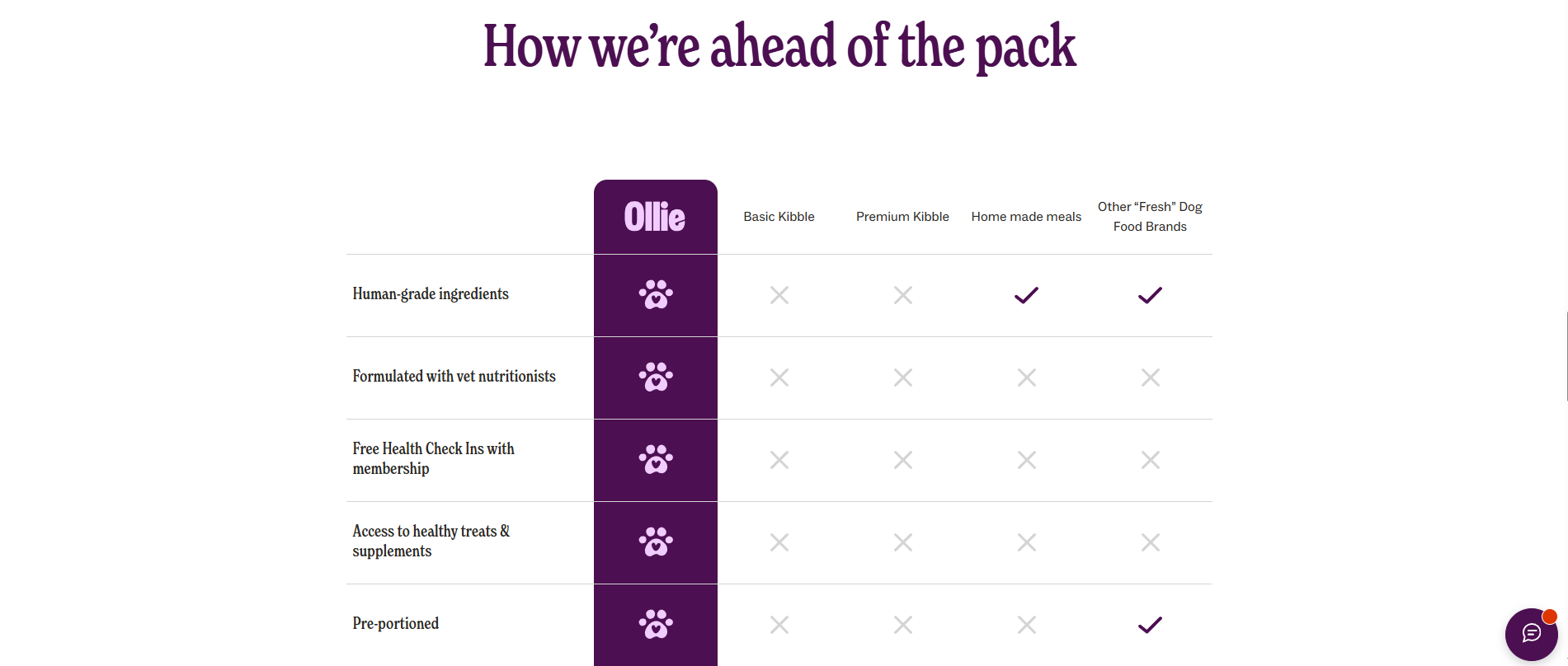
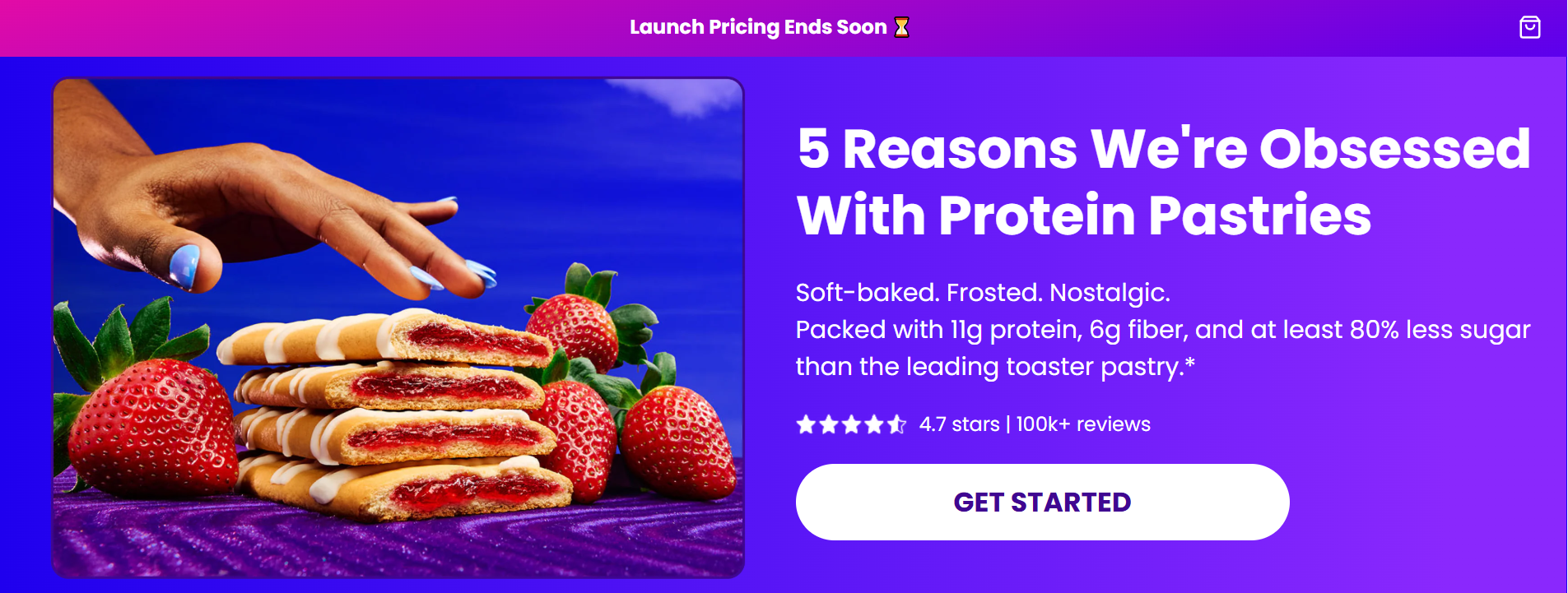
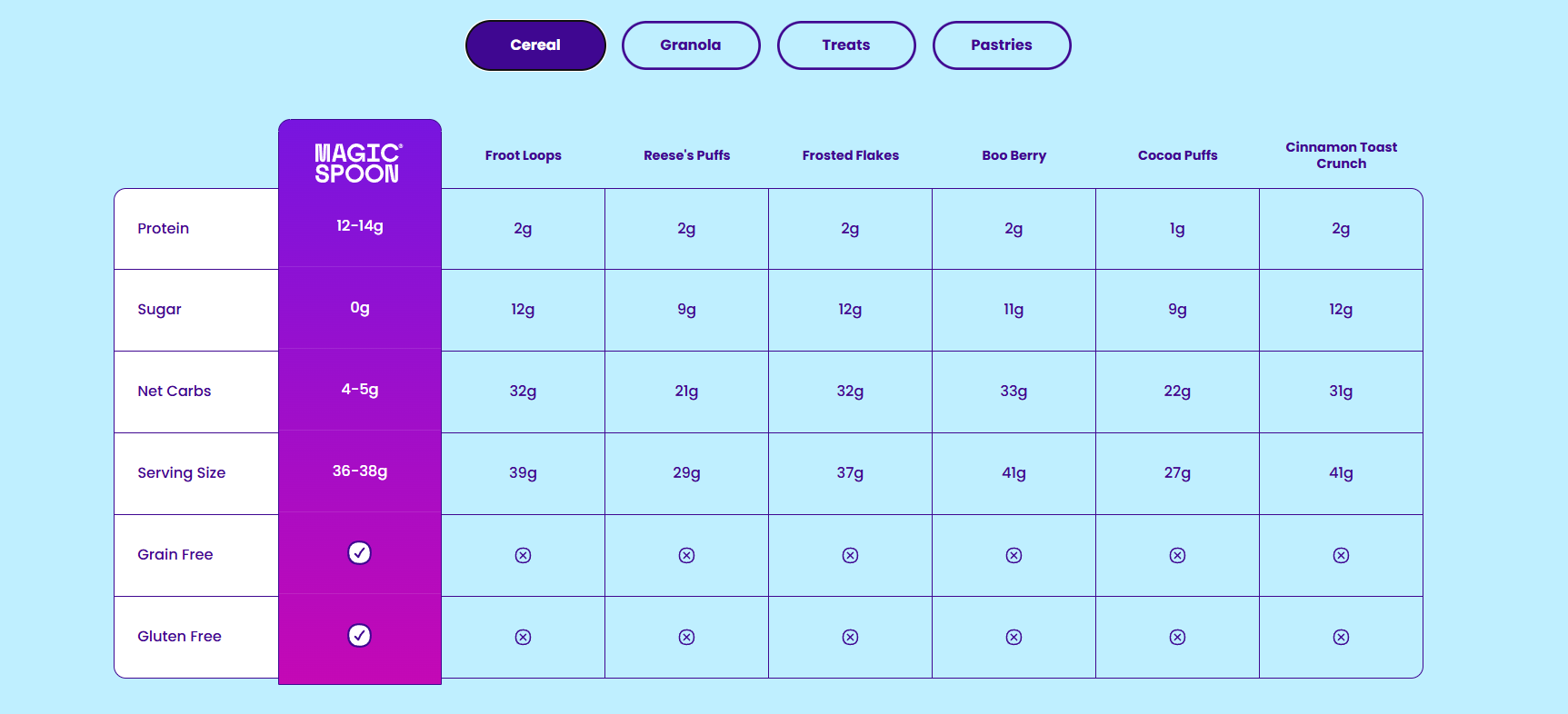
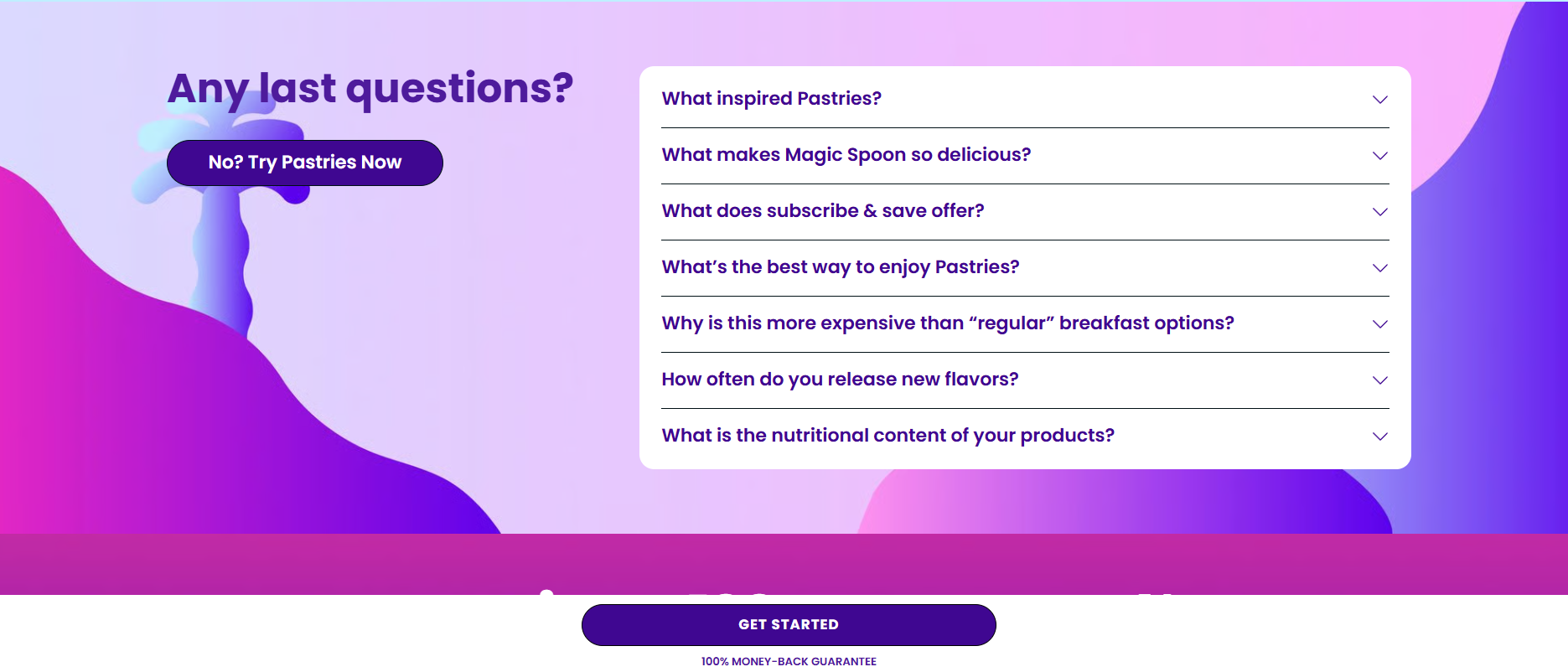
In the food and beverage sector, Magic Spoon has set a benchmark for educational landing pages. Their protein-pastry pages utilize a listicle format—"5 Reasons We’re Obsessed"—to distill complex nutritional benefits into digestible bullet points. Furthermore, they utilize brand-specific comparison tables. Rather than comparing themselves to "generic" cereals, they name established competitors like Froot Loops or Cocoa Puffs, leveraging the customer’s existing familiarity to highlight their own nutritional superiority.

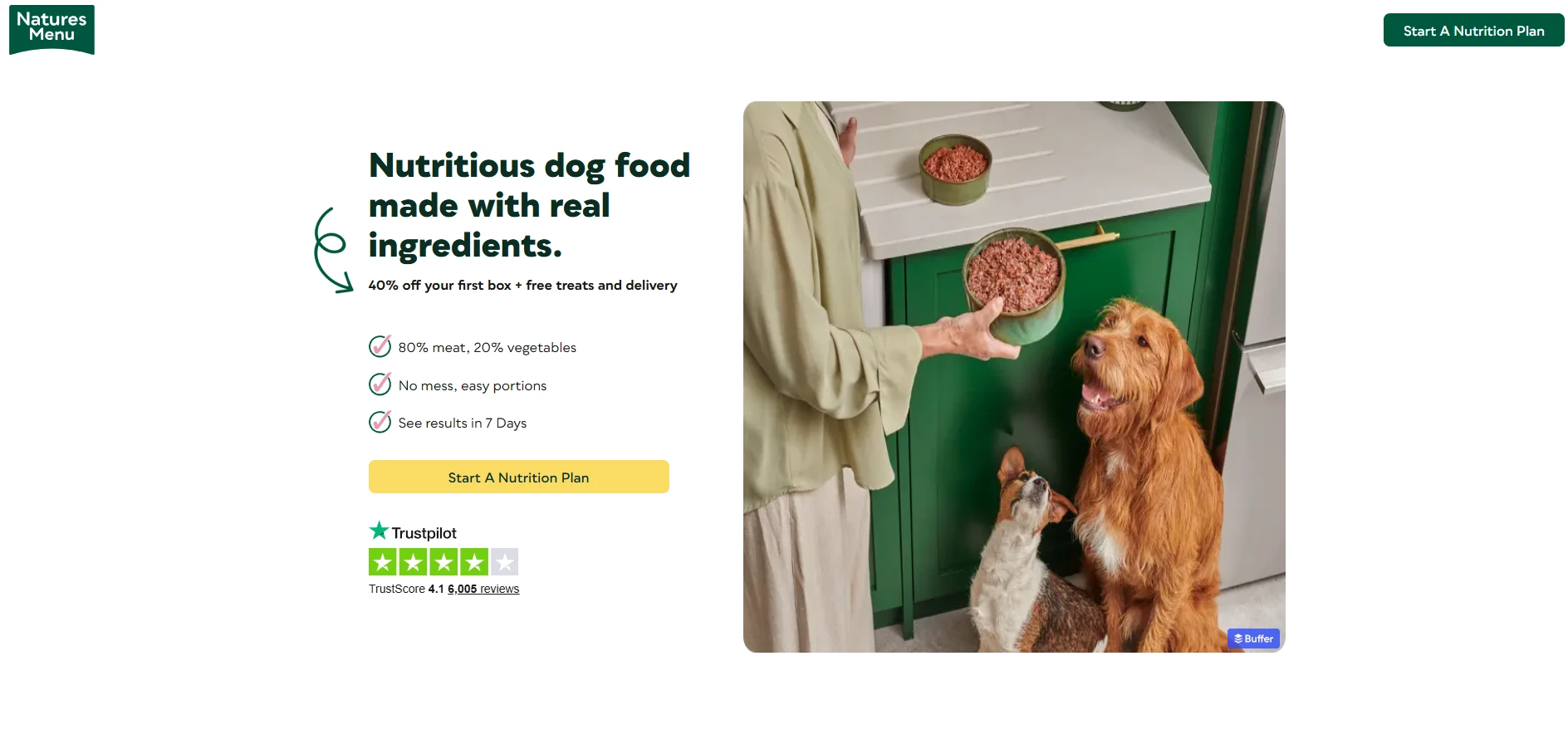
Pet health brand Nature’s Menu demonstrates the power of authoritative social proof. Beyond standard customer reviews, the brand incorporates endorsements from registered veterinary nurses. In the "Results in 7 Days" section, they provide a chronological timeline of expected health improvements, such as "firmer stools" and "healthier weight," which sets realistic expectations and builds long-term trust.
Supporting Data and Technical Benchmarks
Data from digital marketing institutes suggests that the first five seconds of page-load time have the highest impact on conversion rates. E-commerce landing pages that load in one second have a conversion rate three times higher than pages that take five seconds to load.
Key performance indicators (KPIs) for these pages include:
- Message Match: The degree to which the landing page headline matches the ad copy that preceded it. High message match reduces bounce rates by 20% on average.
- Visual Hierarchy: High-converting pages place the Unique Value Proposition (UVP) and the primary CTA "above the fold"—the portion of the screen visible without scrolling.
- Social Proof Density: Successful pages typically feature at least three types of social proof: aggregated ratings (e.g., Trustpilot), individual testimonials, and expert or celebrity endorsements.
- Navigation Removal: Removing the standard website header and footer menu has been shown to increase conversion rates by up to 100%, as it closes "exit ramps" that lead the user away from the purchase module.
Analytical Framework: The Role of Conversion Rate Optimization (CRO)
Building a landing page is not a one-time event but a continuous cycle of analysis and improvement. Industry professionals utilize tools such as Crazy Egg to gain insights into user behavior. Heatmapping technology allows designers to see exactly where users are clicking and how far they are scrolling. For example, if a heatmap reveals that 80% of visitors stop scrolling before reaching a testimonial section, the designer may move that social proof higher up the page.
A/B testing, or split testing, is another critical component of the professional newsroom-standard approach to e-commerce. By showing two different versions of a page to similar audiences, brands can determine whether a "Buy Now" button performs better in green or red, or if a video hero image outperforms a static photo.
Industry Reactions and Market Implications
The consensus among digital strategists is that the "generalist" approach to e-commerce is declining. "The modern consumer expects a frictionless, tailored experience," says one senior analyst at a leading e-commerce platform. "If an ad promises a solution to back pain, and the link leads to a generic home office furniture page, the brand has already lost the customer. Specificity is the new currency of the internet."
This shift has significant implications for small and medium-sized enterprises (SMEs). While large corporations have the budget for massive brand-awareness campaigns, SMEs must rely on the surgical precision of landing pages to compete. By focusing on niche audiences and specific pain points, smaller brands can achieve conversion rates that allow them to outbid larger competitors for high-intent search keywords.
Broader Impact on Search Engine Optimization (SEO)
There is a common misconception that dedicated landing pages can negatively impact a website’s SEO. However, technical experts clarify that when managed correctly, these pages enhance a brand’s digital footprint. By utilizing "noindex" tags on paid-traffic landing pages, brands can prevent keyword cannibalization—where a landing page competes with the main website for the same search ranking.
Furthermore, "SEO landing pages" are increasingly used to target "long-tail" keywords. For example, a company selling standing desks might create a specific landing page titled "Electric Standing Desk vs. Normal Desk: Which is Better for Home Offices?" This targets users in the research phase of the funnel, capturing organic traffic that might not have searched for the brand name directly.
Conclusion and Future Outlook
The discipline of e-commerce landing page design is moving toward even greater levels of automation and AI-driven customization. We are approaching a future where landing pages may dynamically adjust their copy and imagery in real-time based on the specific user’s browsing history or demographic profile.
However, the core principles of human psychology remain constant. Successful conversion will always depend on a clear value proposition, the removal of friction, and the establishment of trust. As the digital marketplace becomes increasingly crowded, the brands that master the art of the standalone landing page will be the ones that secure a dominant market position. The transition from "browsing" to "buying" is a delicate psychological journey; the landing page is the map that ensures the customer reaches the destination.







