
 rifanmuazin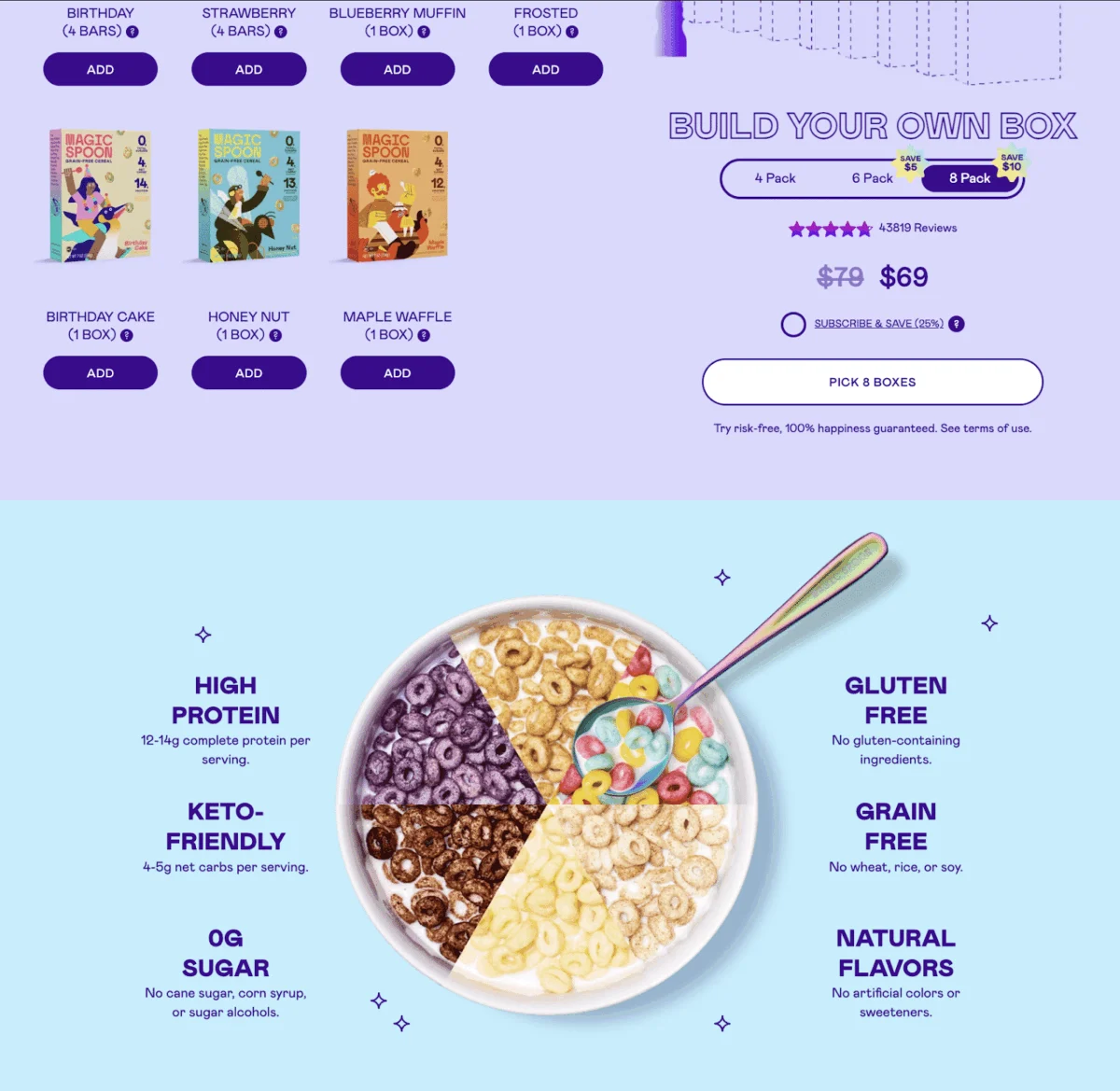
In the increasingly competitive digital marketplace, the architecture of an e-commerce category page serves as the critical bridge between a consumer’s initial interest and their final purchase decision. While much of the industry’s focus historically gravitated toward the home page or the final product page, modern consumer behavior data suggests that category pages—often referred to as "listing pages" or "aisles"—are the most influential touchpoints in the user journey. A poorly optimized category page characterized by slow load times, irrelevant filters, and overwhelming clutter can lead to immediate site abandonment, whereas a streamlined, intuitive interface can significantly shorten the path to conversion.

The Strategic Foundation of Category Page Development
The development of high-performing e-commerce category pages begins with the establishment of clear, data-driven objectives. Industry analysts emphasize that a category page must serve a dual purpose: it must satisfy the user’s search intent while simultaneously fulfilling the brand’s commercial goals. Identifying the target audience’s specific needs is the first step in this process. This involves a deep dive into customer personas to understand whether they are "goal-oriented" shoppers looking for a specific item or "browsers" seeking inspiration.
To achieve this, retailers are increasingly utilizing consumer feedback loops. Methods such as analyzing internal site search data reveal the exact terminology customers use, which in turn informs category naming conventions. Furthermore, setting measurable objectives is vital for assessing performance. Key performance indicators (KPIs) for category pages typically include:
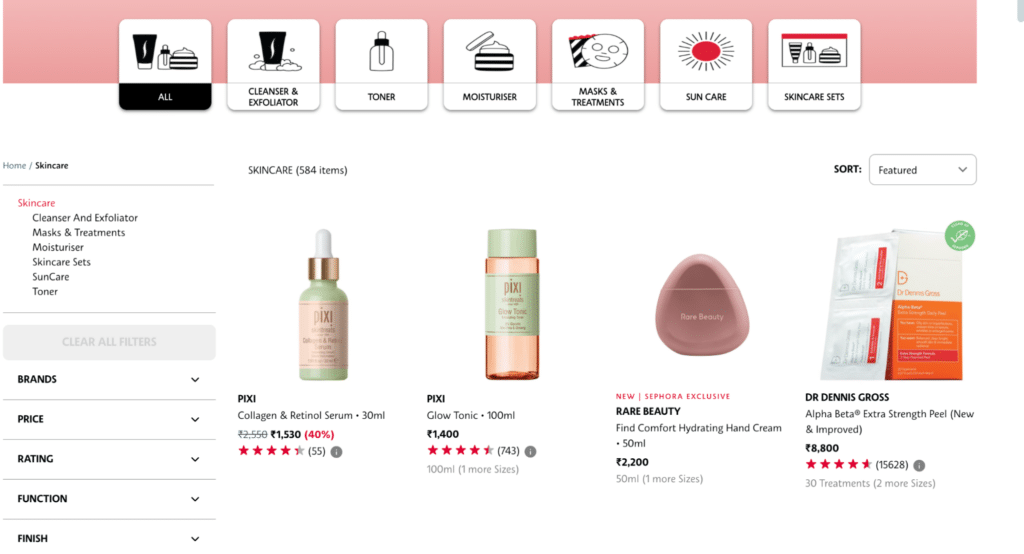
- Click-Through Rate (CTR): The percentage of users who move from the category page to a specific product page.
- Bounce Rate: Monitoring how many users leave the site immediately after landing on a category page.
- Conversion Rate: The ultimate metric of how many category views result in a completed transaction.
- Revenue per Visitor (RPV): A holistic metric that measures the financial value of each user session, often improved through strategic upselling and cross-selling within the category layout.
Architectural Optimization and Layout Standards
A well-structured category page is more than a digital catalog; it is a sophisticated interface designed to minimize cognitive load. The layout must be engineered to guide the eye toward the most relevant products without inducing "decision fatigue."
Clear Headers and Navigational Clarity
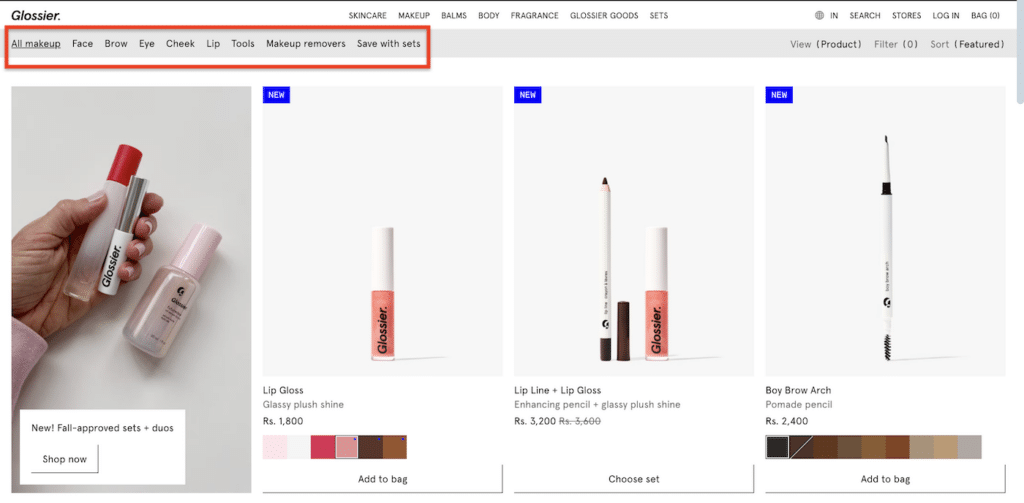
The category title acts as a primary orientation point. Professional standards suggest using precise, high-volume search terms rather than creative or abstract labels. For instance, the beauty brand Glossier utilizes straightforward headers such as "Face" or "Eyes." This clarity assists users in immediate identification and provides significant SEO benefits by aligning with common search queries.
Advanced Filtering and Faceted Search
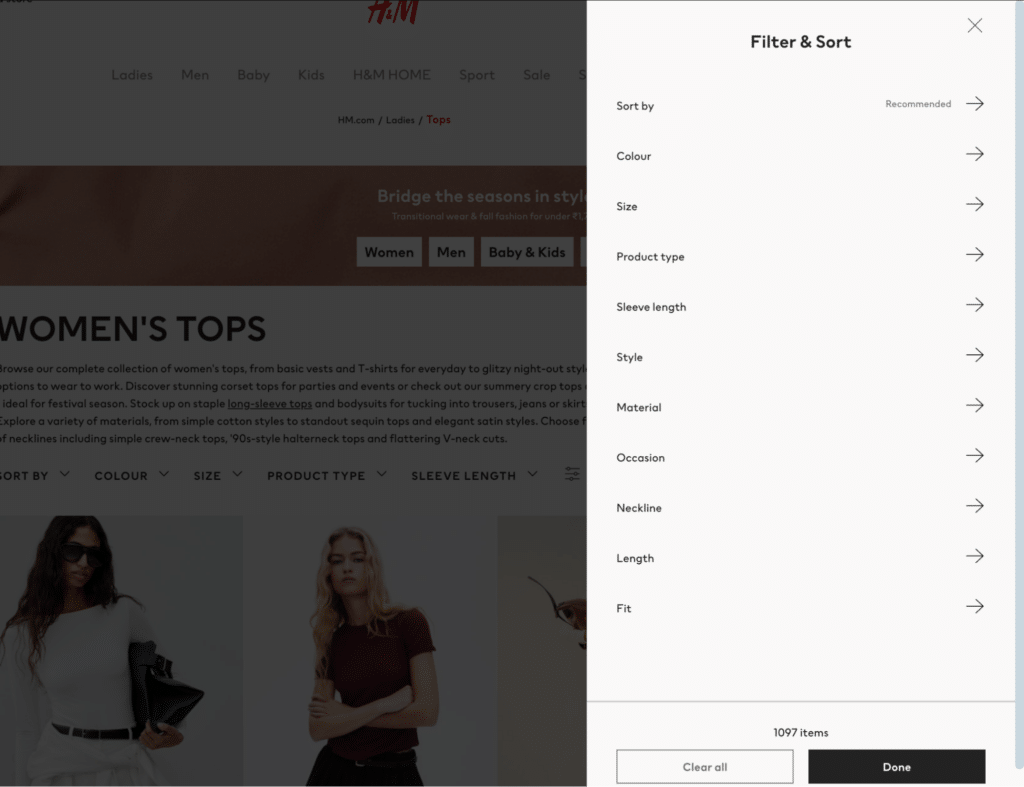
As product inventories grow, the necessity for robust filtering systems becomes paramount. Faceted search allows users to narrow down hundreds of options into a manageable selection based on attributes like size, color, material, and price range. Fashion retailers like H&M have set a benchmark in this area by offering highly specific filters, such as neckline style or occasion, which caters to the "long-tail" needs of specific shoppers.
High-Quality Product Listings
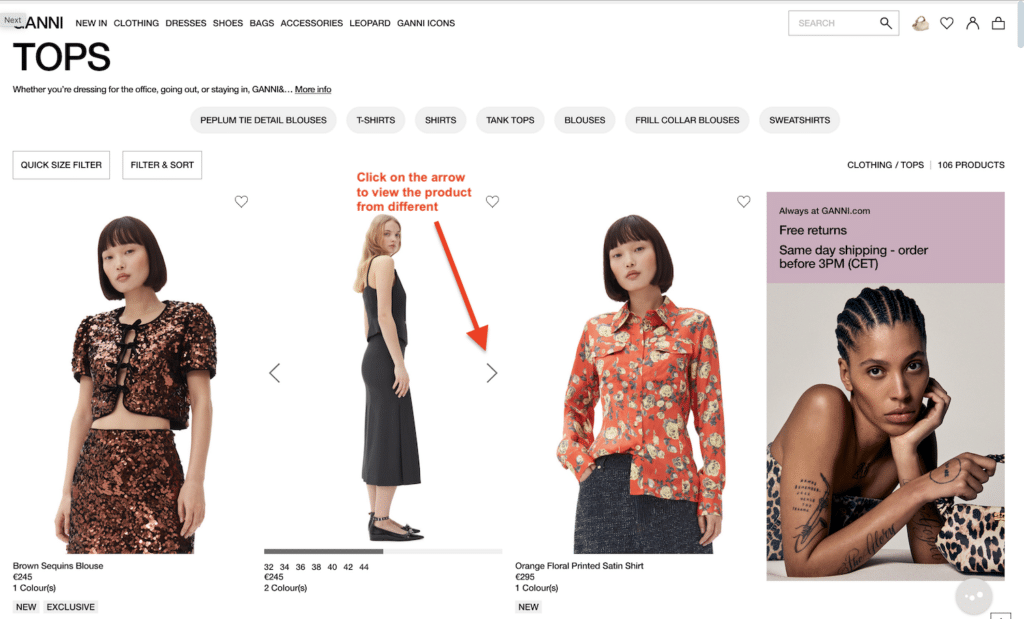
The visual presentation of products remains the most influential factor in the digital shopping experience. Modern category pages now feature "hover effects" where a secondary product image is revealed when a user mouses over an item. Brands like Ganni have successfully implemented high-resolution imagery that allows for zooming directly from the category view, reducing the number of clicks required to evaluate a product. This transparency builds trust and provides the user with a comprehensive understanding of the item’s features, such as fabric texture and fit, before they even reach the product detail page.
The Mobile Imperative and Responsive Design
The evolution of e-commerce is inextricably linked to the rise of mobile commerce (m-commerce). Market projections indicate that by 2025, nearly 79% of all e-commerce sales will be conducted via mobile devices. This shift necessitates a "mobile-first" approach to category page design.
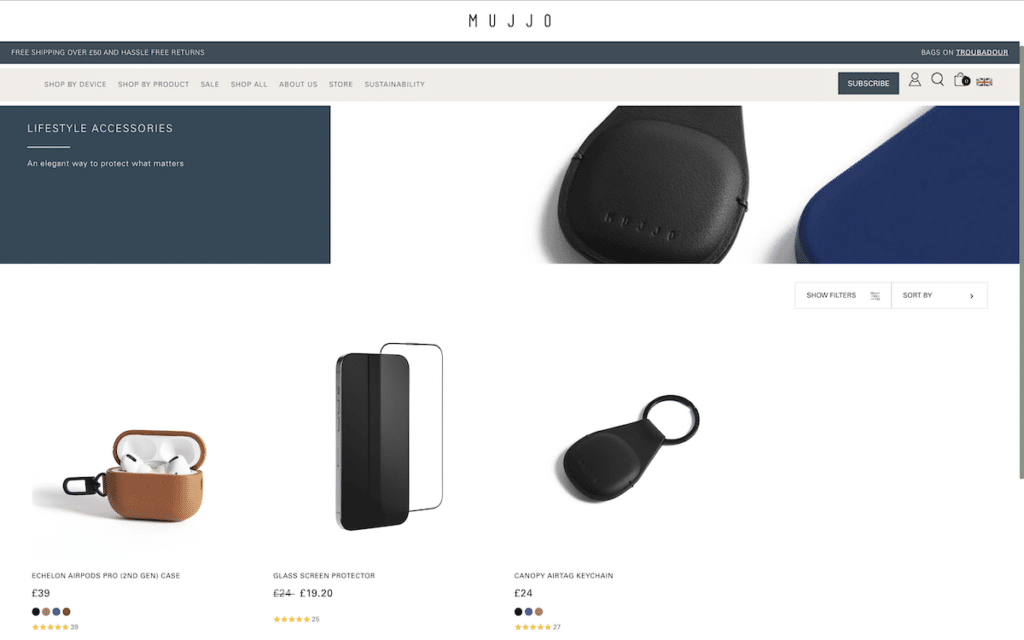
A mobile-responsive layout must account for "thumb-driven" navigation. This includes larger call-to-action (CTA) buttons, simplified menus, and a vertical scroll that feels natural on a smartphone. Minimalist designs, such as those employed by the tech-accessory brand Mujjo, utilize white space effectively to prevent the mobile screen from appearing cluttered. Furthermore, technical optimization for mobile is critical; a one-second delay in mobile load times can impact conversion rates by up to 20%, according to industry research.
Enhancing User Experience Through Psychological Triggers
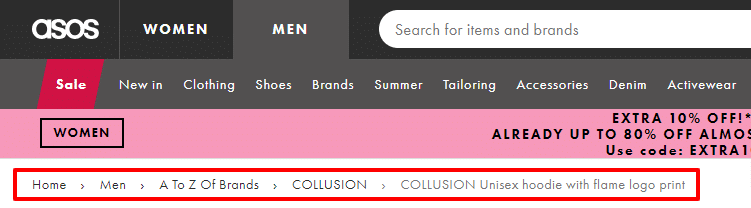
To retain visitors, e-commerce platforms must prioritize the User Experience (UX) by reducing friction. One of the most effective tools for this is the implementation of breadcrumb navigation. Breadcrumbs provide a clear trail of the user’s path (e.g., Home > Men’s Shoes > Running Shoes), allowing for easy backtracking and better site orientation.
Other essential UX elements include:
- "Back to Top" Buttons: Essential for long-scrolling pages to improve ease of navigation.
- Quick View Options: Allowing users to see product details in a modal window without leaving the category page.
- Social Proof Integration: Displaying star ratings or "Best Seller" badges directly on the category listing to leverage the psychological principle of social validation.
Content Strategy and Search Engine Visibility
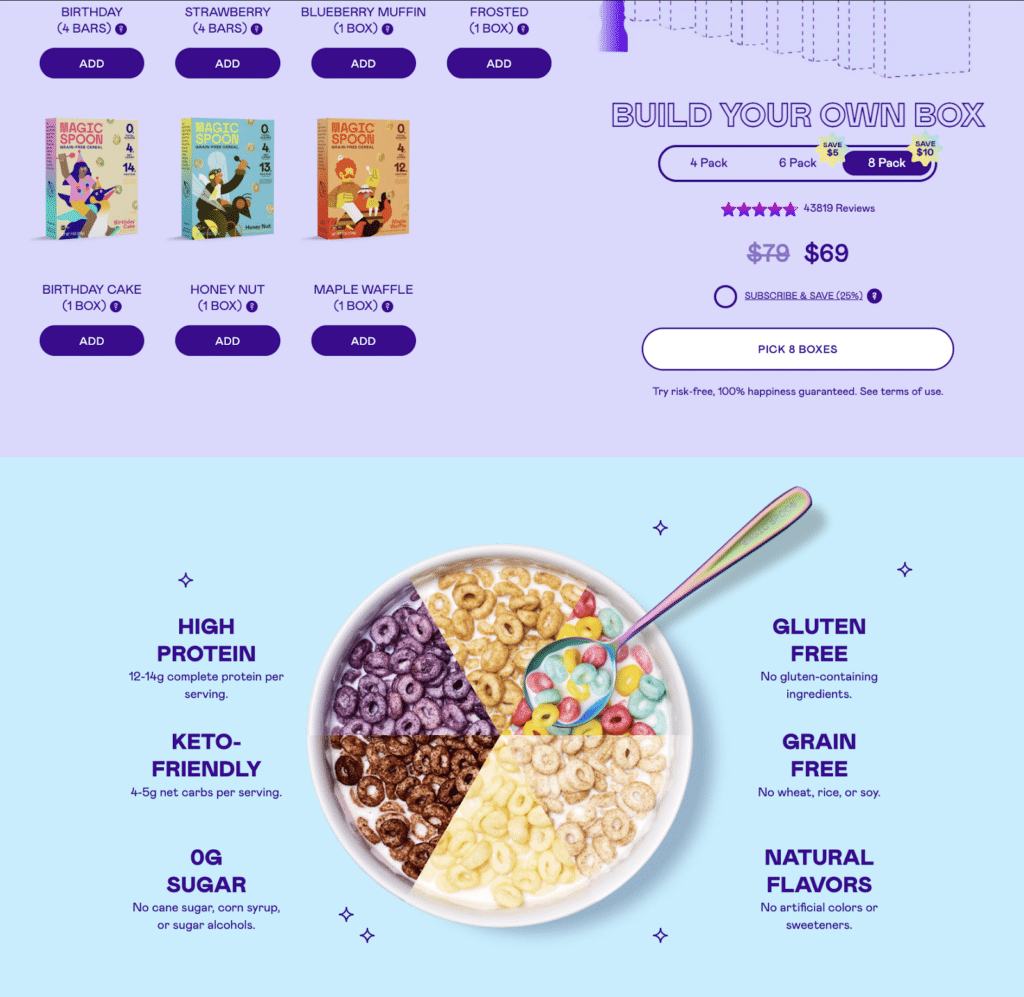
Engaging content on a category page serves two masters: the human shopper and the search engine algorithm. Effective category descriptions should be concise yet informative, incorporating relevant keywords naturally. Magic Spoon, a modern cereal brand, exemplifies this by using SEO-friendly terms like "keto-friendly" and "high-protein" within their category headers and descriptions to capture targeted search traffic.
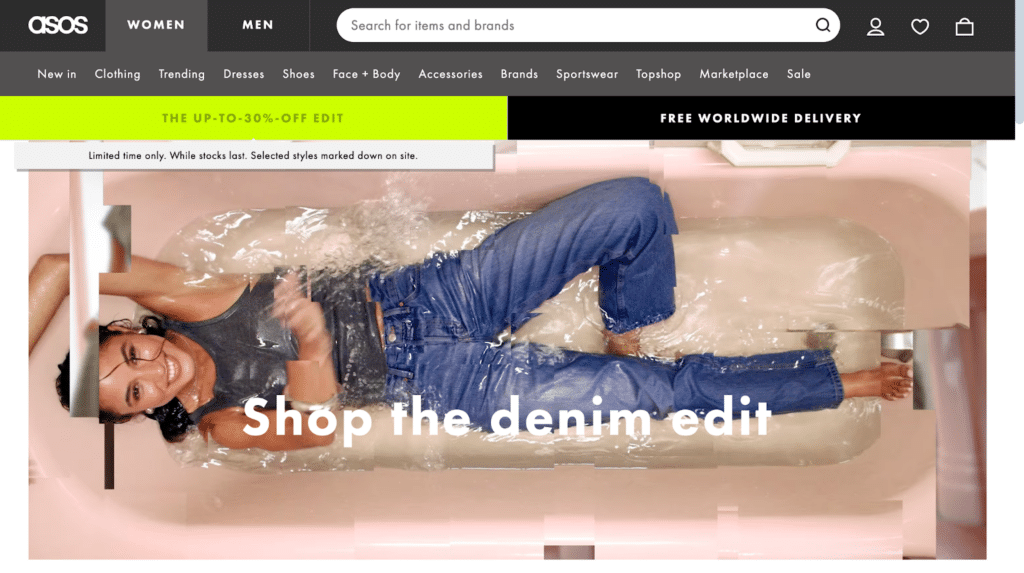
Moreover, the strategic placement of promotions can act as a powerful conversion "nudge." Global retailers like ASOS frequently utilize the top of their category pages to highlight time-sensitive discounts or shipping offers. Statements such as "Limited time only" or "While stocks last" create a sense of urgency, encouraging shoppers to move more quickly through the sales funnel.
Technical SEO and Discoverability
For a category page to be successful, it must be discoverable. Search Engine Optimization (SEO) for category pages involves rigorous keyword research using professional tools like SEMrush, Ahrefs, or Google Keyword Planner. The goal is to identify terms with high commercial intent. For example, a footwear retailer would target "women’s waterproof hiking boots" rather than just "boots."
Key technical SEO requirements include:
- Optimized Meta Tags: Title tags and meta descriptions must be compelling and include primary keywords within a 160-character limit.
- Alt Text for Images: Ensuring that every product image has descriptive alt text for accessibility and image search ranking.
- Internal Linking: Creating a robust internal link structure that distributes "link equity" from the home page to various sub-categories.
The Analytical Loop: Continuous Improvement
The final stage of managing e-commerce category pages is a perpetual cycle of analysis and adjustment. Digital storefronts are never truly "finished"; they are iterative projects that must evolve based on user behavior data.
Tools such as FigPii provide invaluable insights through heatmaps and session replays. Heatmaps show exactly where users are clicking and how far they are scrolling, while session replays allow retailers to watch real-time interactions to identify points of frustration. A/B testing is another critical component of this phase. By testing two different versions of a category page—perhaps one with a sidebar filter and one with a top horizontal filter—retailers can determine which layout yields a higher conversion rate.
Broad Impact and Industry Implications
The shift toward highly optimized category pages reflects a broader trend in e-commerce: the move toward hyper-personalization and efficiency. As the digital space becomes more crowded, the retailers that survive will be those who respect the user’s time.
The implications of category page design extend beyond immediate sales. A well-organized site enhances brand perception and fosters long-term customer loyalty. When a shopper finds what they need quickly and easily, the likelihood of repeat business increases exponentially. In an era where customer acquisition costs are rising, maximizing the value of every visitor through superior category page design is no longer an option—it is a business necessity. By combining aesthetic appeal with technical precision and psychological insight, e-commerce brands can transform their category pages from simple lists into powerful engines of growth.








