rifanmuazin
In an era where digital advertising costs continue to climb and consumer attention spans dwindle, the discipline of Conversion Rate Optimization (CRO) has transitioned from a niche marketing tactic to a fundamental pillar of sustainable business growth. Industry analysts and digital strategists increasingly argue that the effectiveness of a CRO program is determined not by the volume of tests conducted, but by the rigor of the measurement framework established before the first experiment ever goes live. As organizations face mounting pressure to deliver measurable returns on marketing spend, the focus has shifted toward a systematic, data-backed approach to understanding user behavior and refining the digital experience.
Recent industry data underscores the urgency of this shift. According to the 2024 Conversion Benchmark Report, the median conversion rate across all industries currently sits at 6.6%. However, performance varies wildly by channel; email traffic remains a powerhouse with an average conversion rate of 19.3%, significantly outperforming paid social at 12% and paid search at 10.9%. These figures suggest that while traffic acquisition is essential, the ability to convert that traffic is the true differentiator between market leaders and their competitors.
The Foundations of Strategic Measurement
The first phase of a sophisticated CRO strategy involves the precise definition of success. Experts note that many marketing teams fail because they optimize for vanity metrics rather than business outcomes. A professional journalistic analysis of high-performing firms reveals a move away from vague objectives like "increasing traffic" toward specific, outcome-focused goals. These include targets such as increasing the trial-to-paid conversion rate by a specific percentage or reducing the cost per qualified lead within a set timeframe.
Strategic alignment requires a deep understanding of the sales funnel. For instance, if an organization identifies that 10% of its qualified leads eventually become paying customers, and the business objective is to acquire 50 new customers per month, the CRO strategy must be engineered to generate at least 500 qualified leads. This backward-chaining methodology ensures that every optimization effort is tethered to the company’s bottom line.

Furthermore, the modern measurement framework distinguishes between macro and micro conversions. While macro conversions—such as a completed purchase or a signed contract—are the ultimate goal, micro conversions provide the necessary breadcrumbs to understand the user journey. Tracking actions such as newsletter sign-ups, video views, or "add to cart" events allows marketers to identify where friction exists long before a user reaches the final conversion point.
Navigating the Analytics Landscape
The second phase of the optimization process focuses on identifying the metrics that hold genuine significance. Digital analysts often warn against the "buffet effect" of modern analytics dashboards, where an overabundance of data can lead to analysis paralysis. To combat this, leading firms utilize funnel reports to pinpoint specific drop-off points.
A typical funnel analysis might reveal that while 100% of users land on a homepage, only 60% navigate to a product page, and a mere 20% reach the pricing section. A steep 40% drop-off at the pricing stage serves as a diagnostic signal, indicating that the value proposition or the pricing structure itself may be misaligned with visitor expectations. By segmenting this data by traffic source—such as social media versus organic search—marketers can tailor their messaging to the specific intent of each audience segment.
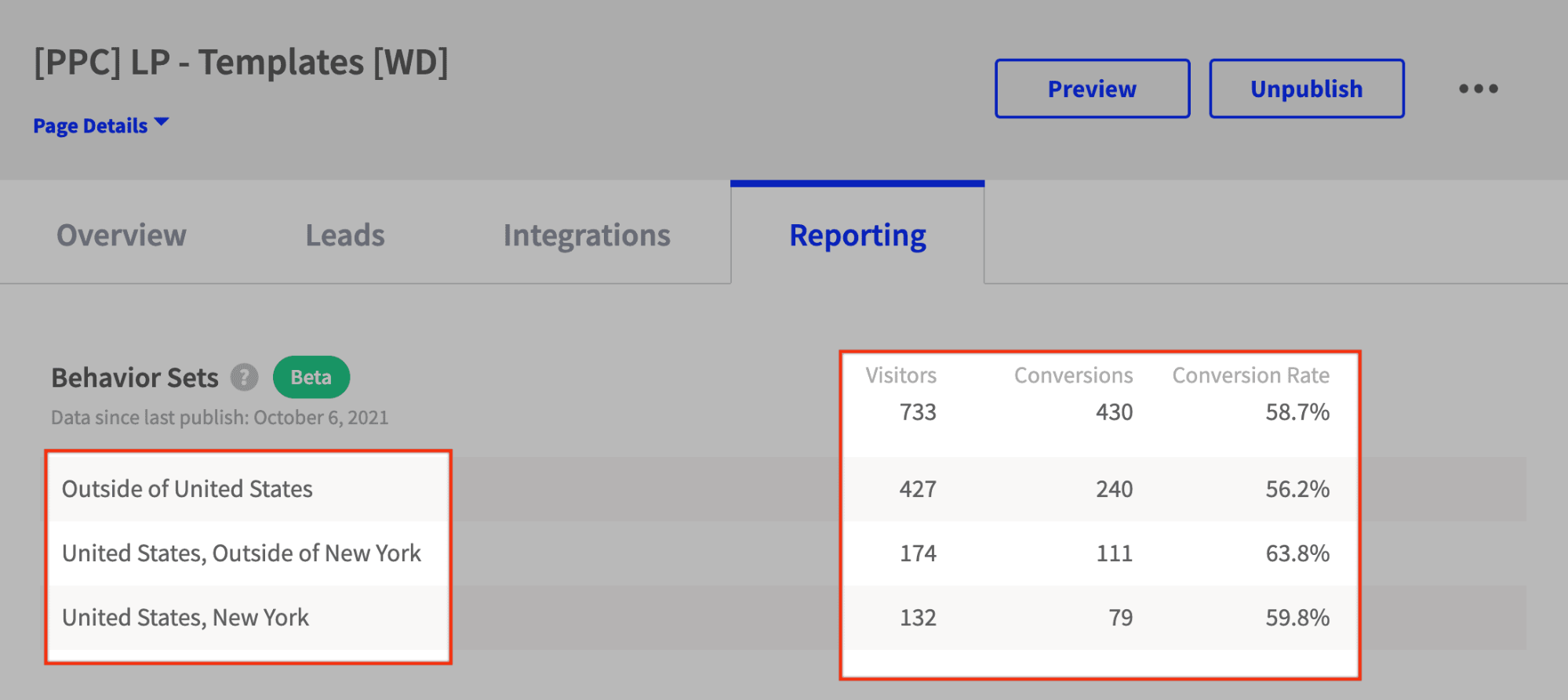
However, the transition to Google Analytics 4 (GA4) and the increasing focus on data privacy have made data interpretation more complex. Analysts must now account for "noisy" data. For example, a high bounce rate on a blog post might not indicate failure; it could simply mean the user found the information they needed and left satisfied. Consequently, professional CRO programs rely on ruthless segmentation—breaking down data by device type, geography, and user behavior—to extract actionable insights.
The importance of device-specific data cannot be overstated. Current benchmarks reveal a significant "mobile-desktop gap": while approximately 83% of landing page visits now occur on mobile devices, desktop sessions still convert at an average rate 8% higher than their mobile counterparts. This discrepancy suggests that many digital experiences are still not fully optimized for the mobile user, representing a massive opportunity for organizations that can bridge the gap.

Integrating Qualitative Context
The third phase of a robust CRO workflow involves adding qualitative context to quantitative data. While spreadsheets can explain what is happening, they rarely explain why. To solve this, organizations are increasingly turning to user behavior tools such as heatmaps, session recordings, and voice-of-customer (VoC) surveys.
Heatmaps provide a visual representation of user engagement, highlighting "rage clicks"—where users repeatedly click an unlinked element—and "dead zones" where valuable content is being ignored. Session recordings allow researchers to observe the user journey in real-time, identifying technical glitches or confusing navigation paths that might not be apparent through standard metrics.
Voice-of-customer research serves as a direct line to the consumer’s mindset. By deploying targeted on-page surveys, companies can ask users specific questions about their experience: "What nearly stopped you from signing up today?" or "Was there anything on this page that was confusing?" These insights often reveal "quick wins"—simple changes to copy or layout that can have a disproportionate impact on conversion rates. For example, a B2B firm might discover through surveys that potential clients are hesitant because they cannot find information about customer support hours. Adding a single line of text clarifying this can remove the barrier entirely.
The Scientific Method in Marketing
The fourth phase is the development of data-backed hypotheses. In a professional CRO environment, testing is treated as a scientific endeavor rather than a series of "gut feelings." A valid hypothesis follows a strict formula: "Because we observed [specific data], if we [implement a change], then [metric] will [improve]."
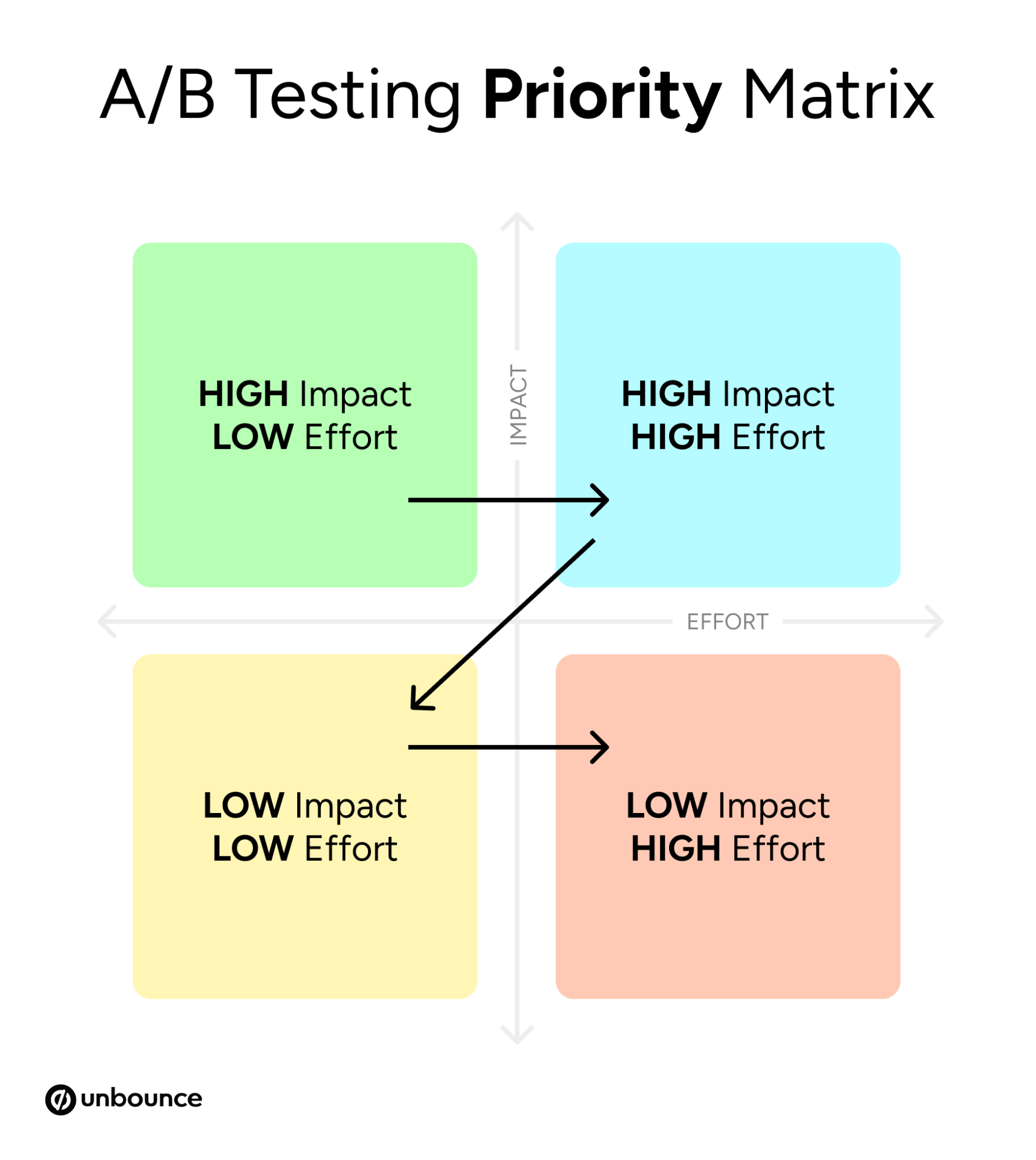
Prioritization is equally critical. Most organizations use a matrix to evaluate test ideas based on two variables: potential impact and ease of implementation. High-impact, low-effort changes—often referred to as "low-hanging fruit"—are prioritized to build momentum and prove the value of the CRO program to stakeholders.
The interpretation of results requires statistical rigor. Marketing experts emphasize the necessity of statistical significance, which determines whether a "win" is a result of the change made or merely a product of random chance. Most programs aim for a 95% confidence level before declaring a winner. Furthermore, a "losing" test is not viewed as a failure but as a learning opportunity. If a new headline fails to move the needle, it indicates that the specific hook used did not resonate, providing valuable data for the next iteration of the campaign.
Establishing a Culture of Experimentation
The final phase of the CRO lifecycle is the institutionalization of the process. Optimization is not a one-time project but an ongoing habit. Leading organizations foster a "culture of experimentation" where every department—from design to product development—understands the value of testing and iteration.
This "CRO flywheel" involves a continuous loop of analyzing data, forming hypotheses, running tests, and feeding the results back into the strategy. Over time, these incremental gains compound. A 2% improvement in conversion rate each month may seem small in isolation, but over a year, it results in a nearly 27% increase in total conversions.
To maintain this pace, the modern marketer’s toolkit has expanded. Essential components now include:
- Web Analytics: For high-level traffic and behavior tracking.
- A/B Testing Platforms: For executing and measuring experiments.
- Behavioral Mapping Tools: For heatmaps and session replays.
- Survey and Feedback Tools: For qualitative insights.
- Landing Page Builders: To allow marketing teams to deploy tests quickly without being bottlenecked by IT or development schedules.
Broader Impact and Industry Implications
The implications of systematic CRO measurement extend beyond individual marketing campaigns. In a tightening economy, the ability to extract more value from existing traffic is a competitive advantage. Companies that master these five steps—defining success, identifying key metrics, gathering qualitative data, testing with rigor, and building an ongoing habit—are better positioned to survive market volatility.
Moreover, as Artificial Intelligence (AI) begins to play a larger role in digital marketing, the quality of an organization’s data becomes its most valuable asset. AI-driven optimization tools require clean, well-structured data to provide accurate predictions. Therefore, the measurement frameworks established today will serve as the foundation for the automated optimization systems of the future.
In conclusion, the transition from "guessing" to "measuring" represents the professionalization of the digital marketing industry. By treating conversion rate optimization as a disciplined, data-driven science, organizations can move past the noise of vanity metrics and focus on the insights that drive genuine growth. The message for modern marketers is clear: stop looking for a "magic bullet" and start building a measurement system that turns data into a sustainable competitive edge.


 Dwi Wanna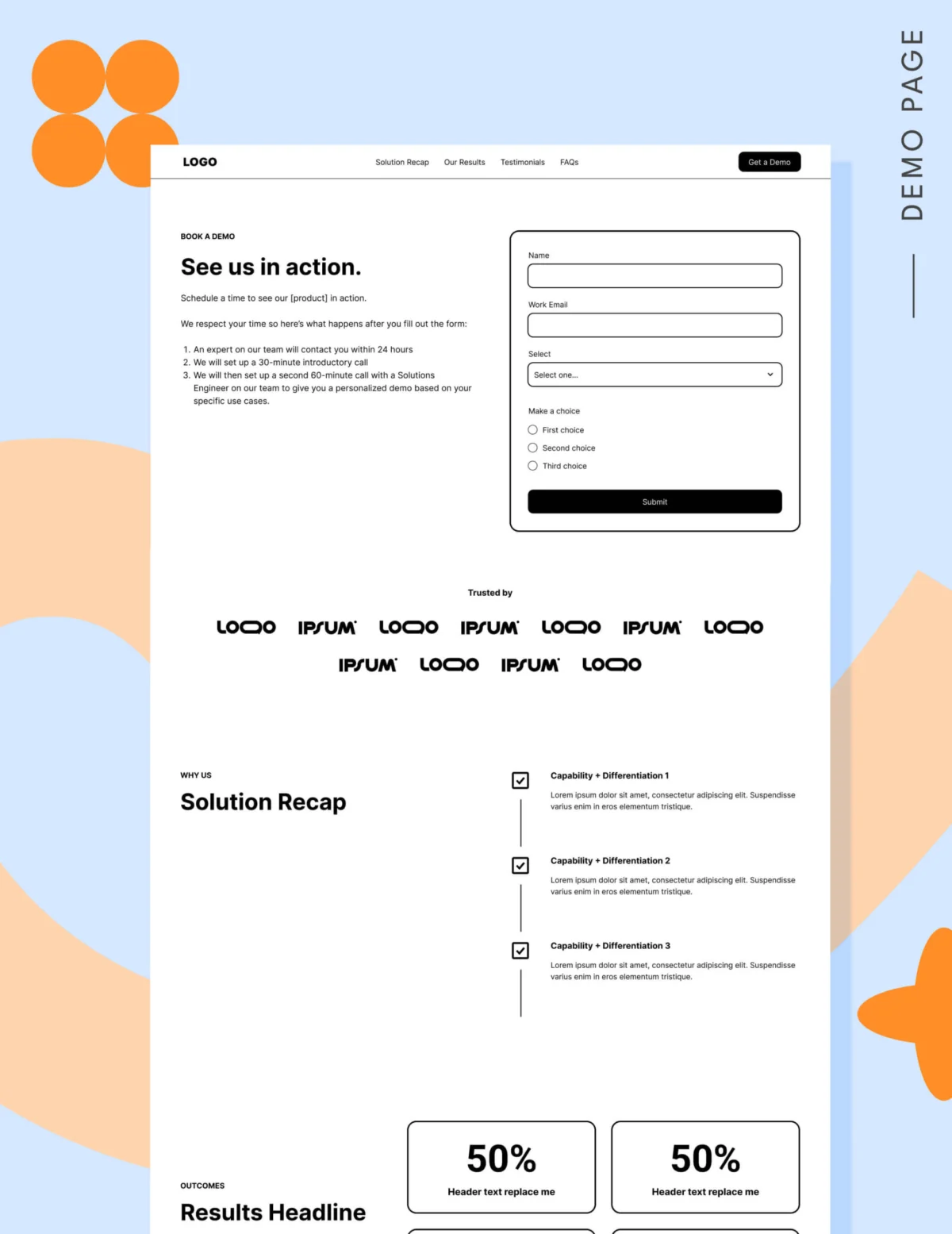
 Reynand Wu