rifanmuazin
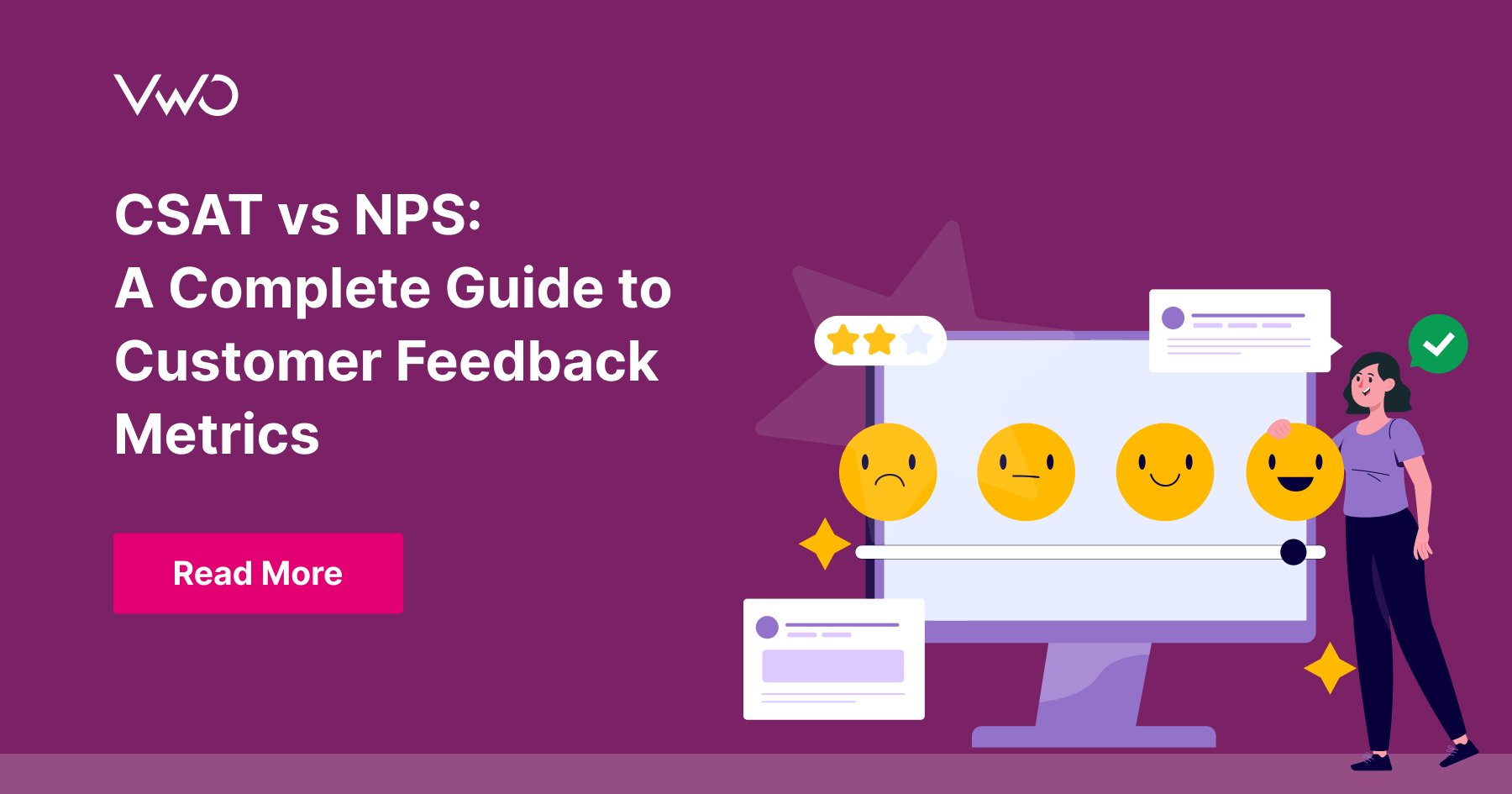
In the increasingly competitive landscape of the global experience economy, the ability to decode customer sentiment has transitioned from a marketing luxury to a fundamental operational requirement. While various methodologies exist to quantify user happiness, two frameworks have emerged as the industry standards for measuring the health of the customer relationship: Customer Satisfaction Score (CSAT) and Net Promoter Score (NPS). Although these metrics are frequently used interchangeably in corporate boardrooms, they serve distinct strategic functions. CSAT functions as a high-resolution snapshot of a specific moment in time, capturing immediate reactions to a transactional interaction, whereas NPS acts as a panoramic view of long-term brand equity and the propensity for organic growth through advocacy. Understanding the nuances between these two metrics is essential for product managers, customer success teams, and executive leadership aiming to transition from reactive troubleshooting to proactive retention and market expansion.
The Evolution of Customer Sentiment Analysis
The history of measuring customer sentiment traces back to the late 20th century, as the global economy shifted from a product-centric model to a service-oriented one. Historically, businesses relied on rudimentary feedback mechanisms, such as physical comment cards or delayed phone surveys. The formalization of CSAT occurred as companies sought to optimize specific touchpoints in the customer journey, particularly in retail and hospitality. By the 1990s, CSAT had become the "micro" metric of choice, providing granular data on service quality.
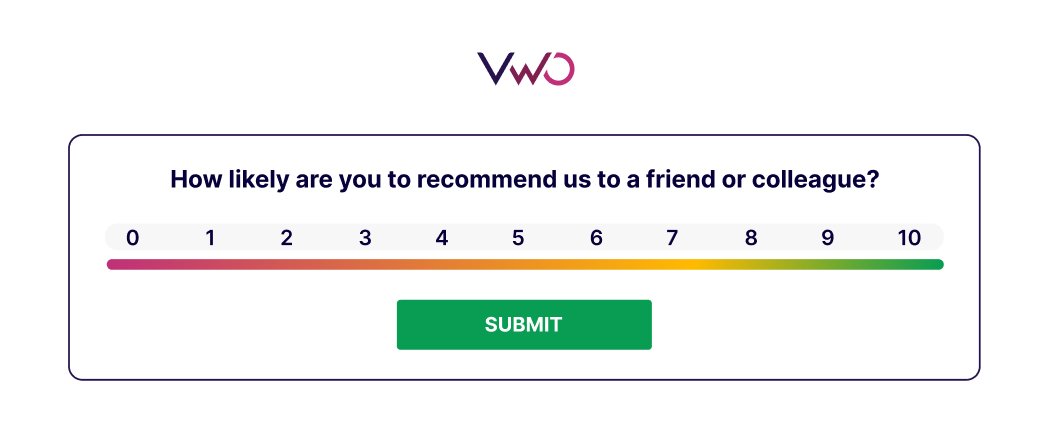
However, as the digital revolution accelerated, businesses realized that a "satisfied" customer was not necessarily a "loyal" one. In 2003, Fred Reichheld, a fellow at Bain & Company, introduced the Net Promoter Score in a Harvard Business Review article titled "The One Number You Need to Grow." Reichheld argued that traditional satisfaction surveys were too complex and often failed to predict customer behavior. He proposed a single question—"How likely are you to recommend this product/service to a friend or colleague?"—as the ultimate predictor of growth. This marked a paradigm shift in corporate strategy, moving the focus from short-term satisfaction to long-term advocacy. Today, in the era of Artificial Intelligence and real-time data processing, these metrics have been further refined, allowing organizations to analyze thousands of data points instantaneously to predict churn and lifetime value.
Dissecting the Metrics: Definitions and Calculations
To effectively deploy these tools, organizations must understand the mathematical and psychological foundations of each.
Customer Satisfaction Score (CSAT)
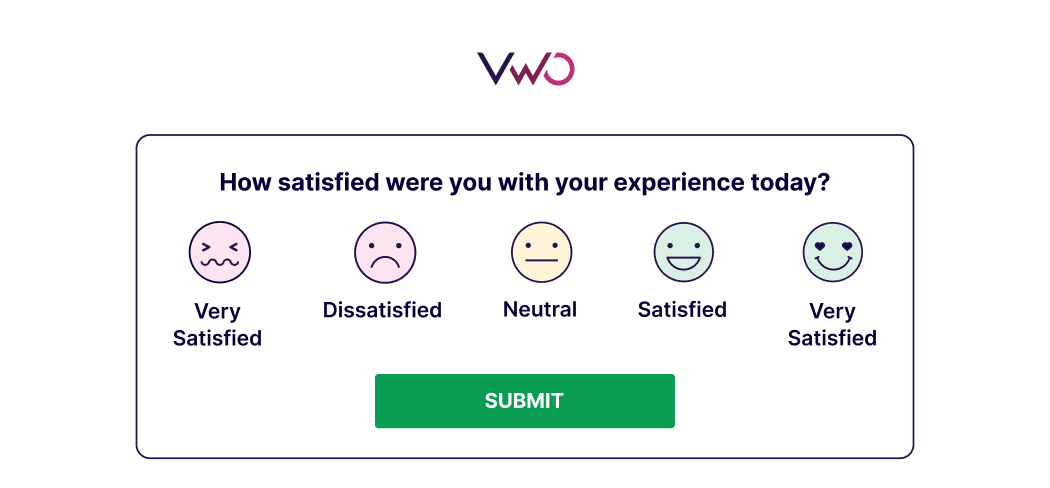
CSAT is a transactional metric designed to capture a customer’s immediate sentiment following a specific interaction. This could be the completion of a purchase, the resolution of a support ticket, or the first experience with a new software feature.
- The Methodology: Customers are typically asked, "How satisfied were you with [interaction]?" on a scale of 1 to 5 or through binary "thumbs up/down" icons.
- The Calculation: The score is calculated by dividing the number of satisfied customers (those who responded with a 4 or 5) by the total number of respondents, then multiplying by 100 to achieve a percentage.
- The Utility: CSAT is highly effective for identifying specific "friction points" in a workflow. If a website’s checkout process receives a low CSAT, the problem is localized and actionable.
Net Promoter Score (NPS)
NPS is a relational metric that gauges the overall strength of the customer’s bond with the brand. It transcends individual interactions to measure the cumulative effect of the entire customer experience.
- The Methodology: Respondents use a 0-10 scale to indicate their likelihood of recommending the brand.
- The Categories:
- Promoters (9-10): Loyal enthusiasts who will keep buying and refer others.
- Passives (7-8): Satisfied but unenthusiastic customers who are vulnerable to competitive offerings.
- Detractors (0-6): Unhappy customers who can damage your brand and impede growth through negative word-of-mouth.
- The Calculation: The final score is derived by subtracting the percentage of Detractors from the percentage of Promoters. The resulting score ranges from -100 to +100.
Comparative Analysis: Strategic Differences and Applications
The fundamental difference between CSAT and NPS lies in their scope and temporal focus. While CSAT answers the question "What happened just now?", NPS answers the question "Where is this relationship going?"

| Feature | CSAT (Customer Satisfaction) | NPS (Net Promoter Score) |
|---|---|---|
| Primary Purpose | Measures immediate sentiment | Measures long-term loyalty |
| Strategic Focus | Tactical (Short-term "Reaction") | Strategic (Long-term "Reputation") |
| Scope | Specific touchpoint or interaction | Holistic brand relationship |
| Timing | Real-time / Immediate | Periodic (Quarterly/Biannually) |
| Best For | Support teams and UX optimization | Executive leadership and brand health |
| Predictive Power | High for immediate churn | High for organic growth and LTV |
When to Prioritize CSAT
CSAT is the preferred tool for operational teams. It should be deployed when a company needs to validate the efficacy of a new service protocol, measure the performance of support agents, or test the usability of a specific digital feature. For instance, if a SaaS company rolls out a new dashboard, a CSAT survey triggered after the first five minutes of use can provide immediate feedback on the UI/UX design.
When to Prioritize NPS
NPS is the metric of choice for the C-suite and marketing strategists. It provides a benchmark against competitors and serves as a lead indicator of market share shifts. A declining NPS, even in the presence of stable CSAT scores, suggests that while the product "works," the brand is losing its emotional resonance or failing to keep pace with industry innovations.
The Role of Artificial Intelligence in Feedback Analysis
The modern feedback loop has been significantly enhanced by the integration of Generative AI and machine learning. Historically, the most valuable part of a survey—the open-ended comment section—was the most difficult to analyze at scale. Human error and bias often skewed the interpretation of qualitative data.
Current industry trends show a massive shift toward AI-driven sentiment analysis. Platforms like VWO Pulse now utilize natural language processing (NLP) to categorize thousands of open-ended responses into themes such as "pricing concerns," "UI frustration," or "feature requests." This allows companies to move beyond numerical scores and understand the "why" behind the data. However, experts caution that AI should supplement rather than replace human judgment. Automated systems can identify patterns, but human strategists are required to interpret those patterns within the context of the company’s unique culture and long-term vision.
Industry Perspectives: The Loyalty-Satisfaction Matrix
Data alone is insufficient without a framework for action. Sophisticated product teams often plot CSAT and NPS data on a 2×2 matrix to categorize their customer base into four distinct strategic segments:
- Brand Champions (High CSAT / High NPS): These users are satisfied with the product and loyal to the brand. They represent the primary source of referrals and case studies.
- At-Risk Satisfied Users (High CSAT / Low NPS): These customers find the product functional but feel no emotional connection to the brand. They are highly susceptible to switching to a competitor for a minor price discount or a new feature.
- Frustrated Loyalists (Low CSAT / High NPS): These are long-term users who believe in the company’s vision but are currently struggling with technical debt or poor service. They are "trapped" but vocal; fixing their immediate friction points can solidify their lifetime loyalty.
- Churn Risks (Low CSAT / Low NPS): These users are dissatisfied on both a tactical and emotional level. They require immediate intervention or a strategic decision to let them churn to focus resources elsewhere.
Ali Good, Global Head of Strategy and Product Marketing at Quizizz, emphasizes the importance of this qualitative-quantitative blend: "Voice of customer is a form of social proof that you can weave through all of your messaging. See the actual language that your customers are using to describe your product. When you do that, you avoid making your messaging too ‘marketing-ish’ and avoid the jargon that can creep in."
Broader Impact and Business Implications
The implications of mastering these metrics extend far beyond customer service departments. In the financial sector, NPS is increasingly viewed as a proxy for future revenue. Research by Bain & Company suggests that a 12-point increase in NPS can lead to a doubling of a company’s growth rate. Furthermore, high-NPS companies typically enjoy a lower Cost of Customer Acquisition (CAC) because their existing base acts as an unpaid sales force.
Conversely, a failure to monitor CSAT can lead to "silent churn." While NPS might remain stable due to brand legacy, a series of poor CSAT interactions can erode the foundation of that loyalty over time. By the time the NPS reflects the damage, it is often too late to prevent a mass exodus of users.
Conclusion: Closing the Feedback Loop
In the modern business environment, collecting data is only the first step. The true competitive advantage lies in the speed at which an organization can "close the loop"—taking a piece of feedback and turning it into a product improvement or a service recovery.
Integrating tools like VWO Pulse, VWO Insights, and VWO Testing creates a continuous optimization engine. By pairing survey data (what customers say) with behavioral analytics like heatmaps (what customers do), companies can uncover hidden friction points. For example, a customer might give a high CSAT score for a purchase experience but session recordings might reveal they struggled for three minutes to find the "checkout" button. Addressing that invisible friction, even when scores are high, is what separates market leaders from the rest of the pack.
Ultimately, CSAT and NPS are not rival metrics; they are complementary lenses. One provides the focus needed to perfect the present, while the other provides the vision needed to secure the future. Organizations that successfully synthesize both will be best positioned to drive sustainable growth, foster deep customer advocacy, and navigate the complexities of the modern global market.


 Asro
Asro
 Dwi Wanna