
 rifanmuazin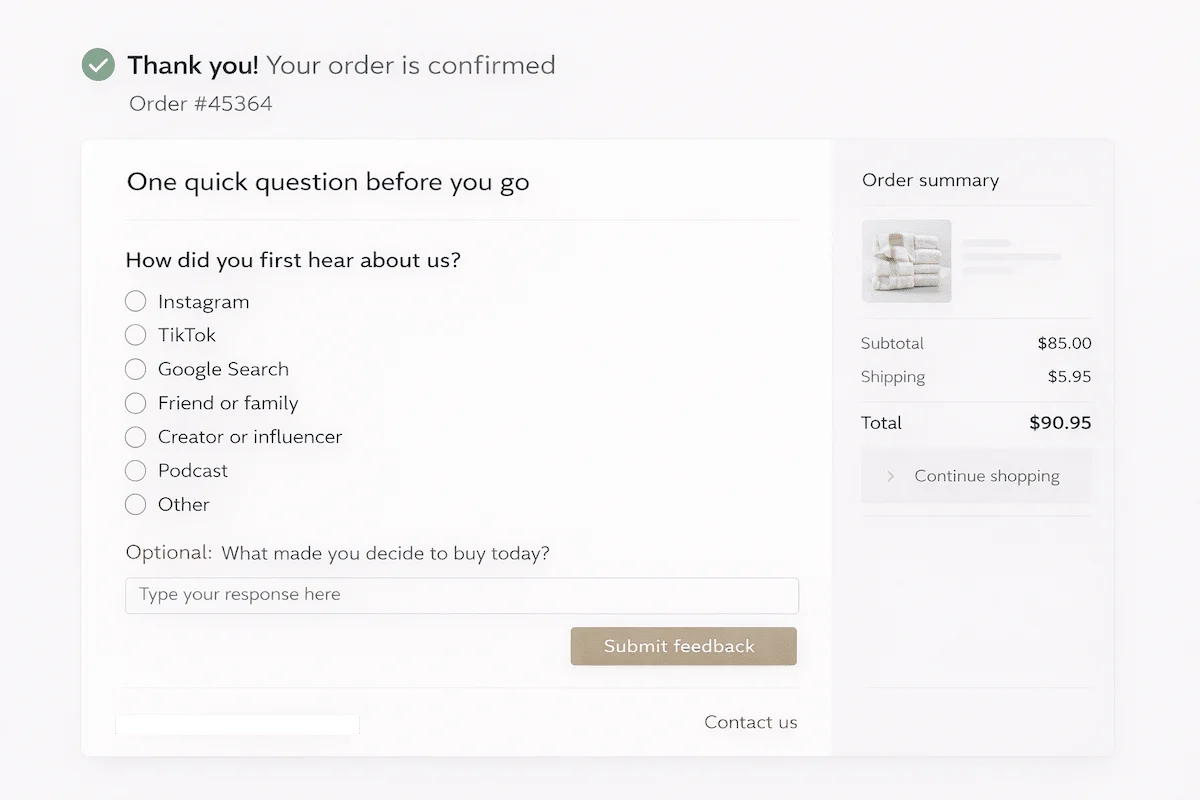
In the modern digital economy, the primary challenge for businesses has shifted from merely driving traffic to understanding the silent behavior of the "non-converter." While traditional analytics tools provide a granular look at what users do—where they click, how long they stay, and where they drop off—they consistently fail to explain why those actions occur. This gap in understanding is where strategic customer feedback surveys become an essential component of Conversion Rate Optimization (CRO). By identifying specific friction points, doubts, and psychological barriers, organizations can transform vague data into actionable business intelligence.
The Quantitative-Qualitative Gap in Digital Commerce
The current state of e-commerce and Software-as-a-Service (SaaS) is characterized by high competition and rising Customer Acquisition Costs (CAC). According to industry benchmarks, the vast majority of website visitors leave without completing a desired action. Quantitative data might show a 70% abandonment rate at checkout, but it cannot differentiate between a user who left because of a technical glitch and one who was deterred by unexpected shipping costs.
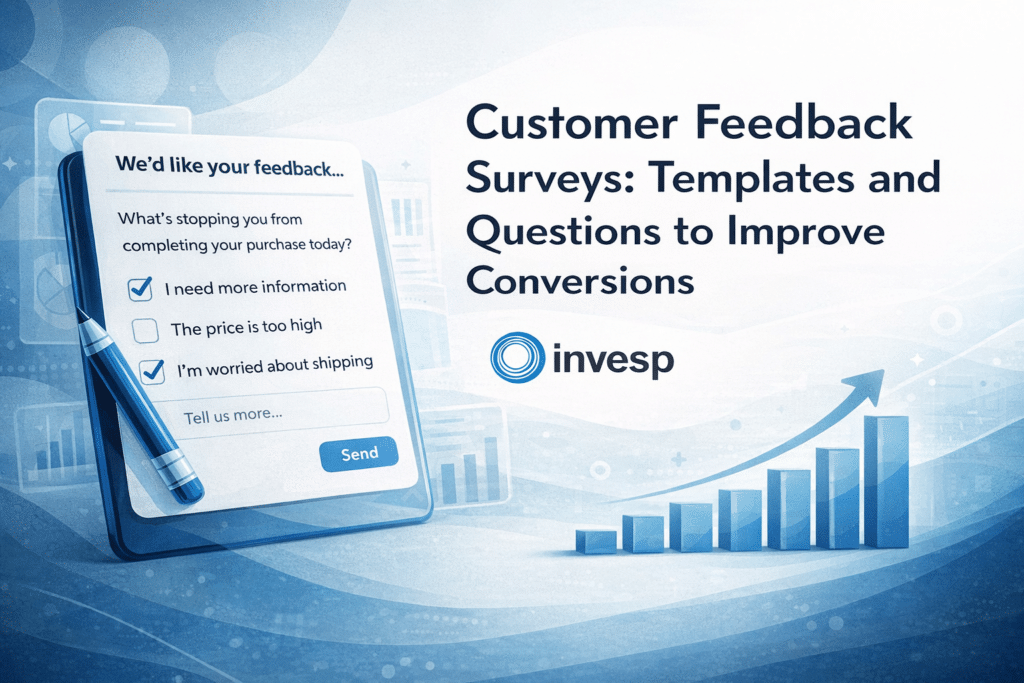
To bridge this gap, businesses are increasingly employing targeted qualitative research. Unlike broad annual satisfaction surveys, conversion-focused surveys are "in-the-moment" interventions. They are triggered by specific user behaviors, such as exit intent on a product page or a lack of activity during a software trial. The objective is not to collect general sentiment but to diagnose specific failures in the user experience (UX) that prevent revenue generation.
Five Strategic Survey Frameworks for Conversion Optimization
The effectiveness of a feedback loop depends on its timing and the specificity of its inquiries. Industry experts categorize high-impact surveys into five distinct types, each targeting a specific phase of the customer journey.
1. Addressing Product Page Hesitation
Product pages are often the first point of serious consideration, yet they remain a significant source of friction. Research from the Baymard Institute indicates that approximately 52% of desktop sites and 62% of mobile sites possess "mediocre" or poor product page UX. When a shopper views a product but fails to add it to their cart, it is rarely a matter of low intent; rather, the page has likely failed to answer a critical pre-purchase question.
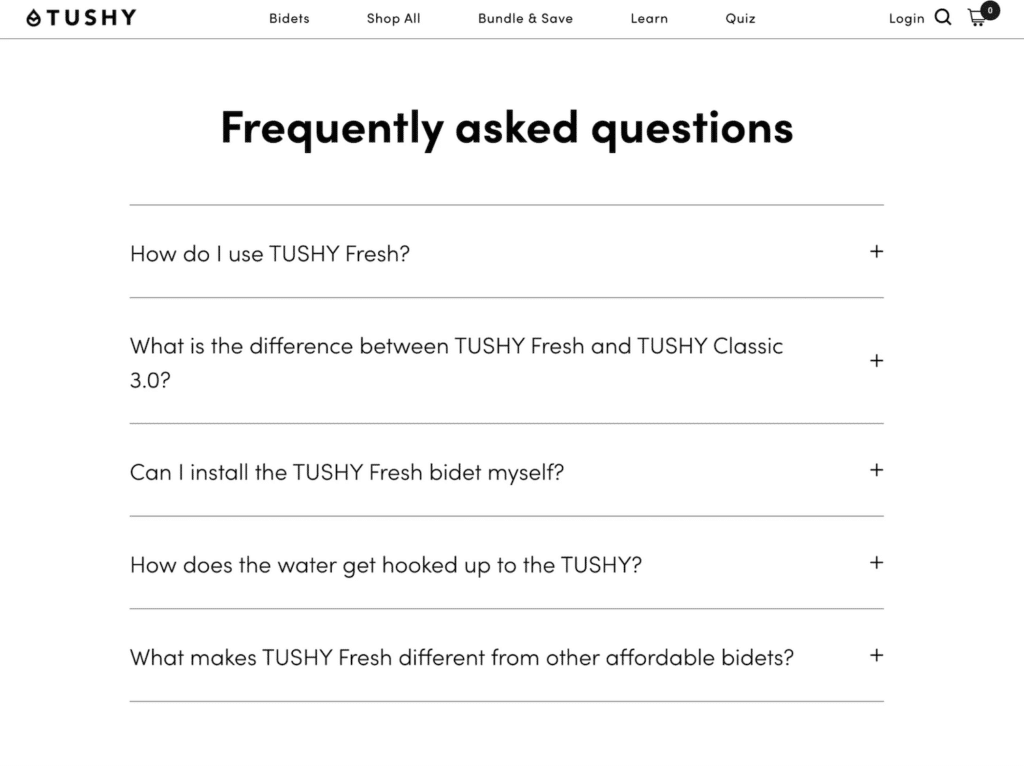
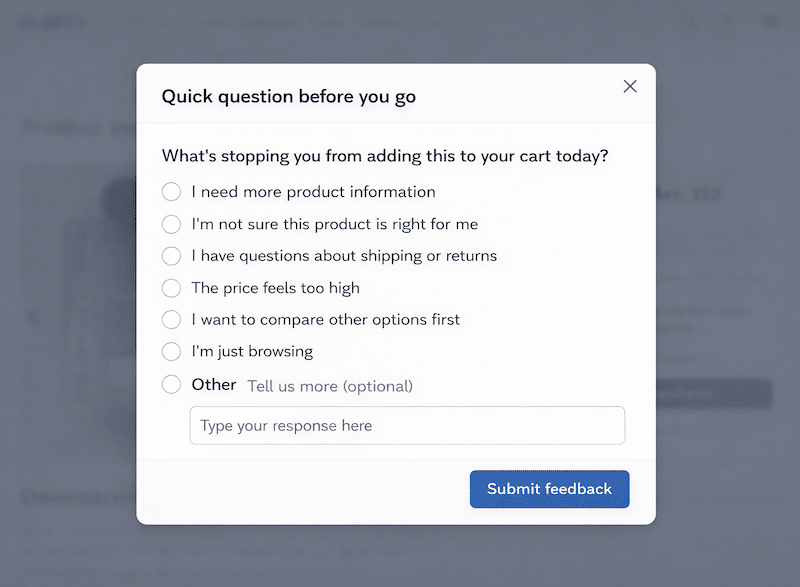
Common barriers include concerns over product compatibility, hidden shipping costs, or a lack of social proof. For instance, the bidet brand TUSHY improved its conversion potential by proactively answering technical questions regarding installation and compatibility directly on the product page. To replicate this success, brands utilize a "Quick Question" survey triggered by exit intent, asking: "What’s stopping you from adding this to your cart today?" By providing specific options—such as "Looking for more information" or "Shipping is too expensive"—companies can categorize friction points and update their page copy to address these concerns globally.
2. Mitigating Checkout Abandonment
The checkout phase represents the highest level of intent. When a user abandons a cart at this stage, the loss is particularly acute. Baymard’s 2024 benchmarks reveal that the average cart abandonment rate stands at 70.19%. This suggests that even when a product is desired, the process of acquisition is often too burdensome.
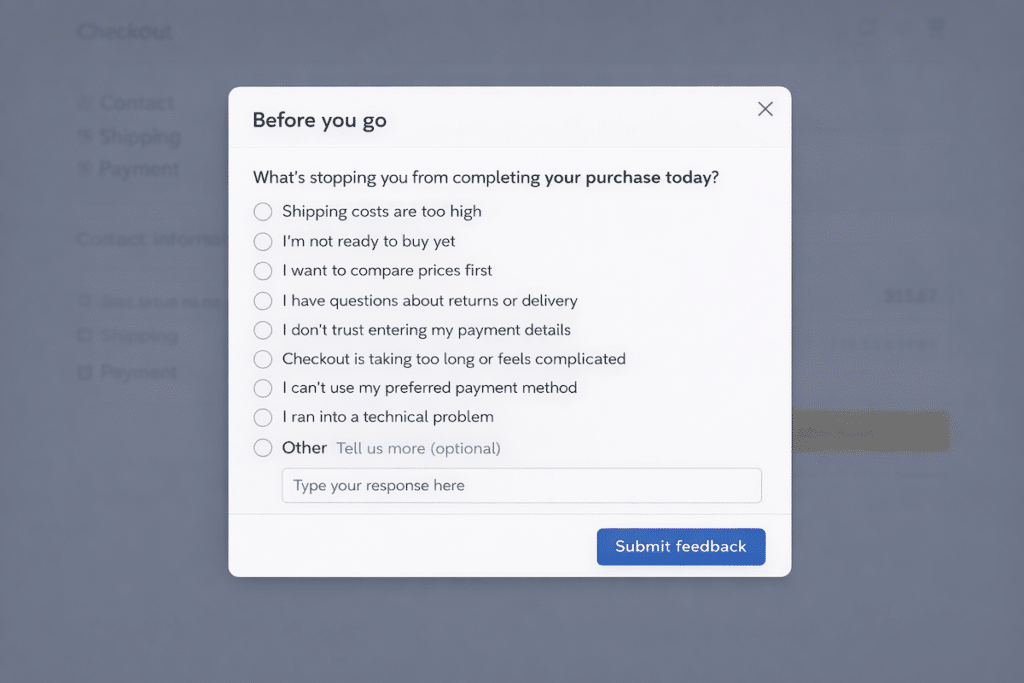
Data indicates that the primary drivers of checkout abandonment are unexpected costs (taxes, shipping, fees), the requirement to create an account, and overly complex checkout flows. A well-timed survey at this juncture—asking "What’s stopping you from completing your purchase?"—can reveal if the issue is a lack of preferred payment methods or a lack of trust in the site’s security. This allows businesses to implement "guest checkout" options or integrate trust badges where they are most needed.
3. Leveraging Post-Purchase Attribution
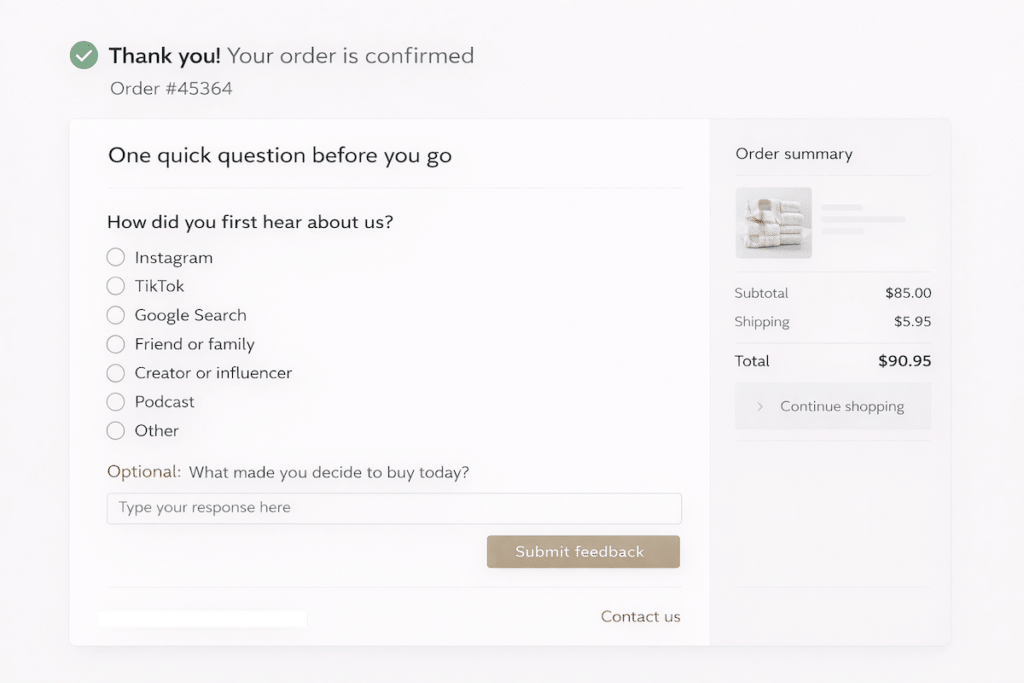
The moments immediately following a successful transaction offer a unique window into customer motivation. Post-purchase surveys are vital for understanding attribution in an increasingly fragmented marketing landscape. This is often referred to as "Zero-Party Data," where customers voluntarily share their motivations.
The "How Did You Hear About Us" (HDYHAU) survey is a staple for brands like Weezie, which discovered that a significant portion of its growth was driven by word-of-mouth—a metric often invisible to digital tracking pixels. By understanding whether a customer was influenced by a podcast, an organic social post, or a personal recommendation, companies can allocate marketing budgets more effectively toward high-impact, low-visibility channels.
4. Solving the SaaS Activation Crisis
In the SaaS sector, the challenge is not just the signup, but the "activation"—the moment a user derives actual value from the product. Amplitude’s Product Benchmark Report highlights a sobering reality: by day 14 of a trial, the median product retains only 2% of its new users. Even top-tier products struggle to keep more than 9% active.
This "activation gap" usually stems from a steep learning curve or a failure to reach the "Aha! moment" quickly enough. Surveys triggered for inactive trial users help identify if the setup process was too time-consuming or if the user simply didn’t understand how to use a core feature. Identifying these hurdles allows product teams to refine onboarding flows and provide targeted educational content to prevent churn.
5. Analyzing Returns and Churn
Customer retention is the primary driver of long-term profitability. The National Retail Federation (NRF) reported that retailers expected nearly 17% of annual sales to be returned in 2024, with online return rates projected to climb to 19.3% in 2025. Returns are not just a logistical burden; they represent a mismatch between customer expectations and reality.
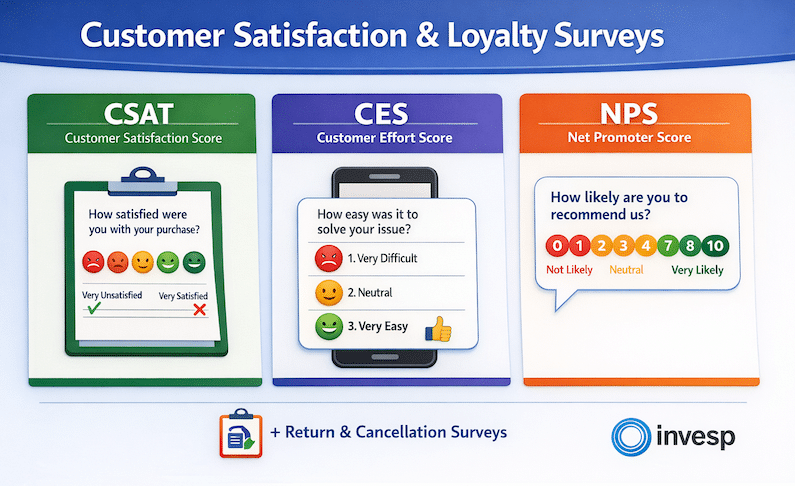
Surveys focused on returns or subscription cancellations must be direct. By asking for the "Main reason for your return," businesses can identify patterns such as "Poor fit," "Item arrived damaged," or "Product didn’t match the description." If "poor fit" becomes a recurring theme, the business may need to invest in better sizing guides or augmented reality (AR) try-on tools to reduce future losses.
Timeline of a Feedback-Driven Optimization Strategy
Implementing an effective feedback system is a chronological process that moves from data collection to hypothesis testing.
- Phase 1: Diagnosis (Weeks 1-2): Deploy "low-friction" surveys across high-traffic drop-off points. The goal is to collect at least 100-200 responses per segment to identify statistically significant patterns.
- Phase 2: Analysis and Categorization (Weeks 3-4): Group qualitative responses into themes. For example, if 40% of users cite "shipping costs" as a barrier, this becomes a priority for the next phase.
- Phase 3: Hypothesis Development (Weeks 5-6): Create A/B tests based on the feedback. If users are confused about product specs, create a version of the page with a simplified comparison table.
- Phase 4: Testing and Validation (Weeks 7-12): Run the A/B tests to see if addressing the identified friction points leads to a measurable lift in conversion rates.
- Phase 5: Iteration (Ongoing): As the product or market evolves, the feedback loop must be maintained to catch new friction points that emerge.
Industry Implications and Expert Analysis
The shift toward qualitative feedback represents a broader trend in the tech industry: the move away from "black box" algorithms toward human-centric design. Industry analysts suggest that as privacy regulations (such as GDPR and CCPA) and the phasing out of third-party cookies make traditional tracking more difficult, direct customer feedback will become the most reliable source of truth for marketers.
"Data tells you that the house is on fire; feedback tells you where the matches are," notes one leading CRO consultant. The implication for businesses is clear: those who fail to ask their customers for input are essentially guessing at their growth strategy. Furthermore, the psychological impact of being asked for feedback can, if done correctly, increase brand loyalty. When a company acts on feedback—such as adding a requested payment method or clarifying a return policy—it demonstrates a commitment to the customer experience that fosters long-term trust.
Best Practices for Survey Design
To ensure high response rates and clean data, survey design must follow strict linguistic and structural guidelines:
- Keep it Simple: Limit surveys to one or two questions. The "effort-to-reward" ratio must favor the user.
- Avoid Leading Questions: Instead of asking "How much did you enjoy the checkout process?", ask "What was your experience with our checkout?"
- Use Multiple Choice with an ‘Other’ Option: This lowers the cognitive load for the user while still allowing for nuanced, open-ended feedback if they choose to provide it.
- Timing is Everything: A survey that appears too early can be intrusive; one that appears too late may be ignored. Triggering surveys based on "exit intent" or "time on page" ensures they reach the user at the moment of maximum relevance.
Conclusion: From Feedback to Bottom-Line Growth
The integration of customer feedback surveys into a broader conversion optimization strategy is no longer optional for competitive digital brands. By moving beyond the "what" of analytics and diving into the "why" of human behavior, organizations can systematically dismantle the barriers to purchase. Whether it is clarifying a product feature, simplifying a checkout form, or refining a SaaS onboarding sequence, the insights gained from directly questioning the user provide a roadmap for sustainable, data-driven growth. In a marketplace where every percentage point of conversion can translate into millions in revenue, the most valuable asset a company has is the voice of its customer.








