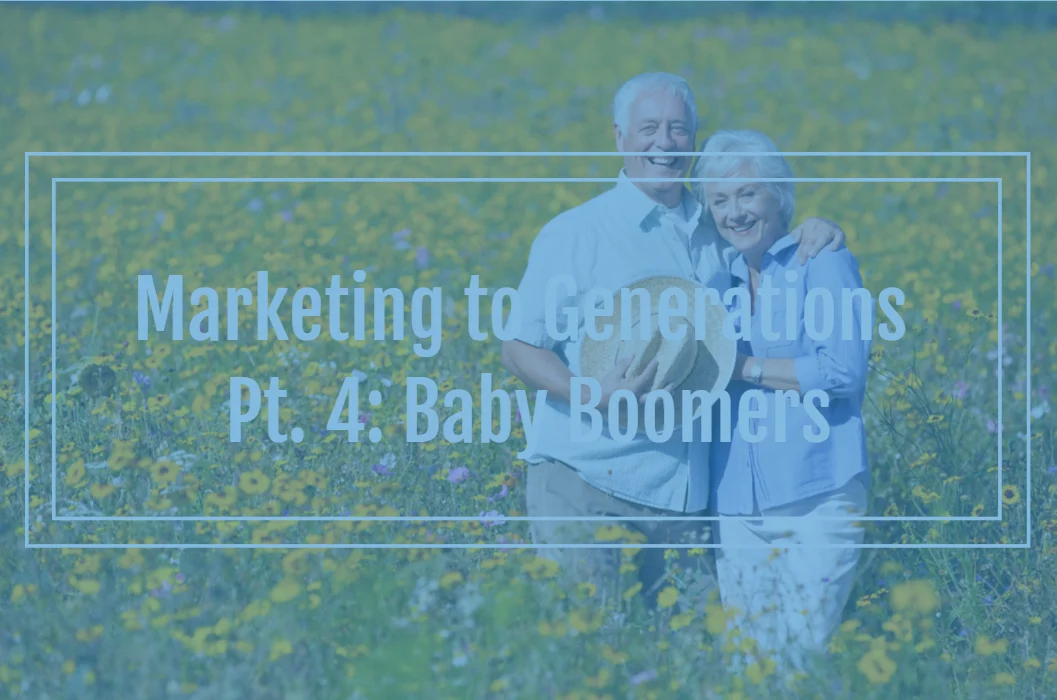
Marketing is fundamentally about connection, and at its core lies the strategic understanding of one’s "target" audience. This term, perhaps the most vital in the marketer’s lexicon, encompasses a multifaceted approach to identifying and engaging specific consumer groups. While methodologies like behavioral, psychographic, demographic, and geographic targeting provide essential frameworks, a deeper understanding of generational nuances is paramount for crafting effective communication. This article, the final installment in a series exploring digital marketing strategies across different age cohorts, delves into the characteristics, consumption habits, and marketing approaches best suited for the Baby Boomer generation, defined here as individuals born between 1940 and 1959. Previous segments have explored Gen Z, Millennials, and Gen X, providing a comprehensive overview of intergenerational marketing.
The Baby Boomer generation, named for the significant surge in births following World War II, was once the largest demographic cohort in many Western nations. Their formative years were shaped by a period of profound global upheaval and subsequent societal transformation. From the ashes of a devastating world war, marked by an estimated 60 million military and civilian deaths and the dawn of the nuclear age, to the geopolitical tensions of the Korean and Cold Wars, and the deeply divisive Vietnam War, Boomers witnessed and participated in eras of immense historical consequence. For many within this generation, particularly people of color, the fight for civil rights against entrenched racism in the United States was a defining struggle for equality and justice. The assassinations of President John F. Kennedy and the subsequent political fallout from the Watergate scandal, coupled with the economic shocks of the 1970s oil crises, further etched a landscape of both progress and profound challenges.
Despite these tumultuous historical currents, the post-war era in the United States was also characterized by relative economic prosperity. This environment fostered a strong emphasis on the home as a sanctuary and a resurgence of traditional values and roles. Within this context, Baby Boomers cultivated a deep appreciation for relationships, extending this sentiment to the customer-business dynamic. Consequently, they have developed a reputation for expecting and valuing a high caliber of customer service, a sentiment frequently echoed in consumer behavior studies. This emphasis on personal connection and dedicated service often translates into loyalty when a brand consistently meets these expectations.
Furthermore, the Baby Boomer generation is widely recognized for its robust work ethic. This belief system is rooted in the principle that diligent effort leads to tangible rewards and that success is earned through perseverance. This outlook often fosters a competitive spirit and a preference for long-term career progression within a single organization rather than frequent job changes. While many are now retired, this ingrained value of dedication and commitment continues to influence their decision-making as consumers.
Financially, Baby Boomers, as they age, typically possess greater accumulated wealth than younger generations. This is partly attributable to the economic conditions of their earlier working lives, which saw lower costs for education and housing compared to contemporary figures. This financial security, coupled with a lifetime of earning and saving, instills a strong sense of thriftiness and a desire to safeguard their hard-earned assets. Consequently, they are often discerning consumers who seek demonstrable value for their money, a key consideration for marketers.
Baby Boomer Consumption Patterns: A Blend of Tradition and Evolving Habits
The distinct life experiences and historical backdrop of Baby Boomers have shaped their consumption habits in ways that often differentiate them from younger generations. While a significant portion of this cohort, particularly those born earlier in the generational span, exhibit a preference for in-store shopping over online purchasing, this does not preclude their engagement with e-commerce. Rather, it underscores the continued importance of tangible retail experiences, where personal interaction and attentive sales staff can significantly influence purchasing decisions. For businesses with a physical presence, leveraging location extensions in digital advertising and highlighting in-store benefits can be particularly effective.
A core tenet of Baby Boomer consumer behavior is the pursuit of value. As many enter or are in retirement, making prudent financial decisions is paramount. This often translates into an appreciation for bundled offers and promotions that convey a sense of economic advantage. Interestingly, compared to younger demographics, Baby Boomers demonstrate a lower propensity to actively seek out brands that prioritize environmental sustainability. Research indicates that they are approximately 34% less likely than the general consumer population to prioritize brands that reduce energy consumption. Similarly, their engagement with broader Corporate Social Responsibility (CSR) initiatives tends to be less pronounced than that of Millennials and Gen Z, who often integrate ethical and sustainable practices into their purchasing criteria.
Despite these distinctions, Baby Boomers, like all consumer groups, place significant weight on recommendations. While traditional influencer marketing can still be an effective tool, it is crucial to select influencers whose audience and messaging authentically resonate with the Baby Boomer demographic. It is also important to acknowledge the intergenerational influence within families. Many Boomers consult their adult children and grandchildren for advice, particularly regarding technology purchases. Therefore, marketing messages may inadvertently reach and influence multiple generations simultaneously, a factor that requires careful consideration in campaign strategy.
Strategies for Effective Marketing to Baby Boomers
Understanding the unique mindset and consumption attitudes of the Baby Boomer generation is the first step towards developing successful marketing campaigns. The subsequent phase involves identifying the most effective channels and crafting resonant messaging.
Platforms and Channels for Reaching Baby Boomers
While Baby Boomers may not be as prevalent on emerging social media platforms like TikTok or Snapchat, they are active participants in other digital spaces. Traditional media still holds sway, with television remaining a primary source of information and entertainment for many. However, their digital footprint is significant and growing.
- Facebook: This platform continues to be a dominant force for the Baby Boomer demographic. Its user-friendly interface and the ability to connect with friends and family make it a comfortable and familiar online space. Targeted advertising on Facebook can effectively reach this age group with relevant content.
- Email Marketing: Direct email communication remains a highly effective method for engaging Baby Boomers. They are accustomed to receiving information via email and often check their inboxes regularly. Personalized newsletters, promotional offers, and informative content can yield strong conversion rates.
- Search Engines (Google, Bing): When Baby Boomers are actively seeking products or services, they will turn to search engines. Optimizing websites for search engine visibility (SEO) and utilizing search engine marketing (SEM) campaigns with relevant keywords are essential for capturing this intent-driven traffic.
- YouTube: This video-sharing platform is widely used across all age groups, including Baby Boomers. Educational content, product demonstrations, and even entertainment videos can be effective vehicles for reaching this demographic. The visual nature of video can be particularly engaging.
- Traditional Media Integration: While focusing on digital, it’s important to acknowledge the continued impact of traditional media. Campaigns that integrate television advertising with corresponding digital calls to action (e.g., website visits, social media engagement) can create a synergistic effect.
Messaging That Resonates with Baby Boomers
Crafting marketing messages that speak directly to the values, needs, and preferences of Baby Boomers is crucial for building trust and driving engagement.
- Emphasize Value and Quality: Given their thriftiness and desire for tangible returns on investment, highlighting the long-term value, durability, and quality of products and services is paramount. Promotions that clearly demonstrate savings and benefits will be well-received.
- Focus on Reliability and Trust: Boomers value stability and dependability. Messaging that conveys trustworthiness, emphasizes established reputations, and offers guarantees or strong customer support can foster confidence.
- Highlight Benefits and Solutions: Instead of focusing solely on features, articulate how a product or service will solve a problem, improve their lives, or provide a tangible benefit. Practicality and ease of use are often highly valued.
- Use Clear and Direct Language: Avoid jargon, overly trendy slang, or complex metaphors. Concise, straightforward communication is generally preferred.
- Leverage Nostalgia (with Caution): While not universally applicable, subtle nods to positive aspects of the past or themes of shared experience can create emotional connections. However, this must be done authentically and avoid appearing patronizing.
- Showcase Customer Service Excellence: As previously noted, a strong emphasis on customer support and a willingness to go the extra mile can be a significant differentiator. Testimonials that highlight positive service experiences can be very persuasive.
- Acknowledge Their Expertise and Experience: Frame messaging in a way that respects their accumulated knowledge and life experience. Avoid condescending tones or assumptions of unfamiliarity.
Broader Impact and Implications for Businesses
The Baby Boomer generation continues to represent a significant economic force. Their purchasing power, coupled with their established brand loyalties and distinct consumer behaviors, makes them a critical target audience for a wide array of businesses. Failing to understand and cater to their preferences can result in missed opportunities and diminished market share.
The analysis of this generation highlights a fundamental truth in modern marketing: a one-size-fits-all approach is ineffective. As the digital landscape evolves and demographic shifts continue, businesses must adopt agile and data-driven strategies that acknowledge the unique characteristics of each consumer segment. For companies seeking to connect with Baby Boomers, this means a commitment to understanding their historical context, their current priorities, and their preferred modes of communication.
Ultimately, successful marketing to Baby Boomers, as with any generation, is about building authentic relationships. It requires empathy, a deep understanding of their motivations, and a consistent delivery of value. By recognizing their contributions, respecting their values, and speaking their language, businesses can forge lasting connections with this influential demographic, driving both immediate sales and long-term brand loyalty.
It is important to remember that these insights provide a broad framework. Within the Baby Boomer cohort itself, there exists considerable diversity shaped by individual experiences, socioeconomic factors, and regional differences. Therefore, continuous research, data analysis, and a willingness to adapt marketing strategies based on specific audience segments and industry trends are essential for sustained success. For businesses looking to refine their approach and develop tailored digital marketing solutions to effectively reach and convert their Baby Boomer audience, consulting with experienced marketing professionals can provide invaluable guidance.