

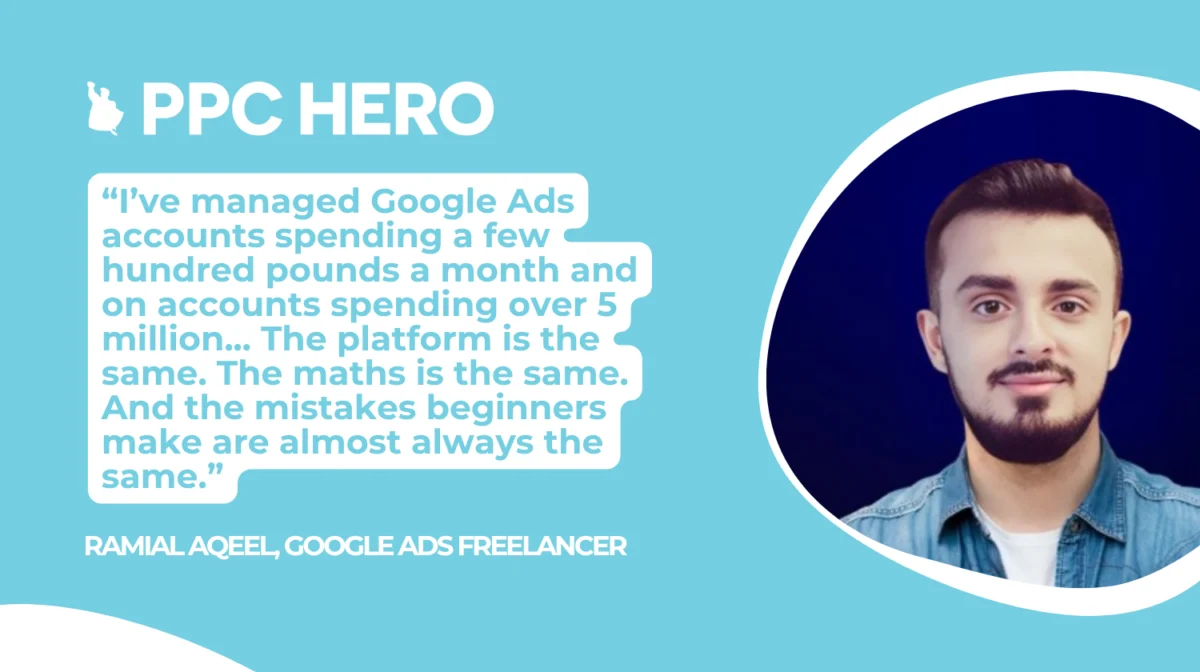
The world of Google Ads, a dominant force in digital marketing, can appear complex and daunting for newcomers. However, a seasoned perspective, honed by managing accounts ranging from modest monthly spends of a few hundred pounds to colossal figures exceeding five million, reveals a consistent truth: the platform’s core mechanics remain unchanged, and beginner errors tend to be a predictable, recurring set. For those embarking on their first Google Ads journey, a strategic and disciplined approach is paramount to prevent rapid budget depletion within the initial weeks. This guide outlines essential steps for establishing a robust and effective advertising presence from the outset.
Prioritising Conversion Tracking: The Foundation of Effective Advertising
Before a single keyword is entered or an ad is crafted, the absolute priority must be the correct implementation of conversion tracking. This often-overlooked, unglamorous step is the bedrock of any successful paid advertising campaign. Without the ability to accurately measure which clicks translate into tangible business outcomes—be it inquiries, phone calls, or sales—advertisers are not truly running campaigns; they are engaging in a high-stakes gamble based on guesswork.
Conversion tracking serves as the crucial feedback mechanism for Google’s sophisticated algorithms. It educates the system on what constitutes a "good" outcome for your specific business objectives. In essence, it tells Google’s AI what a valuable lead or customer looks like. Without this vital data, the platform optimises blindly, leaving both the algorithm and the advertiser in the dark. Conversely, with accurate conversion tracking, every subsequent advertising decision, from keyword selection to bid adjustments, is grounded in data that directly impacts revenue, rather than merely creating an illusion of activity.
The process involves defining a "conversion action" that aligns directly with your business’s primary goals. This could be a form submission on a website, a completed phone call initiated through an ad, or a direct online purchase. It is imperative to rigorously test this setup. Before allocating any budget to drive traffic, manually trigger the conversion action yourself and verify that it is accurately recorded within your Google Ads account. This due diligence ensures that your advertising spend is directed towards activities that demonstrably contribute to your bottom line. Industry benchmarks suggest that businesses with well-configured conversion tracking can achieve up to 15% higher return on ad spend (ROAS) compared to those without.
Strategic Campaign Selection: Focusing on Search for Initial Learning
Google’s platform is designed to encourage the activation of multiple campaign types simultaneously—Search, Display, Performance Max, and others. For beginners, resisting this temptation is a critical strategic decision. The most effective starting point is to focus on a single Search campaign.
Search advertising is fundamentally driven by user intent. When an individual types a query into Google, they are actively seeking a solution to a problem or information about a product or service. Appearing at this precise moment, with a relevant and compelling advertisement, offers a direct line to potential customers. This environment provides the clearest and most transparent arena for new advertisers to learn the intricacies of the platform.
While Display and Performance Max campaigns have their merits and can be highly effective in broader marketing strategies, they often rely heavily on automation and can obscure the granular details of campaign performance. This lack of transparency can be detrimental to learning. Search campaigns, in contrast, lay bare the moving parts—keywords, ad copy, search terms, and user behaviour—allowing new advertisers to observe cause and effect directly.
Therefore, the recommendation is to launch with one Search campaign, targeting one or, at most, two clearly defined goals. The objective should be singular: to drive users towards a specific, measurable action that aligns with your business objectives. This focused approach simplifies the learning curve and allows for more effective analysis and optimisation.
Structuring for Simplicity and Relevance
An overly complex account structure is unnecessary when starting out. The priority should be a sensible, logical organisation that enhances relevance and control. The foundational principle is to group keywords by theme or intent. Within each ad group, maintain a tight collection of closely related keywords. Crucially, the advertisements served within these ad groups must directly correspond to the keywords they are designed to target.
For instance, if a user searches for "law firm Manchester," the advertisement they see should explicitly mention a law firm located in Manchester. This direct relevance is not merely good practice; it is a significant driver of performance. Google rewards relevance with lower click costs and improved ad positions over time, directly impacting your budget’s efficiency. This principle of alignment between search query, ad copy, and landing page is a cornerstone of effective search engine marketing.
Furthermore, maintaining control over keyword match types is essential. The indiscriminate use of broad match keywords, particularly without stringent controls, can lead to a rapid and indiscriminate depletion of your budget. Broad match allows Google to show your ads for searches that are loosely related to your keywords, often resulting in wasted spend on irrelevant traffic. For initial campaigns, it is advisable to start with more restrictive match types such as phrase match and exact match. By closely monitoring the search terms report—which details the actual queries users typed to trigger your ads—you can gain insights into performance. Once you have a solid understanding of the data and trust the insights it provides, you can gradually experiment with loosening these match type controls. This cautious, data-driven approach ensures that your budget is spent on queries that are most likely to yield conversions.

The Indispensable Role of Negative Keywords
Among the many lists and settings within a Google Ads account, the list of negative keywords is arguably the most powerful tool for budget preservation. The sheer diversity and sometimes peculiar nature of online searches mean that advertisers can easily find their ads appearing for queries that are entirely irrelevant to their offerings. Common examples include searches for "free," "jobs," "DIY," or "cheap." If your business offers a premium service or product, paying for clicks from users seeking free or inexpensive alternatives is a direct financial drain that yields no return.
The habit of diligently reviewing the search terms report in the first few weeks of a campaign is non-negotiable. This report provides a granular view of the exact queries people entered into Google before clicking on your ad. By regularly scrutinising this data, you can identify irrelevant search terms and add them to your negative keyword list. This proactive measure tells Google to exclude your ads from appearing for those specific queries. This single, consistent practice can safeguard more of your budget than any sophisticated bidding strategy or clever ad copywriting technique. It is a fundamental aspect of ensuring that your advertising spend is directed towards genuinely interested potential customers.
Budgeting for Learning: An Investment, Not Just an Expense
Google Ads operates on a data-driven model. The platform requires sufficient data to learn and optimise effectively. Therefore, it is crucial to establish a budget that allows for adequate data collection without bankrupting the business during the initial learning phase.
Setting the budget too low, resulting in only a handful of clicks per day, will severely limit the amount of data Google can gather, hindering the learning process and delaying optimisation. Conversely, setting the budget excessively high can lead to significant financial losses if the initial campaign setup or strategy is flawed.
The recommended approach is to allocate a budget that you are genuinely comfortable with losing during the first month of operation. This initial period should be viewed as an investment in education and data acquisition. While profitability is the ultimate goal, the first month often entails a "tuition fee" as you and the algorithm learn and adapt.
Patience and Observation: Allowing the Algorithm to Learn
One of the most common pitfalls for new advertisers is a lack of patience. The urge to make constant changes based on early, potentially misleading data can be strong. However, this approach is counterproductive. Google’s algorithms require time to gather sufficient data and identify patterns. Similarly, advertisers need time to observe the impact of their decisions.
A typical mistake is panicking after just a few days and overhauling the entire campaign. This constant flux resets the learning process for the algorithm and prevents you from gaining a clear understanding of what is working and what isn’t. The advice is to implement a change, then allow the campaign to run for a meaningful period—typically at least a week or two, depending on budget and traffic volume—before evaluating its impact. This allows the data to stabilise and provides a more accurate basis for judgment.
Optimising the User Journey: Beyond the Click
A high-performing Google Ads campaign is only half the battle. The effectiveness of your advertising efforts hinges equally on the quality of the landing page to which you direct traffic. Even the most meticulously crafted campaign can falter if users are sent to a poorly designed, slow-loading, or confusing webpage.
The landing page is where the conversion ultimately occurs. It must be a seamless extension of the search query and ad copy. This means ensuring that the page loads quickly, is visually appealing, and presents a clear, unambiguous call to action. If the ad promised "conveyancing services," the landing page should prominently feature information on property conveyancing, with readily accessible contact details such as a phone number or a clear form submission option. The message on the landing page must directly align with the promise made in the ad and the user’s original search intent. Failing to meet these expectations leads to a high bounce rate and wasted advertising spend.
A Practical Roadmap for Initial Success
For advertisers seeking a clear, step-by-step plan for their first week on Google Ads, the following sequence of actions is recommended:
- Implement Conversion Tracking: Set up and rigorously test your conversion tracking to ensure accurate measurement of key business outcomes.
- Select a Single Campaign Type and Goal: Launch with one Search campaign, focusing on a singular, measurable objective.
- Structure with Simplicity: Group keywords by theme, maintain tight ad groups, and ensure ad copy relevance.
- Control Match Types: Begin with phrase and exact match, monitoring search terms closely.
- Build a Negative Keyword List: Diligently review the search terms report and add irrelevant queries as negative keywords.
- Define a Learning Budget: Set a budget that allows for sufficient data collection without causing financial strain.
- Ensure Landing Page Quality: Direct traffic to a fast-loading, relevant landing page with a clear call to action.
- Allow for Learning Time: Give the campaign and the algorithm sufficient time to learn before making significant changes.
There are no secret hacks or magical settings that guarantee instant success on Google Ads. True proficiency is built on a foundation of diligent execution of fundamental principles. By focusing on the "boring stuff" and performing these essential tasks thoroughly, new advertisers can establish a robust and effective Google Ads presence that will provide invaluable learning experiences and lay the groundwork for sustained success, far surpassing the knowledge gained from any theoretical course alone. The platform, while powerful, rewards discipline and a data-centric approach above all else.









