The global digital advertising landscape is undergoing a fundamental transformation as the industry approaches 2026, characterized by a widening gap between platform popularity and actual return on investment. According to a comprehensive survey of 1,440 marketing professionals conducted by Instapage, a significant disconnect has emerged: while 87% of marketers continue to utilize Google and Meta Ads as their primary channels, only 44% identify Google as their top-performing platform, with that figure dropping to a mere 25% for Facebook. This discrepancy highlights a critical shift in the efficacy of traditional "walled gardens" and underscores a growing crisis in the post-click experience, where rising costs per lead and technical inefficiencies are eroding profit margins.

As the industry moves toward 2026, the cost of customer acquisition continues its upward trajectory. Internal industry data reveals that the average cost per lead (CPL) across major digital channels climbed from $66.69 in 2024 to $70.11 in 2025, a trend expected to persist as competition for digital inventory intensifies. Furthermore, the technical requirements for conversion have become more stringent; research indicates that a mere one-second delay in mobile page load times can reduce conversion rates by up to 20%. With the average landing page currently taking approximately four seconds to load on mobile devices, advertisers are effectively paying a premium for traffic that bounces before the brand’s value proposition is even presented.
The Evolution of the Digital Advertising Ecosystem
The current state of online advertising is the result of a decade-long evolution from broad-based display ads to highly granular, intent-driven targeting. For years, Google and Meta dominated the market due to their unparalleled reach and sophisticated tracking capabilities. However, the chronology of the last five years has been defined by a steady erosion of tracking accuracy due to privacy-centric updates. The 2021 implementation of Apple’s App Tracking Transparency (ATT) significantly hindered Meta’s ability to track off-platform behavior, while Google’s ongoing, multi-year phase-out of third-party cookies—now slated for full realization across 2025 and 2026—has forced a shift toward first-party data strategies.
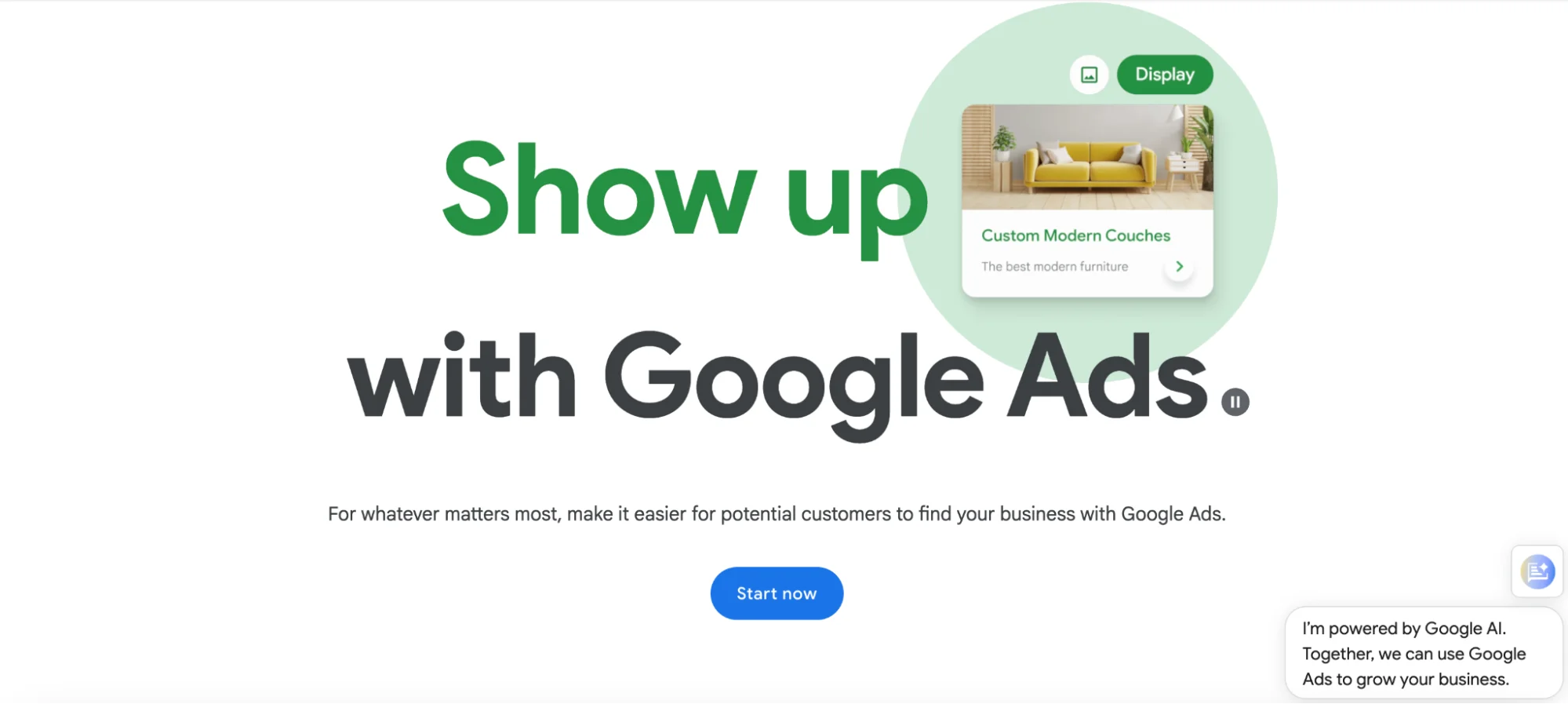
This timeline of privacy regulation and technical restriction has created a bifurcated market. On one side are the legacy platforms—Google and Meta—which are increasingly relying on artificial intelligence and automation (such as Meta’s Advantage+ and Google’s Performance Max) to fill the data gaps. On the other side is a burgeoning field of specialized platforms including TikTok, LinkedIn, and Amazon, which offer distinct advantages in engagement, professional targeting, and bottom-of-the-funnel retail intent.
Performance Analysis of Primary Ad Platforms
Despite the challenges, Google Ads remains the bedrock of search advertising, capturing over 90% of global search traffic. Its strength lies in "high-intent" targeting, reaching consumers at the exact moment they express a need through search queries. The platform’s Quality Score remains a pivotal metric, rewarding ad relevance and landing page quality with lower costs per click (CPC) and better ad positioning. However, as the survey data suggests, the ubiquity of Google Ads has led to saturated auctions, driving the need for more efficient conversion strategies to maintain profitability.
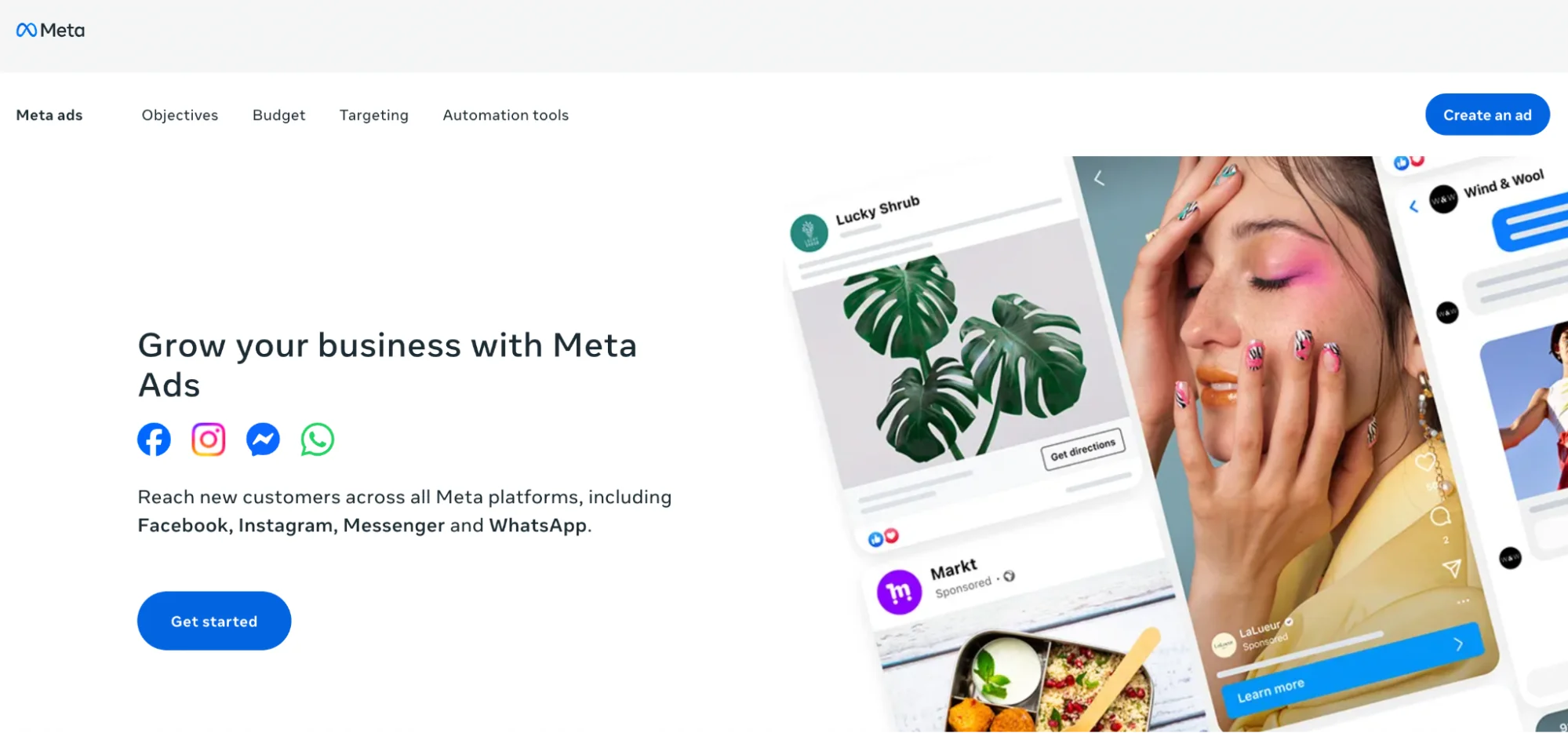
Meta Ads, encompassing Facebook and Instagram, remains the leader in social discovery. While only 9% of marketers reported Instagram as their top-performing platform despite 80% usage, the platform remains vital for visual storytelling and brand building. The shift here has been toward broader audience targeting, allowing Meta’s algorithm to find converters rather than relying on the hyper-specific demographic niches that were popular in the mid-2010s.
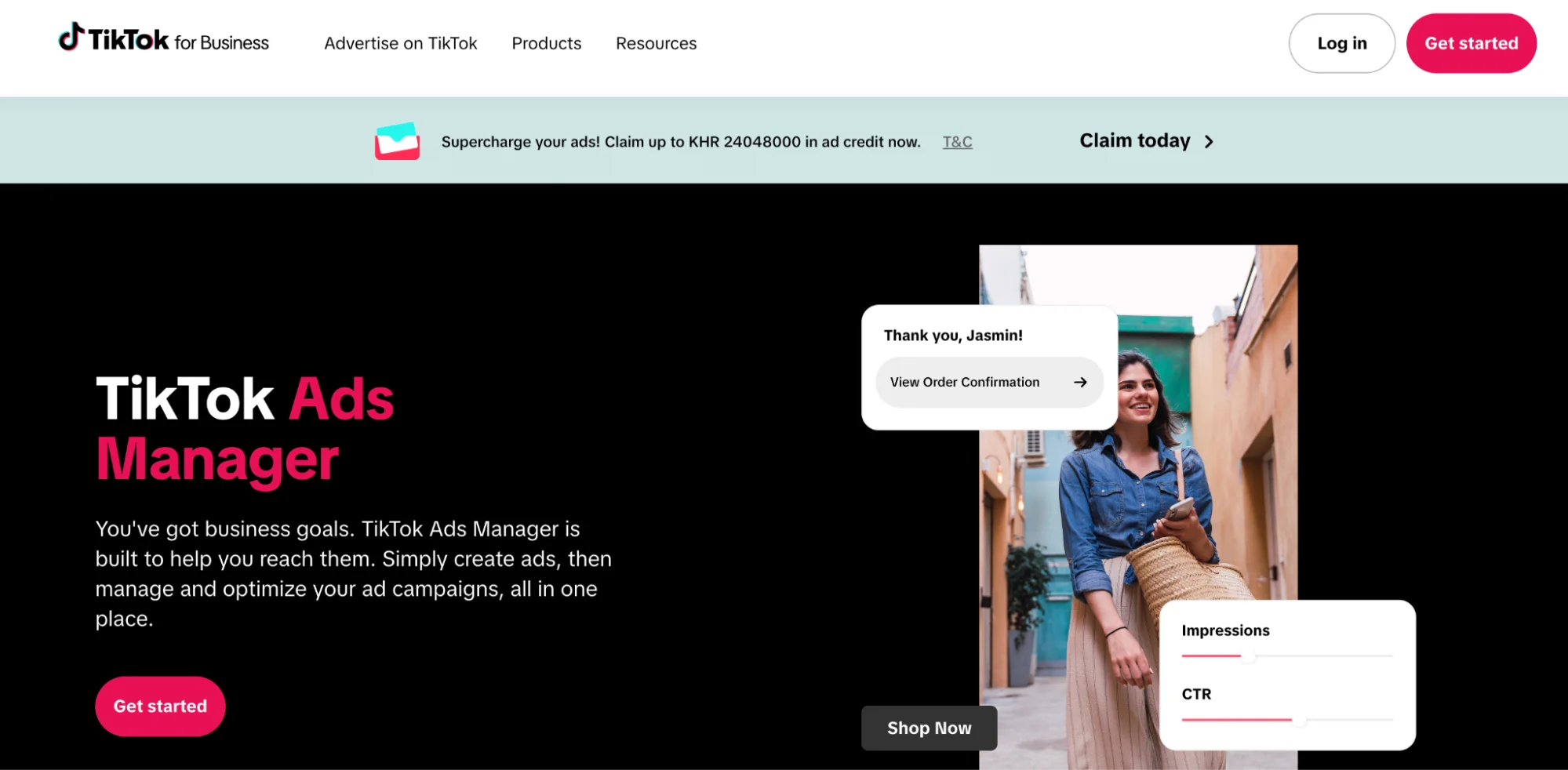
The fastest-growing contender in the social space is TikTok. The Instapage survey found that 25% of marketers plan to adopt TikTok Ads in the near future. Unlike the "social graph" model of Meta, TikTok operates on a "content graph," where the algorithm surfaces ads based on engagement and interest rather than social connections. This has proven particularly effective for brands capable of producing "native-looking" content that avoids the traditional aesthetic of high-production commercials.
The Rise of Alternative and Retail Media
The 2026 outlook also highlights the strategic importance of "second-tier" platforms that offer lower competition and higher intent. Microsoft Advertising (formerly Bing) has emerged as a high-value alternative, reaching users on Bing, Yahoo, and AOL. Market research suggests that CPCs on Microsoft’s network can be 30% to 50% lower than those on Google for identical keywords, often reaching a more affluent, professional demographic.
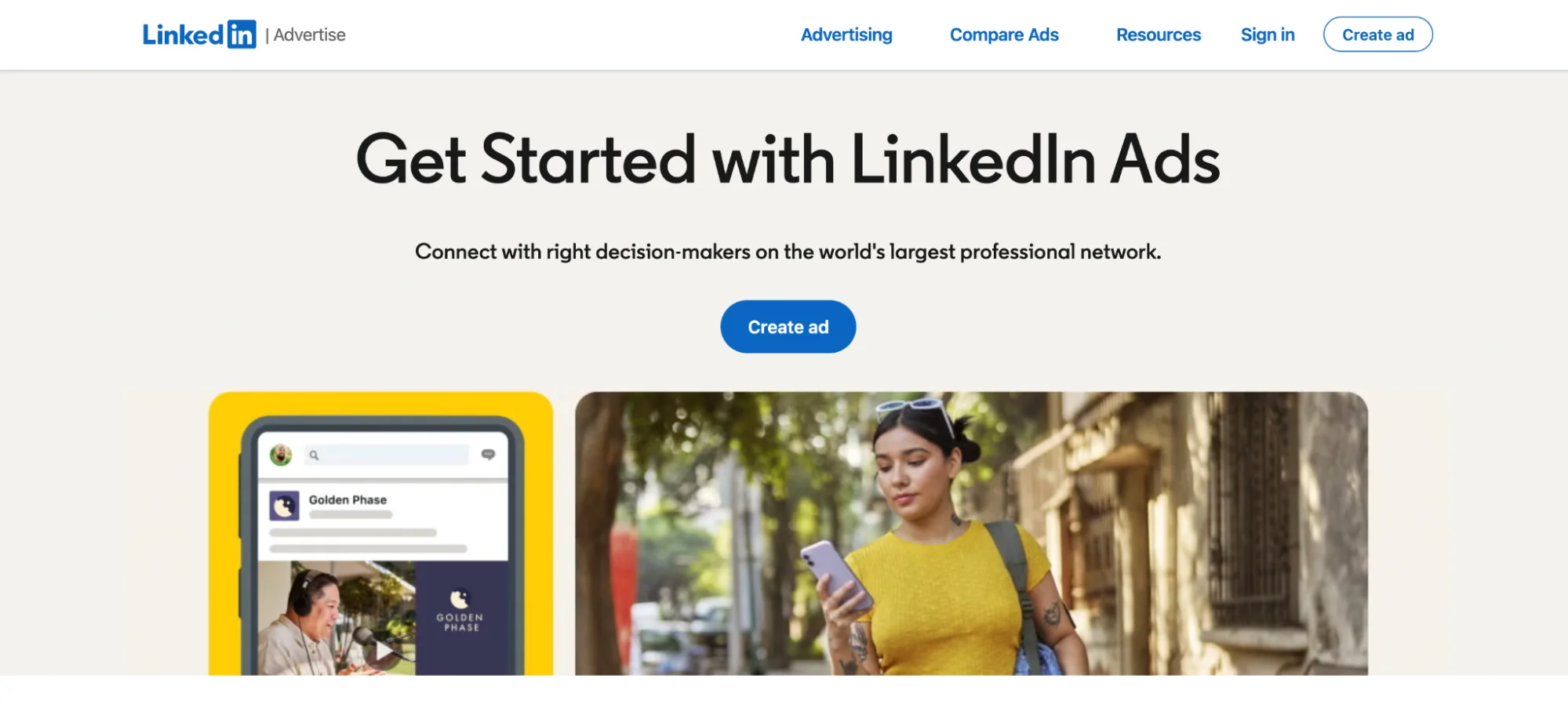
In the B2B sector, LinkedIn Ads continues to dominate, providing access to decision-makers through targeting based on job title, company size, and industry. While LinkedIn often commands the highest CPCs in the industry, the quality of leads—often measured by their proximity to the final purchasing decision—remains significantly higher than on consumer-focused social networks.
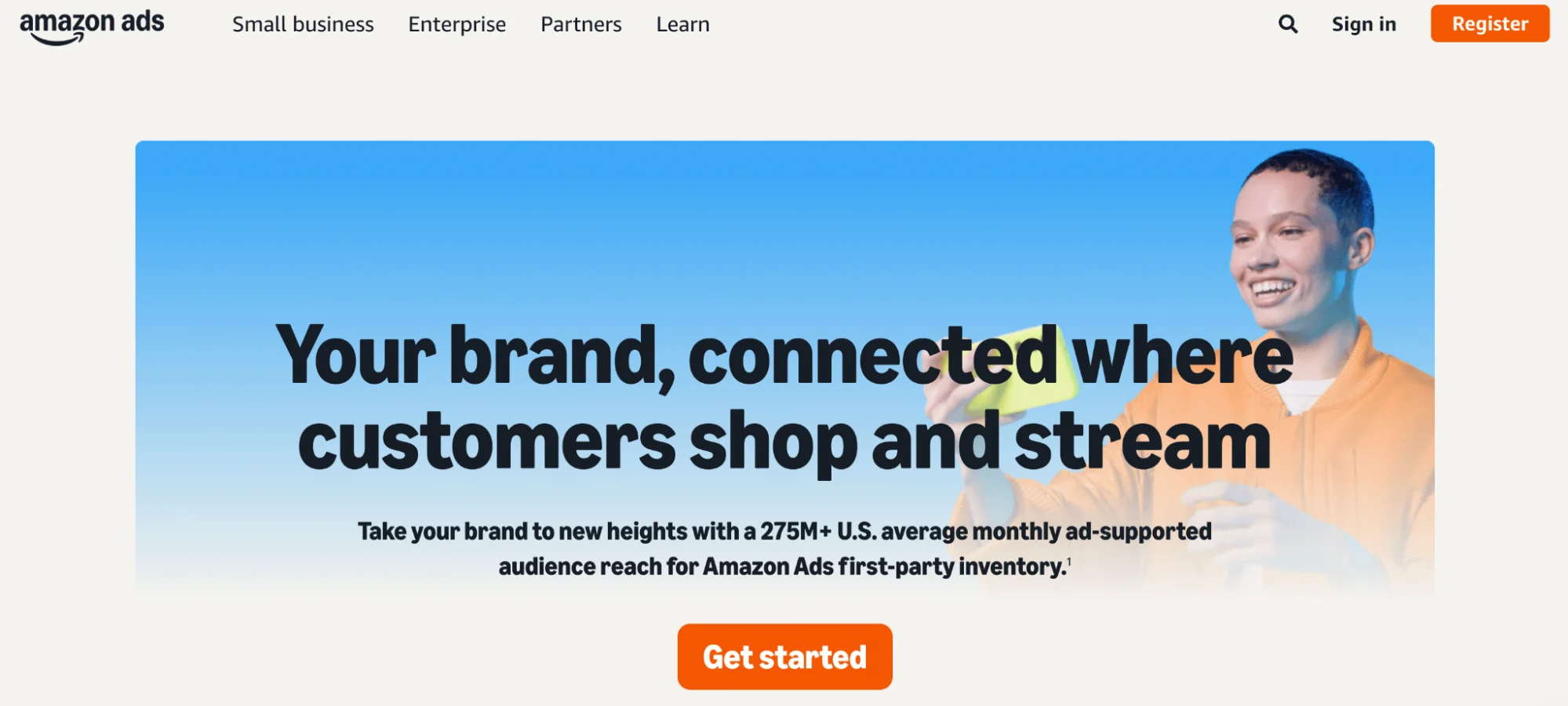
Simultaneously, the "Retail Media" explosion, led by Amazon Ads, has changed the bottom-of-the-funnel landscape. Amazon reports that advertisers typically see a 34% sales growth within four weeks of launching Sponsored Products campaigns. By capturing shoppers at the point of purchase, retail media bypasses the "discovery" phase entirely, though it requires brands to manage complex logistics and on-platform competition.
The Post-Click Crisis: Why Traffic Fails to Convert
The most significant takeaway from the 2026 market analysis is that advertising failure is rarely a result of the platform itself, but rather the "post-click" experience. Marketers are increasingly identifying "message mismatch" as a primary driver of wasted spend. This occurs when the promise made in an ad (e.g., "50% off all shoes") does not align with the headline or content of the landing page (e.g., a generic homepage showing all apparel).
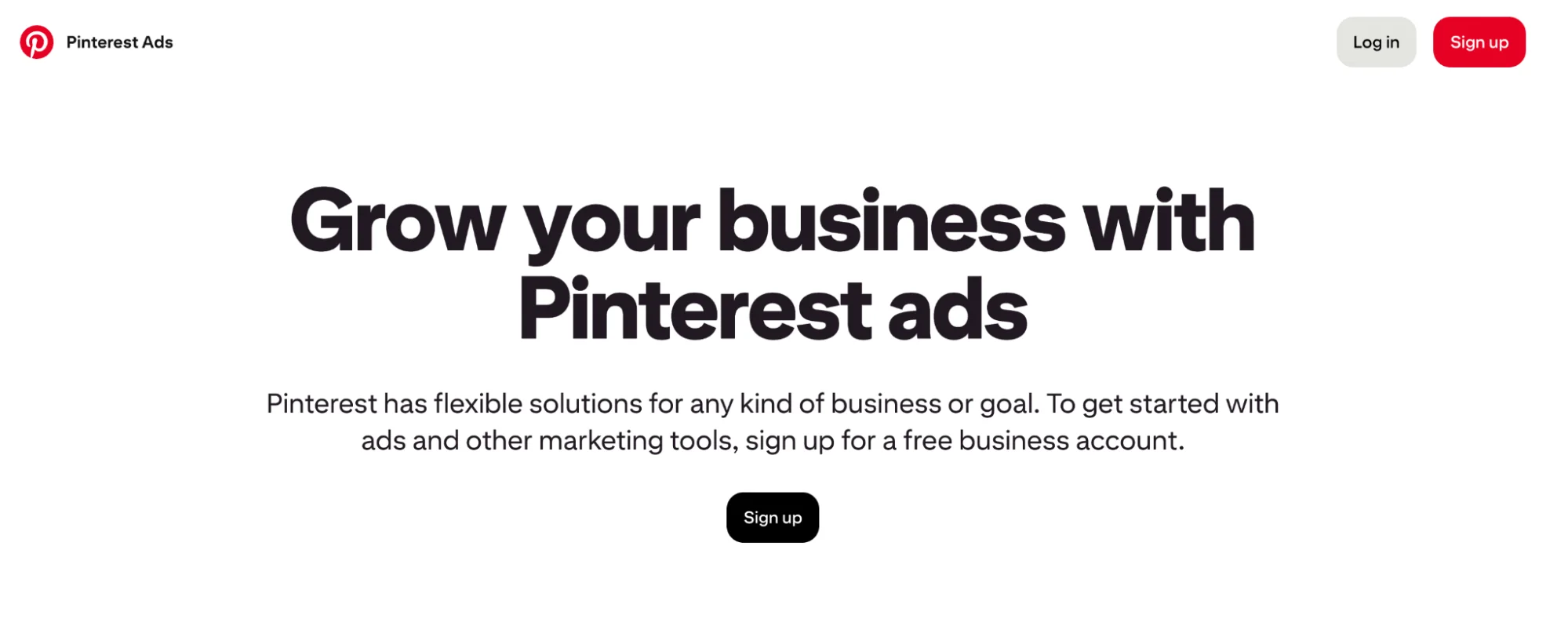
Furthermore, the reliance on generic homepages for paid traffic is being phased out by high-performing teams. Homepages are designed for exploration, featuring navigation menus, "About Us" links, and multiple calls to action. In contrast, a visitor from a paid ad has already declared their intent. Directing that visitor to a page with dozens of exit points dilutes that intent and lowers the probability of conversion. Industry leaders are now advocating for dedicated landing pages that remove navigation and focus on a single, coherent story from the ad click to the final conversion.
Privacy, Compliance, and the First-Party Data Mandate
As we move into 2026, the regulatory environment has become a central pillar of advertising strategy. Compliance with the General Data Protection Regulation (GDPR) in Europe and the California Consumer Privacy Act (CCPA) in the United States is no longer optional. These regulations, along with similar laws in Canada (PIPEDA) and Brazil (LGPD), require explicit consent management and transparent data handling.
The phasing out of third-party cookies by 2026 means that "tracking" as we knew it is being replaced by "attribution modeling" and server-side tracking. Conversion APIs (CAPIs) are becoming the industry standard, allowing businesses to send web events directly from their servers to ad platforms, bypassing the limitations of browser-based pixels. This shift emphasizes the value of first-party data—information collected directly from customers via email sign-ups, account creations, and CRM interactions. Platforms are increasingly rewarding advertisers who can upload these "offline" conversion signals to improve algorithmic targeting.
Strategic Implications for 2026 and Beyond
The data suggests that successful advertising in 2026 will require a move away from "platform fragmentation" toward "funnel optimization." Industry analysts suggest that most small to mid-market advertisers achieve superior results by mastering two to three core platforms—such as a search-intent platform (Google) and a discovery platform (TikTok or Meta)—rather than spreading budgets thinly across every available channel.
The focus is shifting from the "ad" to the "experiment." Continuous A/B testing of landing page headlines, calls to action, and social proof is becoming as important as the ad creative itself. Personalization at scale—the ability to serve different page versions to different audience segments—is now a baseline requirement for maintaining a competitive Return on Ad Spend (ROAS).
In conclusion, while the digital advertising market of 2026 is more expensive and privacy-constrained than ever before, the opportunities for growth remain significant for those who prioritize the post-click experience. The transition from buying clicks to owning the customer journey is the defining challenge of the current era. As costs per lead continue to rise, the margin for error in page speed, message relevance, and data compliance has effectively vanished. The winners in this new landscape will be those who recognize that the ad is merely the invitation; the landing page is where the business is actually won.


 Asro
Asro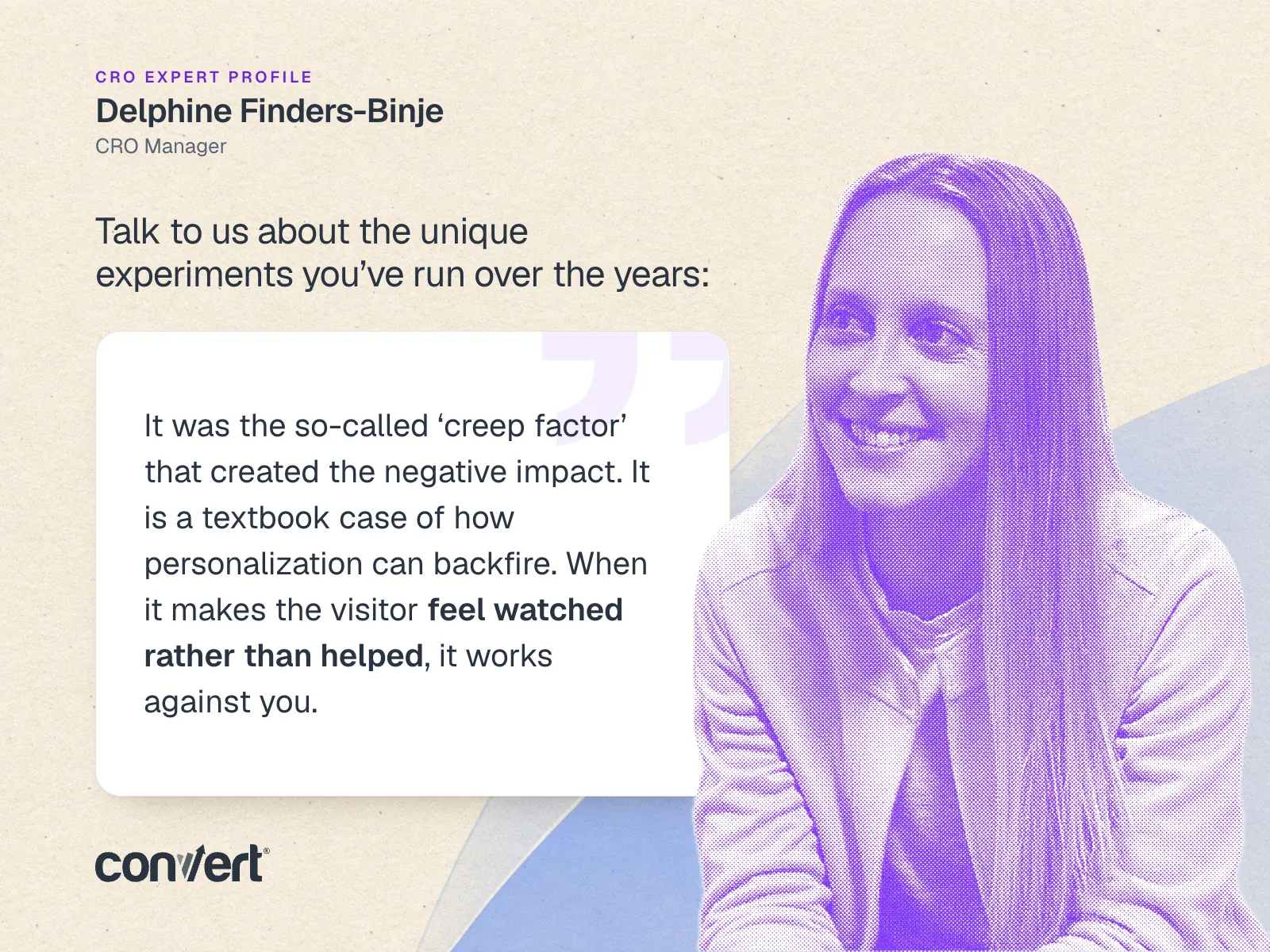
 Dwi Wanna