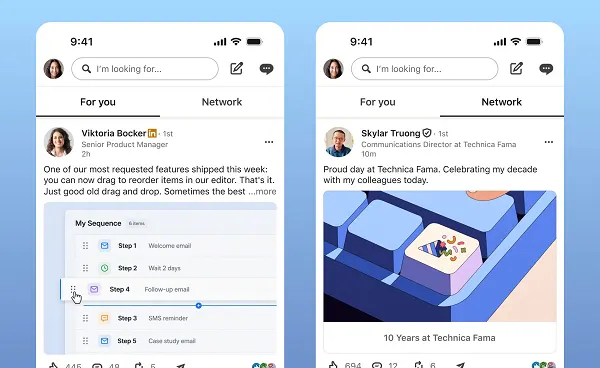
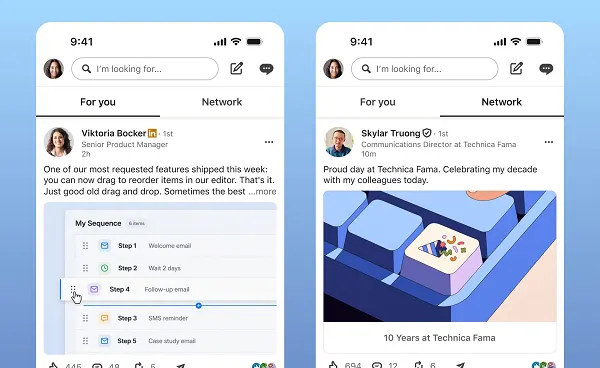
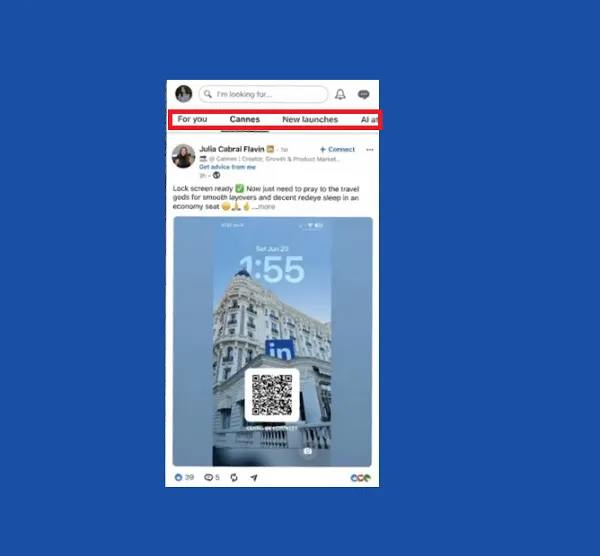
LinkedIn, the world’s leading professional networking platform, is once again venturing into alternative feed structures, initiating a trial of a "Network" tab designed to offer users a more curated and direct experience. This latest experiment presents an alternative feed composed exclusively of updates from individuals a user has directly connected with or explicitly followed, signaling a strategic pivot towards fostering more authentic and high-quality interactions on the platform. The trial, announced by LinkedIn’s Chief Product Officer Hari Srinivasan last Friday, underscores the company’s ongoing efforts to enhance user engagement by addressing prevalent issues such as content fatigue, the proliferation of low-quality posts, and artificial engagement tactics.
The Drive for Authentic Engagement: Background and Motivation
In an increasingly cluttered digital landscape, professional social networks like LinkedIn face the dual challenge of scaling user numbers while maintaining the integrity and relevance of their content feeds. For years, the default LinkedIn feed, like many other social platforms, has relied on sophisticated algorithms to surface what it deems most relevant to each user, balancing updates from connections, followed entities, company pages, and recommended content. While designed to maximize discovery and engagement, this algorithmic approach can inadvertently lead to a diluted experience, where genuinely important updates from direct connections might get lost amidst a sea of broader, often less personal, content.
Hari Srinivasan articulated the core philosophy behind the "Network" tab, stating, "The Network tab helps you stay connected to your network, i.e., the people you have explicitly connected or followed. We all want more real connection with real people, and we hope this plays a small part in rebuilding that world." This statement reflects a growing sentiment among users across various social media platforms who express a desire for more control over their content consumption and a return to more meaningful, less algorithm-driven interactions. For LinkedIn, a platform intrinsically built on the premise of professional relationships, this desire for authenticity is particularly critical.
The impetus for this trial is multifaceted, stemming from persistent challenges that have impacted the quality of the LinkedIn user experience. One significant concern has been the rise of "engagement pods," clandestine groups of users who mutually like, comment on, and share each other’s posts to artificially inflate engagement metrics. This practice distorts the true reach and impact of content, undermining the platform’s meritocratic principles and making it harder for genuine, high-quality content to stand out. LinkedIn has publicly acknowledged and taken measures to combat these pods, viewing them as detrimental to the platform’s ecosystem.
Furthermore, the recent surge in AI-generated content has introduced another layer of complexity. While AI tools can assist in content creation, the unchecked proliferation of poorly generated or generic "AI slop" has contributed to content overload and a decline in perceived value within user feeds. LinkedIn has responded by offering users options to report AI-generated content, demonstrating its commitment to curating a high-quality content environment. The "Network" feed, by filtering content solely through direct connections, could inherently mitigate some of these issues, offering a sanctuary from algorithmically amplified, potentially low-quality, or artificially boosted content.
A Chronology of LinkedIn’s Feed Innovation Attempts
The "Network" tab trial is not an isolated experiment but rather the latest iteration in LinkedIn’s continuous quest to optimize its feed experience. The platform has a history of exploring alternative feed approaches, indicative of its ongoing commitment to innovation and user satisfaction. These past trials provide crucial context for understanding the significance and potential trajectory of the current "Network" tab.
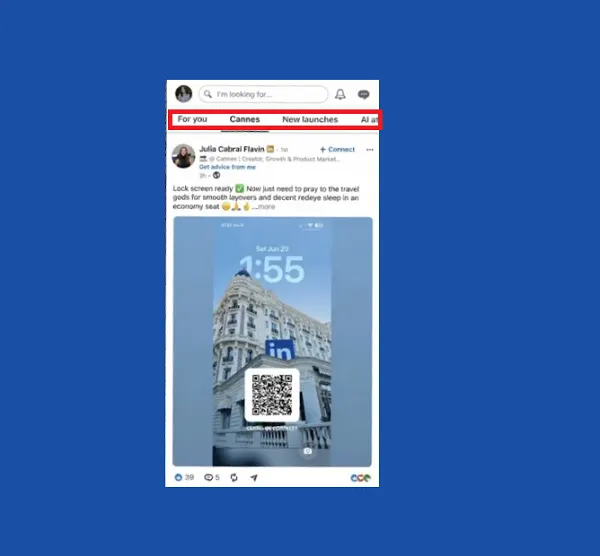
Approximately a year prior, LinkedIn experimented with a variety of alternative feeds aimed at generally expanding app usage. These trials often involved segmenting content based on broader categories or interests, attempting to offer users different lenses through which to view the platform’s vast content library. The specifics of these tests varied, but the overarching goal was to provide users with more personalized pathways to discover content that resonated with their professional interests, potentially increasing time spent on the app and overall engagement.
More recently, in June of the current year, LinkedIn rolled out tests for "topic-based suggested feeds." These feeds were designed to connect users with trending conversations and popular topics relevant to their industries or stated interests. The idea was to create dedicated streams of content focused on specific subjects, allowing users to dive deep into discussions around particular themes without having to navigate the entirety of their main feed. This approach aimed to enhance discoverability of niche content and foster community around shared professional interests.
However, neither of these earlier extensive trials resulted in a broader, permanent rollout across the entire user base. This outcome suggests that while innovative, these previous alternative feed structures may not have generated the desired level of sustained engagement or addressed core user pain points effectively enough to warrant a full-scale implementation. The lack of expanded launch for these initiatives indicates that LinkedIn is meticulous in its product development, only committing to features that demonstrate clear, measurable benefits to its diverse user base. The lessons learned from these prior attempts likely inform the design and strategic intent behind the "Network" tab, guiding LinkedIn towards what it hopes will be a more successful and impactful feed alternative.

Mechanics and Expected User Experience of the "Network" Feed
The operational mechanics of the "Network" feed are designed for simplicity and directness. Unlike the main LinkedIn feed, which employs complex algorithms to prioritize and display a mix of content based on a multitude of signals—including engagement rates, relevance to user skills, industry trends, and connections of connections—the "Network" tab offers a straightforward filter. It exclusively showcases posts and updates from individuals with whom a user has a direct, explicit connection or who they have chosen to follow. This means content from company pages, groups, or individuals outside one’s immediate professional circle, unless directly followed, would not appear in this specific feed.
For users, the immediate benefit is a significantly reduced signal-to-noise ratio. The clutter often associated with algorithmic feeds, where advertisements, sponsored content, or posts from tangential interests can dominate, is expected to diminish considerably. Instead, users would find a feed populated by updates from colleagues, clients, mentors, industry peers, and other direct professional contacts. This could lead to several improvements in the user experience:
- Enhanced Relevance: Content becomes inherently more relevant as it originates directly from known professional contacts, whose updates are more likely to pertain to a user’s immediate work, industry, or professional development.
- Greater Control: Users gain a stronger sense of control over their feed content. By consciously connecting with or following individuals, they are directly curating what appears in their "Network" feed, moving away from algorithmic dictates.
- Deeper Connections: The focus shifts back to the core purpose of LinkedIn – professional networking. Seeing updates primarily from direct connections can foster a stronger sense of community and facilitate more meaningful engagement, as users are more likely to comment on or interact with posts from people they genuinely know.
- Time Efficiency: For professionals with limited time, a direct connections feed can be a more efficient way to stay abreast of important developments within their immediate professional circle without sifting through broader platform content.
However, potential downsides also warrant consideration. A purely network-driven feed might inadvertently create an "echo chamber," limiting a user’s exposure to diverse perspectives, new ideas, or trending industry news that might originate from outside their immediate connections. While the main algorithmic feed serves as a discovery engine, the "Network" feed prioritizes depth over breadth. Therefore, the success of this trial may hinge on how users balance their time between this new, focused feed and the broader, algorithmically-driven main feed, ensuring they still leverage LinkedIn for discovery and broader industry awareness.
Supporting Data and Industry Trends Fueling the Shift
The move towards a more connection-centric feed on LinkedIn aligns with broader trends observed across the social media landscape. Users are increasingly expressing fatigue with perpetually scrolling through algorithmically optimized feeds that often prioritize sensationalism or advertising over genuine human connection. Data from various industry reports indicates a growing preference for platforms or features that allow for more control, privacy, and authentic interaction.
For instance, platforms like BeReal have gained traction by emphasizing unedited, real-time sharing within smaller, more intimate networks. Even established giants like Instagram and X (formerly Twitter) have introduced options for users to switch between algorithmic and chronological "Following" feeds, acknowledging the demand for user-curated content streams. This signals a wider industry recognition that while algorithms are powerful tools for discovery, they must be balanced with user agency.
LinkedIn’s own growth trajectory underscores the challenge of maintaining content quality at scale. With over 900 million members globally, the platform is a colossal repository of professional content. The sheer volume of posts, articles, and updates necessitates robust content moderation and intelligent feed algorithms. However, as the platform expands, so does the diversity of content and, inevitably, the potential for lower-quality or irrelevant material to surface. Maintaining high-quality engagement among such a vast and varied user base is a continuous balancing act.
While specific engagement data for LinkedIn’s various feed experiments are proprietary, the very act of continually testing alternatives suggests that the company perceives a gap or an opportunity to improve its core offering. The primary value proposition of LinkedIn has always been professional networking and career development. If users perceive the main feed as less effective for these core functions due to noise or artificiality, then an alternative that brings the focus back to direct relationships becomes a strategic imperative. This trial is an investment in reinforcing LinkedIn’s identity as a place for meaningful professional connections, differentiating it from more general social media platforms.
Official Responses and Broader Implications
Hari Srinivasan’s statement about "real connection with real people" serves as the unofficial mission statement for the "Network" tab. This emphasis from a Chief Product Officer highlights that the initiative is not merely a superficial UI change but a reflection of LinkedIn’s strategic intent to deepen user satisfaction and reinforce its foundational value proposition. The inferred official response is one of proactive problem-solving and user-centric design, aiming to address critical feedback and enhance the platform’s utility.
The broader implications of a successful "Network" feed could be significant for various stakeholders:
For Users: A more focused feed could lead to a dramatically improved user experience. Professionals might find it easier to keep track of their immediate network’s activities, facilitating stronger professional relationships, collaborative opportunities, and direct access to relevant insights. It could reduce the cognitive load associated with sifting through irrelevant content, making LinkedIn a more efficient and rewarding platform for daily engagement. This enhanced experience could, in turn, lead to higher user retention and more active participation.
For Content Creators and Marketers: The introduction of a prominent "Network" feed could necessitate a strategic shift for content creators and marketers. The current algorithmic feed often encourages a focus on broad reach and viral potential. If users increasingly gravitate towards their "Network" feed, the emphasis might shift towards building genuine, direct connections and creating content that resonates deeply with those specific individuals. This could mean a move away from generic, high-volume content towards more personalized, high-value interactions. For marketers, it might underscore the importance of direct engagement strategies, personalized outreach, and fostering authentic relationships rather than solely relying on algorithmic discovery. Organic reach might become more dependent on the quality of direct connections rather than broad appeal.
For LinkedIn as a Platform: If the "Network" feed proves successful, it could redefine the core feed experience, potentially becoming a preferred mode of interaction for many users. This would reinforce LinkedIn’s identity as the go-to platform for serious professional networking, distinguishing it further from other social media sites that prioritize entertainment or broad content discovery. Success could translate into increased high-quality active users, more meaningful interactions, and ultimately, a more robust and valuable professional ecosystem. Conversely, if it follows the path of previous trials and fails to gain significant traction, it will serve as another valuable data point in LinkedIn’s ongoing iterative development process, informing future product decisions and highlighting the complex interplay between algorithmic discovery and user-curated content preferences.
Future Outlook: Balancing Discovery and Connection
The ongoing experimentation with alternative feeds underscores a fundamental tension in modern social platforms: the balance between algorithmic discovery and user-controlled connection. While algorithms excel at surfacing new and potentially relevant content, they can sometimes overshadow the direct interactions that form the bedrock of social networking. The "Network" tab represents a deliberate attempt to empower users with greater control and re-emphasize the importance of explicit, direct connections.
The success of this trial will likely be measured not just by its adoption rates but also by its impact on key metrics such as user satisfaction, time spent on meaningful interactions, and the overall perception of content quality. If the "Network" feed can effectively address concerns about content dilution and artificial engagement, it could mark a significant evolution in how professionals engage on LinkedIn. Regardless of the outcome, these trials demonstrate LinkedIn’s commitment to continuous improvement, ensuring its platform remains the most valuable resource for professional development and networking in a rapidly evolving digital world. The journey to perfect the professional feed is iterative, and the "Network" tab is the latest, and potentially most impactful, step in that ongoing evolution.