

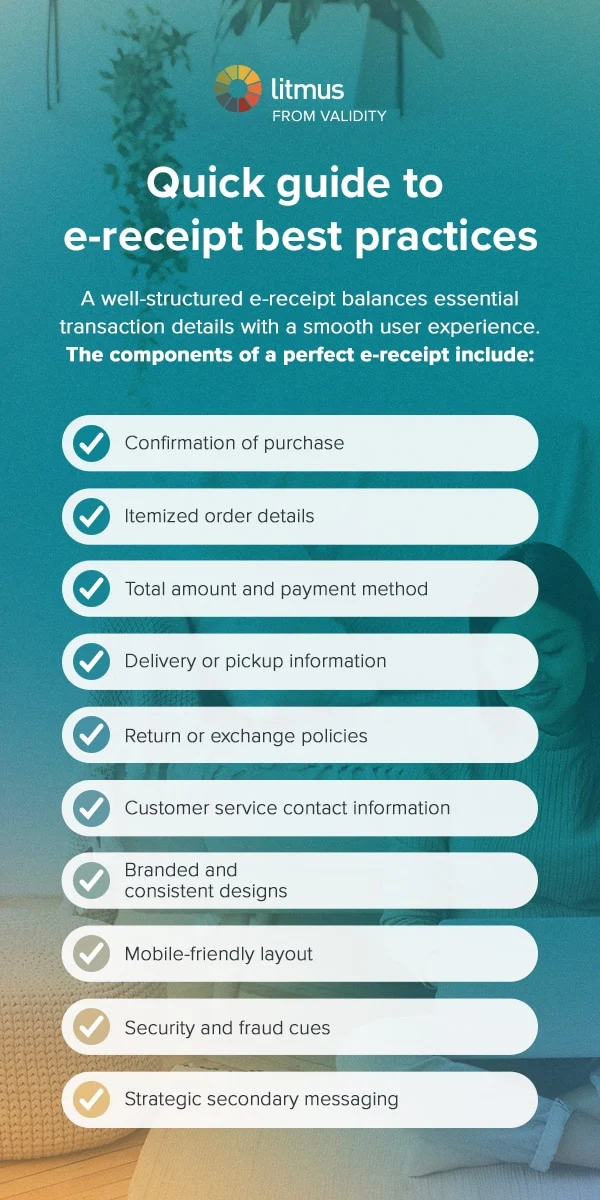
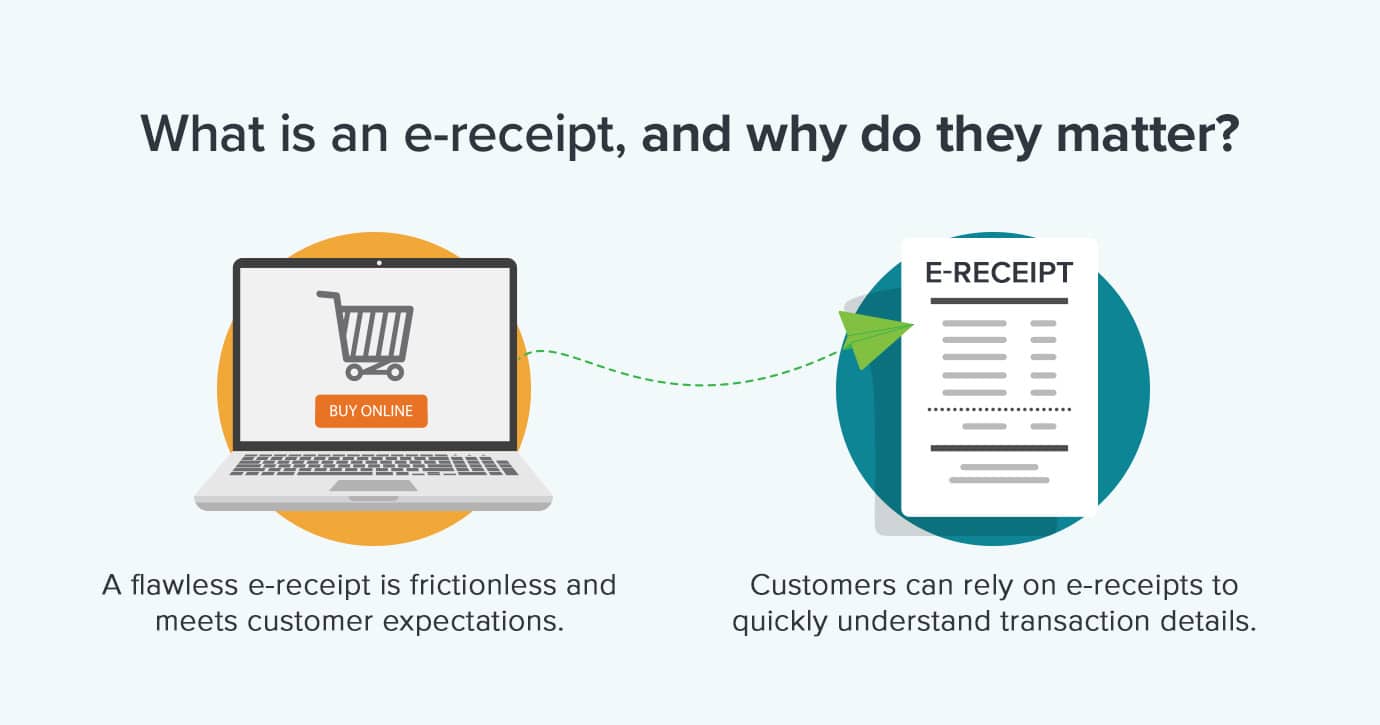
E-receipts represent a critical digital touchpoint in the modern consumer journey, serving as a sophisticated evolution of the traditional paper receipt. These electronic confirmations, typically delivered via email post-purchase, offer far more than simple documentation. They are instrumental in providing essential transactional records, facilitating customer support, and enhancing convenience through flexible, easy-to-access digital formats, often presented as HTML emails or PDF attachments. This digital shift benefits both consumers and businesses, creating a win-win scenario in an increasingly digital-first economy.
The transition from physical to digital receipts began gaining significant traction in the early 2000s, propelled by advancements in email technology and growing environmental consciousness. Initially, e-receipts were rudimentary, often simple text-based summaries. However, as e-commerce expanded and customer experience became a paramount differentiator, businesses recognized the untapped potential of this post-purchase communication. Today, e-receipts have evolved into dynamic marketing assets, capable of fostering brand loyalty, driving future sales, and collecting invaluable customer data. Industry analysts consistently highlight the strategic imperative for businesses to view e-receipts not merely as administrative necessities but as integral components of a holistic customer relationship management (CRM) strategy.
The Strategic Imperative of E-Receipts
Beyond their primary function of documenting transactions, e-receipts serve as a potent two-way channel for cultivating brand affinity and generating future revenue. Savvy marketers leverage these digital confirmations to strategically embed various brand-building and sales-driving elements. This includes featuring loyalty programs and mobile applications, cross-selling or upselling related products, reinforcing consistent brand messaging, and gathering crucial post-purchase insights through preference updates or feedback requests.
The strategic value of e-receipts is multifaceted:
- Enhanced Customer Experience: Digital receipts offer convenience, easy storage, and quick retrieval, reducing clutter and simplifying record-keeping for consumers.
- Data Collection and Personalization: E-receipts provide an opportunity to gather data on purchasing habits, allowing for more targeted future marketing efforts and personalized recommendations.
- Cost Savings and Environmental Benefits: Eliminating paper receipts reduces operational costs for businesses (paper, printing, storage) and contributes to environmental sustainability by reducing paper waste.
- Marketing and Engagement Opportunities: The high open rates of transactional emails make e-receipts an ideal vehicle for promoting other brand offerings, loyalty programs, or soliciting feedback.
According to a 2023 study by Statista, approximately 60% of consumers prefer receiving digital receipts over paper ones, a figure that continues to rise, especially among younger demographics. This preference underscores the necessity for businesses to refine their e-receipt strategies to meet evolving customer expectations. Furthermore, research by Litmus indicates that transactional emails, including e-receipts, boast significantly higher open rates (often exceeding 70-80%) compared to general marketing emails, making them exceptionally valuable for post-purchase engagement.
Blueprint for E-Receipt Excellence: Best Practices and Components
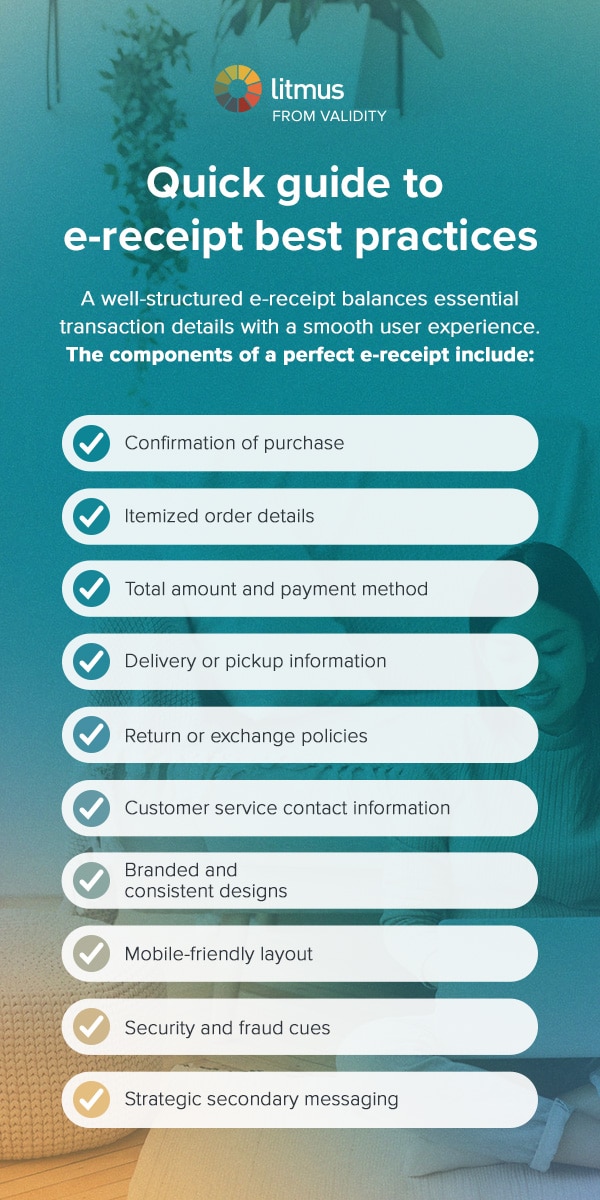
A meticulously structured e-receipt successfully balances the provision of essential transaction details with a seamless user experience. By prioritizing thoughtful design and strategic content placement, businesses can transform a routine digital confirmation into a powerful customer touchpoint. The core components of an exemplary e-receipt include:
- Clear Transaction Summary: The absolute priority. This includes itemized lists, quantities, prices, taxes, discounts, shipping costs, and the total amount paid. The order number, date, and payment method should be immediately visible.
- Order Status and Tracking: For physical goods, a clear link or embedded tracking information is crucial for managing customer expectations.
- Customer Service Information: Easily accessible contact details (phone, email, live chat) and links to FAQs or support pages.
- Returns/Exchanges Policy: Concise and clear instructions on how to initiate returns or exchanges, along with relevant deadlines.
- Brand Reinforcement: Consistent branding elements like logos, color schemes, and tone of voice.
- Strategic Upsell/Cross-sell: Carefully selected product recommendations based on the current purchase or browsing history.
- Loyalty Program Integration: Displaying points earned, current status, or prompts to join a loyalty program.
- App Promotion: Prominent calls-to-action (CTAs) to download the brand’s mobile app, highlighting its benefits.
- Social Media Links: Opportunities for customers to connect with the brand on various platforms.
- Sustainability Messaging: Information about the environmental benefits of choosing digital receipts.
Strategic Applications: Real-World E-Receipt Examples and Tactics
An exceptional e-receipt transcends its function as a mere transaction record; it operates as a meticulously crafted communication designed to strengthen customer relationships and drive further engagement. Here are seven pivotal strategies and their underlying rationales:
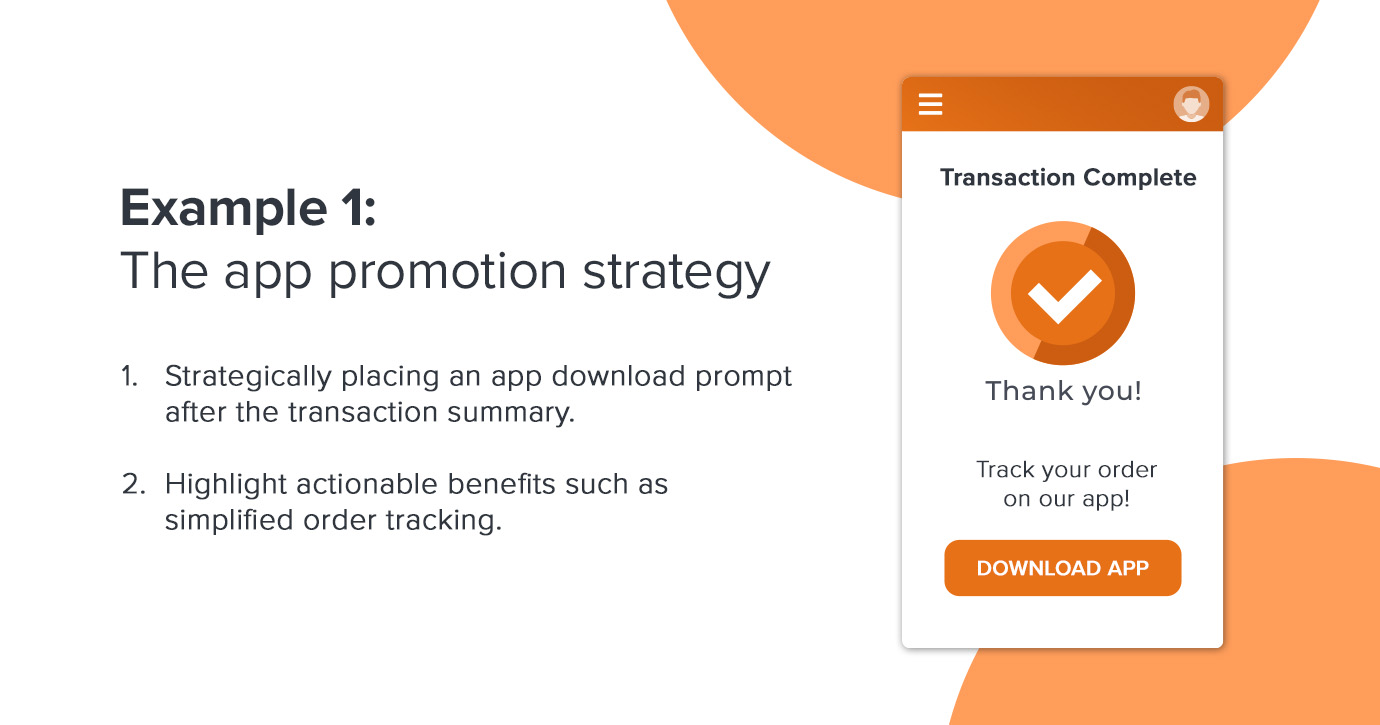
Example 1: The App Promotion Strategy
One of the most potent elements within a high-performing e-receipt is the targeted promotion of a brand’s mobile application or digital services. By strategically positioning an app download prompt immediately after the transaction summary, businesses capitalize on a moment when the customer is highly attentive and already immersed in a "digital mindset." The effectiveness hinges on highlighting actionable app benefits, such as simplified order tracking, exclusive app-only features, or expedited reordering, directly correlating the app’s value to the customer’s recent purchase experience.
Design is paramount for this strategy. The app promotion should be concise, utilizing a modern, single-column layout that aligns with the brand’s aesthetic. Positioning security and trust details, such as fraud warnings or order verification, nearby reinforces the legitimacy of both the receipt and the promoted application. The timing is critical; presenting app downloads just after purchase confirmation ensures it enhances, rather than interrupts, the primary transactional message, providing relevant value at an opportune moment.
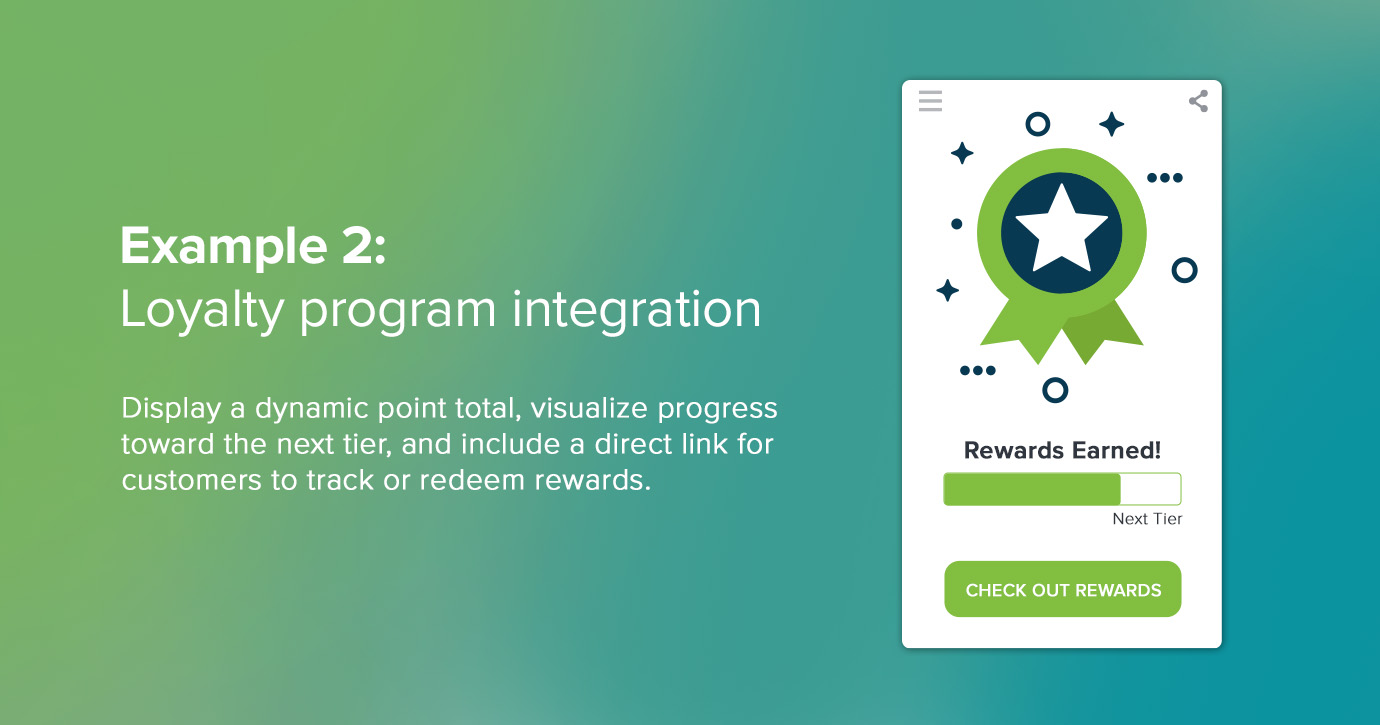
Example 2: Loyalty Program Integration
Seamless integration of loyalty program details into e-receipts significantly encourages sustained customer participation. A well-placed loyalty section effectively showcases the points or rewards accrued from the most recent purchase, forging a clear link between the current sale and broader incentives for repeat business.
To maximize impact, benefits must be tangible and easily understood. This involves displaying a dynamic point total, visualizing progress toward the next reward tier, and providing a direct link for customers to track or redeem their rewards. Clear next steps and progress bars act as powerful motivators for continued engagement, while an eye-catching loyalty banner subtly reinforces the ongoing value of the customer’s relationship with the brand. Brands like Sephora with its Beauty Insider Program, and Taco Bell’s tier-based system, exemplify this strategy, encouraging customers through visible rewards and exclusive offers tied to their purchases.
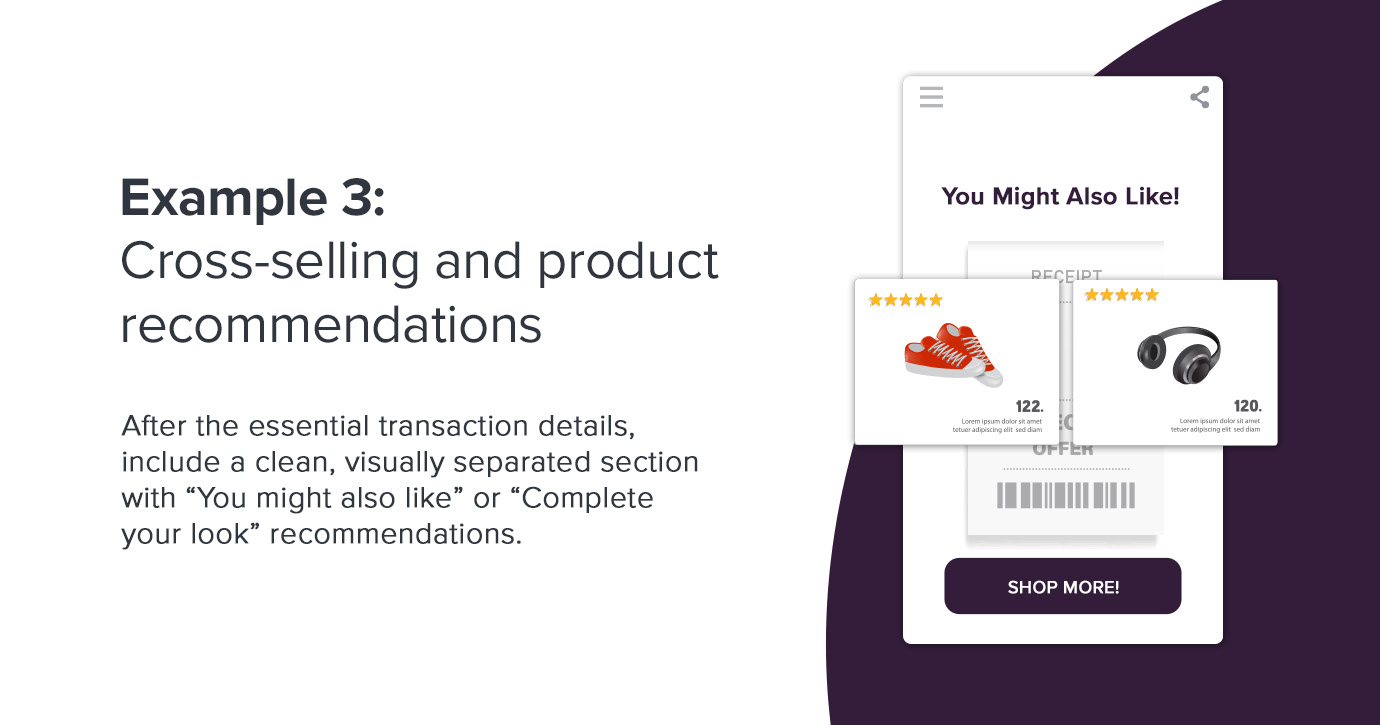
Example 3: Cross-Selling and Product Recommendations
Strategic product suggestions embedded within e-receipts can yield substantial incremental value when they are highly relevant and non-intrusive. Following the essential transaction details, a visually distinct section with phrases like "You might also like" or "Complete your look" can present recommendations powered by sophisticated purchase data and algorithms. This mirrors successful e-commerce strategies such as Amazon’s "Frequently Bought Together" section.
The key is to maintain a shopper-centric approach. Recommendations should feel thoughtfully tailored, not generic. Clear imagery, concise product descriptions, and direct links streamline the browsing and purchasing process. Mobile-friendly product cards are essential, allowing customers to easily engage with these options on the go. By harnessing the customer’s post-purchase buying mindset, this strategy not only increases average order value but also demonstrates a deep understanding of their preferences.
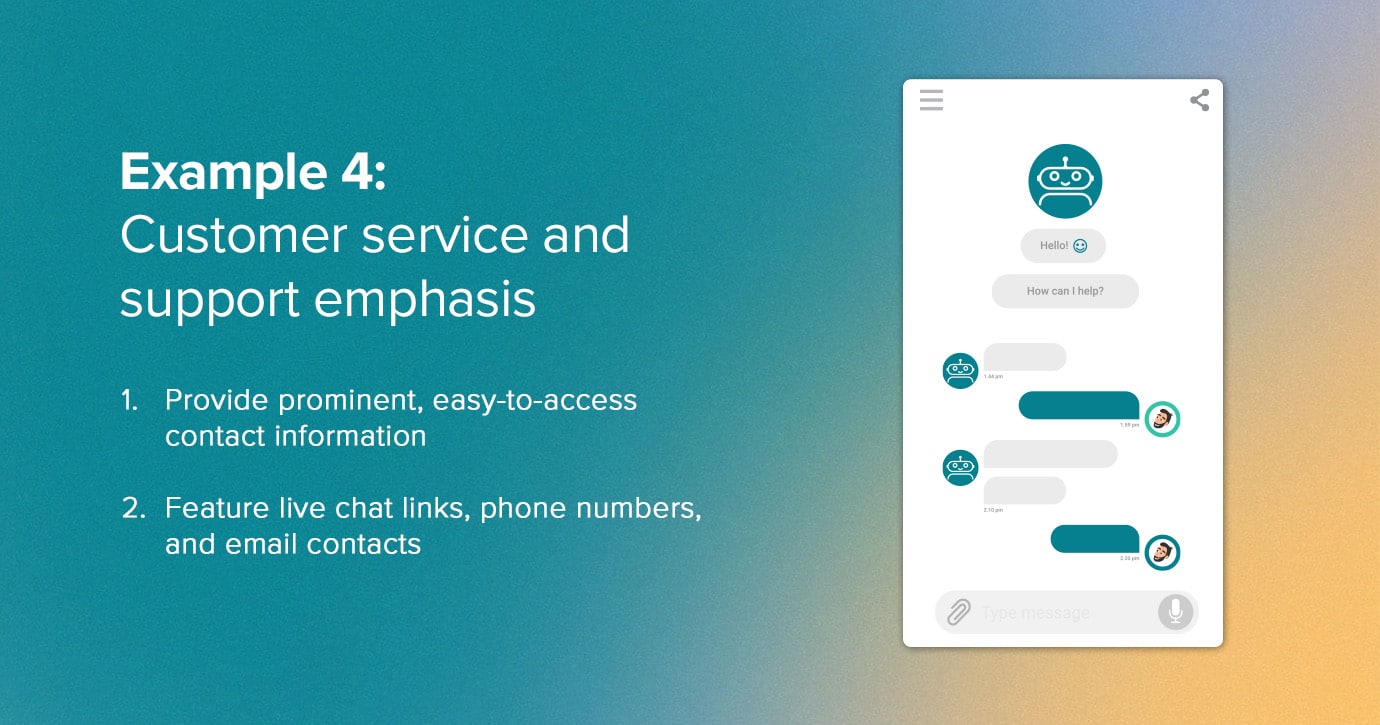
Example 4: Customer Service and Support Emphasis
An outstanding e-receipt proactively places help at the customer’s fingertips, anticipating potential questions and mitigating friction. It should prominently feature easy-to-access contact information and clear explanations of the returns or exchange process. Live chat links, direct phone numbers, and email contacts should be visible without requiring extensive scrolling. A dedicated support section, coupled with proactive language like "Something not right?", effectively diffuses potential frustration and encourages self-service resolution.
Including FAQs or quick links specifically tailored to the recent purchase further empowers customers to find answers independently. This strong emphasis on readily available customer support is crucial; it demonstrably reduces inbound support ticket volume and churn while instantly building trust and reinforcing the brand’s commitment to customer satisfaction at every stage of the journey.
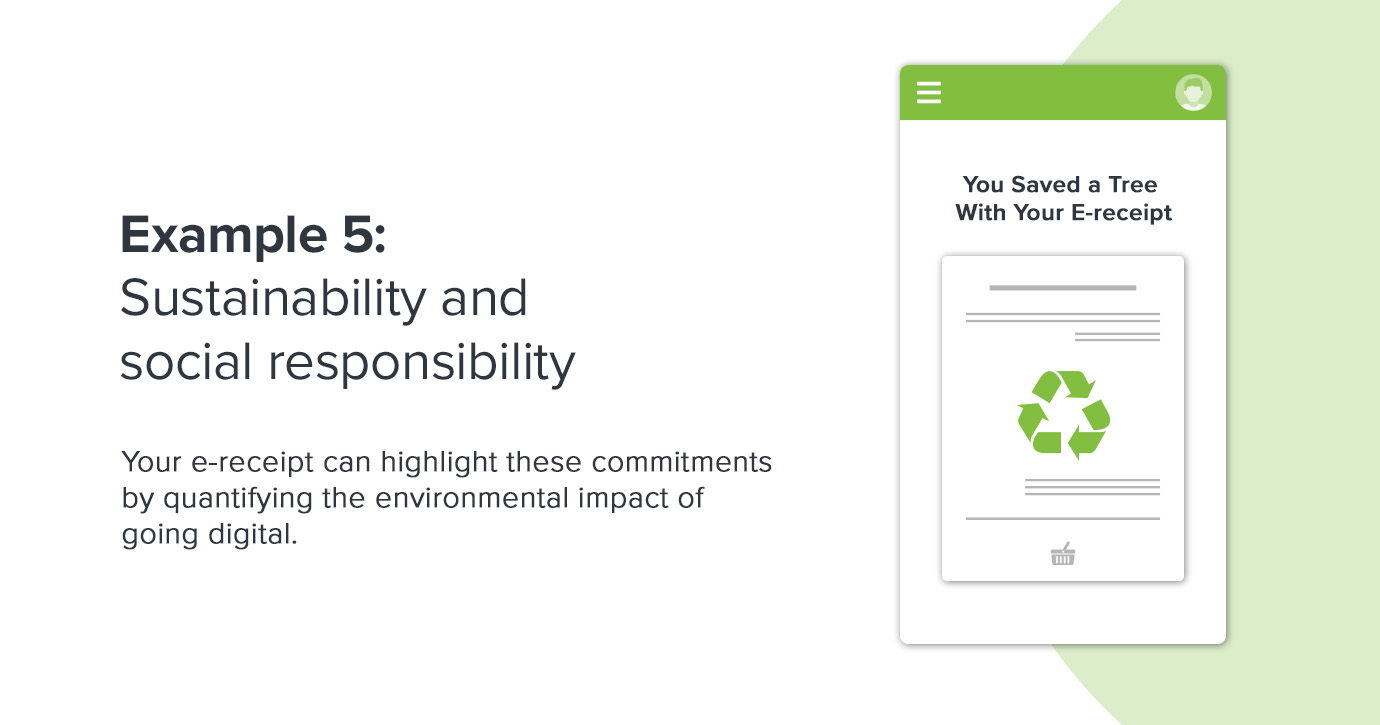
Example 5: Sustainability and Social Responsibility
Modern consumers are increasingly discerning, actively seeking out and rewarding brands that champion sustainability and social responsibility. E-receipts offer a prime opportunity to highlight these commitments by quantifying the environmental benefits of digital over paper. This could involve statistics on "trees saved" or "carbon emissions reduced" by opting for paperless receipts.
Concise, visible messaging, perhaps in the header or footer, subtly demonstrates the brand’s alignment with contemporary values. For enhanced credibility, linking to sustainability certificates, corporate social responsibility reports, or ongoing green initiatives can deepen customer connection. By embedding compelling sustainability narratives into the post-purchase journey, brands can foster a positive emotional connection, making customers feel good about their choices and their association with the brand.
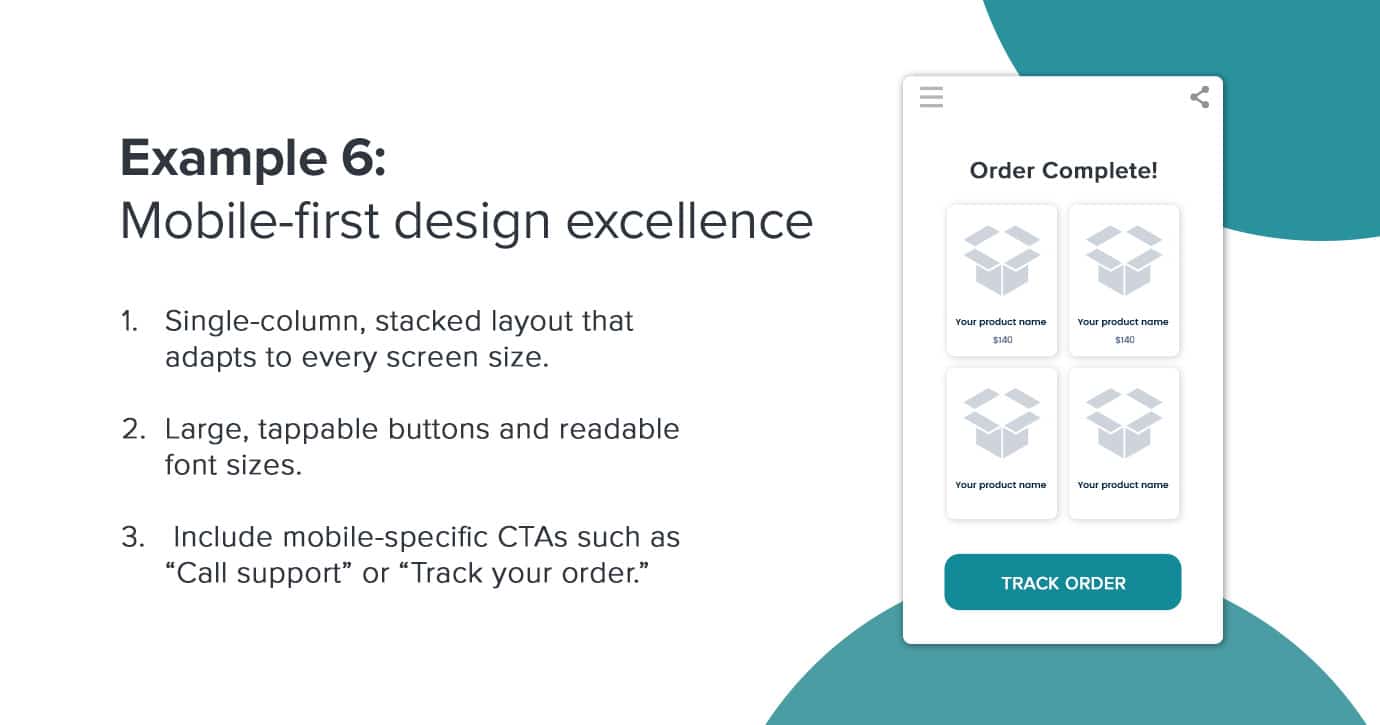
Example 6: Mobile-First Design Excellence
Given that a significant majority of customers access and open emails, including receipts, on mobile devices, a responsive, mobile-first design is not merely an advantage—it is a fundamental requirement. This approach forms the bedrock of a positive receipt experience, driving engagement and cultivating loyalty regardless of where or how customers interact with the communication.
Effective mobile-first design dictates a single-column, stacked layout that seamlessly adapts to various screen sizes. This includes large, tappable buttons and highly readable font sizes. Navigation must be intuitive, ensuring that critical information is immediately visible with minimal scrolling. Integrating mobile-specific calls-to-action (CTAs) such as "Call support" or "Track your order" further optimizes the mobile experience. Additionally, prioritizing fast load times and lightweight graphics is essential to minimize friction and enhance accessibility on diverse mobile networks.
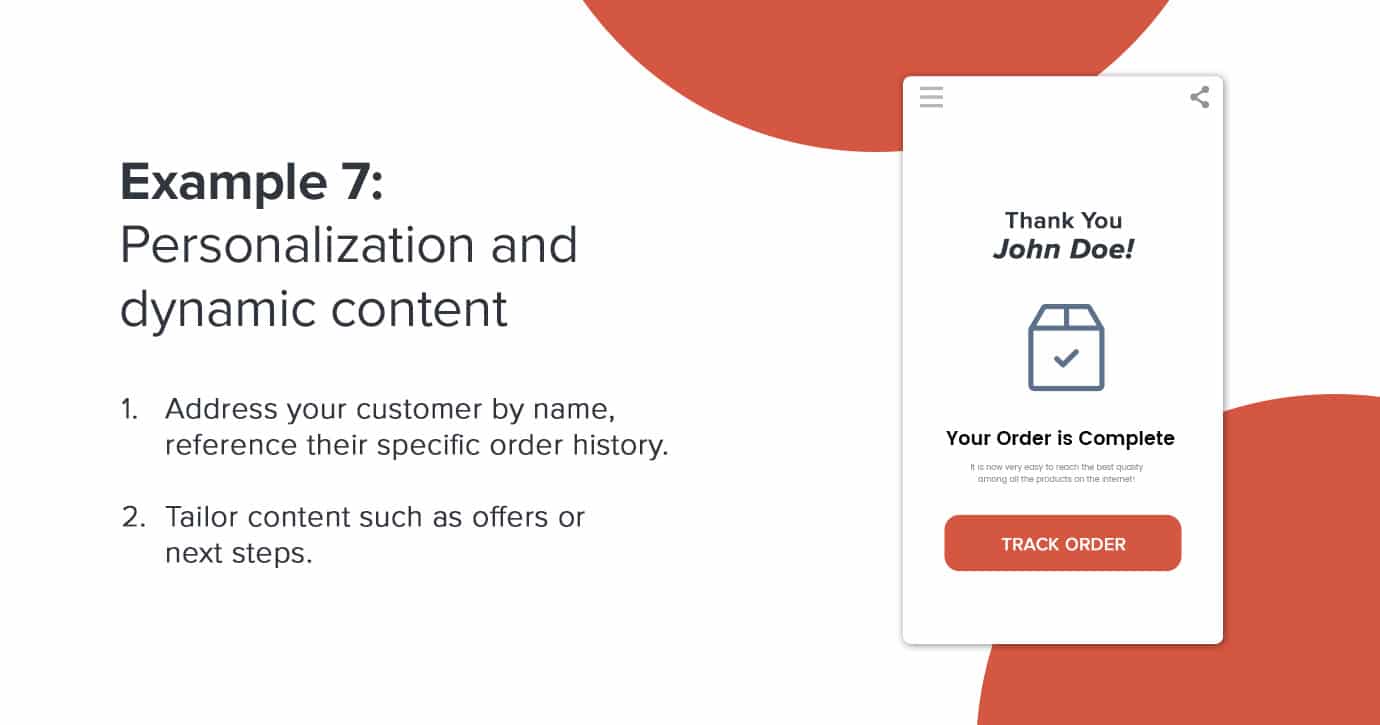
Example 7: Personalization and Dynamic Content
Personalized elements transform generic receipts into memorable, value-driven communications. Addressing customers by name, referencing specific order details, and tailoring content such as exclusive offers or next steps based on their unique segment or behavior significantly elevates the customer experience. The use of dynamic layouts, featuring flexible images, greetings, and CTA buttons that adapt based on the customer’s profile or purchasing context, is crucial.
This can include relevant loyalty updates, customized product recommendations, and behaviorally triggered content blocks. Making each receipt reflect the individual customer’s preferences or past activity demonstrably increases open rates and fosters a stronger connection. A prime example is Chipotle’s digital receipt system, which combines strong visuals with interactive elements, using the recipient’s name, providing estimated pickup times, and showcasing new rewards earned from the recent purchase, all while maintaining a consistent brand identity.
Navigating the Pitfalls: Common E-Receipt Mistakes to Avoid
Even brands with the best intentions can inadvertently undermine the value of their e-receipts through easily overlooked missteps. Proactively addressing these common pitfalls is essential for delivering an effortless, trustworthy, and ultimately positive post-purchase experience.
Design and UX Issues
Effective design is often imperceptible, allowing recipients to effortlessly locate necessary information without distraction. Conversely, poor design frustrates, confuses, or overwhelms, leading to a rapid erosion of trust. Key design and UX issues to circumvent include:
- Overloading with Marketing Messages: While strategic marketing is valuable, excessive, irrelevant promotions dilute the primary purpose of the receipt, leading to frustration and potential unsubscribes. The transactional nature of e-receipts demands a light touch.
- Poor Readability: Small fonts, low contrast colors, or cluttered layouts make the receipt difficult to read, especially on mobile devices, hindering quick information retrieval.
- Non-Responsive Design: E-receipts that do not adapt gracefully to various screen sizes (desktop, tablet, mobile) deliver a broken and unprofessional experience, forcing users to pinch and zoom.
- Lack of Clear Hierarchy: Essential transaction details (total, items, order number) should be immediately visible. Burying this information beneath marketing content or excessive visual noise is a critical error.
Content Problems
Receipts that lack crucial information or contain ambiguous language can swiftly transform a positive transaction into a source of post-purchase friction. Common content-related mistakes include:
- Missing Essential Details: Omitting the full itemized list, payment method, tax breakdown, or clear return instructions leaves customers feeling unsupported and uncertain.
- Vague Language: Ambiguous terms regarding shipping, returns, or warranty information create confusion and often necessitate a customer service contact.
- Inconsistent Branding: E-receipts that deviate from the brand’s established tone, voice, or visual identity can confuse customers and weaken brand recognition.
- Outdated Information: Ensuring all links, policies, and contact details are current is paramount. Broken links or incorrect information reflect poorly on the brand’s professionalism.
Technical Issues
Technological snags can severely damage trust, reduce accessibility, and escalate support overhead. Thorough technical verification of e-receipts is crucial:
- Slow Load Times: Heavy images, complex coding, or unoptimized content can result in slow loading receipts, particularly on mobile, leading to user abandonment.
- Deliverability Problems: E-receipts failing to reach the customer’s inbox (due to spam filters, incorrect email addresses, or sender reputation issues) are a complete failure of the post-purchase experience.
- Broken Links or Images: Non-functional links to tracking, support, or product pages, or missing images, create a frustrating and unprofessional experience.
- Accessibility Issues: E-receipts that are not optimized for screen readers or other assistive technologies exclude users with disabilities, demonstrating a lack of inclusivity.
Driving Success: An E-Receipt Testing Checklist
Ensuring the flawless functionality and optimal impact of your e-receipts necessitates rigorous testing before every deployment. A comprehensive testing checklist should include:
- Content Accuracy: Verify all transaction details (items, prices, totals, taxes, discounts) match the purchase data.
- Personalization Check: Confirm dynamic fields (customer name, loyalty points, personalized recommendations) render correctly for various customer profiles.
- Link Validation: Test every link (tracking, support, product pages, social media) to ensure it is functional and directs to the correct destination.
- Email Client & Device Rendering: Preview the e-receipt across major email clients (Gmail, Outlook, Apple Mail) and devices (desktop, tablet, various smartphones), including testing in Dark Mode, to ensure consistent display.
- Responsiveness: Verify the layout adapts seamlessly to different screen sizes and orientations.
- Load Time Performance: Check that the e-receipt loads quickly, even on slower connections, and that images are optimized.
- Accessibility: Review for readability, contrast, and compatibility with screen readers to ensure inclusivity.
- Sender Information: Confirm the "From" name and email address are recognizable and professional.
- Spam Filter Check: Ensure the email passes spam filters and reaches the inbox reliably.
- Preheader Text Optimization: Verify the preheader text accurately summarizes the email’s content and encourages opens.
- Proofreading: Conduct a final grammar and spelling check.
Strategies for Continuous E-Receipt Improvement
Improving e-receipts transforms routine communication into a consistent source of value for both the brand and its customers. Proven strategies to maximize their impact include:
- Personalize Wherever Possible: True personalization extends beyond simply using a customer’s name. It involves highlighting unique order details, integrating loyalty program information dynamically (e.g., points earned, progress to next tier), and suggesting products based on purchase history or declared preferences. This approach makes each receipt feel uniquely relevant and human.
- Strategic, Contextual Messaging: Treat e-receipts as a lightly branded extension of the overall customer experience, rather than a generic advertising platform. Include clear, secondary CTAs that are contextually relevant to the transaction, such as encouraging loyalty enrollment, app downloads, customer referrals, or soliciting feedback via micro-surveys.
- Reinforce Trust and Compliance: Transparency and reassurance are paramount. Prominently display concise return or exchange instructions, clear security messages, and multiple support channels within the email. This builds trust, conveys professionalism, and significantly reduces confusion or avoidable support tickets, especially crucial for high-value or regulated transactions.
- Commit to Continuous Improvement: E-receipt optimization is an ongoing process, not a one-time setup. Monitor key metrics such as open rates, click-through rates on CTAs, and downstream conversions from secondary offers to identify trends and pain points. Regularly conduct A/B tests on various elements—CTAs, layout, content, recommendation algorithms—and leverage the resulting insights to refine your e-receipts. Collaborative stakeholder review and direct customer feedback are invaluable for ensuring e-receipts truly serve and delight.
Implementation with Litmus: A Guide to Seamless E-Receipt Creation
A robust digital receipt process demands a harmonious blend of thoughtful design, personalization, cross-functional collaboration, and iterative refinement. Platforms like Litmus streamline email creation and management, enabling teams to build effective e-receipts efficiently.
Step 1: Design with Litmus Email Builder
Begin by selecting or constructing e-receipt templates within the Litmus Email Builder. Prioritize single-column layouts, large tappable buttons, and crisp, legible fonts. Integrate all critical components while deliberately avoiding clutter. Minimize heavy graphics to ensure faster load times. Crucially, validate your design hierarchy to ensure confirmation details and essential transactional information are immediately visible to the recipient.
Step 2: Personalize Your Content
Integrate your e-receipt system with your order processing and customer data platforms. Address each customer by name, provide meticulously itemized order details, and dynamically highlight individual loyalty points or rewards. Tailor any cross-sell recommendations or secondary messaging based on the specific contents of the transaction, the customer’s past purchasing behavior, or their declared preferences.
Step 3: Test Thoroughly to Drive Success
Rigorous pre-deployment testing is non-negotiable for every e-receipt. Utilize Litmus’s capabilities to check how your receipts render across more than 100 major email clients and devices, including comprehensive Dark Mode testing. Ensure every CTA, support link, and tracking feature is not only visible but also fully functional. Employ real or test data to meticulously verify that all dynamic and personalized fields display correctly. Foster cross-team collaboration to catch potential errors before they reach actual customers.
Step 4: Collaborate and Approve the Email
Once the e-receipt template has successfully undergone stringent design and testing reviews, transition into formal approval workflows. Obtain sign-off from key stakeholders, including compliance, brand, and IT departments, to confirm adherence to all internal standards and regulatory requirements. Archive the final version and maintain robust version control, allowing for auditing changes, rolling back when necessary, and ensuring that your receipts remain legally defensible records. Implement scheduled deployments or automations to consistently generate e-receipts without manual intervention.
Step 5: Monitor and Refine for Long-Term Success
E-receipt strategy is an iterative, ongoing process. Continuously track all relevant metrics, such as open rates, click-through rates on embedded CTAs, and downstream conversions resulting from secondary offers. Monitor complaints, bounce rates, and direct customer feedback to identify pain points or recurring issues. Actively collect feedback from your support and customer experience teams regarding any confusion or questions they encounter. Regularly conduct A/B tests on variations in layout, copy, and recommendation algorithms, using hard data to guide ongoing refinements.
E-Receipts as Indispensable Revenue Drivers
The perfect e-receipt ensures that every customer concludes their transaction with more than just a record; they leave with an reinforced sense of confidence, a frictionless experience, and a clear invitation for ongoing connection with your brand. E-receipts should be considered a direct extension of your brand promise. With the optimal blend of clarity, intuitive design, deep personalization, and strategic foresight, these routine transactional moments can be transformed into exceptionally powerful and profitable brand experiences.
Tools like Litmus provide the necessary email tools to maximize this impact, offering email builders for fast, on-brand creation, capabilities for beautiful email design, and features to strengthen personalization, ultimately enhancing the customer experience and boosting brand loyalty. By meticulously powering every stage of the email workflow, from creation and testing to monitoring and refinement, businesses can unlock the full potential of e-receipts as significant revenue drivers in the digital age.








