The digital landscape, an ever-evolving tapestry of communication channels, continues to witness the enduring power of email marketing. Far from being relegated to a secondary role by newer platforms, email remains a cornerstone of customer relationship management, lead nurturing, and direct sales. Its effectiveness, however, is not a given; it is a meticulously crafted art form that marries strategic foresight, creative prowess, and a nuanced understanding of technical intricacies. In today’s saturated digital world, where consumer attention is a fiercely contested commodity, a thoughtfully constructed email can be the critical differentiator between inspiring meaningful action and fading into the digital ether. For marketers striving to optimize campaigns or refine existing strategies, a deep dive into the full anatomy of an effective email is indispensable for fostering genuine connection, driving sustained engagement, and delivering quantifiable results that resonate with leadership. This analysis will explore how to meticulously calibrate every layer of an email, from its initial conception and design to its underlying code, ensuring that each campaign performs optimally in the real world and transforms every send into a smarter, more irresistible outreach.

The Crucial Gateway: Subject Lines and Pre-headers
The journey of an email begins long before its content is consumed; it starts with the subject line, which acts as the gatekeeper to the recipient’s inbox. In a digital environment teeming with an incessant flow of information, marketing pitches, and AI-summarized notifications, the subject line’s ability to capture attention is paramount. Failing to craft an engaging subject line is akin to writing a message in invisible ink, rendering even the most compelling content unseen. Industry data consistently underscores this critical role, with reports indicating that approximately 47% of email recipients decide to open an email based solely on the subject line. This statistic highlights the immense pressure on marketers to achieve a delicate balance: pique curiosity without resorting to ambiguity, and prioritize clarity over cleverness in most scenarios.
To truly cut through the noise, subject lines must resonate emotionally. Appeals to a reader’s fear of missing out (FOMO), their aspirations for a quick solution, or their desire for exclusive information have proven highly effective. Generic, functional subject lines like "Re: Marketing Webinar" are routinely overlooked, whereas a more evocative and benefit-driven alternative such as "3-Minute Tweak to Fix Your Q2 Pipeline" immediately commands attention by promising tangible value. While a sprinkle of mystery can be alluring, it must never obscure the core value proposition. Phrases like "Don’t miss this" are vague and unhelpful, but "Ready to triple response rates?" is direct, intriguing, and offers a clear benefit. Advanced strategies involve referencing specific industry pain points, localized trends, or even company milestones that are directly relevant to targeted segments, leveraging personalization to amplify relevance. Marketers are advised to treat subject lines as a dynamic element, continuously testing bold new angles and meticulously analyzing performance metrics to understand what truly resonates with their audience.
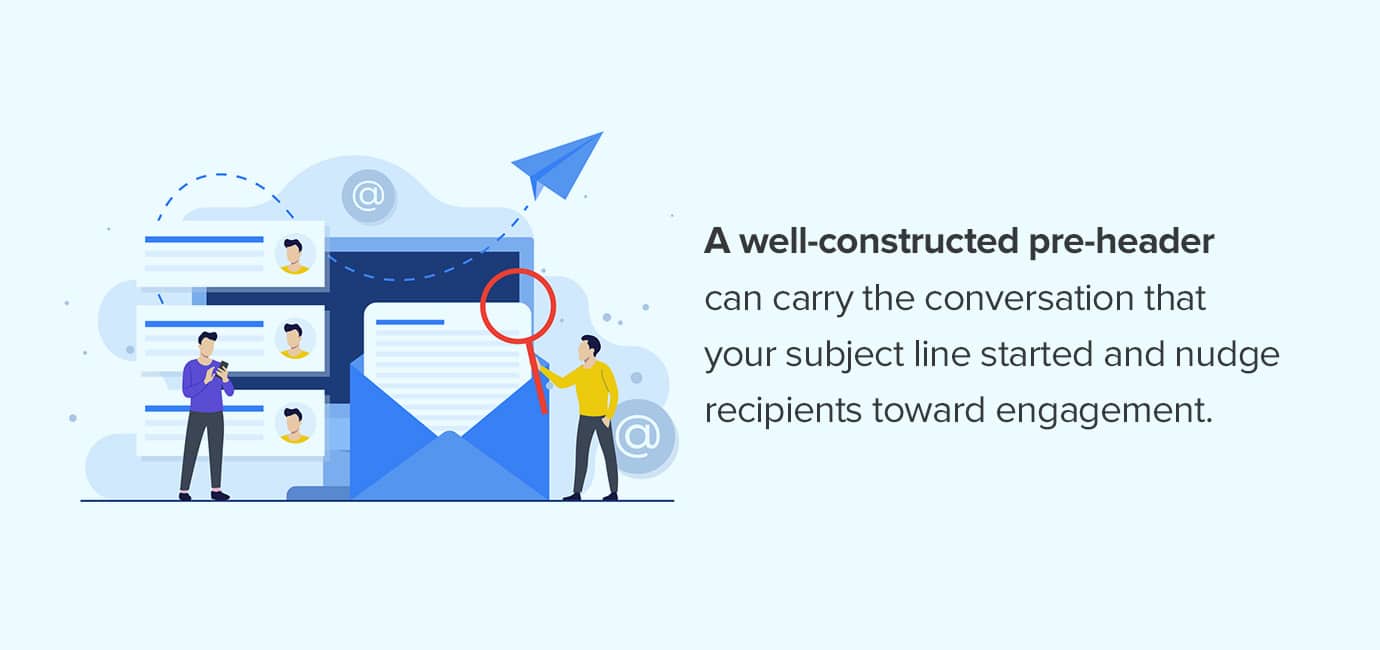
Complementing the subject line is the pre-header and preview text – often described as the unsung hero of the inbox. This snippet of text, typically displayed immediately after or below the subject line in most modern email clients, serves as a vital co-pilot, extending the conversation initiated by the subject line. Despite its strategic importance, it remains an underutilized asset, frequently displaying generic or unoptimized messaging. A well-constructed pre-header can significantly nudge recipients towards engagement by providing additional context, creating urgency, or offering a secondary hook that reinforces the subject line’s appeal. For instance, if a subject line reads "Exclusive Offer Inside!", the pre-header could expand on this by stating, "Limited-time savings just for you – don’t miss out!" This synergistic approach significantly enhances the email’s appeal before it is even opened. To ensure this critical messaging is not lost to truncation, especially on mobile devices where screen real estate is limited, marketers must keep pre-headers concise, ideally within 40-100 characters, and always test how they render across various email clients and devices. Industry analysts consistently underscore the strategic combination of subject line and pre-header as the single most impactful factor for initial engagement, often influencing open rates by as much as 10-15% when optimized effectively.

Establishing Trust and Setting the Stage: Email Headers and Greetings
Upon opening an email, the header immediately serves as the brand’s handshake, either signaling reassuring familiarity or creating instant confusion. A robust email header is crucial for quickly establishing trust and relevance, even before the recipient delves into the main copy. It typically features the brand’s logo, strategically placed for immediate recognition, often linked back to the company’s website. The consistent use of brand colors, fonts, and imagery within the header reinforces brand identity and professionalism. Additionally, a clear "view in browser" link is a best practice, offering recipients an alternative viewing option should rendering issues occur within their email client. This element is particularly important for complex HTML emails or those with rich media. The sender’s "from" name and email address, while technically part of the sender information, also contribute significantly to the header’s overall impression, with recognizable and trustworthy sender names leading to higher open rates. According to a recent study by Litmus, recipients are 68% more likely to open an email if they recognize the sender’s name and see consistent branding in the header.
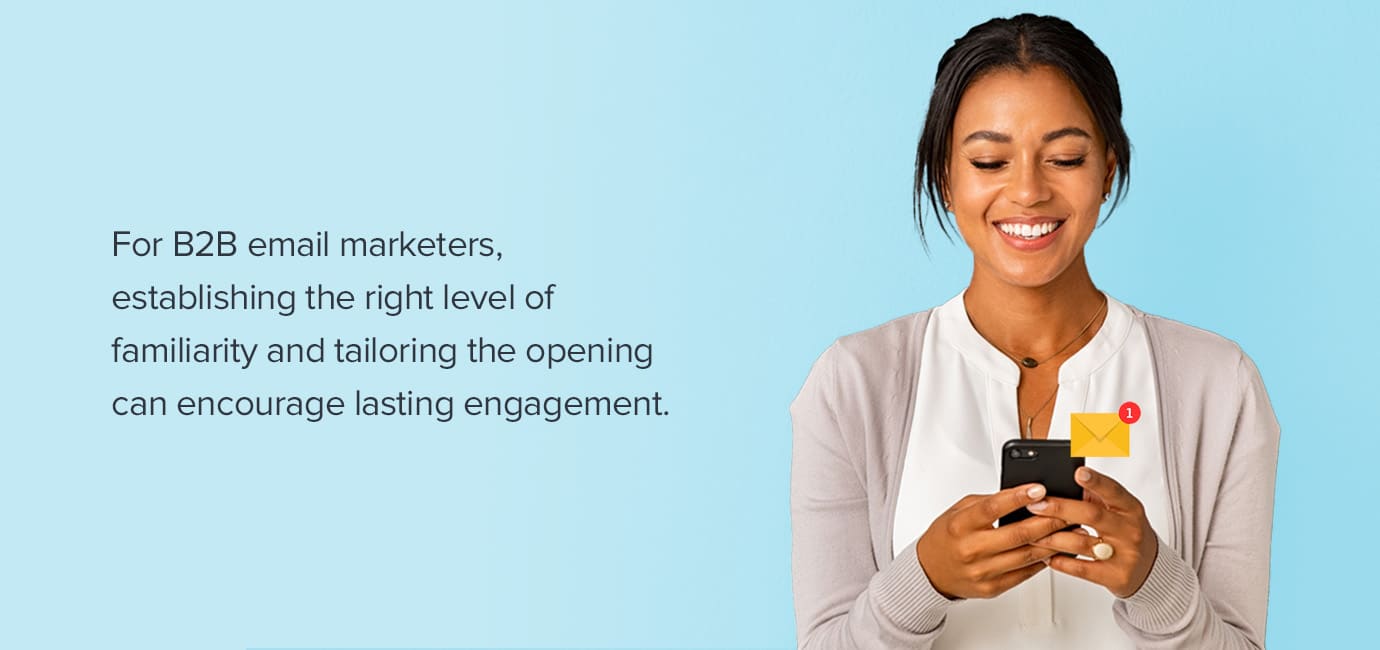
Following the header, the greeting acts as a bridge between the brand and the individual recipient. While a simple "Hi (First Name)" is a common default, top marketers understand that a truly thoughtful and personalized greeting can significantly enhance engagement and foster a deeper connection. Techniques include dynamically adjusting the greeting based on the recipient’s known preferences, recent interactions, or even their stage in the customer journey. For example, a customer who recently made a purchase might receive "Thank you for your recent order, [First Name]!", while a long-term subscriber could be greeted with "Hello valued member, [First Name]!". This level of personalization, made scalable through advanced marketing automation platforms, demonstrates attention to detail and a genuine understanding of the recipient’s relationship with the brand. Data from leading marketing platforms shows that highly personalized greetings can significantly boost recipient connection, often leading to a 5-10% increase in click-through rates. Managing numerous greeting variations, while seemingly daunting, is streamlined by modern email platforms offering sophisticated personalization and dynamic content features, allowing marketers to deliver tailored openings without manual intervention. Rigorous testing of how these dynamic greetings render across different clients remains crucial to prevent errors that could undermine the intended positive impression.
Delivering Value: Headlines, Body Content, and Visuals

Once an email has been opened, the headline assumes the critical task of drawing the reader further into the message. This is the primary message that reinforces the email’s purpose and signals to recipients that they are in the right place, confirming the promise made by the subject line. Crafting an effective headline demands not only a deep understanding of the target segment but also strong copywriting skills, increasingly augmented by savvy AI tools. Priorities for headlines include clarity, conciseness, and a compelling hook that immediately communicates the email’s core value or offer. It should be easily scannable and visually distinct from the rest of the body content, often achieved through larger font sizes, bolding, or unique styling. Ensuring the headline aligns perfectly with the subject line and pre-header creates a seamless user experience, preventing cognitive dissonance and maintaining reader interest. Research indicates that users spend an average of only 11 seconds scanning an email, making an impactful headline crucial for immediate engagement. Previews across various email clients and dark mode settings are essential to confirm the headline’s visual impact remains unmissable.
The body content is where the core promise of the email is fulfilled, delivering value, presenting offers, sharing important information, or providing compelling content. Effective body copy strikes a crucial balance between clarity and visual appeal, designed to engage busy readers who often scan rather than meticulously read. Key formatting best practices include breaking text into short, digestible paragraphs (typically 2-4 sentences), utilizing bullet points and numbered lists to enhance scannability and highlight key takeaways, and employing bolding or italics for emphasis on critical information. A clear hierarchy of information, guided by headings and subheadings, helps readers navigate the content effortlessly. Furthermore, integrating white space strategically improves readability and reduces visual clutter. Given that a significant portion of emails are opened on mobile devices (over 50% globally), responsive design is non-negotiable. Email platforms and builders now simplify the creation of HTML that elegantly adapts across various devices and email clients, but real-world testing on actual devices is paramount to catch nuances in tap targets, font sizes, and load speeds that simulators might miss.

Visuals and imagery play a pivotal role in enhancing engagement and clarifying the message, moving beyond mere decoration to serve a strategic purpose. Every image, video, or graphic should contribute meaningfully to the email’s objective. Successful email teams meticulously select visuals that are high-quality, on-brand, and directly relevant to the content. Technical best practices are equally important: images must be optimized for web to ensure fast loading times, as slow-loading emails lead to high abandonment rates. The inclusion of descriptive alt text is not only crucial for accessibility, allowing screen readers to convey image content to visually impaired recipients, but also serves as a fallback in cases where images fail to load, maintaining message coherence. Image-to-text ratio is another critical consideration, with an optimal balance preventing emails from being flagged as spam. While compelling visuals boost engagement, a text-only version or a fallback design should ensure the core message remains comprehensible even without images, catering to diverse viewing preferences and technical limitations. The principle here is that clear, concise descriptions benefit all recipients, reinforcing the message’s robustness. Industry experts frequently reiterate that accessibility is not just a compliance issue; it’s a fundamental aspect of inclusive marketing that broadens reach and impact, with accessible emails experiencing higher engagement rates from diverse audiences.
Driving Action and Building Trust: The Call-to-Action and Footer

The Call-to-Action (CTA) represents the culmination of the email’s persuasive journey, serving as the explicit prompt for readers to take the desired next step. Whether it’s to make a purchase, download a resource, register for an event, or explore blog content, the CTA deserves meticulous engineering. An effective CTA is characterized by clear, concise, and action-oriented language (e.g., "Shop Now," "Download Your Guide," "Learn More"). Its placement within the email is strategic, typically above the fold or prominently positioned after key content, ensuring maximum visibility. Visual distinctiveness, often achieved through contrasting colors, button formatting, and ample white space, helps the CTA stand out. A single, focused CTA generally outperforms multiple, competing calls, as it removes decision fatigue for the recipient. However, in longer emails, a primary CTA can be complemented by secondary, less prominent links that offer alternative engagement paths. A/B testing various CTA wordings, colors, and placements is critical for optimizing conversion rates. Even the most compelling CTA can falter if it doesn’t function correctly across all email clients and devices; thus, rigorous testing of button rendering and functionality is non-negotiable. Marketing benchmarks suggest that well-optimized CTAs can improve conversion rates by 20-30% compared to generic or poorly designed calls.
The footer, often perceived as a mere formality, is in fact a crucial component for establishing legal compliance, reinforcing trust, and providing essential information. It acts as the email campaign’s legal and ethical seatbelt, demonstrating professionalism and respect for recipients’ privacy and preferences. Key elements of a robust footer include the sender’s physical address, a legal requirement in many jurisdictions (e.g., CAN-SPAM Act in the U.S.), a clear and functional unsubscribe link, a link to the company’s privacy policy, and links to social media profiles. The unsubscribe link, in particular, must be easily discoverable and functional, as a frustrating unsubscribe process can lead to spam complaints, damaging sender reputation and deliverability. Regulatory frameworks like GDPR in Europe and CCPA in California have elevated the importance of clear data privacy links and easy opt-out options. Regular review of the footer, at least quarterly, is vital to ensure it reflects current data policies, company addresses, and branding elements. A transparent and straightforward footer signals legitimacy and instills confidence, aligning with evolving consumer expectations for data privacy and control. Neglecting footer details can lead to compliance issues, reputational damage, and negatively impact deliverability. A compliant and well-structured footer, according to privacy advocates, signals professionalism and respect for subscriber privacy, which is increasingly valued by consumers, contributing to long-term brand loyalty.

The Invisible Pillars: Deliverability and Technical Considerations
Beyond the visible elements, the technical infrastructure of an email profoundly impacts its journey from the sender’s outbox to the recipient’s inbox. Deliverability, the measure of an email’s ability to reach its intended destination without being routed to spam or blocked, is a foundational concern for every email marketer. Several technical considerations are paramount for maximizing inbox placement and overall campaign success. Sender authentication protocols,

 Laily UPN
 Basiran