The digital marketing landscape is currently undergoing a significant transformation as brands seek more efficient ways to bridge the gap between ad spend and conversion rates. In a strategic move to address these evolving demands, Instapage, a leading provider of post-click automation and landing page solutions, has announced a suite of new features designed to enhance campaign management and website creation. These updates, which include a robust scheduling tool and a new library of website page templates, signal a broader shift in the company’s product roadmap toward a more integrated marketing ecosystem. Alongside these technical releases, the company has launched the Instapage Early Access Program, a collaborative initiative intended to foster community-driven product development.
The introduction of these features comes at a time when marketing teams are under increasing pressure to deliver high-performing digital experiences at scale. As customer acquisition costs continue to rise across major advertising platforms like Google and Meta, the ability to optimize the post-click experience has become a critical differentiator for businesses. Instapage’s latest updates aim to alleviate the manual burdens associated with campaign maintenance while providing more versatile design options for users who require more than just a single landing page.
Strategic Automation Through Advanced Scheduling
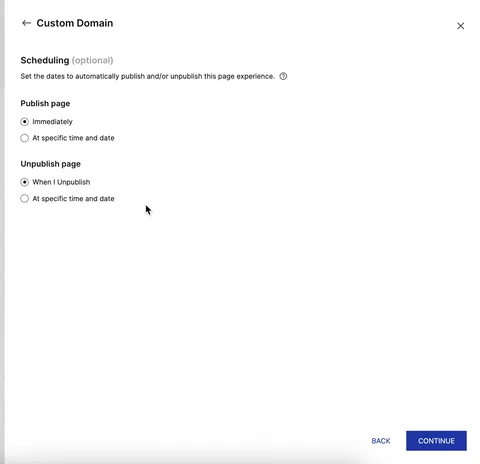
One of the most significant additions to the platform is the new Scheduling feature. Now available on select subscription plans, this tool allows marketers to automate the lifecycle of their landing pages with precision. Historically, the process of launching and retiring campaign-specific pages required manual intervention, often leading to synchronization issues between ad schedules and page availability. With the new Scheduling functionality, users can pre-determine the exact dates and times for a page to be published, updated, or unpublished.
This level of automation is particularly valuable for time-sensitive promotions, such as Black Friday sales, seasonal product launches, or limited-time webinars. By allowing marketers to set "start" and "end" parameters well in advance, Instapage is addressing a major pain point in campaign execution: the risk of human error. If an ad campaign continues to run while the corresponding landing page has expired or contains outdated information, the resulting "bounce rate" can lead to significant wasted spend. The Scheduling tool mitigates this risk by ensuring that the digital storefront remains in perfect sync with the broader marketing calendar.
Industry analysts note that as marketing teams become more decentralized, automation tools like Instapage’s Scheduling feature are no longer luxuries but necessities. By removing the need for manual oversight during late-night launches or holiday weekends, companies can maintain a 24/7 digital presence without taxing their human resources.
Expanding the Scope of No-Code Website Creation
While Instapage has built its reputation as a premier landing page builder, the company has observed a growing trend among its user base: the utilization of its no-code editor to build entire websites. In response to this behavior, Instapage has officially expanded its library to include a dedicated category for Website Page Templates. This move positions the platform as a viable alternative for businesses looking for a streamlined, conversion-focused website builder that does not require the technical overhead of traditional Content Management Systems (CMS).
The new template category covers nine distinct industries, including Real Estate, Beauty, and Consumer Products. These templates are not merely aesthetic shells; they are engineered based on conversion data and user behavior research. By providing industry-specific layouts, Instapage allows small to medium-sized businesses (SMBs) and enterprise teams alike to deploy professional-grade web pages in a fraction of the time it would take to build from scratch.
The shift toward industry-specific templates reflects a broader trend in the SaaS industry known as "verticalization." By catering to the unique design requirements and user expectations of specific sectors, Instapage is lowering the barrier to entry for high-quality web design. For instance, a Real Estate template may prioritize high-resolution imagery and lead-capture forms, while a Beauty industry template might focus on brand storytelling and social proof integration.
The Instapage Early Access Program: A New Era of Community Feedback
In addition to its technical updates, Instapage has announced the launch of its Early Access Program (EAP). This initiative represents a strategic shift in how the company approaches its product development lifecycle. By inviting a community of power users to test and influence new features before they reach the general market, Instapage is adopting a more agile and transparent development model.
Members of the Early Access Program will have the unique opportunity to provide direct feedback to the Instapage product team. This feedback loop is intended to ensure that new features are not only functional but also aligned with the actual workflows of professional marketers. Recent additions to the platform, such as the New Dashboard, Popups, and Carousels, have already benefited from varying levels of user testing, and the EAP aims to formalize and scale this process.
The launch of the EAP is a clear indication that Instapage intends to accelerate its innovation cycle. By involving users in the beta stages of development, the company can identify potential bugs, refine user interfaces, and prioritize features that offer the most significant impact on ROI.
Chronology of Recent Platform Innovations
The announcement of Scheduling and Website Templates is the latest in a series of rapid-fire updates from Instapage. Over the past several quarters, the platform has undergone a significant overhaul to remain competitive in a crowded MarTech market. The timeline of these updates illustrates a clear focus on user experience and conversion optimization:
- Dashboard Redesign: Earlier this year, Instapage launched a modernized dashboard to provide users with a more intuitive interface for managing multiple domains and workspaces.
- Interactive Elements (Carousels and Popups): To enhance on-page engagement, the platform introduced native support for carousels and popups, allowing marketers to present more information without cluttering the visual hierarchy of the page.
- Enhanced Analytics: Continuous updates to the platform’s heatmaps and A/B testing capabilities have provided users with deeper insights into how visitors interact with their content.
- Current Release: The integration of Scheduling and Website Page Templates, alongside the formalization of the Early Access Program.
This chronology demonstrates Instapage’s commitment to evolving beyond a static page builder into a comprehensive platform for digital growth.
Market Context and Supporting Data
The necessity for tools like those offered by Instapage is backed by significant industry data. According to recent marketing benchmarks, the average conversion rate for a landing page across all industries is approximately 2.35%. However, the top 10% of companies are seeing conversion rates of 11.45% or higher. The difference between an average performer and a market leader often comes down to the speed of iteration and the precision of the post-click experience.
Furthermore, a study by Gartner suggests that by 2025, 80% of organizations will have moved toward a more automated marketing stack to handle the complexity of multi-channel customer journeys. Instapage’s move to include automated scheduling directly addresses this trend. By reducing the "time-to-market" for new campaigns, brands can capitalize on market trends and consumer behaviors more effectively.
The growth of the "no-code" movement also plays a pivotal role here. Research indicates that the no-code development platform market is expected to grow at a compound annual growth rate (CAGR) of 22.7% through 2030. Instapage’s expansion into website templates aligns with this demand, as more marketing departments seek to bypass traditional IT bottlenecks to maintain agility.
Implications for the Competitive Landscape
Instapage’s latest moves place it in direct competition with other major players in the landing page and website builder space, such as Unbounce, Leadpages, and even broader platforms like Wix or HubSpot. However, Instapage differentiates itself by focusing specifically on the "advertising-to-conversion" funnel. While general website builders focus on SEO and information architecture, Instapage remains laser-focused on the "Post-Click Experience" (PCE).
By adding scheduling and website-style templates, Instapage is capturing a larger share of the marketer’s workflow. It allows a brand to manage its entire digital presence—from the primary site to specific campaign pages—under one roof, with the same set of optimization tools. This consolidation is highly attractive to agencies and enterprise marketing teams who are looking to simplify their technology stacks.
Official Perspective and Future Outlook
While official statements from the company emphasize a commitment to "unique needs and providing solutions to marketing challenges," the underlying message is one of empowerment. The company’s leadership has signaled that these updates are just the beginning of a new phase of growth. The Early Access Program, in particular, suggests that the pipeline for late 2024 and 2025 is robust, with more features likely focused on AI-driven optimization and deeper integration with third-party CRM and ad platforms.
Marketers interested in exploring these new features can currently take advantage of a 14-day free trial offered by Instapage. This allows potential users to test the Scheduling tool and the new Website Page Templates within their own operational environments.
As the industry moves toward more personalized and automated customer experiences, Instapage’s recent updates provide a roadmap for how platforms can evolve to meet the high-stakes demands of modern digital advertising. By combining ease of use with powerful automation and community-led development, Instapage is positioning itself as an indispensable tool for turning ad clicks into loyal customers.


 Asro
Asro
 Dwi Wanna