

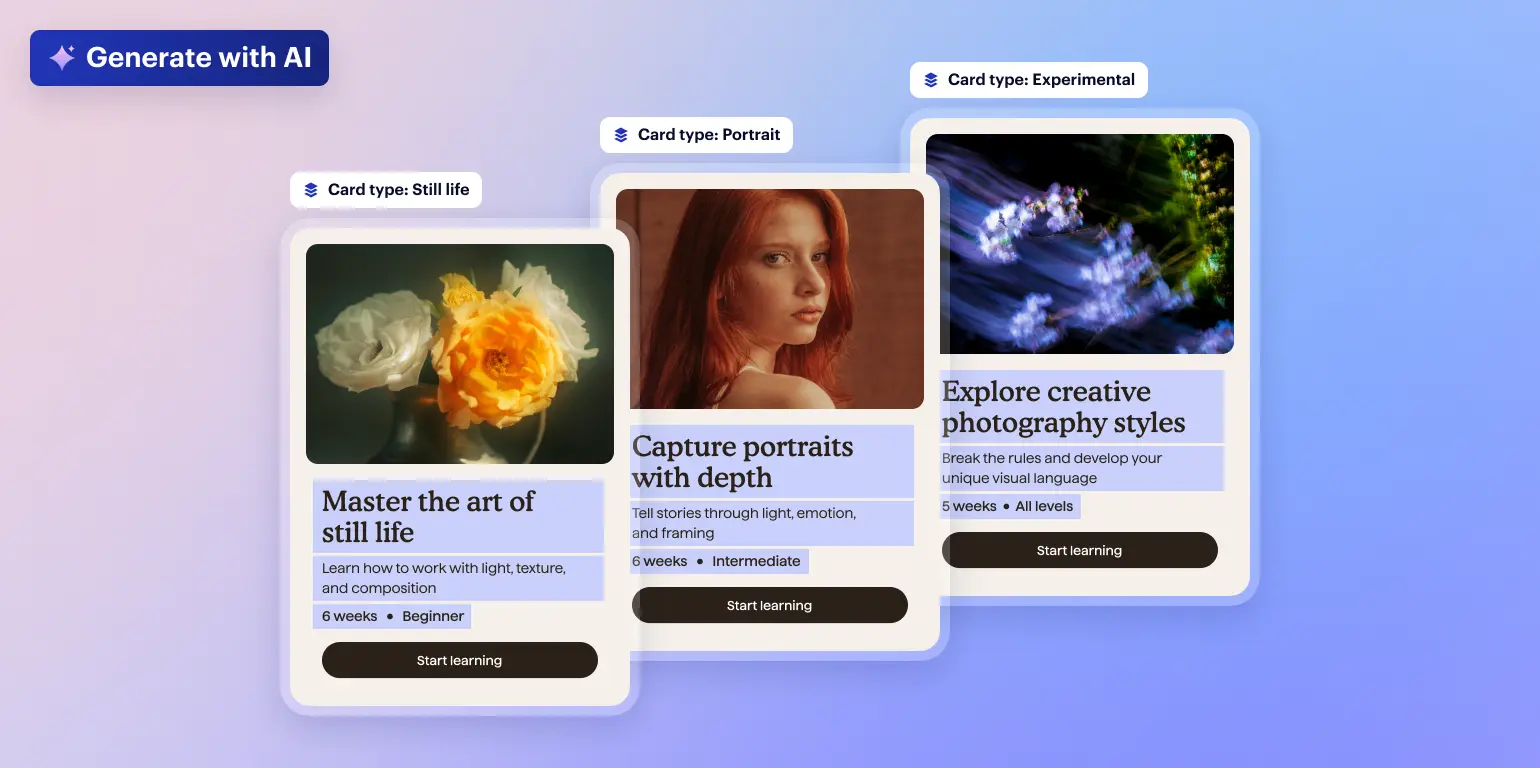
The digital marketing landscape has reached a critical inflection point where the demand for hyper-personalized consumer experiences has outpaced the manual capacity of even the most sophisticated marketing teams. While the industry has long acknowledged that personalization is the primary driver of conversion rate optimization and return on ad spend, the "execution gap"—the technical and operational friction required to deploy tailored content at scale—has remained a persistent barrier to growth. Addressing this systemic challenge, Instapage has unveiled AI Collections, a transformative feature set designed to automate the creation, population, and management of personalized landing pages. By leveraging generative artificial intelligence to bridge the gap between creative intent and technical deployment, the platform claims to enable marketing teams to produce high-relevance pages up to three times faster than traditional manual workflows.
The launch of AI Collections marks a significant evolution in the "post-click" automation category. Historically, the process of personalizing a campaign for multiple audience segments involved a tedious cycle of duplicating master pages, manually editing copy for each variation, and managing disparate assets across complex spreadsheets. This labor-intensive approach often resulted in "campaign fatigue," where teams, overwhelmed by the administrative burden of maintenance, would default to running generic pages for high-value traffic. The introduction of AI Collections seeks to eliminate this bottleneck by treating landing pages not as individual static files, but as dynamic assets driven by a centralized content architecture.
The Mechanics of AI-Driven Page Architecture
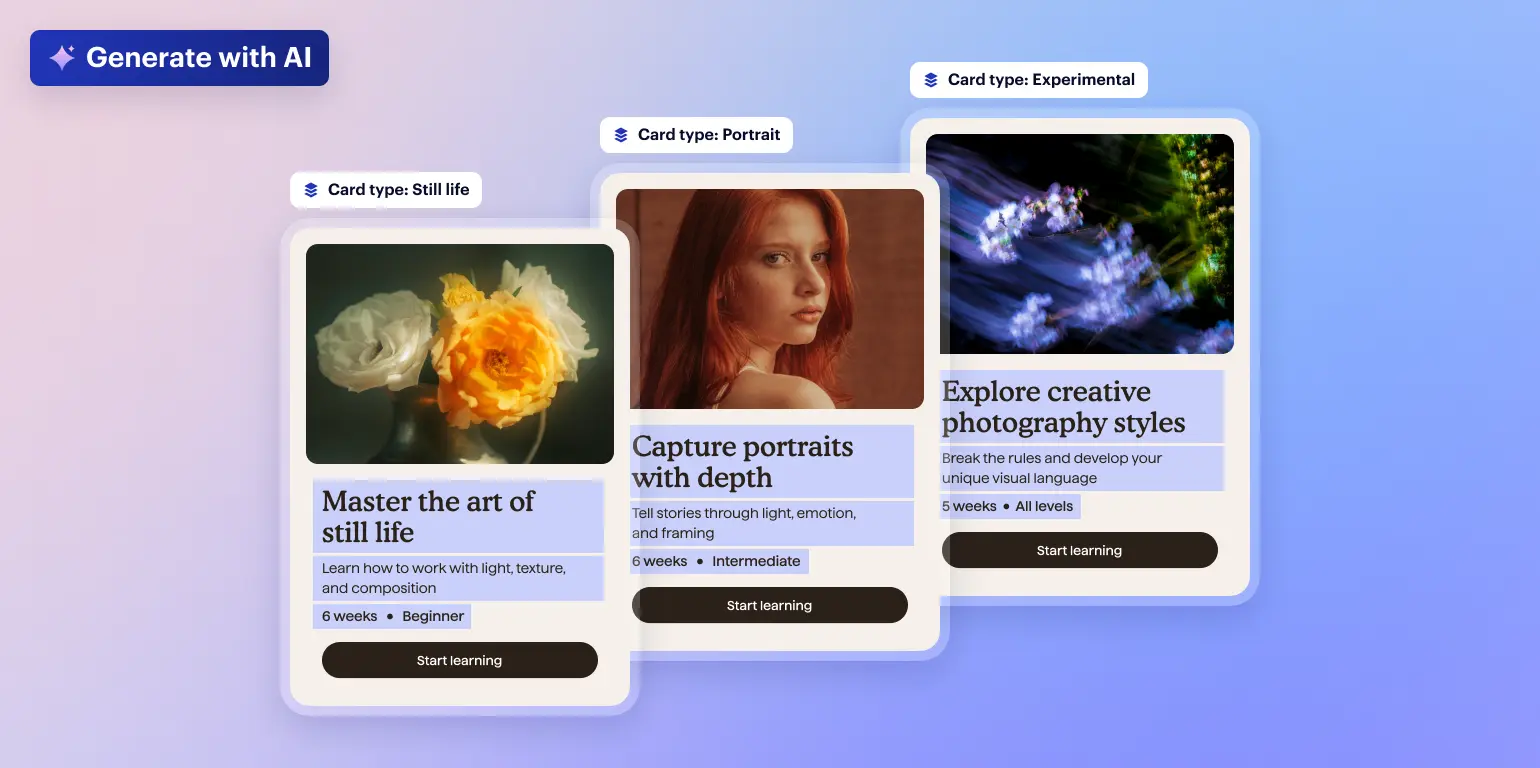
At the core of the AI Collections framework is a structural shift in how landing pages are conceptualized. Rather than building isolated pages, marketers now create a "Collection Template." This template functions as the foundational design for an entire campaign. Integrated directly within this template is a centralized content table, which serves as the "brain" of the operation. In this environment, each row in the table represents a unique URL or page instance within the collection, while each column represents a specific dynamic element—such as headlines, body copy, calls to action, or hero images.
The innovation lies in the deployment of AI placeholders. Traditionally, setting up dynamic text replacement required marketers to manually identify and tag every element they wished to vary. Instapage’s AI now automates this discovery phase. By analyzing the visual hierarchy and design layout of a page, the AI identifies optimal locations for dynamic content and automatically inserts placeholders. This allows marketers to bypass the granular task of manual tagging, moving directly from a design concept to a data-driven content table. Once the structure is established, the AI populates the table by generating contextually relevant copy for dozens or hundreds of page variations simultaneously, based on user-defined prompts regarding target audience, geographic location, or specific keyword intent.
Contextualizing the Personalization Paradox
To understand the impact of AI Collections, one must look at the current state of the global digital advertising market. According to recent industry data from McKinsey & Company, companies that excel at personalization generate 40% more revenue from those activities than average players. Furthermore, nearly 80% of consumers are more likely to make a purchase from a brand that provides personalized experiences. Despite these compelling statistics, a Forrester report highlighted that 65% of marketers struggle with the "content bottleneck," citing the inability to create enough content variations as their primary obstacle to successful personalization.
This "Personalization Paradox"—knowing that personalization works but being unable to afford the operational cost of implementing it—has led to significant inefficiencies in performance marketing. Large-scale PPC (pay-per-click) campaigns often suffer from low "Quality Scores" because the landing page content does not precisely match the user’s search query. AI Collections addresses this by allowing for "Programmatic Personalization," where a single search term can trigger the generation of a page that mirrors the exact language and intent of the user, thereby increasing relevance and lowering the cost per acquisition.
A Chronology of Landing Page Evolution
The release of AI Collections represents the fourth major era in the evolution of web design for marketers.
- The Manual Era (1990s-2000s): Landing pages required hard-coding by web developers, making changes slow and expensive.
- The Template Era (2010s): Drag-and-drop builders allowed marketers to create pages without code, but scaling still required manual duplication of those templates.
- The Dynamic Text Era (mid-2010s): Tools introduced basic dynamic text replacement, which allowed for simple keyword insertion but lacked the ability to change entire narratives or layouts based on audience segments.
- The AI Generative Era (Present): With the advent of AI Collections, the industry moves toward "Intelligent Automation," where the AI understands the design intent and manages the content distribution across a vast ecosystem of pages.
This timeline suggests a trajectory where the role of the marketer is shifting from a "builder" to an "architect." Instead of spending hours in a visual editor, the modern marketer focuses on prompt engineering and data strategy, overseeing an AI that handles the repetitive execution.
Technical Integration and Fluid Grid Synchronization
A critical component of the AI Collections ecosystem is its integration with Instapage’s "Fluid Grid Blocks." One of the historical risks of automated content generation is "layout breakage." When AI generates a headline that is significantly longer than the original placeholder, it often disrupts the visual alignment of the page, requiring manual fixes.
Instapage has mitigated this risk by pairing AI Collections with a responsive fluid grid system. This technology allows the page layout to automatically adjust its proportions and spacing based on the volume of content generated by the AI. If the AI produces a long-form testimonial for one audience segment and a short bulleted list for another, the "Fluid Grid" ensures that both versions remain aesthetically professional and mobile-responsive without human intervention. This synergy between generative text and adaptive design is what allows Instapage to claim a 3x increase in deployment speed.
Market Implications and Professional Reactions
The reaction from the growth marketing community has been one of cautious optimism tempered by the need for strategic oversight. Analysts suggest that while AI Collections will significantly lower the barrier to entry for high-scale personalization, it will also increase the competition for "relevance" in the ad auctions.
"The challenge has never been the ‘why’ of personalization, but the ‘how,’" says a senior digital strategist at a leading global agency. "Tools like AI Collections move the needle because they solve the maintenance headache. In the past, if you had 100 personalized pages and you wanted to change your logo or a single line of legal disclaimer, you had to edit 100 pages. Centralizing that into a single content table changes the economics of the entire campaign."
From an SEO and SEM perspective, the implications are profound. By enabling the rapid creation of pages tailored to long-tail keywords, brands can capture highly specific search intent that was previously too expensive to target. This "Programmatic SEO" approach, powered by AI, allows smaller brands to compete with larger incumbents by being more relevant, rather than just having a larger budget.
Future Outlook: The Era of "Zero-Friction" Marketing
As Instapage rolls out AI Collections to its broader user base, the long-term impact on the MarTech (Marketing Technology) stack will likely involve a deeper integration of AI across the entire customer journey. The goal is a "zero-friction" workflow where a marketing prompt can be translated into a multi-channel campaign in minutes.
However, the shift toward automation also necessitates a new set of best practices. Instapage advises users to provide as much context as possible in their AI prompts—including target audience personas, brand voice guidelines, and specific conversion goals—to ensure that the generated content remains high-quality and on-brand. The "14-day free trial" currently offered by the platform serves as a testing ground for teams to evaluate how these automated workflows integrate with their existing data structures.
In conclusion, the launch of AI Collections is more than a feature update; it is a response to the growing complexity of the digital economy. As privacy regulations make third-party tracking more difficult, the importance of the "first-party experience"—what happens after the click—becomes paramount. By automating the most tedious aspects of page production, Instapage is positioning itself as a vital utility for brands that need to deliver personalized experiences at the speed of modern commerce. The era of generic, "one-size-fits-all" marketing is rapidly closing, replaced by a data-driven, AI-accelerated model that prioritizes the individual needs of the consumer at scale.







