 Pevita Pearce

The digital marketing industry is currently facing a silent crisis in data privacy, where the vast majority of Consent Management Platforms (CMPs) are failing to fulfill their primary purpose. Despite the proliferation of sophisticated tools like OneTrust, Cookiebot, and Usercentrics, industry experts estimate that as many as 83.7% of CMP implementations are fundamentally broken. This discrepancy between the presence of a privacy banner and actual data protection has created a phenomenon known as "privacy theater"—a professional-looking interface that provides a false sense of security while user data continues to be harvested against their explicit wishes.
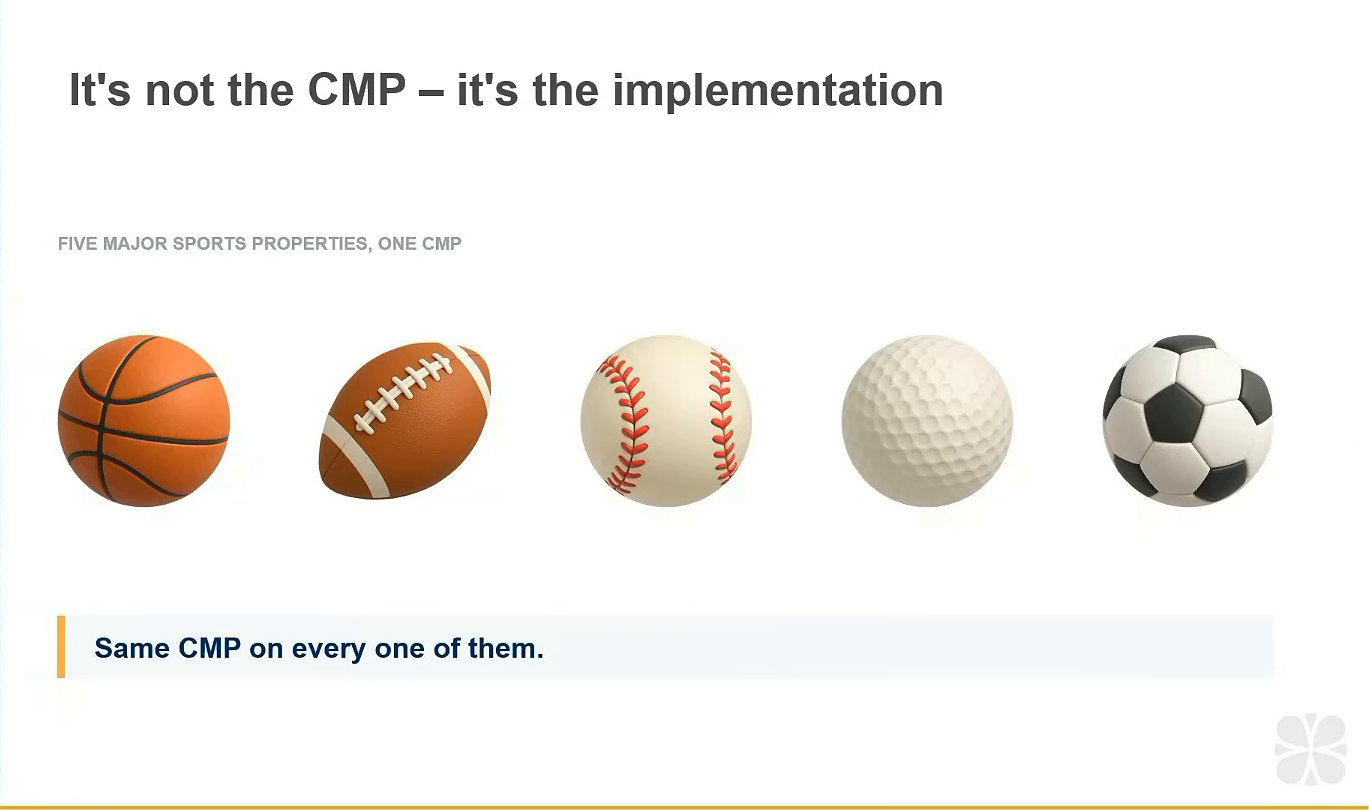
Recent audits conducted by privacy specialist Fred Pike of MeasureU highlight the severity of the issue. In a series of reviews involving five major professional sports organizations—all of which utilized the same high-end CMP software—only one organization was found to have a correctly functioning implementation. The remaining four displayed banners that either failed to block tracking after a user clicked "Reject" or allowed scripts to fire before a user could even interact with the interface. This suggests that the failure is not a result of the software itself, but rather the technical execution and ongoing governance of the platform.

The Technical Anatomy of Consent Failure
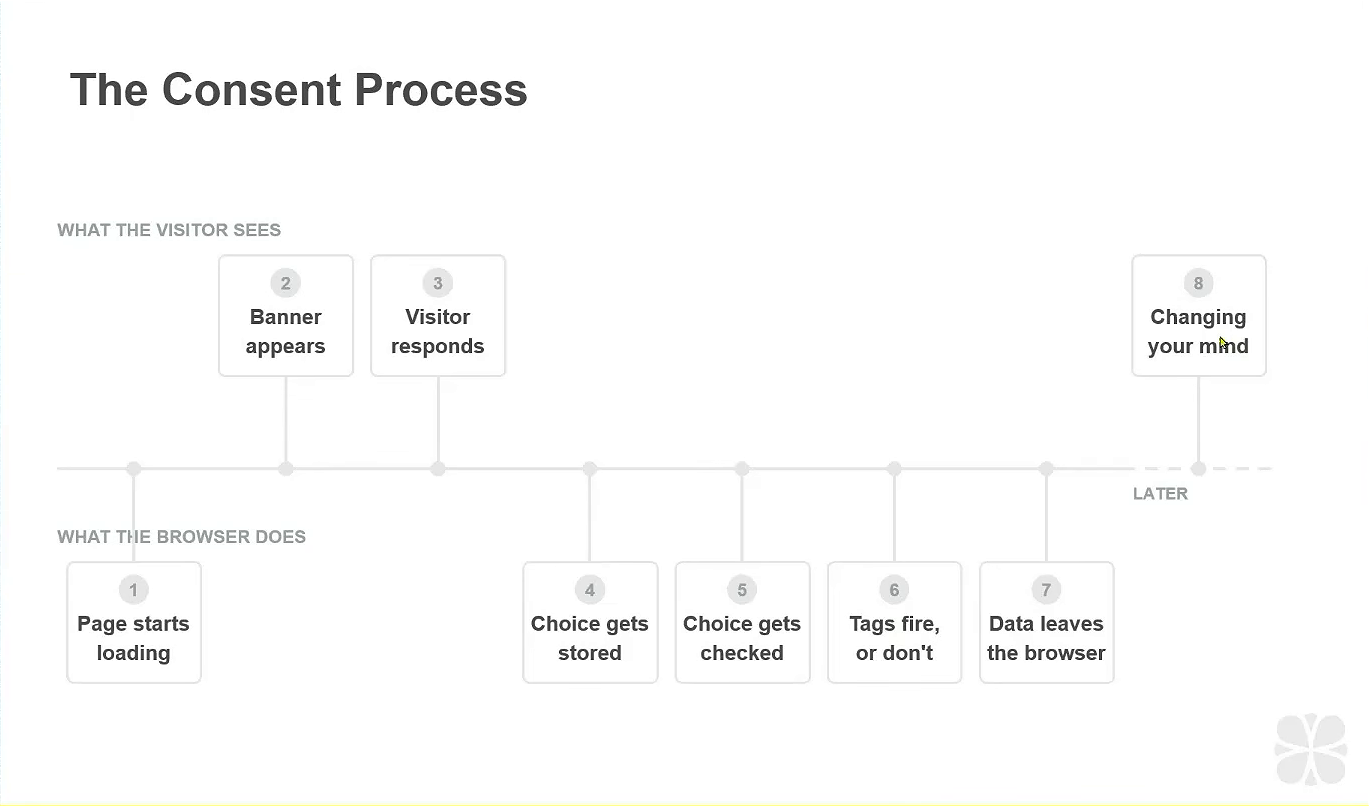
To understand why these implementations fail, it is necessary to examine the seven-step flow of a standard consent process. Ideally, the process begins when a page starts loading, followed immediately by the CMP initialization. Only after the user provides consent should the Consent Management Platform update the tag manager (such as Google Tag Manager), which then triggers the appropriate tracking tags to send data to external servers.
However, failures typically occur at three critical junctures: initialization, verification, and execution. The most common failure occurs in Step 1, where the CMP loads too late in the document head. If a tracking script, such as Google Analytics 4 (GA4) or a Meta Pixel, fires before the CMP banner appears, the user’s right to prior consent is effectively bypassed.
The second major failure point is the lack of a "consent gate." Even when a CMP correctly stores a user’s preference in a cookie, many organizations fail to configure their tag manager to read that preference. In these instances, the CMP acts as a decorative element; it records the "Reject" intent but never communicates that intent to the scripts responsible for data collection. Finally, the emergence of "Consent Mode"—specifically Google’s Consent Mode V2—has introduced a layer of complexity where "Basic" and "Advanced" settings are frequently confused, leading to data being sent in "cookieless pings" even when users believe they have opted out of all tracking.
The Proliferation of "Shadow Tags" and Implementation Risks
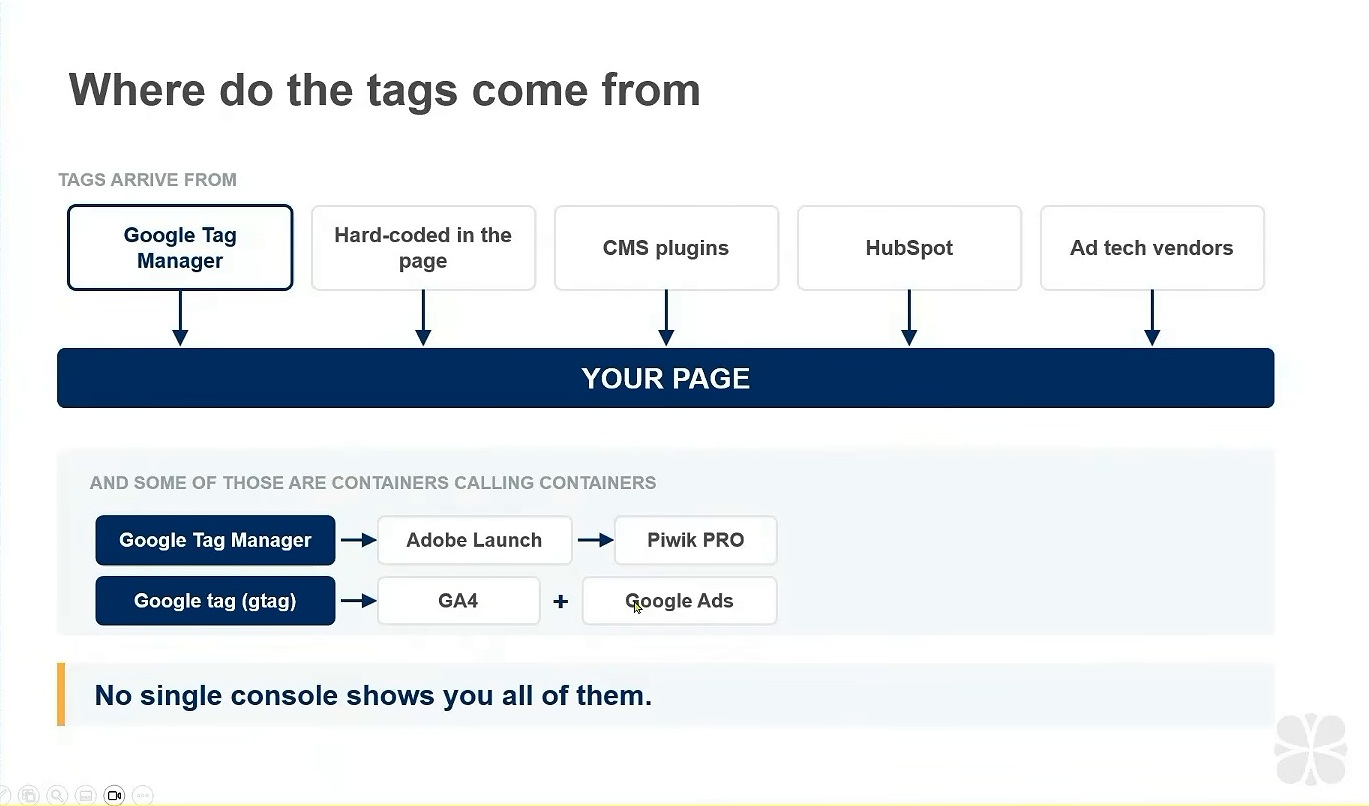
A significant challenge in maintaining compliance is the decentralization of tag management. While IT and marketing teams often believe all tracking is consolidated within a single container like Google Tag Manager (GTM), the reality is often much more fragmented. Tracking scripts frequently "sneak" onto websites through several unmonitored channels:
- Hardcoded Scripts: Developers may manually insert tracking codes into the website’s source code for quick testing and forget to remove them.
- CMS Plugins: Platforms like WordPress or Shopify allow for the easy installation of plugins that automatically inject tracking pixels without the knowledge of the privacy team.
- Marketing Hubs: Tools such as HubSpot allow marketers to enable third-party ad vendors (e.g., LinkedIn or X) directly within the marketing interface, bypassing the centralized tag manager and its consent gates.
- Container Chains: In complex corporate environments, one tag manager may call another (e.g., GTM calling Adobe Launch), creating a "zombie tag" effect where scripts from years prior continue to fire from accounts that current employees cannot even access.
A notable example of this complexity involved a recent audit of a client using OneTrust. Upon enabling "autoblocking"—a feature designed to automatically stop unauthorized scripts—nearly half of the images on the client’s website disappeared. Investigation revealed that the development team was using an obscure third-party script to load images. Because the script was not categorized as "Strictly Necessary," the CMP blocked it, rendering the site unusable. This highlights the delicate balance between legal compliance and functional web performance.
A Four-Scenario Framework for CMP Auditing
To combat these failures, privacy experts have developed a rigorous four-scenario auditing framework. This methodology moves beyond visual inspection and focuses on "network requests"—the actual transmission of data from the browser to external servers.
Scenario 1: Pre-Consent
This scenario tests the website’s behavior during a fresh session before any user interaction occurs. A compliant site should only show the CMP loading and the appearance of the banner. No analytics, marketing, or session-replay tools should be active.
Scenario 2: Post-Accept
In this scenario, the auditor clicks "Accept All" and verifies that all intended tags fire correctly. This ensures that the CMP is not over-blocking and that marketing data remains accurate for consenting users.
Scenario 3: Post-Reject
This is the most critical test. After a user clicks "Reject" or "Opt-out," the auditor monitors the network tab to ensure no data is transmitted. If tracking requests continue to fire, the implementation is in direct violation of regulations like the GDPR (General Data Protection Regulation) or CCPA (California Consumer Privacy Act).
Scenario 4: Global Privacy Control (GPC)
The Global Privacy Control is a browser-level signal that communicates a user’s privacy preferences automatically. Modern privacy laws in jurisdictions like California and Colorado require websites to honor this signal as a valid opt-out. An audit must verify if the website detects the GPC signal and automatically suppresses tracking without requiring the user to interact with the banner.
The Shift from Cookies to Network Requests
For years, the industry focused on "cookies" as the primary indicator of tracking. However, privacy professionals now argue that "cookies are the residue, while network requests are the crime scene." A cookie is merely a file left on a user’s computer, but a network request is the actual act of sending personal data to a third party.
Regulatory bodies and legal firms increasingly use automated scanners to look for these network requests. If a request is sent to a marketing endpoint (like googleads.g.doubleclick.net) after a user has opted out, it serves as empirical evidence of a compliance failure. This has led to a rise in "demand letters" from law firms, particularly in the United States, where statutory damages for privacy violations can be significant.
Regulatory Context and the Cost of Non-Compliance
The urgency of correct CMP implementation is driven by an increasingly aggressive regulatory environment. Since the enforcement of the GDPR in 2018, European regulators have issued over €4 billion in fines. Notable cases, such as the €1.2 billion fine against Meta in 2023, underscore the risks of improper data handling.
In the United States, the landscape is shifting from a "wild west" of data collection to a structured legal framework. The California Privacy Rights Act (CPRA) and similar laws in Virginia, Connecticut, and Utah have created a patchwork of requirements that companies must navigate. Furthermore, the Digital Markets Act (DMA) in the European Union has placed "gatekeeper" responsibilities on companies like Google and Meta, forcing them to require verified consent from their advertisers. This means that if a company’s CMP is broken, not only do they face legal risks, but their advertising accounts may also be suspended or restricted by the platforms themselves.
Governance: The End of "Set It and Forget It"
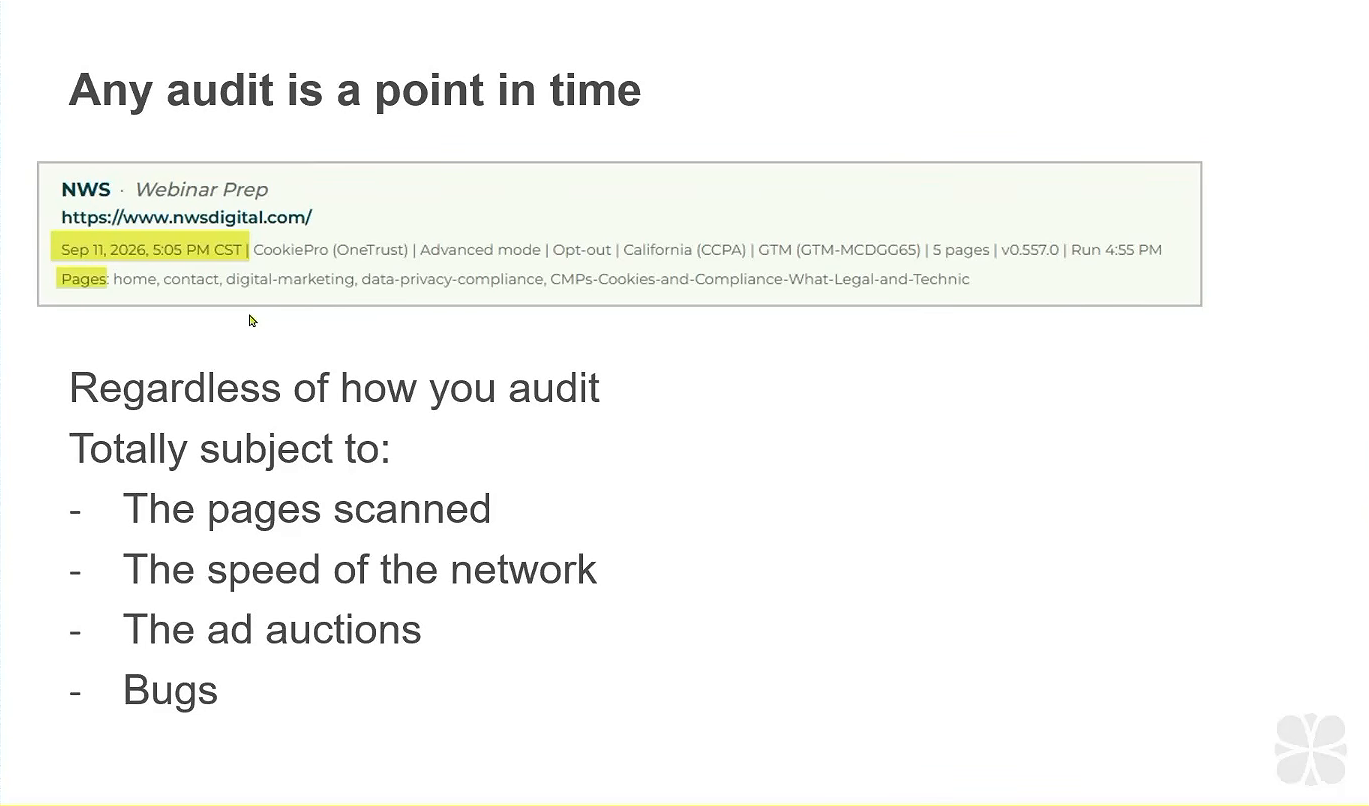
The most significant takeaway for modern organizations is that a CMP is not a "set it and forget it" solution. Digital environments are dynamic; developers push new code, marketers add new tools, and browser technologies evolve. A setup that was compliant on a Friday could become non-compliant on a Monday due to a single un-gated tag.

Effective privacy governance requires a paradigm shift. Organizations must implement:
- Standardized Tag Onboarding: No new tag should be added to a website without a privacy review to determine its necessity and its consent category.
- Regular Automated Auditing: Manual checks are insufficient at scale. Companies should employ automated scanning tools that run the four-scenario framework weekly or monthly.
- Cross-Departmental Communication: Privacy is no longer just a legal concern; it is a technical and marketing concern. Legal teams must define what is "necessary," while technical teams must ensure the gates are functioning.
As consumer awareness of data privacy grows, the "pretty banner" will no longer be enough to protect a brand’s reputation or its bottom line. The transition from privacy theater to actual privacy protection is not just a legal requirement—it is a foundational element of digital trust in the 21st century. Organizations that fail to audit their implementations today are essentially waiting for a regulator or a class-action lawsuit to do it for them.


 Neng Nana