rifanmuazin
The global marketplace has undergone a radical transformation over the last decade, shifting from a transactional model to a relational one where brand consistency and consumer trust dictate market share. In this high-stakes environment, holistic marketing has emerged not merely as a buzzword but as a fundamental operational requirement for corporations seeking to scale their operations and affiliate marketing programs. At its core, the holistic marketing concept posits that "everything matters" in marketing—from the internal culture of a company to its societal impact and the seamlessness of its digital touchpoints. By aligning every department—sales, marketing, customer service, and operations—around a singular, unified message, organizations can eliminate the friction that often plagues traditional, siloed marketing approaches.
The Conceptual Framework and Historical Context
The shift toward holistic marketing represents an evolution from the traditional "Four Ps" (Product, Price, Place, Promotion) toward a more integrated system. While traditional marketing often manages different channels in isolation, the holistic approach recognizes that the customer does not perceive a brand through a single lens. Instead, every interaction—be it a social media advertisement, a conversation with a support agent, or a review on an affiliate’s blog—contributes to a collective perception.
Industry analysts note that this evolution was accelerated by the rise of the omnichannel retail experience. According to data from various marketing research firms, companies with strong omnichannel engagement strategies retain an average of 89% of their customers, compared to a 33% retention rate for those with weak integration. Holistic marketing provides the strategic glue for this integration, ensuring that the brand’s identity remains robust regardless of the medium.
The Four Dimensions of the Holistic Model
To implement a successful holistic strategy, businesses must address four primary dimensions: internal marketing, relationship marketing, societal marketing, and integrated marketing. Each serves a specific function in the broader corporate ecosystem.
1. Internal Marketing: The Employee as Brand Advocate
Internal marketing is predicated on the belief that a company cannot successfully sell a vision to consumers if its own employees do not believe in it. This dimension involves ensuring that every staff member, from C-suite executives to entry-level service providers, understands the company’s core values and unique selling propositions (USPs). When employees are engaged and motivated, their performance improves, and they become organic representatives of the brand. In the context of affiliate management, internal marketing ensures that program managers are not just tracking links but are actively evangelizing the brand’s mission to their partner networks.

2. Relationship Marketing: Beyond the Single Transaction
Relationship marketing focuses on the long-term value of a customer rather than the immediate profit of a single sale. In a holistic framework, this extends beyond customers to include suppliers, wholesalers, and affiliates. By fostering mutually beneficial partnerships, businesses increase the "Customer Lifetime Value" (CLV). For affiliate programs, this means treating affiliates as brand ambassadors rather than mere lead generators. Providing them with high-quality creatives, transparent data, and consistent support builds a loyalty that translates into more authentic promotions and higher conversion rates.
3. Societal Marketing: Ethics and Global Responsibility
Modern consumers, particularly Millennials and Gen Z, increasingly favor brands that demonstrate social responsibility. Societal marketing requires companies to consider the ethical consequences of their marketing practices and their impact on the community. Initiatives such as supporting local charities, adopting sustainable supply chains, or promoting diversity and inclusion are not just PR exercises; they are integral components of the brand’s identity. When a company sponsors a community event or contributes to a cause, the benefits cascade through PR, social media, and affiliate channels, enhancing the brand’s reputation and fostering deep-seated consumer trust.
4. Integrated Marketing: The Unified Message
Integrated marketing is the process of synchronizing all communication channels—advertising, public relations, direct marketing, and digital outreach—to ensure a "single voice." Without this integration, a brand might appear luxurious on its website but "discount-oriented" on social media, leading to consumer confusion. Holistic marketing mandates that all teams work in unison, using the same logos, fonts, and core messaging to create a coherent brand image that resonates with the target audience.
The Strategic Intersection with Affiliate Marketing
Affiliate marketing serves as a critical stress test for a company’s holistic strategy. Because affiliates are independent third parties, they often have the autonomy to present a brand in their own style. A holistic approach mitigates the risk of brand dilution by providing affiliates with a clear framework and consistent resources.
When a brand practices holistic marketing, it becomes more attractive to top-tier affiliates. Professional publishers and influencers conduct due diligence before joining a program; they evaluate the brand’s social media presence, the ease of the checkout process, and the consistency of its messaging. A brand that presents a seamless, customer-centric journey offers a higher probability of conversion, which in turn drives the "snowball effect" in affiliate recruitment. As conversion rates stabilize and the brand’s reputation grows, the affiliate program can evolve into the company’s most profitable marketing channel.
Chronology of Implementation: A Step-by-Step Guide
Developing a holistic marketing strategy is a dynamic process that requires a structured roadmap.
- Phase 1: Goal Definition (SMART Criteria): Organizations must establish goals that are Specific, Measurable, Attainable, Relevant, and Time-bound. Whether the objective is to increase brand awareness by 20% or to double affiliate-driven revenue, clarity is the first step toward alignment.
- Phase 2: Audience Research: Deep-dive analytics are used to understand customer demographics and behaviors. Sharing these insights with affiliate partners allows them to tailor their content to the most qualified traffic segments.
- Phase 3: Cross-Departmental Coordination: This phase involves breaking down internal silos. Sales, marketing, and customer service teams meet regularly to ensure that promotional calendars are synchronized and that everyone is aware of the brand’s current narrative.
- Phase 4: Data-Driven Optimization: By leveraging Big Data and AI-driven analytics, companies can track the performance of various touchpoints. This allows for real-time adjustments to campaigns, ensuring that resources are allocated to the most effective channels.
Case Study: The Apple Model of Holistic Excellence
Apple Inc. stands as the gold standard for holistic marketing implementation. The company’s success is not merely the result of innovative hardware but of a meticulously coordinated brand ecosystem. Apple’s internal marketing ensures that every "Genius" in their retail stores is a passionate advocate for the brand’s vision of simplicity and elegance.
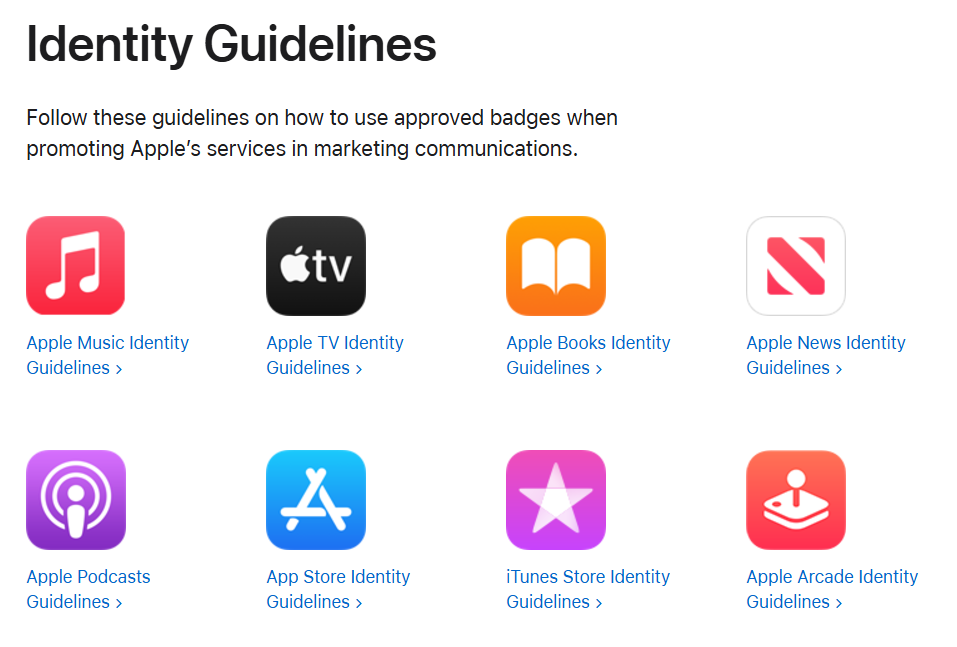
Their societal marketing is woven into their homepage, highlighting commitments to privacy, racial equity, and environmental protection. For instance, Apple’s "Apple Services Performance Partners Program" provides affiliates with strict yet clear guidelines to ensure that every promotion aligns with Apple’s premium brand identity. By maintaining this level of consistency across global markets, Apple has built a level of brand loyalty that few competitors can match.
Economic Impact and Broader Implications
The shift toward holistic marketing has significant economic implications. Companies that successfully implement these strategies often see a reduction in redundant marketing spend. By coordinating efforts, they avoid competing with themselves across different channels (e.g., preventing PPC ads from cannibalizing organic search or affiliate traffic unnecessarily).
Furthermore, the integration of emerging technologies like Artificial Intelligence (AI) and Machine Learning (ML) is set to redefine holistic strategies. These tools allow for hyper-personalization at scale, enabling brands to deliver the right message to the right person at the optimal time, all while maintaining a unified brand voice. As virtual and augmented reality (VR/AR) become more mainstream, the challenge for holistic marketers will be to ensure these immersive experiences remain consistent with the established brand narrative.
Conclusion: The Path to Market Prosperity
In a marketplace characterized by information overload and intense competition, holistic marketing is the only viable path to long-term survival. It requires a fundamental shift in perspective: viewing marketing not as a department, but as the entire business seen from the customer’s point of view.
The foundations of this approach are communication and teamwork. Just as a medical team must share information to treat a patient effectively, a company’s various departments must synchronize their efforts to ensure a healthy, growing brand. By embracing the dimensions of internal, relationship, and societal marketing, and by integrating these with a robust affiliate strategy, businesses can create a resilient framework for growth. Holistic marketing is more than a strategy; it is a commitment to authenticity and consistency that turns casual buyers into lifelong advocates.


 Ammar Sabilarrohman