

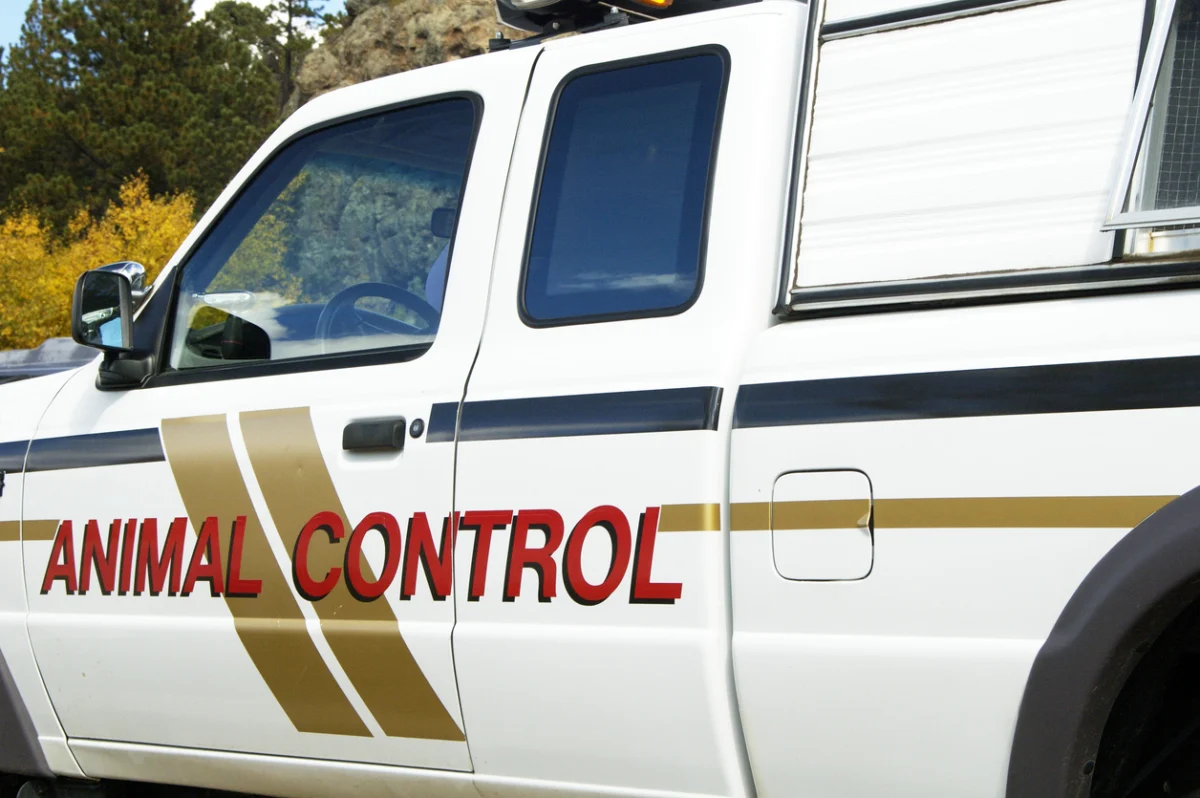
In the landscape of municipal communications, the challenge of rebranding a department often met with public skepticism or outright hostility is a formidable task. For Hillsborough County, Florida, the department in question was Animal Control—an agency frequently reduced in the public imagination to the antiquated and pejorative stereotype of the "dog catcher." However, a strategic shift from traditional public service announcements toward high-production, long-form documentary storytelling has fundamentally altered the relationship between the county’s residents and the officers sworn to protect both the animal and human populations. This transformation was catalyzed by a single ride-along that revealed a depth of emotional and professional complexity that a standard three-minute news clip could never hope to capture.
The Genesis of a New Communications Paradigm
The project began as a standard brainstorming session within the Hillsborough County communications department. Christian Lampe, a digital media producer for the county, was initially tasked with creating content to highlight various department functions. During a planning meeting, animal control officers began sharing accounts of their daily rounds—stories that ranged from harrowing rescues of abused livestock to the delicate navigation of animal hoarding cases and the emotional highs of reuniting lost pets with their owners.
Lampe quickly realized that the existing communication strategy, which relied heavily on "explainer" videos and static social media posts, was failing to convey the reality of the work. The officers were not merely enforcing codes; they were acting as social workers, investigators, and first responders. To bridge the gap between public perception and the reality of the field, Lampe decided to embed himself with the officers. Within the first hour of his first ride-along, the scope of the project expanded. The raw emotion, the ethical dilemmas, and the palpable care exhibited by the officers demanded a format that allowed for nuance and duration.
Strategic Shift from Short-Form to Long-Form Content
In an era where digital marketing experts often preach the supremacy of short-form content—TikToks, Reels, and 60-second "sound bites"—Hillsborough County took a contrarian approach. Lampe argued that the "dog catcher" stigma was too deeply rooted to be dismantled by a short video. To change minds, the county needed to earn the viewer’s time and trust.
The result was "Animal Control: Unleashed," a 30-minute documentary series hosted on YouTube. The series was designed to offer an unvarnished look at the department’s operations. By opting for a long-form format, the production team could follow a single case from the initial call to its eventual resolution, allowing viewers to see the procedural hurdles, the legal constraints, and the emotional toll involved in animal welfare enforcement. This "slow storytelling" approach was intended to build an empathetic bridge between the viewer and the officer, transforming the officer from a nameless bureaucrat into a relatable human being.
Production Chronology and Technical Execution
The production of "Animal Control: Unleashed" required a significant investment of time and a specialized technical approach. The first episode premiered in January 2026, marking the beginning of a quarterly release schedule. The timeline for the inaugural episode involved several stages:
- Field Research and Ride-Alongs: Lampe spent approximately three full days embedded with officers. This allowed the officers to become comfortable with the presence of a camera, leading to more candid interactions and less "performative" behavior for the lens.
- Multi-Angle Documentation: To capture the immediacy of the calls, the production utilized a mix of professional cinema cameras, GoPros mounted on vehicles, and body camera footage. This provided a first-person perspective that placed the viewer directly in the middle of high-stakes investigations.
- Post-Production: Each episode required roughly 16 hours of intensive editing. Lampe served as the primary producer, shooter, and editor, ensuring that the narrative remained focused on the "human side" of the work rather than just the technical aspects of animal handling.
- Transparency in Editing: A key editorial choice was to minimize "slick" transitions or over-produced segments. By keeping the footage raw and the dialogue unscripted, the county maintained a level of transparency that resonated with a public often cynical of government-produced media.
Quantitative Success and Audience Retention
The metrics following the launch of the series challenged prevailing industry assumptions regarding audience attention spans for government content. The first two episodes of "Animal Control: Unleashed" garnered a combined 40,000 views on YouTube, a significant figure for a localized municipal channel.
More importantly, the engagement data revealed a high level of "stickiness." The premiere episode achieved an average view duration of 8 minutes and 43 seconds. In the world of YouTube analytics, where the average retention rate for a 30-minute video often hovers around 20-30%, Hillsborough County’s ability to keep viewers engaged for nearly nine minutes indicated that the audience was genuinely invested in the narrative.
Growth between episodes was also notable. Lampe reported that the second episode tripled the initial views of the first, suggesting that the series had built a word-of-mouth following. This success culminated in the project winning the 2026 Ragan Content Marketing Award in the Long Form Video category, validating the county’s decision to prioritize depth over brevity.
Humanizing the Bureaucracy: Content and Themes
The episodes of "Animal Control: Unleashed" delve into the moral and ethical complexities of the job. Instead of focusing solely on the "wins," the series highlights the "gray areas." For example, the first episode covered:
- Hoarding Investigations: Showcasing the tension between the need to remove animals from unsafe conditions and the realization that the owners are often suffering from mental health crises.
- Abuse and Neglect: Following the painstaking process of gathering evidence for criminal prosecution, demonstrating that officers are investigators with a high burden of proof.
- Reunification: Highlighting the joy of returning a pet to its family, which serves as the ultimate goal of the department’s efforts.
By asking officers direct questions about the emotional toll of their work, Lampe allowed them to express their frustrations and their hopes. This transparency effectively replaced the "explanation" of department policy with the "experience" of department reality.
Broader Impact and Regional Influence
The impact of the series extended far beyond the digital borders of YouTube. The community response was overwhelmingly positive, with comments sections—often a place of vitriol for government agencies—becoming a space for gratitude and personal storytelling. Residents began to refer to the officers as "heroes," and many shared their own experiences with animal rescue.
The series also caught the attention of the broader media landscape. A local NPR affiliate provided coverage of the project, and the communications team received numerous invitations to discuss the series on podcasts and local news programs. Perhaps the most significant indicator of the project’s success is its influence on peer organizations. Other counties in Florida and across the United States have reached out to Hillsborough County to learn how to replicate the "Unleashed" model for their own departments.
Within the Hillsborough County government itself, the success of the docuseries has prompted a shift in how other departments approach communications. There is now a greater emphasis on finding the "individual story" within larger institutional mandates. The county has realized that the public is more likely to support a department when they understand the people behind the badge.
Analysis of Implications for Public Sector Communications
The success of "Animal Control: Unleashed" offers several critical lessons for public sector communicators and PR professionals:
- The Value of Radical Transparency: In an era of misinformation, providing a raw, behind-the-scenes look at government operations builds a level of trust that polished press releases cannot achieve.
- Emotional Connection as a Metric: While views and clicks are important, the true measure of success for government communications is the shift in public sentiment. By making people "feel something," the county successfully changed how they "think" about a department.
- Long-Form Viability: There is a significant, underserved audience for long-form, high-quality educational and documentary content produced by local governments. When the subject matter is compelling, viewers will stay for the duration.
- The "Human First" Strategy: By focusing on the officers as individuals with families, emotions, and ethical compasses, the county dismantled the "faceless bureaucracy" trope.
Conclusion
Hillsborough County’s "Animal Control: Unleashed" stands as a landmark case study in how creative storytelling can solve long-standing PR problems. By rejecting the "dog catcher" label and embracing the complexities of animal welfare through long-form video, the county did more than just increase its YouTube views; it fostered a deeper, more empathetic connection with the community it serves. As other municipalities look to improve their own public relations, the lesson from Hillsborough is clear: show the work, show the people, and give the audience enough time to care.









