SEO is all about trying to rank high on search engine results pages. However, not every website is treated equally by Google. Sites focusing on topics that impact people’s lives and finances have a higher standard to meet. Welcome to the world of YMYL, where improving content goes beyond regular SEO techniques. In this article, we’ll explore what YMYL sites are and how Google holds them to a higher standard. This critical distinction in search engine optimization underscores Google’s commitment to user safety and the provision of reliable, trustworthy information, particularly in areas where erroneous advice could lead to significant harm.
Defining YMYL: The Stakes Are High
YMYL, an acronym for “Your Money or Your Life,” refers to web pages and content that, if inaccurate, untrustworthy, or misleading, could directly impact a person’s health, financial stability, safety, or overall well-being. These categories are not merely suggestions but foundational pillars of Google’s content quality assessments, as outlined in its comprehensive Quality Rater Guidelines. The scope of YMYL content is vast, encompassing a multitude of subjects where accurate information and expert advice are paramount for informed decision-making.
Examples of YMYL topics include, but are not limited to:
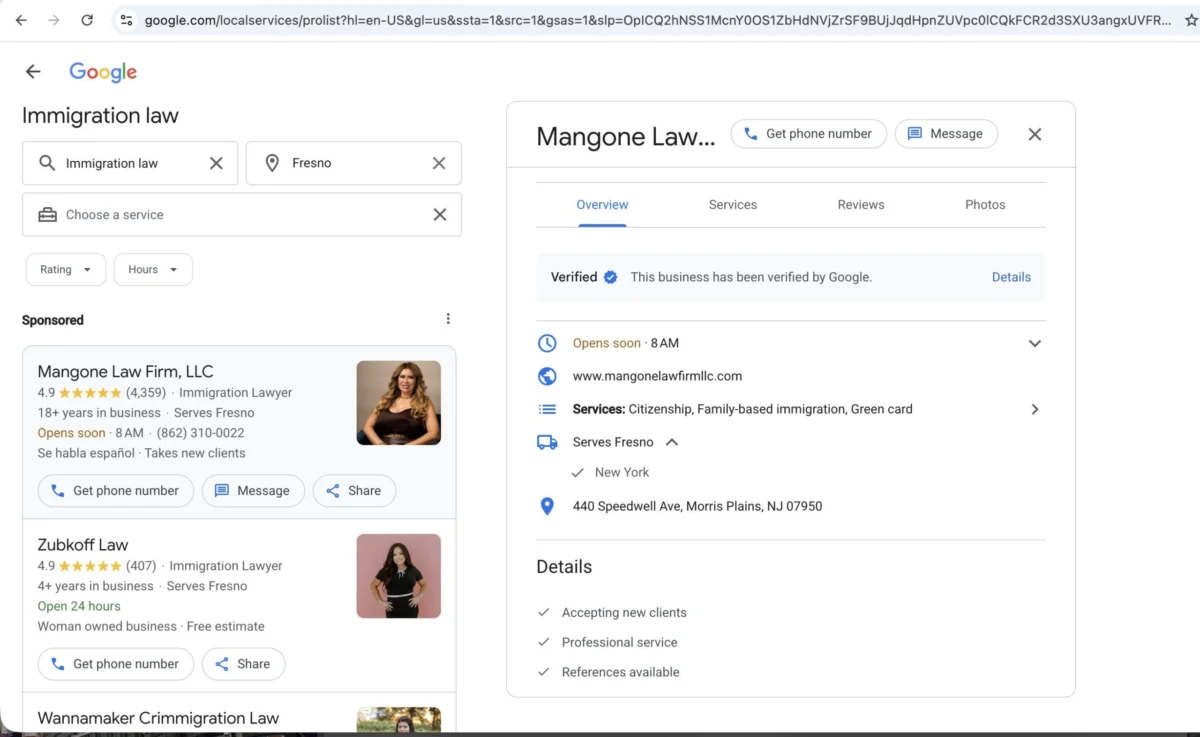
- Financial Advice: Investment guidance, tax planning, loan applications, banking, insurance, and retirement planning. Misinformation here can lead to substantial financial losses.
- Health and Medical Information: Diagnoses, treatment options, drug interactions, nutritional advice, mental health resources, and emergency care. Inaccurate health information can have life-threatening consequences.
- Legal Information: Advice on divorce, child custody, wills, contracts, intellectual property, and criminal law. Incorrect legal guidance can lead to severe legal repercussions.
- Safety Information: Product recalls, workplace safety guidelines, natural disaster preparedness, and driving safety. Errors can directly endanger physical well-being.
- Civic and Government Information: Voting procedures, public policy, news, and information about laws. Misleading content can undermine democratic processes and civic engagement.
- Shopping/E-commerce Pages: Pages where users make purchases or financial transactions, especially those involving sensitive personal data. Trust in these platforms is essential to prevent fraud and protect consumer rights.
Google holds YMYL content to a significantly higher standard than other web pages due to the profound potential impact of the information on users’ lives. The integrity, accuracy, and expertise backing these pages are extremely important. Search engines strive to ensure that YMYL content is reliable, trustworthy, and expert-backed, effectively acting as a digital gatekeeper against harmful misinformation. This elevated scrutiny is a direct reflection of Google’s mission to provide the most relevant and highest-quality information to its users.
The Evolution of Google’s Quality Mandate: From Algorithms to E-E-A-T
Google’s focus on content quality, particularly for sensitive topics, has evolved significantly over the past two decades. Early search algorithms primarily relied on keyword density and link profiles. However, as the web grew in complexity and the potential for manipulation increased, Google began to prioritize more nuanced quality signals.
- Pre-YMYL Era (Early 2000s): Initial algorithms like PageRank focused on link authority. While effective for general web pages, they were less adept at discerning the trustworthiness of sensitive information.
- Panda Update (2011): This major algorithm change targeted "thin," low-quality, and duplicate content. It marked a significant shift towards assessing content quality and user experience.
- Hummingbird Update (2013): Focused on understanding the meaning behind queries, not just keywords, laying the groundwork for more sophisticated content evaluation.
- RankBrain (2015): The introduction of AI and machine learning into the ranking algorithm allowed Google to better interpret complex, ambiguous queries and identify relevant content.
- E-A-T Emergence (Mid-2010s): The concept of Expertise, Authoritativeness, and Trustworthiness (E-A-T) began to solidify within Google’s Quality Rater Guidelines, becoming a cornerstone for evaluating content, especially YMYL pages. This framework was instrumental in guiding human quality raters, whose feedback, in turn, helps refine Google’s algorithms.
- The "Medic Update" (August 2018): This broad core algorithm update disproportionately impacted YMYL sites, particularly in the health and medical sectors. While Google stated it wasn’t specifically targeting health sites, the update underscored the intensified scrutiny on E-A-T signals for YMYL content, leading to significant ranking shifts for many websites. Industry analysis revealed that sites demonstrating strong E-A-T often recovered or improved, while those lacking it saw declines.
- E-E-A-T (2022 onwards): Google expanded E-A-T to E-E-A-T, incorporating "Experience" as a distinct factor. This addition emphasizes the value of first-hand experience and practical knowledge alongside traditional expertise. For example, someone who has personally navigated a complex financial situation might offer valuable "experience," even if they aren’t a certified financial advisor (who would provide "expertise"). This evolution reflects Google’s continuous refinement in understanding what constitutes truly helpful and reliable content.
Google’s sustained focus on YMYL content is driven by its recognition of how these topics can profoundly influence users’ lives and financial well-being. The primary objective is to provide users with the most trustworthy information possible. When it comes to YMYL topics, the stakes are higher; therefore, Google wants to ensure users receive information they can truly rely on when making important decisions. By evaluating YMYL content more critically, Google aims to distinguish good sources from bad ones, ensuring users encounter pages with reliable guidance, expert insights, and accurate information. This prioritization ultimately improves the overall quality of search results and helps build user trust in search engines as reliable sources of information.
E-E-A-T: The Cornerstone of YMYL Success

Demonstrating Experience, Expertise, Authoritativeness, and Trustworthiness (E-E-A-T) is not merely a recommendation but a crucial imperative for YMYL content creators. It forms the bedrock upon which user trust and search engine credibility are built.
- Experience: This refers to the creator’s first-hand knowledge or direct life experience with the topic. For instance, a person writing about recovering from a specific illness might offer valuable "experience," even if they aren’t a doctor. A product reviewer who has personally used and tested a financial software provides "experience."
- Expertise: This denotes formal qualifications, specialized knowledge, or demonstrable skill in a particular field. For YMYL topics, this often means content created or reviewed by certified professionals—doctors, financial advisors, lawyers, engineers, etc. For example, a medical article should ideally be written or vetted by a licensed physician.
- Authoritativeness: This reflects the reputation of the creator and the website as a recognized source of information on a given topic. It is often established through mentions, citations, and links from other authoritative sites, industry awards, and a strong public profile. A website consistently cited by academic papers or major news outlets on a health topic would be seen as authoritative.
- Trustworthiness: This is perhaps the most critical element for YMYL. It encompasses the accuracy, transparency, and safety of the website and its content. Factors include factual correctness, clear editorial policies, privacy policies, secure connections (HTTPS), transparent funding sources, and a history of reliable information. For example, an investment site openly disclosing its methodologies and potential conflicts of interest demonstrates trustworthiness.
Building user trust begins with providing accurate and reliable information backed by experts and credible sources. This includes ensuring the information is up-to-date, fact-checked, and properly sourced. Including clear author credentials, expert reviewer biographies, and external references to reputable studies or institutions significantly enhances the E-E-A-T of YMYL content. When users perceive a YMYL website as trustworthy and credible, they are more likely to engage with its content, share it, and return for future information, translating into loyalty and positive user signals that search engines consider.
The Role of Google’s Quality Raters Guidelines
Google’s Quality Raters Guidelines (QRG) are an extensive, publicly available document used by human quality raters worldwide to assess the quality and relevance of web pages. While these raters do not directly influence search rankings, their evaluations provide critical feedback to Google, which uses this information to refine and improve its algorithms. These guidelines offer invaluable insights into how Google evaluates the E-E-A-T of sites, making them essential reading for anyone optimizing YMYL pages.
The QRG outlines specific criteria for evaluating YMYL content, helping Google validate that its algorithm understands and ranks web pages appropriately. Key factors considered within the guidelines include:
- Purpose of the Page: Does the page serve a beneficial purpose? For YMYL, this almost always means providing accurate and helpful information.
- E-E-A-T of the Content Creator and Website: Raters meticulously evaluate the experience, expertise, authoritativeness, and trustworthiness of both the individual author and the overarching website.
- Main Content Quality and Amount: Is the content comprehensive, accurate, well-written, and sufficient for its stated purpose?
- Website Information and Reputation: Does the website clearly state its mission, provide contact information, and have a positive reputation (e.g., through independent reviews, journalistic mentions, or professional associations)?
- User Experience: Is the website easy to navigate, free from intrusive ads, and mobile-friendly?
- Safety and Security: Does the site use HTTPS? Is it free from malware or phishing attempts?
Quality raters assess E-E-A-T by looking at various elements. While the exact details of their internal process are proprietary, they evaluate aspects such as:
- Author Information: Clear, detailed author bios with credentials, affiliations, and links to other authoritative work.
- Editorial Policies: Transparent statements about content creation, review, update processes, fact-checking, and correction policies.
- Citations and References: Use of reputable sources and external links to support claims.
- Website Reputation: Reviews, awards, professional memberships, and mentions on other high-authority sites.
- User Reviews and Testimonials: Positive feedback, especially for product or service-oriented YMYL sites.
The feedback from quality raters is aggregated and analyzed by Google’s search teams. This data helps Google understand if its algorithmic changes are working as intended and if the algorithms are successfully identifying high-quality, trustworthy YMYL content. This iterative process of human evaluation informing algorithmic refinement is crucial for maintaining the quality and reliability of Google’s search results, particularly in sensitive YMYL categories.
Navigating the AI Landscape: Opportunities and Challenges for YMYL Content
The rise of artificial intelligence (AI) and large language models (LLMs) has introduced both unprecedented opportunities and significant challenges for YMYL content. Google increasingly relies on AI to assess content quality, fact-check claims, and prioritize trustworthy sources. AI systems can rapidly analyze vast amounts of data, identify patterns, and assist in flagging potentially low-quality or misleading information.
- AI-Driven Content Creation: AI tools can generate drafts, summarize research, and even create entire articles. This offers efficiency and scalability for content production. However, AI-generated YMYL content presents unique risks. LLMs can "hallucinate" facts, perpetuate biases present in their training data, or generate plausible-sounding but ultimately incorrect advice.
- AI for Quality Assessment: Google’s AI systems are becoming more sophisticated in evaluating content quality, looking for signals of E-E-A-T, coherence, factual accuracy, and alignment with user intent. They can analyze stylistic elements, internal linking, and the overall structure to determine if content is genuinely helpful.
- The Indispensability of Human Oversight: Despite AI’s advancements, human oversight remains absolutely essential for YMYL content. AI-generated YMYL content must undergo rigorous expert review to ensure accuracy, transparency, and compliance with Google’s E-E-A-T standards. Medical content, for example, demands review by licensed practitioners, while financial advice needs vetting by certified professionals. This balance between AI efficiency and human expertise is critical to maintaining the reliability and ethical integrity of YMYL information in search rankings. Google’s stance emphasizes that content produced by AI is acceptable, but it must still meet the same high-quality standards as human-generated content, especially for YMYL.
Building and Demonstrating Trust: Practical Strategies for YMYL Sites
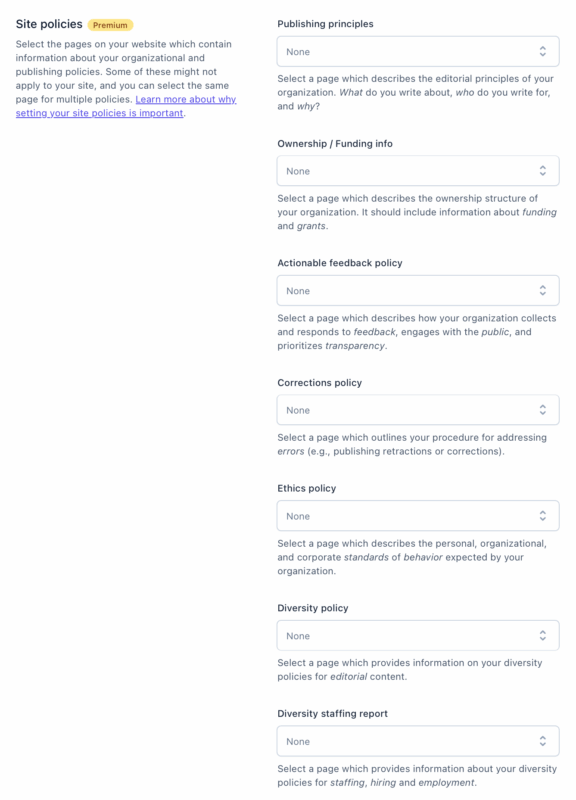
To succeed in the YMYL space, website owners and content creators must proactively implement strategies that build and demonstrate trust. This involves more than just good writing; it requires a holistic approach to content governance and site architecture.
- Comprehensive Author Biographies and Credentials: For every piece of YMYL content, prominently display the author’s name, credentials (e.g., MD, CFP, JD), relevant experience, and links to their professional profiles. If an article is reviewed by an expert, clearly state who reviewed it and their qualifications.
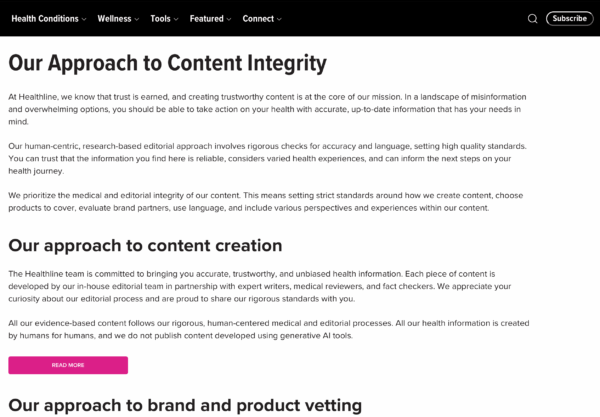
- Transparent Editorial Policies: Publish clear and easily accessible policies outlining your content creation process, fact-checking procedures, sources of information, correction policy, and update frequency. Healthline’s content policy, for example, serves as an excellent model for transparency.
- Accuracy and Fact-Checking: Implement rigorous fact-checking protocols. Every claim, statistic, and piece of advice in YMYL content must be verifiable and backed by reputable sources (e.g., peer-reviewed studies, government agencies, accredited institutions).
- Security and Privacy: Ensure your website uses HTTPS (Hypertext Transfer Protocol Secure) to protect user data. Clearly state your privacy policy, explaining how user information is collected, used, and protected.
- User Experience and Accessibility: A well-designed, fast-loading, mobile-friendly website enhances trustworthiness. Easy navigation, clear calls to action, and accessible content (e.g., for users with disabilities) contribute to a positive user experience.
- Structured Data Implementation: Structured data (Schema.org markup) helps Google better understand your content, especially its E-E-A-T signals. For YMYL, this includes using schemas like
publishingPrinciples,author,reviewer, andmedicalAudienceorfinancialProductto explicitly highlight policies, expertise, and relevance.- Yoast SEO Premium, for instance, helps integrate
publishingPrinciplesschema, making it easier for search engines to find and understand your site’s commitment to quality and transparency. By linking pages dedicated to general publishing principles, funding information, corrections policy, ethics policy, and diversity policy within your structured data, you provide direct signals to Google about your site’s credibility.
- Yoast SEO Premium, for instance, helps integrate
- Transparent Funding and Affiliations: If your site receives funding from external sources or has affiliate relationships, disclose them clearly. This transparency builds trust and avoids perceived conflicts of interest.
- Positive Reputation Management: Monitor online reviews, mentions, and citations. A strong positive reputation across various platforms reinforces authoritativeness and trustworthiness.
Implications for Publishers and Businesses
The stringent YMYL standards have profound implications for publishers, businesses, and content creators operating in these sensitive sectors:
- Increased Resource Investment: Meeting Google’s high standards requires significant investment in expert writers, professional editors, fact-checkers, and ongoing content maintenance. This can be a substantial barrier for smaller publishers.
- Focus on Niche Authority: Rather than aiming for broad coverage, many YMYL sites benefit from focusing on a specific niche where they can genuinely establish deep expertise and authority.
- Long-Term Strategy: Building E-E-A-T and trust is not an overnight process. It requires a sustained, long-term commitment to quality, accuracy, and user welfare.
- Risk of Misinformation: For platforms that rely on user-generated content (e.g., forums, review sites), robust moderation and expert oversight are crucial to prevent the spread of harmful misinformation, especially for YMYL topics.
- Enhanced User Protection: Ultimately, Google’s YMYL focus benefits users by providing them with more reliable information, reducing the risks associated with poor advice in critical life areas. This reinforces Google’s position as a trusted information gateway.
Conclusion
For any entity aspiring to succeed with a YMYL site, navigating the intricate landscape of Google’s quality standards is non-negotiable. This journey involves several interconnected steps: a deep understanding of YMYL principles, a proactive approach to building and demonstrating E-E-A-T, and the meticulous application of robust optimization methods. By aligning with Google’s stringent guidelines, investing in verifiable expertise, and implementing transparent site policies, publishers can significantly improve the performance of their YMYL sites. This not only leads to enhanced search visibility but, more importantly, fosters audience trust and establishes the website as a credible, authoritative leader in its respective field. In an increasingly complex digital world, where information shapes lives and livelihoods, the commitment to accuracy and trustworthiness in YMYL content is paramount for both search engines and society at large.