Microsoft Bing has recently begun implementing a verification step, prompting some searchers to confirm their humanity before displaying search results. This development places Bing in alignment with a trend previously observed with Google, which has been employing similar verification challenges in various forms for a considerable period. The emergence of these checks underscores an escalating arms race between search engine providers and the increasingly sophisticated automated scripts and bot networks that navigate the internet.
A Closer Look at Bing’s Verification Mechanism
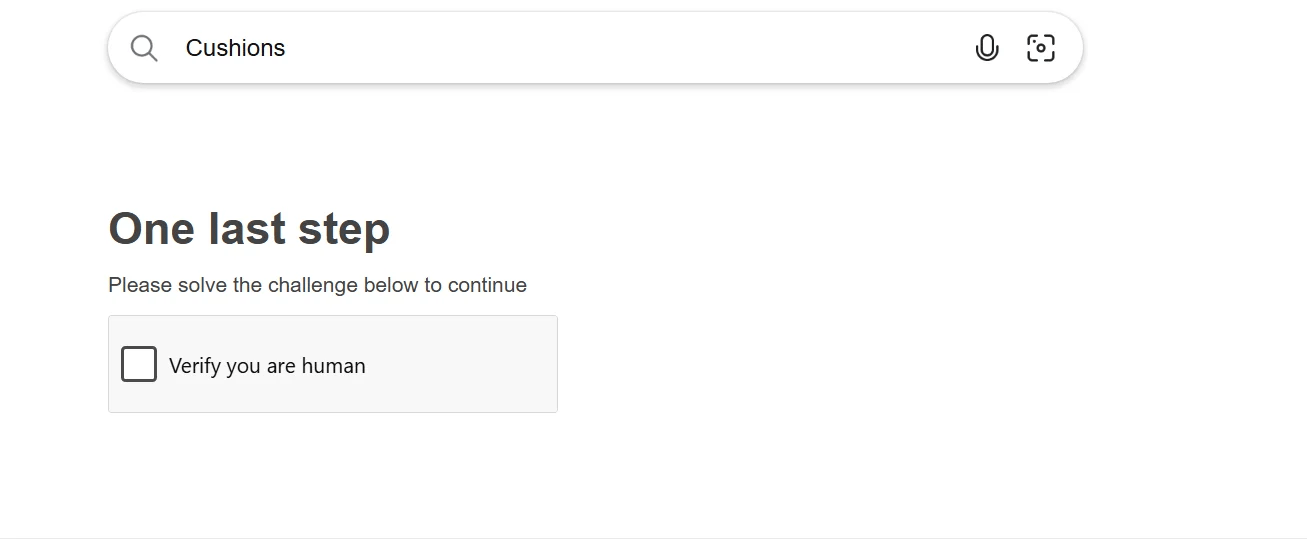
The specific instance of Bing’s new verification protocol was brought to public attention by Sachin Patel, who documented his experience on X (formerly Twitter) and later detailed it on Search Engine Watch. Patel provided a clear screenshot illustrating the new prompt, which appears after a user initiates a search query but before any results are rendered. The screen presents a message asking users to take "one last step" by solving "the challenge below to continue." The challenge itself, in this particular manifestation, is a seemingly simple checkbox labeled "verify you are human."
While Patel’s report confirms the existence of this new measure, its deployment appears to be targeted rather than universal, as some users and researchers, including the original author of the report, have not been able to consistently replicate the prompt. This selective application suggests that Bing, much like Google, may be employing algorithms to identify suspicious or unusual search patterns that trigger the verification, rather than subjecting all users to the additional step. Factors such as IP address reputation, query velocity, unusual user agent strings, or behavioral anomalies could contribute to a searcher being flagged for verification. The simplicity of the checkbox, often associated with reCAPTCHA’s "I’m not a robot" feature, typically relies on background analysis of user behavior (mouse movements, browsing history, etc.) to determine if a human interaction is likely, only presenting a more complex challenge if initial checks are inconclusive.
The Escalating Battle Against Automated Traffic
The decision by major search engines like Google and now Bing to implement such verification steps is not arbitrary but a direct response to the pervasive and growing threat posed by automated traffic, commonly known as bots. These automated programs account for a significant portion of all internet traffic, with various industry reports consistently indicating that bot activity can constitute anywhere from 30% to over 50% of total web traffic. While a substantial percentage of these are "good bots" (e.g., legitimate search engine crawlers, monitoring tools), a concerning and increasing proportion are "bad bots" engaged in malicious or undesirable activities.
The Rise of Bots and Their Impact
Bad bots are responsible for a multitude of illicit activities that degrade the quality of the internet, consume vast resources, and pose significant security risks. These activities include:
- Web Scraping: Automated extraction of data from websites, often used for competitive intelligence, price comparison, content theft, or building databases for spam. This can burden server resources and infringe on intellectual property.
- Spam Generation: Creating fake accounts, posting unsolicited comments on forums and blogs, or sending mass emails, all of which degrade user experience and can spread malware.
- Credential Stuffing: Using stolen login credentials from one site to attempt to log into numerous other sites, hoping users have reused passwords.
- Denial-of-Service (DoS) and Distributed Denial-of-Service (DDoS) Attacks: Overwhelming a server or network with a flood of internet traffic to disrupt normal service.
- Ad Fraud: Bots simulating human clicks or impressions on advertisements, costing advertisers billions of dollars annually without generating genuine engagement.
- Account Takeovers: Gaining unauthorized access to user accounts to steal personal data, financial information, or perpetrate further fraud.
- Search Engine Manipulation: Bots attempting to artificially inflate search rankings, create fake reviews, or generate spammy backlinks, all of which undermine the integrity of search results.
The financial toll of bot attacks on businesses is staggering, encompassing direct monetary losses from fraud, increased infrastructure costs to handle malicious traffic, and damage to brand reputation. For search engines specifically, bot traffic means increased server load, higher operational costs, skewed analytics, and a degraded ability to provide relevant, high-quality search results to human users.
Google’s Precedent: A Growing Trend
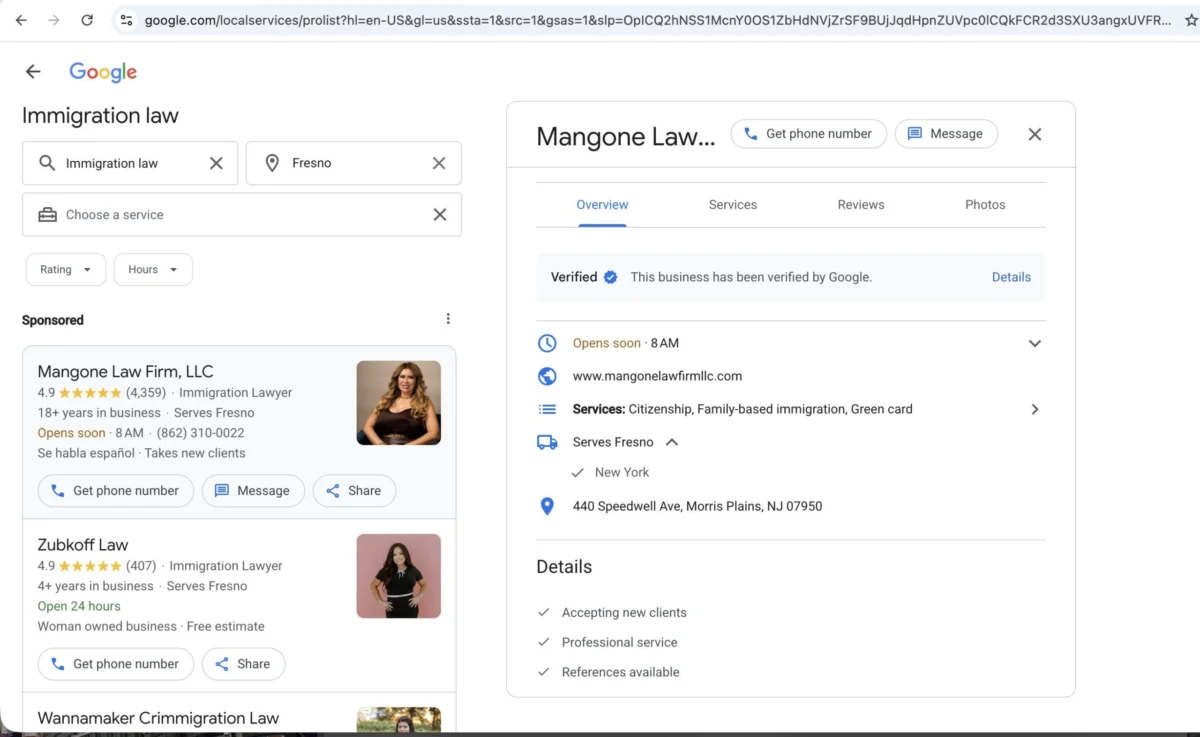
Google has been at the forefront of this battle, implementing various forms of human verification for several years, with a noticeable increase in frequency and diversity of methods in late 2022 and throughout 2023. Users have reported encountering prompts such as "Verifying your request, please continue," image-based CAPTCHAs requiring identification of objects, and even requests to sign in to Google accounts before search results are displayed. These measures are often triggered by similar suspicious activities that Bing is now targeting: unusually high query volumes from a single IP address, rapid-fire queries, or behavior that deviates significantly from typical human browsing patterns. Google’s experience has provided a clear precedent, demonstrating that such steps are deemed necessary to maintain the integrity and functionality of a global search service.
Why Search Engines Need Human Verification
The core rationale behind these verification steps is multifaceted, driven by the need to protect the search ecosystem on several fronts.
Protecting Search Quality and Integrity
Search engines are built on the premise of providing users with the most relevant and reliable information. Malicious bots can significantly undermine this mission. They can inject spam into indexes, manipulate ranking signals, and scrape legitimate content to create duplicate, low-quality sites, thereby polluting the search results. By filtering out bot traffic, search engines can ensure that their algorithms are primarily analyzing and ranking content based on human-generated data and interactions, thus preserving the quality and integrity of the search experience.
Safeguarding Infrastructure and Resources
Operating a global search engine requires immense computational power and network bandwidth. Every query, whether from a human or a bot, consumes server resources. When bots generate millions of queries per minute, it places an undue strain on the search engine’s infrastructure. This not only incurs significant operational costs but can also slow down service for legitimate human users. By implementing verification checks, search engines can reduce the load from automated, non-human queries, thereby optimizing resource allocation and ensuring a smoother, faster experience for their human user base. This is particularly crucial as the demand for instant, comprehensive search results continues to grow.
Combating Cyber Threats and Fraud
Beyond simply consuming resources, bad bots are often precursors or direct agents of more severe cyber threats. As mentioned earlier, they facilitate ad fraud, which siphons billions from the digital advertising ecosystem. They enable data theft through sophisticated scraping operations and credential stuffing attacks. By detecting and blocking automated traffic at the search query level, search engines add another layer of defense against these pervasive threats, protecting both their own systems and, indirectly, the broader internet community from malicious actors.
Inferred Reactions and Official Stances
While Microsoft has not released an official statement specifically addressing this new verification step, the rationale can be logically inferred based on industry best practices and the precedent set by competitors.
Microsoft’s Likely Rationale
Microsoft’s implementation of human verification on Bing is undoubtedly a strategic move aimed at reinforcing the platform’s security, enhancing the quality of its search results, and optimizing its operational efficiency. A hypothetical statement from Microsoft would likely emphasize their commitment to providing a secure and reliable search experience for their users. They would likely highlight their ongoing efforts to combat malicious automated activity, which can degrade search quality, consume valuable resources, and pose security risks. The introduction of such measures would be framed as a proactive step to protect the integrity of Bing’s index, ensure fair access to information, and safeguard their infrastructure against evolving cyber threats, ultimately aiming to deliver a better and more trustworthy search experience for human users.
Industry Analyst Perspectives
Cybersecurity experts and industry analysts generally view such measures as a necessary evolution in the ongoing "cat-and-mouse" game between bot developers and web security professionals. They would likely commend search engines for taking proactive steps to protect their platforms and users. Analysts might point out that as AI and machine learning capabilities advance, bots become increasingly sophisticated at mimicking human behavior, necessitating more advanced and adaptive verification techniques. While acknowledging the potential for minor user friction, the consensus among security professionals is that the benefits of thwarting large-scale bot attacks far outweigh the inconvenience of occasional verification. They would also likely emphasize the importance of continuous innovation in bot detection, including behavioral analytics and machine learning, to minimize false positives and maintain a seamless user experience for legitimate users.
User Experience: Balancing Security and Convenience
For the end-user, the introduction of an additional step, however minor, can be a point of friction. Initial reactions on social media platforms like X often show a mixed response. Some users express frustration at the added hurdle, particularly if they encounter it frequently or if the challenge proves difficult. However, many users also understand the underlying necessity of these security measures. They recognize that a slight inconvenience is a small price to pay for a more secure internet, free from spam, fraud, and degraded service quality. The key for search engines is to strike a delicate balance: implementing verification methods that are effective against bots but minimally disruptive for legitimate human users. The simple checkbox approach, which often relies on background behavioral analysis, aims to achieve this by only presenting a more complex challenge when strictly necessary.
Broader Implications for the Digital Ecosystem
The widespread adoption of human verification across major search engines has far-reaching implications for various stakeholders within the digital ecosystem.
Impact on SEO and Webmasters
For Search Engine Optimization (SEO) professionals and webmasters, this trend reinforces the need to adhere to ethical, white-hat SEO practices. Automated tools used for legitimate purposes, such as rank tracking, competitor analysis, or site auditing, may need to adapt to these new verification layers, potentially requiring more sophisticated proxies or API integrations. Malicious scraping operations, which often violate terms of service and can lead to content duplication issues, will find it increasingly difficult to operate effectively. This could ultimately lead to a cleaner, more competitive SEO landscape where genuine content and user experience are rewarded.
The Evolving Landscape of Web Security
The ongoing arms race between bot creators and bot detectors is shaping the future of web security. As AI-powered bots become more adept at mimicking human behavior, verification methods will likely evolve beyond simple checkboxes and image challenges. We might see more integration of biometric authentication, behavioral biometrics (analyzing unique interaction patterns), or advanced machine learning models that can distinguish subtle differences between human and machine interactions. This trend indicates that friction points in online interactions, once an anomaly, may become a more common feature as the internet strives to secure itself against increasingly sophisticated threats.
Accessibility Considerations
An important consideration for any human verification system is accessibility. Challenges that rely heavily on visual cues, complex puzzles, or precise motor skills can disproportionately affect users with disabilities. Search engines must ensure that their verification methods are inclusive, offering alternative formats (e.g., audio CAPTCHAs, simpler text-based challenges) to ensure that security measures do not inadvertently exclude a segment of their user base. The simple checkbox, when backed by robust behavioral analysis, often presents a more accessible solution than traditional, complex CAPTCHAs.
The Future of Search Engine Defense
Bing’s move signals a broader industry consensus: proactive, adaptive security measures are no longer optional but essential for the sustainability and integrity of online search. As large language models and generative AI become more powerful, the ability of bots to generate human-like text and interact in complex ways will only increase, necessitating continuous innovation in bot detection and human verification. This means that search engines will likely invest more in advanced AI and machine learning techniques to analyze user behavior in real-time, identify anomalies, and deploy verification challenges only when absolutely necessary, minimizing disruption for legitimate users while maximizing protection against automated threats.
Conclusion: A Necessary Evolution in Search
The integration of human verification steps by Microsoft Bing, following Google’s established precedent, is a clear indication of a significant shift in how major search engines are defending their platforms. It underscores the severity and pervasiveness of automated bot traffic and the imperative to protect search quality, safeguard infrastructure, and combat cyber threats. While any additional step in the user journey carries the potential for minor friction, the long-term benefits of a more secure, reliable, and authentic internet experience for human users far outweigh these temporary inconveniences. As the digital landscape continues to evolve, these verification measures are not just security protocols; they are a necessary evolution in maintaining the health and integrity of the world’s most critical information gateways.