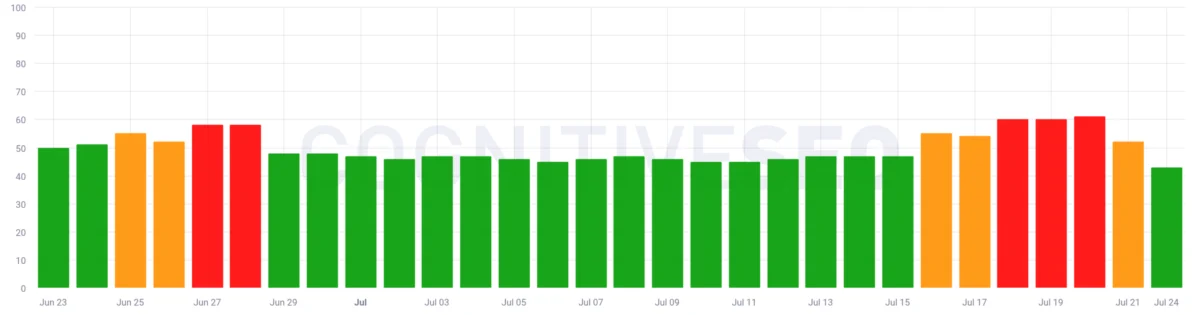
Digital marketers and website publishers experienced significant fluctuations in Google search rankings beginning late Thursday, July 23rd, and intensifying through Friday, July 24th, and into the subsequent weekend. This period of heightened instability, characterized by widespread reports from the SEO community and corroborating data from various third-party tracking tools, points to an unconfirmed but impactful adjustment within Google’s complex search algorithm. The volatility has caused considerable concern among site owners who rely on organic search traffic, adding to a growing apprehension about the future of publisher-Google relations.
The Latest Unconfirmed Shift: July 24th Volatility
The latest wave of ranking turbulence commenced with initial rumblings detected on Thursday, July 23rd, before escalating into "high gear" on Friday, July 24th. This sudden surge in instability has led many in the search engine optimization (SEO) sector to speculate about an unannounced update to Google’s ranking mechanisms. Unlike confirmed updates, which Google officially announces, these "unconfirmed" shifts are identified through a combination of observable changes in search engine results pages (SERPs), data from specialized tracking tools, and widespread anecdotal evidence from the SEO community. The absence of official confirmation often leaves webmasters and SEO professionals grappling with uncertainty, making it challenging to identify the specific factors influencing their site’s performance.
The impact of this latest volatility was immediately evident across a spectrum of websites, with reports of dramatic swings in traffic and keyword rankings. Anecdotal evidence from online forums and communities, such as WebmasterWorld and comments sections on industry news sites, highlighted the immediate and often severe consequences for digital businesses. Publishers reported experiencing everything from substantial traffic gains to precipitous drops, sometimes within a single day. This erratic behavior underscores the delicate balance of the digital ecosystem and the profound influence of Google’s algorithms on online visibility and commercial success.
A Pattern of Frequent Algorithmic Adjustments
This recent period of volatility is not an isolated incident but rather fits into a broader pattern of continuous algorithmic adjustments by Google. The search giant frequently rolls out updates, some minor and unnoticeable, others significant enough to cause widespread shifts across the web. The current instability follows a series of recent unconfirmed and confirmed updates, contributing to an environment of constant change for digital content creators and marketers.
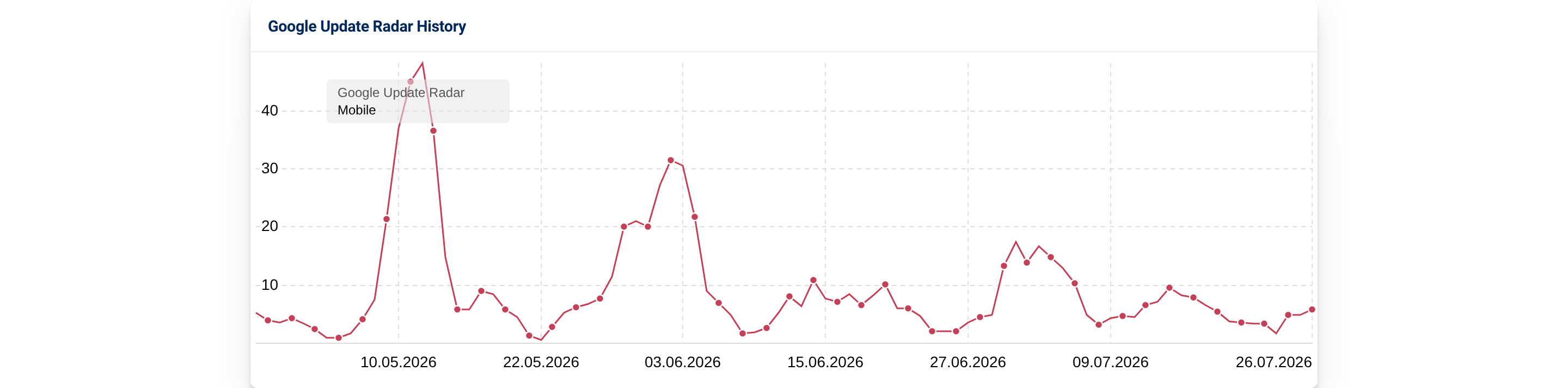
Just prior to the July 24th event, the SEO community observed unconfirmed volatility around July 18th and 19th, which reportedly extended throughout that week. Before that, another notable unconfirmed shift, informally dubbed the "Google 7-Eleven update," had been detected, indicating an almost continuous state of flux in Google’s ranking signals during July.
Looking further back, the last officially confirmed Google search ranking update was the June 2026 Spam Update. This targeted update commenced its rollout on June 14th and was officially completed on June 26th. Spam updates are typically designed to combat low-quality content, manipulative SEO tactics, and other practices that degrade search quality, often leading to significant ranking changes for sites engaging in such activities.
Preceding the spam update was the highly anticipated Google May 2026 Core Update. Core updates are typically broader, more foundational changes to Google’s overall ranking algorithm, designed to improve the relevance and quality of search results across the board. This major update began its rollout on May 21st and concluded on June 2nd, affecting a wide range of websites and often requiring comprehensive SEO strategy adjustments from publishers. The proximity of these major confirmed updates to the current unconfirmed volatility suggests that Google’s systems are in a state of active refinement, making consistent monitoring essential for anyone operating in the digital space.
Understanding SERP Volatility Tools: The Digital Barometers
The detection and analysis of Google’s unconfirmed updates heavily rely on a suite of third-party Search Engine Results Page (SERP) volatility tracking tools. These sophisticated instruments continuously monitor thousands or millions of keywords across various geographical locations and industries, identifying significant daily shifts in search rankings. When a large number of keywords show unusual movement, these tools register a "spike" in volatility, acting as digital barometers for algorithmic changes.
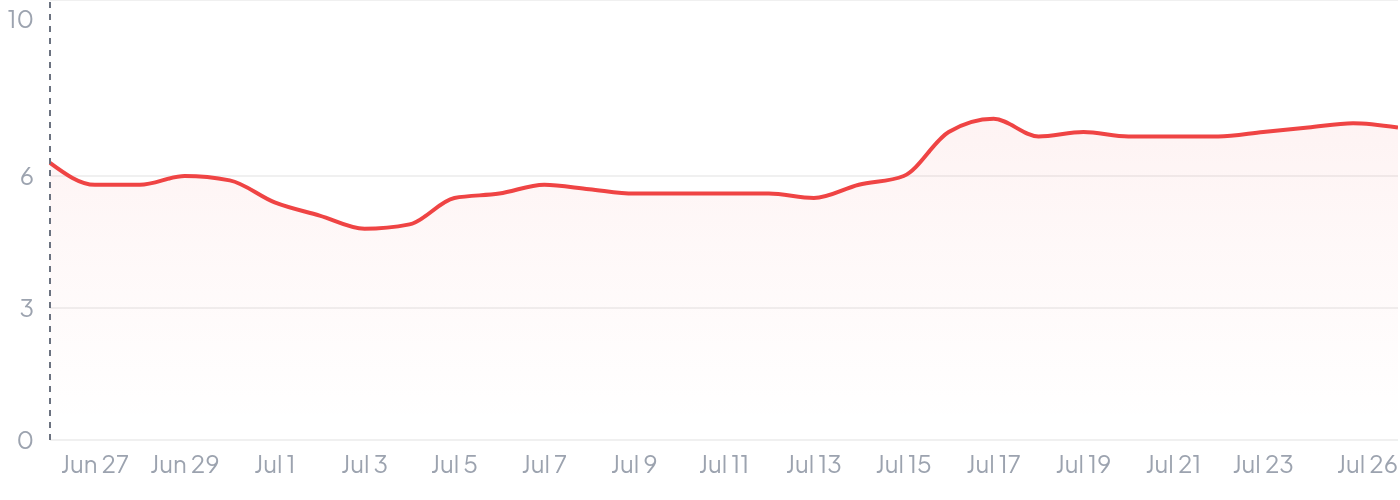
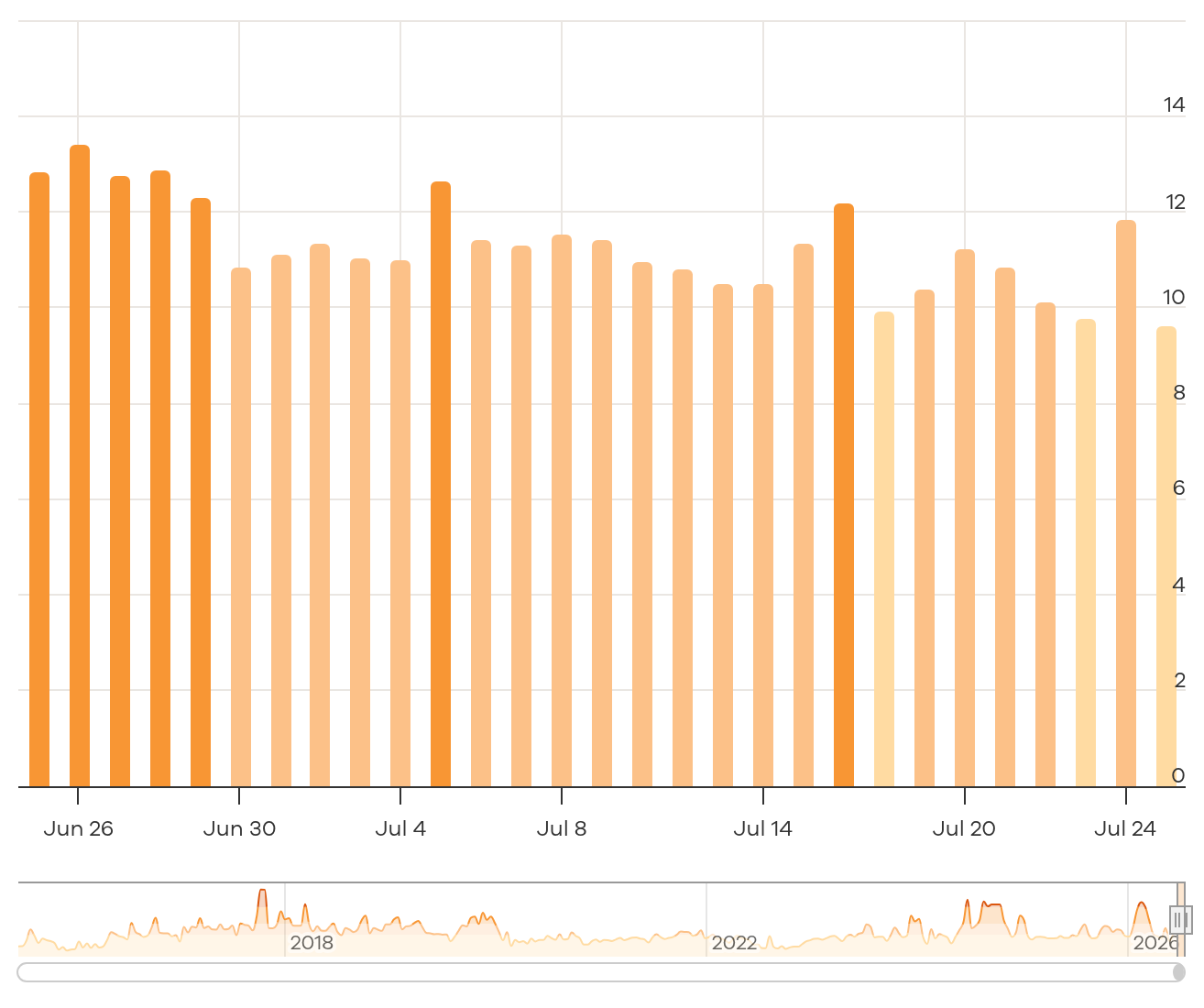
For the July 24th volatility, nearly all prominent tracking tools registered a notable increase in activity:
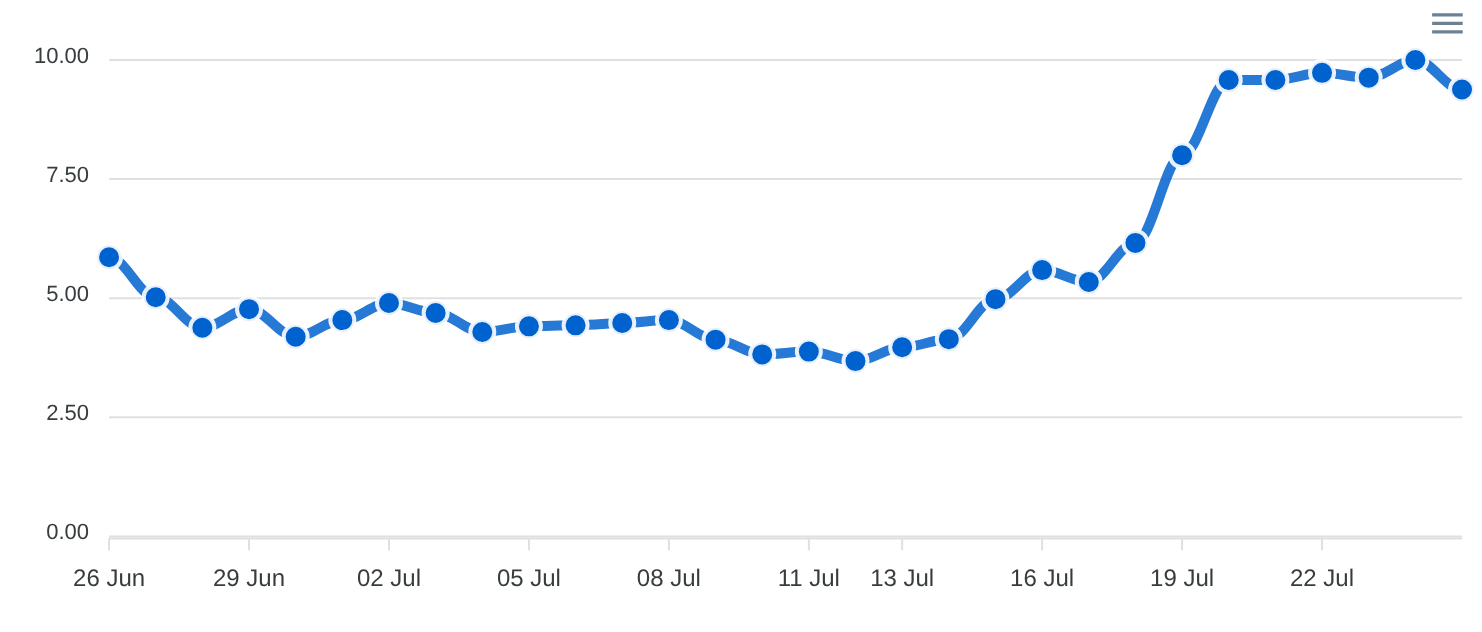
- AccuRanker Grump: Known for measuring the "grumpiness" of Google’s algorithm, AccuRanker showed an elevated level of instability, indicating a more unpredictable ranking environment.
- Algoroo: This tool also reported a spike, signifying widespread movement in SERPs.
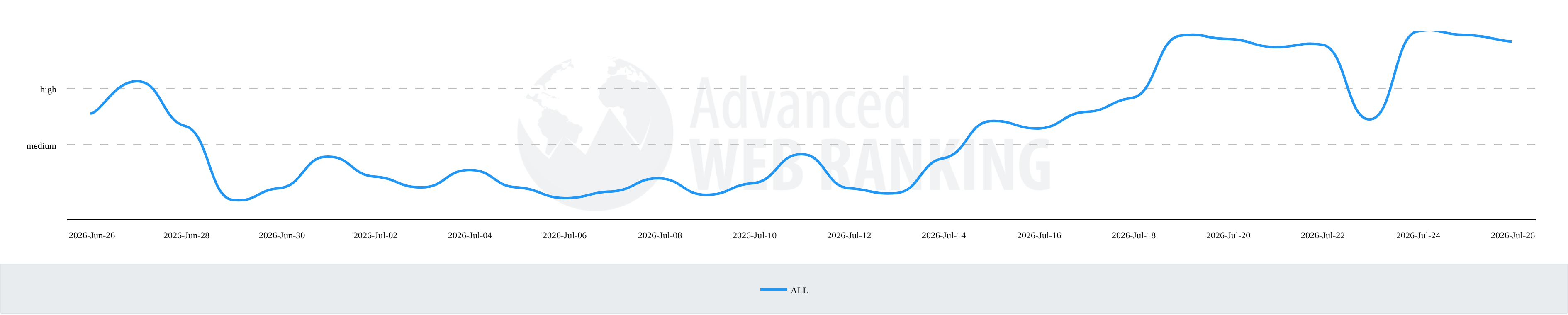
- AWR (Advanced Web Ranking): AWR’s algorithm change tracker displayed a significant jump, often reaching extreme levels, consistent with a major ranking shift.
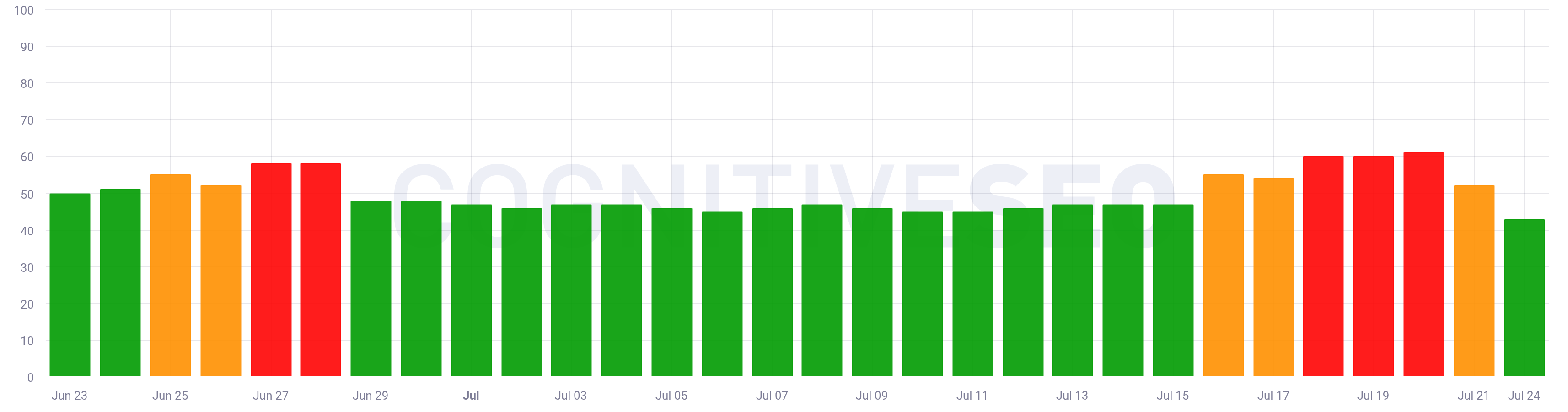
- CognitiveSEO Signals: This tool, which monitors various signals of algorithm changes, indicated increased activity, suggesting a broader impact across different ranking factors.
- DataForSEO SERP Volatility Index: As its name suggests, this index specifically tracks SERP volatility and showed a pronounced spike, confirming a high degree of ranking turbulence.
- Mangools SERPWatcher: This popular tool also registered increased fluctuations, reflecting the widespread nature of the changes.
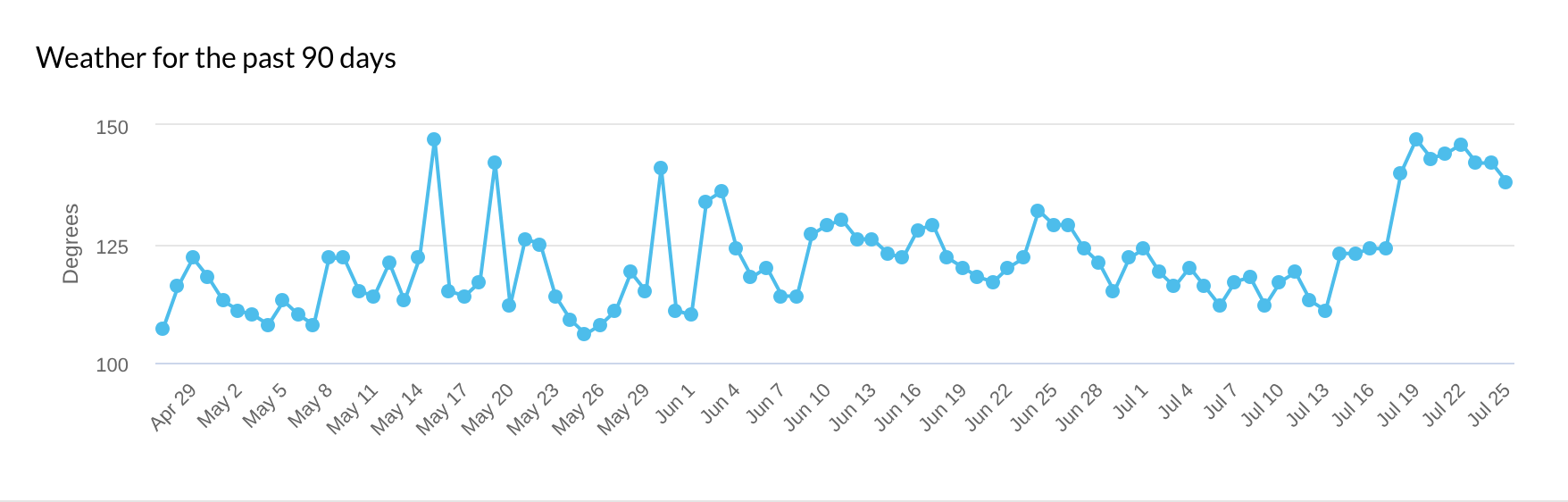
- Mozcast: Often visualized as a "weather report" for Google’s algorithm, Mozcast indicated a "stormy" period, with its temperature gauge rising considerably.
- SEMRush Sensor: The SEMRush Sensor, which measures daily fluctuations in SERPs, showed an elevated "sensor score," pointing to greater instability than usual.
- Serpstat: Another comprehensive SEO platform, Serpstat’s tracking indicated significant movement within the search landscape.
- SimilarWeb: SimilarWeb’s SERP tracking also highlighted the increased volatility, reflecting its impact across various market segments.
- Sistrix: Sistrix’s visibility index and update radar picked up on the significant changes, often providing granular data on affected industries.
- Wincher: Wincher’s SERP volatility tool also confirmed the heightened activity, adding to the consensus among trackers.
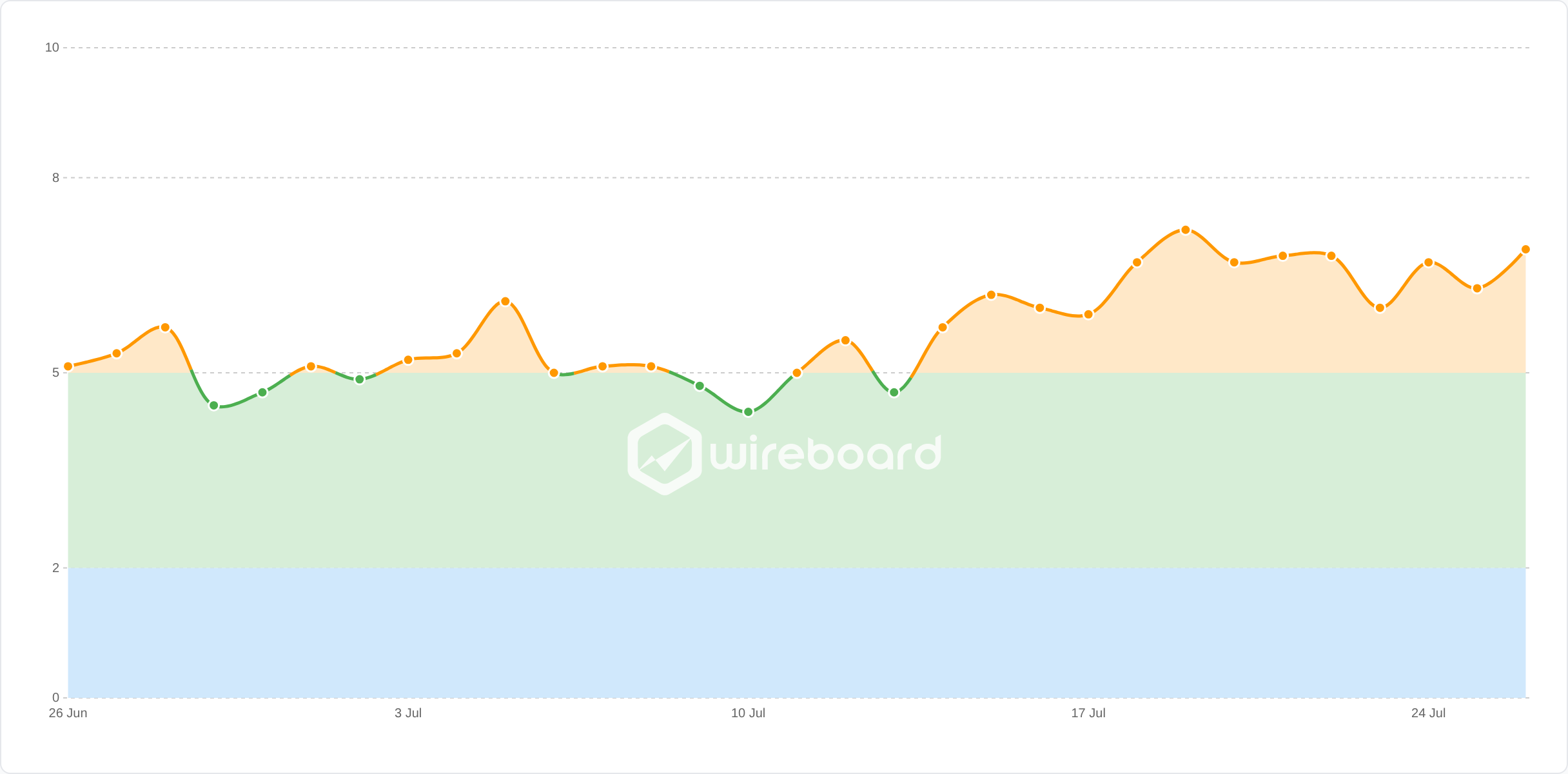
- Wireboard: Uniquely, Wireboard aggregates data from several of these tools, providing a consolidated view that clearly depicted the surge in volatility around July 24th, reinforcing the widespread nature of the event.
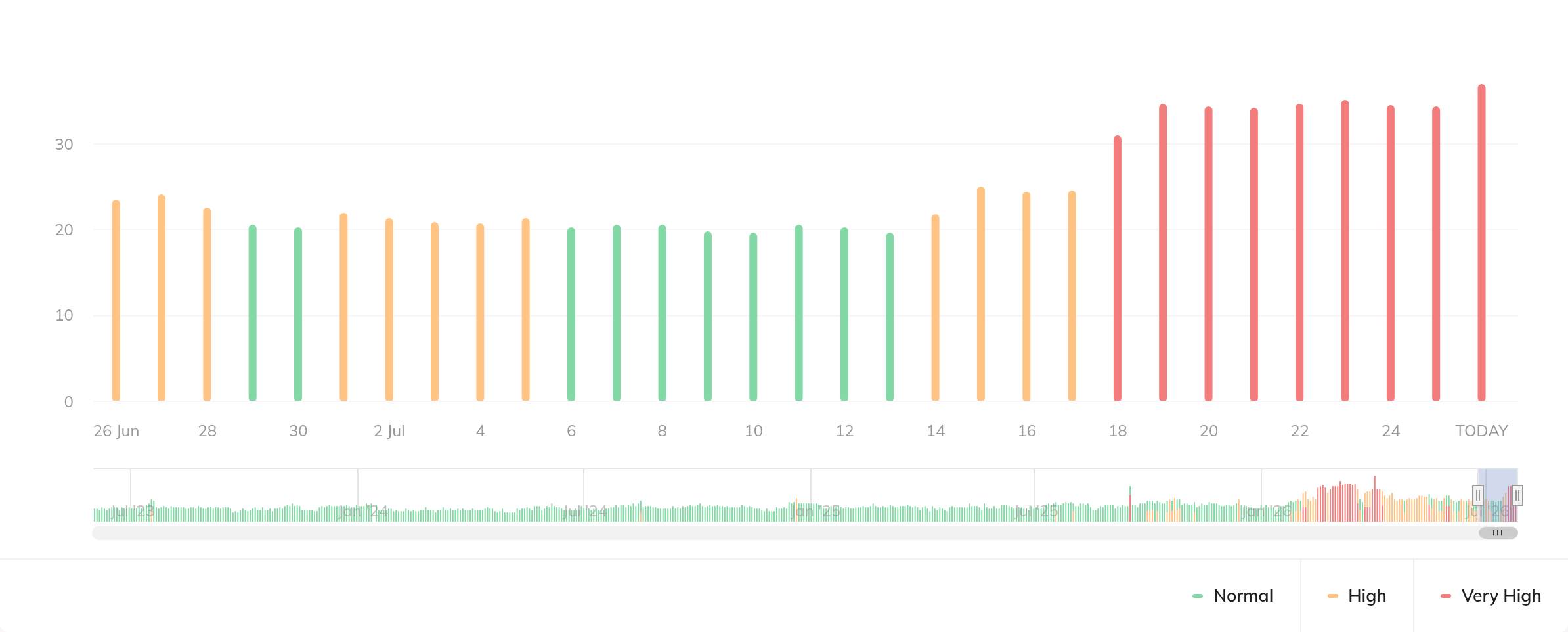
- Zutrix Tension: This tool also indicated increased "tension" in the SERPs, a clear sign of an active algorithmic adjustment.
The collective agreement among these diverse tools, each employing slightly different methodologies and data sources, provides compelling evidence that a substantial, albeit unconfirmed, Google algorithm update was indeed in progress. For SEO professionals, these tools are indispensable for detecting changes, allowing them to react proactively to protect or improve their clients’ search performance.
Voices from the SEO Community: Real-World Impact and Frustration
Beyond the data, the human element of these algorithmic shifts is captured in the vivid "chatter" from the SEO community. Discussions on platforms like WebmasterWorld and comments sections of industry news sites painted a picture of immediate and often severe disruption. The sentiment expressed by webmasters and business owners ranged from frustration to despair, highlighting the critical reliance of many enterprises on Google’s organic traffic.
- "Absolute chaos again… One day you’re drowning in traffic, and the next day it’s a total ghost town. It’s the exact same story for both my news site and my shop. Rankings are fluctuating like crazy." This comment succinctly captures the extreme swings experienced, affecting diverse online properties from content-heavy news portals to e-commerce platforms. The unpredictability makes long-term planning incredibly difficult.
- "Traffic slashed on my global site today, especially this afternoon UK time." This highlights the geographical and temporal specificity of some impacts, suggesting that updates can roll out or affect different regions at different rates.
- "Very, very big drop since yesterday. We are at 27% of normal traffic right now. User engagement: Zero." Such a drastic reduction in traffic, nearly three-quarters of normal volume, can be catastrophic for businesses, leading to immediate revenue losses and impacting user acquisition efforts. The mention of "zero user engagement" further underscores the complete cessation of valuable interactions.
- "It’s really brutal right now. Yesterday, for the first time since our launch, we had exactly 0 conversions on Google Ads; that has never happened before (and of course, the daily budget was fully spent anyway). As for the news site, I can confirm yesterday’s drop. Rankings are allegedly down, and traffic hit rock bottom. Today isn’t looking any better either." This account is particularly telling, indicating that even paid advertising campaigns (Google Ads) can be indirectly affected if underlying search intent or user behavior shifts due to organic ranking changes. The double impact on both paid and organic channels points to a widespread disruption.
- "Here in Brazil, the situation is this: a sharp drop in traffic of 60% to 70%!" This further emphasizes the global reach of Google’s updates and the consistent severity of traffic losses reported across different regions.
- "Traffic this weekend is dead." This statement confirms the persistence of the volatility beyond the initial Friday surge, extending the period of uncertainty and negative impact for many.
- "Anyone else seeing their traffic collapse the last few days? Went from making small gains for a couple of weeks to trending down 15-25% daily. Yes, typical Google bs, but not seeing anyone mention declines." This comment reflects a common pattern: brief periods of recovery or stability are often followed by renewed downturns, creating a rollercoaster effect. It also reveals the collective desire within the community to confirm shared experiences, validating their observations.
These firsthand accounts underscore the profound commercial and operational challenges posed by unconfirmed updates, leaving businesses scrambling to understand and adapt to the ever-shifting digital landscape dictated by Google.
The Broader Landscape: Google’s Evolving Relationship with Publishers
The current ranking volatility and the associated community frustration are set against a backdrop of a more profound tension in the relationship between Google and online publishers. A critical observation from the original report highlights that "these ranking movements continue to matter less and less for publishers because Google is sending less and less traffic to publishers." This statement points to a significant shift in the value exchange between the search engine giant and the content creators whose work it indexes.
Historically, Google’s role was primarily to direct users to relevant content on third-party websites. Publishers benefited from this arrangement by gaining audience and monetizing their content through advertising or subscriptions. However, in recent years, Google has increasingly sought to keep users within its own ecosystem. This is achieved through various SERP features such as featured snippets, knowledge panels, "People Also Ask" boxes, direct answer boxes, and now, with generative AI Overviews, which often provide comprehensive answers directly on the search results page, negating the need for users to click through to an external site.

This strategy, while potentially enhancing user experience by providing immediate answers, drastically reduces the organic click-through rates to publishers’ websites. As Google extracts more information and presents it directly in the SERPs, the traffic value proposition for publishers diminishes. This trend has led to a contentious debate within the industry, with many large publishers reportedly considering radical measures, including blocking Google Search from crawling their websites entirely.
The potential for publishers to block Google represents a dramatic escalation in this ongoing tension. Such a move would fundamentally alter the dynamics of the open web, impacting both Google’s ability to provide comprehensive search results and publishers’ reach. The underlying grievance is that Google benefits from crawling and indexing publisher content to enrich its own platform, while simultaneously reducing the direct traffic and associated revenue that publishers receive in return. The "exchange in value for Google crawling one’s site, to it sending traffic, has been flipped on its head," as one industry observer noted. This economic imbalance fuels much of the exasperation observed during periods of ranking volatility, as publishers feel increasingly vulnerable to changes that further erode their traffic and business models.

Implications for Digital Businesses and SEO Strategies
The persistent volatility in Google’s search rankings carries significant implications for digital businesses, marketers, and content creators. The primary impact is economic: sudden drops in search visibility directly translate into lost website traffic, which in turn affects lead generation, e-commerce sales, advertising revenue, and brand exposure. For businesses heavily reliant on organic search, these fluctuations can be financially devastating, sometimes requiring immediate and costly adjustments to marketing budgets or operational strategies.
Strategically, the continuous nature of updates, both confirmed and unconfirmed, necessitates a more agile and resilient approach to SEO. Relying solely on past successes or static optimization techniques becomes increasingly risky. Instead, businesses are compelled to:
- Diversify Traffic Sources: Reducing over-reliance on Google organic search by investing in other channels such as social media, email marketing, direct traffic, paid advertising, and other search engines (e.g., Bing, DuckDuckGo).
- Focus on Core Quality and User Experience (UX): Google consistently emphasizes E-E-A-T (Experience, Expertise, Authoritativeness, Trustworthiness) and overall user experience. Investing in high-quality, original content, fast loading times, mobile-friendliness, and intuitive navigation remains paramount.
- Monitor and Analyze Continuously: Regular monitoring of SERP volatility tools, detailed traffic analytics, and keyword ranking reports is crucial for early detection of changes and understanding their specific impact.
- Adapt and Iterate: SEO is no longer a set-it-and-forget-it task. Businesses must be prepared to analyze algorithmic shifts, understand their potential implications, and iterate on their content and technical SEO strategies. This includes staying informed about Google’s guidelines and official announcements.
- Build Brand Authority: In an environment where Google increasingly prioritizes established, trusted sources, cultivating strong brand recognition and direct audience relationships becomes more critical.
The ongoing tension with publishers also suggests a potential future where access to certain high-value content may become more restricted for Google, forcing both sides to re-evaluate their symbiotic, yet increasingly strained, relationship. For now, the digital landscape remains characterized by uncertainty, with businesses continually navigating Google’s powerful and ever-evolving algorithms. The July 24th volatility serves as another potent reminder of this ongoing challenge.