rifanmuazin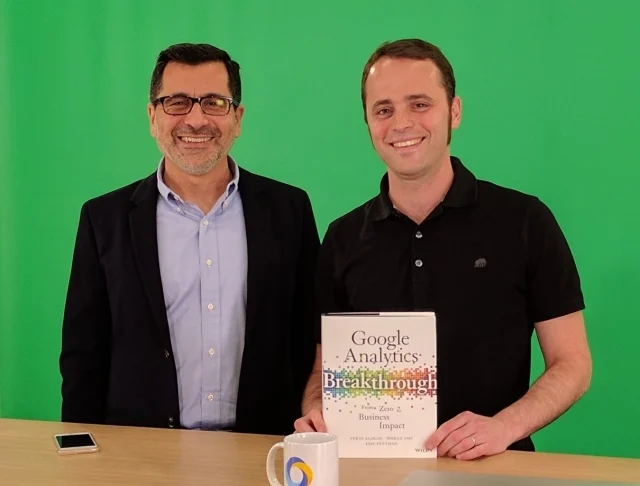
The landscape of digital marketing and data science has undergone a seismic shift over the last decade, transitioning from a niche technical requirement to the very backbone of corporate strategy. In a recent high-level exchange at the Google Analytics studio, industry veterans Feras Alhlou and Daniel Waisberg convened to discuss the structural necessities of a modern analytics department. Alhlou, the Co-Founder and Principal Consultant at E-Nor and a co-author of the seminal text Google Analytics Breakthrough, shared insights into how organizations can move beyond mere data collection to achieve genuine business impact. The dialogue highlighted a critical reality in the digital age: while data is more abundant than ever, the ability to extract actionable insights remains a significant competitive hurdle for most enterprises.
The Foundations of the E-Nor Optimization Framework
At the core of Alhlou’s philosophy is the belief that analytics should not be treated as a series of isolated technical tasks, but rather as a holistic business process. To address the complexities of modern data environments, Alhlou and his team at E-Nor developed a four-stage Optimization Framework designed to guide companies from the initial stages of data collection to the advanced stages of predictive personalization.
The first pillar of this framework is the Audit. According to Alhlou, an effective audit must be bifurcated into technical and business components. The technical audit ensures that tracking codes, tag managers, and data layers are functioning correctly and consistently across all digital properties. However, the business audit is arguably more critical; it involves engaging stakeholders across departments—from marketing and sales to product development—to identify the key performance indicators (KPIs) that truly drive the organization forward. Without this alignment, organizations risk drowning in "vanity metrics" that offer no roadmap for growth.
Once the foundational data is validated, the framework moves into the Reporting layer. This stage focuses on accessibility and visualization. The objective is to democratize data within the organization, ensuring that decision-makers have real-time access to dashboards that reflect the goals identified during the audit phase. Alhlou emphasizes that reporting is the bridge that allows an organization to move from "what happened" to "why it happened."
The third stage, Analysis, represents the transition from passive observation to active investigation. It is here that analysts identify patterns, anomalies, and opportunities within the data. Alhlou notes that many organizations stall at the reporting phase, failing to dedicate the human capital necessary to perform deep-dive analyses that uncover the root causes of user behavior.
The final and most impactful stage of the framework is Testing and Personalization. This represents the "last mile" of the analytics journey. By utilizing the insights gained in the previous stages, businesses can implement A/B testing, multivariate testing, and tailored user experiences. Alhlou posits that this is where the true return on investment (ROI) is realized, as the data is finally used to actively influence the customer journey and improve conversion rates.
Navigating the Modern Data Deluge
The conversation also touched upon the increasing complexity of the digital ecosystem. In the early days of web analytics, the path to conversion was relatively linear, often involving a single device and a limited number of marketing channels. Today, the reality is far more fragmented. Users interact with brands across mobile devices, social media platforms, web browsers, and offline touchpoints, creating a vast and often disjointed data trail.
Alhlou pointed out that the sheer volume of data available today can be overwhelming for even the most sophisticated marketing teams. To combat this, he suggests focusing on context. Understanding the context of data involves looking at the specific audience segments, the devices being used, and the intent behind the user’s actions. By narrowing the focus to these high-context data points, organizations can cut through the noise and identify the signals that indicate a high probability of conversion or churn.
Furthermore, the integration of backend data—such as Customer Relationship Management (CRM) systems and Enterprise Resource Planning (ERP) tools—is becoming essential. By merging front-end behavioral data with back-end transactional data, companies can gain a 360-degree view of the customer, allowing for more accurate attribution models and a better understanding of customer lifetime value (CLV).
The Strategic Data Roadmap and the Voice of the Customer
One of the most actionable pieces of advice offered by Alhlou during the interview was the necessity of a data roadmap. For many companies, the temptation is to try to implement every available tracking feature at once, which often leads to "analysis paralysis" or a breakdown in data integrity. Alhlou advocates for a phased approach, starting with the properties the business owns and controls directly: web and mobile analytics.
Once the primary data streams are stabilized, the next step is to augment these reports with qualitative data. While quantitative data tells you what is happening, qualitative data tells you why. Alhlou highlighted the utility of tools like Google Surveys (now part of the Google Surveys 360 suite and related market research tools) as a cost-effective way to capture the "Voice of the Customer." Historically, large-scale market research was the exclusive domain of major corporations with massive budgets. However, modern digital survey tools allow businesses of all sizes to conduct targeted research on their own properties or across the broader web.
This integration of qualitative feedback into the analytics roadmap allows for a more empathetic approach to data. It enables marketers to identify pain points in the user experience that might not be immediately obvious through clickstream data alone, such as confusing navigation or lack of trust in the checkout process.
Chronology and Context: A Decade of Analytical Evolution
The partnership between Feras Alhlou and Daniel Waisberg spans nearly a decade, a period that coincides with the most rapid growth in the history of the digital analytics industry. Their collaboration, most notably on the book Google Analytics Breakthrough, has served as a primary resource for thousands of professionals seeking to master the complexities of the Google Analytics ecosystem.
The meeting at the Google Analytics studio occurred during a pivotal time for the industry, as the focus shifted from simple session-based tracking to more sophisticated user-centric models. This era saw the rise of Tag Management Systems (TMS) and the beginning of the transition toward privacy-first data collection, a trend that has only accelerated with the introduction of regulations such as the General Data Protection Regulation (GDPR) in Europe and the California Consumer Privacy Act (CCPA).
In the years following this interview, the industry has continued to consolidate. E-Nor, the firm co-founded by Alhlou, was eventually acquired by Cardinal Path (and subsequently became part of the Dentsu network), reflecting a broader market trend where specialized analytics boutiques are being integrated into large global agencies to provide end-to-end digital transformation services.
Broader Implications and the Future of Analytics
The insights shared by Alhlou remain highly relevant as the industry moves toward an era dominated by Artificial Intelligence (AI) and Machine Learning (ML). The Optimization Framework he described provides the necessary data hygiene and structural integrity required for AI models to function effectively. Without a clean, audited data source and a clear understanding of business KPIs, AI-driven insights will be fundamentally flawed—a concept often referred to in the industry as "garbage in, garbage out."
Furthermore, the emphasis on a data roadmap is more critical than ever as organizations transition to Google Analytics 4 (GA4). The move from the legacy Universal Analytics to the event-based GA4 model requires exactly the kind of technical and business audit Alhlou advocates. It forces organizations to rethink their measurement strategies and align their data collection with modern user behaviors.
From a broader economic perspective, the shift toward data-driven decision-making is a primary differentiator between market leaders and laggards. According to data from McKinsey & Company, organizations that leverage customer behavioral insights outperform peers by 85 percent in sales growth and more than 25 percent in gross margin. However, the same research indicates that many companies struggle to turn this data into action—a gap that Alhlou’s framework is specifically designed to close.
As the digital landscape continues to evolve, the core principles discussed by Alhlou and Waisberg—alignment with business goals, the necessity of a structured framework, and the integration of the customer’s voice—will remain the gold standard for organizations seeking to thrive in a data-centric world. The transition from data collection to business optimization is not merely a technical upgrade; it is a fundamental shift in corporate culture that requires leadership, strategic planning, and a relentless focus on the end-user experience.