

The global ecommerce landscape is currently undergoing a transformative shift as the industry moves away from the rapid, pandemic-induced acceleration of 2020 and 2021 toward a more stabilized but highly competitive era of sustainable growth. As retail ecommerce sales are projected to exceed $6.3 trillion globally by the end of 2024, the necessity for a future-proof growth marketing strategy has moved from a competitive advantage to an operational requirement. Traditional marketing methods, which often rely on broad-spectrum advertising and siloed channel management, are increasingly proving insufficient in an environment characterized by rising customer acquisition costs (CAC) and evolving privacy regulations. To maintain relevance, ecommerce enterprises must now integrate deep market analysis, advanced technological infrastructure, and a relentless focus on customer experience into a cohesive long-term framework.
The Evolution of Ecommerce Marketing: A Chronology of Strategy
To understand the current state of growth marketing, it is essential to trace the chronological development of digital retail strategies over the past three decades. In the late 1990s and early 2000s, the "First Wave" of ecommerce was defined by mere presence; brands focused on establishing basic web storefronts and leveraging early search engine optimization (SEO). By the 2010s, the "Second Wave" saw the rise of the Direct-to-Consumer (DTC) model, fueled by low-cost social media advertising and the democratization of ecommerce platforms like Shopify.
The "Third Wave," which began around 2020, represents the current era of growth marketing. This phase is defined by the shift from transactional interactions to relationship-based commerce. Unlike traditional marketing, which focuses primarily on the top of the sales funnel, growth marketing addresses the entire customer lifecycle, prioritizing retention, referral, and customer lifetime value (CLV). Industry analysts from firms such as Gartner and Forrester suggest that the future of the sector lies in "predictive commerce," where data-driven insights allow brands to anticipate consumer needs before the consumer even initiates a search.
Market Analysis and the Shift in Consumer Demographics
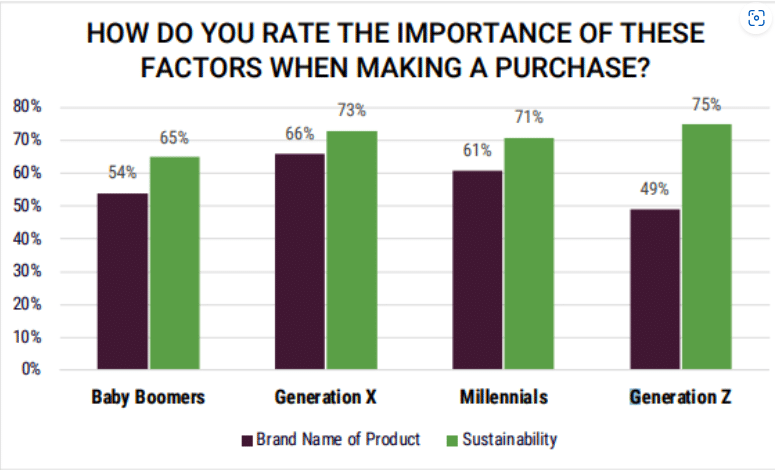
A robust growth strategy begins with a rigorous analysis of the target market and the demographic shifts currently dictating purchasing behavior. A critical factor in today’s market is the rising economic power of Generation Z and Millennials. Data from the World Economic Forum indicates that approximately 75% of Generation Z consumers prioritize sustainability and ethical brand practices over mere brand recognition. This demographic shift necessitates a move toward "values-based marketing," where a company’s social and environmental impact becomes a core component of its growth narrative.
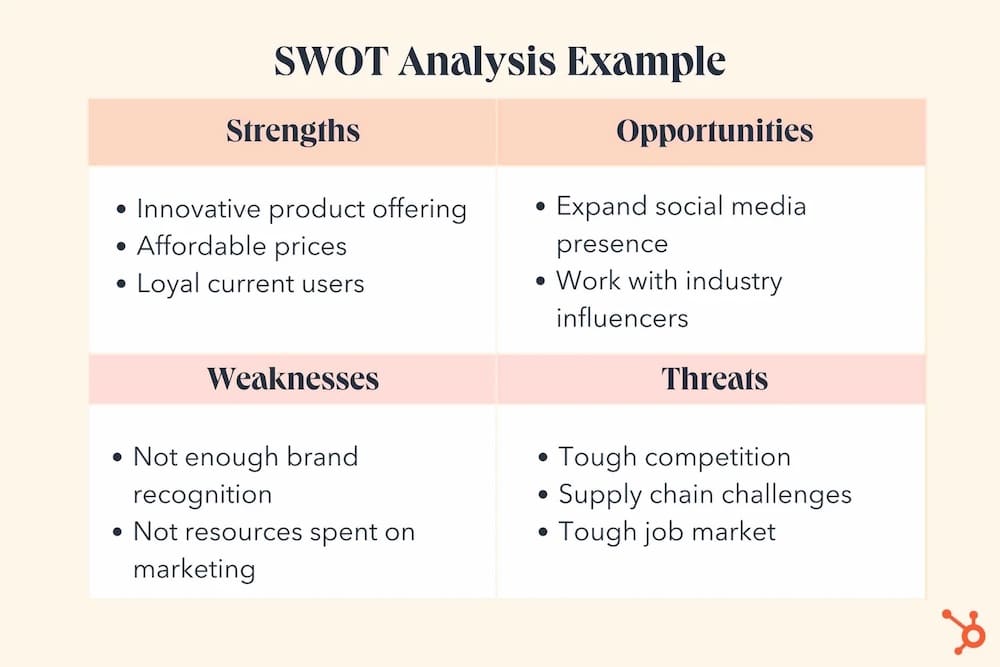
To navigate these shifts, modern enterprises are increasingly employing SWOT (Strengths, Weaknesses, Opportunities, Threats) analyses to identify market gaps. A historical precedent for this is Amazon’s identification of the "delivery gap" in the early 2000s. By recognizing that consumers valued speed and reliability over lower prices, Amazon developed Prime, effectively leveraging a market weakness into a dominant competitive moat. Today, market analysis must also account for the "Privacy Paradox," where consumers demand highly personalized experiences while simultaneously expressing concern over data tracking.
Technological Infrastructure as a Foundation for Scalability
Investment in technology is no longer an IT concern but a core marketing strategy. For an ecommerce business to be future-proof, its infrastructure must be both scalable and secure. Platforms like Shopify and Magento have become industry standards due to their ability to support millions of transactions across diverse geographic regions. Shopify, which currently powers over 10% of all ecommerce in the United States, provides a template for how user-friendly interfaces can be combined with complex backend analytics to facilitate rapid scaling.
The integration of Artificial Intelligence (AI) and Machine Learning (ML) is perhaps the most significant technological development in the current growth marketing toolkit. AI is no longer a futuristic concept but a functional tool for personalization. For example, Stitch Fix, an online personal styling service, has utilized AI to analyze millions of data points—including customer preferences, body types, and style trends—to curate personalized clothing selections. This level of algorithmic personalization has set a new benchmark for consumer expectations, forcing other retailers to adopt similar data-driven models to avoid obsolescence.
The Mobile-First Mandate and Automation Efficiency
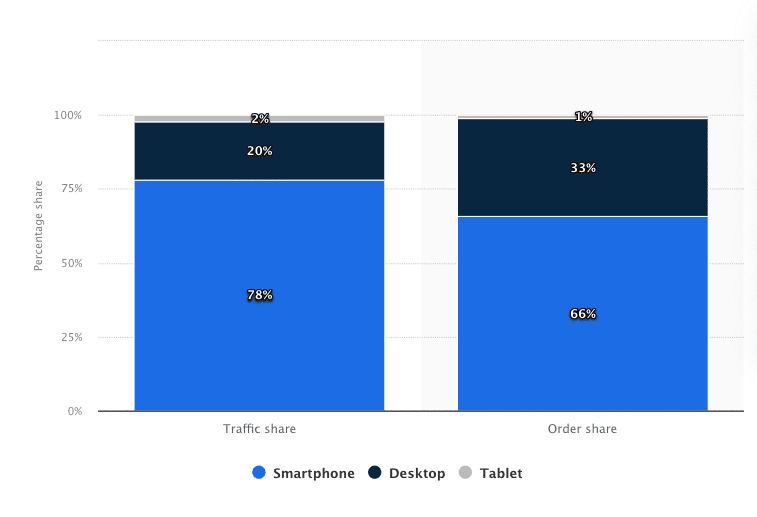
Supporting data from Statista highlights the urgency of mobile optimization. In the fourth quarter of 2023, smartphones accounted for approximately 78% of global retail site traffic and generated two-thirds of all online shopping orders. This trend underscores a fundamental shift in consumer behavior: the mobile device is now the primary gateway to the digital marketplace. A future-proof strategy must ensure that the mobile experience is not merely a scaled-down version of the desktop site but a purpose-built environment optimized for speed, ease of navigation, and "one-click" checkout processes.
Simultaneously, automation has become the primary driver of operational efficiency. By automating repetitive tasks, brands can redirect human capital toward creative and strategic initiatives. Key areas for automation in growth marketing include:
- Customer Relationship Management (CRM): Automating personalized communication based on user behavior.
- Inventory Management: Utilizing predictive analytics to prevent stockouts and overstocking.
- Customer Support: Implementing AI-driven chatbots for 24/7 resolution of common inquiries.
- Email and SMS Marketing: Deploying triggered campaigns for abandoned carts and post-purchase follow-ups.
Omnichannel Integration and the Disney Model
One of the most significant implications of the modern digital economy is the blurring of lines between different shopping channels. Consumers no longer distinguish between "online" and "offline" experiences; they expect a seamless transition between a brand’s Instagram feed, mobile app, and physical storefront. This is known as omnichannel marketing.
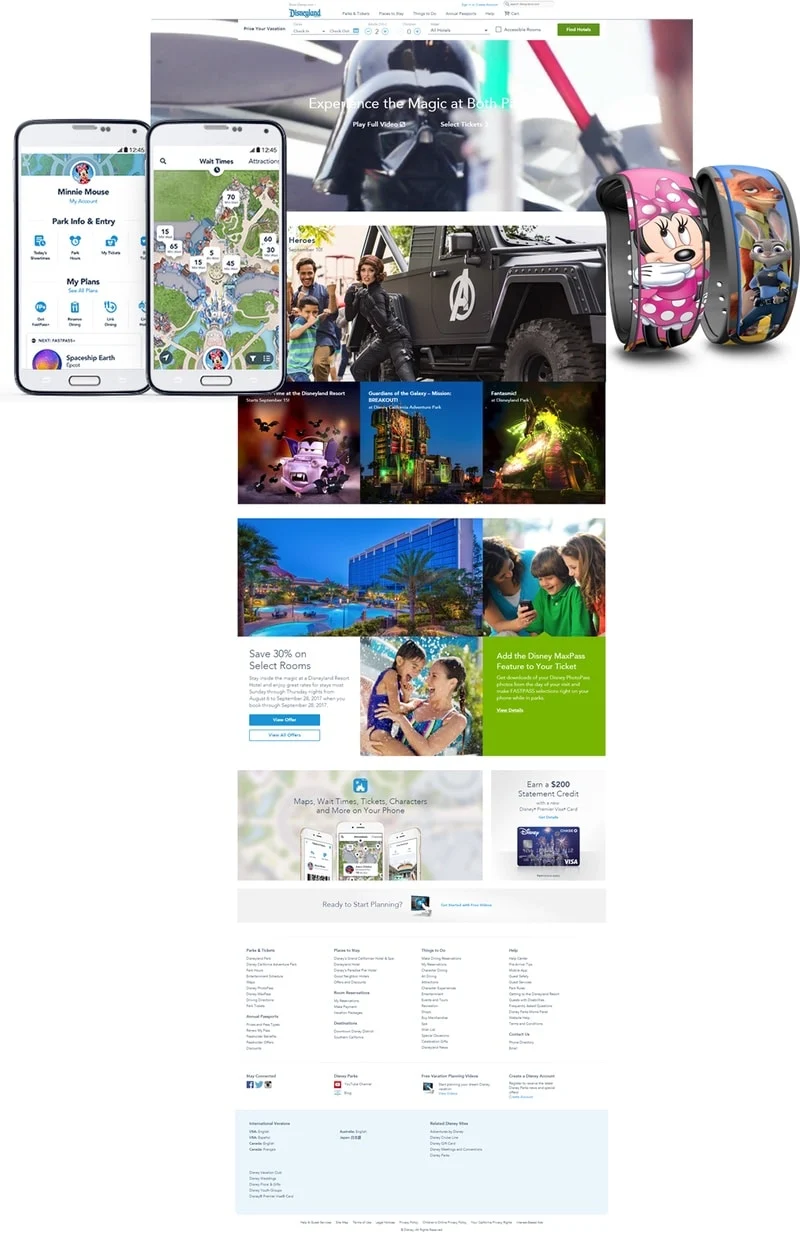
Research indicates that businesses with strong omnichannel engagement strategies retain an average of 89% of their customers, compared to a 33% retention rate for those with weak omnichannel integration. The Walt Disney Company is frequently cited by industry experts as the gold standard for this approach. Through the "My Disney Experience" app, the company integrates ticket purchasing, hotel bookings, ride wait times, and photo storage into a single interface. This ecosystem is further enhanced by RFID-enabled MagicBands, which serve as room keys, park tickets, and payment methods. For ecommerce brands, the lesson is clear: growth is found in the removal of friction across all touchpoints.
Content Strategy: The Power of Evergreen Assets
In an era of "content fatigue," the creation of high-quality, evergreen content remains a vital strategy for organic growth. Unlike promotional content, which has a short shelf life, evergreen content provides long-term value and continues to generate leads years after publication. The success of platforms like wikiHow demonstrates the power of utility-based content. By providing step-by-step guides on a vast array of topics, wikiHow maintains high search engine rankings and steady traffic without the need for constant reinvestment in new material.
For ecommerce brands, evergreen content can take the form of comprehensive buying guides, "how-to" videos, and in-depth product comparisons. This content not only aids in SEO but also establishes the brand as an authority in its niche, fostering trust with potential customers long before a purchase is made.
Cultivating Loyalty in a Competitive Marketplace
With customer acquisition costs rising by over 60% in the last five years, retention has become the primary engine of profitability. Data suggests that 73% of consumers cite a positive customer experience as a key factor in their brand loyalty. To turn one-time buyers into brand advocates, companies must move beyond transactional rewards and toward experiential loyalty.
Effective loyalty strategies now include:
- Personalized Rewards: Offering incentives based on individual shopping habits rather than generic discounts.
- Early Access: Providing loyal customers with first access to new products or sales.
- Community Building: Creating forums or social groups where customers can interact with the brand and each other.
- Surprise and Delight: Occasional unexpected rewards that exceed customer expectations.
Performance Analysis and the Role of Data
A future-proof strategy is inherently iterative. It requires a continuous cycle of measurement, analysis, and optimization. Key Performance Indicators (KPIs) such as Conversion Rate (CR), Average Order Value (AOV), and Customer Acquisition Cost (CAC) must be monitored with precision.
Tools like Google Analytics 4 (GA4) and behavioral analysis platforms like FigPii allow marketers to visualize the customer journey in real-time. Heatmaps and A/B testing provide qualitative and quantitative data on how users interact with a site, enabling marketers to make informed adjustments to the user interface (UI) and user experience (UX). This data-driven approach ensures that marketing spend is allocated to the most effective channels and that the website remains optimized for conversion.
Broader Impact and Future Implications
The shift toward future-proof growth marketing has broader implications for the global economy. As brands become more sophisticated in their use of data and technology, the barrier to entry for new competitors continues to rise. This has led to a "flight to quality," where consumers gravitate toward brands that offer the most seamless and personalized experiences.
Furthermore, the increasing focus on first-party data—necessitated by the phasing out of third-party cookies by major browsers—is forcing brands to build more direct and transparent relationships with their customers. This move toward data transparency is likely to increase consumer trust over the long term, but it requires a fundamental rethinking of how digital advertising is conducted.
In conclusion, securing a sustainable future in the ecommerce sector requires a holistic approach that balances technological innovation with human-centric marketing. By focusing on deep consumer insights, scalable infrastructure, and a seamless omnichannel experience, businesses can build a foundation that is resilient to market volatility and capable of driving long-term, profitable growth. Success in the next decade will be defined not by those who can spend the most on advertising, but by those who can most effectively leverage data to serve the evolving needs of the modern consumer.







