rifanmuazin
A comprehensive analysis of over 60 million social media posts, conducted by Talkwalker using deep social listening tools, has unveiled a dynamic and often polarized landscape of consumer sentiment within the snack industry. The "What Snackers Want" report, covering the period from April 1, 2025, to March 31, 2026, alongside a year-over-year comparison, offers critical insights for consumer packaged goods (CPG) brands navigating an environment increasingly shaped by public opinion, economic pressures, and evolving health consciousness. In a category traditionally driven by impulse and novelty, social media has emerged as an unfiltered, real-time barometer of consumer desires, dissatisfactions, and emerging trends.
Decoding Consumer Voices: Methodology and Scope
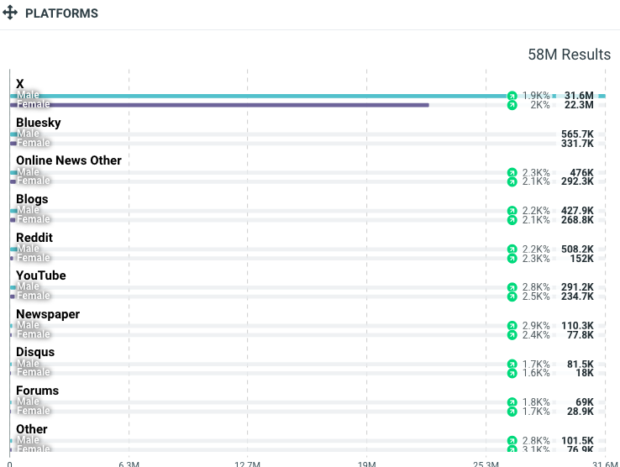
The study’s robust methodology leveraged Talkwalker’s advanced AI, boasting a 90% accuracy rate in sentiment identification, to analyze a vast dataset across diverse social platforms. These included major players like Instagram, Facebook, X (formerly Twitter), Bluesky, YouTube, Reddit, as well as blogs, forums, news sources, and AI conversational agents such as Gemini, ChatGPT, Claude, and Perplexity. The research meticulously monitored fifteen distinct subcategories of salty packaged snacks—excluding unrelated semantic matches like "chocolate chips"—to capture granular trends. Key metrics tracked included the sheer volume of mentions, overall share of voice, detailed sentiment analysis (positive, neutral, negative), and demographic breakdowns, offering a multifaceted view of consumer engagement. This extensive data pool underscores the growing importance of social intelligence as a cornerstone for strategic decision-making in the CPG sector, providing brands with an unprecedented understanding of their audience’s authentic perspectives.
Demographic Divides: Who’s Talking About What?
The report highlights significant demographic variations in snack-related social media discussions, influencing both the content and tone of posts.
Men’s Dominance in Traditional Snacks:
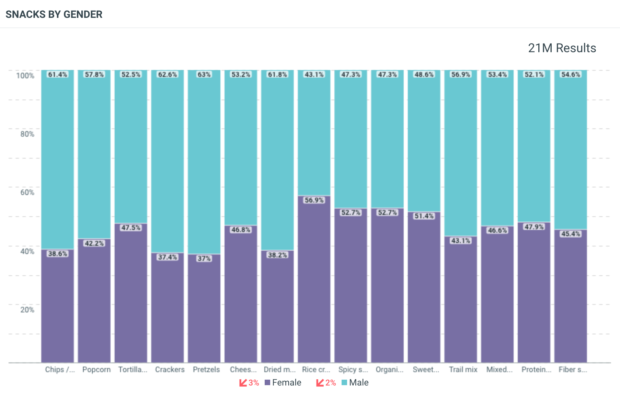
Analysis of posts where user gender was identifiable revealed that men are more prolific in discussing a majority of snack categories. Pretzels led this trend, with 63% of posts originating from male users, followed closely by crackers (63%), dried meats (62%), and chips (61%). This disproportionate engagement can be attributed to several factors. Snack-related conversations tend to be concentrated on platforms historically favored by male users, such as Reddit, X, and YouTube. These platforms often host content formats like taste tests, product reviews, and "tier lists" that encourage ranking, debating, and competitive discussion—styles of engagement that typically appeal more to male audiences. Furthermore, certain snacks like pretzels and chips are often associated with activities like sports viewing or gaming, contexts where male engagement in social commentary is typically higher.
Women’s Influence on Health-Conscious Choices:
In stark contrast, rice crackers emerged as the sole snack category predominantly discussed by women, accounting for 56.9% of related posts. Women also showed slightly higher engagement in conversations about spicy snacks (52.7%) and organic or healthy snacks (52.8%). This pattern suggests a leaning towards health-conscious eating and self-care narratives within female-dominated snack discussions. Rice crackers are frequently positioned and perceived as low-calorie, whole-grain alternatives, appealing to consumers focused on weight management or healthier lifestyles. While healthy snacks generally cater to all genders for nourishment and strength-building, the specific emphasis on rice crackers by women underscores a particular segment’s pursuit of lighter, more controlled snack options. This indicates a clear market opportunity for brands to tailor messaging for specific demographic preferences, particularly in the health and wellness space.
Age and Sentiment: A Declining Trend:
The study also identified a significant correlation between age and both the volume and sentiment of snack-related social media posts, with both metrics declining steadily as consumers age. The youngest demographic, individuals aged 18-24, were the most active, constituting 35% of the total population posting about snacks and exhibiting the most positive sentiment, with 29% of their posts striking an upbeat tone. This cohort, often referred to as Gen Z, is highly engaged in creating and sharing public content, readily embracing brand and influencer messaging, participating in social media challenges, and reacting enthusiastically to new product launches, flavors, and creative packaging. Their digital fluency and propensity for public expression make them a vital segment for brands seeking viral engagement.
Conversely, while the 25-34 age group represented the largest cohort in the sample (48%), their positive post rate was slightly lower at 27.5%. Critically, from age 35 onwards, each successive age group showed a decrease in both posting volume and positive sentiment. This shift reflects evolving lifestyle priorities and growing concerns among older consumers. Conversations among these demographics frequently touch upon the societal costs of unhealthy eating, economic challenges such as SNAP restrictions, and the pervasive impact of rising inflation. This demographic trend suggests that older consumers approach snacking with a more critical lens, influenced by health considerations, financial constraints, and a general skepticism towards marketing claims. Brands must recognize these age-related nuances, adapting their communication strategies from the playful, trend-driven approach for younger audiences to more value- and health-focused messaging for older demographics.
The Snack Power Rankings: Winners, Losers, and Rising Stars
The competitive landscape of the snack industry on social media remained largely stable over the past year, though notable shifts in growth trajectories signal evolving consumer preferences.
Potato Chips Retain Crown Amidst Shifting Tastes:
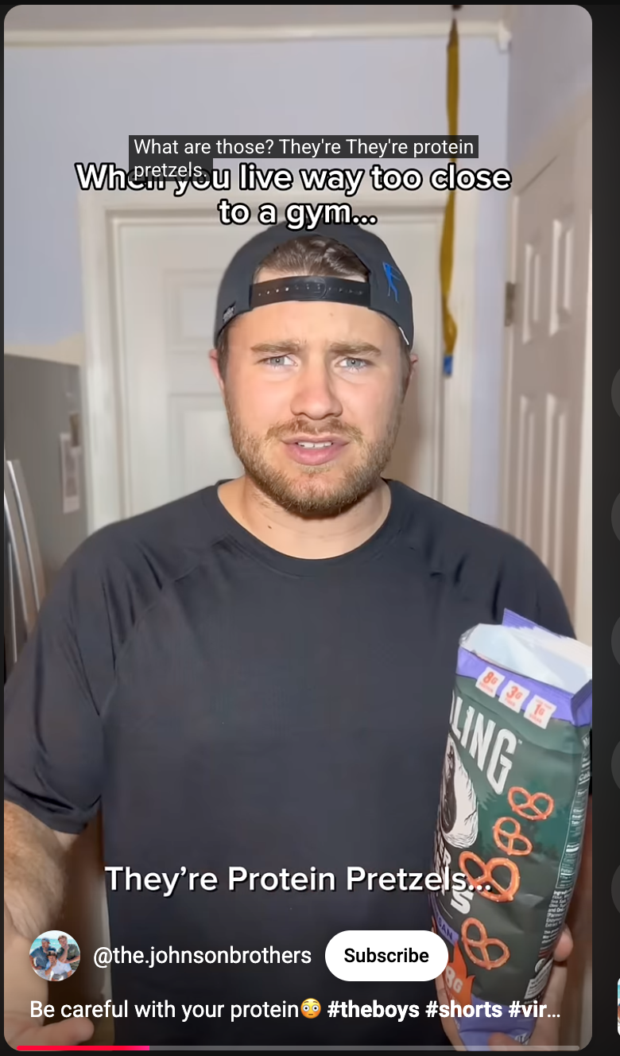
Potato chips firmly defended their position as the undisputed heavyweight champion of the global snack conversation, commanding nearly half (45%) of all mentions. This dominance represented a 7% year-over-year increase, translating to a staggering 13.9 million mentions within the twelve-month period. This enduring popularity underscores the snack’s foundational role in consumer habits and cultural moments. Popcorn maintained its runner-up status, securing a significant 21% share of voice, equating to 6.4 million mentions. However, popcorn experienced a 5% year-over-year decline, suggesting a slight cooling in its social media presence despite its substantial volume. Crackers and tortilla chips vied closely for the bronze position, each holding a 10% share of voice. While crackers remained relatively stable with a modest 2% year-over-year decline, tortilla chips saw a more pronounced 10% decrease, indicating potential vulnerability to changing consumer tastes or market dynamics. The resilience of potato chips, even amidst concerns about ultra-processed foods and rising prices, speaks to its powerful brand loyalty and perceived indulgence factor.
The Ascent of Healthier and Niche Options:
While the sheer volume for dried meat/jerky and rice crackers was smaller—658,000 mentions (2% share of voice) and 392,000 mentions (1% share of voice) respectively—these categories emerged as the undeniable trendsetters. Both experienced an impressive 25% to 26% year-over-year surge in mentions, earning them the title of "Trendiest Snack." This significant growth signals a clear shift towards products perceived as healthier, higher in protein, or offering unique textures and flavors. Dried meats align with the burgeoning demand for protein-rich snacks, appealing to fitness enthusiasts and those seeking more substantial, on-the-go options. Rice crackers, as previously noted, resonate with health-conscious consumers looking for lighter, often gluten-free or low-calorie alternatives. This dual growth in both indulgent staples and healthier niche options illustrates a bifurcated market where consumers seek both comfort and nutritional value, depending on the occasion and personal priorities. Brands must strategize to either reinforce the core appeal of their established products or innovate to tap into these rapidly expanding health-oriented segments.
Navigating the Minefield of Consumer Complaints
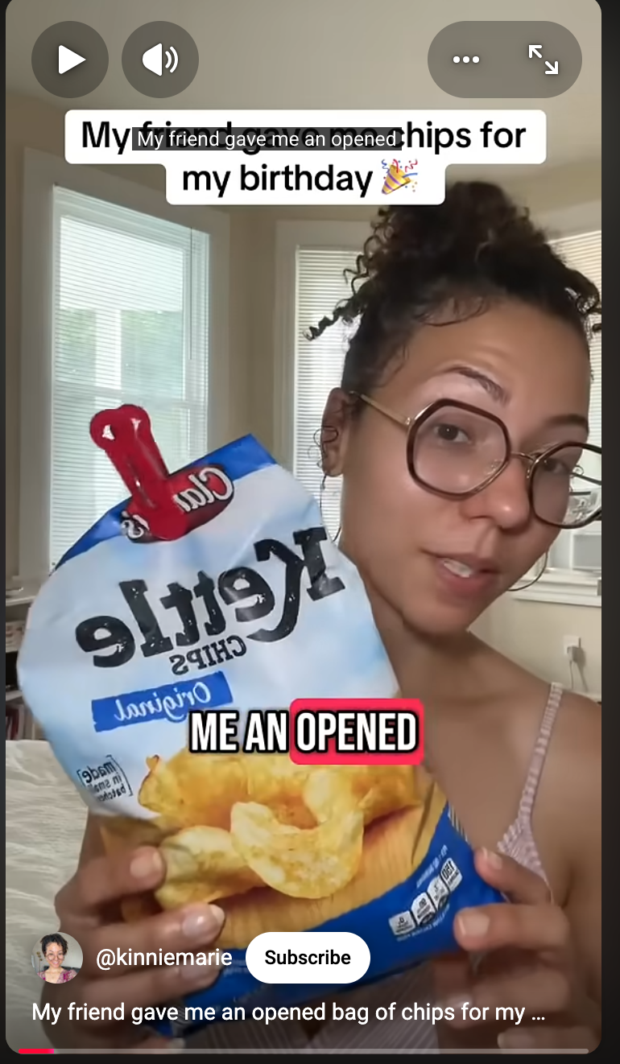
The volatile nature of negative posts on social media serves as a critical early warning system for brands, flagging unmet audience needs and emerging controversies. Two major themes dominated consumer grievances during the analyzed period.
The Battle Against Ultra-Processed Foods and Misleading Labels:
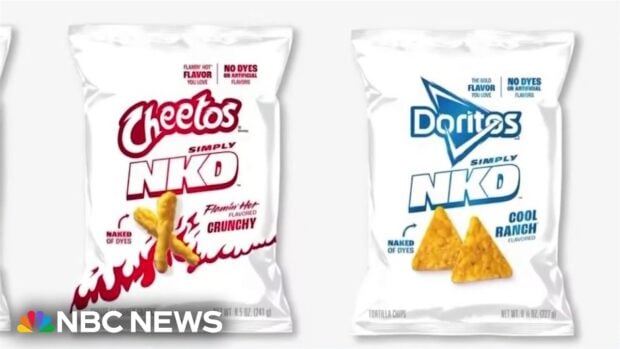
Consumer concerns have significantly expanded beyond traditional anxieties about salt and sugar content. This heightened scrutiny has been recently fueled by the US Department of Health’s new dietary guidelines, which have amplified public discourse around the health implications of ultra-processed foods. Consumers are increasingly scrutinizing ingredient lists and demanding greater transparency. While some brands, like Frito-Lay with their "Simply NKD" line (e.g., Cheetos Simply NKD Flamin’ Hot Crunchy and Doritos Simply NKD Cool Ranch, marketed as "No Dyes or Artificial Flavors" and "Naked of Dyes"), are attempting to respond with simpler ingredient profiles and clearer labeling, the perception of deceptive marketing can still trigger widespread anger. The report indicates that jerky and crackers are catching the largest percentage of negative posts, at 33% and 39% respectively. This suggests that consumers are particularly sensitive to ingredient quality and perceived artificiality within these categories. Conversely, healthy snacks such as rice crackers, organic snacks, trail mix, protein, and fiber snacks receive significantly less negative sentiment—approximately two times less than the average—reinforcing the consumer’s preference for genuinely wholesome options. This trend implies that brands must not only reformulate products but also communicate their ingredient integrity authentically, or risk severe backlash in an era of empowered and informed consumers.
Shrinkflation and Price Sensitivity: The Economic Backlash:
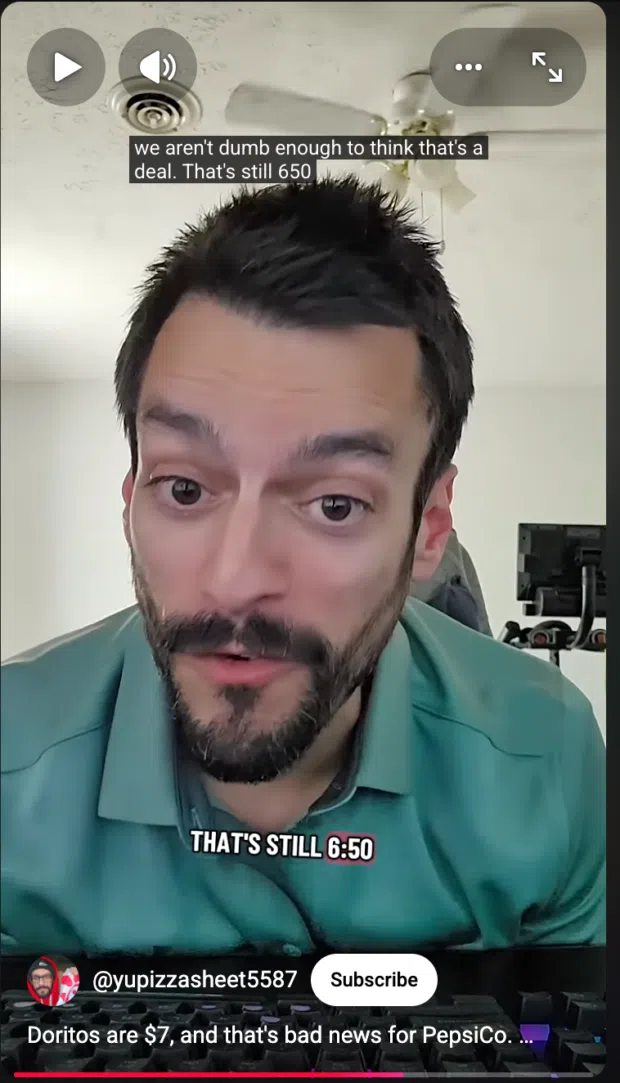
Perhaps the most visceral consumer complaint revolves around rising prices and the phenomenon of shrinkflation—the reduction in product size while prices remain the same or increase. Potato chips have become a prominent symbol of this issue, much like eggs before them, representing a broader narrative of decreasing value for money. A striking 87% of all social media posts discussing snack prices specifically referenced potato chips, compared to only 8% mentioning crackers and 3% popcorn. This overwhelming focus underscores the chip aisle as a frontline for consumer frustration. Audiences are vocal about both the increasing dollar amounts and the shrinking portions, leading to widespread disbelief, outrage, and, crucially, brand-switching. Consumers are actively sharing their observations, comparing old and new packaging, and openly discussing their decisions to opt for store-brand alternatives or even forgo snacks entirely as a cost-saving measure. This economic pressure is not merely a transient concern but a fundamental shift in consumer behavior, forcing brands to re-evaluate their pricing and packaging strategies. Failure to address shrinkflation transparently and empathetically can erode brand loyalty and market share, as consumers prioritize perceived value in an inflationary environment.
Cultivating Positive Engagement: What Resonates with Snackers
Despite the prevalent complaints, positive conversations around snacks are thriving, driven by innovation, entertainment, and relatable daily experiences.
The Power of Novelty, Entertainment, and Digital Culture:
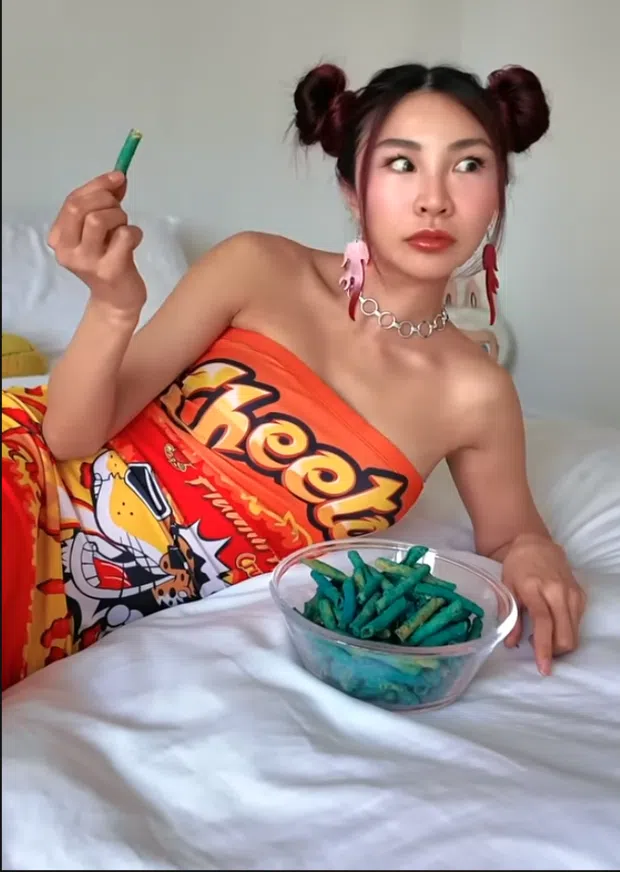
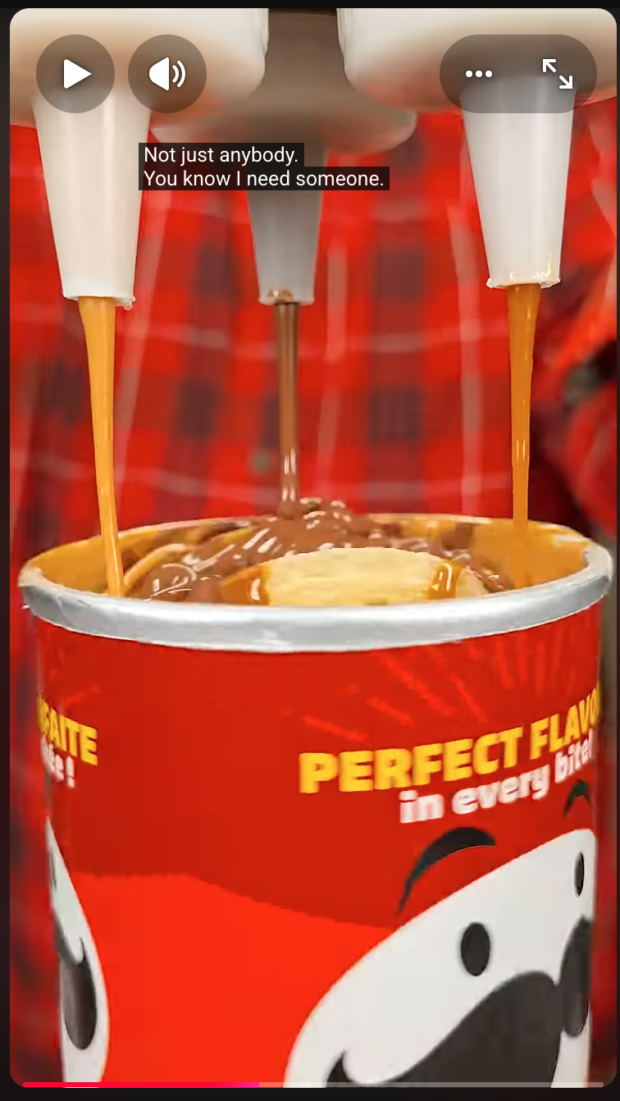
A significant driver of positive sentiment stems from creative content generated by snack influencers and everyday users. Viral snack hacks, engaging taste tests, exciting challenges, and innovative recipes consistently spark enthusiasm and high shareability. The global reach and engagement of ASMR snack content (Autonomous Sensory Meridian Response, focusing on satisfying sounds) and mukbangs (videos of people eating large quantities of food) continue to demonstrate the entertainment value consumers derive from unique food experiences. Novelty remains a powerful draw, whether through bold new flavor introductions from established brands or the discovery of global street foods and international products. This cultural exchange and curiosity highlight a market eager for adventurous palates and innovative product development. Brands that actively participate in or facilitate these digital trends, collaborating with influencers or creating their own shareable content, are well-positioned to foster positive brand association and expand their reach.
Relatable Moments and Cultural Integration:
Snacking is deeply woven into the fabric of daily life worldwide, providing a rich source of relatable content for social media users. Humorous anecdotes, heartwarming family moments involving snacks, and connections to travel, wellness routines, and social gatherings frequently generate positive engagement. These posts often transcend mere product endorsement, integrating snacks into broader lifestyle narratives that resonate deeply with audiences. Festive occasions, such as Super Bowl Sunday or Oscar night, predictably produce a significant surge in positive snack sentiment, as consumers associate specific snacks with celebration and shared experiences. Brands can tap into this by aligning their marketing with these cultural touchstones, fostering a sense of community and shared enjoyment around their products.
The Unpredictable Boost of Organic Virality:
While not easily manufactured, spontaneous, organic spikes in publicity can create powerful, positive whirlwinds for snack brands. The example of a Thai elephant breaking into a grocery store to indulge in its favorite snack generated widespread amusement and goodwill. Similarly, a spotlight brand moment involving a popular political figure, such as the Prime Minister of Japan, can unexpectedly elevate a product’s profile and create positive brand buzz. These instances, though rare and largely uncontrollable, underscore the potent impact of real-world events that capture public imagination and connect snacks to memorable, often heartwarming, narratives. While brands cannot engineer such occurrences, they can be prepared to capitalize on them, engaging with the conversation and amplifying the positive sentiment when these unpredictable moments arise.
Strategic Imperatives for Snack Brands in 2026
The insights gleaned from 60 million social media posts offer clear directives for snack brand marketers aiming to thrive in the evolving consumer landscape of 2026 and beyond.
Prioritizing Transparency and Authentic Health Messaging:
Ingredient transparency is no longer a niche appeal but has become table stakes for consumer trust. With shifting dietary guidelines and heightened skepticism towards "healthwashing," brands must move beyond superficial claims. Marketing that genuinely emphasizes natural ingredients, verifiable protein content, and reduced additives is essential. Attempts to market products as healthy when their ingredient profiles suggest otherwise are increasingly likely to spark backlash and erode credibility. Brands must invest in reformulation where necessary and communicate their commitments to cleaner labels and nutritional integrity with honesty and clarity. This requires a proactive approach to product development and marketing that aligns with genuine consumer health priorities, not just perceived trends.
Engaging the Younger, Digitally-Native Consumer Base:
The data unequivocally shows that younger consumers (18-34) are the most active and positive demographic engaging with snack culture online. For these digitally fluent individuals, snacks are not merely food items but integral components of their social and entertainment ecosystems. Brands must recognize snacks as a cultural phenomenon for this demographic, fostering engagement through influencers, viral challenges, humorous content, creative recipes, and "snack hacks." This audience embraces new flavors and products by actively creating and consuming content around them. Marketing efforts should be tailored to these platforms and content formats, leveraging the power of co-creation and community to build authentic connections and drive positive sentiment.
Addressing Affordability and Value Perceptions:
The snack aisle, often viewed as a site of discretionary spending, is under intense scrutiny due to rising prices and shrinkflation. Consumers are vocal about their behavioral changes, including opting for store-brand snacks or foregoing purchases altogether. This economic reality demands that brands find a delicate balance between indulgence, novelty, and affordability. Strategies to combat the negative perception of shrinkflation could include transparent communication about pricing adjustments, offering value-sized options, or innovating with cost-effective ingredients without compromising quality. The challenge lies in maintaining perceived value and desirability in an environment where consumers are increasingly budget-conscious and willing to switch brands based on price and portion size.
Innovating with Bold and Diverse Flavors:
Conversations are surging around spicy, bold, and culturally diverse flavors, ranging from sriracha infusions to unexpected combinations like "Irish Stew" flavored snacks. This indicates a strong consumer appetite for adventurous and globally inspired taste experiences. Social campaigns that anchor around the launch of new or unique flavors are proving highly effective in driving both volume and engagement. Brands should prioritize research and development in this area, exploring diverse culinary traditions and collaborating with flavor innovators to introduce products that excite and surprise. Tapping into global food trends can unlock new markets and reinforce a brand’s image as innovative and culturally relevant.
The Enduring Influence of Social Intelligence

The "What Snackers Want" report underscores the profound and enduring influence of social media as a real-time, unfiltered lens into consumer sentiment. For snack brands, neglecting these digital conversations is no longer an option. The ability to monitor, analyze, and swiftly respond to the intricate web of consumer opinions—from outrage over shrinkflation to enthusiasm for a new rice cracker flavor—is paramount for sustained success. As policy evolves, economic pressures persist, and digital culture continues to shape purchasing decisions, social intelligence will remain an indispensable tool for understanding market dynamics, fostering brand loyalty, and ultimately, shaping the future of snacking.