rifanmuazin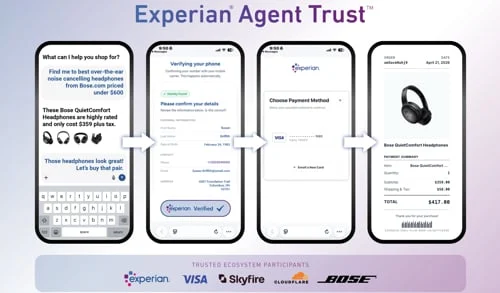
The e-commerce sector is experiencing a period of rapid innovation, with a significant influx of new services and platform integrations designed to empower merchants. From revolutionizing supply chain logistics and enhancing customer engagement through AI-powered personalization and conversational commerce, to refining product presentation, bolstering fraud prevention, and streamlining cross-border operations, businesses are being equipped with a sophisticated toolkit. This ongoing evolution underscores a broader trend: the increasing reliance on artificial intelligence and data-driven insights to optimize every facet of the online retail experience. The latest wave of product releases addresses critical merchant pain points, signaling a move towards more integrated, intelligent, and efficient e-commerce ecosystems.
Amazon Expands Logistics Reach and Business Offerings
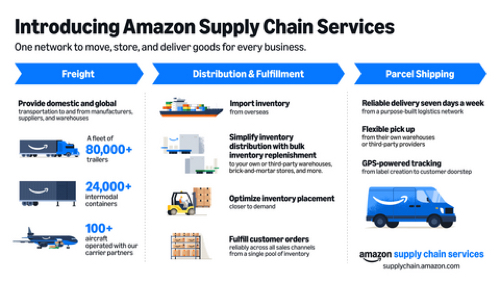
In a significant move to democratize access to its robust logistics network, Amazon has officially launched Amazon Supply Chain Services, opening its extensive freight, distribution, fulfillment, and parcel shipping capabilities to all businesses. This strategic initiative allows any seller, whether operating on Amazon’s marketplace or independently, to leverage the e-commerce giant’s established infrastructure through a centralized console for signup. The sheer scale of Amazon’s transportation network, boasting an estimated 80,000 trailers, 24,000 containers, and 100 aircraft, positions this service as a potentially game-changing solution for businesses seeking to optimize their supply chain operations and reach customers more effectively. This expansion is particularly noteworthy as it comes at a time when supply chain resilience and efficiency are paramount for businesses navigating global economic uncertainties.
Further bolstering its services for business clients, Amazon Business has expanded its Same-Day Delivery offering to include groceries. This enhancement, now available in over 2,300 U.S. cities, allows businesses to procure a wide array of perishable goods, including dairy, produce, baked items, and frozen foods from both national and local brands, directly through Amazon Business. The service integrates seamlessly with existing Amazon Business orders, offering delivery within set hours and allowing customers to select delivery windows that align with their operational schedules. This move signals Amazon’s commitment to broadening its B2B offerings beyond traditional office supplies and electronics, tapping into the essential needs of businesses for everyday consumables.

AI and Personalization Take Center Stage
Artificial intelligence continues to be a driving force behind e-commerce innovation, with several platforms introducing advanced AI capabilities to enhance customer experiences and operational efficiency.
Klaviyo, a prominent B2C marketing platform, has introduced Custom Skills for its Customer Agent. This update empowers brands to develop unique customer experiences built upon the same foundational CRM that powers their marketing efforts. By enabling brands to define logic in plain language, build skills from scratch, modify existing ones, and connect them to any system within their tech stack, Klaviyo is pushing the boundaries of personalized customer interactions. This move reflects a growing demand for AI tools that are not only powerful but also adaptable and easily integrated into existing workflows.
Experian, the credit-reporting agency, has launched Agent Trust, a secure and verifiable link designed to underpin trusted AI-driven commerce. This framework aims to ensure that transactions initiated by AI agents are grounded in verified consumer identities, a critical step towards building trust and security in an increasingly automated commercial landscape. Agent Trust operates within a collaborative ecosystem that includes major players like Visa and Cloudflare, signaling a coordinated effort to establish industry standards for AI commerce. The implications for fraud prevention and consumer data privacy are significant, as verified identity becomes a cornerstone of AI-driven transactions.
MikMak, a commerce intelligence platform, has unveiled MikMak 4.0, a comprehensive update to its real-time commerce intelligence and orchestration platform. This release includes three key new capabilities: “Aura,” a predictive engine offering real-time market foresight for sales and media measurement, planning, and optimization; “Mak,” an AI assistant designed to analyze and transform data into actionable strategies, including campaign design; and “MCP,” which provides AI agents with crucial visibility into real-time commerce data. This suite of tools is poised to equip businesses with deeper insights and more agile control over their e-commerce operations.
Bloomreach, a leader in personalization, has launched Loomi AI for Shopify. This new app connects Shopify stores to Bloomreach’s marketing and search products, enabling hyper-personalized customer journeys by unifying customer, product, and commerce data. Loomi AI leverages AI decisioning to identify shoppers who might need an incentive to convert and targets them accordingly, while also surfacing relevant search results in real-time and personalizing campaigns based on purchase history, browsing behavior, and loyalty status. This integration addresses the growing need for sophisticated personalization tools that can be easily deployed on major e-commerce platforms.
Amazon is also enhancing product pages with AI-powered real-time answers through its “Join the chat” feature, an extension of its “Hear the highlights” initiative. This interactive component allows customers to ask AI hosts questions via text or voice while reviewing product summaries. The AI host integrates these questions into the conversation, providing tailored responses grounded in product details, customer reviews, and other available information. This innovation aims to replicate the immediacy and helpfulness of in-person customer service within the online shopping environment.
Streamlining Operations and Enhancing Customer Interaction
Beyond AI-driven personalization, several new services focus on optimizing core e-commerce operations, from product discovery and customer service to inventory management and cross-border shipping.
Skailed, an Australian-based programmatic e-commerce and SEO platform, has introduced an automated FAQ tool specifically for product pages. By analyzing product details, Skailed FAQs automatically generate relevant questions and answers, which merchants can then review and edit before publishing. This feature aims to improve product discoverability and customer understanding by providing immediate, contextually relevant information, thereby reducing the burden on customer support teams.
The livestream shopping sector is also seeing significant advancements. Whatnot, a popular live stream shopping platform and marketplace, has announced its integration with Shopify. This integration allows Shopify merchants to seamlessly sell products through live auctions or “Buy It Now” listings on Whatnot, with orders automatically flowing into their Shopify stores. The benefit for merchants lies in the ability to expand their reach and engage customers through live commerce without the need to duplicate product catalogs or manually manage inventory across different platforms.
reAlpha, through its subsidiary AiChat, has launched conversational commerce and ticketing solutions integrated with Shopify. This platform enables businesses to manage various aspects of the customer journey, including product discovery, interaction, transactions, and post-purchase support. By connecting directly to a merchant’s commerce engine, AiChat provides real-time access to product, inventory, and order data within customer interactions, aiming to create a more fluid and responsive customer service experience.
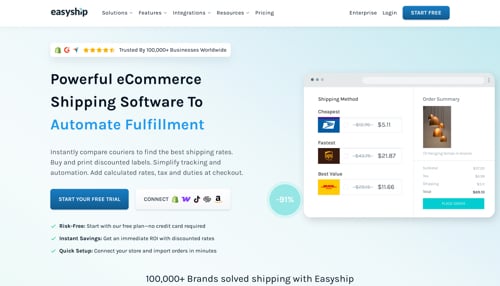
In the realm of cross-border shipping, Easyship has launched its MCP server, designed to integrate with agentic commerce platforms like ChatGPT and Gemini. This allows merchants to compare rates across multiple carriers, generate shipping labels using natural language commands, track shipments, and access analytics—all within their preferred AI-powered conversational interfaces. This development signifies a growing trend of embedding complex logistical functions directly into conversational AI tools.
Commerce, the parent company of BigCommerce, has integrated PayPal’s Store Sync into the BigCommerce App Marketplace and Channel Manager. This integration enables BigCommerce merchants to connect their product catalogs, inventory, and order management systems to AI-powered discovery surfaces, including Microsoft Copilot, Meta, and Perplexity. This move aims to enhance product visibility and streamline the checkout process across various AI-driven channels.

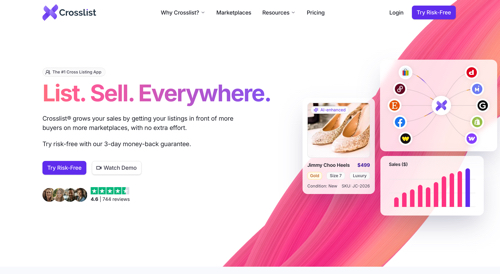
Crosslist, a product listing platform for merchants, has launched a multi-marketplace listing and inventory synchronization system. This platform allows sellers to create a single product listing that can be distributed across numerous marketplaces, while simultaneously synchronizing inventory and pricing. The goal is to reduce manual workload, minimize listing errors, and enable businesses to scale their presence across multiple sales channels more efficiently.
Reputation Management and Identity Solutions Evolve
Maintaining a strong online reputation and ensuring secure customer identity are crucial for e-commerce success, and new tools are emerging to address these needs.
AskNicely, an AI-powered customer experience platform, has launched Reputation Manager. This tool is designed to consolidate fragmented customer feedback, enabling businesses to increase review volume by prompting customers at opportune moments, monitor performance across numerous review platforms, respond efficiently to feedback at scale, and connect survey insights with public reviews to identify trends and root causes. This holistic approach to reputation management aims to drive growth and build customer loyalty.
PayPal has introduced Ads ID, an advertising identifier built on verified commerce relationships. This solution aggregates consented signals derived from browsing behavior across the PayPal and Venmo ecosystems. The initiative involves collaboration with technology testing partners across various digital advertising sectors, including commerce, open web, connected TV, and native environments, signaling a push towards more privacy-conscious and consent-driven advertising practices.
In a significant industry development, Adobe has completed its acquisition of Semrush, a leading search engine optimization platform. Adobe plans to integrate Semrush’s discoverability intelligence with its own brand visibility and agentic web solutions, including Experience Manager, LLM Optimizer, Commerce platform, and Brand Concierge. This strategic consolidation is expected to create a more comprehensive suite of tools for managing online presence, from content creation and SEO to customer experience and commerce. The merger underscores the growing convergence of marketing technology and e-commerce infrastructure.
Broader Implications for the E-commerce Ecosystem
The continuous stream of new merchant services and technological integrations highlights several key trends shaping the future of e-commerce. Firstly, the pervasive integration of AI is moving beyond basic automation to enable sophisticated personalization, predictive analytics, and conversational commerce. This shift requires businesses to adapt their strategies and invest in talent and technology to leverage these powerful new capabilities.
Secondly, the expansion of logistics and fulfillment services, exemplified by Amazon’s move, suggests a growing demand for integrated supply chain solutions that can offer greater efficiency and cost-effectiveness. This trend is likely to intensify competition among logistics providers and create new opportunities for specialized service offerings.
Thirdly, the focus on data integration and cross-platform compatibility is critical. As seen with integrations between platforms like Shopify, Whatnot, and Klaviyo, seamless data flow and interoperability are becoming essential for merchants to manage their operations effectively and provide a consistent customer experience across multiple touchpoints.
Finally, the emphasis on trust and security, particularly with the advent of AI-driven commerce and new identity solutions, will be paramount. As businesses and consumers alike become more reliant on automated systems, robust security frameworks and verifiable identity mechanisms will be crucial for fostering confidence and ensuring the integrity of online transactions. The rapid pace of innovation in this sector indicates that the e-commerce landscape will continue to evolve, offering both challenges and significant opportunities for businesses willing to embrace the transformative potential of these new technologies.