
 rifanmuazin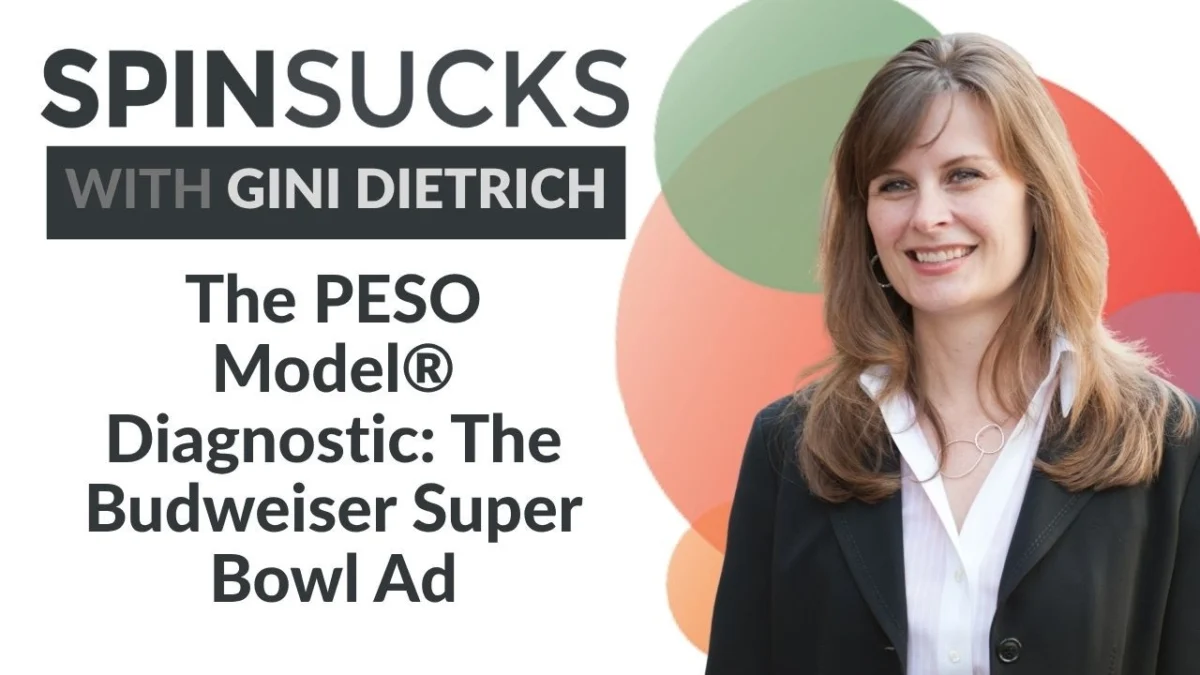
The conclusion of Super Bowl LX has solidified Budweiser’s position as a dominant force in American advertising, as the brand secured its tenth USA Today Ad Meter title with the debut of “American Icons.” This creative centerpiece serves as the anchor for “Made of America,” a comprehensive multi-month programming initiative designed to celebrate the dual milestones of Budweiser’s 150th anniversary and the United States’ 250th semi-quincentennial. While the campaign has been lauded for its high level of coordination and emotional resonance, a deeper analysis through the lens of the PESO Model®—comprising Paid, Earned, Shared, and Owned media—reveals a significant distinction between a well-coordinated marketing effort and a fully integrated communications system. As the first entry in a new monthly diagnostic series, this evaluation explores the mechanics of Budweiser’s strategy, the gaps in its current execution, and the broader implications for brand storytelling in the mid-2020s.
The Creative Core: American Icons and the Super Bowl LX Stage
The “American Icons” spot, directed by Oscar-nominated filmmaker Henry-Alex Rubin, represents a return to the classic Americana themes that have historically defined the Budweiser brand. The 60-second commercial features a cinematic narrative involving a Clydesdale foal and a fledgling bald eagle, set against a “golden hour” backdrop and scored to the swelling crescendo of Lynyrd Skynyrd’s “Free Bird.” The advertisement successfully leveraged two of the brand’s most recognizable intellectual properties—the Clydesdales and the eagle—to evoke a sense of national heritage and continuity.
In the context of Super Bowl LX, where the cost of a 30-second spot has reached an estimated $8 million, Budweiser’s decision to run a full minute of creative content underscores a massive financial commitment. Winning the Ad Meter for the tenth time is not merely a creative triumph; it is a validation of the brand’s ability to capture the collective attention of an audience exceeding 120 million viewers. However, the creative success of the advertisement is only one component of the “Made of America” umbrella, which includes several tactical layers designed to sustain momentum throughout 2026.
Chronology and Components of the Made of America Program
The “Made of America” campaign was not conceived as a one-day event but as a year-long narrative arc. The rollout followed a specific chronology designed to build anticipation and ensure retail presence long after the final whistle of the Super Bowl.
- The Pre-Game Launch (January 2026): Initial teasers and the announcement of the “150 Club,” an exclusive loyalty program offering members “money-can’t-buy” experiences and limited-edition merchandise, began the engagement cycle.
- The Heritage Series (Late January 2026): Budweiser released a series of “Heritage Cans,” featuring archival label designs from various eras of the brand’s 150-year history. These served as physical touchpoints for consumers, turning a commodity product into a collectible narrative device.
- The Super Bowl Anchor (February 2026): The airing of “American Icons” served as the high-visibility peak of the campaign, driving massive cultural conversation and securing the top spot on the Ad Meter.
- The Sports Extension (Spring 2026): Synchronized with the opening of the Major League Baseball (MLB) season, Budweiser announced an extension of its league partnership through 2032. This move ensured that the “Made of America” messaging would remain prominent in stadiums and broadcasts throughout the summer.
- The Semi-Quincentennial Peak (July 2026): The program is structured to culminate during the United States’ 250th birthday celebrations, positioning Budweiser as the “official beer” of the American anniversary.
Analyzing the PESO Diagnostic: Coordination vs. Integration
Despite the impressive scale of the “Made of America” program, marketing experts utilizing the PESO Model® point to a gap between “coordinated” activities and “integrated” systems. Coordination involves different departments—marketing, PR, social media, and retail—working on the same theme. Integration, conversely, involves these elements functioning as a single, self-reinforcing ecosystem where data and content flow seamlessly between channels to compound value.
Owned Media: The Search for a Source of Truth
In a fully integrated PESO system, Owned media acts as the central hub or the “source of truth.” For Budweiser, while the brand maintains a digital presence, the diagnostic suggests a missed opportunity in creating a deep, durable content property. Currently, much of the brand’s digital footprint consists of news releases and product announcements—what some analysts describe as “paid media’s paperwork.”
A truly integrated approach would have featured a “Made of America” digital hub launched well in advance of the Super Bowl. Such a hub could house long-form oral histories from multi-generational brewing families, archival footage of the Clydesdales, and interactive maps showing the domestic sourcing of barley and hops. This type of substance provides the “landing pad” for Super Bowl viewers, turning a 60-second emotional spark into a long-term relationship. Furthermore, rich owned content is what AI search engines and journalists utilize for citations, ensuring the brand’s story remains discoverable for years.
Earned Media: Beyond the Announcement
The earned media surrounding “American Icons” has been characterized largely by publicity rather than deep credibility transfer. Most headlines focused on the ad’s ranking or the visuals of the eagle and horse. While this is valuable for reach, it lacks the third-party validation that comes from high-level journalistic storytelling.
In an integrated system, the earned media strategy would involve pitching heritage and business journalists months in advance to explore the brand’s 150-year impact on American manufacturing and culture. Instead of a news cycle that ends 48 hours after the Super Bowl, an integrated approach seeks features in publications like The Atlantic or The Smithsonian Magazine, where the brand’s history is analyzed within the context of American evolution.
Shared Media: The Community Engine
Budweiser’s “150 Club” and collectible cans are effective merchandising and loyalty tools. However, they currently function more as transaction layers than as a “Shared media” distribution engine. The PESO Diagnostic highlights the absence of a robust User-Generated Content (UGC) loop.
An integrated Shared media strategy would actively solicit “Made of America” stories from the public—veterans, farmers, and small-town entrepreneurs—and fold those voices back into the owned media hub. This creates a cycle where the audience’s stories provide new material for earned media pitches and social sharing, turning fans into active participants in the brand’s narrative.
Paid Media: Anchor vs. Precision
Budweiser’s paid strategy is a masterclass in “anchor” buying. The Super Bowl and MLB partnerships provide unparalleled reach and frequency. However, the diagnostic notes a potential lack of “precision” paid media. In an integrated system, paid media is used not just for the big moments, but for the “quiet work”: retargeting hub visitors, sequencing content for email subscribers, and amplifying earned media hits to specific demographics. Without this precision layer, the massive investment in the Super Bowl spot may not be fully optimized to move consumers through a sustained journey.
Market Data and Industry Implications
The stakes for Budweiser’s “Made of America” campaign are significant given the current state of the global beer market. Industry data from 2025 indicates that while the craft beer explosion has leveled off, legacy domestic lagers face continued pressure from spirits and “ready-to-drink” (RTD) cocktails. For Anheuser-Busch, the parent company of Budweiser, the 150th anniversary represents a critical opportunity to reassert the brand’s cultural relevance and stabilize its market share.
Marketing analysts suggest that “nostalgia-plus” branding—combining traditional imagery with modern, integrated digital experiences—is the most effective way to reach both aging Gen X consumers and younger Millennials or Gen Z drinkers who value heritage and authenticity. By securing the tenth Ad Meter win, Budweiser has proven it can still win the “hearts and minds” of the American public; the challenge remains whether it can translate that sentiment into a data-driven, integrated system that lasts beyond the 2026 calendar year.
The Future of Brand Storytelling: The “Central Nervous System”
The primary takeaway from the Budweiser PESO Diagnostic is that the difference between a successful campaign and a successful system lies in the “central nervous system” of the communication strategy. A campaign with multiple moving parts—cans, sponsorships, ads, and clubs—that lacks a central editorial spine is essentially a “parade”: it is impressive as it passes by, but it leaves no permanent structure behind.
As brands look toward the 250th anniversary of the United States, the “Made of America” initiative will likely serve as a benchmark. However, the lesson for competitors and other high-visibility advertisers is that money alone cannot buy integration. True integration requires a dedicated editorial lead, a cross-silo governance rhythm, and a measurement system that tracks how owned, earned, shared, and paid media work in concert to achieve a single objective.
Budweiser has successfully captured the spirit of a milestone year. As the “Made of America” program continues through the MLB season and into the July 4th festivities, the industry will be watching to see if the brand can bridge the gap from a coordinated parade to an integrated legacy. The “American Icons” may have won the night at Super Bowl LX, but the long-term victory will depend on how well those icons are woven into a durable, multi-channel ecosystem.










