
 rifanmuazin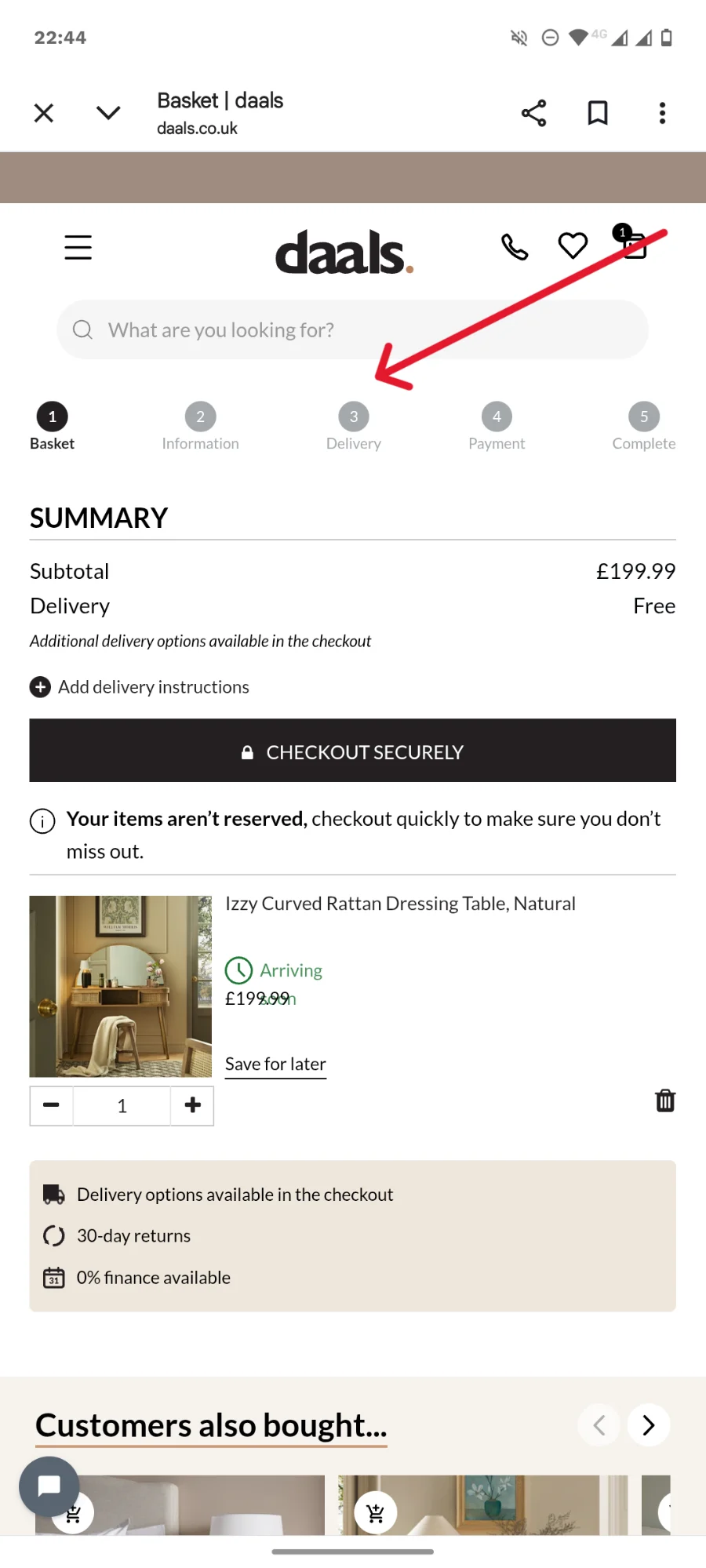
The global e-commerce landscape in 2026 faces a widening disparity between consumer browsing habits and finalized transactions, as mobile devices now command 74% of all retail traffic while suffering from a staggering 81.72% cart abandonment rate. According to the latest benchmark data from DynamicYield, the abandonment rate for mobile users remains approximately 11 percentage points higher than that of desktop users. While industry analysts often attribute this gap to “window shopping” behavior and lower purchase intent among mobile users, a growing body of evidence suggests that poorly optimized checkout experiences are the primary drivers of lost revenue. As digital storefronts evolve, the implementation of user-centric design and friction-free payment protocols has transitioned from a competitive advantage to a fundamental requirement for survival in the saturated digital marketplace.

The Evolution of the Mobile Gap: A 2020–2026 Timeline
To understand the current crisis in mobile conversion, one must examine the rapid shift in consumer technology over the last half-decade. In 2020, mobile commerce (m-commerce) was viewed as a secondary channel, often served by responsive websites that were merely scaled-down versions of desktop experiences. By 2023, the rise of “social commerce” via platforms like TikTok and Instagram forced a shift toward mobile-first design. However, as of April 2026, the technical infrastructure of many checkout flows has failed to keep pace with user expectations for instantaneous, biometric-authenticated transactions.
“The ‘Mobile Gap’ is not a result of lack of interest,” says one senior UX analyst at a leading global consultancy. “It is a result of cognitive load. When a user is on a five-inch screen, every additional form field or slow-loading script acts as a psychological barrier that triggers the decision to abandon the purchase.”
Strategic Imperatives for Mobile Checkout Optimization
To address these systemic leaks in the sales funnel, retail leaders are adopting a suite of 11 high-impact technical and design fixes. These strategies focus on physical ergonomics, payment flexibility, and the reduction of frictional barriers.
1. Ergonomic Design: The “Thumb Zone” and Visual Hierarchy
In the mobile environment, physical accessibility is paramount. Design teams must ensure that essential elements, such as “Add to Cart” and “Complete Purchase” buttons, are positioned within the natural reach of a user’s thumb when holding a device with one hand. This “thumb-friendly” navigation requires placing primary call-to-action (CTA) buttons in the lower third of the screen. Furthermore, developers are increasingly testing designs within in-app browsers—such as those found in TikTok and Instagram—where UI elements are frequently clipped by navigation overlays, a common cause of technical abandonment that often goes undetected in standard Safari or Chrome testing.
2. Resolving the Single-Page vs. Multi-Page Debate
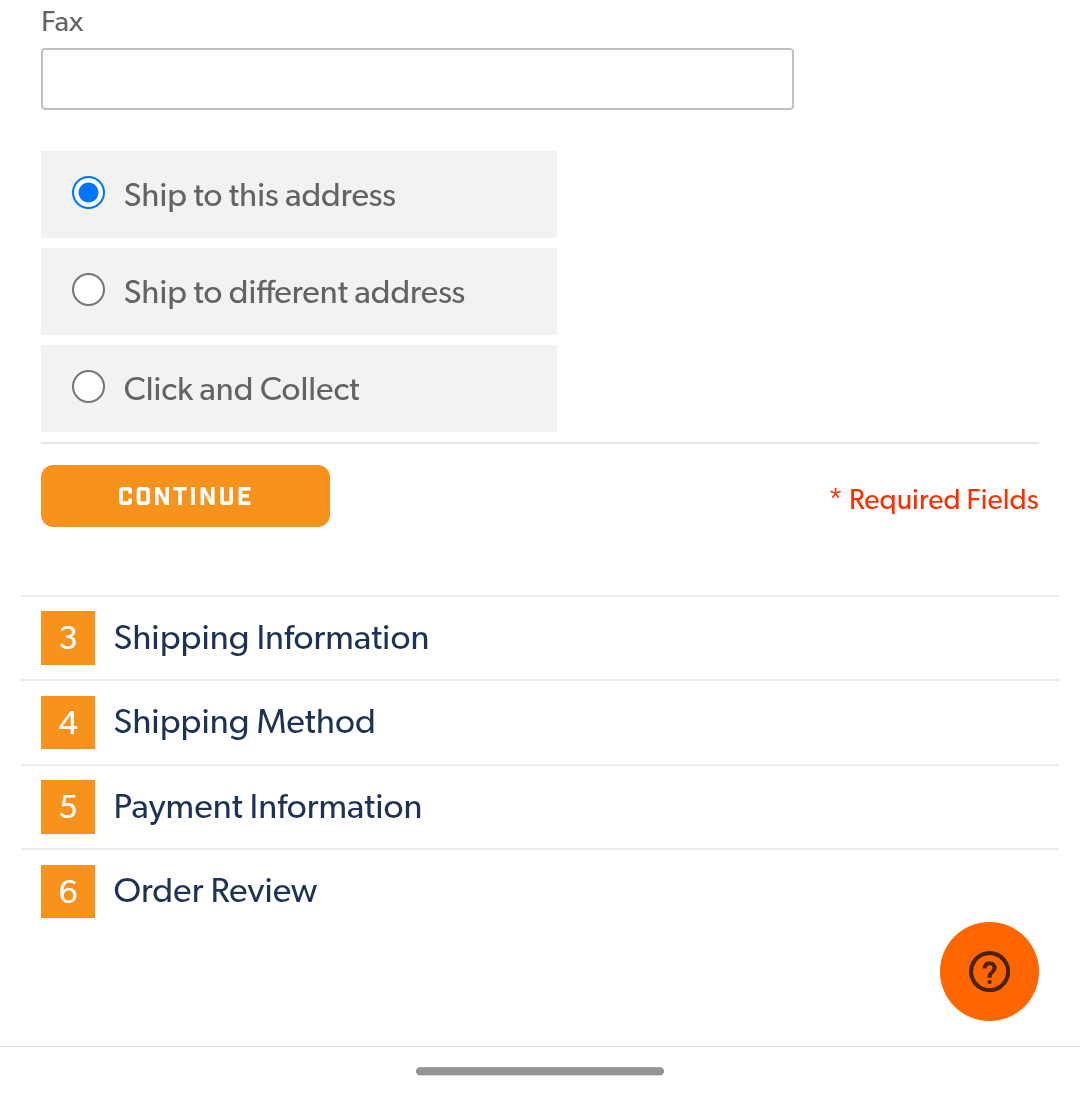
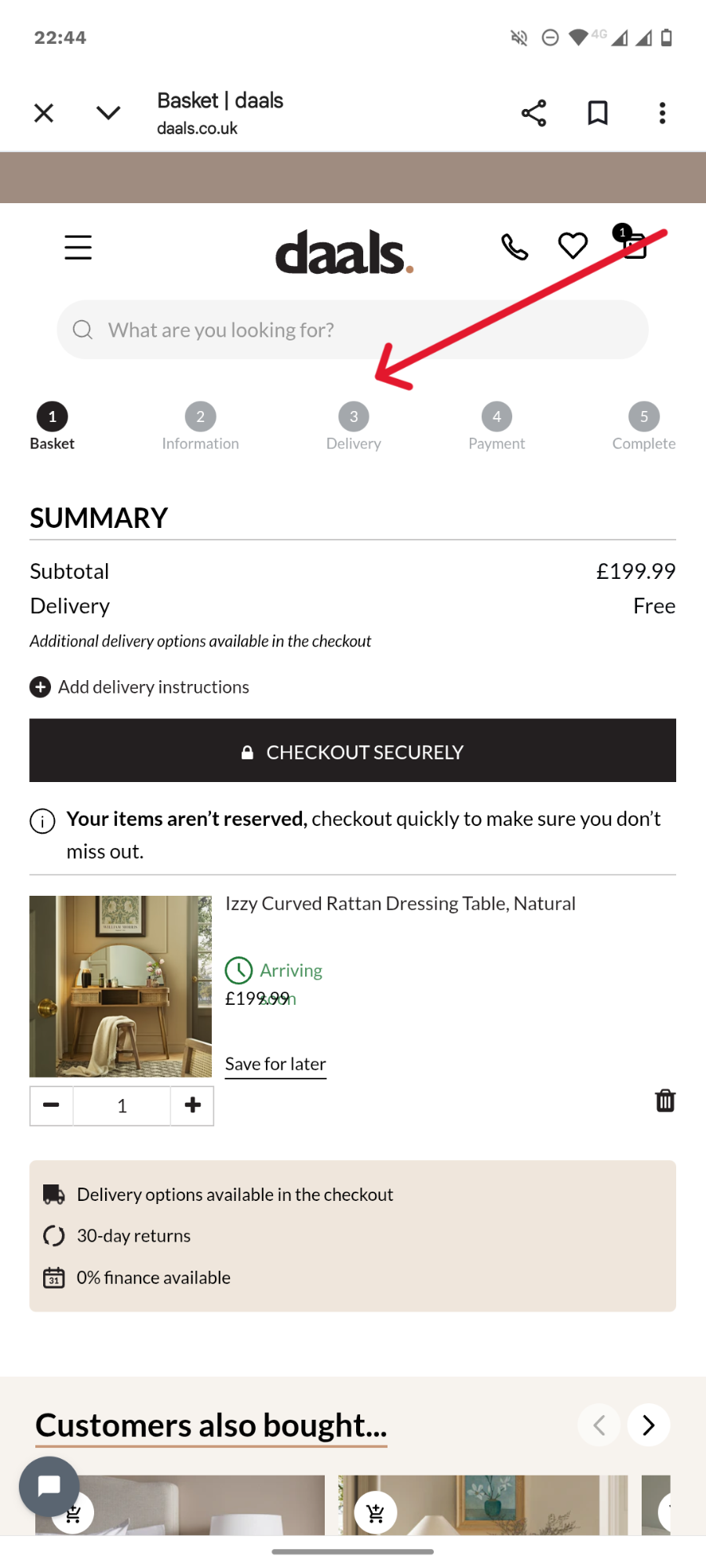
The long-standing debate between single-page and multi-page checkout flows has reached a data-driven consensus in 2026: neither is inherently superior; rather, the execution of the “accordion” style is what determines success. While single-page checkouts reduce the risk of page-load failures between steps, they can become overwhelming if not managed via collapsible sections. Conversely, multi-page flows allow retailers to capture a customer’s email address in the first step, enabling retargeting even if the user drops off later in the process. Progress indicators are now considered mandatory for multi-step flows to provide users with a sense of completion and timeline.
3. The Mandate for Guest Checkout and Single Sign-On (SSO)
Forced account creation remains one of the most significant hurdles in the mobile journey, responsible for approximately 19% of all abandonments. Current best practices dictate that guest checkout should be the most prominent option, ideally presented as a full-width primary button. Retailers are now delaying account creation prompts until the post-purchase confirmation screen. To further streamline the process, Single Sign-On (SSO) integrations—allowing users to log in via Google, Apple, or social credentials—have been shown to increase registration rates by 20% to 40% by eliminating the need for password creation on small keyboards.
4. Prioritizing Digital Wallets
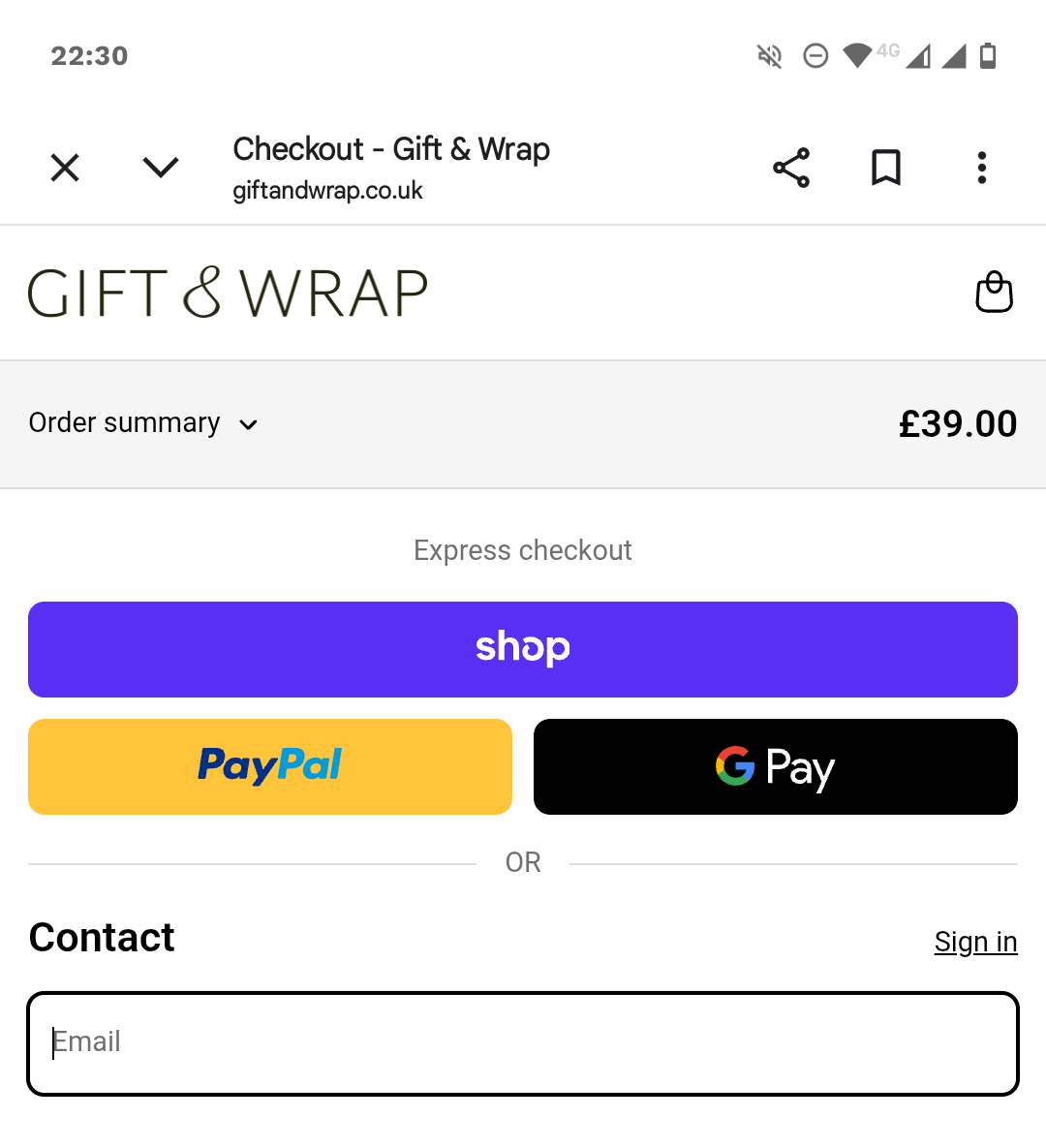
The integration of digital wallets such as Apple Pay, Google Pay, and Shop Pay has revolutionized conversion metrics. A 2025 study by Stripe indicated that adding Apple Pay alone boosted conversion by 22.3% among eligible checkouts. These “express checkout” methods bypass the need for manual data entry, pulling shipping and billing information directly from the user’s secure vault. In international markets, localization is critical; for instance, the inclusion of iDEAL in the Netherlands or Alipay in China can drive conversion lifts as high as 91%.
5. Buy Now, Pay Later (BNPL) and Order Value Dynamics
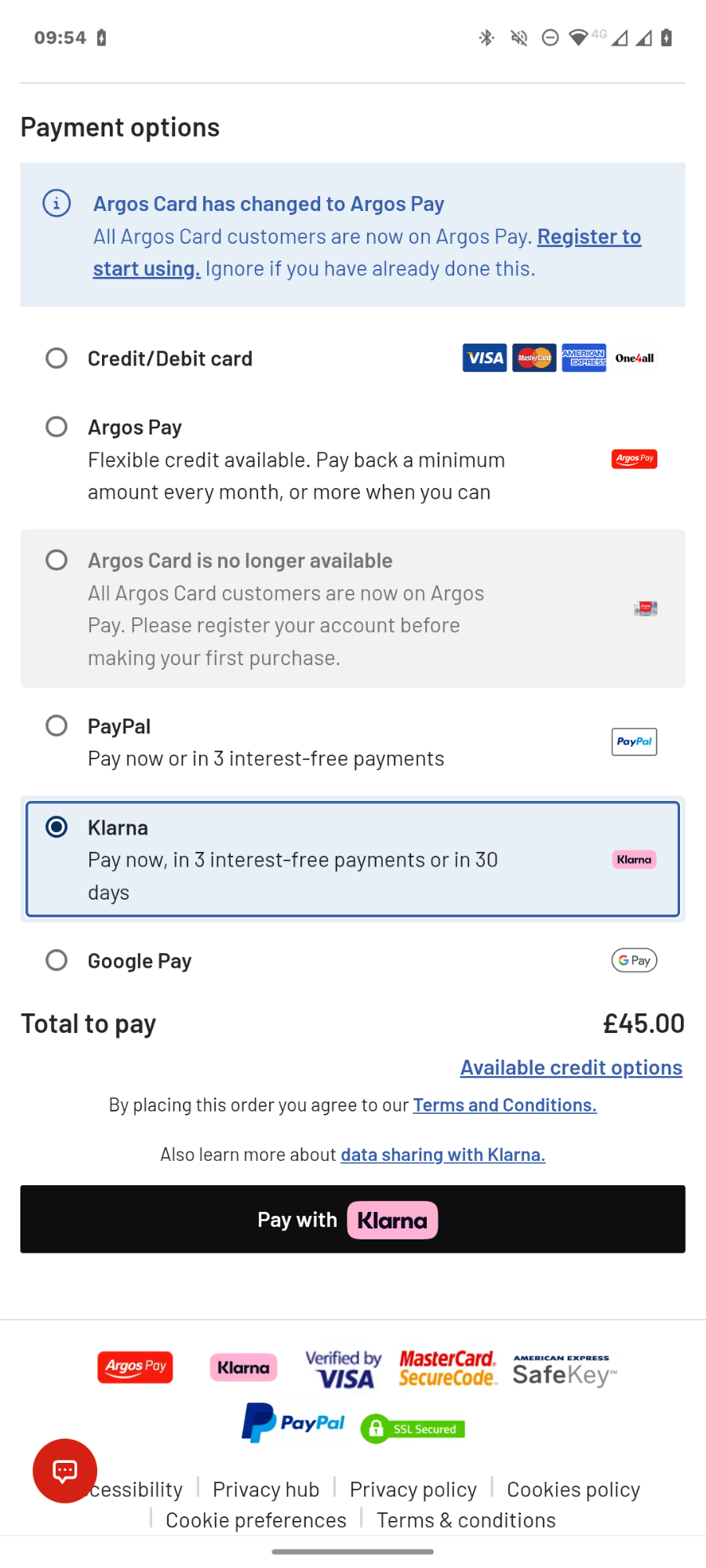
For mid-value orders ranging from $100 to $500, BNPL options like Klarna and AfterPay have become essential. Data from June 2024 suggests a 14% revenue lift for merchants offering these services. By reducing the immediate financial strain at the moment of purchase, BNPL changes the economics of the transaction, allowing mobile users to commit to larger orders that they might otherwise defer to a desktop session or abandon entirely.

6. Trust Signals and Proximity to Action
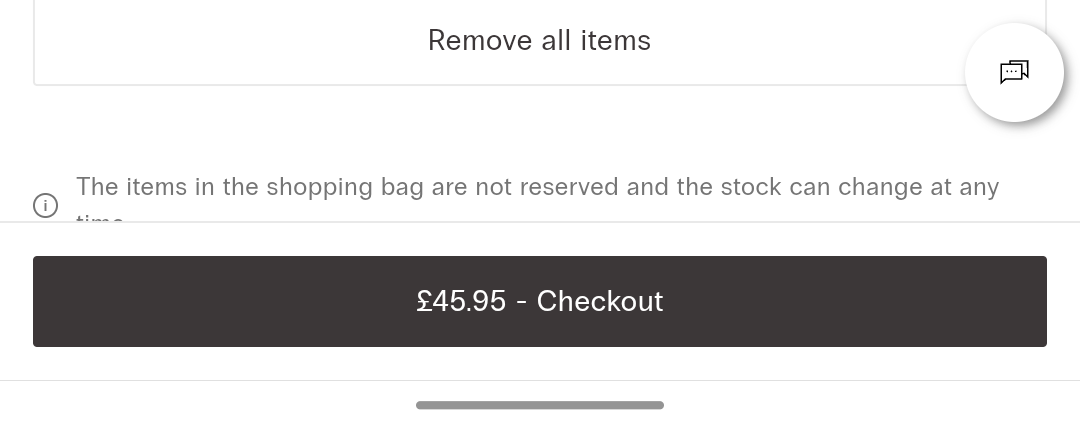
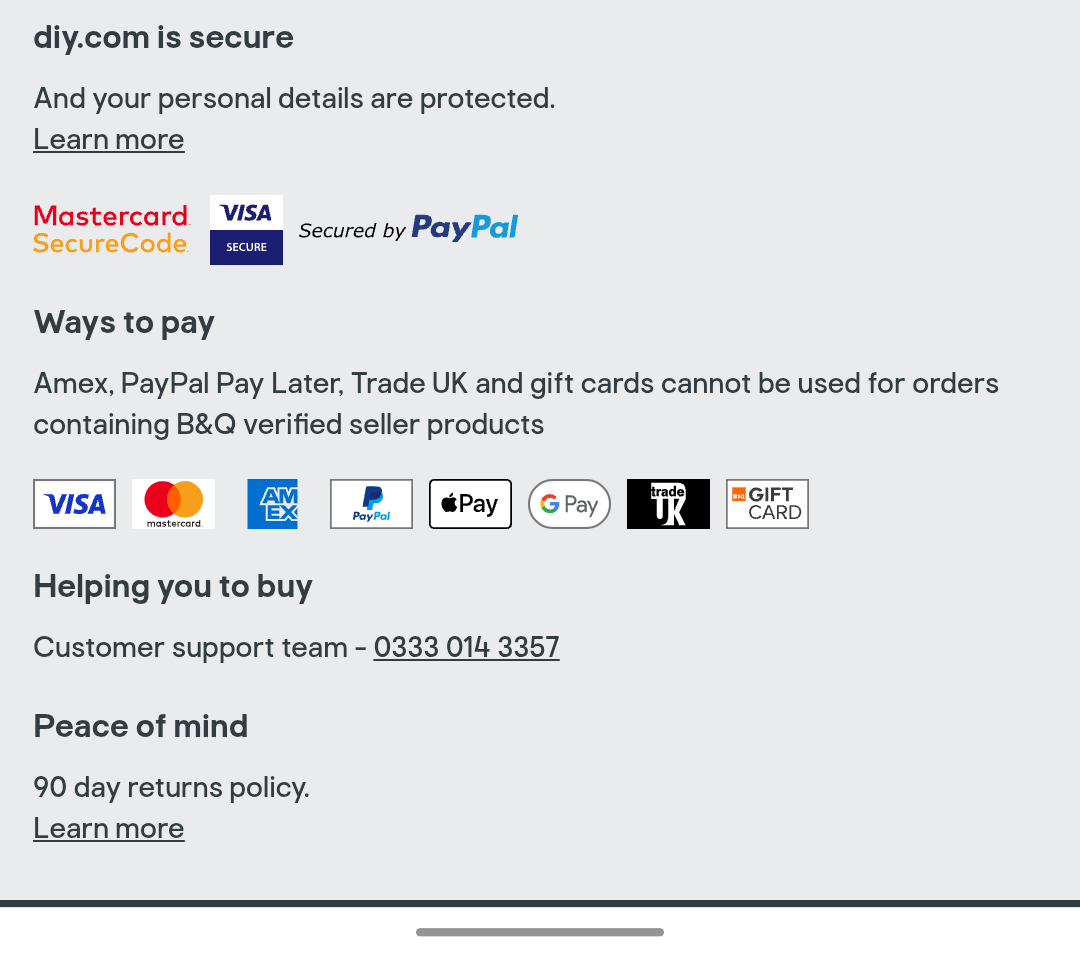
Security concerns account for 19% of cart abandonments. On mobile, the limited screen real estate means that trust signals—such as SSL badges, accepted payment icons, and return policy highlights—must be placed in close proximity to the final payment button. If these signals are buried in the footer or on a separate page, they fail to provide the necessary reassurance at the critical moment of decision-making.
7. Radical Minimization of Form Fields
The average e-commerce checkout form in 2024 contained 11.3 fields, yet high-performing B2C checkouts typically require only 6 to 8. Redundant fields, such as “Address Line 2,” “Company Name,” or “Phone Number” (unless strictly required for delivery), are being purged. Retailers are also moving toward “Single Name” fields rather than separate First and Last Name inputs to reduce the number of taps required to complete the form.
8. Enhancing Form Usability through Automation
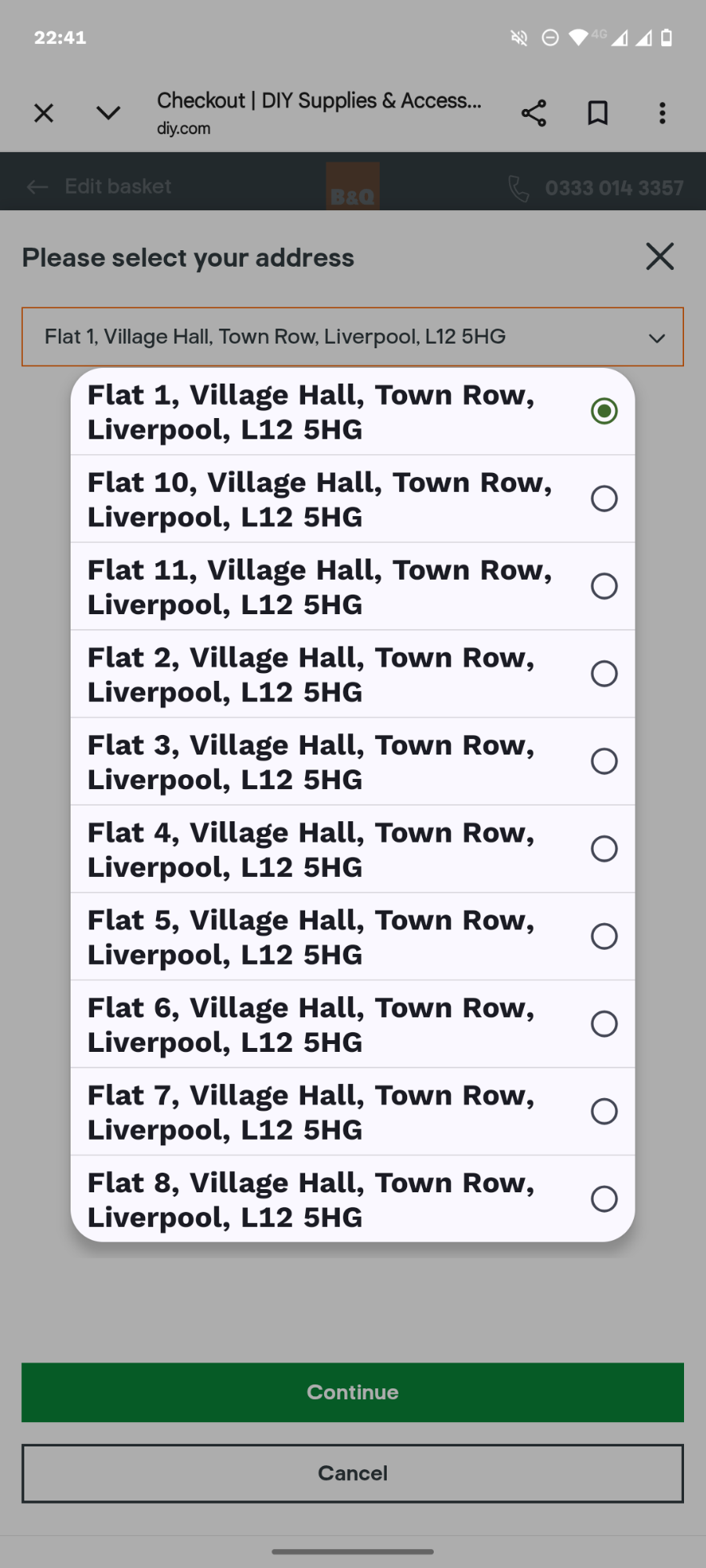
Beyond reducing the number of fields, the effort required to fill them is a key metric. Implementing Google Maps API for address auto-complete and ensuring that the correct keyboard (numeric vs. alphanumeric) triggers automatically for credit card and zip code fields significantly reduces user frustration. These small technical adjustments address the “fat-finger” syndrome that plagues mobile data entry.
9. Technical Stability and Core Web Vitals
Mobile users are notoriously impatient; a page load delay exceeding three seconds can lead to an immediate bounce. Optimization of Core Web Vitals, particularly Largest Contentful Paint (LCP) and Cumulative Layout Shift (CLS), is critical for the checkout page. Technical crashes or errors are cited by 15% of users as their reason for abandonment—a figure higher than those who cite a lack of payment options.
10. Cross-Device Continuity
For high-consideration categories like furniture or luxury apparel, the mobile device often serves as the discovery tool, while the final purchase occurs on a desktop. Retailers are now prioritizing “persistent carts” that save the user’s state across devices. By encouraging app downloads or loyalty sign-ins early in the browsing phase, companies can ensure that an item added to a cart on a smartphone during a morning commute is waiting for the user on their laptop in the evening.
11. Total Cost Transparency
The single most effective fix for abandonment is the early disclosure of all costs, including shipping, taxes, and fees. Hidden costs are responsible for 39% of all drop-offs. Leading retailers are now integrating shipping calculators directly onto the product page or the initial cart summary, ensuring that the user is not surprised by a “sticker shock” total at the final step of the checkout.
Diagnostic Analysis: The Role of Behavioral Tracking
The implementation of these fixes requires a diagnostic approach to identify specific “leakage” points in the funnel. Tools such as Crazy Egg have become industry standards for tracking user behavior via heatmaps, scroll maps, and session recordings. By analyzing “rage clicks” (where a user repeatedly taps a non-responsive element) or identifying where users linger on a form, retailers can move beyond generalized best practices to solve site-specific friction points.
Broader Economic Impact and Future Outlook
As m-commerce continues to dominate the retail sector, the ability to close the “Mobile Gap” will define the financial health of the global e-commerce industry. Analysts predict that companies successfully implementing these 11 fixes could see a cumulative revenue increase of up to 25% by the end of 2027.
The shift toward biometric authentication and AI-driven predictive form filling is expected to be the next frontier. However, for the immediate future, the focus remains on the fundamentals: speed, simplicity, and trust. In an era where the consumer’s attention is the most scarce commodity, the checkout process must be an invisible bridge, not a guarded gate. Merchants who treat the mobile checkout as a distinct, high-performance engine rather than a secondary screen will be the ones to capture the lion’s share of the 74% of traffic currently navigating the mobile web.








