June 5, 2026 – The strategic evaluation of email marketing platforms has become a critical undertaking for growing businesses, extending far beyond a mere comparison of feature sets. As enterprises expand their operations, their demand for robust, scalable, and compliant email solutions intensifies, leading many to transition from established platforms like Mailchimp to providers such as Sinch Mailjet. This movement reflects a broader industry trend where businesses are seeking platforms that can seamlessly support large teams, accommodate escalating sending volumes, and rigorously adhere to evolving performance, collaboration, and regulatory requirements.
The shift is not simply a technical migration but a strategic realignment for companies whose email marketing needs have evolved beyond the capabilities of their initial platforms. While Mailchimp has long served as a popular entry point for small to medium-sized businesses (SMBs) due to its user-friendly interface and accessible pricing tiers, the demands of larger organizations often necessitate a more specialized and infrastructure-heavy solution. Sinch Mailjet, a cloud-based email service provider, has positioned itself to meet these enterprise-level requirements, offering advanced features for deliverability, team management, and global compliance, particularly with data protection regulations such as GDPR and CCPA.

Understanding the Impetus Behind the Migration
A confluence of factors contributes to a company’s decision to migrate its email infrastructure. Foremost among these is scalability. As a business grows, its contact lists swell, and its sending volumes can increase dramatically, often leading to disproportionately higher costs on platforms not optimized for enterprise scale. Mailchimp’s pricing model, which is often tied directly to the number of contacts, can become prohibitive for organizations managing hundreds of thousands or even millions of subscribers. Sinch Mailjet, by contrast, often offers more flexible and cost-effective plans for high-volume senders, alongside dedicated IP options and robust infrastructure designed for maximum throughput.
Collaboration is another significant driver. Enterprise marketing teams are typically larger and more complex, requiring sophisticated tools for multi-user access, role-based permissions, and version control for email templates and campaigns. While Mailchimp offers some team functionalities, businesses report a need for deeper collaborative features that allow multiple stakeholders to work on campaigns simultaneously, review content, and approve sends within a structured workflow. Sinch Mailjet’s focus on team management and sub-account capabilities caters directly to these organizational demands, streamlining the creative and approval processes.
Performance and Deliverability are paramount for any business relying on email for critical communications, whether marketing campaigns or transactional alerts. For high-volume senders, ensuring emails consistently reach the inbox is a complex challenge requiring sophisticated algorithms, sender reputation management, and proactive monitoring. Mailjet, with its focus on transactional and marketing email APIs, often provides more granular control over sending infrastructure, advanced analytics, and expert deliverability support teams. This ensures higher inbox placement rates, which directly translates to improved engagement and revenue.
Finally, Compliance with global data privacy regulations has become non-negotiable. Businesses operating internationally must navigate a labyrinth of legal requirements concerning data storage, consent management, and data access. Sinch Mailjet, with its strong European roots and global data centers, often provides more robust compliance frameworks and data residency options, offering peace of mind to enterprises dealing with sensitive customer data. The platform’s capabilities in managing unsubscribed lists and ensuring opt-in consent are critical for maintaining a clean sending reputation and avoiding legal penalties.
The Migration Process: A Step-by-Step Chronology
The transition from one email service provider to another, while a strategic necessity for many, involves a meticulous, multi-stage process to ensure data integrity, continuity of service, and minimal disruption. This guide outlines the essential steps for companies migrating their operations from Mailchimp to Sinch Mailjet, focusing on contacts, email templates, and historical reporting data.
Phase 1: Migrating Contact Databases
The cornerstone of any email marketing operation is its contact list. The accurate and complete transfer of subscriber data is paramount to avoid loss of audience engagement and to maintain compliance.

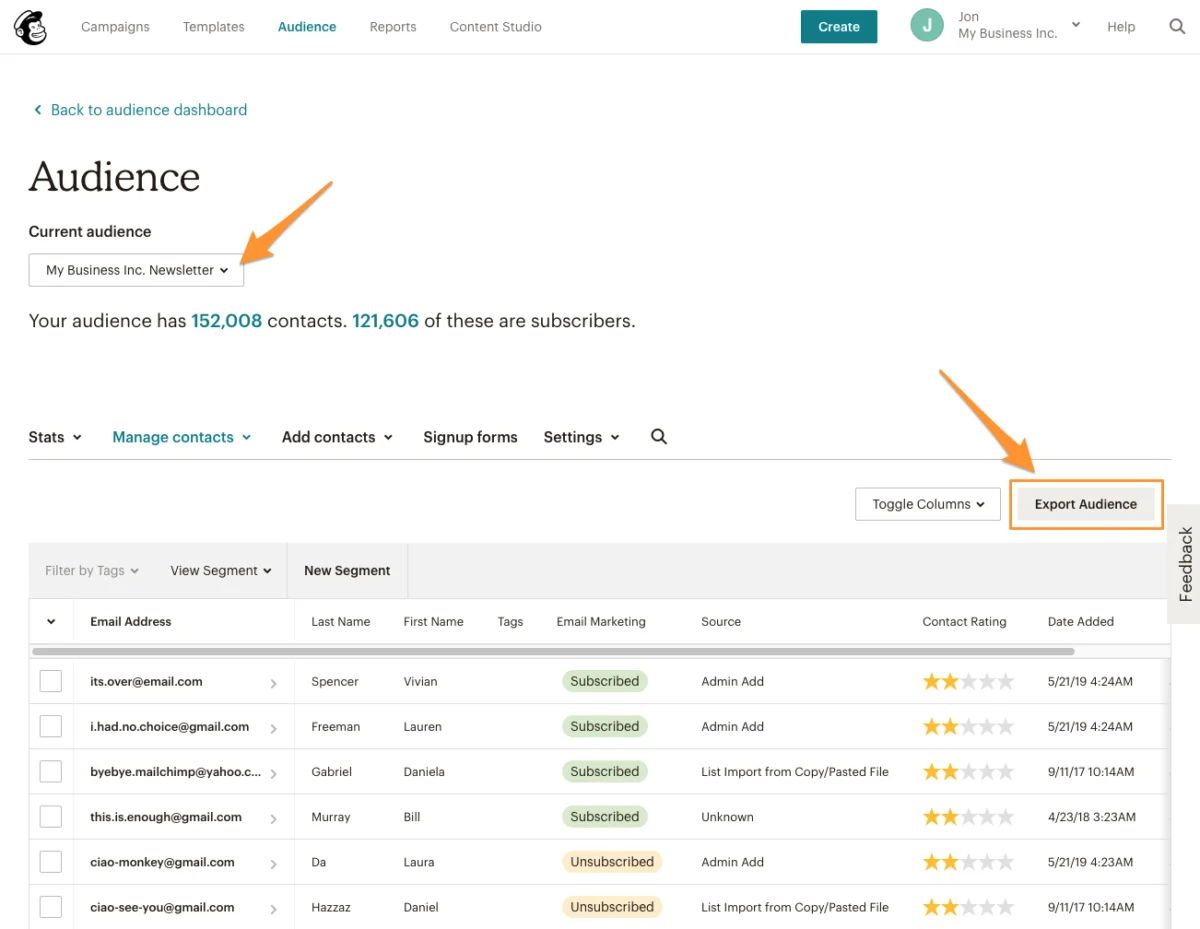
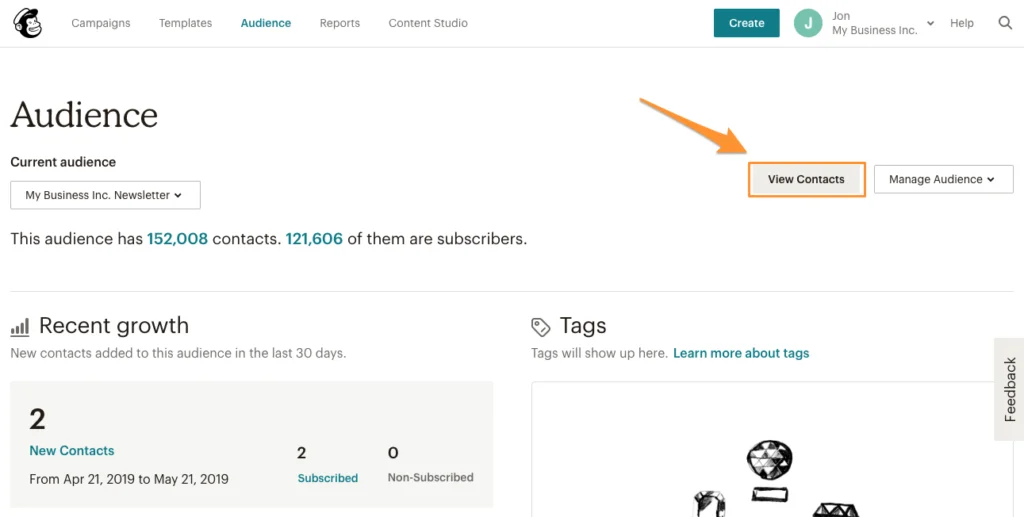
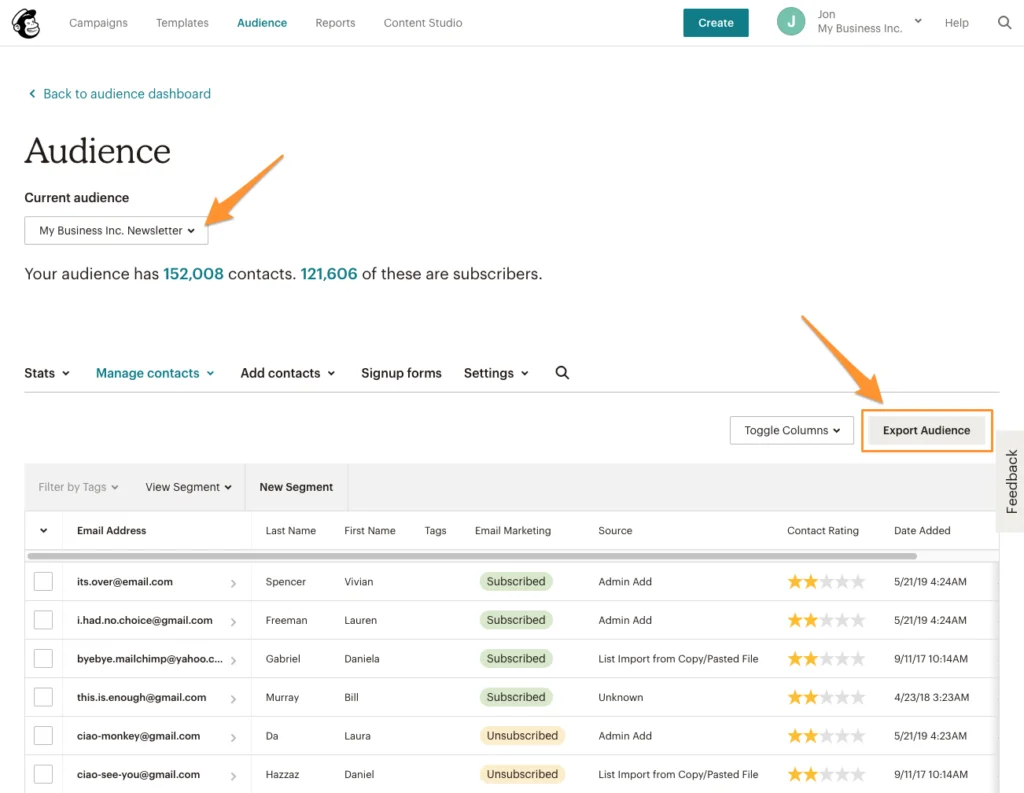
- Exporting Contacts from Mailchimp: The process begins within the Mailchimp account. Users must navigate to the ‘Audience’ section and select ‘View Contacts’. Given that many businesses utilize multiple segmented audiences within Mailchimp, this export procedure must be repeated for each distinct audience. The platform typically provides an ‘Export Audience’ option, generating a downloadable archive.
- Unzipping and Preparing Data: The exported data usually arrives as a zipped file containing one or more CSV (Comma Separated Values) files. It is crucial to unzip these files, as they often contain separate lists for subscribed and unsubscribed members. This distinction is vital for maintaining a clean contact list in the new platform and respecting user preferences.
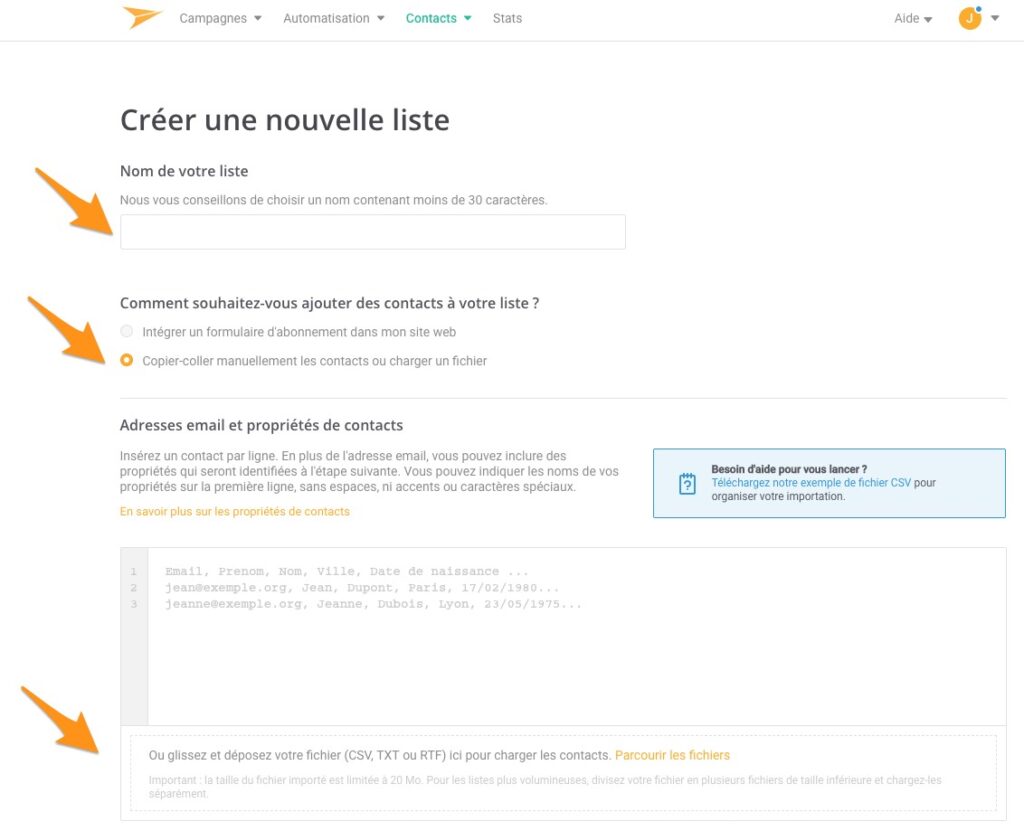
- Importing Contacts into Sinch Mailjet: With the Mailchimp data prepared, the focus shifts to Sinch Mailjet. Users log into their Mailjet account and access the ‘Contacts’ section, then ‘Contact Lists’. The creation of a new list allows for the manual pasting of contacts or, more commonly, the upload of the prepared CSV files. A critical best practice here, particularly for companies with multiple Mailchimp audiences, is to create a corresponding separate contact list in Mailjet for each original audience. This ensures continued segmentation and targeted communication.
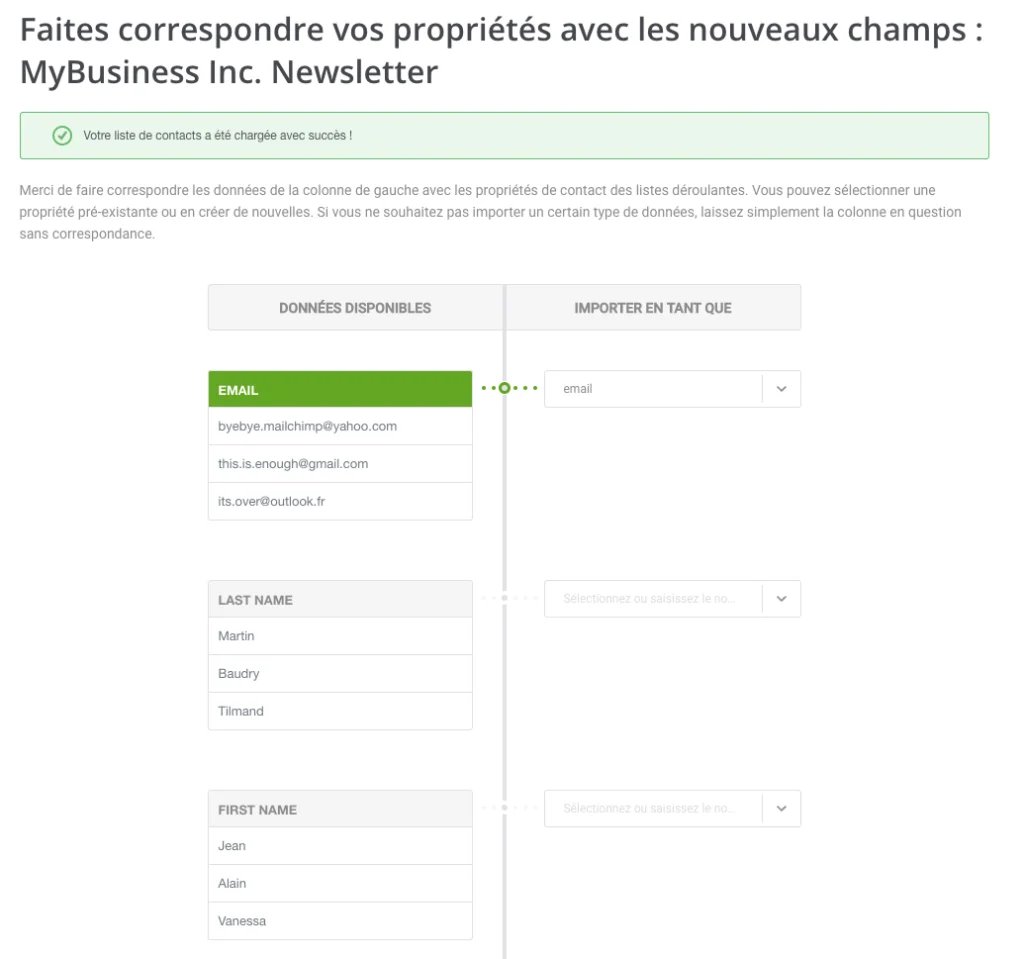
- Field Mapping and Data Enrichment: During the import process, Mailjet prompts users to map the fields from the uploaded CSV to the corresponding contact properties within Mailjet. This step is crucial for preserving all valuable contact information, such as names, company affiliations, birthdays, and custom data fields. Accurate mapping ensures that businesses can continue to leverage this data for advanced segmentation, personalization, and automation within the Mailjet ecosystem. Upon successful mapping, the data is saved, and the import proceeds.
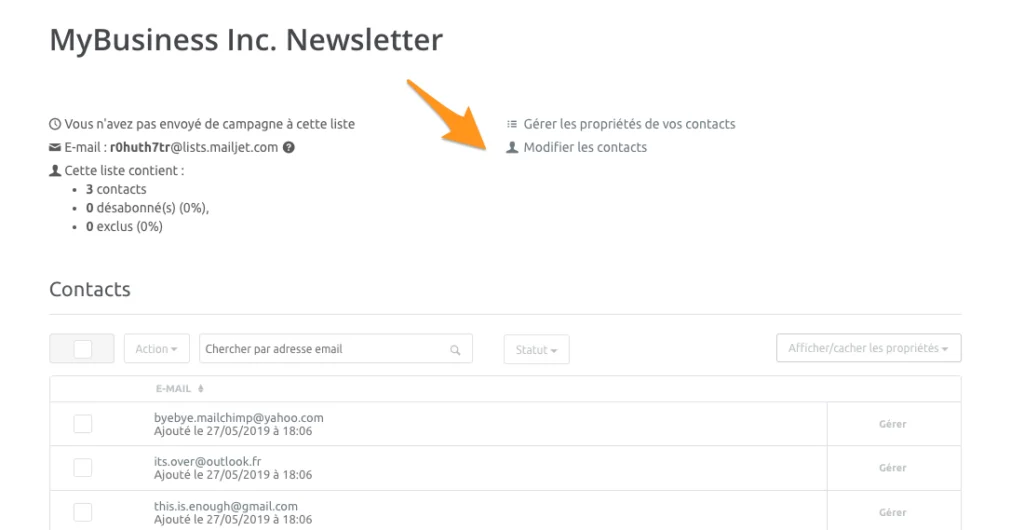
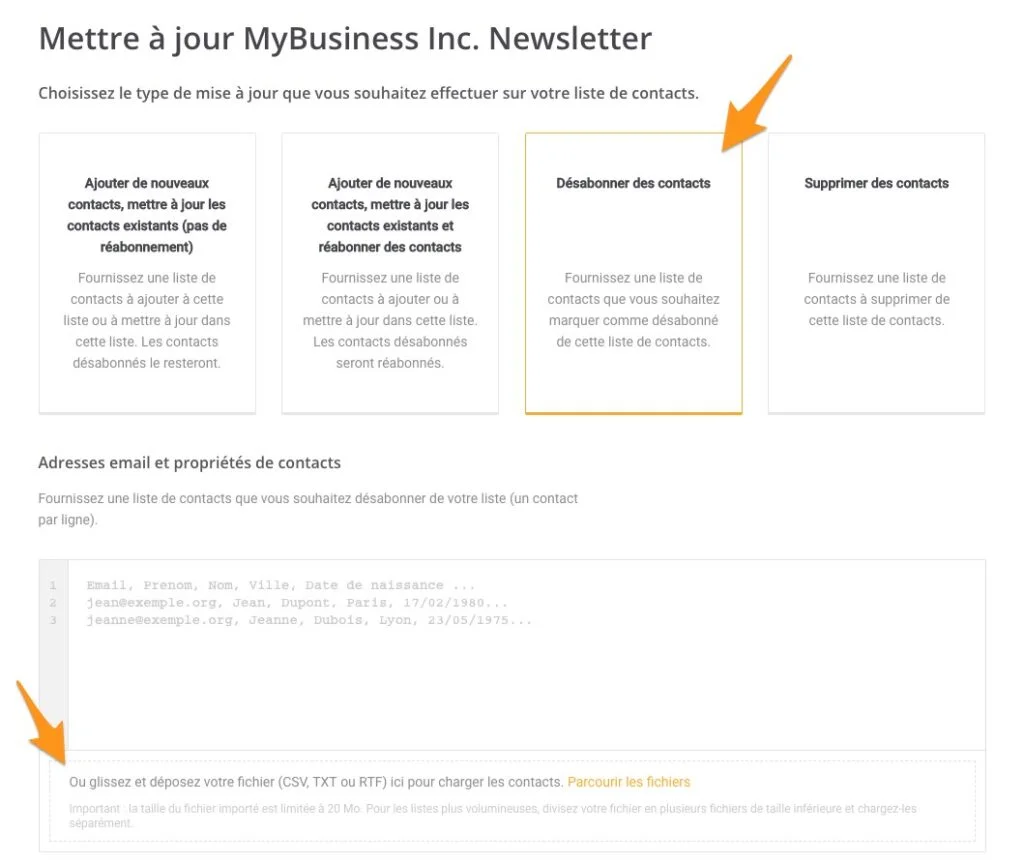
- Importing Unsubscribed Contacts for Compliance: A frequently overlooked yet critically important step is the migration of unsubscribed contacts. To prevent inadvertently emailing individuals who have previously opted out, businesses must import their unsubscribed list into Mailjet. Within Mailjet’s ‘Manage contacts’ section, users select ‘Unsubscribe contacts’ as the update type and upload the relevant CSV file. This action ensures that these contacts are suppressed from future mailings, upholding compliance and maintaining sender reputation.
Phase 2: Migrating Email Templates
While contact data transfer is relatively straightforward, the migration of email templates presents a different set of considerations due to the proprietary nature of email editors.
- Understanding Template Limitations: It is important to acknowledge that direct, editable export of Mailchimp templates into Sinch Mailjet’s Email Editor is not typically possible. Each platform’s drag-and-drop editor uses its own underlying code and component structure, making direct transfer and continued editing incompatible.
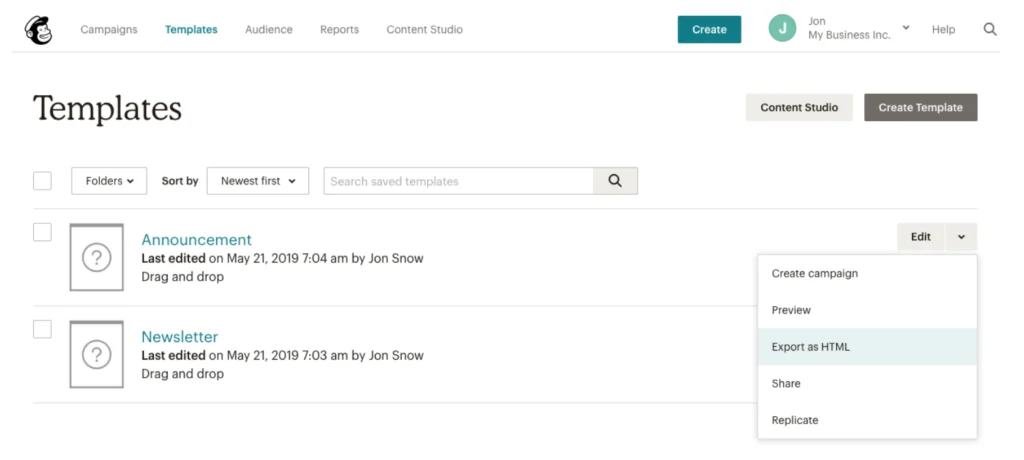
- Exporting Templates as HTML: To circumvent this, the recommended approach is to export existing Mailchimp templates as HTML files. Within the Mailchimp account, under the ‘Templates’ section, each template can be downloaded using the ‘Export as HTML’ option. This preserves the visual layout and content of the email.
- Importing HTML into Sinch Mailjet: In the Sinch Mailjet account, users navigate to ‘Campaigns’ and select ‘Create a new template’. The option ‘Code it in HTML’ allows for the upload of the previously exported HTML files. While these templates will render correctly, any future edits will need to be made either directly in the HTML code or by recreating the template using Mailjet’s native drag-and-drop editor for full editing flexibility. Many businesses choose to import their critical, well-performing templates via HTML and then gradually rebuild or update them within the Mailjet editor to leverage its full capabilities.
Phase 3: Exporting Reporting Data
Historical performance data is invaluable for benchmarking and strategic analysis, even if it cannot be directly integrated into the new platform.
- Downloading Historical Reports: Since direct transfer of reporting data from Mailchimp to Sinch Mailjet is not feasible, businesses must ensure they download all relevant historical reports. In Mailchimp, users can go to the ‘Reports’ section and typically find an option like ‘Download All Reports’. This provides a comprehensive record of past campaign performance, including open rates, click-through rates, bounces, and unsubscribes.
- Utilizing Data for Benchmarking: This downloaded data serves as a crucial reference point for establishing new performance benchmarks within Sinch Mailjet. By analyzing past trends, companies can set realistic goals for future campaigns and track improvements or changes in engagement metrics on the new platform.
Post-Migration Essentials and Strategic Implications
Once the core migration of contacts and templates is complete, several critical post-migration steps are necessary to ensure optimal email deliverability and to fully leverage Sinch Mailjet’s capabilities.
Domain and Sender Authentication: Before sending the first campaign from Sinch Mailjet, businesses must validate their sending domains and sender addresses. This crucial step verifies ownership and prevents unauthorized use. Furthermore, configuring SPF (Sender Policy Framework), DKIM (DomainKeys Identified Mail), and DMARC (Domain-based Message Authentication, Reporting & Conformance) records is absolutely essential. These authentication protocols help email providers verify that emails are legitimate and sent from an authorized source, significantly improving deliverability rates and protecting against phishing and spoofing. Neglecting these configurations can lead to emails being marked as spam or outright rejected.
Strategic Advantages of Sinch Mailjet: The migration to Sinch Mailjet often unlocks several strategic advantages for growing businesses. The platform’s commitment to unlimited contacts within its pricing tiers removes a significant cost barrier faced by scaling organizations. Its powerful collaboration features facilitate seamless teamwork across distributed marketing teams. Advanced automation capabilities allow for sophisticated customer journeys and hyper-personalized communication at scale. Moreover, Mailjet’s deep deliverability expertise and global infrastructure provide a solid foundation for reliable and high-performing email programs.
Statements from Related Parties:
"The shift we’re observing isn’t just about changing providers; it’s about businesses strategically aligning their email infrastructure with their growth trajectories," commented a hypothetical spokesperson for Sinch Mailjet. "Companies are realizing that as they scale, their needs for robust deliverability, advanced team collaboration, and stringent compliance become paramount. Our platform is engineered to meet these complex demands, offering a flexible and powerful solution that enables businesses to communicate effectively at any scale."
Industry analysts have also noted the trend. "While Mailchimp remains a dominant force for small businesses, the enterprise segment increasingly demands more specialized tools," stated a hypothetical email marketing consultant. "Providers like Sinch Mailjet are benefiting from this evolution, attracting companies that require greater control, deeper API integrations, and more predictable pricing structures for high-volume sending."
A representative from a hypothetical company that recently migrated, "Global Innovations Inc.," added, "Our move to Sinch Mailjet was driven by the need for better scalability and more comprehensive compliance features. The migration process, while requiring careful planning, was streamlined by the clear guidance provided, and we’re already seeing improved deliverability and greater efficiency in our campaign management."
Broader Impact on the Email Marketing Landscape:
This ongoing trend of migration highlights a maturing email marketing industry, where providers are increasingly specializing to cater to distinct market segments. For businesses, it underscores the importance of conducting thorough due diligence when selecting an ESP, considering not only current needs but also anticipated future growth. The competitive landscape among email service providers is likely to intensify, with continued innovation in areas like AI-driven personalization, advanced analytics, and integrated omnichannel communication being key differentiators.
In conclusion, the decision to transition from Mailchimp to Sinch Mailjet represents a strategic pivot for many businesses, signifying a commitment to long-term scalability, enhanced operational efficiency, and unwavering compliance. By meticulously following the outlined migration steps and embracing the advanced capabilities of their new platform, companies are well-positioned to elevate their email marketing strategies and drive sustained growth in an increasingly competitive digital landscape.
Businesses ready to optimize their email strategy are encouraged to explore Sinch Mailjet’s offerings and compare its capabilities against their current solutions to ensure their email infrastructure is future-proof.


 Ammar Sabilarrohman
 Asro
Asro