

The choice between marketing automation giants Brevo and Mailchimp hinges significantly on their divergent pricing models, with Brevo employing an email volume-based approach featuring contact caps and Mailchimp opting for a contact-based system with a send multiplier. This fundamental difference dictates which platform offers greater cost efficiency depending on a business’s specific sending habits: a large subscriber list with infrequent campaigns generally finds Brevo more economical, whereas a smaller, highly engaged list requiring frequent communication often benefits from Mailchimp’s structure. However, the decision extends far beyond mere cost, encompassing a complex interplay of integrations, AI capabilities, reporting depth, workflow flexibility, and multichannel reach, all of which must align with a business’s size, strategic priorities, and projected growth for 2026 and beyond.
Executive Summary: Key Differentiators for 2026
In the dynamic landscape of digital marketing, both Brevo and Mailchimp have evolved to offer sophisticated tools, but their core strengths and target demographics remain distinct. Brevo is poised as a strong contender for businesses prioritizing multichannel marketing efficiency on a budget, particularly those that can leverage its integrated CRM for sales and its advanced Aura AI for task automation. Its volume-based pricing model is designed to accommodate businesses with extensive contact lists that do not necessarily engage in high-frequency sending, thereby offering a competitive edge in cost for such scenarios. The platform’s lower entry price further enhances its appeal for budget-conscious organizations.
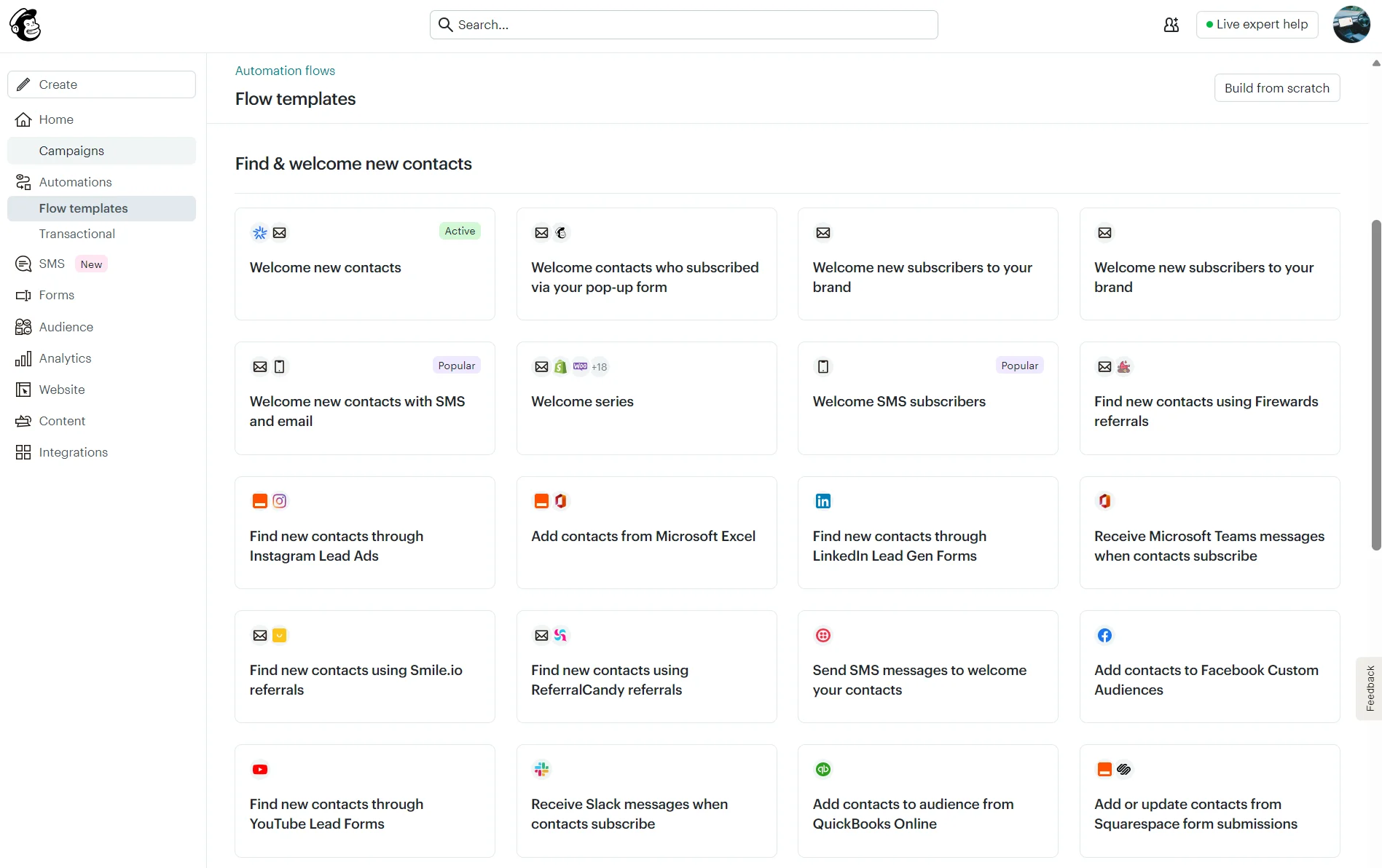
Conversely, Mailchimp maintains its long-standing reputation as a user-friendly platform, particularly excelling in providing a vast library of pre-built email templates and intuitive automation flows. Its contact-based pricing structure is more advantageous for frequent senders who prioritize consistent engagement with their subscriber base. For businesses focused on e-commerce, Mailchimp offers robust predictive analytics and custom reporting features at a more accessible price point, providing valuable insights into customer behavior and campaign performance. The ongoing comparison for 2026 reveals continuous platform enhancements, emphasizing the need for a granular evaluation against evolving business requirements.
Deep Dive: Pricing Models and Strategic Implications
The pricing strategies of Brevo and Mailchimp represent one of the most significant decision points for businesses. Brevo’s model, predicated on monthly email volume, proves advantageous for organizations managing large subscriber databases but engaging in less frequent email campaigns. With a starting price of $9/month, Brevo undercuts Mailchimp’s $13/month entry point. Brevo’s Starter and Standard plans, for instance, cap contact storage at 500,000 for email volumes above 15,000 sends, offering substantial capacity. The free plan allows for an impressive 100,000 contacts and 300 emails per day (approximately 9,000 emails/month), a considerable offering for startups or businesses testing the waters. Professional plans extend this to a 2,000,000 contact limit, covering up to 10,000,000 emails, with Enterprise plans offering unlimited contacts for even higher volumes. This structure directly benefits entities like content creators, non-profits, or B2B businesses that might maintain extensive lead lists but only send newsletters or updates periodically.
Mailchimp, on the other hand, employs a contact-based pricing model. This means businesses pay for the number of stored contacts, with each plan tier (Essentials, Standard, Premium) allowing a specific send multiplier (10x, 12x, and 15x the contact count, respectively). While its starting price for Essentials is higher at $13/month, this model becomes more cost-effective for businesses that send frequently to their lists. E-commerce stores, for example, often rely on frequent promotional emails, abandoned cart reminders, and transactional communications. For such high-frequency senders with a moderately sized list, Mailchimp’s structure can be more predictable and ultimately cheaper, as the cost per email decreases with increased sending to the same contact base. The Mailchimp Free plan, however, is more restrictive, allowing only 250 contacts and 500 emails per month, and notably lacks automation capabilities, a key feature available in Brevo’s free tier.
User Experience & Creative Tools: Crafting Engaging Communications
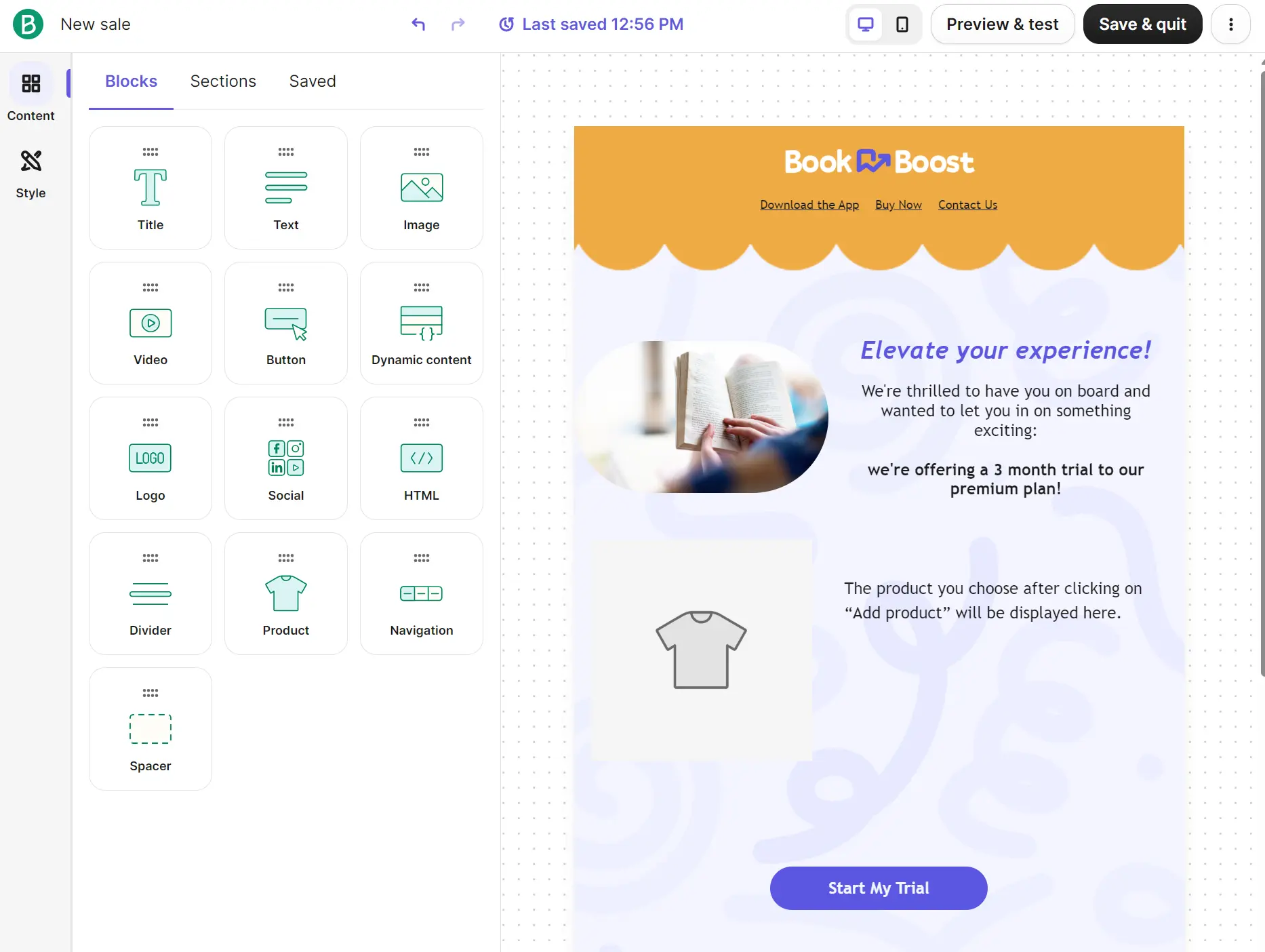
User experience and the availability of intuitive creative tools are paramount for marketing teams. Brevo offers a streamlined onboarding process, allowing users to initiate their first campaign swiftly. Its email builder features a drag-and-drop interface with 13 distinct blocks, including a specialized product block for seamless integration with connected e-commerce stores. The platform provides over 50 pre-built email templates, categorized for e-commerce and newsletters, along with five basic templates accessible across all plans. The integration of Aura AI within the editor further enhances usability, enabling AI-assisted text and image modifications.
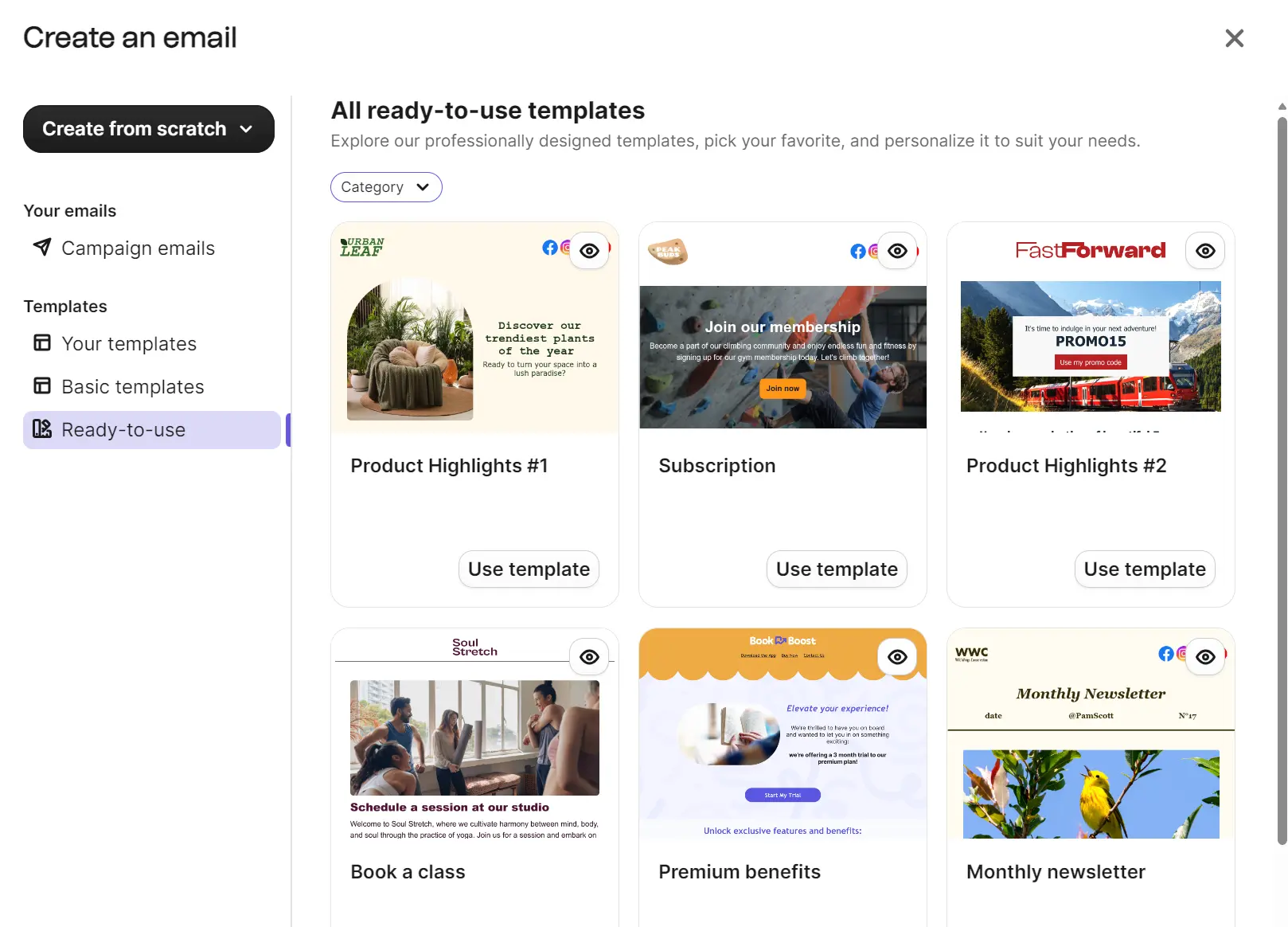
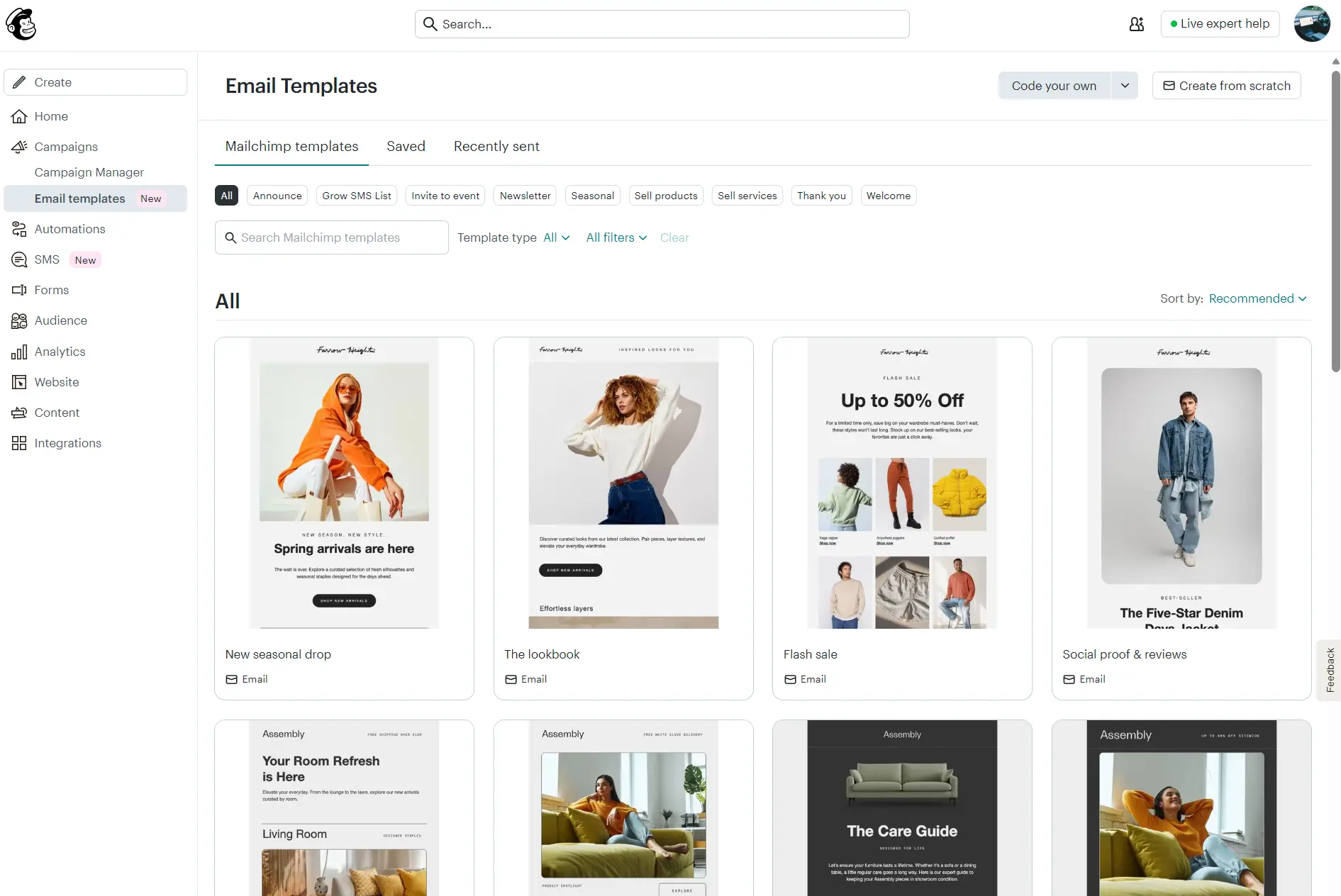
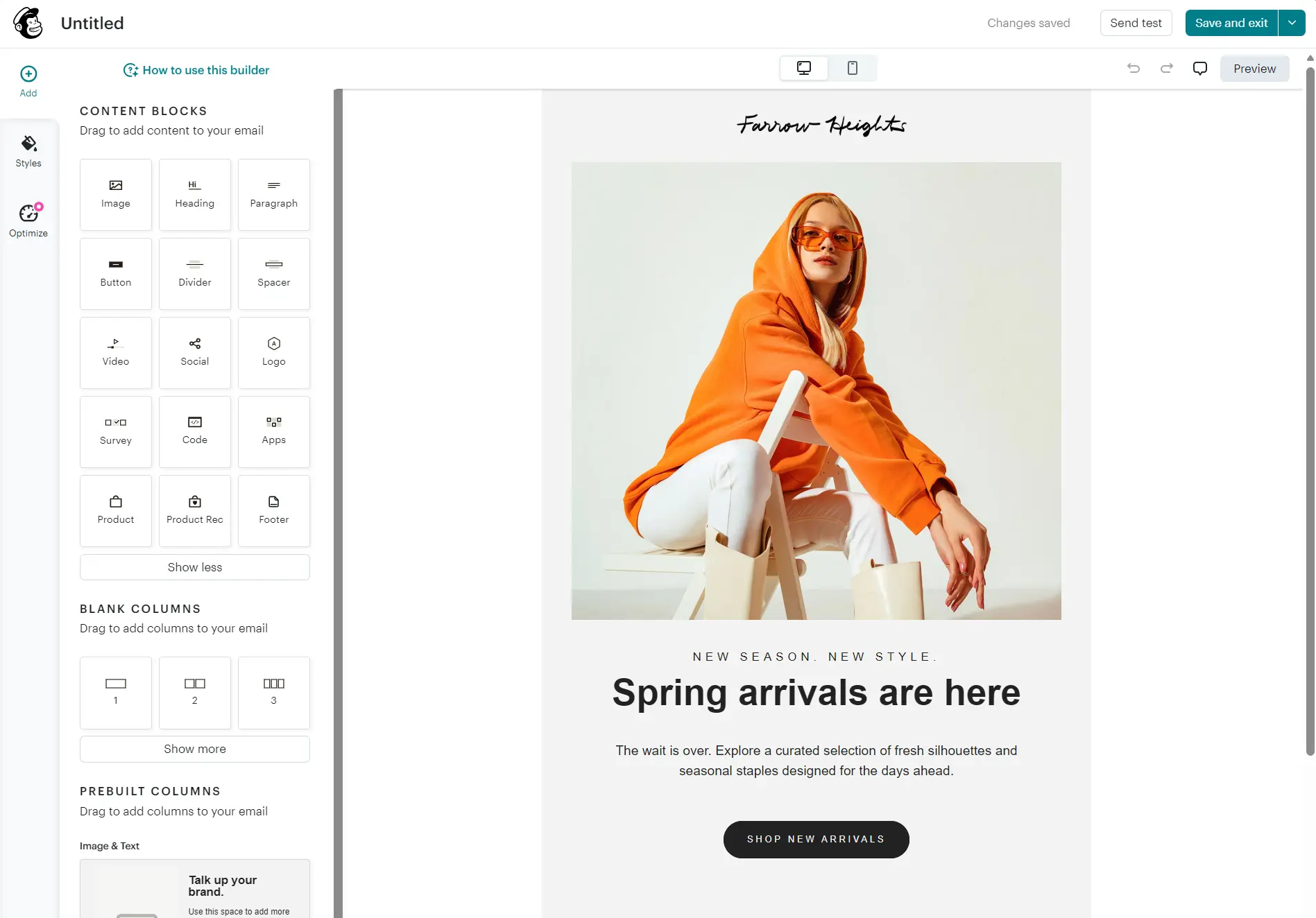
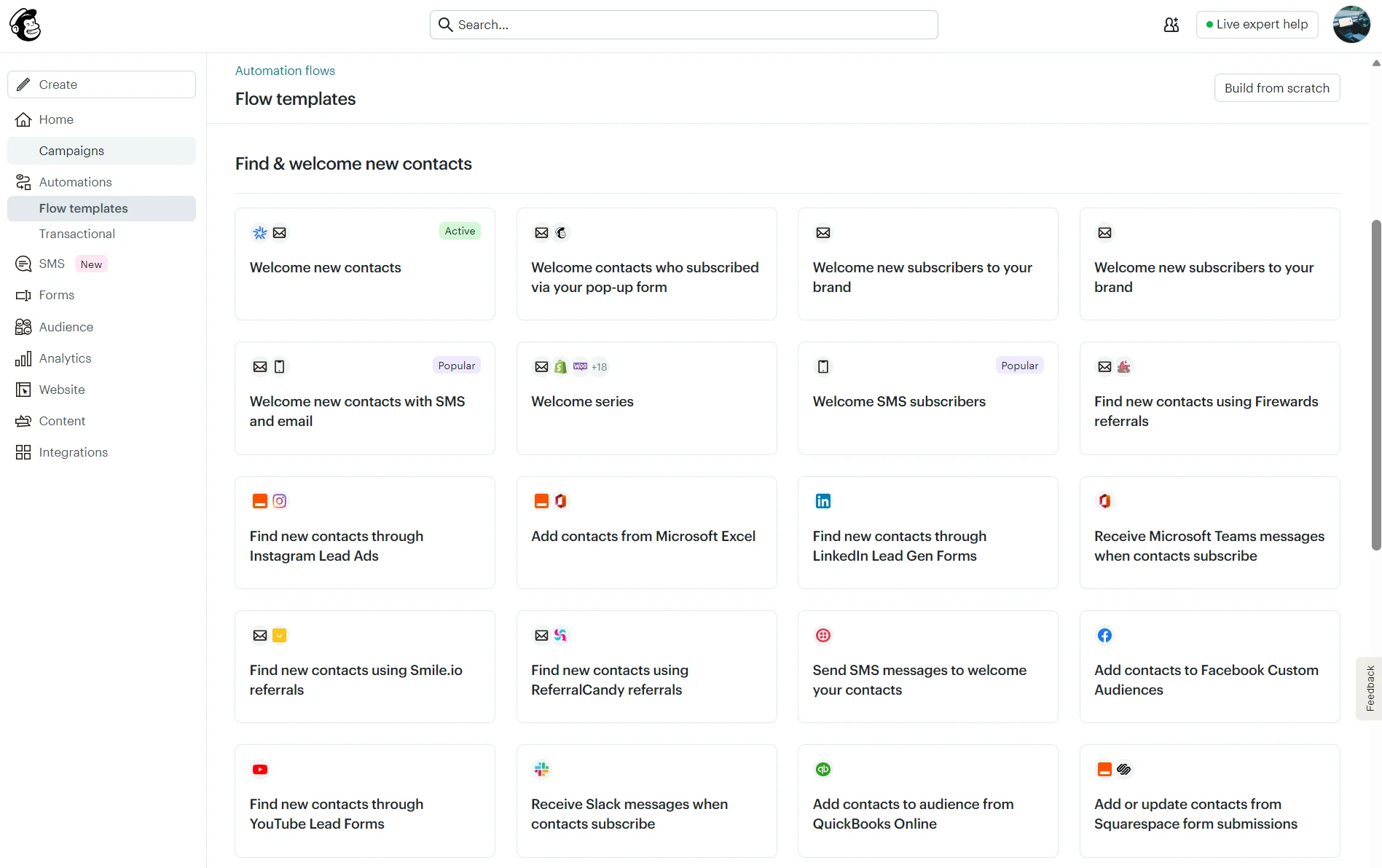
Mailchimp, a long-standing player in the market, boasts a significantly larger template library, offering over 380 designs. These templates are meticulously categorized by industry, style, goals, and occasions, providing a wealth of options for diverse marketing needs. While its onboarding process is slightly more involved, requiring email verification and several preference screens, its editor is equally capable. It features 15 content blocks and an "Optimize" feature that suggests improvements, such as making images clickable. Mailchimp’s "Refine with AI" option, available from the Standard plan upwards, allows for AI-driven editing of images and text, showcasing its commitment to leveraging artificial intelligence for creative efficiency. For businesses prioritizing a vast array of pre-designed options and comprehensive design flexibility, Mailchimp often presents a richer initial creative toolkit.
Automation & Workflow Capabilities: Streamlining the Customer Journey
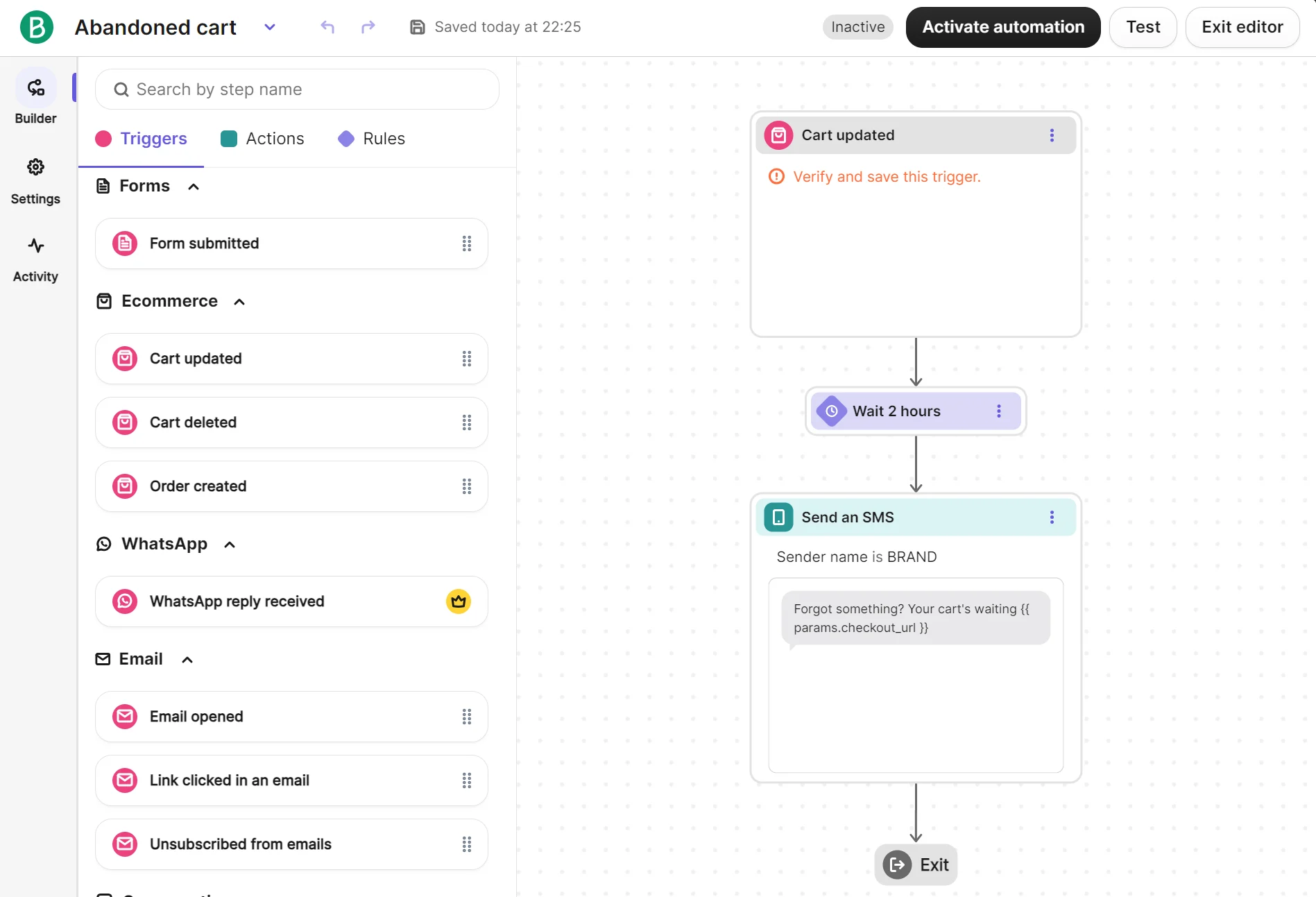
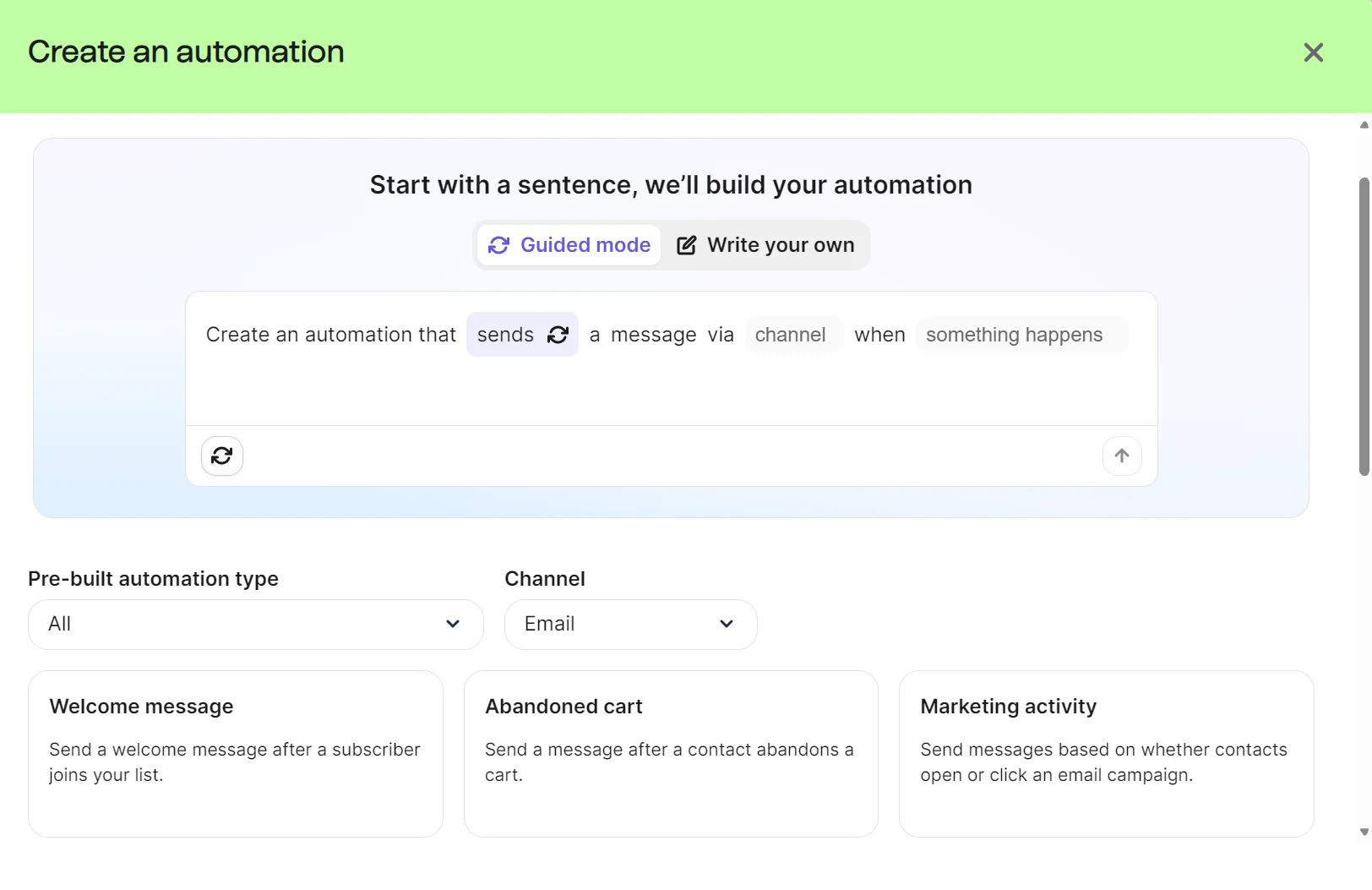
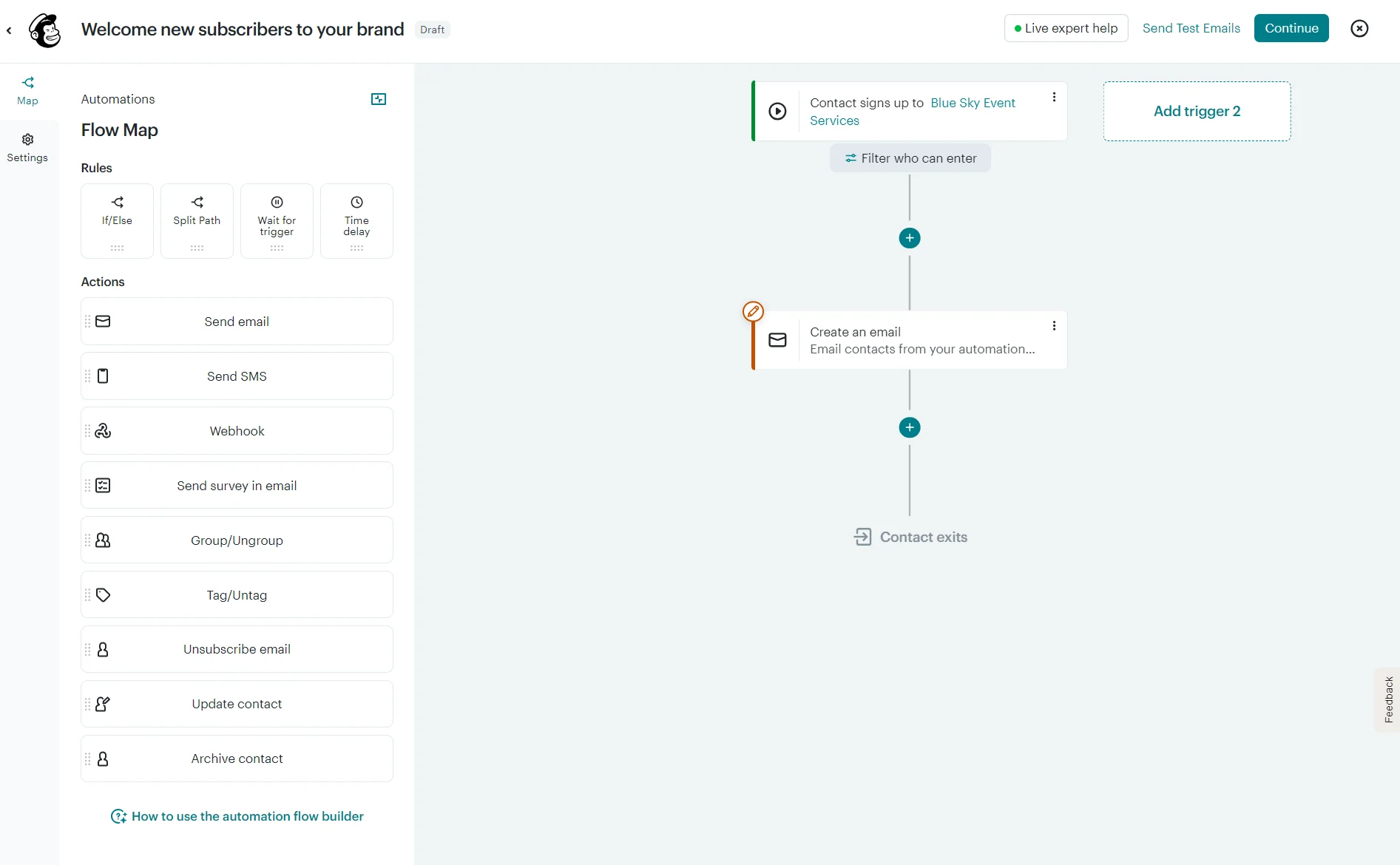
Marketing automation is a cornerstone of modern digital strategy, and here Brevo offers a distinct advantage, particularly for budget-conscious users. Brevo’s free plan includes automation, albeit capped at 2,000 contacts per month, making it the only platform in this comparison to offer free access to welcome series or abandoned cart flows. This provides invaluable functionality for nascent businesses to nurture leads and recover sales without immediate financial outlay. Standard plans lift this cap to unlimited automations, supporting real-time event triggers, multiple entry points, and a range of triggers covering contact behavior, email engagement, and e-commerce events, including Shopify actions and predictive churn risk. Aura AI can even construct automations from natural language prompts, supplementing Brevo’s 15 pre-built automation templates.
Mailchimp’s automation capabilities, while robust, are restricted to its paid plans. The Essentials plan limits workflows to four steps, whereas the Standard plan expands this to 200 steps, multi-branching logic, and advanced shopping activity triggers (abandoned checkout, browse, search, cart actions, and predictive churn risk). Mailchimp’s automation library is extensive, featuring over 100 pre-built templates, particularly strong in e-commerce applications. For Standard plan users and above, AI can also generate email content for these flows. While Mailchimp offers deeper automation for larger, more complex e-commerce operations, Brevo’s inclusion of basic automation in its free tier represents a significant value proposition for smaller businesses.
CRM & Sales Integration: Beyond Marketing Contacts
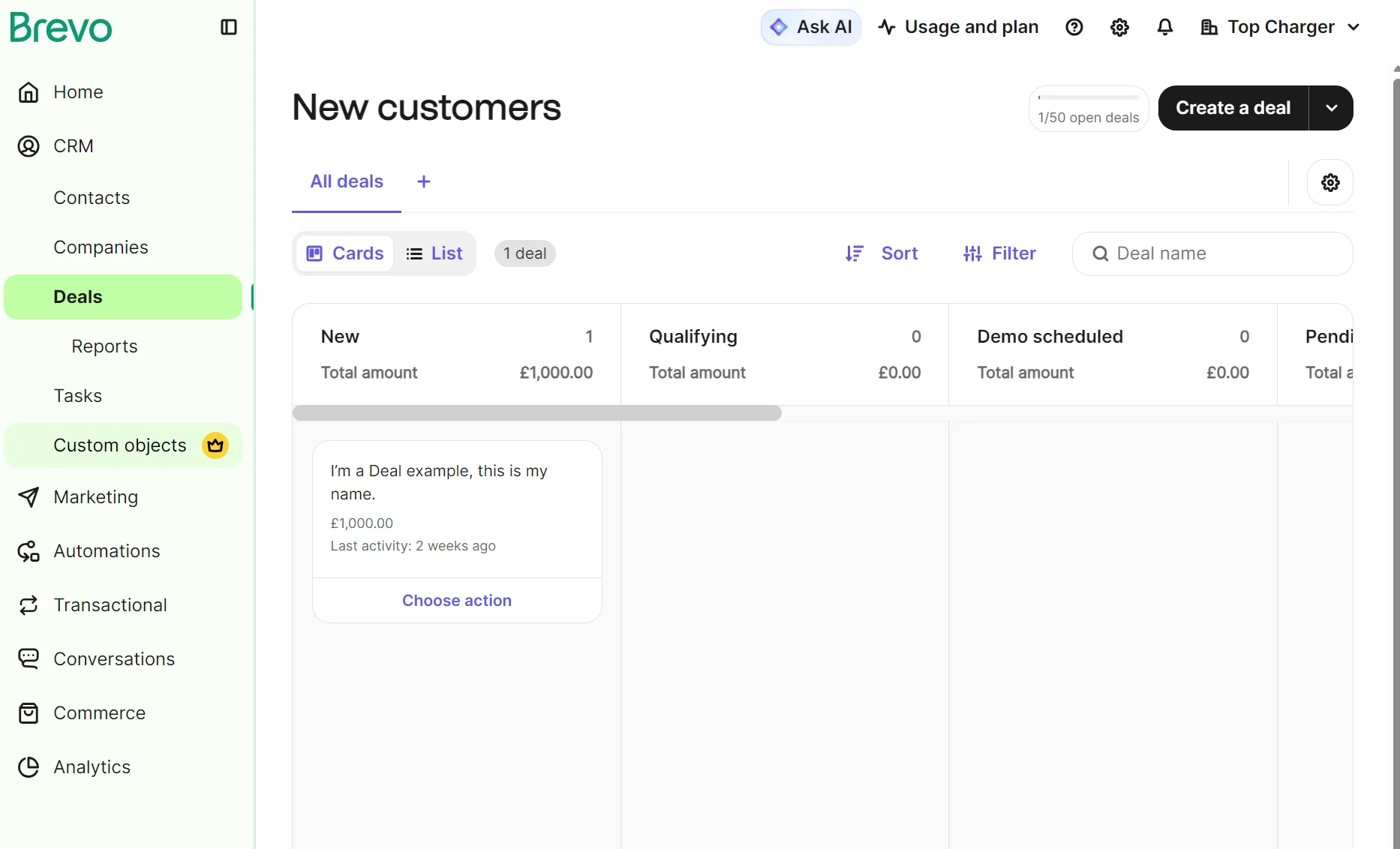
A key differentiator between the two platforms lies in their Customer Relationship Management (CRM) capabilities. Brevo distinguishes itself by offering a robust sales CRM as an integral part of its platform, included in all plans via its Sales Free package. This feature extends beyond basic audience management, providing tools for tracking contacts, companies, deals, and tasks, alongside a connected calendar and inbox. This integrated sales CRM, designed with B2B companies and service providers in mind, allows for better alignment between marketing and sales efforts, offering visibility into the sales pipeline with up to 50 open deals and one pipeline. For businesses requiring more advanced sales functionalities, Brevo offers Sales Essentials and Sales Advanced add-ons, which introduce multi-user access, unlimited deals, sales automation, and even VoIP and outreach sequences. This comprehensive approach to CRM positions Brevo as a more integrated solution for businesses looking to manage their entire customer lifecycle within a single ecosystem.
Mailchimp’s CRM features are primarily focused on audience management within a marketing context. It offers sophisticated tools for list segmentation, contact profiling, and an audience analytics dashboard that tracks contact growth, sources, and attributed revenue. While excellent for understanding and segmenting marketing audiences, Mailchimp lacks the dedicated sales-pipeline and deal-tracking functionalities found in Brevo. Businesses using Mailchimp for sales management would typically need to integrate with a separate, dedicated sales CRM, adding complexity and potentially cost to their technology stack.
Multichannel Engagement: SMS and Transactional Communications
In an increasingly multichannel world, SMS marketing and transactional emails are vital. Brevo emerges as the more flexible and cost-effective option for low-volume SMS marketing. Its SMS credits, available in bundles as small as 100, do not require a paid marketing plan and, crucially, never expire. This flexibility is highly beneficial for businesses that send occasional, high-impact SMS messages. Brevo supports SMS to over 180 countries and MMS in the United States, offering broad global reach.
Mailchimp’s SMS marketing, while available, requires a paid marketing plan and sells credits in larger bundles, starting from 1,000. These credits renew monthly and do not roll over, meaning unused credits are forfeited. Mailchimp supports SMS in 37 countries and MMS in the US and Canada. While Mailchimp’s per-credit cost might be lower at higher volumes (from 2,500 credits upwards), the requirement for a paid marketing plan and the non-rollover policy can make it less appealing for businesses with fluctuating SMS needs or those operating on tighter budgets.
For transactional emails, Brevo again offers a more inclusive approach, integrating this functionality across all plans without requiring an add-on. Transactional emails contribute to the monthly send volume but are natively supported. Mailchimp, conversely, treats transactional email as a separate, paid add-on, requiring the purchase of blocks of 25,000 emails, which also do not roll over. This separate pricing model can significantly increase costs for businesses with high volumes of order confirmations, shipping updates, or password resets. Brevo’s unified approach simplifies billing and management for businesses reliant on both marketing and transactional communications.
Technical Foundations: Email Delivery and Deliverability
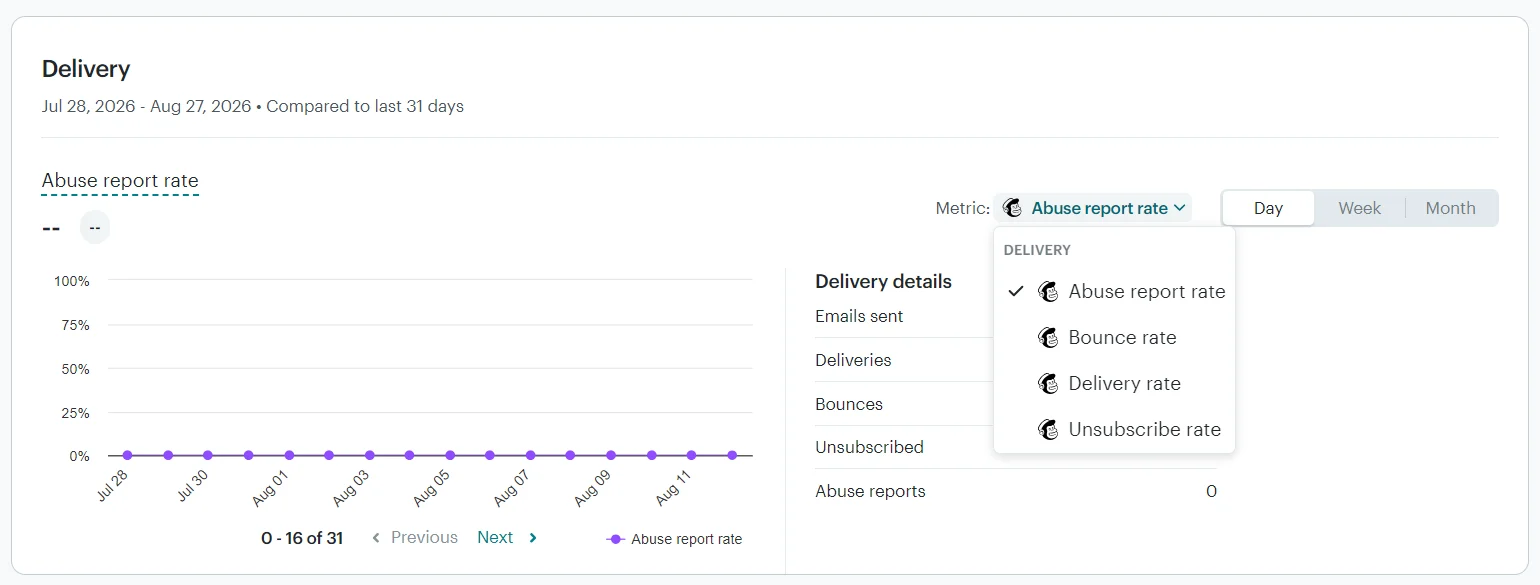
Email deliverability is critical for campaign success and brand reputation. Both platforms invest heavily in ensuring high delivery rates, but their approaches to user-facing tools differ. Mailchimp claims a delivery rating of over 99% and requires manual domain authentication (DKIM, DMARC TXT records). Its Marketing dashboard provides raw metrics on abuse report rates, bounce rates, delivery rates, and unsubscribe rates, with options for various graph views. Standard plans also allow for custom reports with nine specific delivery metrics, offering deep insight into email performance.
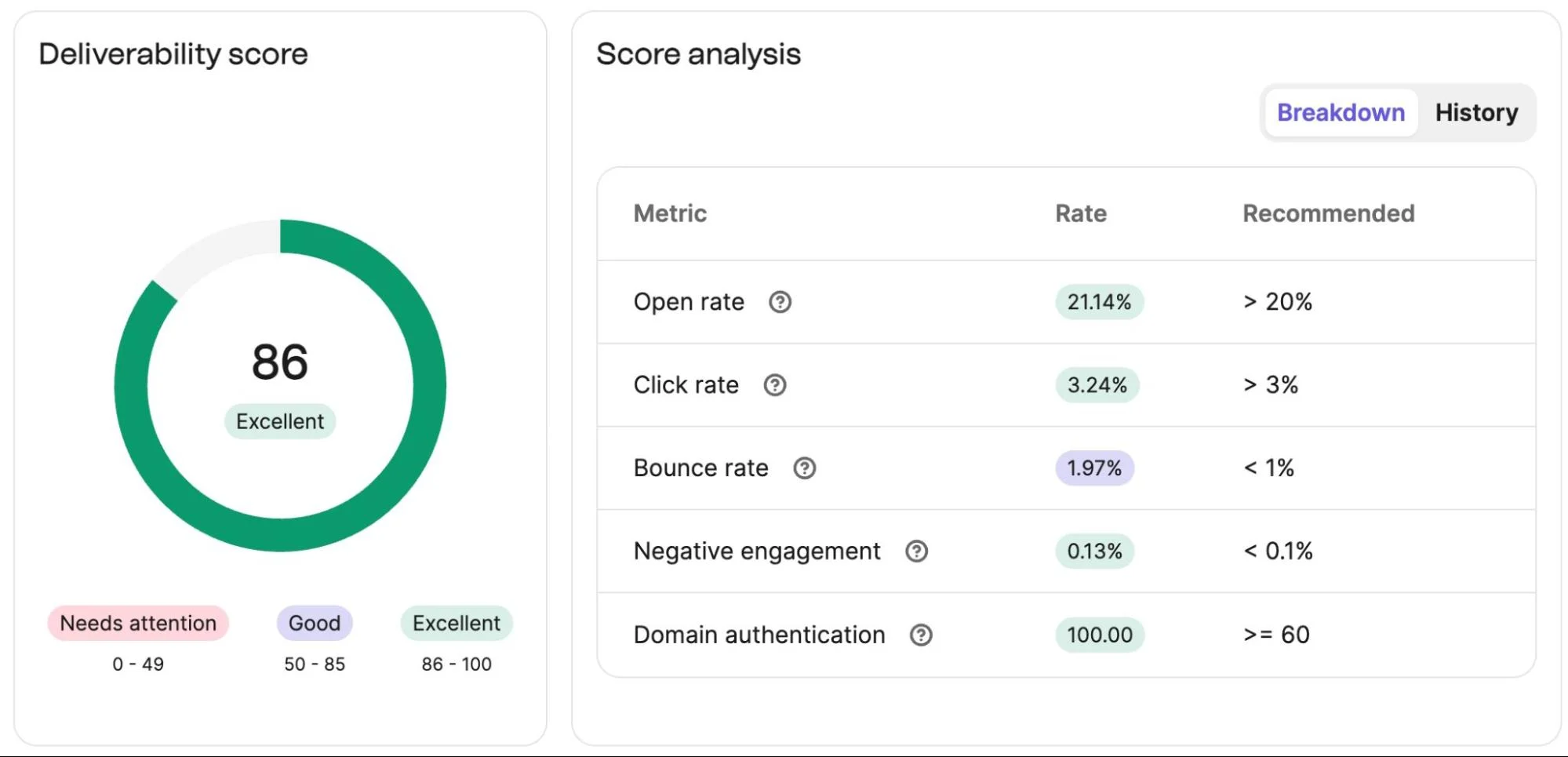
Brevo streamlines the authentication process by offering automatic domain authentication, where users can log in to their domain provider directly from Brevo, which then automatically adds the necessary DNS records. Manually adding records is also an option. Brevo’s unique "Deliverability center," accessible via Settings, provides a comprehensive sending health score (0-100) based on open rates, click rates, bounce rates, unsubscribe rates, complaint rates, and domain authentication status. This score, accompanied by detailed analysis and historical views, offers a proactive mechanism for users to monitor and improve their sending reputation. While Mailchimp provides the data, Brevo’s interpretive scoring and proactive guidance can be particularly helpful for users who are not deliverability experts.
Ecosystem & Integrations: Connecting the Digital Toolkit
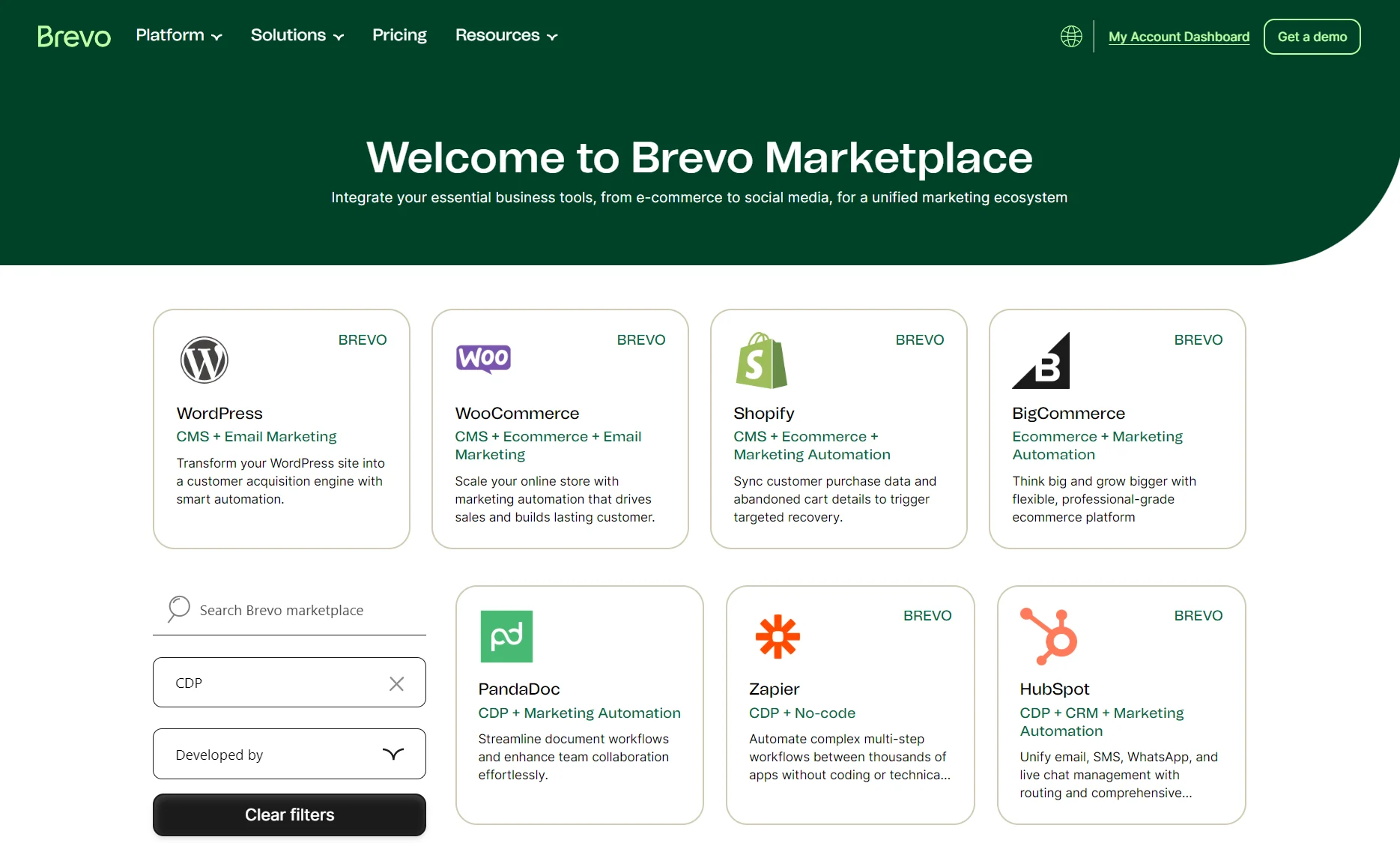
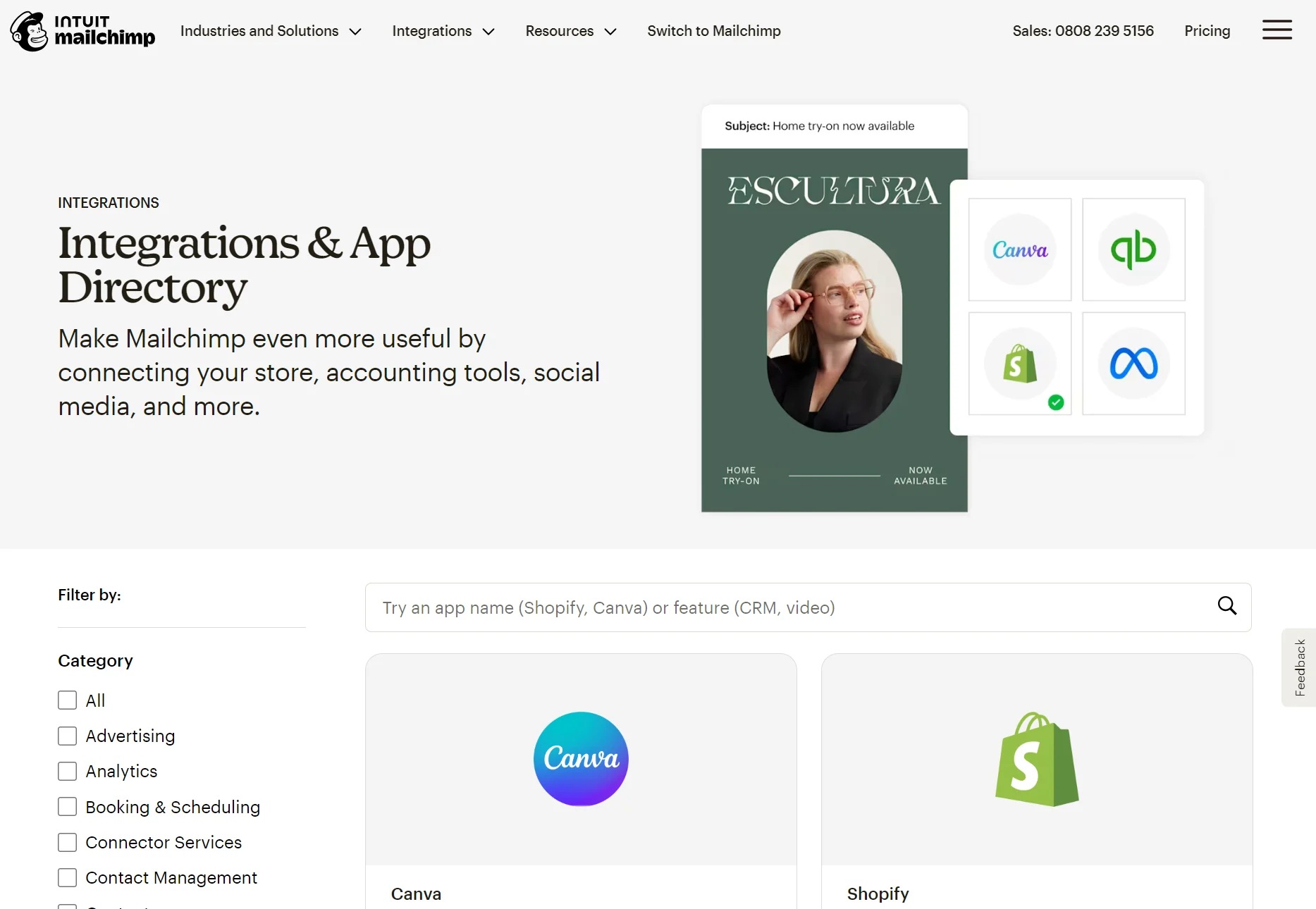
The ability to integrate with other business tools is crucial for building a cohesive digital ecosystem. Mailchimp boasts a broader integration library, offering over 200 direct apps compared to Brevo’s 100+. Both platforms provide connectors for middleware services like Make and Zapier, effectively extending their reach to thousands of additional applications. Both natively support popular e-commerce platforms such as Shopify, WooCommerce, BigCommerce, and WordPress, along with others like Big Cartel and PrestaShop.
However, the distribution of integrations across categories varies. Mailchimp, for instance, has more analytics apps (36 vs. Brevo’s 24), while Brevo offers more review apps (4 vs. Mailchimp’s 2). Enterprise-level CRM integrations also differ; Brevo offers native integration with HubSpot, which Mailchimp does not, though both connect with Zoho. The "best" platform in terms of integrations is highly dependent on a business’s existing tech stack and specific integration requirements. A broader library does not always translate to the right integrations for every business, making a thorough audit of current and future tool needs essential.
Performance Measurement: Analytics & Reporting
Understanding campaign performance is vital for optimization and strategic decision-making. Mailchimp stands out as the more mature tool for in-depth analytics and reporting, particularly for e-commerce. Its advanced capabilities, such as custom reports and predictive Customer Lifetime Value (CLV), are available from the Standard plan ($20/month). The platform provides a centralized marketing dashboard with metrics across all channels, conversion insights for connected stores, and predictive analytics including likelihood to purchase, CLV, predicted time to next purchase, and customer churn risk. The Audience dashboard offers detailed insights into contact growth and source performance, allowing businesses to track list health and acquisition effectiveness.
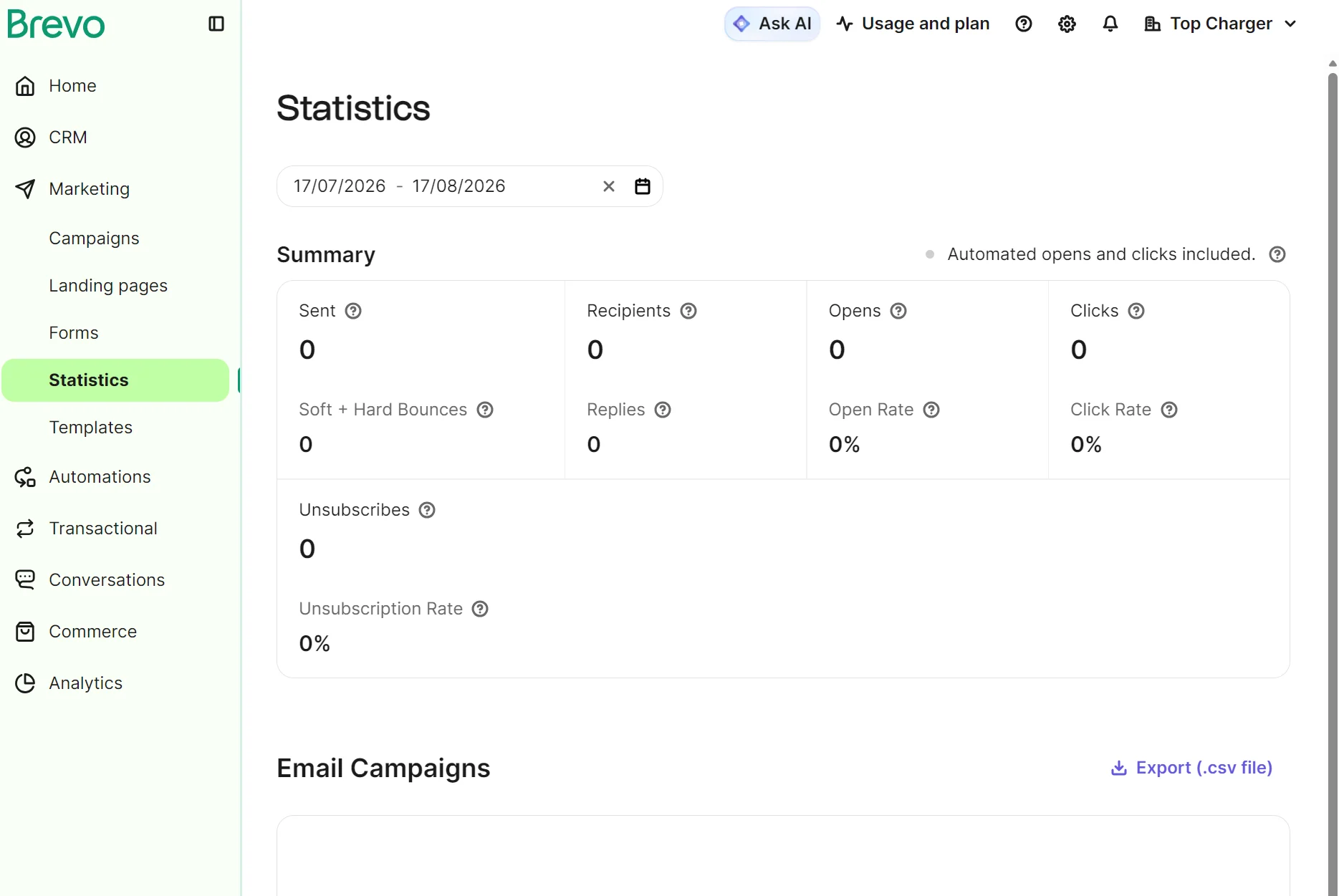
Brevo’s reporting capabilities are tiered. Free, Starter, and Standard plans offer a basic "Statistics" page for marketing and transactional emails, covering opens, clicks, and delivery rates. Viewing automation statistics requires navigating into individual automation editors. A comprehensive analytics dashboard, with detailed reports for automations, emails, SMS, revenue, and deliverability, along with custom report building and predictive scores for CLV and order behavior, is reserved for the Professional plan ($499/month). This significant price jump means that businesses needing advanced predictive analytics on a tighter budget might find Mailchimp more accessible.
The AI Frontier: Intelligent Marketing Tools
Artificial intelligence is rapidly transforming marketing, and both platforms are integrating AI features, though with differing philosophies and accessibility. Brevo’s Aura AI is more pervasive and accessible, included across all plans. Aura acts as a chatbot assistant with three agents available to all users (Marketing, Data Management, Conversations), and a fourth (Sales) available with the Sales Essentials add-on. The Marketing agent can generate content, build automations, and optimize send times. The Data Management agent answers plain-language data questions, while the Conversations agent summarizes live chats and edits replies. Aura AI’s ability to build segments based on prompts is a notable advantage, making it a more interactive and functional AI assistant across the platform. Brevo also supports integration with users’ own AI assistants via its MCP Server.
Mailchimp’s Intuit Assist (currently in beta for select Standard and Premium customers in specific regions) offers generative AI for workflows and content, including the "Mailchimp Assistant" chatbot. While it can generate email content for flows and campaigns, its capabilities appear less integrated and comprehensive than Brevo’s Aura AI. For instance, Intuit Assist currently does not build segments from prompts. Mailchimp does, however, provide connectors for external AI tools like Claude and ChatGPT, allowing them to access user data for workflow analysis and campaign creation. For businesses prioritizing broad AI integration and functionality across all plan tiers, Brevo’s Aura AI offers a more advanced and democratized solution.
Strategic Fit: Who Benefits Most?
Choose Brevo if:
- You manage a large contact list but send emails infrequently, as its volume-based pricing will likely be more cost-effective.
- You require an integrated sales CRM alongside marketing tools, particularly for B2B or service-oriented businesses.
- You need transactional email and SMS capabilities bundled into your core plan without requiring separate add-ons.
- You value comprehensive AI assistance (Aura AI) across all plan tiers for content generation, automation building, and data querying.
- Global SMS coverage (180+ countries) is a critical requirement.
- You prefer automated domain authentication and a proactive deliverability scoring system.
Choose Mailchimp if:
- You have a modest to mid-sized contact list but engage in high-frequency sending, where its contact-based pricing with send multipliers can be more economical.
- Your primary focus is e-commerce, and you need robust predictive analytics (CLV, purchase likelihood) and custom reporting at a more accessible price point (Standard plan).
- You prioritize a vast library of pre-built email templates and an intuitive drag-and-drop editor for creative flexibility.
- You prefer a wider array of integrations to connect with a diverse existing tech stack.
- Your automation needs are primarily focused on e-commerce flows and you require a large library of pre-built automation templates.
Emerging Alternatives: The Case for Omnisend
While Brevo and Mailchimp represent significant forces in the marketing automation space, the market offers compelling alternatives. Omnisend stands out as an e-commerce-first email and SMS marketing platform designed specifically to meet the unique needs of online retailers. It offers pre-built segments, workflows, email templates, and forms tailored for the entire customer journey. Omnisend natively integrates with leading e-commerce platforms such as Shopify, WooCommerce, and BigCommerce, streamlining data flow and campaign execution for online stores.
A key advantage of Omnisend is its consistent customer support, offering 24/7 live chat and email support across all plans. Unlike both Brevo and Mailchimp, Omnisend provides customer lifecycle stage maps, derived from AI-driven RFM (Recency, Frequency, Monetary value) analysis, available in all plans. This feature empowers businesses to segment and target customers based on their true value and engagement stage. Additional capabilities include an AI segment builder, generative AI for content (including subject lines), multi-store support, and multichannel automations incorporating email and web push notifications. SMS is available in its Pro plan. For e-commerce businesses considering migration, Omnisend offers a streamlined process from Mailchimp, typically completed within five days, allowing for rapid transition and continued focus on revenue generation. Omnisend customers have reportedly achieved a 79:1 ROI across all channels in 2025, underscoring its efficacy for e-commerce growth.
Brevo vs. Mailchimp: Final Verdict
Ultimately, the decision between Brevo and Mailchimp is a strategic one, dictated by a business’s unique operational needs, budget constraints, and growth aspirations for 2026. Brevo excels for businesses with extensive, infrequently emailed lists, those requiring an integrated sales CRM, and organizations prioritizing comprehensive, accessible AI features and broad global SMS coverage on a budget. Mailchimp, conversely, remains a strong choice for businesses with modest to mid-sized lists that demand frequent communication, a vast template library, and advanced e-commerce-centric predictive analytics at a more competitive price point for its reporting depth. Both platforms offer robust tools, but their distinct strengths cater to different strategic imperatives in the evolving digital marketing landscape.
FAQs
Is Brevo cheaper than Mailchimp?
Yes, Brevo generally offers a lower entry price and can be cheaper for businesses with large contact lists that send emails infrequently, due to its volume-based pricing model. Brevo’s Starter plan is $9/month, compared to Mailchimp’s Essentials at $13/month. Its mid-tier Standard plan is also cheaper at $18/month versus Mailchimp’s $20/month.
How do I switch from Mailchimp to Brevo?
To switch from Mailchimp to Brevo, first create a free Brevo account. Then, access the Mailchimp by Brevo app within Brevo’s integration directory. This integration facilitates the syncing of your existing contact lists from Mailchimp to Brevo, where you can then segment them. However, it’s important to note that existing automation flows and email templates will need to be manually rebuilt within the Brevo platform.








