

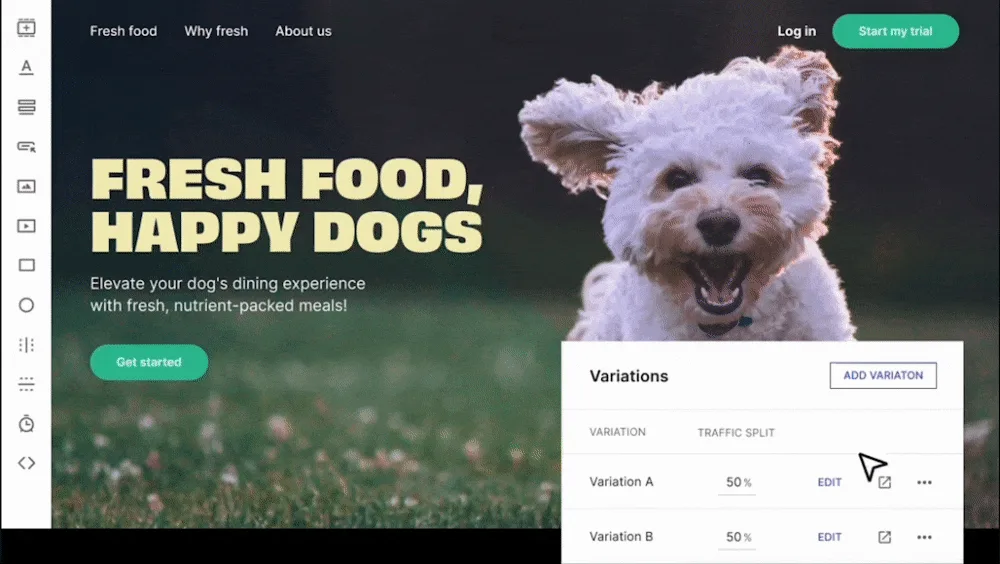
In the hyper-competitive landscape of digital marketing, the transition from a prospective lead to a confirmed customer often hinges on the performance of a single landing page. While the foundational elements of digital advertising—ad-to-page relevance, compelling offers, and cohesive design—are well-understood by modern marketers, the reality of execution frequently falls short of expectations. Industry benchmarks indicate that even meticulously crafted pages can suffer from stagnant conversion rates, leaving businesses to grapple with high Customer Acquisition Costs (CAC) and diminishing Returns on Ad Spend (ROAS). The solution to this stagnation is not a wholesale abandonment of strategy, but rather the implementation of rigorous, data-driven A/B testing.
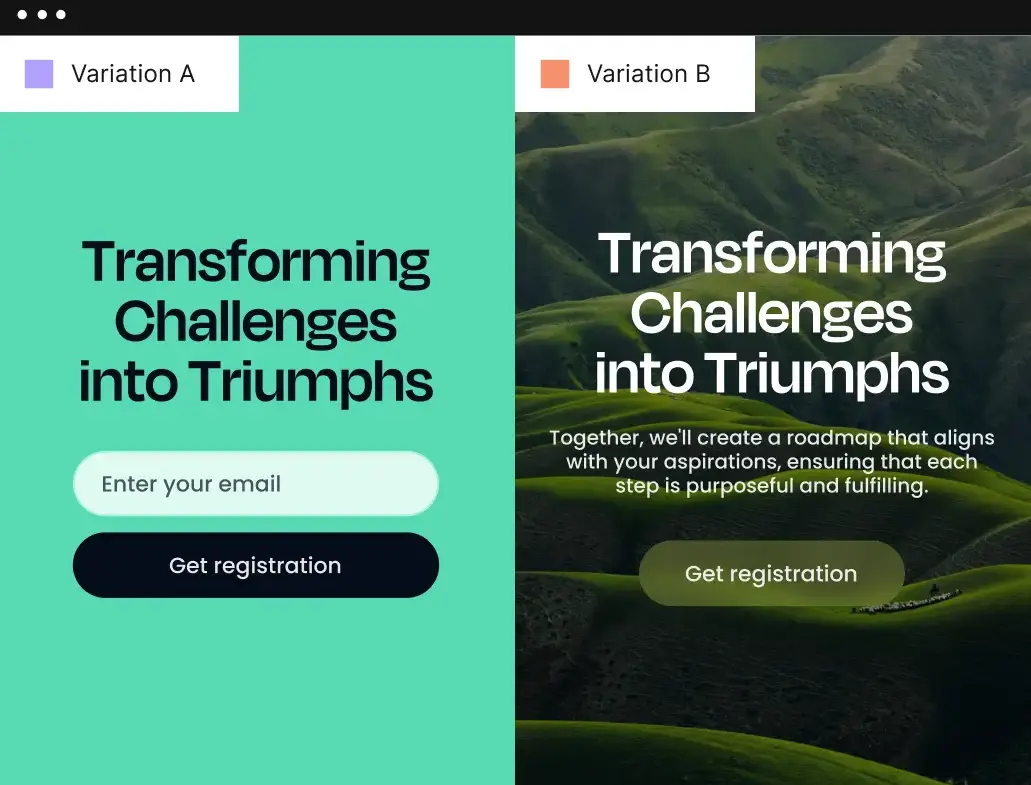
A/B testing, or split testing, serves as the scientific method of the marketing world. It allows organizations to move beyond subjective intuition and base their design and copy decisions on empirical evidence. By creating multiple variations of a page and distributing traffic among them, marketers can isolate specific variables—such as headlines, call-to-action (CTA) buttons, or imagery—to determine which configuration yields the highest engagement. As organizations increasingly prioritize "conversion rate optimization" (CRO), the demand for sophisticated testing platforms has surged, leading to a crowded marketplace of tools that vary significantly in technical depth, ease of use, and analytical rigor.

The Evolution of Landing Page Optimization
The history of landing page optimization has moved through several distinct eras. In the early 2000s, testing was a manual, developer-heavy process that required significant coding knowledge to split traffic and track results. By the mid-2010s, the rise of "no-code" visual editors democratized the process, allowing marketing teams to launch experiments without direct engineering intervention. Today, the industry is entering the era of AI-driven experimentation, where machine learning algorithms not only track results but also predict user behavior and dynamically allocate traffic to the most successful variations in real-time.
For modern enterprises, the stakes of these tests are high. According to recent industry data, companies that take a structured approach to conversion optimization are twice as likely to see a large increase in sales. Furthermore, the "flicker effect"—a common technical glitch in older A/B testing tools where the original page flashes briefly before the variation loads—has become a primary concern for user experience and SEO, pushing the industry toward more stable server-side testing solutions.
Criteria for Evaluating Modern A/B Testing Platforms
Selecting an A/B testing platform is a strategic decision that impacts a company’s entire marketing stack. To provide a fair assessment of the leading tools available today, it is essential to evaluate them based on four critical pillars:
- Technical Deployment: Does the tool utilize client-side or server-side testing? Server-side testing is generally preferred for its speed and lack of visual flickering, though it may require more technical setup.
- Ease of Use vs. Power: Does the platform offer a no-code visual editor for quick changes, or does it require CSS/Javascript knowledge? The ideal tool balances accessibility for marketers with advanced capabilities for developers.
- Statistical Integrity: How does the tool calculate "winners"? Platforms using Bayesian statistics or frequentist models offer different ways of viewing "statistical significance" and the probability of a variation’s success.
- Integration and Data Portability: Can the testing data be seamlessly exported to CRMs like Salesforce, analytics platforms like Google Analytics 4, or data warehouses for deeper analysis?
Industry-Leading Tools for Landing Page Testing
1. Instapage: The Integration of Design and AI-Driven Testing
Instapage has positioned itself as a comprehensive solution for marketers who require both a high-performance landing page builder and an integrated experimentation suite. Unlike standalone testing tools that require a separate page-building process, Instapage allows for "server-side experimentation" directly within its no-code environment. This integration eliminates the technical friction between designing a page and testing it.
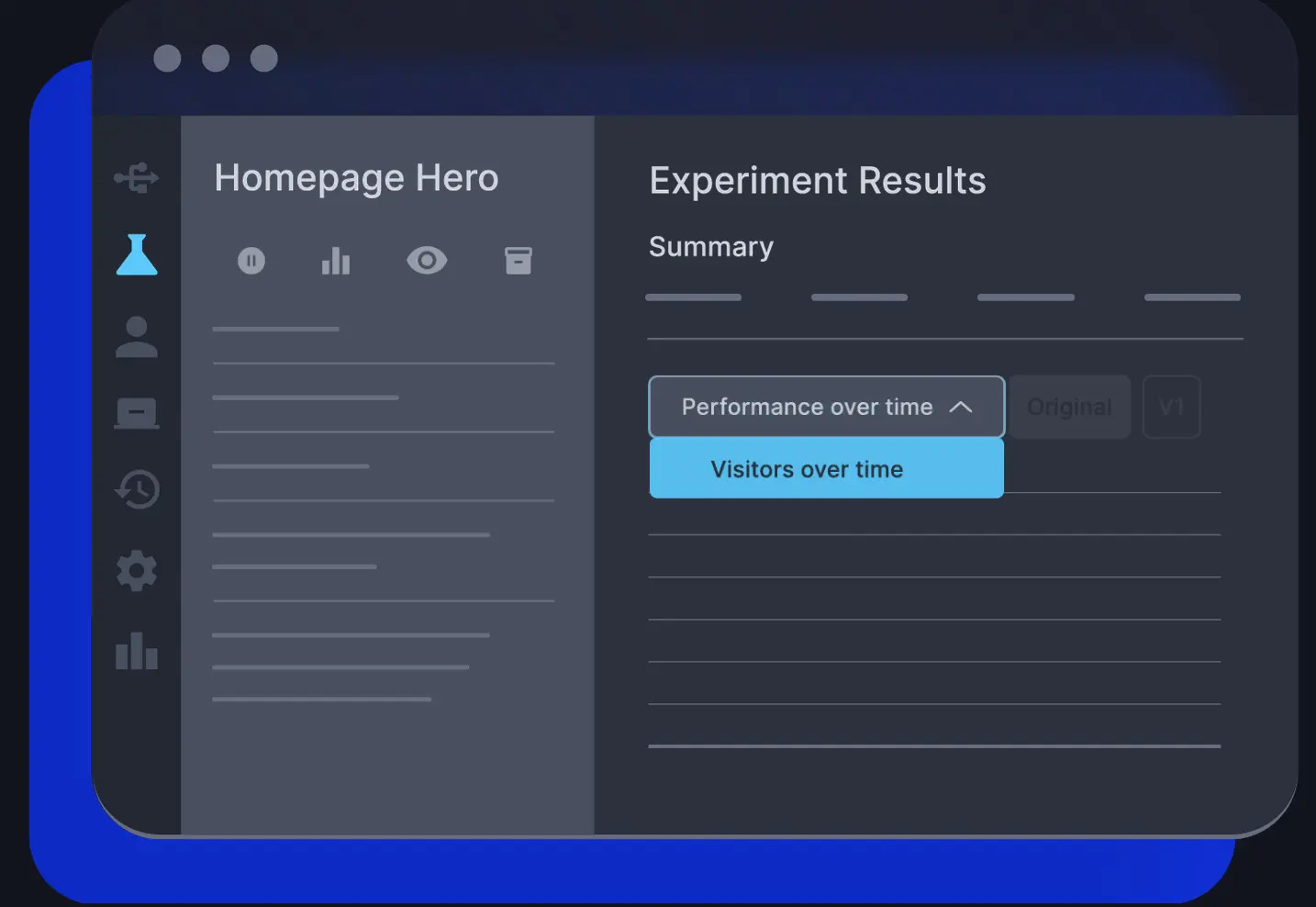
A standout feature of the Instapage platform is its "AI Experiments" functionality. While traditional A/B testing splits traffic evenly (50/50) until a winner is declared, AI Experiments utilize dynamic traffic allocation. This method uses machine learning to monitor the conversion rates of different variations in real-time and automatically directs more traffic to the higher-performing version. This "multi-armed bandit" approach minimizes the "regret" or lost conversions that typically occur when sending traffic to a losing variation during a long test.
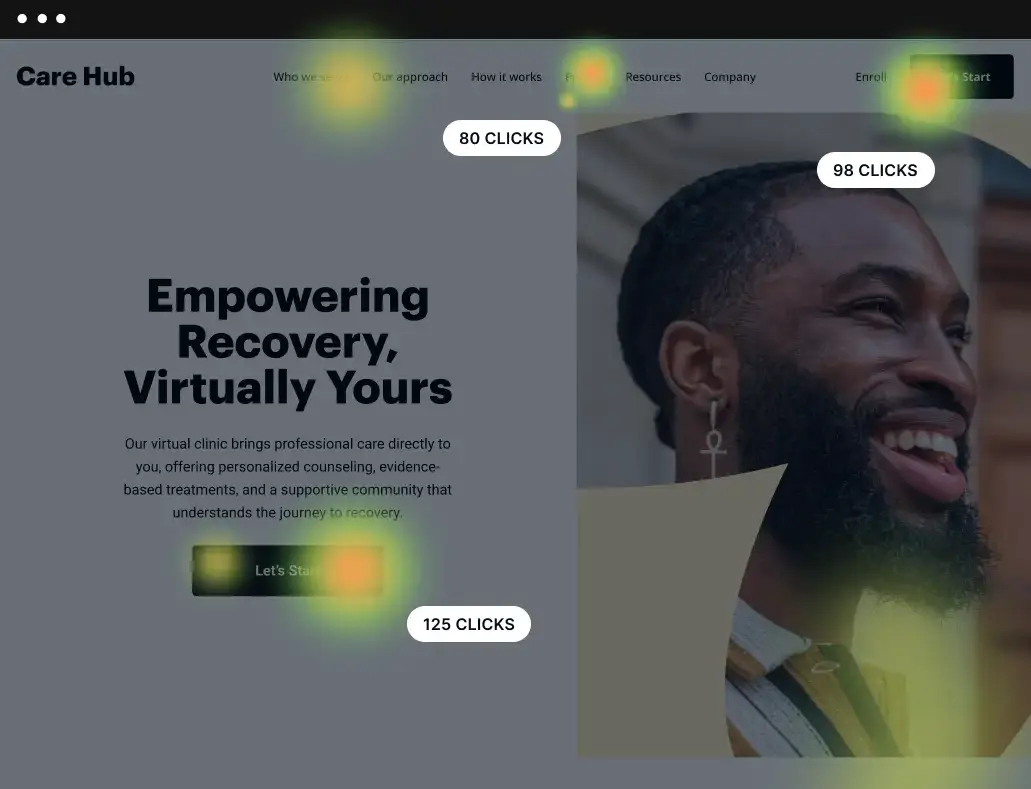
The platform also provides built-in heatmaps, which track mouse movements, clicks, and scroll depth. This qualitative data is crucial for forming the hypotheses that lead to successful A/B tests. For example, if a heatmap shows that 80% of visitors never scroll past the fold, a marketer might hypothesize that moving the CTA higher will increase conversions—a hypothesis that can then be validated through a split test. Case studies from major clients like Verizon have demonstrated that this holistic approach can reduce cost-per-conversion by over 50%.
2. VWO (Visual Website Optimizer): Versatility and Funnel Analysis
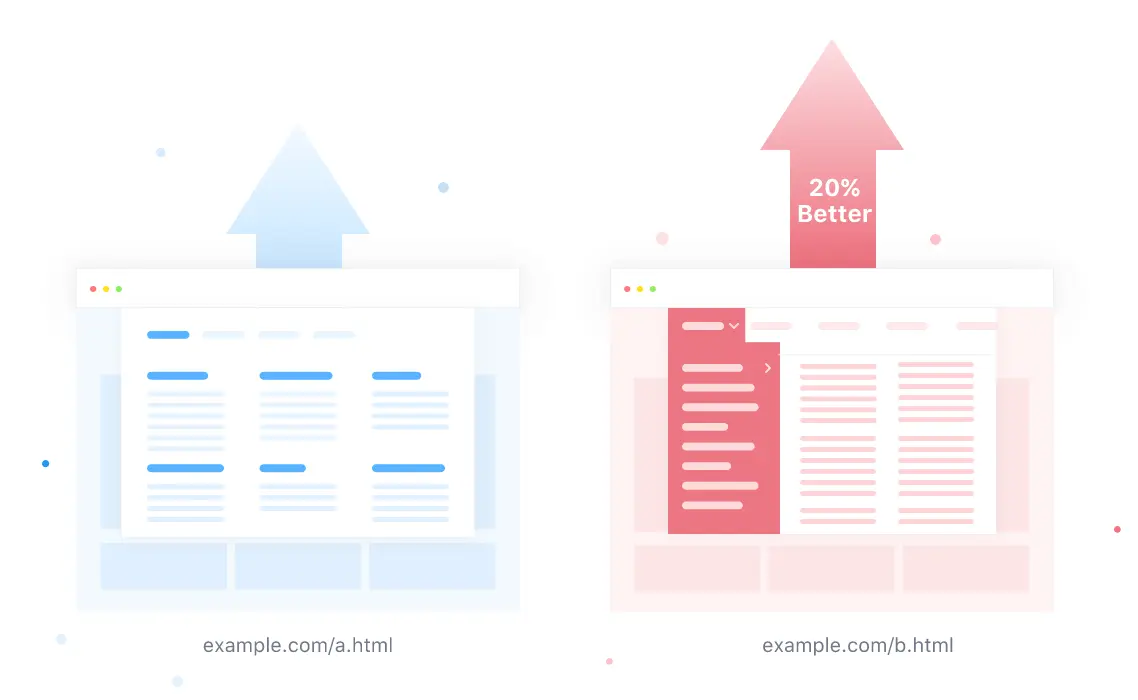
VWO is recognized for its robust split URL testing capabilities. While many tools focus on changing small elements on a single page, VWO excels when marketers need to test two entirely different page designs hosted on separate URLs. This is particularly useful for radical redesigns or when testing different user flows entirely.
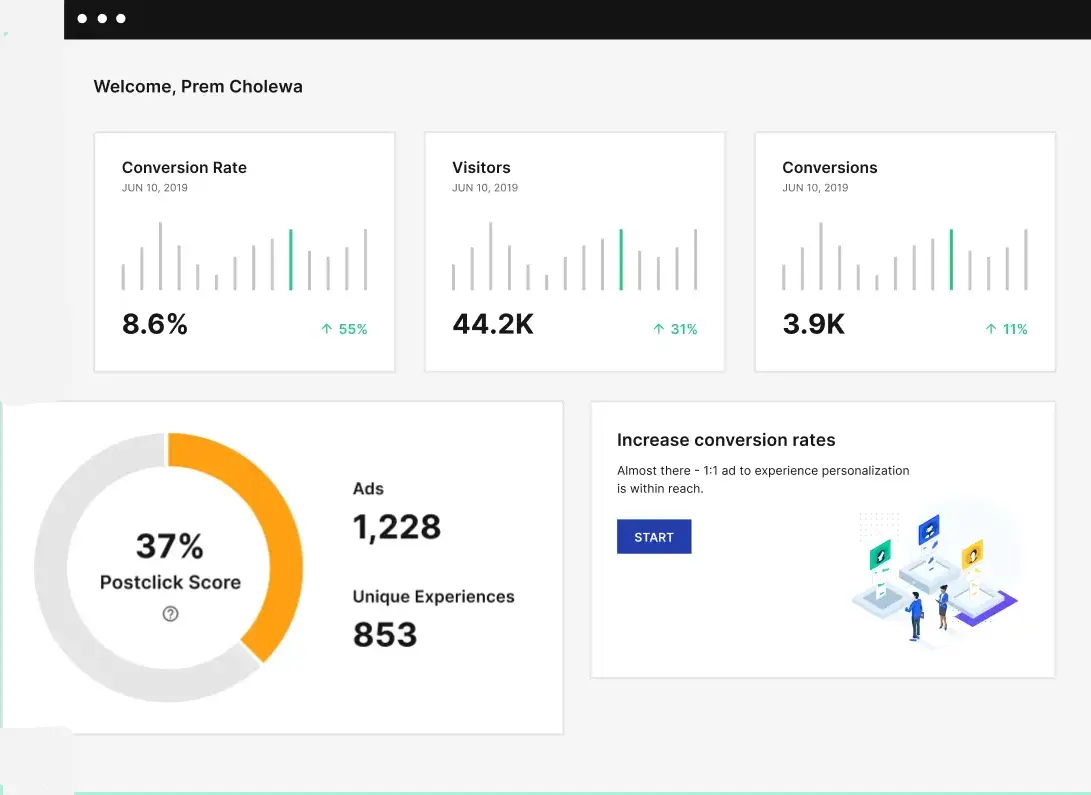
VWO’s testing engine provides a high degree of transparency regarding "probability to be best," a metric that helps marketers understand the risk associated with declaring a winner. Furthermore, VWO allows for multi-metric tracking. Instead of just tracking a "click," a marketer can track how a variation on a landing page affects the entire sales funnel, all the way to the final checkout or thank-you page. This ensures that a variation that increases initial clicks doesn’t inadvertently decrease the quality of leads further down the line.
3. Optimizely: Enterprise-Grade Experimentation
Optimizely remains the gold standard for large-scale enterprises with complex digital ecosystems. Its "Web Experimentation" product is designed to handle high-traffic environments where performance and precision are paramount. One of its key advantages is its "network edge" experimentation, which allows tests to run almost instantaneously, ensuring that the user experience remains seamless across global audiences.
Optimizely’s visual editor is supplemented by powerful extension templates, allowing teams to scale their testing programs without becoming a bottleneck for the development team. The platform also emphasizes "low code" rather than "no code," providing the flexibility for technical teams to run sophisticated experiments involving complex logic while still offering an intuitive interface for general marketing users. Its embedded AI capabilities also suggest copy variations, helping teams overcome creative blocks during the variation-building phase.
4. GrowthBook: Open-Source Flexibility and Data Control
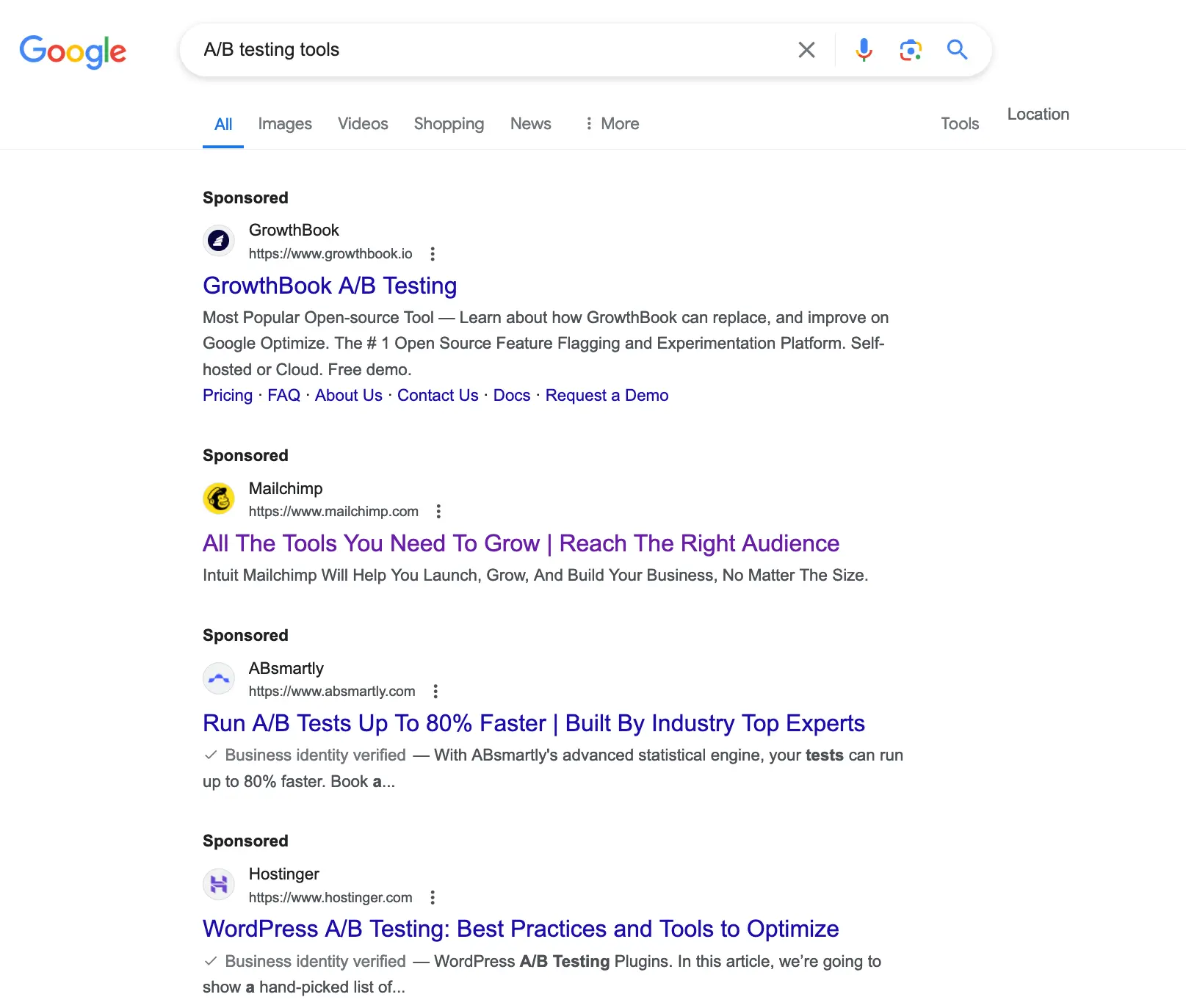
For organizations that are wary of vendor lock-in and prioritize data sovereignty, GrowthBook has emerged as a disruptive force. As an open-source platform, it allows companies to maintain full control over their experimentation data. GrowthBook integrates directly with a company’s existing data warehouse—such as Snowflake, BigQuery, or Redshift—meaning that the results of an A/B test are analyzed using the company’s own "source of truth."
GrowthBook is particularly popular among product-led growth (PLG) companies because it manages "feature flags" alongside A/B tests. This allows developers to toggle new features on or off for specific user segments, effectively turning product releases into experiments. While it requires more technical overhead than a plug-and-play solution like Instapage, its flexibility and ability to add metrics to past experiments make it a powerful tool for data-mature organizations.
Supporting Data: The Impact of Systematic Testing
The necessity of these tools is underscored by the current state of digital advertising costs. Recent reports from platforms like Google and Meta indicate that the average cost-per-click (CPC) has risen by nearly 20% year-over-year in certain sectors. In this environment, a 1% increase in conversion rate can represent hundreds of thousands of dollars in saved marketing spend for mid-to-large enterprises.
Furthermore, statistical analysis of thousands of A/B tests suggests that only about 1 in 8 tests produces a statistically significant positive result. This "failure rate" highlights why having an efficient, easy-to-use tool is vital; teams must be able to iterate quickly and run many tests to find the "winners" that will move the needle on revenue.
Responses from the Marketing Community
Industry analysts and Chief Marketing Officers (CMOs) have increasingly shifted their focus from "traffic acquisition" to "conversion optimization." In a recent roundtable discussion on digital strategy, several industry leaders noted that the "era of cheap traffic is over." The consensus is that the winners in the 2024-2025 market will be those who can squeeze the most value out of every visitor.
"A/B testing is no longer a luxury or a side project for the ‘data person’ on the team," says one digital strategy consultant. "It is the core of the creative process. If you aren’t testing, you aren’t marketing; you’re just guessing." This sentiment is echoed by the rapid adoption of AI-enhanced tools, which allow smaller teams to compete with the testing velocity of much larger corporations.
Broader Implications and the Future of CRO
The move toward advanced A/B testing tools signals a broader shift in the digital economy toward personalization and user-centric design. As privacy regulations like GDPR and CCPA limit the effectiveness of third-party tracking, first-party data gathered through on-page experimentation becomes even more valuable.
Looking forward, the integration of Generative AI into these platforms is expected to automate the hypothesis-generation phase. Instead of a marketer deciding to test a red button against a blue one, AI will analyze user sentiment and historical data to suggest entirely new value propositions and layouts.
In conclusion, the path to higher conversion rates is not found in a single "perfect" design, but in the commitment to a culture of experimentation. Whether an organization chooses the AI-powered efficiency of Instapage, the funnel depth of VWO, the enterprise scale of Optimizely, or the open-source control of GrowthBook, the objective remains the same: to stop guessing and start knowing what resonates with the audience. As the digital marketplace continues to evolve, those who leverage these tools to optimize their landing pages will find themselves with a significant competitive advantage, turning every click into a meaningful step toward business growth.







