For businesses and individuals seeking to establish a robust online presence, Search Engine Optimization (SEO) stands as a foundational pillar of digital marketing. Far from a mere technical jargon, SEO is a strategic imperative for attracting target audiences, building brand authority, and converting online interest into tangible business outcomes. In an increasingly competitive digital landscape, understanding the intricacies of SEO is no longer optional but essential for survival and growth.
The Essence of Search Engine Optimization
At its core, Search Engine Optimization (SEO) is the practice of enhancing a website’s visibility within search engine results pages (SERPs) for relevant queries. This encompasses both the "art" of crafting compelling content that resonates with user intent and the "science" of optimizing technical elements to ensure search engines can effectively discover, understand, and rank that content. Alex Moss, Principal SEO at Yoast, succinctly defines it as "both the art and science of improving a website, and pages within, to be as visible as possible for when people search for a relevant topic within any search platform." This multifaceted discipline extends beyond traditional search engines like Google and Bing, now encompassing optimization for AI-powered search experiences, chatbots, and various other digital discovery platforms. It integrates technical improvements, content refinement, and strategic brand-building to amplify online presence, engage the appropriate audience, and achieve overarching business objectives.
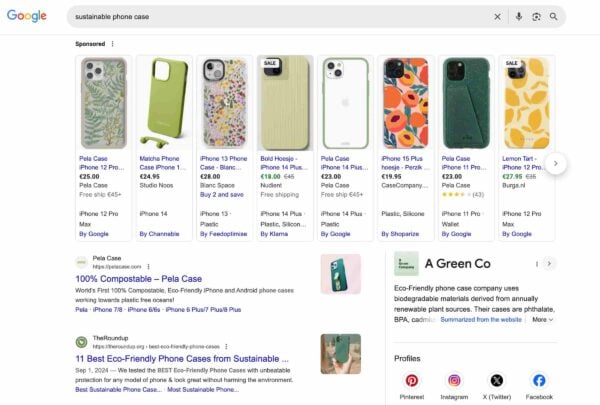
The operational mechanism of search engines, particularly Google, involves a three-stage process: crawling, indexing, and ranking. An automated program, known as a "crawler" or "spider," systematically explores the internet, identifying new and updated web pages. These pages are then cataloged and stored in a vast database called the "index." When a user submits a search query, the search engine consults this index, employing sophisticated algorithms to ascertain which pages are most pertinent and authoritative for that specific query. The order in which these results are presented constitutes their "ranking." For instance, a search for "sustainable phone case" triggers Google’s algorithms to scour its index for the most relevant and high-quality results matching that specific intent, demonstrating the direct link between user queries and displayed content.

A Brief History and Evolution of SEO
The concept of optimizing websites for search engines emerged in the mid-1990s, coinciding with the proliferation of the World Wide Web. In its nascent stages, SEO was a relatively straightforward endeavor. Early search engine algorithms were less sophisticated, heavily relying on simplistic metrics such as "keyword density"—the frequency with which a specific keyword appeared on a page. Websites would often employ tactics like "keyword stuffing," repeating keywords excessively, or embedding them in invisible text to manipulate rankings. This era was characterized by a focus on manipulating algorithms rather than genuinely serving user needs.
However, the limitations of this approach quickly became apparent. Search engines recognized that delivering results based solely on keyword repetition often led to poor user experiences, as highly ranked pages were not necessarily the most informative or valuable. This spurred a significant evolution in algorithm development. Companies like Google, founded in 1998, pioneered more advanced ranking methodologies. Milestones in this evolution include:
- PageRank (Late 1990s): Google’s revolutionary algorithm that evaluated the quality and quantity of backlinks to a page, treating them as "votes of confidence."
- Panda Update (2011): Targeted websites with low-quality, thin, or duplicate content, penalizing them in search results.
- Penguin Update (2012): Focused on combating web spam, particularly manipulative link-building schemes.
- Hummingbird Update (2013): Enhanced Google’s ability to understand the semantic meaning and context of queries, moving beyond exact keyword matching.
- RankBrain (2015): An AI-powered system that helps Google interpret ambiguous queries and improve the relevance of search results.
- Mobile-First Indexing (2018 onwards): Google began prioritizing the mobile version of a website for indexing and ranking, reflecting the dominance of mobile browsing.
- Core Web Vitals (2021): Introduced user experience metrics (loading speed, interactivity, visual stability) as significant ranking factors.
These continuous algorithm updates underscore a consistent trend: search engines increasingly prioritize high-quality, relevant content and an excellent user experience. The "tricks" of early SEO gave way to a focus on genuine value creation and technical excellence. As of 2024, Google alone processes approximately 8.3 billion searches per day, a testament to the immense and continuously growing volume of online queries. This staggering figure highlights the unparalleled opportunity for businesses to connect with their audience through effective SEO.
Organic vs. Paid Search: Understanding the Distinction

A critical distinction in search marketing is between organic and paid results. SEO exclusively targets organic traffic—visitors who arrive at a website through unpaid search listings. These are the results that appear naturally based on a search engine’s assessment of relevance and authority. In contrast, paid search results, often denoted by labels like "Ad" or "Sponsored," appear at the top or bottom of SERPs. These positions are secured through advertising platforms like Google Ads, where businesses bid on keywords and pay for each click (Pay-Per-Click or PPC). While PPC offers immediate visibility, it requires continuous financial investment. SEO, though demanding sustained effort, offers a more sustainable and cost-effective long-term strategy, building inherent authority and visibility that accrues over time. Often, SEO and PPC are complementary, forming a comprehensive search strategy.
The Rise of AI and the Evolving Landscape of SEO
The advent of artificial intelligence (AI) has introduced new dimensions to the SEO landscape. Terms like Generative Engine Optimization (GEO) have emerged, focusing on optimizing content for visibility within AI-generated responses and tools. However, industry experts like those at Yoast maintain that the fundamental principles of SEO remain largely unchanged, even as the channels for discovery expand. The core goal—making content discoverable, understandable, and trustworthy—applies equally to traditional SERPs, AI assistants, chatbots, and social media platforms.
Google’s introduction of "AI Overviews" exemplifies this shift. These AI-powered summaries pull and combine information from various sources to directly answer a user’s query at the top of the SERP. While this can lead to "zero-click searches"—where users get their answer without visiting a website—it still underscores the importance of being a trusted source. Appearing as a cited reference in an AI Overview significantly boosts brand awareness and credibility, fostering future demand even without an immediate click. This trend necessitates a shift in focus from merely securing clicks to building a strong, authoritative brand that is consistently referenced across various discovery platforms.
Carolyn Shelby, Principal SEO at Yoast, emphasizes this evolving perspective: "Rankings still matter, but they are no longer the end goal. They are a proxy for visibility, not a guarantee of impact. As search shifts from ranking pages to selecting sources, rankings should be interpreted alongside presence, citation, and narrative accuracy." This highlights a strategic pivot towards comprehensive brand influence rather than a singular obsession with keyword rankings.
Why SEO is Indispensable for Site Owners
For any entity with an online presence, SEO offers unparalleled advantages:
- Massive Search Volume and Reach: With billions of searches conducted daily across various platforms, the potential audience reachable through search engines is immense. SEO ensures a business can tap into this vast pool of actively searching users.
- Intent-Driven Marketing: Unlike outbound marketing channels that interrupt users, SEO is an inbound strategy. Users actively seek information, products, or services, meaning they already possess a high degree of intent. This makes organic traffic inherently more qualified and more likely to convert, yielding higher-quality leads.
- Sustainable Competitive Advantage: In an era of rampant website creation, standing out requires sustained effort. Effective SEO provides higher online visibility, reinforces brand strength, establishes authority, increases touchpoints with the audience, and drives high-quality traffic. These factors collectively contribute to enhanced brand loyalty and increased revenue, creating a durable competitive edge.
- Beyond Clicks: Brand Building and Credibility: As AI-powered search gains prominence, the value of SEO extends beyond direct website clicks. Being cited in AI-generated answers or overviews, or being discovered through diverse platforms, significantly enhances brand awareness and credibility. This establishes a business as a trusted source, influencing future customer decisions.
The Three Pillars of Effective SEO
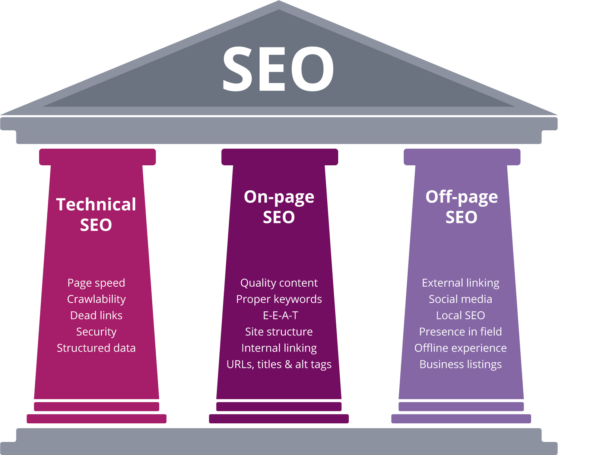
Optimizing a website for online visibility involves a holistic approach, typically categorized into three main pillars:
-
Technical SEO: This foundational pillar focuses on improving a website’s technical aspects to enhance user experience and facilitate search engine crawling and indexing. Key elements include:
- Site Speed/Page Load Time: Fast-loading pages are crucial for user retention and search engine ranking. Google’s Core Web Vitals heavily emphasize this.
- Mobile-Friendliness: Ensuring a website is responsive and performs optimally on mobile devices is paramount, given Google’s mobile-first indexing.
- Crawlability and Indexability: Making sure search engine bots can easily access and understand all relevant pages through XML sitemaps and proper
robots.txtdirectives. - Website Security (HTTPS): Secure websites (using HTTPS) are preferred by search engines and build user trust.
- Structured Data (Schema Markup): Implementing schema markup helps search engines understand the content’s context and display rich snippets in SERPs, improving visibility.
- Site Architecture and Navigation: A logical, user-friendly site structure improves both user experience and crawl efficiency.
- Handling Duplicate Content: Identifying and resolving issues where identical or near-identical content appears on multiple URLs.
- Redirects: Properly implementing 301 redirects for moved or deleted pages to maintain link equity and user experience.
Search engines prioritize these technical aspects because they directly impact user satisfaction. A slow, insecure, or poorly navigable site provides a subpar experience, which search engines aim to avoid presenting to their users.
-
On-Page SEO: While technical SEO deals with the "under-the-hood" mechanics, on-page SEO focuses on optimizing the content and elements directly visible on a web page to improve its relevance for specific search queries. This includes:
- Content Quality and Relevance: Creating original, comprehensive, and valuable content that thoroughly addresses user intent. This is often tied to Google’s E-E-A-T (Experience, Expertise, Authoritativeness, Trustworthiness) guidelines.
- Keyword Research and Optimization: Identifying relevant keywords that target audiences use and strategically incorporating them into content without over-stuffing.
- Title Tags and Meta Descriptions: Crafting compelling and keyword-rich titles and meta descriptions that entice users to click from the SERP.
- Header Tags (H1, H2, H3): Structuring content with clear headings to improve readability and signal content hierarchy to search engines.
- Image Optimization: Using descriptive alt text, appropriate file sizes, and relevant filenames for images.
- Internal Linking: Strategically linking to other relevant pages within the same website to improve navigation, spread link equity, and establish topical authority.
- URL Structure: Creating clean, descriptive, and keyword-friendly URLs.
On-page SEO is primarily about content optimization and ensuring that all elements on a page work together to signal relevance and value to both users and search engines.
-
Off-Page SEO: This pillar encompasses all SEO activities conducted outside of a website’s direct control, aimed at building authority, credibility, and reach. Key components include:
- Link Building: Acquiring high-quality backlinks from other reputable and relevant websites. These links act as "votes of confidence," signaling authority to search engines. Ethical link building focuses on earning links through valuable content and outreach, rather than manipulative tactics.
- Brand Mentions and Citations: Being mentioned or referenced by other websites, news outlets, or social media, even without a direct link.
- Social Media Marketing: While social media activity doesn’t directly impact rankings, it can drive traffic, increase brand visibility, and indirectly contribute to off-page signals by increasing content exposure and potential for backlinks.
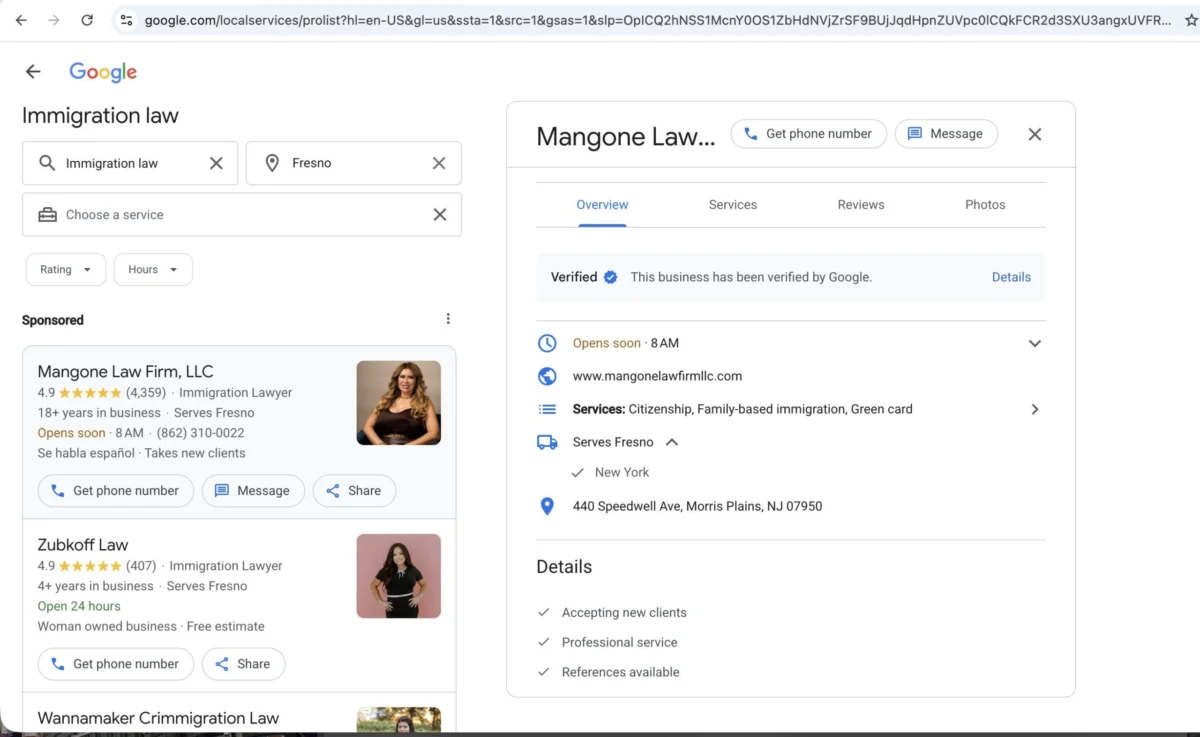
- Local SEO: For businesses with physical locations, optimizing for local search involves managing Google Business Profile, ensuring consistent NAP (Name, Address, Phone) information across online directories, and generating local reviews.
- Influencer Outreach and Public Relations: Collaborating with influencers or securing media coverage to enhance brand reputation and reach.
Off-page SEO is crucial for establishing a website’s authority and trustworthiness in the eyes of search engines. It validates a site’s expertise and reputation within its industry.
Key SEO Ranking Factors
While the exact weighting and comprehensive list of Google’s ranking factors remain proprietary, years of industry analysis and Google’s own guidance have illuminated the most critical elements:
- Relevance: How well a page’s content matches the intent behind a user’s search query.
- Authority (Domain Authority/Page Authority): The trustworthiness and expertise of a website, often measured by the quality and quantity of its backlinks.
- User Experience (UX): Factors like page speed, mobile-friendliness, site navigation, and overall ease of use. This is heavily influenced by Core Web Vitals.
- Content Quality and Depth: Original, comprehensive, accurate, and valuable content that fully addresses a topic.
- Mobile-Friendliness: The ability of a website to adapt and perform well on mobile devices.
- Backlinks: The number and quality of links from other websites pointing to your site.
- Technical Health: Error-free crawling, secure HTTPS connection, well-structured data.
- Freshness: For certain queries, newer, updated content may be preferred.
- Search Intent Alignment: Understanding whether a user wants to learn, buy, or navigate, and providing content that matches that intent.
Focusing on these core factors provides a solid foundation for any SEO strategy. Tools like Yoast’s SEO Checker can assist in identifying and addressing immediate issues.
Setting Strategic SEO Goals in the Modern Era
Traditional SEO goals often revolved around monitoring keyword rankings, website traffic, and bounce rates. While these metrics remain relevant, the evolving digital landscape, particularly with AI-powered search, necessitates a broader perspective. Modern SEO goals should encompass:

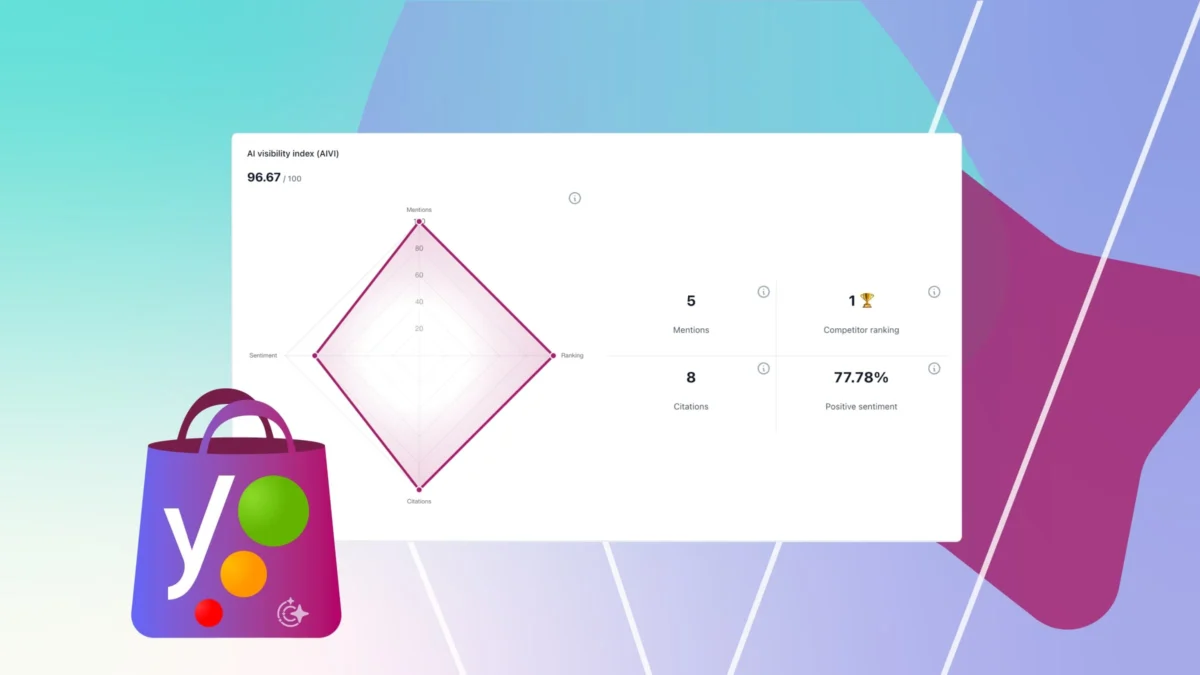
- Brand Awareness and Influence: Beyond clicks, measuring how often a brand or its content is cited, referenced, or contributes to AI-generated answers.
- User Engagement and Satisfaction: Metrics like time on page, scroll depth, and repeat visits, indicating the value users derive from the content.
- User Experience (UX) Performance: Monitoring Core Web Vitals and other technical performance indicators.
- Conversions and Business Outcomes: Directly linking SEO efforts to leads, sales, sign-ups, or other desired actions, rather than just traffic.
- Audience Loyalty: Building a loyal audience that returns directly to the site or seeks out the brand through various channels.
This shift moves beyond a purely numerical game to a focus on the overall perception and impact of a brand across the digital ecosystem. Integrating these broader metrics provides a more accurate and comprehensive measure of SEO success.
Embarking on Your SEO Journey
For individuals and businesses looking to implement SEO, a structured approach is recommended:
- Prioritize Technical Foundations: Before diving into content, ensure the website’s technical health is robust. Address issues like site speed, mobile-friendliness, security (HTTPS), crawlability, and proper use of structured data. For those without technical expertise, consulting with a web developer or utilizing platform-specific SEO tools is advisable.
- Develop a Content Strategy through Keyword Research: Conduct thorough keyword research to identify the terms and phrases your target audience uses. This not only informs content creation but also helps understand user intent. The rise of AI makes original, insightful, and expert-driven content more crucial than ever. A well-researched content plan will guide consistent content creation throughout the year.
- Optimize On-Page Elements: Apply on-page SEO best practices to all content: compelling title tags, meta descriptions, well-structured headings, optimized images, and strategic internal linking.
- Cultivate Off-Page Authority: Actively work on building high-quality backlinks through content promotion, outreach, and fostering genuine relationships within your industry. For local businesses, meticulous management of Google Business Profile and local citations is essential.
- Embrace Continuous Learning and Adaptation: SEO is not a one-time task but an ongoing process. Search engine algorithms evolve, user behavior shifts, and new technologies emerge. Staying informed through industry blogs, courses, and expert insights is vital.
Platforms like Yoast aim to democratize SEO, offering tools such as their free and premium WordPress SEO plugins, which provide features like content analysis, technical SEO assistance, and redirect management. For e-commerce businesses, the Yoast SEO app for Shopify offers tailored solutions. Additionally, comprehensive SEO academies and extensive blog resources provide structured learning paths for beginners and advanced practitioners alike, ensuring that anyone can acquire the knowledge and tools necessary to succeed in the dynamic world of Search Engine Optimization.