

Instapage, a global leader in landing page software and post-click automation, has officially announced the release of a sophisticated AI-powered Schema Markup feature designed to bridge the gap between high-performance design and machine-readability. This strategic update comes at a time when digital marketing budgets are facing unprecedented scrutiny, forcing brands to pivot toward organic growth and the emerging frontier of AI-driven search results. By integrating structured data capabilities directly into its platform, Instapage aims to empower marketers to secure premium placements in search engine results pages (SERPs) and AI-generated answers without the traditional reliance on specialized web development teams.
The introduction of this tool reflects a broader shift in the digital landscape where the “findability” of a page is no longer determined solely by its visual appeal or loading speed, but by the clarity of its underlying data. As search engines like Google and AI assistants such as OpenAI’s SearchGPT and Perplexity evolve, they increasingly prioritize pages that offer structured signals—metadata that explicitly defines the nature of the content, the entity behind it, and its relevance to specific user queries.
The Technical Infrastructure of Modern Search Visibility
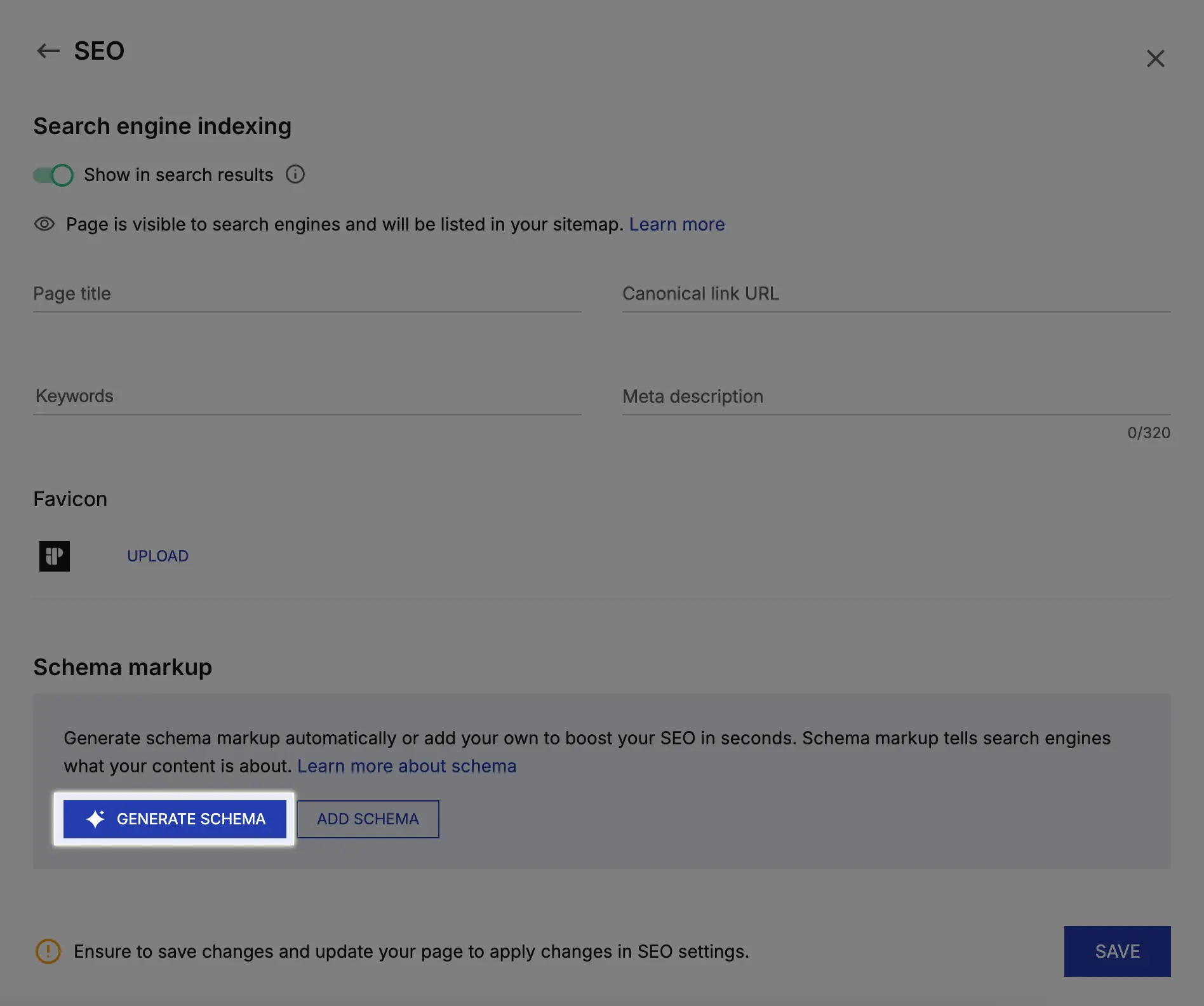
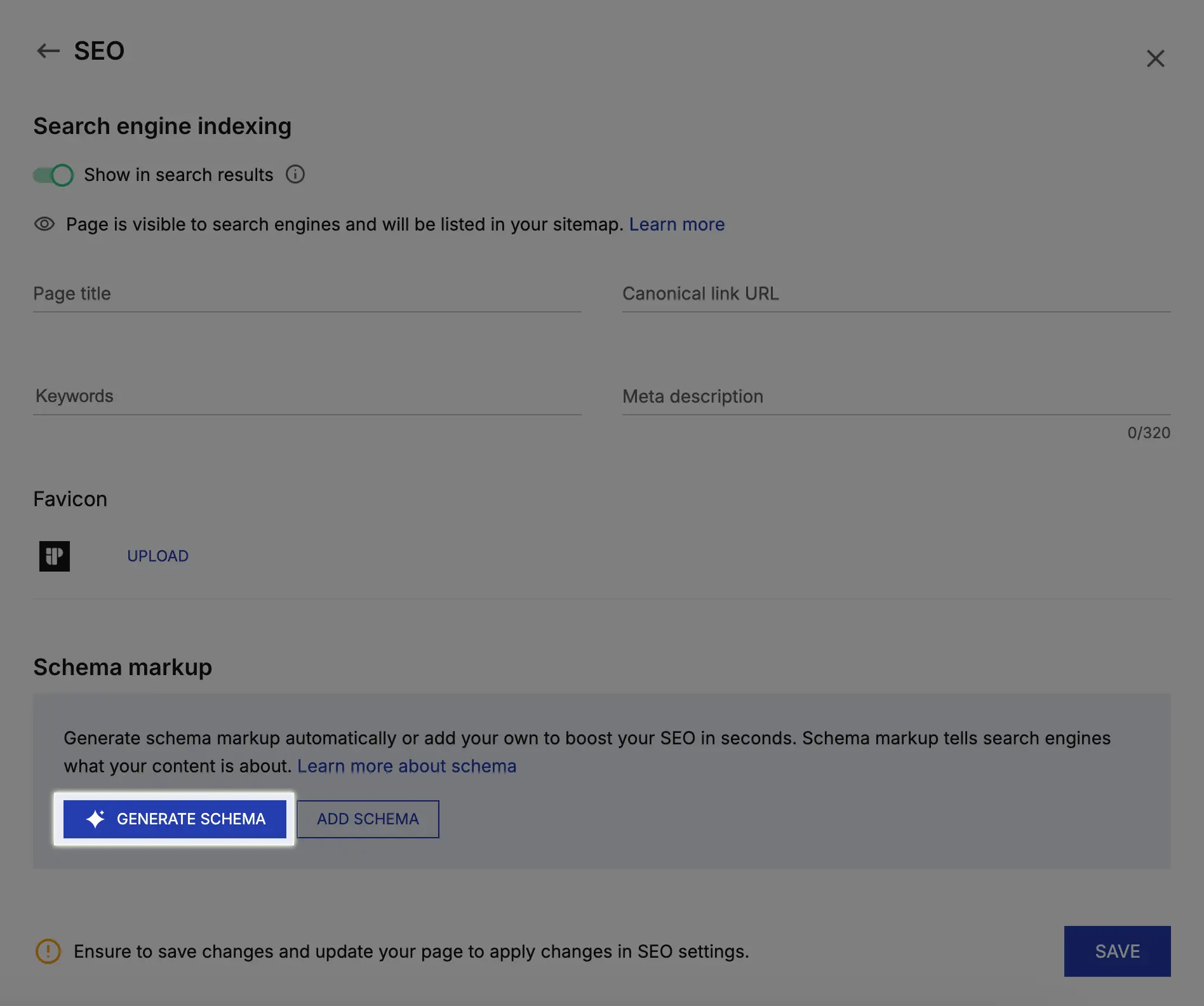
At the core of Instapage’s new offering is Schema Markup, a form of microdata that, once added to a webpage, creates an enhanced description (commonly known as a rich snippet), which appears in search results. Historically, implementing this code—specifically in the JSON-LD format preferred by Google—required a deep understanding of technical SEO and manual coding. The new Instapage feature automates this process, utilizing artificial intelligence to analyze landing page content and generate the appropriate code blocks instantaneously.
The tool provides a streamlined workflow within the Instapage SEO settings panel. Users can choose from a variety of schema types tailored to their specific business needs, including Organization, Person, Product, LocalBusiness, Event, and FAQPage. For marketers uncertain of which category best suits their campaign, an “Auto-detect” function utilizes natural language processing (NLP) to scan the page and suggest the most effective schema configurations. This automation effectively democratizes technical SEO, allowing small to medium-sized enterprises (SMEs) to compete with larger corporations that possess extensive technical resources.
Contextual Background: The Evolution of Semantic Search
To understand the significance of Instapage’s move, one must look at the timeline of search engine evolution. In the early 2010s, search was primarily keyword-based. However, the 2011 collaboration between Google, Bing, and Yahoo to create Schema.org marked a pivot toward “semantic search”—the attempt to understand the intent and contextual meaning of search terms.
The rise of the “Zero-Click Search” phenomenon has further accelerated the need for structured data. According to industry data from Semrush and SparkToro, over 50% of Google searches now end without a click to a website because the information is provided directly on the SERP via featured snippets or knowledge panels. Schema markup is the primary vehicle through which brands feed information to these snippets. By facilitating easier schema implementation, Instapage is helping its users claim this valuable real estate, ensuring that even if a user does not click through, the brand’s data is what informs the user’s answer.
Furthermore, the recent explosion of Large Language Models (LLMs) has changed how content is indexed. AI crawlers do not just “read” text; they look for relationships between entities. A page with valid Schema Markup provides a clear map for these AI systems, significantly increasing the likelihood that the brand will be cited as a primary source in AI-generated responses.

Chronology of Development and Market Response
The development of the Schema Markup feature follows a series of AI-centric updates from Instapage over the past 24 months.
- Early 2023: Instapage introduced its AI Content Generator, focusing on headline and copy optimization to reduce the time-to-launch for new campaigns.
- Late 2023: The platform enhanced its experimentation suite, integrating machine learning to better predict which page variations would convert based on historical data.
- Q2 2024: Internal testing for the Schema Markup tool began, focusing on the validation process to ensure that the AI-generated JSON-LD met the rigorous standards set by Google’s Rich Results Test.
- Current Release: The feature is now live for all users, offering both an automated AI path and a manual entry path for veteran SEO specialists who require granular control.
Industry analysts suggest that this move is a direct response to the tightening of performance marketing margins. As Cost-Per-Click (CPC) rates on platforms like Meta and Google Ads continue to rise, the “conversion” must start earlier in the funnel—at the point of discovery. By ensuring landing pages are optimized for organic and AI discovery, Instapage is positioning itself not just as a design tool, but as a comprehensive visibility engine.
Supporting Data: The Impact of Structured Data on Performance
The necessity of structured data is backed by significant empirical evidence. A study by Search Engine Journal indicated that websites utilizing schema markup see a 20% to 30% higher click-through rate (CTR) on average compared to those without. This is largely attributed to the visual prominence of rich snippets, such as star ratings for products, event dates, or “how-to” steps, which draw the eye away from standard blue links.
Furthermore, data from Milestone Research suggests that “rich” results (those powered by schema) account for 58% of all clicks on certain high-intent queries, despite representing a smaller fraction of the total results on the page. In the context of landing pages—which are often the destination for high-intent traffic—the absence of schema represents a significant missed opportunity for capture.
For local businesses, the implications are even more pronounced. Google’s “Local Pack” and Maps results rely heavily on LocalBusiness schema. According to BrightLocal, 64% of consumers have used Google My Business to find contact details for a local retailer, and structured data is what ensures that a landing page’s physical address, hours, and service offerings are accurately reflected in those high-visibility areas.
Strategic Analysis of Business Implications
The deployment of AI-generated schema markup carries several major implications for different sectors of the digital economy:
For E-commerce and Product Marketing
Product schema allows marketers to display price, availability, and review ratings directly in search results. In a competitive landscape, this transparency can be the deciding factor for a consumer. Instapage’s tool allows these details to be updated and validated in under five minutes, ensuring that search engines do not display outdated pricing or “out of stock” messages that could damage brand credibility.
For Lead Generation and Professional Services
For businesses selling services or generating leads (such as law firms, consultancies, or SaaS providers), the FAQPage and Person schema types are vital. FAQ schema allows a brand to dominate more vertical space on a screen, pushing competitors further down the page. It also establishes the brand as an authority by answering common questions before the user even clicks.
For Event Organizers
The Event schema type enables landing pages to appear in Google’s dedicated “Events” search interface. This is a critical discovery channel for webinars, conferences, and local gatherings. By automating the generation of this markup, Instapage reduces the administrative burden on event marketers who often manage dozens of time-sensitive pages simultaneously.
Official Reactions and Industry Perspective
While Instapage has not released a formal “press conference” transcript, the sentiment from their product development team emphasizes “accessibility and efficiency.” Internal communications highlight that the goal was to eliminate the “technical debt” often associated with SEO.
“The bottleneck for most marketing teams isn’t a lack of strategy; it’s a lack of execution speed,” noted a source familiar with the product’s development. “By moving schema generation from the developer’s queue to the marketer’s dashboard, we are effectively shortening the distance between a campaign’s conception and its peak organic performance.”
External SEO consultants have largely welcomed the update. “Many landing page builders treat SEO as an afterthought, focusing only on meta titles and descriptions,” says Sarah Jenkins, a senior SEO strategist. “Instapage’s decision to include validation—meaning the tool actually checks if the code is ‘legal’ in the eyes of search engines—is a significant step forward. It prevents marketers from accidentally publishing broken code that could lead to search penalties.”
Future Outlook: The Role of Landing Pages in the AI Era
As the digital ecosystem moves further into the “AI-first” era, the definition of a landing page is changing. It is no longer just a destination for human eyes; it is a data source for algorithmic consumption. Instapage’s integration of AI-driven Schema Markup is a recognition of this dual role.
Looking forward, the industry expects to see further integration between landing page platforms and the “Knowledge Graphs” of major tech companies. We may soon see features that allow for “Entity Linking,” where a landing page explicitly connects itself to other recognized entities across the web, further solidifying its authority.
The release of the Schema Markup feature is currently available across all Instapage plans. The company is offering a 14-day trial to allow users to test the AI generator and observe the impact on their search visibility. As the digital marketplace continues to evolve, the ability to communicate clearly with both humans and machines will likely remain the hallmark of successful digital marketing.
By providing a tool that requires no coding and takes less than five minutes to implement, Instapage has set a new standard for landing page optimization, ensuring that its users’ content remains visible, relevant, and authoritative in an increasingly crowded and automated digital world.







